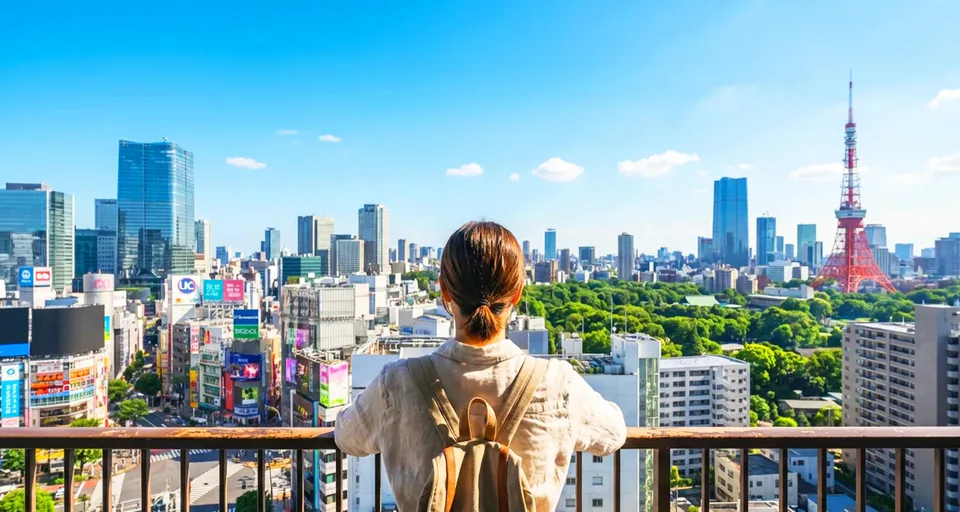
A Tokyo day trip should replace a Tokyo day, not sit on top of one. If you have only three full sightseeing days in Tokyo, I would normally choose none of these. With four days, Kamakura, Kawagoe or Yokohama are the easiest to justify because they have lower failure cost. With five or more days, Mt Fuji and central Nikko become much stronger candidates because you can afford to surrender a complete city day to a longer, less flexible excursion.
The destinations solve different problems. Mt Fuji gives the biggest landscape payoff and the biggest weather gamble. Nikko gives the strongest World Heritage contrast but the heaviest transport commitment. Kamakura is the best-balanced full-day story. Kawagoe is the lowest-regret old-town escape. Yokohama is the easiest to use as an afternoon-and-evening change of pace.
ValueNavi decision table: which day trip fits your Tokyo trip?
↔ Scroll table left or right
Your priority | Pick first | Why | What can reverse it |
Mt Fuji itself is a top trip goal | Kawaguchiko / Mt Fuji | Highest landscape uniqueness | Poor forecast and no ability to move the date |
World Heritage shrines and historic architecture | Central Nikko | Biggest cultural contrast with Tokyo | You also want Lake Chuzenji / Oku-Nikko in the same autumn day |
Temples + coast + walking | Kamakura | Strong all-day narrative with moderate transport burden | You dislike temple-heavy days |
Low-risk old-town change of pace | Kawagoe | Shorter commitment and easy to shorten | You expect it to substitute for Kyoto |
Waterfront, dinner and night views | Yokohama | Can work as a half-day and evening rather than consuming the whole day | You specifically want mountains, temples or rural scenery |
Only 3 full Tokyo days | Stay in Tokyo | The replacement cost is larger than the transport cost | One destination is a top-three Japan priority |
ValueNavi Day-Trip Decision Score
This is a ValueNavi editorial dataset, not an official destination rating. We score difference from Tokyo / uniqueness (20%), door-to-door efficiency (20%), weather resilience (15%), transport resilience (15%), half-day recoverability (10%), money efficiency (10%) and first-trip fit (10%). Higher is better for a typical first-time visitor deciding whether to give up a Tokyo day.
Destination | ValueNavi score | Strongest dimension | Main penalty |
|---|---|---|---|
Kamakura | First-trip fit + coherent full-day story | Walking load and stop inflation along the Enoden | |
Yokohama | Door-to-door efficiency + half-day recoverability | Lower “escape from a huge city” contrast | |
Kawagoe | Transport resilience + low failure cost | Less unique if Kyoto is already on the Japan itinerary | |
Central Nikko | Uniqueness + heritage value | Longer travel and weak half-day recoverability | |
Kawaguchiko / Mt Fuji | Uniqueness 10/10 | Weather resilience is the lowest of the group |
The ranking is deliberately not “most spectacular first.” Mt Fuji can be the correct choice even with the lowest aggregate score when seeing the mountain is one of the reasons you came to Japan. The score exposes the trade-off: very high uniqueness purchased with very low outcome certainty.
ValueNavi Tokyo-Day Replacement Cost
Use this calculation before comparing train fares:
Day-Trip Replacement Cost = lost Tokyo day + door-to-door travel + local transport dependency + weather/crowd failure risk
The lost Tokyo day is the most commonly omitted term. A ¥1,000 pass can still support an expensive decision if the trip removes your only full Shibuya or Asakusa day.
↔ Scroll table left or right
Full Tokyo days available | ValueNavi rule |
3 | Skip day trips unless one is a top trip priority |
4 | Add one low/medium-friction trip: Kamakura, Kawagoe or Yokohama |
5 | One major day trip becomes easy to justify; Fuji or Nikko now fit much better |
6+ | Two excursions can work if they deliver different experiences and are not both high-risk |
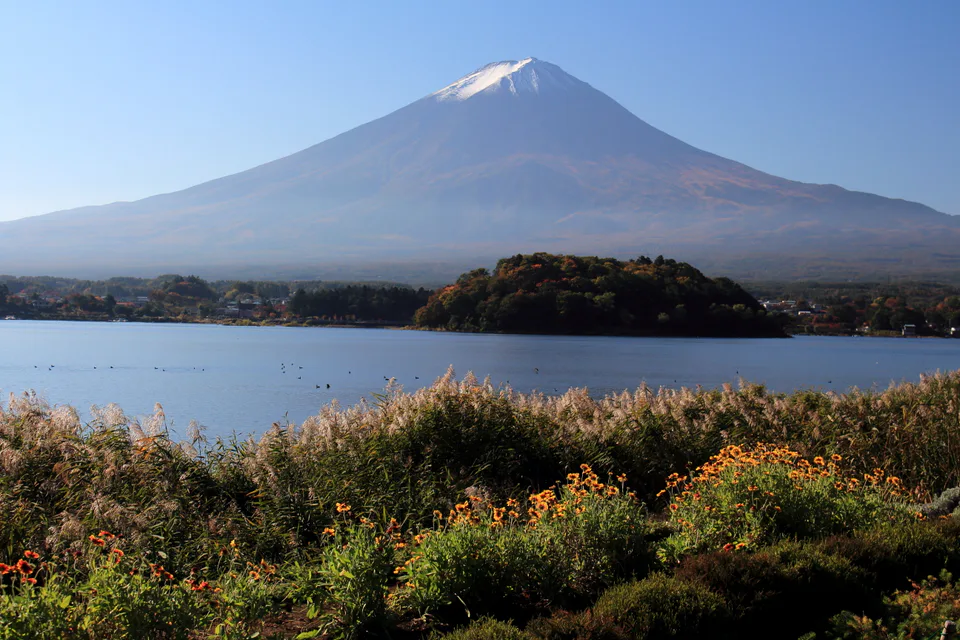
Mt Fuji: highest reward, lowest outcome certainty
Fujikyu Railway currently lists the direct FUJI EXCURSION from Shinjuku to Kawaguchiko at a fastest 1 hour 54 minutes, with a one-way total fare of ¥4,200 (about US$26). A simple return is therefore about ¥8,400 (about US$53) before local transport and attractions.
You can buy the seat; you cannot buy a clear mountain. That is why Fuji should normally sit on a movable day rather than the final day before departure. If the forecast is poor and your booking allows movement, a Tokyo museum or shopping day is a better swap partner than forcing a low-visibility trip.
Best for: travellers for whom Mt Fuji is itself a trip goal. Avoid/change if: you have only three Tokyo days, cannot move the date and the forecast is poor.
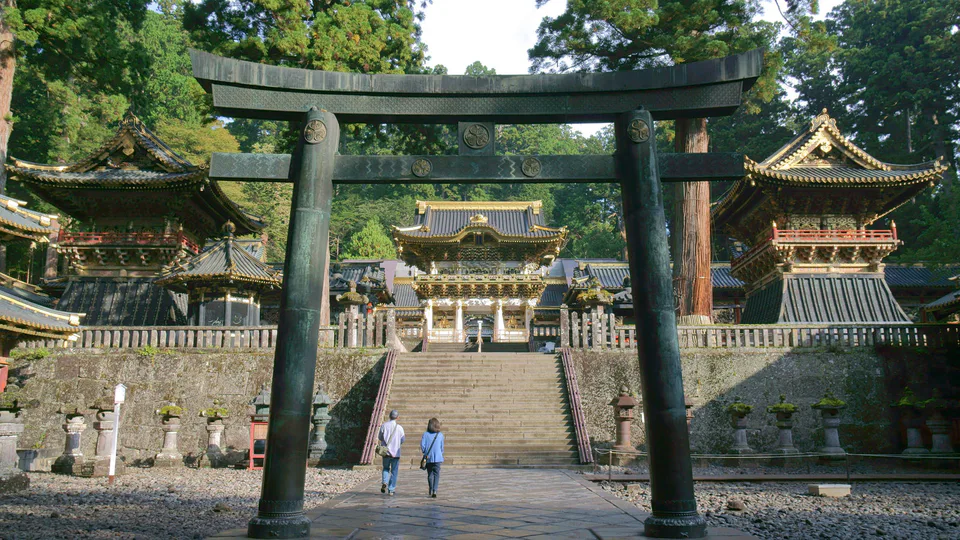
Nikko: keep the day in the World Heritage core
Tobu Railway lists direct limited-express travel from Asakusa to Tobu-Nikko at around 1 hour 50 minutes. That makes central Nikko a viable long day: Toshogu, Rinnoji, Futarasan Shrine and Shinkyo can form one coherent heritage route.
The recommendation changes when “Nikko” expands into Oku-Nikko. Road congestion on the Irohazaka corridor can become severe in autumn, and the official Nikko tourism site confirms that the Akechidaira Ropeway is closed for renovation from January 16, 2026 through August 31, 2027. Do not copy an older autumn itinerary that treats the ropeway as a 2026 stop.
Best for: heritage-first travellers. Avoid/change if: your real goal is Lake Chuzenji and a broad Oku-Nikko nature day in peak foliage season—consider an overnight instead.
Kamakura: the best-balanced first day trip
Kamakura works because temples, Komachi Street, Hase and the coast can form one continuous day rather than a set of disconnected attractions. It also survives imperfect weather better than Fuji because the day still has temples, food and streets when the horizon is grey.
Enoden's current Noriorikun one-day pass is ¥800 (about US$5) for adults. The pass can be useful if you actually make several Enoden rides. It is not a reason to stop at every famous station. The main Kamakura failure mode is stop inflation: a flexible coastal railway turns into six miniature attractions and consumes the afternoon.
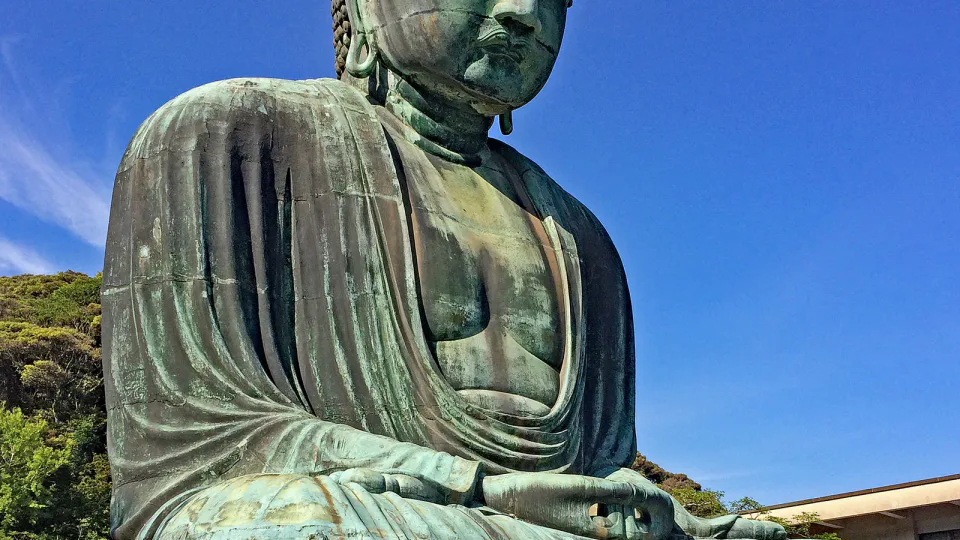
Best for: first-time visitors wanting a complete cultural day outside Tokyo. Avoid/change if: temples are already dominating the wider Japan trip.
Kawagoe: the lowest-regret old-town escape
Kawagoe's strength is recoverability. It is easy to shorten, and the day does not collapse if one sight disappoints. Seibu's current digital SEIBU KAWAGOE PASS is ¥1,000 (about US$6.30) for eligible international visitors and provides one round trip between designated Tokyo stations and Hon-Kawagoe. It does not include limited-express or reserved-seat supplements.
Do not choose Kawagoe because somebody called it “Little Kyoto.” Choose it because warehouse streets, Toki no Kane, Kashiya Yokocho, Hikawa Shrine and cafés can give you a slower change of pace with little commitment.
Best for: four-day Tokyo trips that want one low-risk excursion. Avoid/change if: Kyoto is already a major part of the same Japan trip and you need something more different from Tokyo.
Yokohama: the excursion that does not need the whole day
Yokohama's official visitor guide lists approximately 25 minutes from Tokyo Station, 16 minutes from Shinagawa and around 24–26 minutes from Shibuya to Yokohama Station. That changes the day-trip economics. You can keep a Tokyo morning and move to Minato Mirai, the Red Brick Warehouse, Osanbashi and dinner later.
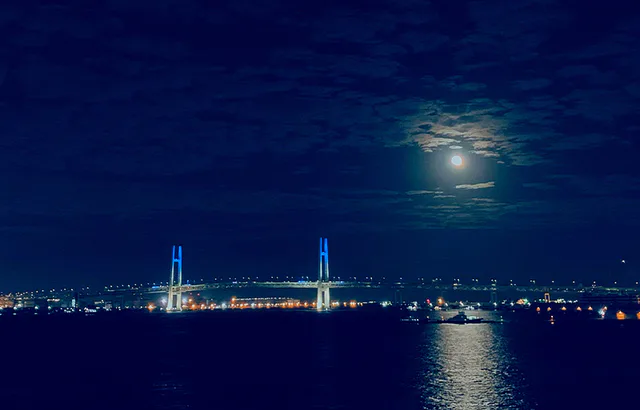
Best for: travellers who want a waterfront evening without losing a full Tokyo day. Avoid/change if: the whole purpose of leaving Tokyo is mountains, temples or a rural atmosphere.
DIY or tour? Count transport systems, not destinations
Kawagoe, Yokohama and central Kamakura are naturally DIY because the route remains easy to edit. Central Nikko can also work independently. Fuji becomes the strongest tour candidate when you want several scattered stops whose public transport would force multiple timetable decisions.
ValueNavi Tour Threshold: if the desired day requires three or more low-frequency local transport decisions after leaving Tokyo, price a tour against the full coordination cost—not just against the train fare. If the day has one direct trunk route and one simple local corridor, DIY usually retains more flexibility.
Weather-reversal matrix
↔ Scroll table left or right
Forecast / condition | Destination that loses most value | More resilient substitute |
Low cloud / haze | Mt Fuji | Kamakura, Kawagoe or Yokohama |
Heavy autumn road congestion | Oku-Nikko | Central Nikko only |
Persistent rain | Fuji / coastal Enoshima emphasis | Yokohama indoor mix or Tokyo museum day |
Late start after 11:00 | Nikko / Fuji | Yokohama or Kawagoe |
Final verdict
With three full Tokyo days, stay in Tokyo unless one excursion is a core reason for the trip. With four days, Kamakura, Kawagoe or Yokohama have the lowest opportunity-cost risk. With five or more, Mt Fuji and Nikko become much easier to justify. Choose Fuji for unique landscape and accept weather risk; Nikko for heritage and accept travel commitment; Kamakura for the best all-round full day; Kawagoe for low-friction old-town contrast; Yokohama when you want a day trip that can remain a half-day.
The destination with the biggest name is not automatically the best use of the day you have to surrender.
References
Nikko official tourism — Akechidaira Ropeway renovation closure
Yokohama Official Visitors Guide — access from central Tokyo
Verified August 26, 2026. USD conversions use approximately ¥1 = US$0.00629 and are only planning aids; yen prices and operator rules govern.