
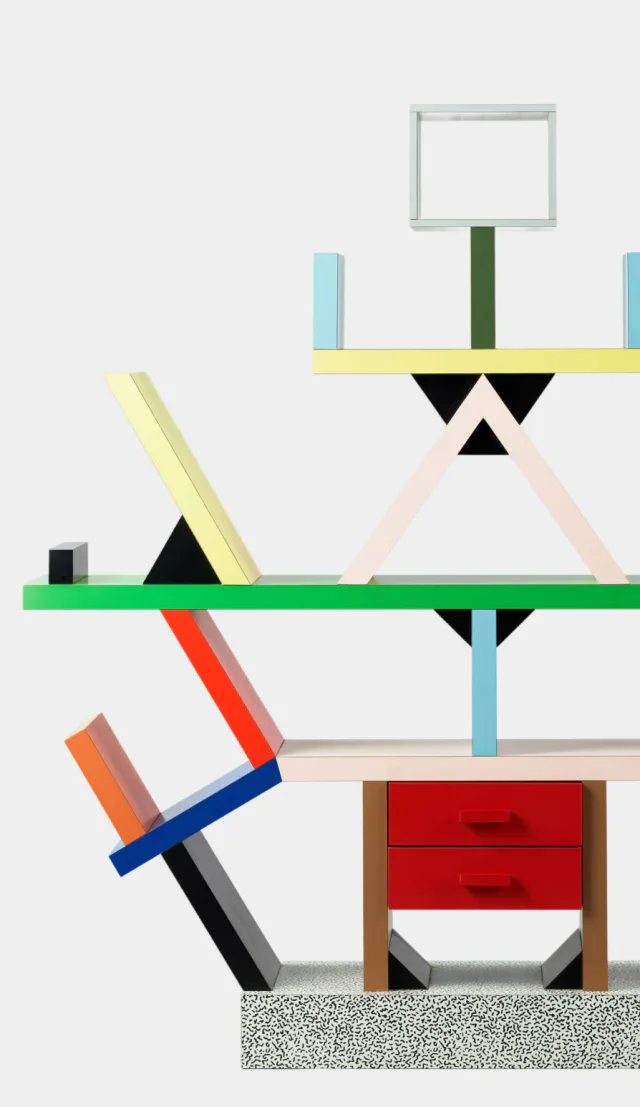
Artizon Museum is worth adding to a Tokyo Station, Kyobashi or Ginza day when either Ettore Sottsass or Takiguchi Shuzo genuinely interests you—and it becomes unusually good value if both do. One admission currently covers the Sottsass retrospective on 6F and TAKIGUCHI Shuzo: Writing and Drawing on 5F/4F through October 4, 2026. I would plan about 90 minutes for a selective visit and two to three hours if you want to engage seriously with both exhibitions.
The September booking trap is more important than another biography paragraph: September 21 is a Monday but the museum is open because it is a public holiday; September 24 is a special closure. The JPY 2,200 Magical Pair Discount Ticket is valid only through September 18. From September 19 onward, two general adults should normally compare standard timed-entry tickets instead of assuming the pair product still exists.
↔ Scroll table left or right
Your situation | What I would do | Why |
Design / Memphis / Olivetti is the main interest | Give Sottsass the first 60–90 minutes | The exhibition contains more than 100 works and is Japan’s first major Sottsass retrospective |
Surrealism, postwar Japanese art criticism or artist networks interest you | Protect real time for Takiguchi | It is a full concurrent exhibition, not a small add-on downstairs |
Two adults visiting by September 18 | Check the JPY 2,200 Pair Ticket first | It saves JPY 200 versus two JPY 1,200 online tickets and does not require a date/time reservation |
Visiting September 19–October 4 | Use standard timed-entry pricing | The Pair Ticket validity has ended |
Visiting Monday September 21 | The museum is open | This is an explicit exception to the normal Monday closure |
Visiting Thursday September 24 | Choose another day | The museum is specifically closed that day |
Only going because it is near Tokyo Station | Skip | Convenient geography cannot create interest in exhibitions you do not care about |
The real value is two different exhibitions under one admission
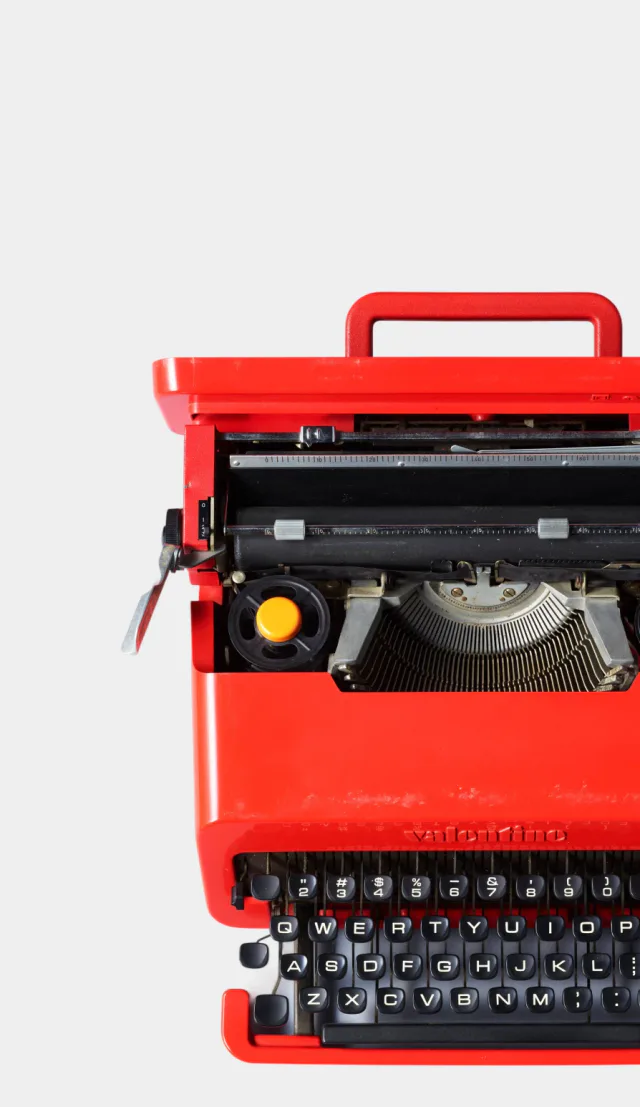
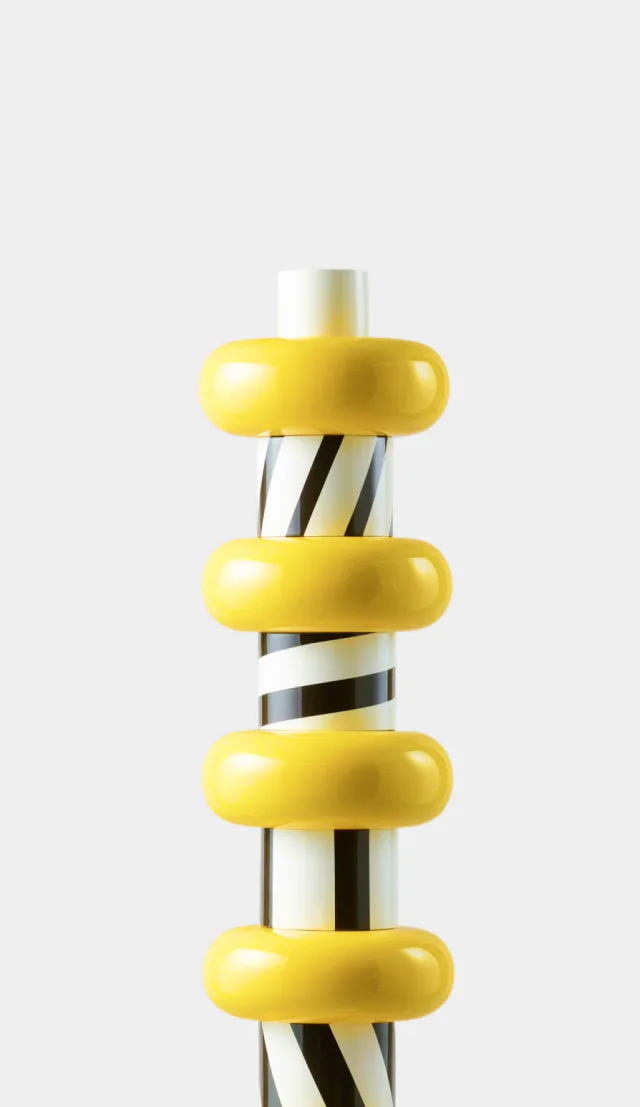
Sottsass is the obvious visual hook. Artizon describes this as the first major Sottsass retrospective in Japan, with more than 100 works from across his career. Furniture, ceramics, glass, office equipment, photographs and drawings make the exhibition broader than a greatest-hits room of Memphis objects.
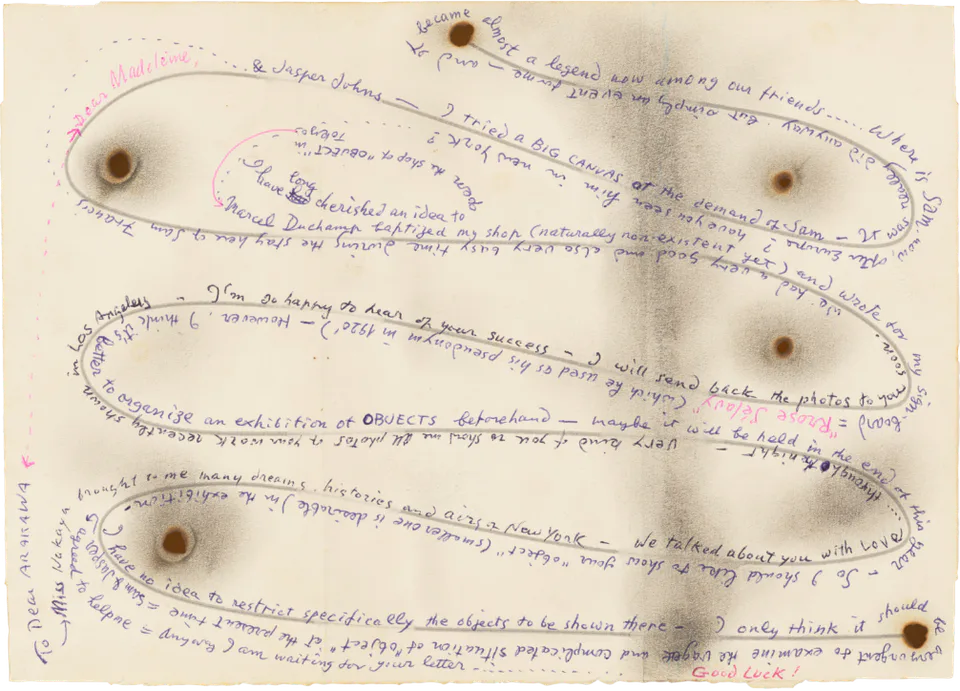
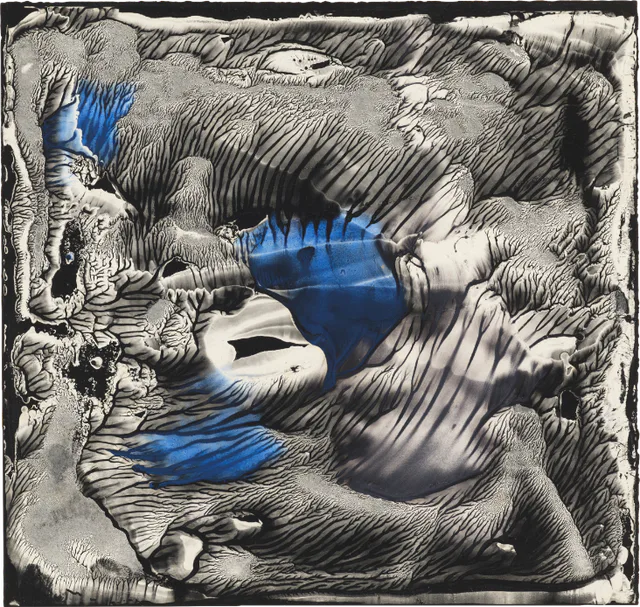
Takiguchi is the part visitors are more likely to under-budget. The Ishibashi Foundation holds 163 works by Takiguchi, including collaborations, and the current exhibition presents more than half of those works together for the first time since acquisition. It also places his work beside artists connected to his thought and networks, including Paul Klee, Marcel Duchamp and Joan Miró.
That creates the strongest reason to choose Artizon over a random rainy-day museum: one ticket supports two genuinely different lines of inquiry. If only one exhibition interests you, the visit can still be worthwhile. If neither does, the JPY 1,200 online price is irrelevant.
90 minutes, two hours or three? Do not divide the floors democratically
If you have only about 90 minutes, I would start on 6F with Sottsass and then use the remaining time for selected Takiguchi sections. The more object-driven design exhibition communicates quickly; Takiguchi’s writing, drawing and conceptual relationships reward slower attention.
For a visitor who genuinely cares about both exhibitions, two to three hours is the better block. Artizon’s timed-entry system controls the arrival window rather than imposing a fixed viewing duration after entry, so the real constraint is your own Tokyo schedule.
That makes this a time-allocation decision, not a cheap-ticket decision. A JPY 1,200 museum can still be poor value if it turns a four-day Tokyo trip into six fixed reservations and forces meals, rest and neighbourhood time into the gaps.
September 2026 has one open-Monday exception and one Thursday closure
The two current exhibitions run through October 4. Their official pages list normal opening hours of 10:00–18:00, with Fridays until 20:00 and last entry 30 minutes before closing.
The closure calendar is not a simple “closed every Monday” rule during this run. The museum is open Monday, September 21, while Thursday, September 24 is closed. That matters for travellers building a Silver Week Tokyo itinerary from generic museum-opening assumptions.
Friday evening is still one of the most useful time slots when your day is already around Tokyo Station, Kyobashi, Nihombashi or Ginza. One warning: the museum’s general guide says Friday late opening excludes national holidays, so always use the current exhibition calendar for the exact date rather than treating “Friday = 20:00” as immutable.
Ticket strategy changes after September 18
General admission is currently JPY 1,200 online and JPY 1,500 at the museum ticket desk when the time slot still has capacity. Online bookings can be made until 10 minutes before the end of each entry slot. After a normal booking is confirmed, it cannot be cancelled, but the current ticket page allows up to two date/time changes before the visit.
For two adults visiting on or before September 18, the limited Magical Pair Discount Ticket deserves the first check. It costs JPY 2,200, saves JPY 200 versus two standard online adult tickets, and does not require an advance date/time reservation. It can also be used by one person for two visits.
That product’s sale and use period ends September 18. If your visit is September 19–October 4, do not keep comparing the JPY 2,200 pair price because it no longer describes the product available for your dates.
There is also a weekday limited ticket with Sottsass and Takiguchi stickers at JPY 1,200 through September 18. It is not a cheaper admission ticket; the value is the included stickers and the no-reservation structure. If you do not care about the stickers, do not call it a discount.
Artizon is strongest when it uses an east-Tokyo block you already have
The museum lists about five minutes on foot from JR Tokyo Station’s Yaesu Central Exit, and similar convenient access from Kyobashi and Nihombashi stations. The location premium is therefore low when the same day already contains Tokyo Station, Ginza, Nihombashi or another east-side stop.
The same museum becomes a different product if you cross Tokyo from western Shinjuku for it, then immediately travel back west. The art did not change; the door-to-door opportunity cost did.
For a four-day Tokyo trip, I would use a substitution rule: Artizon should replace another two- to three-hour block rather than being stacked on top of every original plan. If a Kamakura, Nikko or Disney day already consumes whole days, protect the remaining city time before adding another timed attraction.
If the larger trip is still unsettled, use How Many Days in Tokyo? before optimising one museum reservation.
Bring your phone and earphones if the audio guide matters
Artizon’s official app includes audio-guide functions and the museum provides Wi-Fi, but the experience is built around your own smartphone rather than a traditional rental audio-guide handset. The museum’s published guidance asks visitors to bring earphones.
This is a small operational detail with disproportionate value. If you want to use the guide, put earphones in the day bag before leaving the hotel. Do not discover the requirement after you are already inside the galleries.
Rain makes the museum easier to justify, not automatically worth visiting
Artizon is an excellent weather-resilient block because the galleries are indoors and the Tokyo Station/Kyobashi walk is short. But “indoors” is not a content preference. If neither design nor Takiguchi’s work interests you, rain should not turn a low-priority museum into a must-see.
A better rainy-day rule is to choose the indoor attraction you were already curious about, then use weather resilience as the tiebreaker. Convenience should lower the cost of a good choice, not rescue a bad one.
Final verdict
Go when at least one of the two exhibitions is already a real interest; the strongest-value visitor is curious about both. Sottsass supplies the immediate visual energy, but Takiguchi is the second exhibition most likely to justify staying longer than the first-glance plan.
For visits through September 18, two adults should check the JPY 2,200 Pair Ticket before buying two standard admissions. For September 19–October 4, move back to the standard ticket comparison. And if your itinerary falls around Japan’s September holidays, remember the unusual calendar: September 21 is open; September 24 is closed.
Skip Artizon if neither exhibition matters to you and the only argument is “it is near Tokyo Station.” The museum’s geography is excellent, but location should reduce friction around an exhibition you want—not manufacture a reason to spend three hours indoors.
References
Artizon Museum — Ettore Sottsass exhibition · Artizon Museum — TAKIGUCHI Shuzo exhibition · official 2026 special-ticket information · Artizon Museum — ticket rules · Artizon Museum — current calendar. Checked August 25, 2026.