
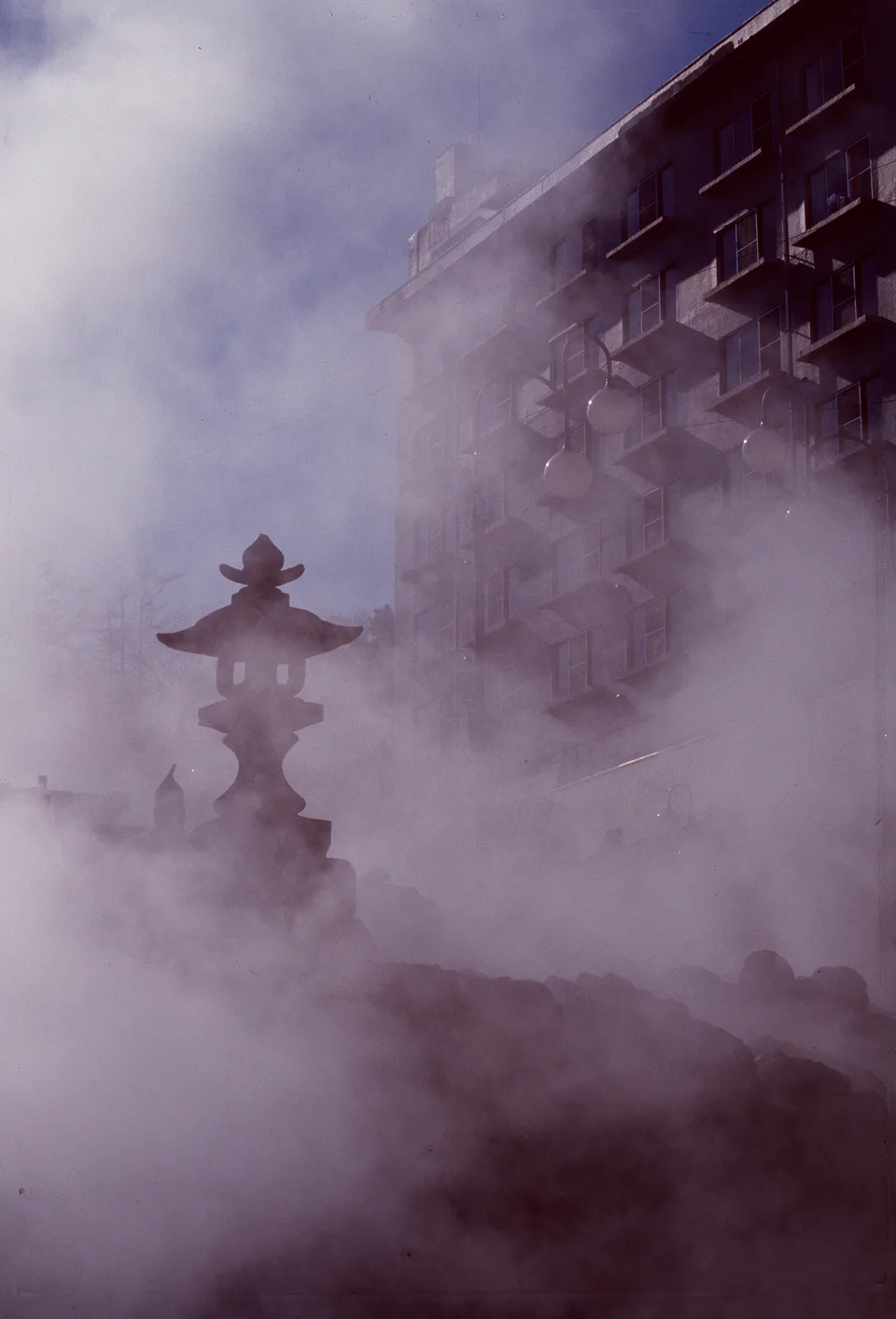
Do not try to “complete” Beppu by stacking a steam bath, sand bath and several hot public baths into the same half-day. Choose the format that adds something different to the rest of your trip. Kannawa Mushi-yu is the strongest choice when the historic steam district and herbal steam chamber are the point. Takegawara Onsen is the easiest historic sand-and-bath choice from central Beppu. SHONINPARK Sand SPA is the modern seaside sand-bath experience with more visitor amenities. A municipal bath is best when you want inexpensive everyday Beppu rather than another destination attraction.
The hidden cost is heat load. Steam, hot sand and high-temperature baths can all leave you wanting water, food and recovery rather than another ticket. One distinctive heat experience plus one ordinary bath later in the trip usually produces more value than collecting facilities back-to-back.
↔ Scroll table left or right
What you want | Choose | Current key facts | Main trade-off |
Kannawa steam culture | Kannawa Mushi-yu | JPY 700; temporary Jul–Sep 2026 hours 07:30–19:30, last reception 19:00 | Small-capacity, intense steam; give yourself cooling time |
Historic central Beppu + sand | Takegawara Onsen | Ordinary bath JPY 300; sand bath JPY 1,500; sand bath age 6+ | Queues can matter; sand bath handles up to eight people at once |
Seaside sand-bath experience | SHONINPARK Sand SPA | Adult JPY 2,500; age 6–12 JPY 1,800; under 6 not permitted | Highest price and a dedicated destination stop |
Local everyday onsen | Municipal bath near your route | Some city baths remain around JPY 200–300 | Fewer visitor amenities; local bathing etiquette matters more |
Kannawa Mushi-yu: choose it for the district, not just for “another sauna”
Kannawa Mushi-yu is not a conventional dry sauna. Beppu City describes a stone steam chamber whose heated floor is covered with sekisho, an aromatic plant, with visitors lying inside the chamber. Capacity is small: the city currently lists four people at a time on each male/female side, and waiting can occur.
During the current summer operating change from July 1 through September 30, 2026, hours are 07:30–19:30 with last reception at 19:00. Admission is JPY 700 for junior-high-school age and above. A rental yukata is JPY 220, while the city notes that visitors may bring a T-shirt and shorts instead.
The strongest itinerary is Kannawa streets / Hells → Jigoku Mushi meal → one steam experience → cool down. The weakest itinerary is Mushi-yu followed immediately by Takegawara sand bath simply because both are famous. The second ticket is competing with your body’s recovery time.
If the Hells are also on the trip, use the Beppu two-day itinerary to keep Kannawa geographically coherent.
Takegawara Onsen: the easiest historic answer when you are based near Beppu Station
Takegawara is a strong first choice for a traveller staying near Beppu Station or Kitahama because the historic building, ordinary bath and sand-bath option sit inside the central-city part of the itinerary. You do not need to ride out to Kannawa or the coast just to get a distinctive onsen experience.
The current official tourism page lists the ordinary bath at JPY 300 for adults and the sand bath at JPY 1,500, with sand bathing available from age six. Ordinary bathing runs 06:30–22:30. The sand bath currently runs 08:00–22:30 with last reception at 21:30, but reception can end earlier when crowded. The facility lists a maximum of eight simultaneous sand-bath users.
That capacity creates the main failure mode: do not put Takegawara sand bath immediately before a train, dinner reservation or ryokan check-in. A cheap and centrally located attraction can still make the itinerary fragile if the queue has no slack.
If you only want to experience the historic building and local bathing culture, the JPY 300 ordinary bath can be a better decision than paying five times more for sand. The sand premium should be paid because being buried in heated sand is the experience you want, not because it is the “famous version.”
SHONINPARK Sand SPA: pay more when the seaside setting is part of the product
SHONINPARK Sand SPA is the modern Beppu seaside sand-bath option. Current official information lists JPY 2,500 for adults and JPY 1,800 for children aged 6–12, including the sand-bath yukata, bath towel, face towel and amenities. Children aged five and under cannot use the sand bath.
From June through October, the current hours are 08:00–22:00 with final reception at 21:00. The price is substantially higher than Takegawara’s JPY 1,500 sand bath, so the decision should be based on what the extra JPY 1,000 buys: the seaside setting, modern facility and included visitor amenities.
If you are already near central Beppu and simply want to try hot sand once, Takegawara is easier to justify. If a slower seaside recovery block is the purpose and you are willing to travel specifically for it, SHONINPARK becomes the stronger product.
Two sand baths on one short Beppu trip is usually duplication
Takegawara and SHONINPARK use different settings and facilities, but both solve the same high-level travel desire: “I want to experience Beppu’s heated sand.” On a one- or two-night first visit, doing both usually has a high opportunity cost.
Choose Takegawara for historic atmosphere and central convenience. Choose SHONINPARK for the seaside-modern version. Only do both if sand bathing itself is a special interest rather than a checkbox.
This is the same logic used in the Beppu vs Yufuin accommodation decision: the trip improves when each night or half-day has a distinct job.
Local public baths: the cheapest ticket can demand the most cultural adjustment
Beppu’s municipal baths can cost only a few hundred yen, and some stay open much later than major tourist facilities. That makes them excellent near-hotel evening options. But a local bath is not a budget version of a resort spa.
Beppu City’s bathing guidance notes that local public baths have community rules, including washing or pouring water over yourself before entering and not changing the water temperature without checking with local bathers. Amenities can also be minimal.
Choose a local bath when simplicity and local atmosphere are the point. Do not cross the city at night to collect a famous name when a JPY 200–300 bath near the hotel would deliver the exact experience you want.
Tattoo rules: verify the specific facility, not “Beppu” as a destination
Facility policies differ. Current Beppu tourism listings for Takegawara and SHONINPARK display tattoo-friendly facility indicators, while hotel and private-property rules elsewhere can be different. Do not transfer one bath’s policy to another just because both are in Beppu.
If tattoo access is a deciding factor, verify the exact facility on the day and keep a second nearby option. The destination is unusually rich in bath choices, which is more useful than trying to find one universal Beppu rule.
Three half-day patterns that do not overheat the itinerary
Kannawa culture half-day
Hells or steam streets → Jigoku Mushi lunch → Kannawa Mushi-yu → café / hotel recovery. Do not add a second major heat experience before dinner.
Central Beppu arrival afternoon
Check in near Beppu Station → city walk / Kitahama → Takegawara ordinary bath or sand bath → dinner. This is the best pattern when transport flexibility matters.
Recovery-focused coast block
SHONINPARK Sand SPA → slow seaside time → light meal → hotel. Treat the sand spa as the anchor rather than a 30-minute box between sightseeing stops.
Weather and heat can reverse the recommendation
A sand or steam experience is not automatically a rainy-day solution if severe weather affects transport or facility operations. Beppu City publishes current municipal-onssen closure notices, and SHONINPARK’s operating information can change. Check live status on the visit day.
Summer also raises the recovery cost. If the outdoor itinerary already involves long walks in high heat, adding an intense steam chamber because “it is indoors” may not be the restorative choice you imagine. Move the heat experience earlier or later, hydrate, and remove another strenuous stop.
Final verdict
For a first Beppu trip, choose one headline heat experience per half-day. Pick Kannawa Mushi-yu when the steam district itself is the attraction, Takegawara when history and central convenience matter, and SHONINPARK when the modern seaside sand-bath setting is worth the JPY 1,000 premium over Takegawara’s current sand-bath price.
Then use an ordinary local or hotel bath later if you still want more onsen time. The best Beppu onsen plan is not the one with the most baths; it is the one where each experience is still enjoyable rather than becoming the next hot room on a checklist.
References
Beppu City — Kannawa Mushi-yu · Beppu Tourism — Takegawara Onsen · Beppu Tourism — SHONINPARK Sand SPA · Beppu City — current municipal onsen closure calendar. Checked August 25, 2026.