
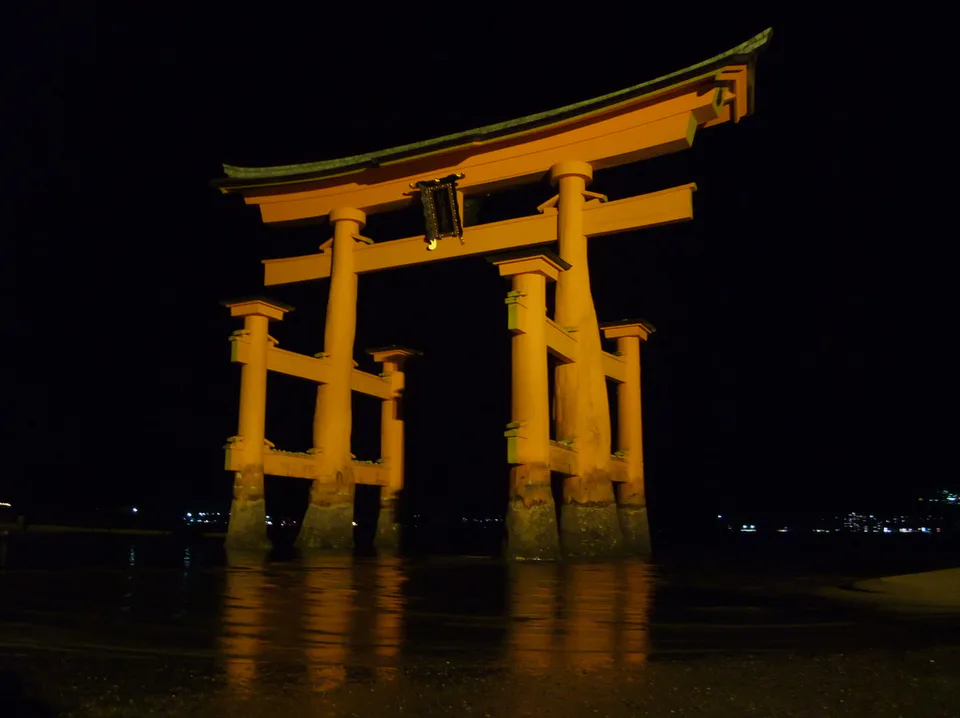
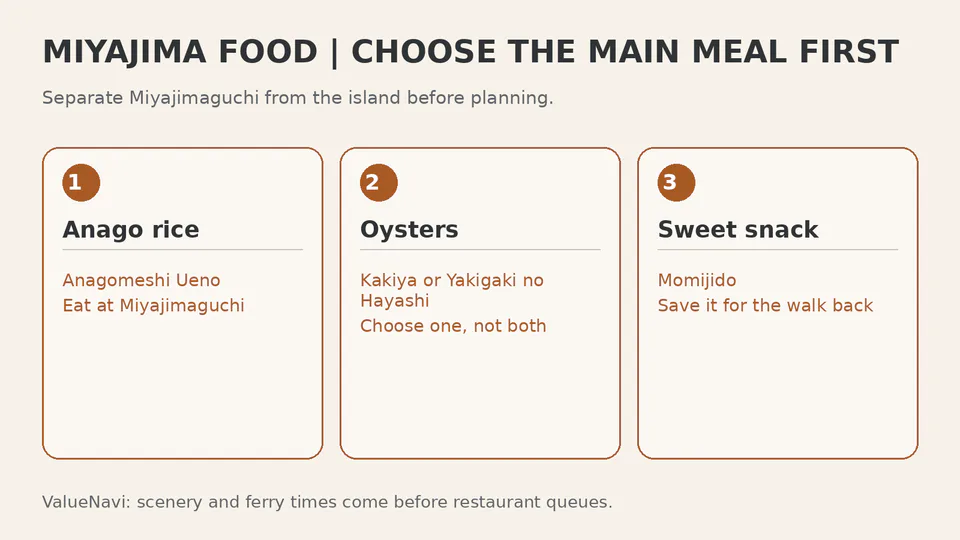
For most first-time visitors, the best Miyajima food plan is one main meal, one smaller local-food stop and one flexible sweet—not a crawl through every famous shop. Choose anago rice when you want the main meal at Miyajimaguchi, choose oysters when you want the main meal on the island, and leave momiji manju for the return walk. That structure keeps food from consuming the same hours you need for Itsukushima Shrine, Mt Misen, the tide and the ferry.
The key trade-off is time, not appetite. A restaurant queue is easier to replace than a ropeway window, reserved activity or onward train. ValueNavi’s rule is to let the hardest-to-move part of the day set the food schedule—not the other way around.
ValueNavi decision table: give each food one job
↔ Scroll table left or right
Priority | Best starting move | Role | What reverses it |
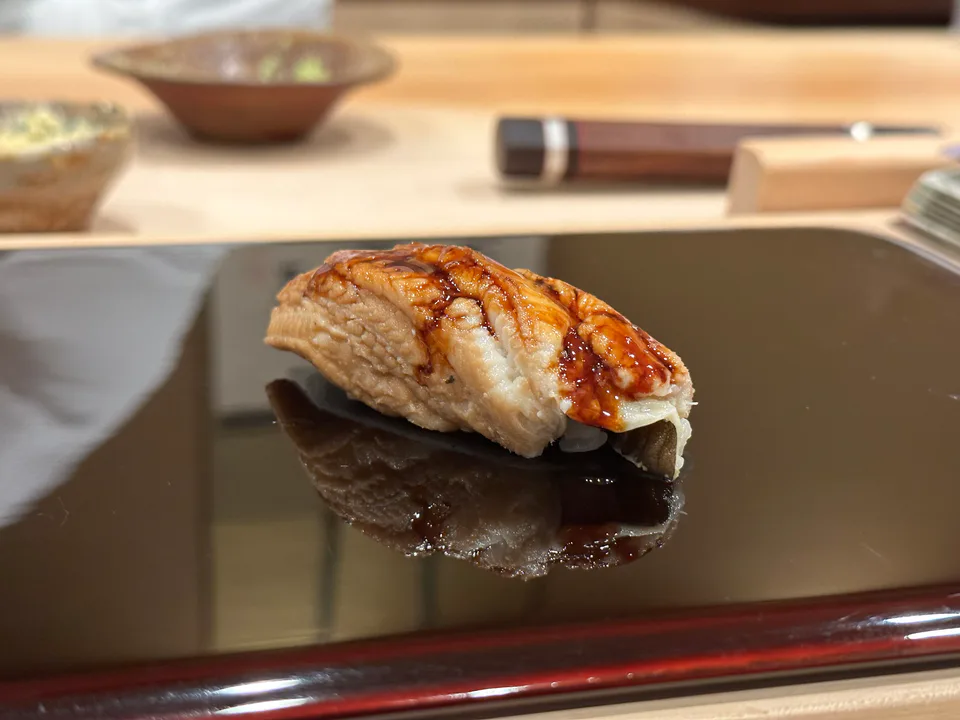
Anago rice | Anagomeshi Ueno at Miyajimaguchi | Main meal before boarding or after returning | The queue is deleting meaningful island time |
Oysters | One island oyster stop | Main meal or small tasting | Mixed-appetite group needs a broader menu |
Mt Misen | Mountain before a heavy meal | Protect the least flexible activity block | Your mountain slot is intentionally late and weather is stable |
Momiji manju | End of visit | Compressible snack/souvenir | A specific shop is itself the food objective |
Ryokan dinner included | Lighter lunch | Protect the value of the meal you already paid for | Your overnight rate is room-only |
The ValueNavi Meal Queue Budget
A queue is not automatically bad. It becomes bad when its opportunity cost exceeds the extra value of that specific restaurant over a reasonable alternative. I use this planning equation:
Queue Budget = time remaining before the next hard block − travel to that block − safety margin.
If you have 90 minutes before you need to begin the Mt Misen section but 45 minutes are already needed for walking, ropeway access and a safe buffer, you do not have a 90-minute restaurant window. You have at most 45 minutes before eating time is even counted.
↔ Scroll table left or right
Day structure | Queue budget | What I would do |
Half-day + fixed ferry/train | Low | Switch restaurants quickly |
Full day, shrine-focused | Medium | One deliberate queue can be reasonable |
Misen + booked activity | Very low before hard slots | Eat light and move the main meal later |
Overnight with no same-day return pressure | Higher | Give more time to a restaurant you genuinely care about |
The sunk-cost trap matters here. Waiting 25 minutes does not make the next 30 minutes free. If the queue starts consuming the reason you came to Miyajima, leave it.
Anagomeshi Ueno is a Miyajimaguchi decision, not an island detour
Anagomeshi Ueno is at Miyajimaguchi, on the mainland side of the ferry. Its current official information lists restaurant service beginning at 10:00 and bento sales from 09:00, with service running into the evening or until sold out depending on the day. Even reserved bento pickup can be delayed when the shop is extremely busy.
That gives you three rational uses:
Food-first day: make Ueno the main meal, then board without planning a second full lunch.
Misen-first day: do not let a mainland meal delay your island arrival; use a faster option and eat later.
Return meal: verify live hours/availability rather than assuming you can always eat after the island closes down.
The proprietary insight is route fit: a famous restaurant can be excellent and still be badly placed for your day.
Oysters: decide whether they are the meal or the sample
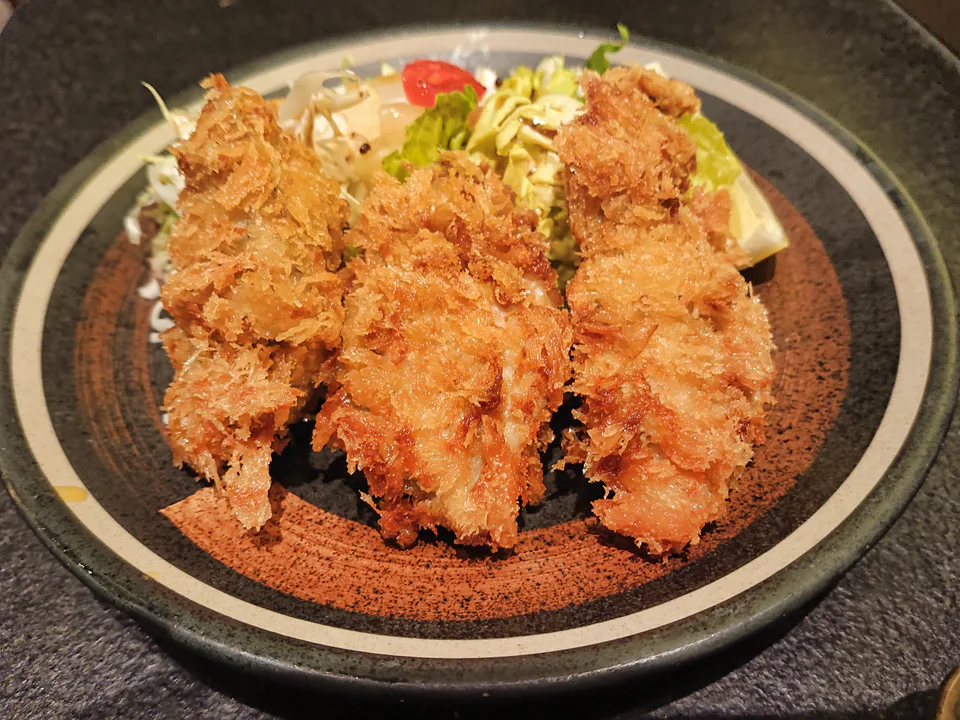
KAKIYA is an oyster-specialty restaurant on Miyajima, roughly a ten-minute walk from the ferry pier according to its current information. Its menu gives a useful price contrast: the Kakiya Set is JPY 2,900 (about US$18), while two grilled oysters are around JPY 750 (about US$4.70).
Those are different itinerary products. The set makes oysters the meal. Two grilled oysters let oysters remain a local tasting without taking ownership of lunch. For a mixed group, this distinction matters more than choosing between two famous oyster shops.
A specialist restaurant is also not automatically the best family compromise. If only one person wants oysters, a small tasting can create more total group value than making everyone wait for a full oyster-focused meal.
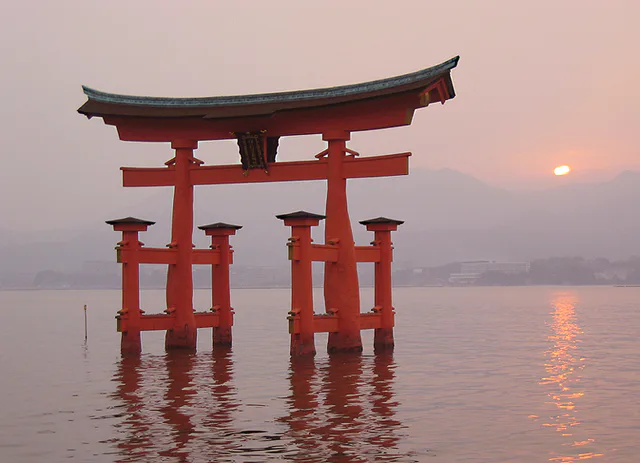
Mt Misen should outrank a heavy lunch when the day is tight
A Misen day contains more uncertainty than a shrine-and-shopping day: ropeway queues, walking time, weather and fatigue all move independently. A heavy meal before the mountain can therefore cost both time and comfort.
My default sequence is: priority heritage block → Misen → main meal → shopping/sweets. The reasoning is simple: a momiji-manju stop can shrink from 30 minutes to five; the mountain cannot shrink without losing part of the experience.
Momiji manju is valuable because it is low-friction
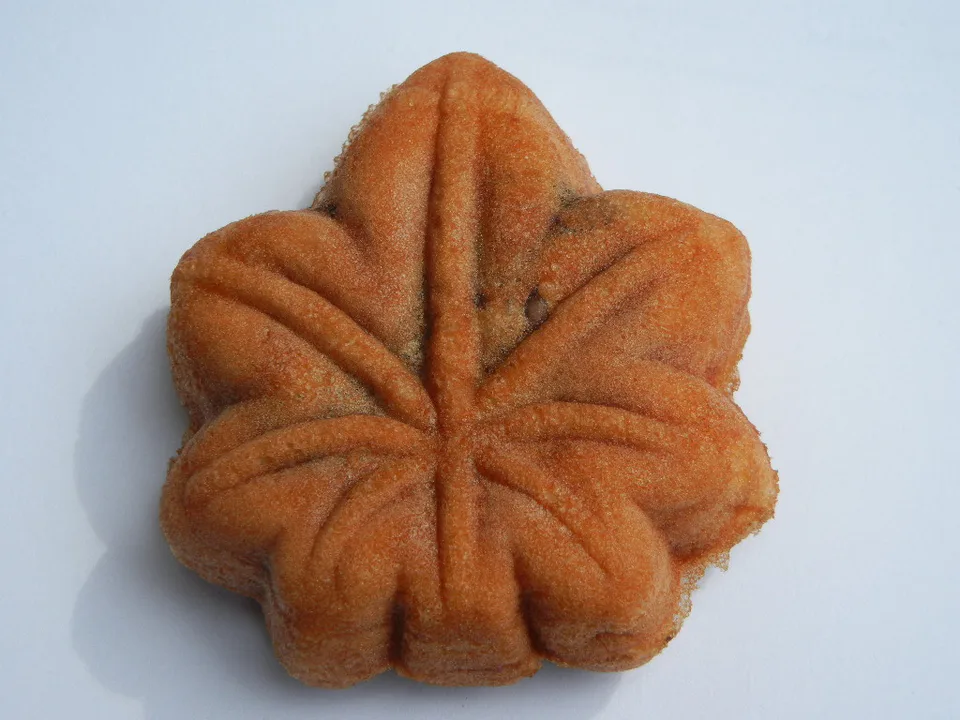
Momiji manju has the lowest schedule rigidity of the three headline foods. That makes it ideal near the end. If the day is running late, buy or eat one quickly. If you have spare time, compare flavours and shops. Souvenir boxes are also better bought late because otherwise they become luggage you carry through the shrine and mountain sections.
ValueNavi Food Slot Priority: hard-slot sightseeing first; sit-down meal second; compressible snacks and souvenir purchases last.
Itinerary Conflict Matrix
↔ Scroll table left or right
Day | Easiest meal structure | Conflict to avoid |
Itsukushima + Daisho-in + shopping | Ueno or one oyster meal | Two full restaurant missions |
Misen + shrine | Main meal after mountain | Long lunch queue before ropeway |
Kayak / reserved activity | Meal in the largest free block after it | Uncontrolled restaurant wait before check-in |
Ryokan overnight with dinner | Light lunch / tasting | Late heavy meal that devalues dinner |
Half-day | One dish + one snack | Turning two sightseeing hours into two queues |
ValueNavi Score: itinerary value, not a taste ranking
Editorial score, not an official rating. 10 means lower friction or stronger usefulness in the itinerary.
↔ Scroll table left or right
Dimension | Anago at Miyajimaguchi | Island oysters | Momiji manju |
Money Cost | 7/10 | 7/10 meal, 9/10 tasting | 9/10 |
Time Cost | 5/10 with queue, 8/10 when well placed | 6/10 | 9/10 |
Booking Risk | 6/10 | 7/10 | 9/10 |
Weather Risk | 9/10 | 9/10 | 8/10 |
Crowd Risk | 5/10 | 6/10 | 7/10 |
Route Fit | 9/10 before/after ferry | 9/10 on island | 10/10 at end of visit |
Uniqueness | 9/10 | 9/10 | 8/10 |
The score explains why a sweet can be strategically excellent without being the “best food.” Route fit matters. A more distinctive restaurant can still be the wrong purchase at the wrong hour.
Three food routes that preserve the island
Misen route: light breakfast → shrine/mountain → oyster or other main meal after descending → momiji manju on the return walk.
Relaxed heritage route: anago rice at Miyajimaguchi → ferry → Itsukushima and Daisho-in → small oyster tasting → sweet before return.
Overnight route: lighter day-one lunch → sightseeing → check-in → ryokan dinner → evening walk; use the quieter next morning for the shrine or Momijidani instead of adding another restaurant crawl.
ValueNavi last-minute card
What is the next hard-to-move block? That sets your restaurant queue budget.
Ueno before or after ferry? It is at Miyajimaguchi, not on the island.
Are oysters the meal or a sample? Decide before joining a line.
Ryokan dinner included? Protect the meal you already paid for.
Ferry/train margin shrinking? Cut the final snack first, not the fixed transport.
Final verdict
Give only one premium food slot to a normal first Miyajima day: anago rice at Miyajimaguchi or a proper oyster meal on the island. Keep the second local food small and leave momiji manju as the flexible end-of-day item. This gives the food range without turning Miyajima into a sequence of queues.
The answer reverses when food itself is the destination. In that case, a long wait can be rational—but name the trade-off clearly. You have chosen a food-led Miyajima day that includes sightseeing, not a sightseeing day where famous restaurants somehow consume no time.
Official sources
Anagomeshi Ueno — official location and service information · KAKIYA — official menu and restaurant information · Miyajima Official Tourism — culinary heritage
Menus, operating hours, oyster availability and queues can change. USD conversions are approximate using the August 26, 2026 reference rate.