For most first-time visitors, the best Hiroshima food plan is not to force okonomiyaki, oysters, anago rice and momiji manju into one long eating crawl. Make one dish the main meal for each part of the trip: okonomiyaki works naturally as a Hiroshima-city dinner, anago rice as the Miyajima-side main meal, oysters as one deliberate stop, and momiji manju as the flexible sweet at the end.
The real trade-off is time. Peace Park, the ferry, Mt Misen, tide timing and any reserved onward train have harder deadlines than lunch. If a famous restaurant queue threatens the trip, change the restaurant before you change the itinerary.
Last checked: August 15, 2026. Restaurant hours, oyster availability, menus and queue systems can change, so confirm the current details before visiting.
Hiroshima food: the 30-second decision
Only one major Hiroshima meal: choose Hiroshima-style okonomiyaki in the city.
Only one major Miyajima-area meal: make anago rice or oysters the main event, not both.
Mt Misen day: eat light before the mountain and move the larger meal after descending.
Short day or tight transport: protect the ferry and train first; use food as the flexible layer.
Save Hiroshima-style okonomiyaki for the city evening
Hiroshima-style okonomiyaki is a substantial meal built around cabbage, noodles, egg, sauce and whatever toppings you choose. That makes it a better end-of-day meal than a pre-ferry lunch. After Peace Memorial Park, Hiroshima Castle or Shukkeien, sitting down for okonomiyaki gives the city day a natural finish without asking you to walk a mountain immediately afterwards.
I would not cross half the city for one famous shop if the wait or detour is large. On a short trip, a good restaurant near the route back to your hotel can be more valuable than a higher-profile name that consumes another hour.
If you need the location choice too, use the Hiroshima Station food guide alongside the city itinerary rather than making dinner decide where you stay.
Anago rice makes sense when Miyajima gets the main meal
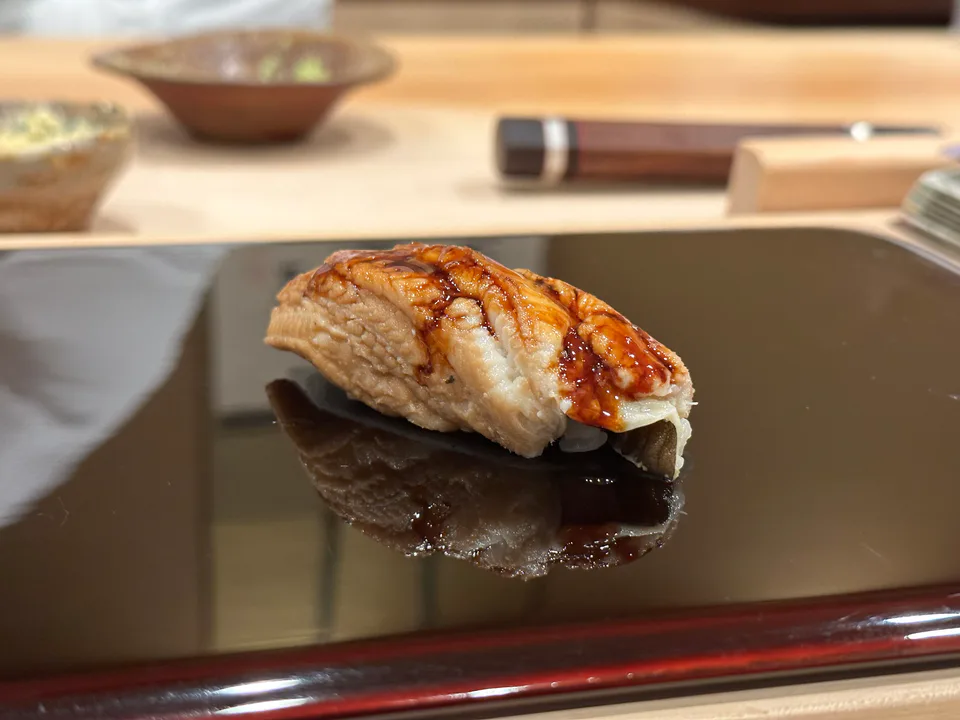
Anago rice fits naturally into the Miyajima half of the trip because it can anchor lunch before or after the island. The important detail is that Anagomeshi Ueno is at Miyajimaguchi, not deep inside Miyajima's shopping street. Decide before boarding the ferry whether anago rice is worth becoming the main meal so you do not create an avoidable backtrack.
If Mt Misen is the priority, I would rather eat after the mountain than protect a long lunch before it. If the day is mainly Itsukushima Shrine, Daisho-in and the waterfront, an earlier meal is easier to absorb without losing a useful transport window.
Treat oysters as one choice, not a second full itinerary
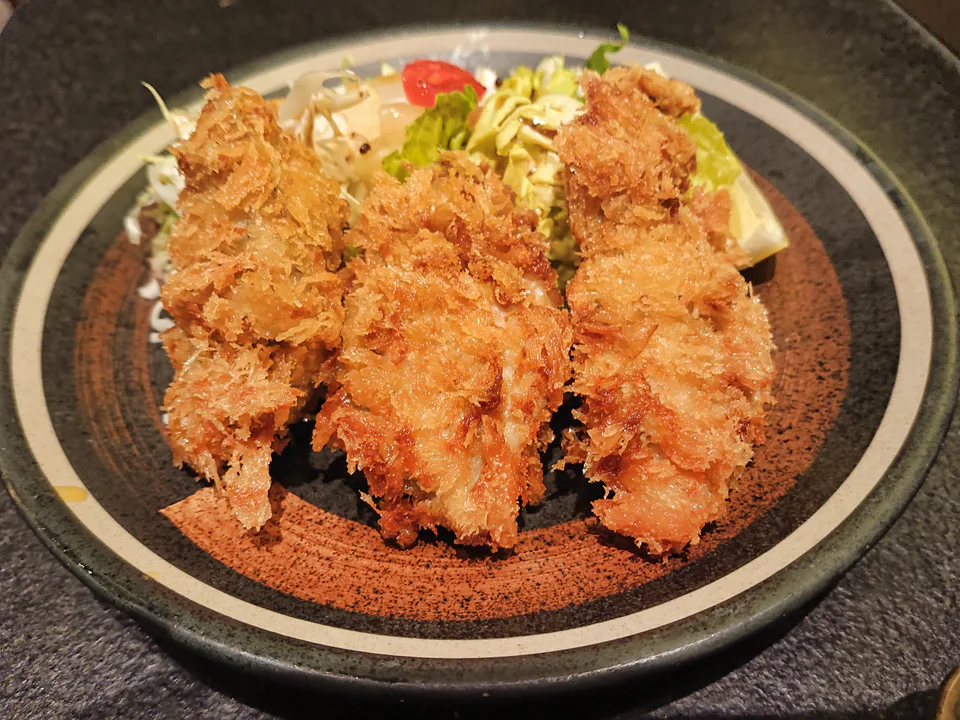
Hiroshima oysters appear grilled, fried and in several other preparations, but trying every version in one day rarely improves the trip. If oysters are the main meal, let them be the main meal. If you already had a full anago lunch, one smaller oyster stop gives you the local specialty without flattening your appetite for the rest of the day.
This is also where group differences matter. A shellfish-focused meal can be perfect for two adults who both want oysters and a poor choice for a family with one child who will not eat them. In mixed groups, solve the main meal for everyone first and turn the specialty into a smaller add-on.
Momiji manju belongs at the flexible end of the day
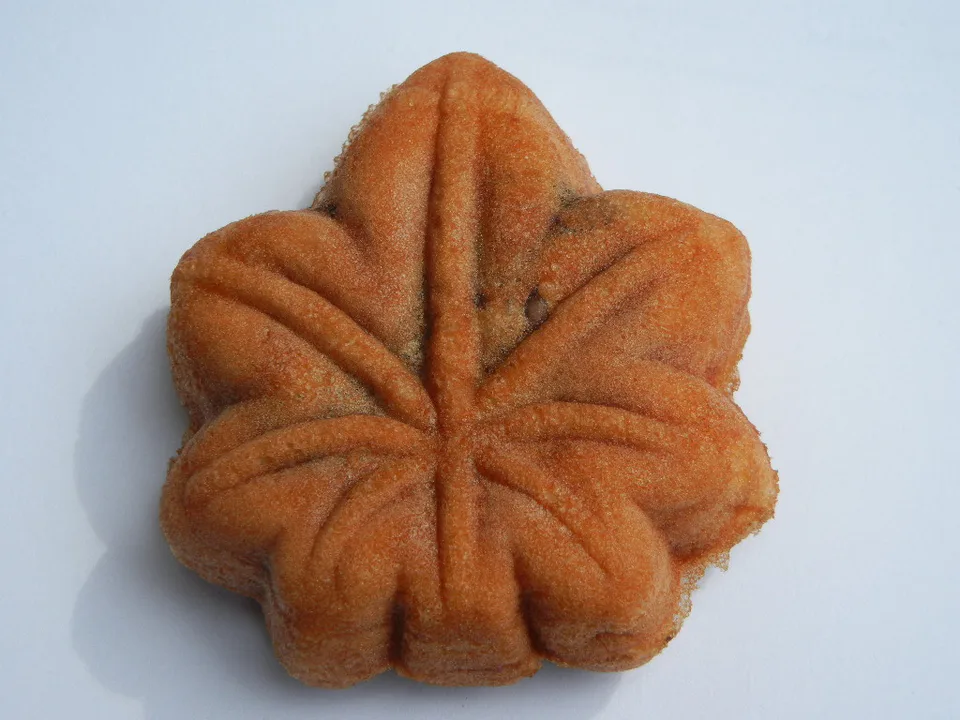
Momiji manju has the lowest scheduling risk of the four foods, which is why I save it for the return walk. If the mountain or shrine takes longer than expected, shortening a sweet stop costs very little. If you have spare time, you can compare fillings and buy the souvenir box immediately before leaving instead of carrying it all day.
This also separates two different decisions: eating one warm snack now and buying a box for later. Treating those as separate choices reduces luggage and stops an early impulse purchase from following you through the rest of the island.
One day and two days need different food priorities
With two days, the clean split is simple: Hiroshima-city dinner on day one, Miyajima-area main meal on day two. That gives okonomiyaki and anago or oysters enough distance from each other to feel like distinct meals rather than a checklist. On a one-day visit, I would choose only one of those as the main meal and let the other specialties become small tastes.
If you are still deciding whether one night is enough, compare the Hiroshima and Miyajima two-day itinerary before turning a food wish list into an extra hotel night.
Know the exact point where you abandon a restaurant queue
I use the next fixed commitment as the stop-loss point. If a ferry, ropeway, reserved train or ryokan dinner follows, the restaurant queue gets only the margin that remains after protecting that commitment. If the meal itself is the reason for the stop, a longer wait can be rational. If it is only one option among several, it should not control the day.
Saving two or three alternatives in the same area is more useful than saving one “best” restaurant. A closing day, sold-out dish or unusually long queue then becomes a small routing change instead of a decision crisis.
Let the next two hours decide what you eat
The same dish can be a good choice at 18:30 and a bad choice at 12:00. Before ordering, I look at what the group must do next. A heavy okonomiyaki lunch before a ferry transfer and mountain walk creates a different cost from the same meal after returning to Hiroshima for the evening. A long anago lunch is easier to justify on a shrine-only day than on a day where the ropeway, a tide window and a reserved train are all still ahead.
This rule is particularly useful for families and mixed-age groups. Children may need an earlier familiar meal, older travellers may value a seated break more than another famous specialty, and one traveller may not eat shellfish at all. The best group meal is therefore often the one that prevents a later stop from becoming compulsory. Once everyone is fed, oysters or a sweet can stay optional.
It also protects expensive bookings. If your hotel includes dinner, do not spend late afternoon chasing a second large meal simply because it is famous. If you have a reserved Shinkansen, work backwards from the platform time and set a hard restaurant departure time. Food is one of Hiroshima's strongest reasons to slow down, but it should not create the most avoidable transport risk in the itinerary.
Final verdict
For most first trips, use Hiroshima-style okonomiyaki as the city dinner, choose either anago rice or oysters as the main Miyajima-area meal, and leave momiji manju for the flexible end of the day. That gives each specialty a clear role without letting food consume the transport and sightseeing you came for.
5-Day Hokkaido Autumn Leaves Itinerary: Driving, Public Transport and Where to Stay
Osaka Kuromon Market Food Tour 2026: You’re Paying for a Guide, Not the Food
Best Dates for USJ Halloween 2026: Crowds, Prices and Hotels
Osaka Autumn Leaves Guide: Minoh Falls, Osaka Castle and City Day Trips
What to Do in Itoshima Beyond Cafés: SUP, E-Bikes and Pottery