
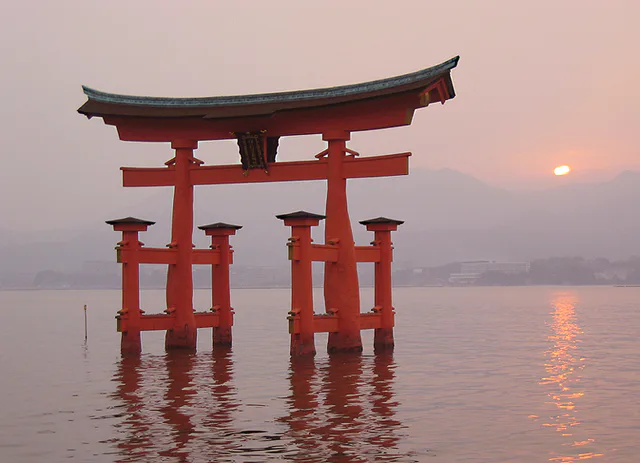
For most first-time visitors with two days, I would stay in Hiroshima, give the Peace Memorial Museum a protected slot on Day 1, and use Day 2 as a full Miyajima day. Stay on Miyajima only when the overnight buys at least two things you genuinely want that a normal day trip does not deliver comfortably: a ryokan dinner, a quiet island evening, an early-morning shrine walk, a second useful tide state, or an easier early start toward Mt Misen. The island night is an experience upgrade, not the default logistical answer.
The key to a good two-day itinerary is to lock the hard constraints before the attractions. The Peace Memorial Museum has reservation-only entry windows. Miyajima Ropeway has a much earlier operating cutoff than the ferry. Tide height—not simply the words “high tide” or “low tide”—determines whether Itsukushima Shrine looks afloat or whether you can walk close to the Great Torii. A ryokan dinner can impose another hard arrival time. Once those four pieces are fixed, Daisho-in, Momijidani, Omotesando, Shukkeien and other flexible stops can fit around them.
↔ Scroll table left or right
Your trip | Default plan | Why |
First visit, large luggage, onward Shinkansen | Stay in Hiroshima | One hotel, easier luggage handling, flexible dinner and a cleaner rail departure |
Ryokan dinner + quiet evening + early island morning | Stay on Miyajima | The room unlocks several hours a city day trip does not use as well |
Want Mt Misen summit | Give Miyajima most of Day 2 | The ropeway and summit walk are a half-day block, not an add-on |
Older travellers, stroller, limited walking | Hiroshima base + lower Miyajima | Itsukushima Shrine, Daisho-in and Momijidani create a strong island day without forcing the summit |
Autumn evening light-up only | Do not assume you need an island hotel | 2026 Daisho-in light-up ends at 19:00 and the current regular ferry timetable still has later departures |
Lock the museum first: Day 1 should not be built from leftover time
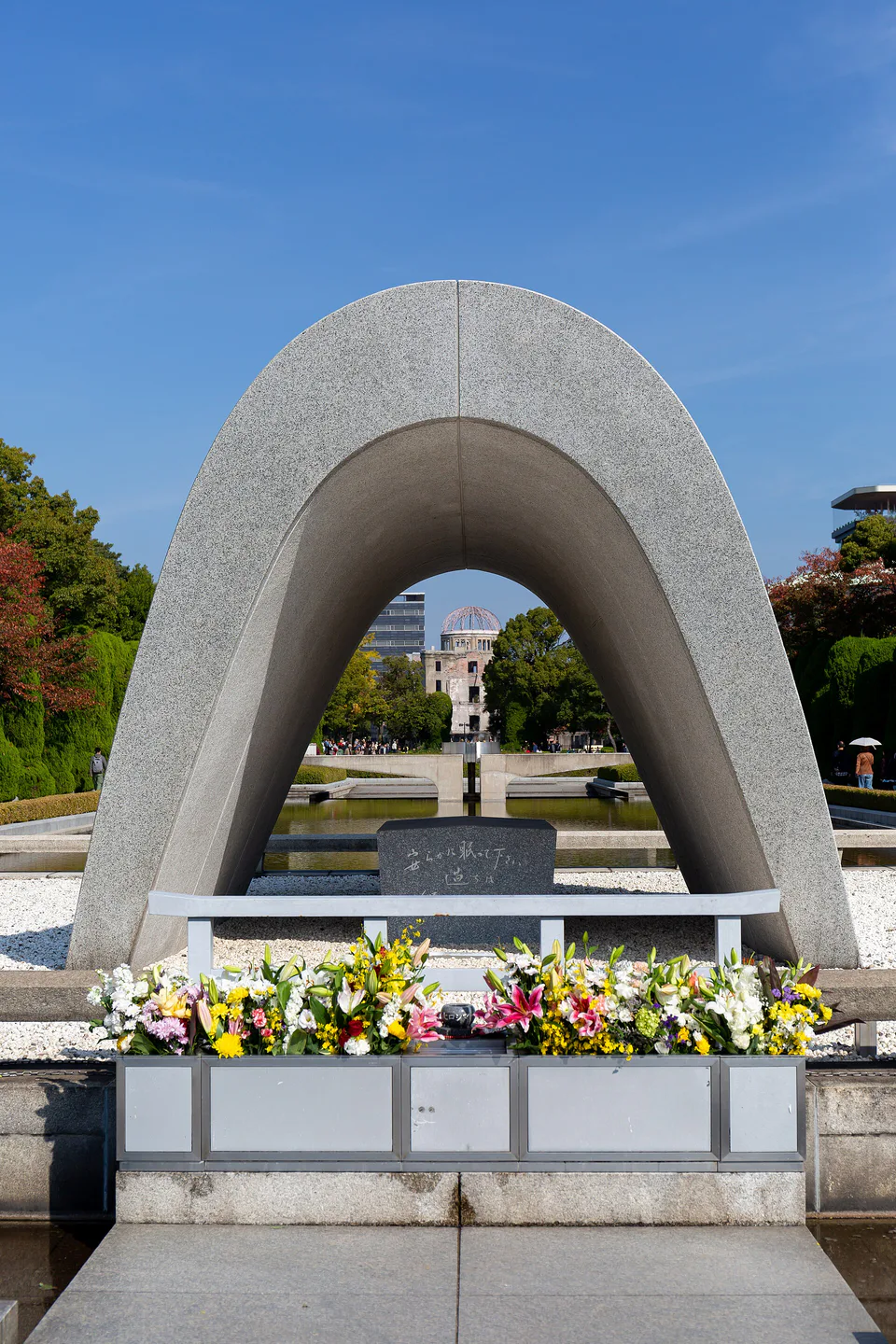
Hiroshima City currently lists the Peace Memorial Museum as open from 07:30 to 19:00 from March through November, with August extended to 20:00 and August 5–6 to 21:00. The city also requires online advance reservation for entry from 07:30–08:30 and for the evening reservation window; from March through November that evening window begins at 17:30, with later August variations. Opening hours and reservation rules can change, so the museum should be the first fixed point of Day 1 rather than something you “fit in” after the castle.
For a first visit, I would budget roughly 2.5–3.5 hours for the museum, Atomic Bomb Dome, Cenotaph and the surrounding Peace Memorial Park if the aim is to engage with the site rather than photograph it quickly. That is a ValueNavi planning buffer, not an official museum duration. Some travellers will need less; others will want substantially more.
The practical consequence is simple: do not combine a serious museum visit with a full Mt Misen summit plan on the same compressed day. Both are time-sensitive in different ways. The museum deserves mental space; the mountain has an early transport cutoff. Two days are enough precisely because each can own one hard anchor.
If you want the city day in more detail, use the Hiroshima one-day itinerary. Add Shukkeien or the castle area only after the museum slot and arrival time are secure.
Day 2 on Miyajima: decide “lower island” or “Mt Misen” before adding stops
A Miyajima day has two very different versions. The lower-island version centres on Itsukushima Shrine, the Great Torii, Daisho-in, Momijidani and the waterfront. It works for most families, older travellers and visitors who want autumn colour without turning the day into a hike.
The Mt Misen version is materially heavier. Miyajima Ropeway currently operates uphill from 09:00 to 16:00, with the final return departure at 16:30. The two ropeway sections take about 10 minutes and 4 minutes respectively, and the Miyajima Tourist Association states that the walk from Shishiiwa Station to the summit takes about 30 minutes.
That produces a useful derived minimum. A ropeway round trip is roughly 28 minutes of published riding time, and the summit walk adds about 60 minutes round trip. That is already around 88 minutes of movement before the walk to Momijidani Station, line waits, transfers between ropeway sections, viewpoints, summit time or lunch. In real itinerary terms, treat Misen as a 2.5–3-hour block at minimum rather than “one more attraction.”
The ropeway is also not a guaranteed transport layer. It can suspend for strong wind, thunderstorms, inspection or other operational reasons. The operator designates some busy dates for mandatory advance reservations and publishes only the next few months at a time. Check the live operation page on the morning of the visit, especially in autumn.
For travellers using a stroller or wheelchair, the ropeway is not a shortcut to an accessible summit. The operator states that the facility does not have elevators for this purpose and that strollers and wheelchairs cannot board the circulating ropeway in use; they must be left with Momijidani Station staff. The summit still requires the mountain walk. In that situation, the lower-island day is usually the stronger itinerary rather than a compromised Misen plan.
Peace Park ferry or JR via Miyajimaguchi? Choose by the hours you need on the island
A central Hiroshima hotel now has a genuinely different Miyajima route from a Hiroshima Station hotel. Aqua Net Hiroshima’s World Heritage Sea Route runs directly from Peace Memorial Park to Miyajima in about 45 minutes. The current regular timetable starts with an 08:30 departure from Peace Park arriving at 09:15. That is excellent for a lower-island day when your hotel is already around Peace Park or Kamiyacho: you can delete the cross-city trip to Hiroshima Station, the JR ride to Miyajimaguchi and one transfer before the island.
But the direct boat is not the automatic best route for a Mt Misen day. Miyajima Ropeway currently opens uphill service at 09:00. An 09:15 island arrival already misses that opening moment before you have walked from Miyajima Pier toward Momijidani. By contrast, the current JR West Miyajima Ferry timetable starts from Miyajimaguchi at 06:25, so travellers willing to use the conventional rail-plus-ferry route can position on the island materially earlier.
The return side reverses the trade-off even more sharply. Aqua Net’s current last regular Miyajima → Peace Park sailing leaves at 17:30 and arrives at 18:15. JR West’s regular ferry currently continues much later, including evening departures after 19:00 and a final listed 22:14 departure from Miyajima. That means a 2026 Daisho-in light-up ending at 19:00 can fit a Hiroshima-based day trip, but not if you assume the direct Peace Park boat will also take you home afterwards.
This creates an asymmetric route that many generic itineraries miss: direct Peace Park ferry outbound, conventional ferry + JR return. It can be the cleanest choice for a central hotel when you want an easy morning but a later island evening. The reverse can also make sense when an early Mt Misen start matters more than the return.
There are two catches. First, the direct river route is affected by tide levels; Aqua Net warns that sailings can be cancelled or rerouted when bridge clearance or river depth is unsuitable. Second, the direct one-way fare is materially higher than the ferry segment at Miyajimaguchi, while the conventional route also requires the rail journey to or from Hiroshima. Compare the whole door-to-door chain, not the boat ticket alone.
ValueNavi rule: use the Peace Park boat to remove a central-Hiroshima transfer when you do not need the island’s earliest or latest hours. Use the Miyajimaguchi route when Mt Misen opening time, an evening event or disruption resilience matters more. You do not need to use the same route in both directions.
Tides should move stops inside Day 2, not dictate the whole trip
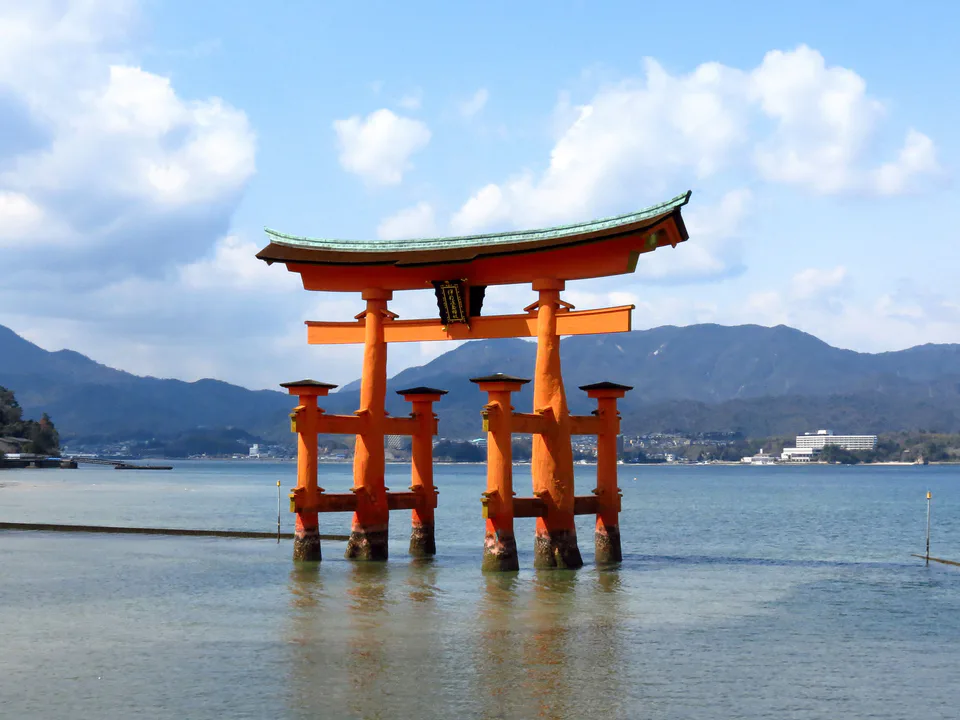
Miyajima’s own tourist association warns against equating the words “high tide” and “low tide” with the two famous visual states. Its current guidance uses tide height: above roughly 250 cm, Itsukushima Shrine can appear to float on the sea; below roughly 100 cm, conditions can allow visitors to walk close to the Great Torii.
That distinction matters because a calendar may contain a low tide that is not low enough. For example, the official 2026 tide table shows a midday low of 123 cm on November 20. That is a low-tide point, but it is still above the association’s below-100-cm walking threshold. Do not rearrange an entire day around the word “low” without checking the height.
My default is to treat the tide as a movable anchor within the island day. If the floating-shrine window falls at 10:00, use it before Daisho-in. If a walkable-torii window falls mid-afternoon, do Momijidani first and return to the waterfront later. Only make tide the primary itinerary driver when photography is one of the main reasons for the trip.
An overnight on Miyajima increases the chance that two different tide states fall within your usable hours, but it does not guarantee both. Check your exact date before paying an island-room premium for this reason.
Use a two-window test before paying to sleep on Miyajima
Miyajima is easy to romanticise into an automatic overnight. I would use a stricter test: the island hotel should unlock at least two useful windows or experiences you would otherwise miss or use badly.
Quiet evening after day visitors thin out — useful when the atmosphere itself matters.
Ryokan dinner and onsen time — valuable when the accommodation is part of the trip rather than only a bed.
Early-morning shrine or waterfront walk — a genuine different-use window before the main day-trip flow.
A second tide state — useful only when the exact tide table supports it.
Earlier positioning for Misen — useful when you will actually start the mountain day early.
If you only want one of those benefits, staying in Hiroshima often wins after luggage, dinner timing and the extra hotel move are counted. If you want three of them—say, ryokan dinner, dusk and an early Misen start—the island premium is doing real work.
This test is especially useful for autumn 2026. Miyajima Tourist Association says autumn colour is usually from mid-November to the end of the month, with the typical peak around November 20, though the actual season depends on climate. Daisho-in is also scheduled to run its autumn red-maple light-up from November 17–29, 17:30–19:00.
But that light-up alone does not force an island overnight. The current regular JR Miyajima Ferry timetable still lists departures from Miyajima at 19:30, 20:00, 20:42, 21:25 and 22:14. A Hiroshima-based traveller can therefore see the scheduled light-up and still return to the city under the current timetable. The island night only earns its luggage cost if you also want the quiet later evening, ryokan experience or early next morning. Recheck the ferry timetable for the actual date because busy-day and temporary schedules can differ.
Hiroshima is the default base because it has more recovery options
Staying in Hiroshima is not merely the budget choice. It keeps the itinerary repairable. Large luggage can stay at one hotel. Dinner can remain flexible. If rain or wind removes the ropeway, you have not paid for an island night solely to make an early mountain start. And if the next leg uses the Shinkansen, you are already positioned around the station or city transport network.
For a first-time two-day visit, I would normally choose either Hiroshima Station or a central Hiroshima / Peace Park base. Hiroshima Station is stronger for luggage, Shinkansen and the JR route toward Miyajimaguchi. Central Hiroshima is stronger when Day 1 is built around the museum, dinner and city walking. The right city base depends on which friction repeats more.
Miyajimaguchi is a useful specialist base for an early ferry, drivers or sold-out island dates, but it does not reproduce the island evening. Treat it as a transport solution, not a cheaper substitute for sleeping on Miyajima.
Large luggage is the strongest reason not to move hotels for one night
An island overnight with two large suitcases creates a poor exchange when the only gain is “we slept on Miyajima.” You still have the rail journey to Miyajimaguchi, ferry boarding, the walk or pickup to the property, a second check-in, then the whole process in reverse the next day.
If the overnight passes the two-window test, solve the luggage separately: leave the main bags at the Hiroshima hotel when returning there, use station storage where appropriate, forward them to the next hotel when timing allows, or carry only a small overnight bag onto the island. The Japan luggage-forwarding guide explains the wider delivery logic.
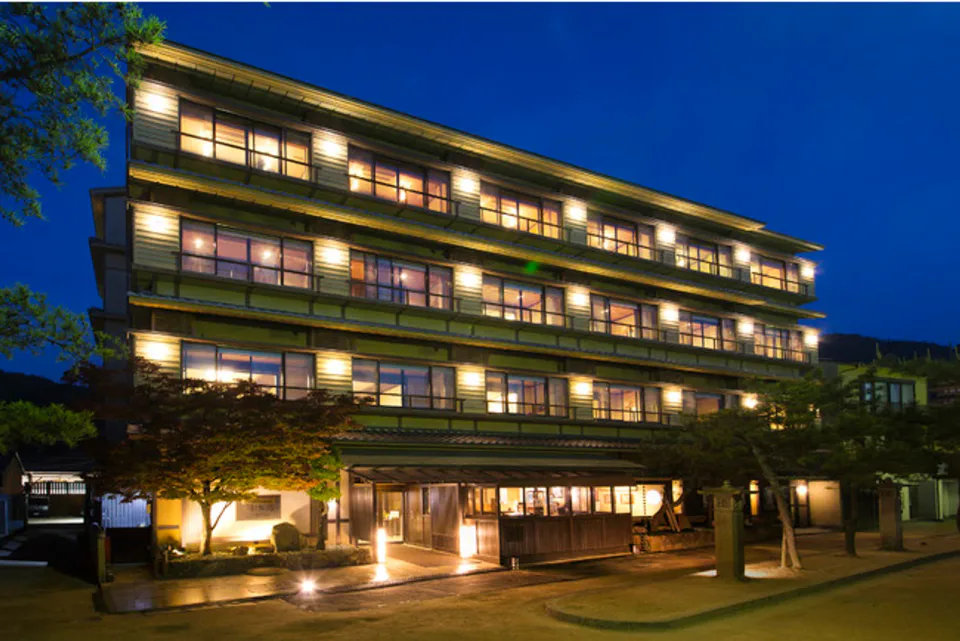
Do not assume that “we are travelling west after Miyajima” automatically makes the island an efficient through-route. A Fukuoka-bound Shinkansen itinerary normally still needs a connection back through a Shinkansen station such as Hiroshima. Island overnight is therefore an experience decision first, not a guaranteed westbound shortcut.
Three two-day versions that survive real constraints
Version A: Hiroshima base — the strongest first-trip default
Day 1: arrive or leave luggage, use your fixed Peace Memorial Museum slot, then walk the Atomic Bomb Dome, Cenotaph and park. Add one secondary city stop only if energy remains. Eat in Hiroshima without a fixed island dinner deadline.
Day 2: leave early for Miyajima. If you are based by Peace Park and doing a lower-island day, the direct 08:30 World Heritage Sea Route can remove the morning cross-city transfer. If Mt Misen opening time matters, use the earlier Miyajimaguchi route instead. Check the tide height and live ropeway status before committing to the summit. For a lower-island day, combine Itsukushima Shrine, Daisho-in and Momijidani, then move the waterfront visit to the best tide window. For Misen, protect the mountain block and delete a lower-priority stop. If you stay for an evening event, return through Miyajimaguchi rather than assuming the direct Peace Park boat still operates.
Best for: first-timers, large luggage, families, older travellers and anyone leaving by Shinkansen. Trade-off: you give up the island’s quietest evening and morning.
Version B: Miyajima overnight — use it as an experience, not a hotel checkbox
Day 1: use Hiroshima for the museum and Peace Memorial area, but leave enough margin to reach Miyajima before the ryokan’s real check-in and dinner deadline. Do not book a fixed dinner you can only make if the museum, tram and ferry all run perfectly.
Evening: use the island after the main daytime rush, eat at the ryokan if booked, and check whether the tide gives a worthwhile waterfront window.
Day 2: take the early island walk, then start Misen or lower Miyajima before the day-trip peak. Leave after lunch or mid-afternoon according to the next transport leg.
Best for: couples, photographers, ryokan-focused travellers and anyone deliberately buying island time. Avoid if: the arrival is late, luggage is heavy, dinner timing is uncertain, or the next morning has an early Shinkansen.
Version C: no summit — the better plan for many families and older travellers
Day 1: same Hiroshima museum-centred plan.
Day 2: Itsukushima Shrine, tide window, Daisho-in, Momijidani and a relaxed meal. Use the saved mountain time for rests, autumn colour and the waterfront rather than treating the summit as mandatory.
This version is not a “reduced” Miyajima day. It is often the more coherent itinerary when mobility, weather or energy would turn Misen into a struggle.
Autumn changes the priorities, not the basic two-day structure
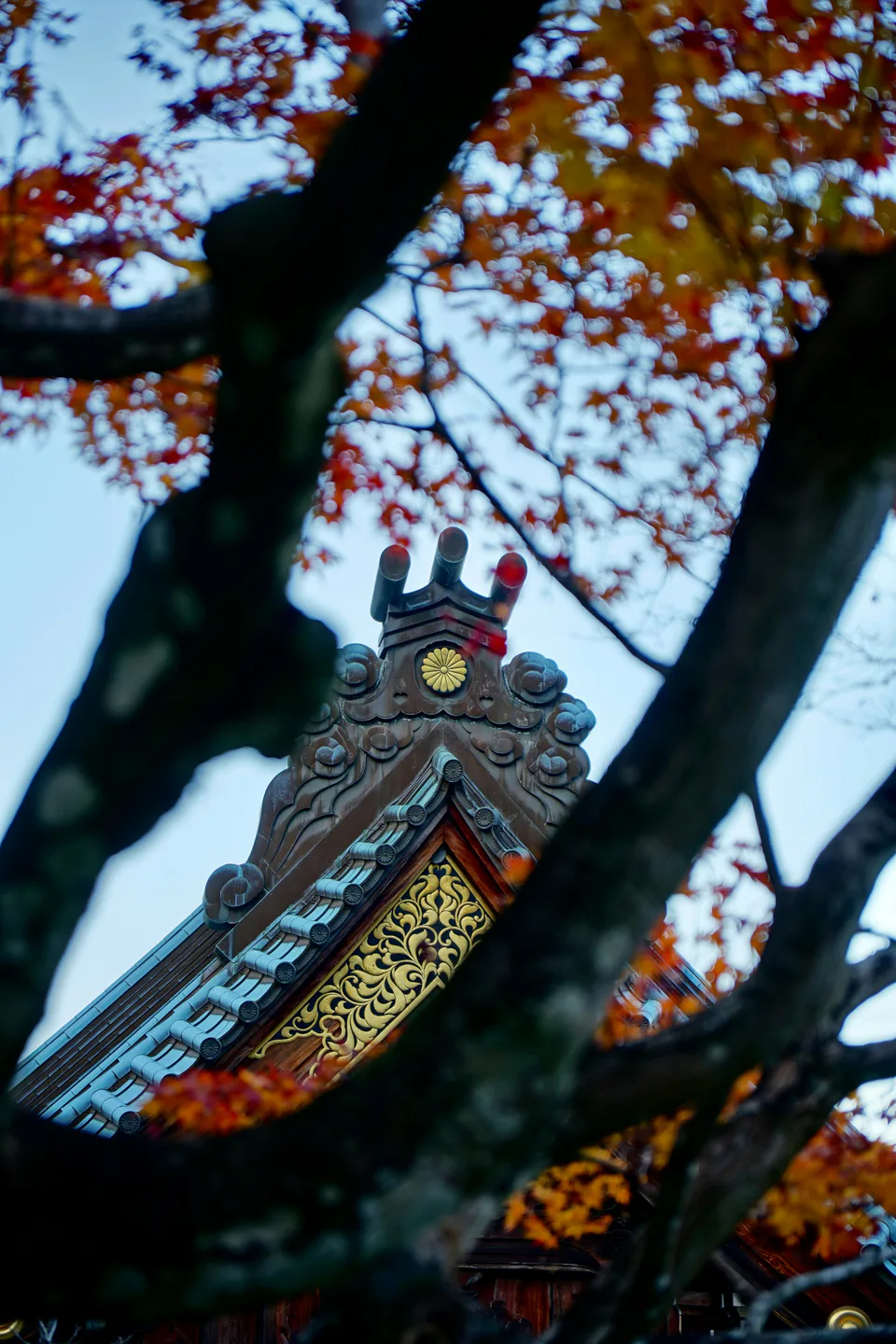
In autumn, Momijidani and Daisho-in become more important, but the season does not create more hours. Miyajima Tourist Association’s long-term guidance places the usual autumn-colour season from mid-November to the end of the month and says the typical peak is around November 20, while explicitly noting that climate changes the result. Treat that as planning history, not a guaranteed 2026 peak date.
The mistake is adding autumn foliage on top of an already full shrine + summit + shopping + museum itinerary. In peak colour, I would usually slow the island down: lower Miyajima plus Momijidani for families and older travellers; Misen plus one lower-island priority for stronger walkers. If the 2026 Daisho-in light-up is a must, decide whether you are returning by evening ferry or using it as one of the two reasons that justify an island overnight.
Rain, wind and disruption: keep one version that does not depend on the ropeway
Strong wind, thunderstorms or inspections can suspend the ropeway. Wet stone and mountain paths also make the summit less attractive even when service operates. Your fallback should already exist before the trip: Itsukushima Shrine, Daisho-in, Momijidani, the waterfront and a longer meal can still form a complete Miyajima day.
If weather is poor on only one of the two days, swapping Hiroshima and Miyajima may work—but only if your museum reservation can be moved. Do not destroy a confirmed museum slot to chase a mountain forecast without checking availability first.
Final verdict: one hard anchor per day
For most first-time two-day trips, stay in Hiroshima and give Day 1 to the Peace Memorial Museum / park and Day 2 to Miyajima. Within Miyajima, choose lower island or Mt Misen before adding attractions. Use the tide height to move stops within the day rather than letting “high tide” or “low tide” dictate the whole itinerary.
For a Hiroshima-based Miyajima day, choose the ferry around the hours you need: a central Peace Park hotel can use the direct 08:30 boat to remove a morning transfer, while an early Mt Misen start or evening light-up is better served by the wider operating span of the Miyajimaguchi route. Using different routes outbound and return is often more rational than insisting on a round trip with the same operator.
Stay on Miyajima only when the overnight unlocks at least two real benefits—for example ryokan dinner + quiet evening, or dawn walk + early Misen, or evening light-up + a second useful tide state. If the hotel night only changes where you sleep, Hiroshima’s luggage, dining and onward-rail flexibility usually wins.
Add a third day when you want all three of these without compromise: a deep Peace Memorial Museum visit, a genuine Mt Misen summit day and an island overnight. Two days are enough for a strong trip; they are not enough for every possible version of Hiroshima and Miyajima at once.
Related planning
Hiroshima One-Day Itinerary: Peace Memorial Museum, Castle and Shukkeien · Hiroshima or Miyajima: Where Should You Stay One Night? · Where to Stay in Hiroshima: Station or Peace Park? · Hiroshima vs Fukuoka: Where Should the Extra Nights Go?
References and verification
Checked August 25, 2026 against Hiroshima City — Peace Memorial Museum hours and reservation windows, Miyajima Tourist Association — tide guidance, Miyajima Ropeway — live operation, hours and reservation requirements, Miyajima Tourist Association — Mt Misen walking guidance, Aqua Net Hiroshima — World Heritage Sea Route timetable, fares and tide-related operating limits, JR West Miyajima Ferry — current timetable, and Miyajima Tourist Association’s 2026 event and autumn-nature information. Museum reservations, ropeway-specific reservation dates, ferry timetables, tides and autumn conditions can change; recheck the exact travel date.