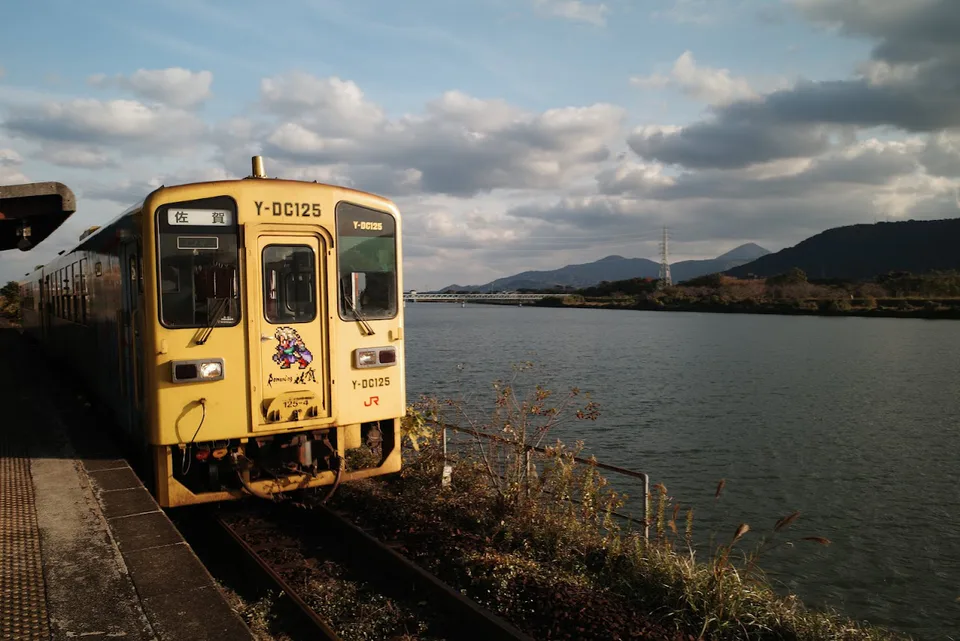
The best no-car Saga plan is not Yutoku Inari + Tara’s sea torii + Karatsu in one heroic day. Treat Saga as two transport corridors. Yutoku Inari and Tara belong to the southern Kashima/Tara axis and can work together when the bus and tide align. Karatsu sits on a different northwestern axis and is better given its own day, especially during Karatsu Kunchi.
The hidden problem is route entropy: every extra rural bus, tide window, cross-Saga rail reset and festival exit creates another independent clock. A route can be technically possible and still be a poor travel product because one 15-minute delay forces two later sacrifices.
Checked August 26, 2026. The current Yutoku Bus fare between Kashima Station and Yutoku-jinja is JPY 360 (about US$2.25). Currency conversions are approximate; timetables, tides and festival operations can change.
ValueNavi decision table: choose the corridor before the attraction list
↔ Scroll table left or right
Your priority | Best structure | Why | What reverses it |
Yutoku Inari is the main reason to go | Yutoku + optional Tara | Same southern axis; Tara can be deleted if the day slips | Your desired tide is the non-negotiable event |
You specifically want the sea torii at high or low tide | Fix Tara first | The tide is a physical clock, not an opening hour you can move | You are happy to see the other tide state |
Karatsu city / Karatsu Kunchi | Karatsu as its own day | Avoids a cross-Saga reset before the highest-value part of the day | You have two days or private transport |
Only one day, all three sound essential | Cut one corridor | The third stop adds more schedule fragility than useful experience | A rare date-specific timetable genuinely removes the waits |
Large luggage / children / older travellers | One corridor only | Every missed rural connection becomes more physically expensive | Door-to-door private transport |
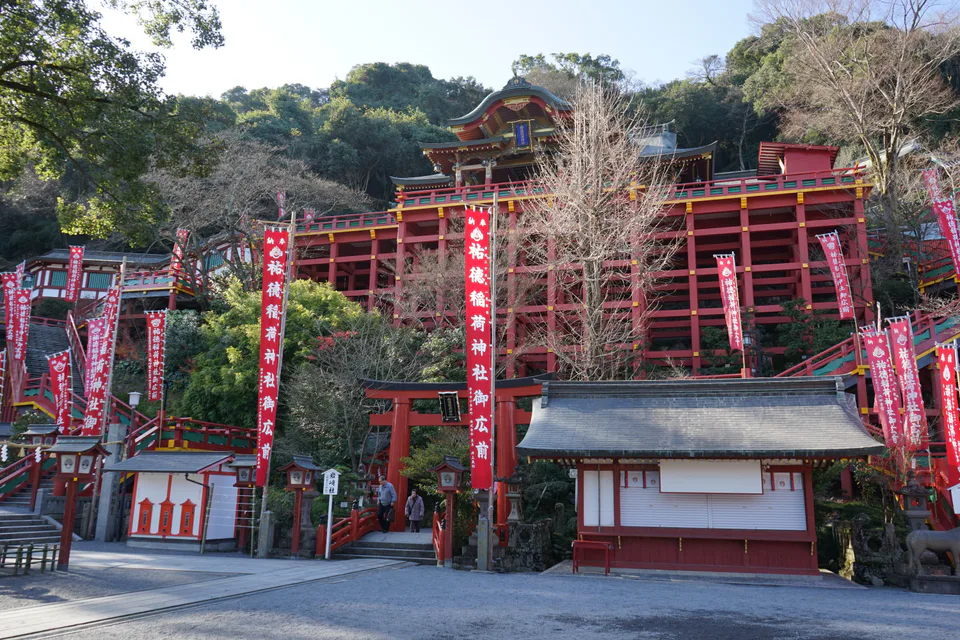
For Yutoku, the departure bus matters more than the headline taxi time from Hizen-Kashima.
The map hides the most important fact: Yutoku–Tara is a continuation, Yutoku–Karatsu is a reset
Yutoku Inari’s official access page places the shrine about ten minutes by taxi from Hizen-Kashima Station and also links it to the Yutoku Bus network. The current bus timetable lists JPY 360 (about US$2.25) between Kashima Station and Yutoku-jinja.
Tara’s Ouo Shrine sea torii is farther south on the same broad side of Saga. Saga Prefecture’s official tourism page gives a no-car route using the Yutoku Bus toward Takezaki Port, getting off at Tara Sakaemachi immediately beside the sea torii.
Karatsu is different. Saga’s official access information gives roughly one hour from Saga Station to Karatsu by ordinary JR train. Returning from the Hizen-Kashima side to Saga and then continuing to Karatsu therefore creates a substantial rail reset before waiting time, the Yutoku bus or Tara are added.
ValueNavi route rule: one reset can be fine on a transfer day. A reset layered on top of a rural bus, a tide target and a festival finish time is where the itinerary becomes brittle.
True Time Cost: the scheduled train is only one layer
↔ Scroll table left or right
Layer | Planning cost | Why it matters |
Hakata → Hizen-Kashima | About 1 hour by express in Yutoku Inari’s official access guidance | The day already starts with a regional journey |
Kashima → Yutoku | Rural bus; JPY 360 (~US$2.25) | Twenty extra minutes at the shrine can cost much more if you miss a departure |
Yutoku → Tara | Return to the Kashima corridor, then continue south | The tide should be treated as the day’s hard clock |
Hizen-Kashima side → Karatsu | Roughly 80–90 minutes of rail skeleton via Saga before waits | The “third stop” consumes a large part of the afternoon |
Festival route → Karatsu Station | Variable crowd-exit time | Festival end time is not platform-arrival time |
Yutoku: set the exit bus before you climb
The “ten minutes from Hizen-Kashima” figure is a taxi leg, not a visit duration. Yutoku Inari climbs the hillside; if you want the upper paths and viewpoints, give it a real block.
The bus schedule is workable but not metro-frequency. I would note two acceptable outbound services before going up: the target bus and the fallback. If missing the target makes Tara impossible, Tara should already be classified as expendable.
This is a useful rural-itinerary discipline: the primary attraction should not depend on catching the last connection that preserves the secondary attraction.
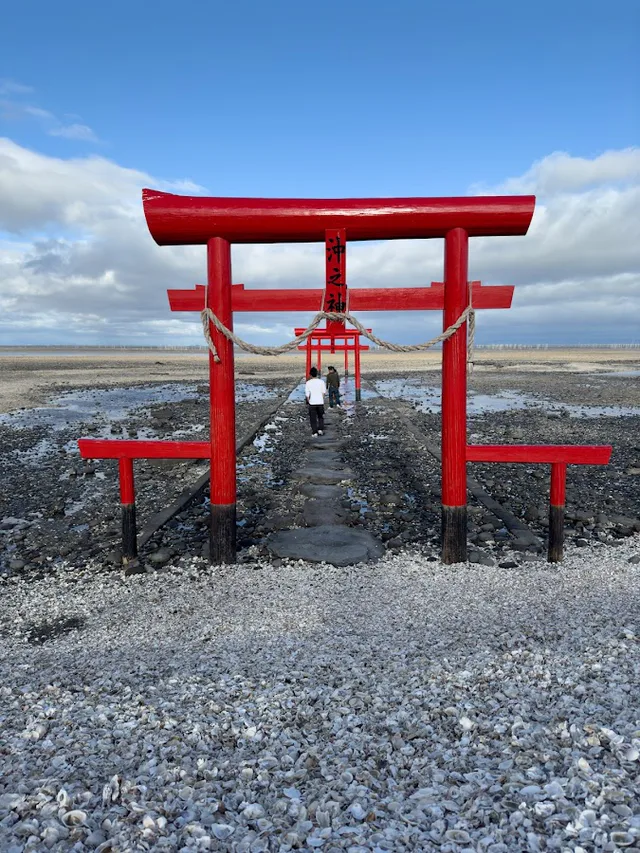
Tara is not one fixed photo stop: high and low tide create different products.
Tara: choose the tide state before you choose the train
Ouo Shrine’s three sea torii look fundamentally different at high and low tide. At high tide, water surrounds the gates; at low tide, the sea road and mudflats appear. Saga Prefecture directs visitors to current local tide information.
So the first decision is not transport. It is which version do you want? Then work backward. If that tide conflicts with Yutoku, shorten Yutoku, accept the other tide state, or move Tara. Do not pretend both sites have unlimited flexibility simply because neither uses timed admission.
Karatsu Kunchi makes the separate-day recommendation much stronger
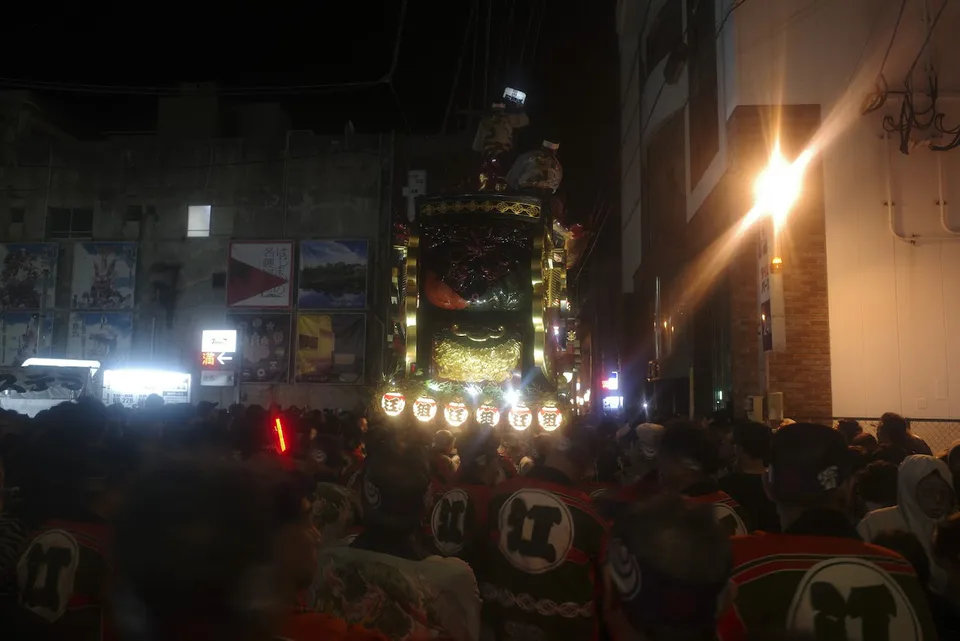
On November 2, the night programme is the product; arriving late or leaving early defeats the point.
Karatsu Kunchi runs every November 2–4. Saga’s current 2026 guide lists November 2 at 19:30–22:00, November 3 at 09:30–16:30 and November 4 at 10:00–17:30.
If Kunchi is your reason for visiting, Karatsu should own the day. The November 2 evening is the clearest example: doing Yutoku and Tara first spends the day’s resilience before the main event begins.
An overnight is worth considering when it buys back the full evening, a less stressful crowd exit and a second morning. It is not automatically necessary, but compare the room cost with the experience you would otherwise leave early to protect a train.
ValueNavi Route Resilience Score
Editorial score, 10 = traveller-friendly. The dimensions are kept consistent across ValueNavi: Money Cost, Time Cost, Booking Risk, Weather Risk, Crowd Risk, Route Fit and Uniqueness.
↔ Scroll table left or right
Option | Money | Time | Booking | Weather | Crowd | Route Fit | Uniqueness |
Yutoku + Tara | 9 | 7 | 8 | 5 | 8 | 9 | 9 |
Karatsu, normal day | 8 | 8 | 9 | 7 | 8 | 9 | 8 |
Karatsu Kunchi | 8 | 6 | 7 | 5 | 3 | 8 | 10 |
All three in one day | 6 | 2 | 6 | 3 | 4 | 1 | 9 |
The last option scores highly for uniqueness but disastrously for route fit. That is the information gain: a day can contain excellent attractions and still be a bad itinerary.
Three no-car structures that actually survive delays
South Saga day
Yutoku in the morning → back to the Kashima corridor → Tara around the chosen tide → meal/coast → return. Tara is the expendable stop if Yutoku runs long.
Karatsu day
Fukuoka → Karatsu → castle / old town / ceramics / coast according to your priority. During Kunchi, stop treating ordinary sightseeing as mandatory and let the festival own the day.
Two-day Saga
Day 1 Yutoku + Tara; Day 2 Karatsu. It uses more calendar time but removes the cross-Saga reset and gives each hard clock room to breathe.
Luggage converts schedule risk into physical friction
Use a day bag. If Fukuoka remains your hotel base, leave the suitcase there. If Saga sits between hotel moves, use the luggage-forwarding guide rather than carrying a 29-inch case through rural buses and tide stops.
The suitcase does not merely slow walking. It makes bus boarding, waiting and plan changes more expensive at exactly the points where this itinerary already has low frequency.
ValueNavi Last-Minute Card
↔ Scroll table left or right
Check | Action |
Tara tide | Decide high vs low tide first |
Yutoku Bus | Save target + fallback departure |
Coastal weather | Delete Tara first if wind/rain destroys the value |
Kunchi date | Use the current 2026 programme, not last year’s traffic map |
Return train | Choose a target before the absolute last theoretical service |
Luggage | Day bag only where possible |
Final verdict
Without a car, think of Saga as two trips: Yutoku + Tara in the south, Karatsu in the northwest. Pair the first two only when the tide and bus cooperate. Give Karatsu its own day, especially for Kunchi. Doing all three is not “ambitious”; it is low-resilience because the public-transport clocks point in different directions.
The answer can reverse with a car, private driver or unusually clean date-specific timetable. But tide and festival hours remain physical constraints, so build around those before collecting map pins.
References
Yutoku Inari Shrine — official access · Yutoku Bus — current timetable · Saga Tourism — Ouo Shrine sea torii · Saga Tourism — Karatsu Kunchi 2026 guide.