
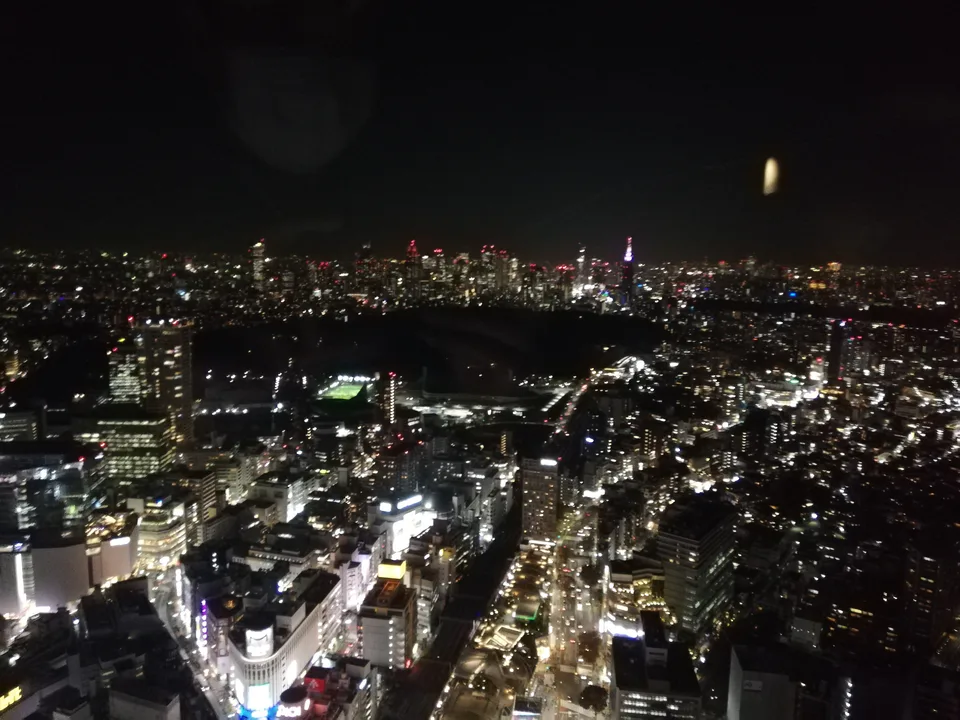
The extra ¥700 after 15:00 is not a sunset surcharge. It is a fixed time-of-day price tier, while Tokyo sunset moves by more than two and a half hours across the year. That is the central booking mistake to avoid. In early December, a 14:40 ticket can already be close enough to sunset to give you daylight, sunset and night for the cheaper ¥2,700 web fare. In late June, 15:00 is still roughly four hours before sunset, so paying ¥3,400 does not mean you bought a useful sunset slot.
For a first Tokyo trip, choose the Shibuya half-day first, the entry time second and the seller third. If sunset is the objective, aim roughly 60–90 minutes before that day’s sunset, then compare official inventory, Klook, KKday and Trip.com for that exact slot. If the open rooftop is non-negotiable, preserve cancellation eligibility until you have checked the rooftop status.
ValueNavi decision table: should you pay the ¥700 afternoon premium?
↔ Scroll table left or right
Your situation | ValueNavi decision | Why | What can reverse it |
Clear winter afternoon | Check 14:40 first | Early sunset can make the final cheaper slot an excellent daylight-to-night window | The desired 14:40 inventory is sold out |
Summer sunset is the only goal | Do not book 15:00 just because the fare changes there | Summer sunset is much later; the price boundary and sun are unrelated | You intentionally want a long four-hour stay |
Night view only | Book the cleanest evening slot, not the most famous sunset slot | You avoid paying with half an afternoon you did not want | Sunset itself is part of the memory you want |
Rooftop is 80% of the reason to go | Prioritise cancellation eligibility | SKY STAGE can close while the indoor level remains open | You would still be happy with the indoor observatory |
Hotel-change day / large luggage | Avoid a hard sunset booking | Rooftop baggage rules add another failure point | Large bags are already stored or forwarded |
Official slot sold out | Check authorised agents for the same time | A different seller only helps if it preserves the time you actually want | You are willing to change the entire Shibuya half-day |
ValueNavi Attraction Decision Score: SHIBUYA SKY scores high on uniqueness, low on resilience
This uses the same ValueNavi attraction dataset as our Tokyo observation-deck comparison: uniqueness (20%), route fit (20%), time efficiency (15%), weather resilience (15%), booking flexibility (10%), crowd resilience (10%) and money value (10%). Higher is better. The score is ValueNavi editorial analysis, not an official SHIBUYA SKY rating.
Dimension | Score | Reason |
|---|---|---|
Uniqueness | The open rooftop, city scale and day-to-night transition are hard to reproduce indoors | |
Route fit | Excellent when paired with Harajuku, Omotesando and Shibuya | |
Time efficiency | Strong in a West Tokyo day, weaker when you cross the city for one timed slot | |
Weather resilience | The defining rooftop can close even while the indoor observatory operates | |
Booking flexibility | Popular times sell out and late arrival can invalidate the plan | |
Crowd resilience | Timed entry controls flow, but sunset photo points remain demand-heavy | |
Money value | Strong if the rooftop experience is the objective; weaker if you only want a generic high view | |
Weighted ValueNavi score | High-value attraction with a real weather and booking penalty |
The useful conclusion is not “7.8 means average.” It means SHIBUYA SKY is unusually distinctive but less resilient than an indoor deck. The visit deserves priority when the outdoor experience matters; it deserves less commitment when you would be equally happy with any night view.
Current 2026 price: ¥2,700 before 15:00, ¥3,400 from 15:00
SHIBUYA SKY currently sells adult web tickets at ¥2,700 (about US$17) for entry by 14:59 and ¥3,400 (about US$21) from 15:00. Walk-up adult tickets are ¥3,000 and ¥3,700 respectively. Tickets are date-and-time specific and sold up to two weeks ahead.
The attraction does not become a different product at 15:00. The price changes because the afternoon/evening window is more desirable. That is why the same ¥700 premium can be excellent value in December and nearly irrelevant at 15:00 in June.
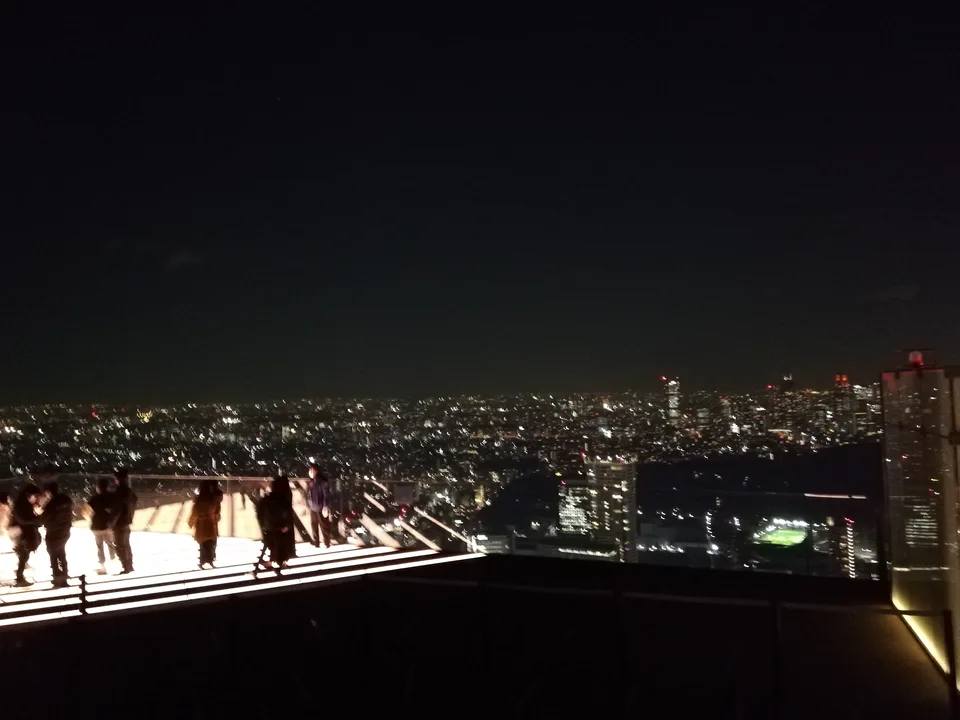
ValueNavi Sunset Premium Efficiency: the same ¥700 buys different timing value by season
↔ Scroll table left or right
Example date | Tokyo sunset | 15:00 → sunset | ValueNavi interpretation |
20 June | about 19:00 | about 4 hours | 15:00 is an evening-price ticket, not a practical sunset ticket |
19 August | about 18:26 | 3 h 26 min | Still much too early if sunset is the sole reason for paying more |
18 October | about 17:02 | 2 h 02 min | The premium window starts to fit a longer sunset visit naturally |
7 December | about 16:28 | 1 h 28 min | 15:00 is close to a classic daylight-to-sunset entry window; 14:40 becomes the value check |
ValueNavi rule: do not ask “Is the ¥700 premium worth it?” without adding the month. The premium buys scarce clock time, and the usefulness of that clock time changes with the sun.
For sunset, target a window rather than one perfect minute
I would normally target entry around 60–90 minutes before the official sunset. That is ValueNavi planning guidance, not an operator rule. It gives enough room for admission flow, rooftop locker procedures, orientation and daylight viewing before the colour starts to change.
The exact target shifts through the year. Around late June, a useful sunset entry may be closer to 17:30–18:00. In early December, 15:00 itself can be close to ideal. Copying “book 5 p.m.” from a reel without checking the season is a poor way to spend a scarce ticket.
ValueNavi Total Time Cost: a sunset ticket can consume three Tokyo hours
The ticket has no post-entry time limit, but re-entry is not allowed after you leave. That makes time cost a choice rather than a hard operator limit.
↔ Scroll table left or right
Visit type | ValueNavi planning block | What you are buying |
Daytime / night-only visit | about 1.5–2 hours once already in Shibuya | Admission flow + view + photos without waiting for the light to change |
Sunset visit | about 2–3 hours | Daylight + sunset + blue hour + night |
Cross-city sunset visit | often 3+ hours of itinerary capacity | Transport to Shibuya plus a long timed attraction block |
This is the hidden cost of the viral sunset slot. If the same evening could have contained dinner, a neighbourhood walk and another attraction, the opportunity cost can matter more than ¥700.
The two-week booking window creates a weather trade-off you cannot fully eliminate
The official site currently sells dates up to two weeks ahead. Popular sunset slots can disappear before the forecast becomes reliable, so every sunset booking trades slot certainty against weather certainty.
The current cancellation framework reduces the risk but does not remove it. Specified eligible online tickets can be cancelled free until the day before. If the rooftop is officially closed at your designated admission time, eligible tickets purchased through the supported channels can also be cancelled before entry under the rooftop-closure process. The indoor 46F observation space can remain open.
A mediocre sunset, haze or heavy cloud while the rooftop stays open is different. The ticket does not become a weather guarantee simply because you chose sunset.
Klook vs KKday vs official: protect the slot before the coupon
SHIBUYA SKY publishes cancellation guidance for eligible tickets sold through Klook, KKday and Trip.com. That makes the old simplistic rule “official for certainty, OTA for flexibility” less useful.
The seller decision should come after the time decision:
Official: use it when the exact desired slot is available and you want the cleanest operator-facing purchase path.
Klook / KKday / Trip.com: use an authorised agent when it has the exact slot, useful checkout terms or a promotion that does not force you into a worse time.
A ¥300 saving is poor value if it moves you from the sunset window to a slot you did not want. Inventory is part of price.
For groups, note one non-obvious rule in the operator’s current authorised-agent cancellation guide: rooftop-closure cancellation is handled per payment. Tickets inside one payment cannot be partially cancelled.
Do not rely on adult walk-up tickets as a sold-out fallback
The official current ticket page says that when adult web tickets are sold out, adult counter tickets are also sold out. “We will just buy it there” is therefore not a dependable Plan B for a popular evening.
Children aged 6–11 are handled separately through the counter under the current rules, while younger children can be free depending on age/school status. Families should check the live official wording because Japan’s school-year age definitions can look unfamiliar to international visitors.
Rooftop closed does not mean SHIBUYA SKY is closed
This is the most important product distinction. The rooftop SKY STAGE can close for weather while the indoor SKY GALLERY remains open. If the rooftop is the main reason you are going, check the status before entering because the special rooftop-closure cancellation option is useful only before entry.
If you would still enjoy the indoor observation experience, keeping the booking can be rational. If open air is 80–90% of the value for you, preserve the cancellation option until you know what product is operating.
Do not put a timed sunset ticket after a high-variance day
The operator warns that late arrival can lead to refused entry. That makes SHIBUYA SKY sunset a poor final item after anything with uncertain timing: international arrival, Fuji or Hakone day trip, Tokyo Disney, highway-bus travel or a hotel move with luggage.
ValueNavi Route Conflict Rule: a hard sunset ticket should sit after low-variance activities in the same side of Tokyo. Harajuku → Omotesando → Shibuya is resilient. Asakusa → Odaiba → Shibuya sunset is not, even if Google Maps says the transfers are possible.
Hotel-change day is a bad match unless the luggage problem is already solved
The official ticket page states that luggage cannot be taken onto the rooftop and recommends storing bags in lockers around the area for smoother entry. A normal day bag is one thing. Two suitcases and shopping bags on a timed sunset day are another.
I would only pair checkout day with SHIBUYA SKY when the large bags have already been forwarded, stored at the next hotel or otherwise removed from the afternoon. The attraction should not become the point where the luggage plan fails.
When should you skip SHIBUYA SKY?
Skip it when you only want a generic high view, your entire day is in East Tokyo, the weather destroys the rooftop value, or you already have another observation deck that fits the itinerary better. Tokyo Skytree, Tokyo Tower and Tokyo City View each solve different route and weather problems; the full ValueNavi observation-deck comparison puts all four on the same scale.
The strongest reason to go is not “everyone says it is worth it.” It is that the rooftop perspective and day-to-night transition are specifically the Tokyo memory you want.
Final verdict
SHIBUYA SKY is worth prioritising for a first Tokyo trip when good weather and a West Tokyo afternoon line up. The ¥700 after-15:00 premium is worth paying only when the later slot actually buys a useful light window for your date. In early winter, check 14:40 first. In summer, ignore the 15:00 price boundary and work backward from the real sunset.
Protect the slot before the seller discount, protect cancellation flexibility when the rooftop is essential, and never place a scarce sunset booking after a high-variance travel day. The ticket is expensive in time before it is expensive in yen.
References
SHIBUYA SKY — official tickets, prices, sales window and baggage notice · SHIBUYA SKY — authorised-agent cancellation and rooftop-closure guidance. Current operating/ticket details checked August 26, 2026. USD amounts use an approximate August 26 exchange rate; yen remains the booking reference.