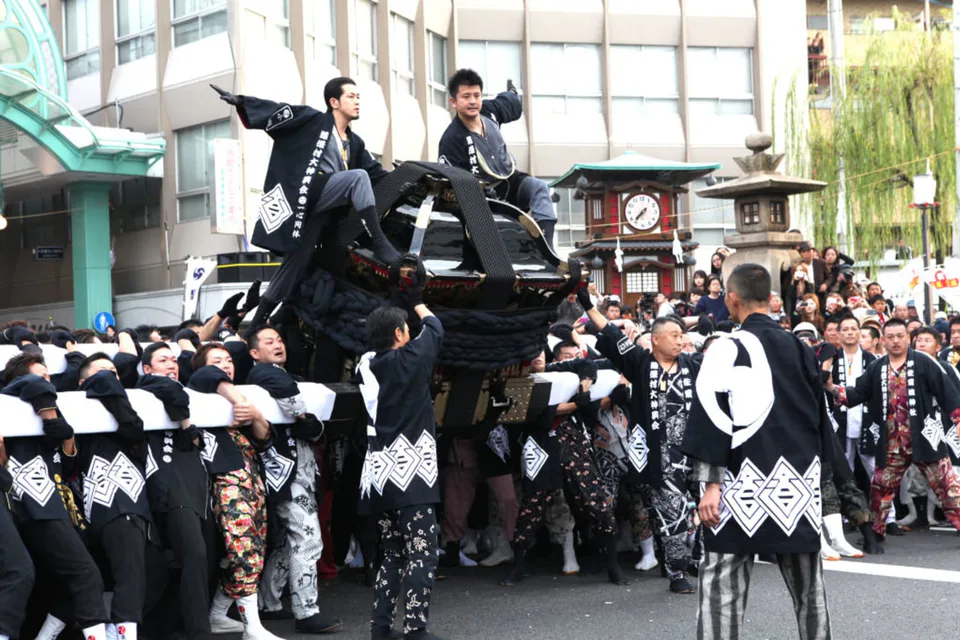
If you can protect only one Dogo Autumn Festival window in 2026, protect the dawn of October 7 and sleep in Dogo on October 6. Ehime’s official tourism site says Isaniwa Shrine opens at 05:30 and the eight Dogo mikoshi begin their station-front hachiawase at around 06:30. The crucial planning detail is transport: the ordinary city-tram timetable currently linked by Iyotetsu does not put the first tram from Matsuyama City Station into Dogo until 06:48, or the first from JR Matsuyama Station until 06:38. Unless a special 2026 festival service is announced, a central-Matsuyama hotel plus the normal tram is therefore too late for the full opening sequence.
That changes the accommodation decision. On most Matsuyama days, Dogo versus downtown is a mild convenience trade-off. On the night of October 6, a Dogo hotel can buy access to a one-time dawn event that normal public transport does not reliably protect. If the festival is only a bonus rather than the reason for the trip, central Matsuyama remains perfectly sensible—just do not book it assuming the regular tram will deliver you to the 06:30 start.
↔ Scroll table left or right
Your actual priority | Best move | Main trade-off |
See the signature Dogo mikoshi clashes from the start | Stay in Dogo on Oct 6; be outside before dawn on Oct 7 | You pay a location premium and accept a very early morning |
Festival atmosphere, but no interest in a 05:00 wake-up | Keep your normal Matsuyama base and treat Oct 5–7 activity as a bonus | You may miss the most distinctive Dogo sequence |
Only one Matsuyama night | Make it Oct 6 if the festival is the reason for the stop | Oct 7 night is too late for that morning’s main event |
Dogo ryokan dinner and festival both matter | Book Oct 6, keep the evening local, sleep early | A late dinner or bar night directly competes with the dawn plan |
Mobility concerns or dislike of compressed crowds | Skip the front-line dawn plan; enjoy Dogo later | You trade intensity for easier movement |
October 5, 6 or 7: which day is worth changing your itinerary for?
Matsuyama’s official tourism site gives the annual festival framework as October 5–7. Ehime’s official tourism page describes October 5 as the eve festival, October 6 as the main festival and October 7 as the main shrine day, with the Dogo-specific dawn sequence on the 7th.
For a visitor rather than a local participant, those three dates do not have equal opportunity cost. October 7 is the date most likely to justify changing a Shikoku itinerary because the station-front hachiawase and the shrine movements are both time-specific and difficult to reproduce on an ordinary Dogo visit. October 5 and 6 can add atmosphere to a Matsuyama stay, but they do not have the same single, concentrated visitor payoff.
Use this hierarchy:
October 5: choose it if you were already in Matsuyama and want festival build-up. Do not add a hotel night solely to tick off the date.
October 6: useful as the night-before position. For most international visitors, its biggest strategic value is that sleeping locally sets up October 7.
October 7: protect the dawn. This is the date to build around if the Dogo festival itself is the reason for visiting.
If Matsuyama is competing with Takamatsu, Kochi or Tokushima for scarce nights, first settle the larger route with Takamatsu or Matsuyama for a 5-day Shikoku trip. A fixed-date festival should reshape the route only when the event is more valuable to you than the night it displaces.
The normal tram timetable makes Dogo lodging materially more valuable on October 6
On an ordinary day, central Matsuyama is close enough to Dogo that the hotel decision can be made on price, nightlife and sightseeing. Dogo Onsen’s official access information gives about 25 minutes by tram from JR Matsuyama Station and about 20 minutes from Matsuyama City Station.
The dawn festival changes that logic. The city-tram timetable currently published by Iyotetsu shows the first Line 3 tram from Matsuyama City Station at 06:28, arriving at Dogo Onsen at 06:48. The Line 5 timetable shows the first service from JR Matsuyama Station at 06:13, arriving at Dogo Onsen at 06:38. Ehime’s festival page, meanwhile, places the station-front hachiawase at around 06:30 and the shrine opening at 05:30.
That gives the hotel premium a measurable job: a Dogo room can remove the risk that your first available ordinary tram arrives after the event has already begun. A downtown hotel can still work if you walk, take a taxi or if Iyotetsu announces special festival transport, but do not assume the normal network solves the timing.
The timetable presently linked by Iyotetsu is labelled with an earlier revision date, so treat it as the current ordinary-service reference rather than a guarantee for October 7, 2026. Festival-day extra service, traffic control or temporary stop changes may still be announced. Recheck the operator notice in the final days before the festival.
If you stay only one night, the night before matters more than the night after
A common booking mistake is choosing “October 7 in Dogo” because October 7 is the headline date. Hotel nights work differently from event dates. If you check in on the afternoon of October 7, the dawn event has already happened.
For a one-night festival trip, the valuable room is the night of October 6. Arrive before dinner, keep the evening simple, sleep early, walk to the station/shrine area before dawn, then use the rest of October 7 for Dogo and Matsuyama sightseeing before moving on.
The night of October 7 can still be worth staying if you want a relaxed recovery evening, but it should be justified by the onsen/ryokan experience or your next-day route—not by the hachiawase you have already seen.
This also means a premium half-board ryokan can work very well on October 6 if you genuinely want the dinner and bath. What matters is the exact dinner time. A late multi-course dinner, drinks and a long post-dinner bath can undermine the 05:00-ish wake-up that made the hotel location valuable in the first place. Verify the property’s meal seating before paying.
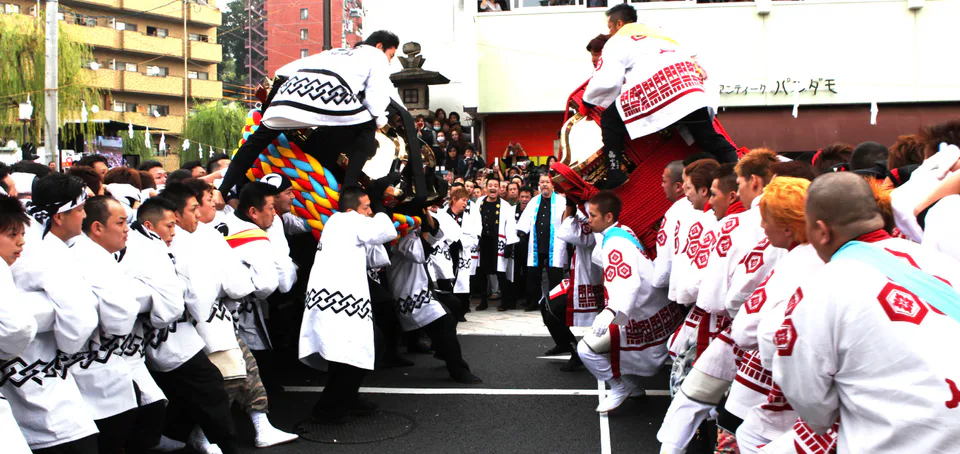
Do not spend the irreplaceable 06:00 hour inside Dogo Onsen Honkan
Dogo Onsen Honkan currently opens the ground-floor Kami-no-Yu bath at 06:00. On a normal morning, that is an attractive way to begin the day. On October 7, it collides almost perfectly with the most time-sensitive festival window.
The official Honkan schedule gives the basic Kami-no-Yu entry a 60-minute use window and opening hours through 23:00. The festival hachiawase, by contrast, is tied to the dawn procession. From an opportunity-cost perspective, the sequence should be festival first, bath later.
If bathing at opening time is a personal priority, use October 6 or another morning. Do not pay to stay beside a one-off dawn event and then spend the only irreplaceable hour indoors doing an activity available for most of the day.
Station-front hachiawase and Isaniwa Shrine are one sequence, not two appointments
Ehime’s official tourism description says the shrine opens at 05:30, the eight large mikoshi gather, and from around 06:30 the eight neighbourhood mikoshi perform two clashes each—eight clashes in total—in front of Dogo Onsen Station. Matsuyama’s official tourism site also highlights the dramatic movement of the mikoshi on Isaniwa Shrine’s 135 steep stone steps.
The planning mistake is turning those descriptions into a minute-by-minute sightseeing timetable before a final 2026 district notice exists. Treat the morning as a moving festival zone. Position yourself around Dogo before the first key window, watch the station-front sequence, then follow the broader procession only where crowd flow and official instructions allow.
This is especially important for photography. Chasing one exact shrine angle can cost more than it gains if the crowd is already dense or the procession route changes. The highest-value goal for a first visit is to experience the sequence safely, not to reproduce one reference photo.
Where to stay: Dogo, Okaido or around Matsuyama Station?
↔ Scroll table left or right
Base | Best for this festival | Why it can lose |
Dogo | Oct 6 overnight when the dawn event is non-negotiable | Rates may rise; nightlife and broader city dining are less central |
Okaido / central Matsuyama | Travellers prioritising city dining and the rest of Matsuyama | Do not rely on the ordinary first tram for the 06:30 start |
JR Matsuyama Station area | Rail-heavy arrival/departure days | The current ordinary first tram reaches Dogo after the advertised clash start |
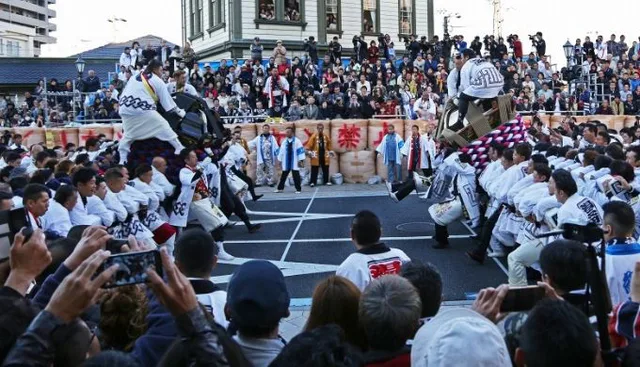
Dogo is the event-first choice. It lets you walk out before normal transit becomes relevant and gives you the easiest escape back to the room if the dawn crowd becomes tiring.
Okaido is the city-first choice. It is better when the festival is one component of a Matsuyama stay rather than the reason for the trip. If you insist on the full dawn sequence from an Okaido hotel, budget a taxi/walk plan and verify road restrictions.
JR Matsuyama Station is the transfer-first choice. It can be logical before an early intercity train on another date, but for October 7 dawn it does not earn enough from rail convenience to offset the festival timing unless you arrange an alternative pre-dawn transfer.
Mobility and crowd tolerance can reverse the recommendation
The strongest version of this festival is also the least forgiving one. Hachiawase is physical, the crowd can compress around the station, and Isaniwa Shrine has 135 steep stone steps. A traveller with limited mobility, balance concerns or strong discomfort in dense crowds should not treat “front row at dawn” as the only valid way to experience the festival.
A safer plan can be to stay in Dogo, approach the station area early, keep a clear retreat route and skip the steep shrine movement if conditions are uncomfortable. Being ten metres farther back but able to leave is often a better trade than forcing the closest possible viewpoint.
Families with small children face the same trade-off. The event is free and compact, but “free” does not make the densest pre-dawn viewing position a good family product. If a child needs sleep, breakfast and predictable space, a later festival window plus ordinary Dogo sightseeing may be the more enjoyable choice.
Rain changes the shrine plan before it changes the whole trip
Matsuyama’s official tourism page warns that festival contents can be changed or cancelled because of weather or other conditions. Rain therefore should not be treated as a binary “festival cancelled” signal.
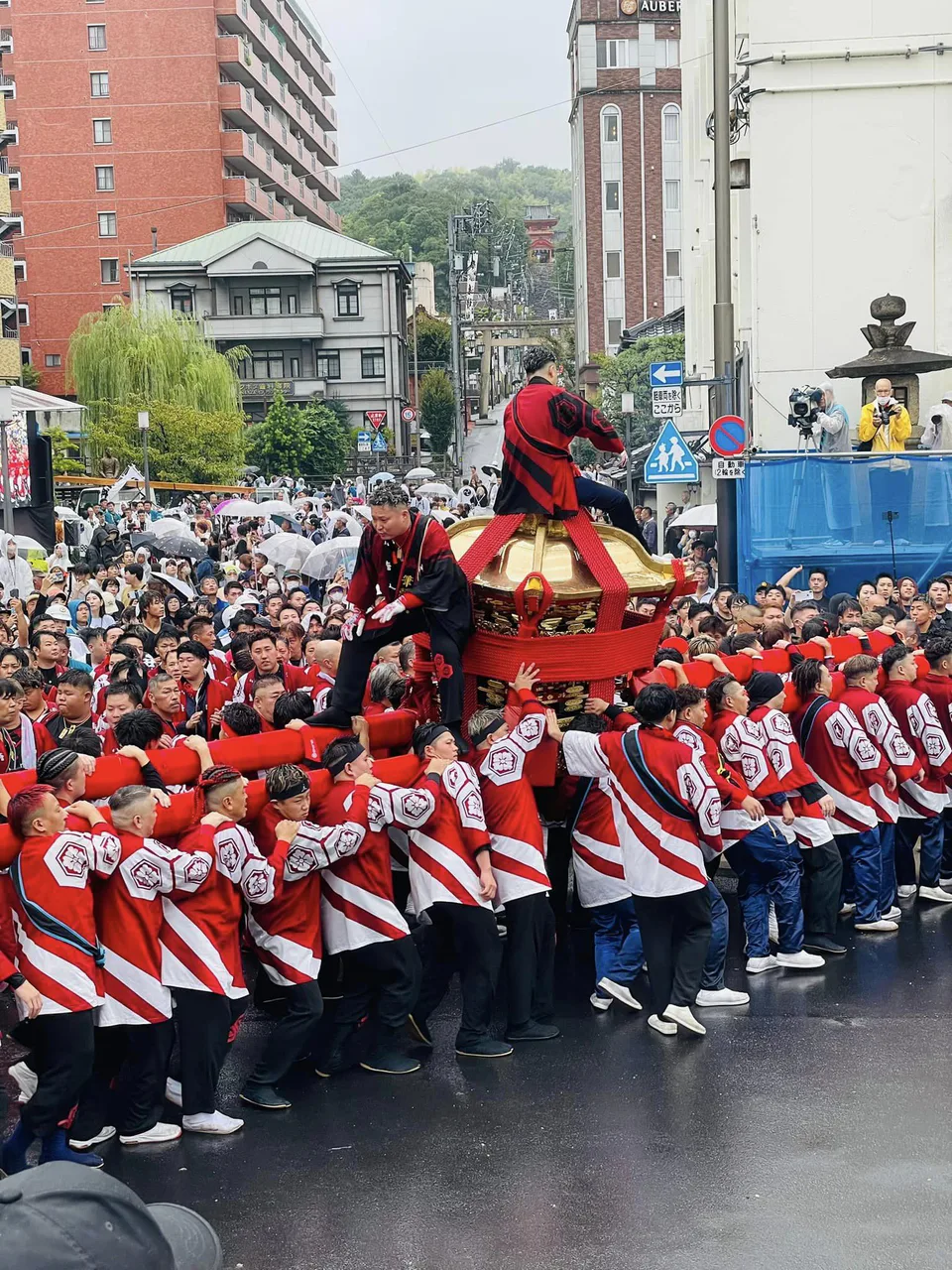
The practical hierarchy is:
First recheck official/local notices for procession changes.
Keep Dogo as the base if you are already booked there; the station area remains easy to reassess on foot.
Be more conservative about the steep Isaniwa Shrine steps in wet conditions.
Move Dogo Onsen and indoor/covered Matsuyama sightseeing later in the day if outdoor activity is reduced.
This is another reason not to schedule a long-distance departure immediately after the dawn event. A flexible October 7 morning lets you adapt to weather and procession changes without breaking the rest of the Shikoku route.
Do you need two nights in Dogo for the festival?
Usually not. For a first-time visitor, one well-placed night on October 6 is enough to unlock the distinctive dawn experience. A second Dogo night should have a second job: a ryokan stay you genuinely want, a slow onsen day, recovery before a long transfer, or additional Matsuyama sightseeing.
Do not add October 5 simply because the festival spans three calendar days. The event has a three-day local structure, but your hotel nights should be bought against the visitor experiences they unlock.
Two nights become more defensible when your arrival on October 6 would otherwise be rushed, especially from another Shikoku city. In that case, October 5 can act as a positioning night rather than a “second festival night.” The distinction matters because it keeps you from overvaluing festival duration.
A practical one-night festival plan
October 6 afternoon: arrive in Matsuyama and check into Dogo. Keep luggage movement finished before dinner. Do not build a late cross-city sightseeing loop.
October 6 evening: dinner, optional bath, then sleep early. If staying at a half-board ryokan, make the meal the evening activity rather than adding bars or another district afterward.
October 7 before dawn: walk to the Dogo festival area. The official reference pattern begins with the 05:30 shrine opening and moves toward the approximately 06:30 station-front hachiawase.
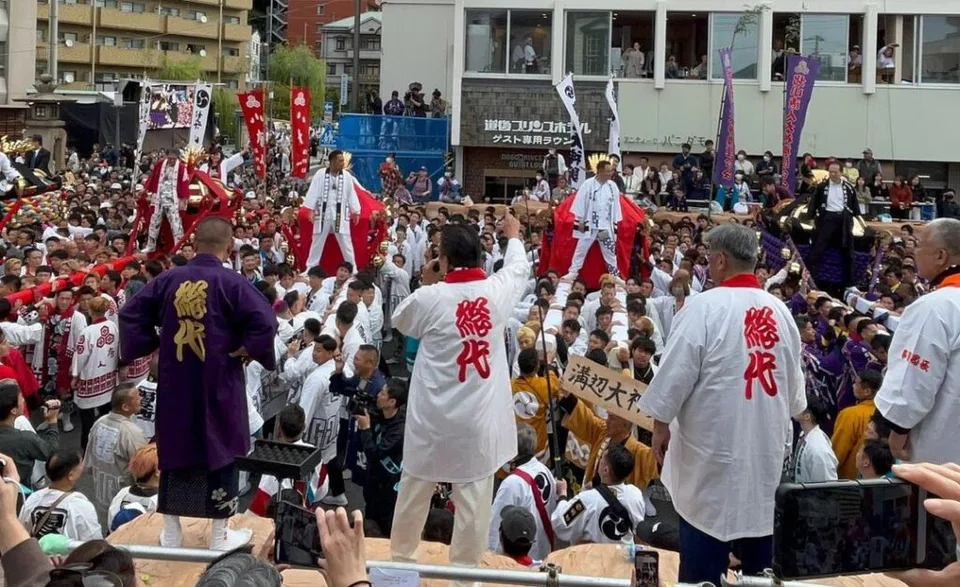
October 7 morning: follow the procession only as far as comfort and official crowd control allow. Bath after the scarce festival window rather than before it.
October 7 late morning / afternoon: return for breakfast if your accommodation timing allows, check out, store or move luggage, then continue with Dogo Onsen, Matsuyama Castle/central Matsuyama or the next Shikoku leg.
The important part of this plan is not the exact sightseeing list. It is that the hotel, sleep and transport all protect the one piece of the festival that cannot be shifted later.
Final verdict: buy the night before the scarce event, not the date printed on the poster
For most first-time international visitors, October 7 dawn is the part of the Dogo Autumn Festival worth protecting. If that is your priority, book Dogo for the night of October 6. The accommodation premium is justified because the ordinary city-tram timetable currently does not deliver central-Matsuyama guests in time for the advertised 06:30 start, and the 05:30 shrine opening is earlier still.
If the dawn event is not important to you, do not overpay for Dogo solely because the festival is running. Keep the hotel that best serves the rest of Matsuyama and enjoy whatever festival activity fits naturally.
Finally, treat all precise 2026 movement times beyond the official annual framework as provisional until local organisers/operators publish the final festival-day notices. The durable decision is already clear: Oct 6 night + Dogo base + festival before bath is the lowest-friction way to buy the signature October 7 experience.
Related planning
Takamatsu or Matsuyama for a 5-Day Shikoku Trip · 4-Day Shikoku Autumn Itinerary · Japan Festivals Compared
Official sources and verification
Ehime Official Tourism — Matsuyama Dogo Autumn Festival · Matsuyama Official Tourism — Matsuyama Autumn Festival · Iyotetsu — city tram timetable currently published by the operator · Dogo Onsen Honkan — current bathing hours. Checked August 25, 2026. The festival follows the annual October 5–7 framework, but detailed 2026 traffic controls, special transport and procession timing can still be updated closer to the event.