
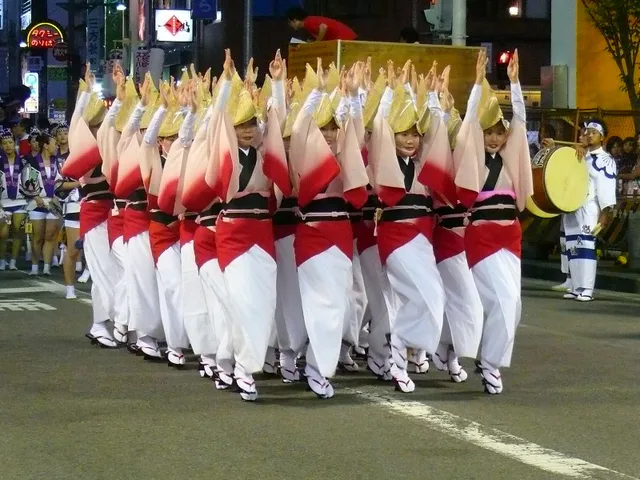
As of 26 August 2026, most of the headline festivals in this comparison have already finished. Aomori Nebuta, Sendai Tanabata, Nagaoka Fireworks, Kochi Yosakoi and Tokushima Awa Odori are over for 2026. The two practical late-summer choices still on the calendar are Gujo Odori — with remaining nights on 29 and 30 August plus the 5 September finale — and Owara Kaze no Bon on 1–3 September.
If you are planning a future summer rather than travelling this week, the bigger decision is not which festival is “largest.” It is what type of trip cost you are willing to absorb: hotel scarcity, reserved-seat dependency, heat, a difficult post-event exit, or the need to stay overnight because the experience runs later than your transport.
2026 status first: what can you still attend?
↔ Scroll table left or right
Festival | 2026 dates | Status on 26 Aug | Planning implication |
Nagaoka Fireworks | 2–3 Aug | Finished | Use the comparison for future-year planning only. |
Aomori Nebuta | 2–7 Aug | Finished | Do not build a 2026 trip around expired seat inventory. |
Sendai Tanabata | 6–8 Aug | Finished | Useful as a lower-friction benchmark for next summer. |
Kochi Yosakoi | 9–12 Aug | Finished | Future-year route planning only. |
Tokushima Awa Odori | 11–15 Aug | Finished | Future-year ticket/hotel planning only. |
Gujo Odori | 11 Jul–5 Sep; remaining 29 Aug, 30 Aug, 5 Sep | Still running | Best remaining option if participation matters more than spectacle. |
Owara Kaze no Bon | 1–3 Sep | Upcoming | Best remaining option for atmosphere, but transport/hotel strategy is critical. |
ValueNavi Festival Trip-Fit Score
ValueNavi scores a festival for a specific itinerary, not as a cultural ranking. The model uses six factors: experience distinctiveness 20%, route fit 20%, hotel pressure 20%, exit resilience 15%, booking dependency 15%, and heat/weather resilience 10%. Higher is easier to justify inside a finite Japan trip.
Scenario | ValueNavi score | Why |
|---|---|---|
Gujo Odori normal late-August night with local overnight | High participation value without the all-night Obon accommodation spike. | |
Owara with a Yatsuo/Toyama overnight and no forced late return | Atmosphere remains the focus because the exit is not controlling the evening. | |
Owara as a rushed late-night day trip with a hard last train | The transport deadline directly conflicts with the reason to go slowly. | |
Nebuta with hotel secured inside Aomori and one full parade night | Very high distinctiveness and strong single-night payoff once accommodation is solved. | |
Nagaoka without a valid exit plan | The spectacle is exceptional, but the trip chain is not resilient enough. | |
Sendai Tanabata added to an existing Tohoku city route | Low booking dependency and strong city-route compatibility. |
Scores are editorial planning tools. They explain why the most spectacular festival is not automatically the best fit for a particular trip.
The hidden cost is the festival block, not the event duration
Use:
True Festival Block = pre-event positioning + event time + crowd exit + transport back + recovery cost next morning
A two-hour performance can consume six or seven hours of usable travel time if you need to arrive early, queue, cross a congested station after the finale and then start the next day exhausted. The strongest festival plan protects the exit and the following morning before adding another attraction.
Aomori Nebuta: maximum visual payoff, but solve the hotel before the parade
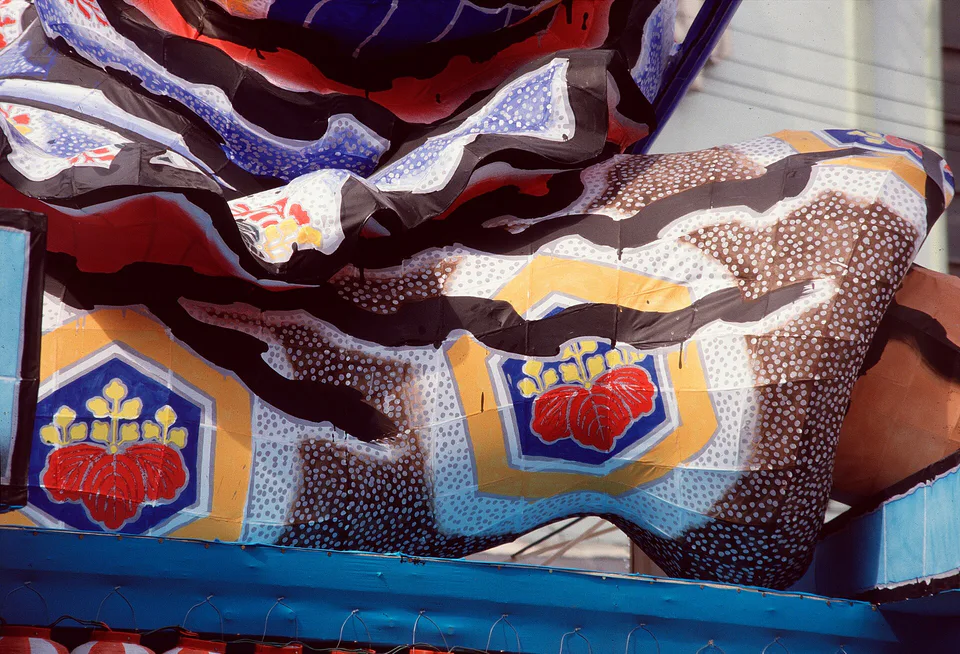
Aomori Nebuta’s official schedule runs every year from 2–7 August; in 2026 the main night parades ran 2–6 August, followed by the daytime parade and marine procession/fireworks on 7 August. For overseas visitors, reserved seats for 2–6 August were ¥4,000 plus a ¥1,000 ticketing service fee — roughly US$25 + US$6 at the 26 August 2026 exchange rate.
That ticket was never the biggest risk. Accommodation, the late finish and the decision to stay in Aomori versus commuting from somewhere else matter more. I would choose Nebuta for a first festival-led Tohoku night once the hotel is secured. I would not bolt it onto a route that forces a long post-parade transfer.
Use the Aomori Nebuta main guide and free-viewing vs reserved-seat guide for the event-level decision.
Sendai Tanabata: lowest-friction festival for a city itinerary
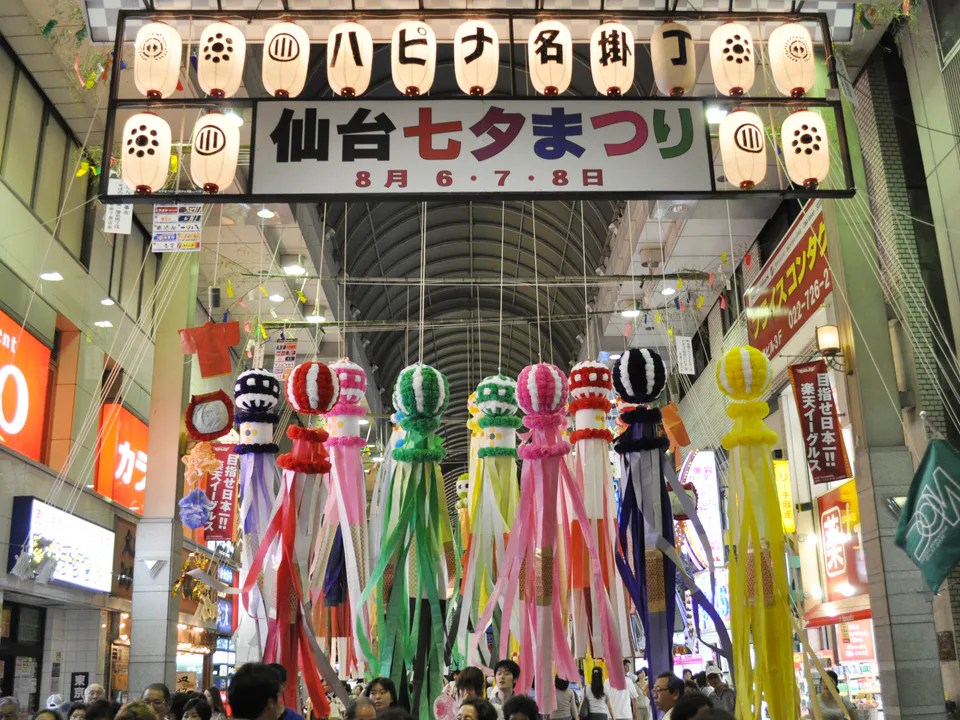
Sendai Tanabata is held 6–8 August in the central shopping streets. Its advantage is structural: the core experience is a city walk beneath decorations rather than a single ticketed night procession. That reduces seat dependency and makes it easier to shorten, pause or combine with another city activity.
If you want maximum spectacle, Nebuta wins. If you want a festival that does not take control of the entire day, Sendai is easier. That lower friction is the reason it can be the better itinerary choice even when it is not the most dramatic visual event.
Gujo Odori: the best remaining 2026 choice if participation is the point
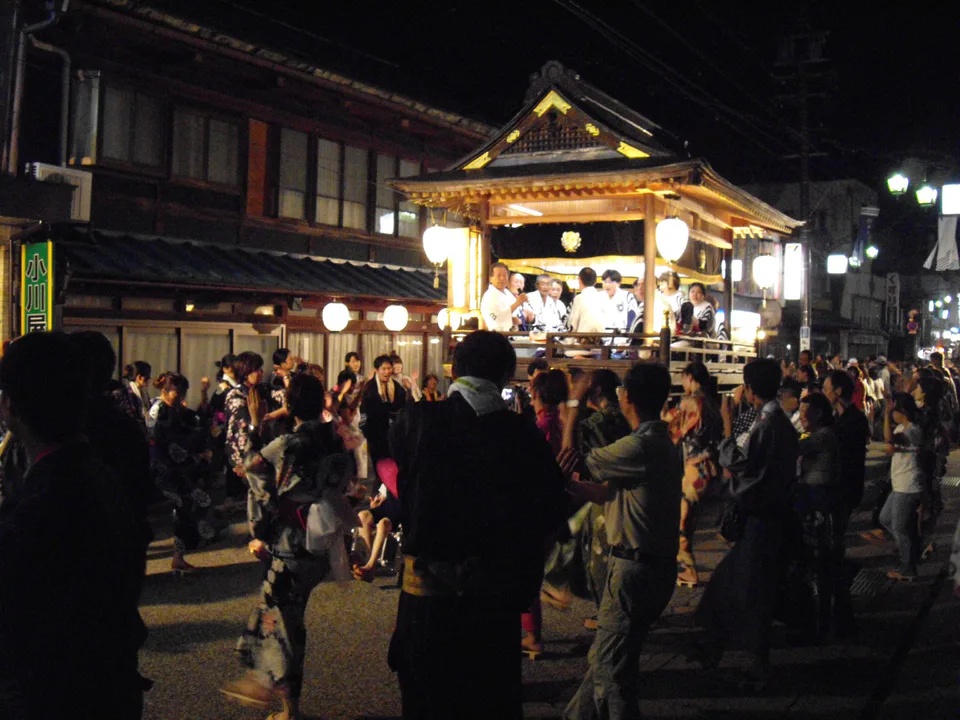
The official 2026 schedule runs from 11 July to 5 September. The all-night Obon dances on 13–16 August are finished, but as of 26 August there are still ordinary dance nights on 29 August and 30 August, plus the 5 September finale.
This is an important decision reversal. If you thought “Gujo Odori means all-night dancing or nothing,” that is wrong. A normal late-August night can be a better fit for travellers who want to join the dancing but do not want the hardest accommodation/stamina version of the festival. The Gujo Odori guide covers the remaining dates and transport in more detail.
Tokushima Awa Odori: strong when you stop venue-chasing
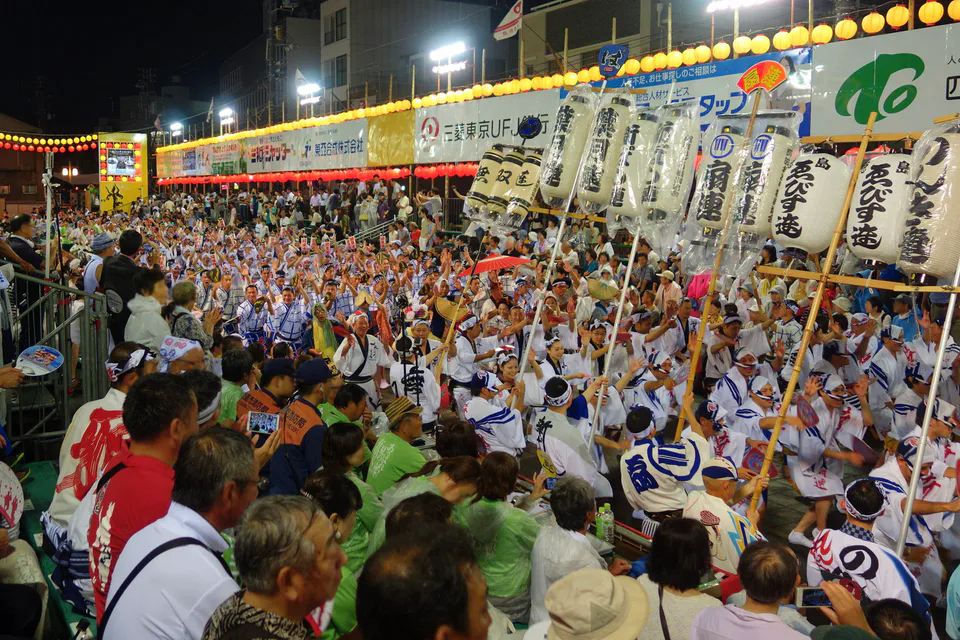
The 2026 programme ran 11–15 August, with the main outdoor performance venues operating 12–15 August. A first visit becomes worse when you try to collect every venue. My preferred structure is one strong scheduled performance plus adjacent free/street atmosphere. The failure mode is spending the night transferring between stages instead of actually watching a complete performance.
Kochi Yosakoi: modern team energy, but choose the viewing pattern first
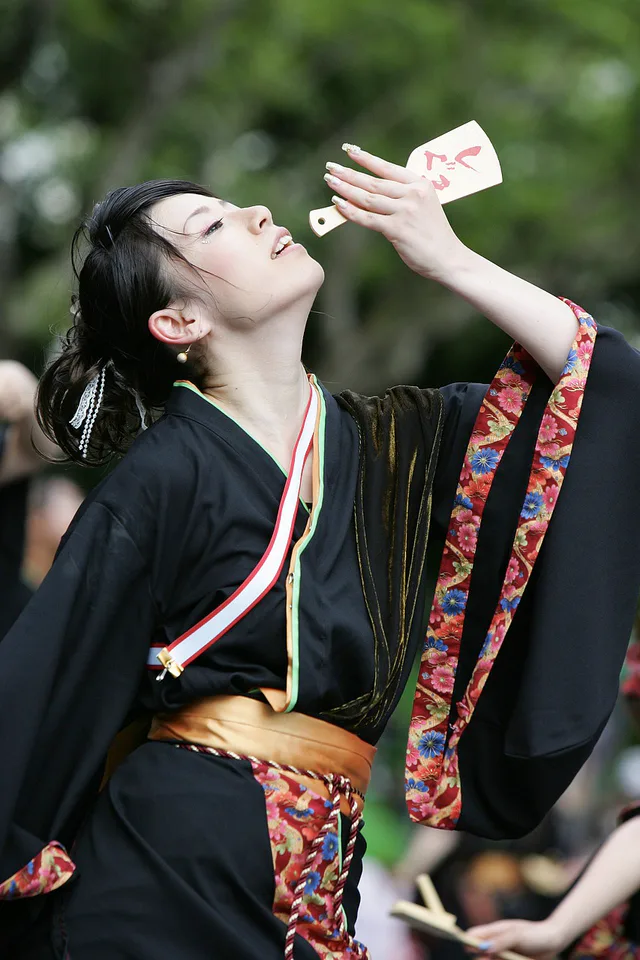
The 73rd Yosakoi Festival ran 9–12 August 2026, with the main competition on 10–11 August and the national competition/after-festival programme on 12 August. It is strongest for travellers who want fast, modern dance teams rather than one static traditional tableau. The planning mistake is chasing teams across too many venues and ending with fragments instead of a complete sequence.
Nagaoka Fireworks: the exit plan is part of the ticket
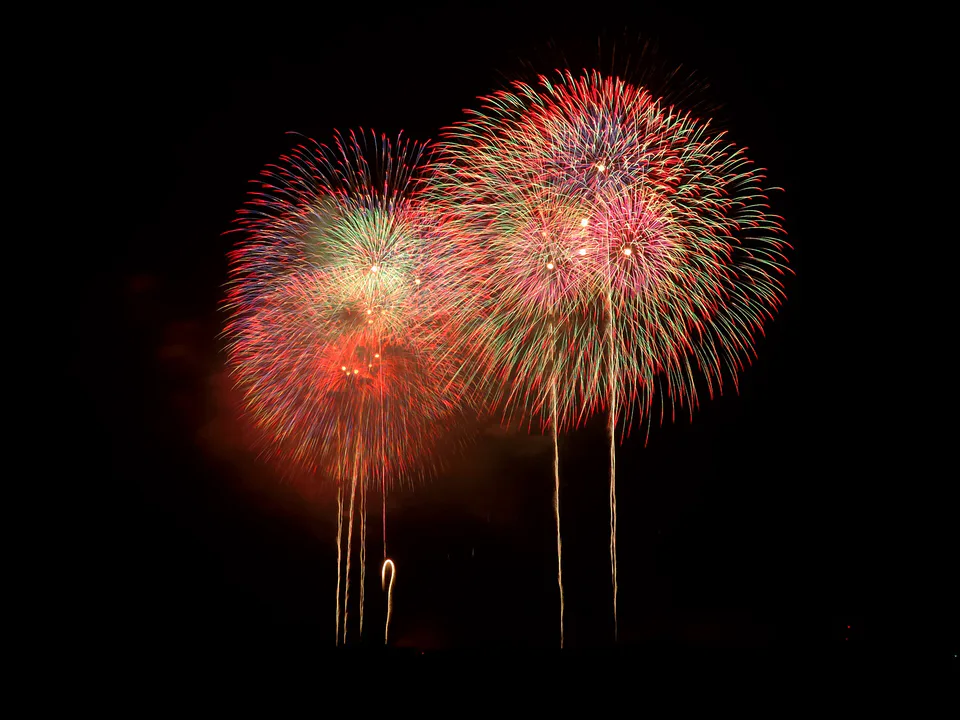
Nagaoka’s 2026 fireworks were held 2–3 August. The event is a classic example of why ValueNavi does not score spectacle in isolation. Ticket validity, which side of the river you are on, the hotel and the post-show station queue all belong to the product.
If any one of those pieces is unresolved, the trip is not finished even if you already have a seat. Start with the Nagaoka ticket, hotel and transport guide before comparing viewing zones.
Owara Kaze no Bon: the best remaining 2026 choice for atmosphere — if you remove the last-train race
Owara Kaze no Bon is still ahead: 1–2 September, 17:00–23:00; 3 September, 19:00–23:00. The 2026 indoor competition-stage ticket is ¥4,000 per seat, roughly US$25, but the outdoor town dances are a different experience and can be interrupted by rain.
Owara’s value depends on moving slowly through Yatsuo. A hard late-train deadline undermines exactly that. My recommendation is therefore conditional: choose Owara when your hotel/transport lets you stay until the atmosphere has done its job; skip the forced late-night day trip if the entire evening becomes a countdown to departure.
The Owara Kaze no Bon guide should be the next page because accommodation and exit logistics can reverse the decision.
ValueNavi Festival Exit Test
Before adding any summer festival to a multi-city Japan route, answer four questions:
↔ Scroll table left or right
Question | GO signal | NO-GO signal |
Where do you sleep? | Hotel is in or near the event city. | Long late transfer after the finale. |
What is the final transport? | Multiple workable departures or no hard deadline. | One last train controls the whole night. |
What happens next morning? | Slow morning or local sightseeing. | Early long-distance departure after a late event. |
What is the unique payoff? | Float scale, participation, fireworks or atmosphere you specifically want. | You are attending only because the date happens to overlap. |
Final verdict
Travelling now, after 26 August 2026: choose Gujo Odori if you want to participate; choose Owara if you want a quieter atmospheric event and can protect the late-night logistics. Planning a future summer: Nebuta is my first pick for pure spectacle, Sendai Tanabata for lowest city-friction, Awa Odori for a structured dance night, Yosakoi for modern team energy and Nagaoka for a dedicated fireworks trip where the exit is planned before the seat.
The wrong festival is rarely the “smaller” one. It is the event whose hotel, exit, physical load or next-morning cost fights the rest of your Japan itinerary.
Okinawa Cycling Routes: Chatan, Kaichu Road and Kouri Island Compared
Tokushima Indigo Dyeing: Ai no Yakata and Awa Indigo Workshops
Sapporo Budget Hotels: Snow, Laundry, Public Baths and Hotel Tax Matter More Than the Lowest Rate
Tokyo Autumn Day Trips Compared: Spider Lilies, Kochia, Oze, Susuki and Onsen
References
Aomori Nebuta Festival official | Sendai Tanabata official | Gujo Odori 2026 official schedule | Tokushima Awa Odori official | Kochi Yosakoi official | Nagaoka Fireworks Foundation | Owara Kaze no Bon official
Festival dates, tickets, transport and weather operations can change. 2026 status and remaining dates rechecked 26 August 2026. USD conversions are approximate; JPY remains the reference currency.