As of August 25, 2026, Gujo Odori's famous all-night Obon dances are already over. If you are planning from now, there are three regular public dance nights left in the 2026 season: Saturday August 29, Sunday August 30 and Saturday September 5. I would choose September 5 if the season-closing ritual is part of the reason you are travelling to Gujo; choose August 29 if you want a full Saturday-night dance without building the trip around the final-night ceremony; choose August 30 if a shorter Sunday night and an earlier finish fit the wider itinerary better.
The most important transport fact has not changed: a regular dance night is not a normal same-day return from Nagoya. Gifu Bus currently shows direct Gujo Hachiman Jokamachi Plaza → Nagoya departures in the late afternoon, with the latest pattern around 17:10, while the remaining dances finish at 22:30 or 23:00. If you want to dance to the official finish, a Gujo-area overnight, a confirmed private-car plan or another verified onward connection is part of the itinerary.
↔ Scroll table left or right
Remaining 2026 date | Official time | Best reason to choose it | Main trade-off |
Sat Aug 29 | 20:00–23:00 | Full Saturday dance; JC Festival / costume-night atmosphere | You still need a local overnight or verified late transport |
Sun Aug 30 | 20:00–22:30 | Shorter finish; useful when Monday recovery time is limited | Still too late for the normal direct Nagoya bus |
Sat Sep 5 | 20:00–23:00 | Season-closing night; official float-send-off lantern procession at 23:00 | The closing ritual adds value only if you are willing to stay through the end |
The all-night dance is no longer a 2026 booking decision
The August 13–16 Tetsuya Odori dates have passed. That matters because a large amount of Gujo Odori travel advice online is built around dancing until 04:00 or 05:00, dawn transport and Obon accommodation pressure. Those are no longer the decisions facing a traveller booking after August 25.
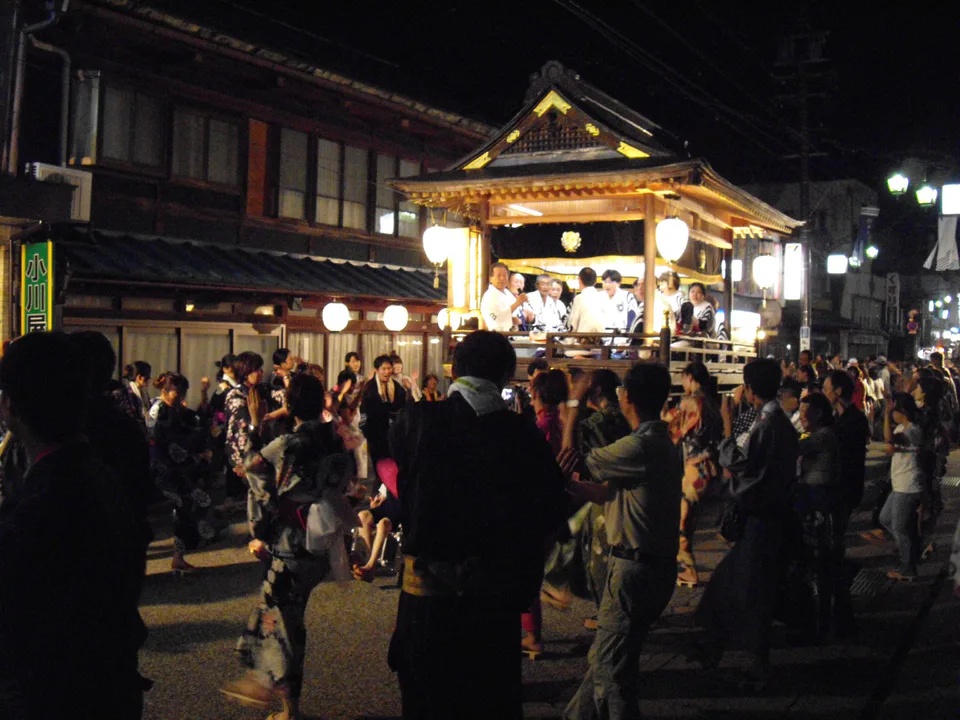
The remaining product is simpler but still not casual. Ordinary weekday/Sunday dances run from 20:00 to 22:30; Saturday dances run from 20:00 to 23:00. You can participate in the same communal dance culture without sacrificing an entire night of sleep, but you still need to solve where you will be after the music stops.
Do not choose a remaining date because it is "almost the same as the all-night festival." It is not. Choose it because the regular dance itself is worth the overnight and the transport plan works.
Which remaining night would I choose?
August 29: the easiest full Saturday-night choice
August 29 is scheduled at Shinmachi for the JC Festival, with a costume-night event planned from 19:00. The standard Saturday dance runs 20:00–23:00. For a first visit after the Obon period, this is the most straightforward answer if you want three official dance hours and a Saturday-night atmosphere without attaching the trip to the closing ceremony.
The trade-off is that "Saturday" does not solve transport. The normal direct Nagoya bus has already left long before 23:00. If your hotel remains in Nagoya, you need a deliberately confirmed private-car or alternate transport plan, or you need to leave the dance early.
August 30: choose it for the earlier finish, not because it is a different festival
August 30 is the Women's Evening at Shinmachi. As a Sunday, the official dance window is 20:00–22:30. That extra 30 minutes of sleep compared with a Saturday night sounds minor on paper, but it can matter when Monday already contains a long train, drive or flight.
This is the better date when Gujo is one stop in a Chubu route rather than the trip's main event. You still get the participatory evening, but the schedule creates a slightly smaller recovery penalty.
September 5: choose it only if the ending itself matters
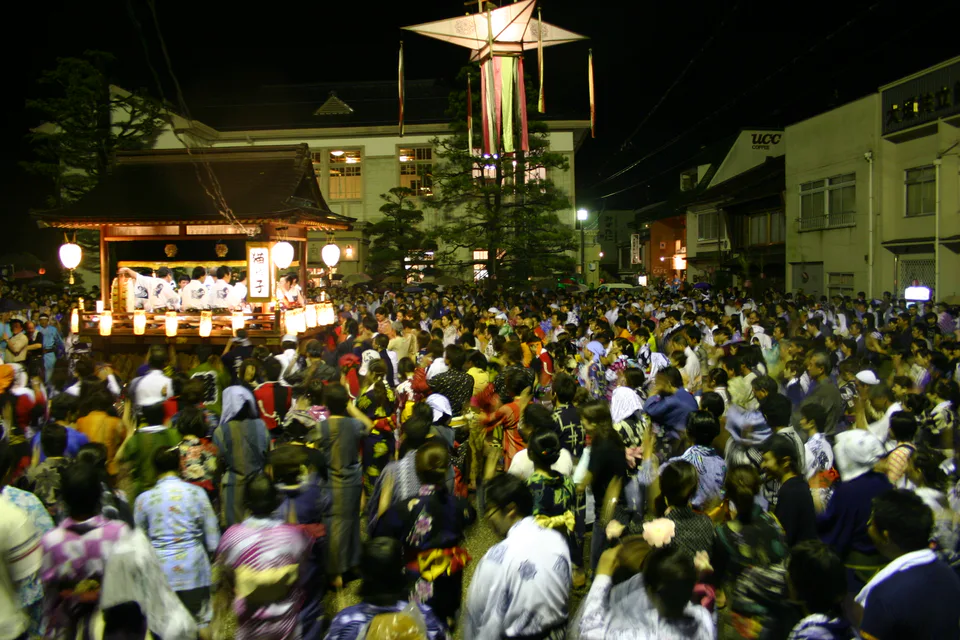
September 5 is the official odori osame, the closing dance, running from Shinmachi toward Imamachi. The city schedule notes a float-send-off lantern procession at 23:00. That gives this date something the other remaining nights do not have: the end of the season is part of the experience.
I would choose September 5 over August 29 only when you intend to stay through the finish. If you must leave at 21:30 for transport, you are paying the closing-night travel cost without using the distinctive final ritual.
Beginners can reduce the "I don't know the steps" problem before the night dance
The official Gujo Odori lesson programme currently lists daytime sessions on August 29 and August 30, with same-day registration rather than advance reservations. That can make either weekend date stronger for a first-time participant: learn a small set of dances in the afternoon, eat and rest, then join the evening circle with more confidence.
The lesson is optional, not a prerequisite. Gujo Odori is participatory and visitors can join without costume or prior experience. But for someone worried that the evening will feel like watching rather than dancing, an afternoon lesson solves a real decision problem rather than adding another attraction.
Nagoya is still a poor same-night base if you want the full dance
Gifu Bus's current Nagoya–Gujo Hirugano line charges ¥2,400 (about US$15) between Meitetsu Bus Center and Gujo Hachiman Jokamachi Plaza. On the current June 18, 2026 timetable, return services from Jokamachi Plaza are scheduled at 16:10, 16:20 or 17:10 depending on the operating pattern.
Compare that with the dance finish:
latest normal direct Nagoya departure ≈ 17:10
remaining dance start = 20:00
remaining dance finish = 22:30 or 23:00
That gap is too large to treat as a minor timetable inconvenience. A normal direct-bus day trip lets you sightsee in Gujo Hachiman; it does not let you attend the evening dance to the official finish.
The ValueNavi rule is therefore simple: if the dance is the reason for travelling, solve the night before solving the daytime sightseeing.
Where should you sleep?
A Gujo Hachiman-area room buys more than a bed. It lets you leave large luggage behind, change clothes or shoes, stop dancing when your body is finished and walk or make a short local transfer to sleep without another intercity journey.
The best property is not automatically the hotel with the highest rating. Check the exact late-night route from the dance venue. A room that still requires a long drive, uncertain taxi or limited pickup at 23:00 may not solve the problem you paid it to solve.
If no suitable local room is available, make the compromise before you travel:
leave the dance early for a confirmed connection;
use a private car with a rested driver and a verified festival parking/traffic plan;
or choose another remaining dance date rather than improvising after 22:30.
"We'll work it out when the dance ends" is the highest-risk option because the rural late-night transport problem is predictable before departure.
Do not confuse Gujo Hachiman Jokamachi Plaza with Gujo Hachiman IC
Highway-bus search results can show services using Gujo Hachiman IC. The interchange is not the dance venue in the historic town. A timetable is only useful when you can explain how you will travel from the dance area to that exact stop at the required time.
This is especially important after a late dance. A morning highway bus can look like a perfect solution until the missing pre-dawn or early-morning transfer from the old town to the interchange is added.
Write down the full chain:
dance venue
→ hotel / storage
→ exact bus or rail stop
→ onward city
If any arrow is still "probably taxi," the transport is not confirmed.
How much of the next day should you protect?
The remaining regular nights are much easier to recover from than the all-night Obon dates, but a 23:00 finish still changes a next-morning mountain or long-drive plan. Add the walk back, shower, food and sleep rather than treating 23:00 as bedtime.
I would avoid pairing a Saturday dance finish with an aggressive dawn departure for Shirakawa-go, a long mountain hike or a multi-hour self-drive. The festival should replace some next-morning productivity, not be stacked on top of it.
For August 30, the 22:30 finish makes a normal Monday start more defensible. That is one practical reason to choose the Sunday date when the rest of the trip matters more than the festival's closing symbolism.
What should you wear?
Yukata and geta are part of the atmosphere, but neither is required to participate. For a visitor who does not already walk comfortably in geta, broken-in shoes with grip can be the better choice because the event involves standing and repeated movement for hours.
Bring only a compact bag, water, a small towel, rain layer and power bank. Keep full-size luggage at the hotel or a confirmed storage point. The longer you dance, the more every unnecessary item becomes a burden.
Rain does not automatically cancel the dance
The official 2026 schedule states that Gujo Odori is generally held even in rain, but it can be cancelled when evacuation information, weather warnings or other safety conditions require it. Venue and times can also change for operational reasons.
That means a rainy forecast is not enough to cancel your hotel immediately, but a safety warning or official event update should override the itinerary. Recheck the city/tourism information on the actual day rather than relying on a saved schedule screenshot.
Three remaining-date itineraries
First-time Saturday: August 29
Arrive by early afternoon, leave luggage, explore the old town, optionally take a dance lesson, eat before 19:00, then join the 20:00–23:00 dance. Sleep locally. Keep the next morning flexible.
Route-friendly Sunday: August 30
Use the same daytime pattern but choose the 20:00–22:30 dance when Monday already has a substantial onward journey. This is the smallest recovery cost among the remaining public dance nights.
Season-closing trip: September 5
Build the entire evening around staying until 23:00 for the final dance and float-send-off lantern procession. Do not book this date if you already know you must leave before the distinctive ending.
Final verdict: after August 25, choose among three regular nights—not an all-night festival
The 2026 all-night Gujo Odori is over, but the season is not. August 29 is the best straightforward remaining Saturday for a first visit; August 30 is the better compromise when next-day recovery matters; September 5 is the strongest choice when the closing-night ritual is the purpose of the trip.
For all three, the same transport rule survives: the normal direct Nagoya bus finishes hours before the evening dance. If you want the full experience, treat the local overnight or another verified late-night plan as part of the festival booking. The dance is free; the ability to stay until the end is not.
Related planning
Takayama–Shirakawago–Kanazawa itinerary · Hokuriku–Chubu five-day itinerary · Japan luggage forwarding
Official sources and verification date
Gujo City — official 2026 Gujo Odori schedule · Gifu Bus — Nagoya Gujo Hirugano Line · Official Gujo Odori lesson programme. Checked August 25, 2026. The remaining public dance nights are August 29, August 30 and September 5; weather, venue and transport operations can change.