
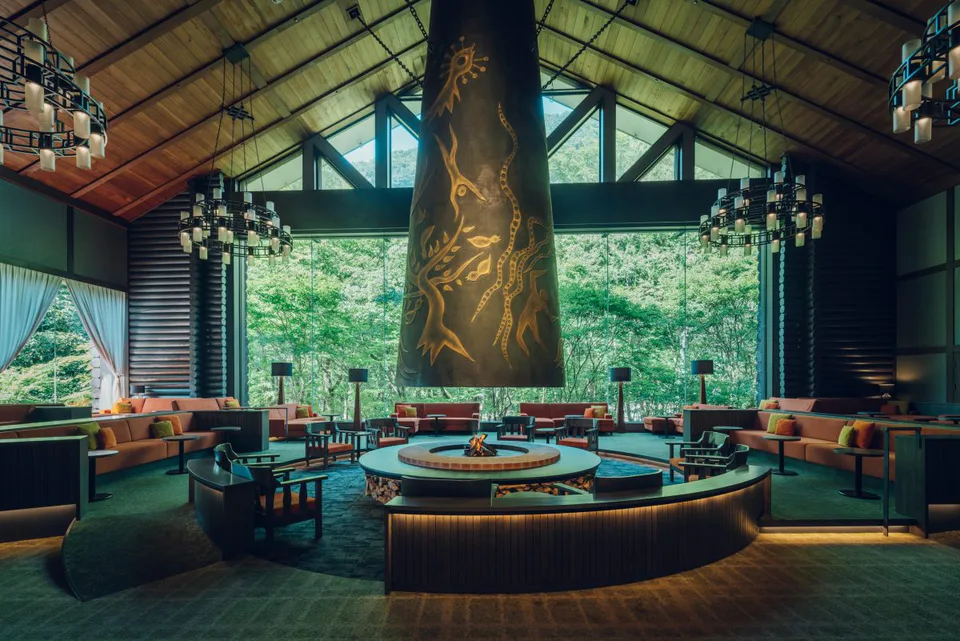
If you are staying at both Aomoriya and Oirase Keiryu Hotel, do not use one fixed order all year. From April through November, Aomoriya → Oirase remains the strongest default because the consecutive-stay shuttle leaves Aomoriya at 09:45 and protects most of the Oirase daylight. From December 2026 through March 2027, the reverse direction becomes much more attractive because Oirase → Aomoriya leaves at 15:30 instead of 11:00.
But there is a more basic decision many travellers need first: if you can afford only one resort night, choose Oirase when daylight nature is the point; choose Aomoriya when the evening resort experience or Misawa logistics are the point. Oirase is daylight-sensitive. Aomoriya compresses more of its distinctive value after check-in.
↔ Scroll table left or right
Your trip pattern | Best starting choice | Why |
Only one resort night, Apr–Nov, gorge/nature is the priority | Oirase | The guest gorge shuttle and walking value depend on daylight |
Only one resort night, late arrival | Aomoriya | Its dinner, onsen and nightly 21:00 festival show can still make the evening useful |
Apr–Nov, staying at both | Aomoriya → Oirase | 09:45 transfer preserves an Oirase late morning and afternoon |
Dec–Mar, staying at both | Oirase → Aomoriya becomes strong | Winter transfer leaves Oirase at 15:30, protecting most daylight |
Three resort nights, green/foliage season | Aomoriya 1 + Oirase 2 | Oirase benefits more from weather and walking flexibility |
Next hard edge is Hachinohe / southbound Shinkansen | Finish at Oirase | Official hotel transport can create a cleaner Hachinohe connection |
Next hard edge is Misawa Station / selected Misawa Airport flights | Finish at Aomoriya | Aomoriya is directly aligned with Misawa transport |
If you only have one resort night: Aomoriya or Oirase?
Choose Oirase when you are buying daylight. From April 10 through November 25, 2026, the hotel’s guest-only gorge shuttle runs roughly hourly, starting at 06:00 and ending at 16:00 for most of the season, with the last departure at 15:00 in November. That makes the hotel unusually dependent on the hours before sunset. Arrive early enough and one night can include an afternoon gorge block plus another morning window.
The red-team case is a late arrival. If you reach Oirase at 18:00 or 19:00 in October, the landscape may be the reason you paid the premium but most of that day’s usable gorge time has already gone. One bad weather window can also consume a large share of a single-night nature stay.
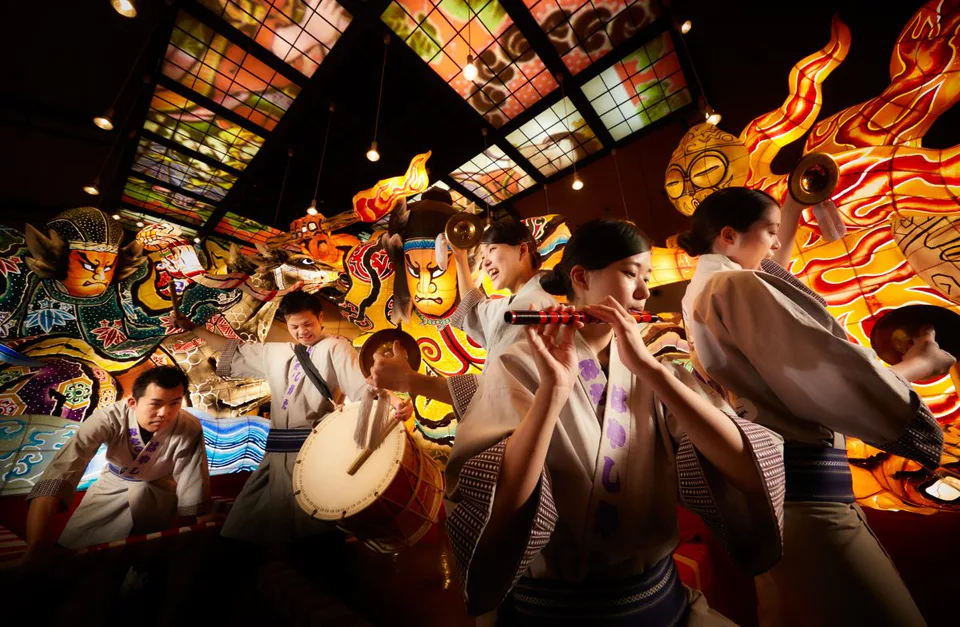
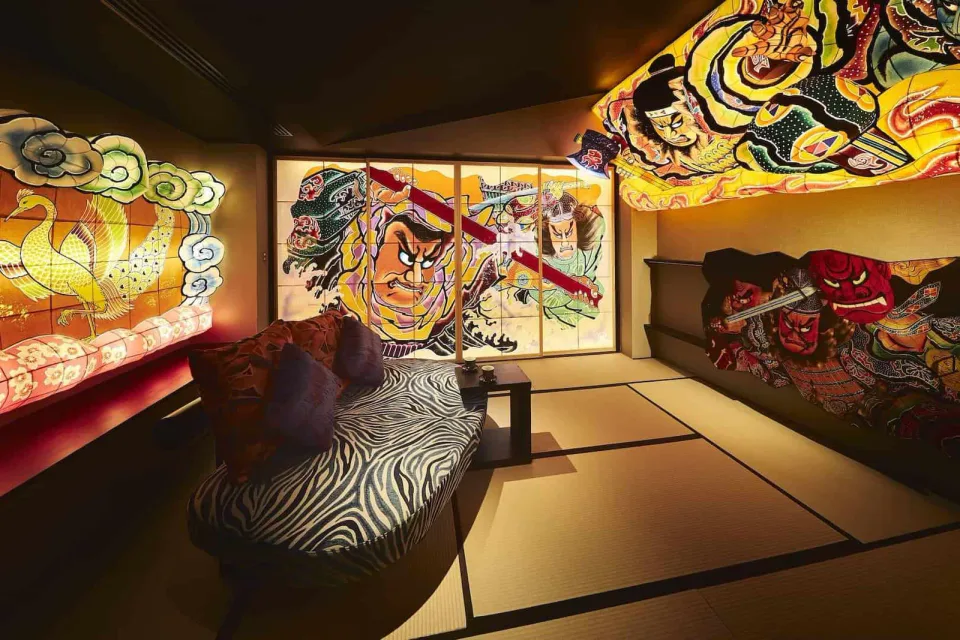
Choose Aomoriya when you are buying evening-compressible resort value. Hoshino currently runs Michinoku Matsuriya every night at 21:00 throughout the year, and the resort’s sample itinerary places dinner, the festival show, bathing and a next-morning activity inside one overnight sequence. A late-afternoon arrival can therefore still unlock several of the property’s distinctive features without needing a full sightseeing day.
This is not a claim that Aomoriya is “better” in bad weather or that Oirase is only for hikers. It is a time-structure difference: Oirase loses value faster when daylight disappears; Aomoriya can convert more evening hours into resort value.
The hotel-to-hotel shuttles are asymmetric, and that drives the two-hotel order
Hoshino Resorts currently publishes Aomoriya → Oirase at 09:45 from April 2026 through March 2027, with about 60 minutes of travel. The reverse direction leaves Oirase at 11:00 from April through November 2026, but at 15:30 from December 2026 through March 2027.
The shuttle is only for guests staying at both hotels, requires reservation at least two days in advance and closes when full. Booking both rooms does not automatically reserve the transfer.
↔ Scroll table left or right
Direction | Current departure | Opportunity cost |
Aomoriya → Oirase | 09:45 | Moves the hotel change into the morning and leaves most of the Oirase day |
Oirase → Aomoriya, Apr–Nov | 11:00 | Removes a valuable Oirase late-morning block |
Oirase → Aomoriya, Dec–Mar | 15:30 | Protects most winter daylight before an Aomoriya evening |
April to November: protect Oirase daylight
Warm-season Oirase is the more time-sensitive property because the hotel is integrated with the gorge. The current guest-only shuttle runs every hour and completes a roughly 50-minute loop through key midstream stops. Traffic, bad weather and private-car restriction events can still delay or suspend service.
That makes Aomoriya → Oirase attractive: leave at 09:45, arrive around late morning and still have enough daylight to use the gorge shuttle or walk. Reverse the order and the 11:00 Oirase departure consumes the same morning window the hotel is meant to unlock.
The recommendation reverses when your arrival or departure geography strongly favours the other direction. The shuttle is only the middle edge of the trip, not the whole itinerary.
December to March: Oirase → Aomoriya becomes a different product
In winter, the 15:30 Oirase departure changes the calculation. You can use most of the daylight at Oirase, move around 15:30 and reach Aomoriya in time for dinner and the 21:00 Michinoku Matsuriya performance.
That is why I would seriously consider Oirase first in winter. The transfer now joins two different high-value time windows instead of deleting one of them.
The answer can still flip if Misawa is your arrival node or if a winter activity at Aomoriya matters more than Oirase daytime. Use the actual seasonal programme rather than copying a foliage itinerary into January.
Two nights versus three: give the extra night to the more weather-dependent resort
One night in each works when contrast is the goal: Aomoriya’s cultural/resort evening plus Oirase’s stream setting. It does not give both properties a full resort day.
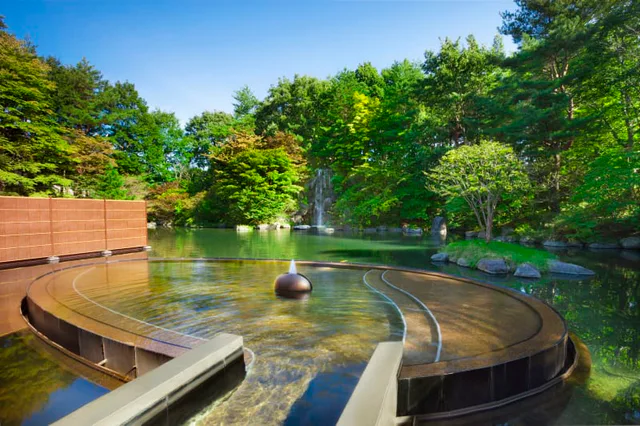
From April through November, I would normally allocate a third resort night to Oirase. A second Oirase night creates another morning and another weather window for gorge walking. Aomoriya is easier to compress because dinner, bathing and evening entertainment can all happen after check-in.
Winter is less automatic. If the family wants resort activities more than gorge time, the extra night can belong at Aomoriya. The correct question is not “which hotel is more luxurious?” but “which hotel needs another time window to deliver what we came for?”
The last hotel should be chosen by the next transport edge
Hachinohe / southbound Shinkansen: finishing at Oirase can be cleaner because the hotel publishes direct reserved transport to Hachinohe Station. Keep a weather and road-delay margin before the Shinkansen.
Misawa Station / Misawa Airport: Aomoriya is naturally aligned with Misawa. The hotel is about three minutes from Misawa Station by free shuttle and operates reservation-based transport for selected Misawa Airport flights.
Aomori City: Oirase also publishes a paid shuttle toward Aomori Station, but this is a long transfer rather than a quick city hop. Do not treat “direct” as “short.”
The full sequence is therefore arrival node → first resort → second resort → departure node. The hotel-to-hotel shuttle only optimises the middle.
Do not schedule an Oirase activity across the transfer bus
The consecutive-stay shuttle is not a sightseeing bus, and the official rules say it should not be used to join sightseeing activities or the mountain-stream open-top bus tour. Morning guided activities can overlap directly with the 11:00 warm-season transfer.
Before booking the order, put the one or two Oirase activities you care about on the clock. If the transfer cuts through them, add a night, reverse the order or delete the activity. Do not assume checkout or the shuttle will move around the tour.
If the hotel shuttle is full, reprice the whole sequence
A sold-out one-hour hotel transfer can turn into a much longer journey through public transport or taxi. If that backup consumes the daylight window you were buying at Oirase, the correct response may be to reverse the order, change dates or remove one resort rather than preserve two hotel names at any cost.
The same applies to luggage. Large or unusual items need confirmation; if bags are the only reason the resort pair feels difficult, consider forwarding the main suitcase to the next city hotel and carrying a one- or two-night bag. Use the Japan luggage-forwarding guide for the receiving-hotel and lead-time checks.
Final decision
Only one night: choose Oirase when nature/daylight is the reason for the resort stop and you can arrive early enough to use it. Choose Aomoriya when the night itself needs to carry more of the value, when arrival is later, or when Misawa is the hard transport edge.
April–November, staying at both: Aomoriya → Oirase remains the strongest default because the 09:45 transfer protects more Oirase daylight.
December–March: seriously consider Oirase → Aomoriya. The 15:30 winter transfer preserves most of Oirase’s day and still reaches Aomoriya for its evening.
Three resort nights in the green/foliage season: 1 Aomoriya + 2 Oirase is still my default because the extra Oirase night buys another weather and walking window.
The decision survives one red-team question: which hours would be most painful to lose? If the answer is gorge daylight, protect Oirase. If the answer is a compact resort evening or Misawa connection, Aomoriya gets stronger.
Okinawa Girls’ Trip Hotels: Bathrooms, Luggage and Late Nights Matter More Than the Pool
Okinawa Guys’ Trip Hotels: The Best Base Is Where You Can Stop Driving at Night
BASEGATE Yokohama Kannai Guide: Stadium, Dinner and THE LIVE
Sapporo Solo Hotels: Late Returns, Snowy Walks and Laundry Matter More Than the Cheapest Room
References
Hoshino Resorts Aomoriya — access and consecutive-stay shuttle · Oirase Keiryu Hotel — access and reverse shuttle · Oirase Gorge guest shuttle · Aomoriya — Michinoku Matsuriya. Checked August 25, 2026. Shuttle availability, seasonal programmes and transport times can change; recheck before booking non-refundable stays.