
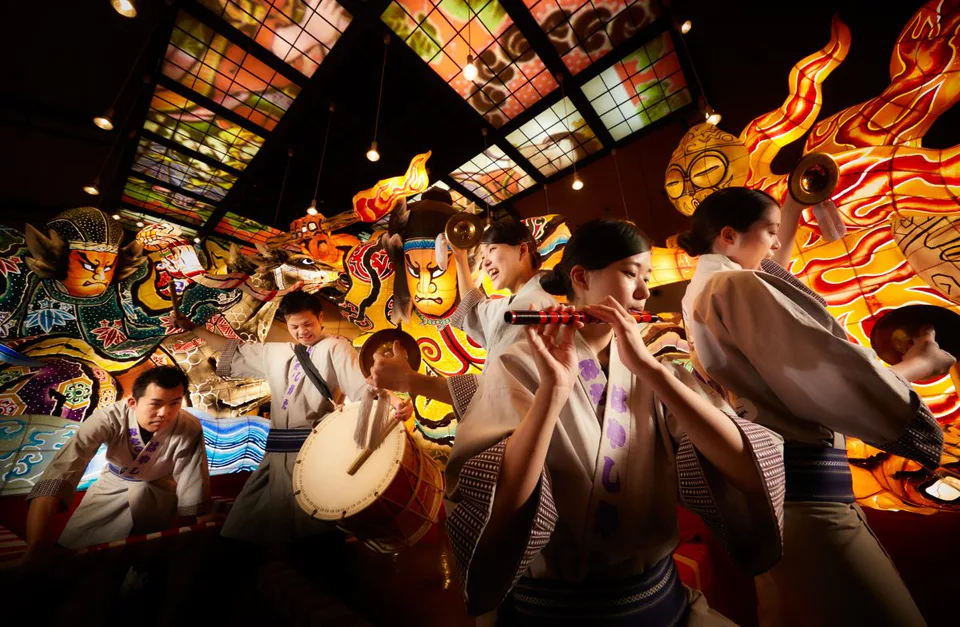
Choose Aomoriya when you need a Hoshino resort to deliver most of its value inside one afternoon, evening and morning. Choose Oirase Keiryu Hotel when the gorge itself is the reason for the trip and you can protect edge-of-day nature time — ideally a full morning or a second night. Aomoriya is the safer one-night default for families and car-free travellers because the resort experience is concentrated around onsen, dinner, the 9:00 p.m. festival show and next-morning activities. Oirase can be the more memorable stay, but its premium collapses quickly if a fixed shuttle consumes the afternoon and you leave before using the gorge in the morning.
The useful comparison is therefore not “festival hotel vs forest hotel.” It is how many high-value hours remain after the transfer. Aomoriya is more tolerant of a late-afternoon arrival. Oirase is more sensitive to when you arrive, when you leave and whether weather still allows the outdoor time you paid to be beside.
↔ Scroll table left or right
Your real trip | Start with | What the hotel is buying | What can reverse it |
One night, car-free, afternoon arrival | Aomoriya | Resort hours that remain usable after check-in: onsen, buffet, 21:00 show and morning | Oirase gorge is the trip’s main purpose and the following morning is protected |
Two nights, foliage / photography / forest-first trip | Oirase | A full middle day plus early gorge access and weather flexibility | Walking and outdoor time are low priorities, or weather removes the nature value |
Family with young children | Aomoriya | Concentrated facilities, buffet with child pricing/baby food and less dependence on outdoor programming | The family is nature-first and uses Oirase’s buffet rather than adult-oriented Sonore |
Couple / special occasion | Oirase if the gorge hours will be used | Streamside time, terrace breakfast and long-form dining can make the hotel itself the destination | Late arrival leaves too few hotel-and-gorge hours to justify the premium |
You only need a convenient bed | Neither | Both properties charge for an experience, not transport efficiency alone | A specific package prices unusually close to a city hotel and you will still use the facilities |
Aomoriya sells activity density; Oirase sells access to scarce hours
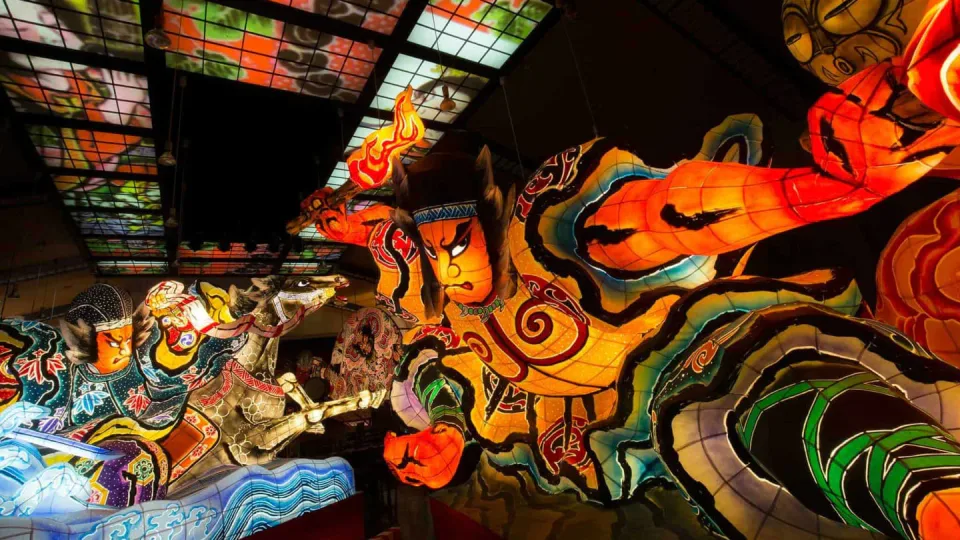
Aomoriya is a 236-room resort near Misawa with a 15:00 check-in and 12:00 checkout. Its value is concentrated: park time, onsen, buffet dining, lounges, seasonal activities and the Michinoku Matsuriya show can all fit around a normal one-night stay. You do not need to leave the property to create an evening.
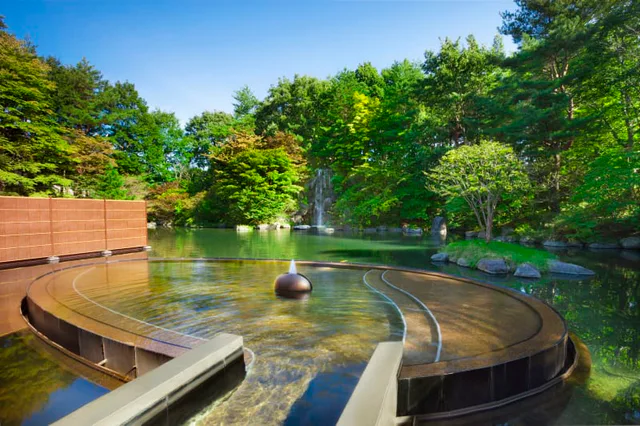
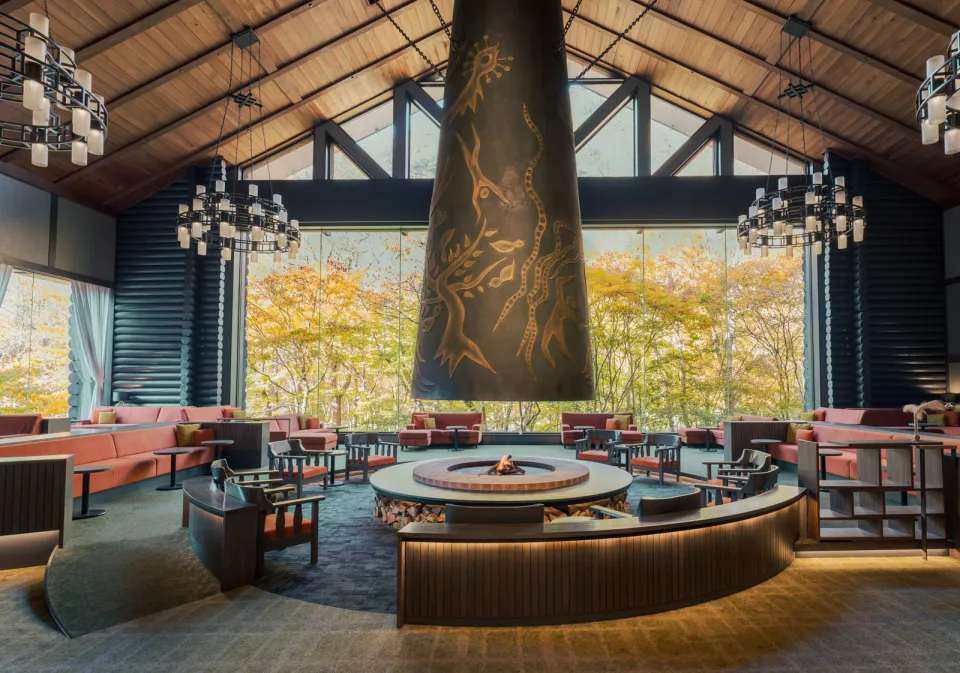
Oirase Keiryu Hotel is a 181-room hotel beside the Oirase area, also with 15:00 check-in and 12:00 checkout. Its strongest product is geographic access. In the green season, hotel guests have an hourly Oirase shuttle from as early as 06:00, which makes the gorge usable before a normal day-trip arrival. The hotel also builds paid and free activities around the stream, guided walks and forest time.
This distinction changes how you should value a room. At Aomoriya, a rainy afternoon can still contain onsen, dining, show and indoor resort time. At Oirase, rain may be atmospheric and still walkable, but strong weather can remove or modify the exact outdoor activity that justified paying to sleep beside the gorge. Oirase is not simply “more scenic”; it has a more weather-sensitive value stack.
For one night, count four protected windows before you compare room rates
A one-night resort stay has four useful windows:
arrival afternoon;
dinner and evening;
early morning;
post-breakfast time before checkout or transfer.
Aomoriya can use all four even when you arrive around normal check-in. Its official model itinerary puts park exploration around 16:00, an onsen around 17:00, dinner around 18:30, the festival show at 21:00 and a morning bath from 06:00. That is why it works unusually well as a single-night resort product.
Oirase’s one-night success condition is stricter. If you arrive on the fixed Hachinohe or Aomori transfer in the late afternoon, the arrival window is already partly consumed. The morning then becomes disproportionately important. If the next plan requires you to leave without using the 06:00 gorge shuttle, a morning walk or a streamside breakfast, you have paid for location but used it mainly as scenery outside the hotel.
ValueNavi test: for a one-night Oirase stay, name at least two nature-specific windows you will use. “Nice forest view” is not enough. Examples are late-afternoon stream time + early shuttle, dawn walk + terrace breakfast, or one guided activity + a slow gorge morning.
Aomoriya has much more arrival-time elasticity
Aomoriya’s official access places it about three minutes from Misawa Station by reserved free shuttle. That does not make the wider trip instantaneous — you still have to reach Misawa — but the final hotel hand-off is short and there is rail access via the Aoimori Railway from Hachinohe or Aomori.
More importantly, the evening program is still valuable after daylight fades. Noresore Shokudo currently serves dinner from 17:30 to 21:00, last order 20:30, and Michinoku Matsuriya runs at 21:00 year-round. The show is a separate paid, reservation-based activity rather than something automatically included in every room plan.
That makes a 16:00 or 17:00 arrival less damaging than it would be at a nature hotel whose main product is an outdoor setting. Aomoriya is not immune to late arrival — you can still miss dinner or reserved activities — but more of its high-value content survives darkness.
Oirase’s fixed long-distance transfers are part of the room price
Oirase Keiryu Hotel currently runs reservation-required shuttles from both Aomori Station and Hachinohe Station. The Aomori Station bus departs at 15:00 and takes about 120 minutes from April to November, 150 minutes from December to March. It currently costs JPY 3,500 one way for adults in April–November and JPY 4,000 in December–March.
The Hachinohe Station shuttle departs at 14:30 from April to November and 14:00 in winter. The published travel time is about 105 minutes in April–November and 70 minutes in December–March. Reservations are required by two days before travel and close when seats fill.
Those are not minor access details. They set the shape of a car-free stay. If your Shinkansen reaches Hachinohe just after the hotel bus, the “forest hotel” decision can suddenly require a different bus, taxi or buffer night. If your arrival in Aomori is late in the day, a city night before Oirase can be more rational than forcing a premium hotel into the remaining hours.
This is why whether Oirase Keiryu Hotel is worth it depends as much on the timetable as on the room.
The 06:00 Oirase shuttle is one of the strongest reasons to sleep there
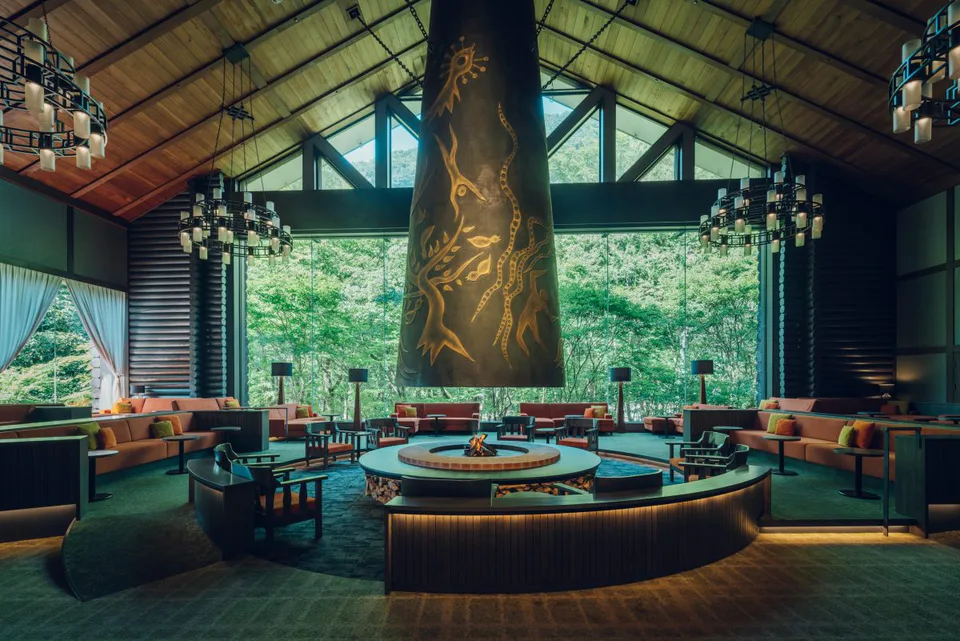
From April 10 to November 25, 2026, the hotel’s guest-only Oirase shuttle is scheduled hourly, with the first hotel departure at 06:00. That is a genuine overnight-only advantage: you can be inside the gorge before a normal visitor based in Aomori or Hachinohe would reasonably arrive.
The shuttle’s final departure is 16:00, or 15:00 in November because of earlier sunset. That gives the overnight two valuable edges — early morning and late afternoon — but it also shows why a one-night late arrival is fragile. Arrive after the useful afternoon window and leave before using the early one, and the location premium has almost disappeared.
For photographers, foliage travellers and couples who value quiet forest time, this is the strongest argument for Oirase. For a traveller who expects to sleep until 09:00, eat breakfast slowly and leave at 11:00, the exact same room can be much worse value.
Dining is part of the decision because the two properties solve different evenings
Aomoriya’s current buffet pricing is JPY 5,500 for adult dinner and JPY 3,300 for breakfast. It allows children, publishes child pricing and says commercial baby food is available. That fits the property’s family-friendly, concentrated one-night logic.
Oirase’s Aomori Ringo Kitchen buffet is currently JPY 6,050 for adult dinner and JPY 3,300 for breakfast, with child pricing and baby food support. That is the family-friendly Oirase comparison.
Sonore is a different product. The current average dinner price is JPY 21,780, dining takes roughly 2.5–3 hours, and preschool children are not permitted. For a couple building the stay around food and streamside atmosphere, that can be the reason Oirase wins. For a family with a preschooler, Sonore should simply be removed from the comparison rather than used as evidence that the entire hotel is unsuitable for children.
Oirase’s 2026 Keiryu Terrace Breakfast adds another edge-of-day premium: April 25–October 31, sessions at 07:00 or 08:30, one hour, currently JPY 4,050 per adult and only 16 seats per session. In severe weather, the service can move indoors. This is exactly the kind of feature that makes the Oirase premium rational — but only if you reserve and use it.
Family decision: Aomoriya wins by default, not because Oirase is “adults only”
For families, Aomoriya usually requires fewer itinerary assumptions. Dinner, onsen and entertainment are concentrated, the buffet has child pricing and baby-food support, and the resort still has things to do when the weather is poor.
Oirase can still be excellent for children who enjoy nature and walking. Its standard buffet accepts children, and many gorge activities are family-accessible. The important distinction is which Oirase product you are paying for. A preschool child rules out Sonore, not the hotel. A family that will not walk the gorge or use the nature programming, however, is paying for a location advantage it may not consume.
For older travellers, do not reduce the decision to “less walking.” Aomoriya makes more of the holiday possible within the resort, while Oirase can still work well if the traveller uses short walks and hotel transport. Mobility, weather tolerance and the desired nature exposure matter more than age alone.
Two nights change Oirase more than they change Aomoriya
Both Hoshino properties publish two-night model itineraries, but the marginal second night does different work.
At Aomoriya, two nights let you add activities and slow the resort rhythm. The first night already contains a high proportion of the core product, so the second night is an expansion.
At Oirase, the second night creates a full middle day with no long-distance arrival or departure attached. It also gives the weather a second chance. That can materially change the trip because guided walks, the hourly gorge shuttle, streamside time and seasonal activities now have room to move around one another.
This is why I would often choose one night at Aomoriya and consider two nights at Oirase rather than automatically giving both hotels the same stay length. The second Oirase night is not paying for a duplicate sleep; it is buying a transfer-free nature day.
If you stay at both, the best order can change by season
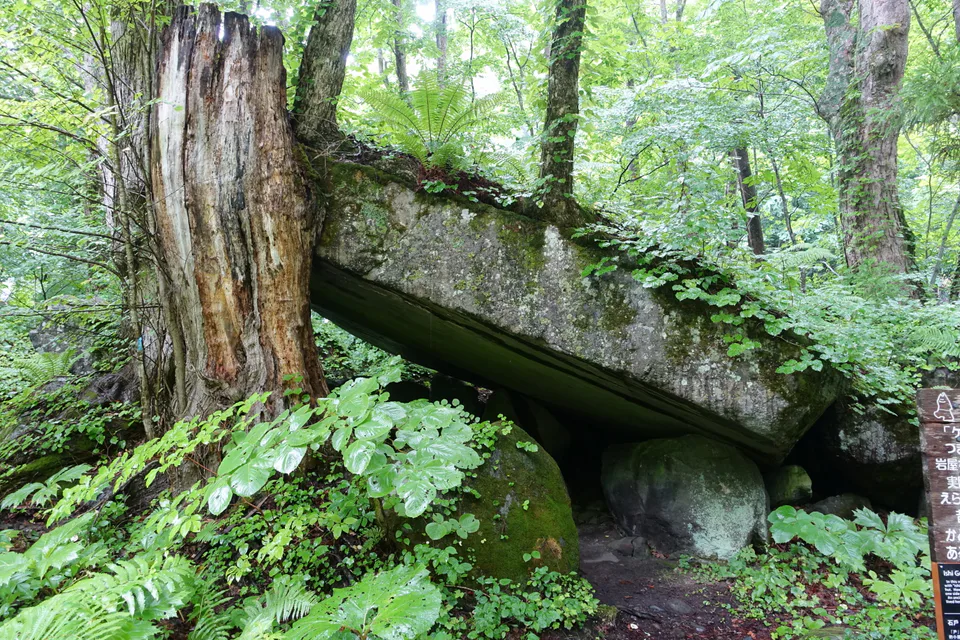
Hoshino currently operates a guest-only direct transfer between the two properties for consecutive guests. From Aomoriya to Oirase, the published April 2026–March 2027 departure is 09:45, with about 60 minutes of travel time.
The reverse direction is not symmetrical. Oirase → Aomoriya currently leaves at 11:00 from April to November, but at 15:30 from December to March, again taking about 60 minutes.
That creates a real seasonal boundary. In the green season, either order can potentially work around an 11:00 Oirase departure. In winter, choosing Oirase first and relying on the 15:30 transfer can consume most of the daylight day before reaching Aomoriya. The route after the two hotels also matters: onward Hachinohe, Aomori Airport, Misawa or another destination can change the better sequence.
So do not copy a universal “Aomoriya first” or “Oirase first” template. Use the Aomoriya–Oirase best-order guide with the actual season and onward route.
Weather changes Oirase’s premium more than Aomoriya’s
A light-rain forest walk may still be beautiful, and Oirase’s activities are not automatically cancelled by poor weather. But strong wind, heavy rain, winter road conditions and activity cancellations can reduce the value of a nature-heavy stay. The hotel has lounges, onsen and indoor programs, yet those are backups rather than the main reason most travellers pay to be beside the gorge.
Aomoriya’s core one-night product is less exposed. Its onsen, buffet, show and many resort activities can still function when the landscape is not the star. That makes Aomoriya a more resilient choice for a fixed one-night slot whose date cannot move.
If the forecast is poor and the cancellation policy still gives you flexibility, ask the red-team question: would I still choose this hotel if the outdoor reason I booked it disappeared? If the answer is no, the premium was weather-dependent from the beginning.
Four traveller profiles
First Hoshino resort, one night, family
Choose Aomoriya. The one-night structure is easier to complete, and the family can use more of the property even if the weather turns.
Couple in autumn, photography is a priority
Choose Oirase, ideally two nights. The 06:00 guest shuttle, edge-of-day forest time and weather flexibility are the reason to pay the premium. If only one night is available, protect the morning rather than scheduling an early onward transfer.
Car-free traveller arriving Hachinohe in mid-afternoon
Aomoriya is more forgiving. Oirase’s fixed Hachinohe shuttle can work, but once the hotel transfer consumes the afternoon, the following morning has to carry much of the stay’s nature value.
Traveller only needs a bed before the next train
Choose neither. Hachinohe, Misawa or Aomori City is usually a more rational transit base. A resort premium is only justified when you actually use the resort product.
Final verdict: choose by the hours you can protect, not the Hoshino name
Aomoriya is the better one-night default. It converts a normal 15:00–12:00 hotel stay into onsen, dinner, festival entertainment and morning resort time with relatively little dependence on daylight or outdoor conditions.
Oirase Keiryu Hotel is the stronger destination stay. Choose it when the gorge is one of the main reasons for the Aomori trip and you will use the location at times a day visitor cannot easily reproduce — early shuttle, morning walk, terrace breakfast, guided activity or a full transfer-free middle day.
If you cannot protect those hours, Oirase’s forest premium is easier to waste. If you cannot arrive in time to use Aomoriya’s dinner/show/onsen rhythm, its activity-density advantage also shrinks. The correct hotel is the one whose defining experience still fits after you subtract the transfer.
Best MiraCosta Room: Which View, Balcony or Terrace Should You Book?
Nikko vs Kinugawa Onsen: Where Should You Stay for One or Two Nights?
Niseko vs Rusutsu: Which Ski Resort Is Better for Your Hokkaido Trip?
References
Aomoriya — access and direct Oirase transfer · Aomoriya — dining · Aomoriya — Michinoku Matsuriya · Oirase Keiryu Hotel — 2026–27 long-distance shuttles · Oirase — guest gorge shuttle · Oirase — dining · Oirase — Keiryu Terrace Breakfast. Checked August 25, 2026. Shuttle capacity, activities, dining and weather-dependent programs can change; recheck the exact stay dates before the cancellation deadline.