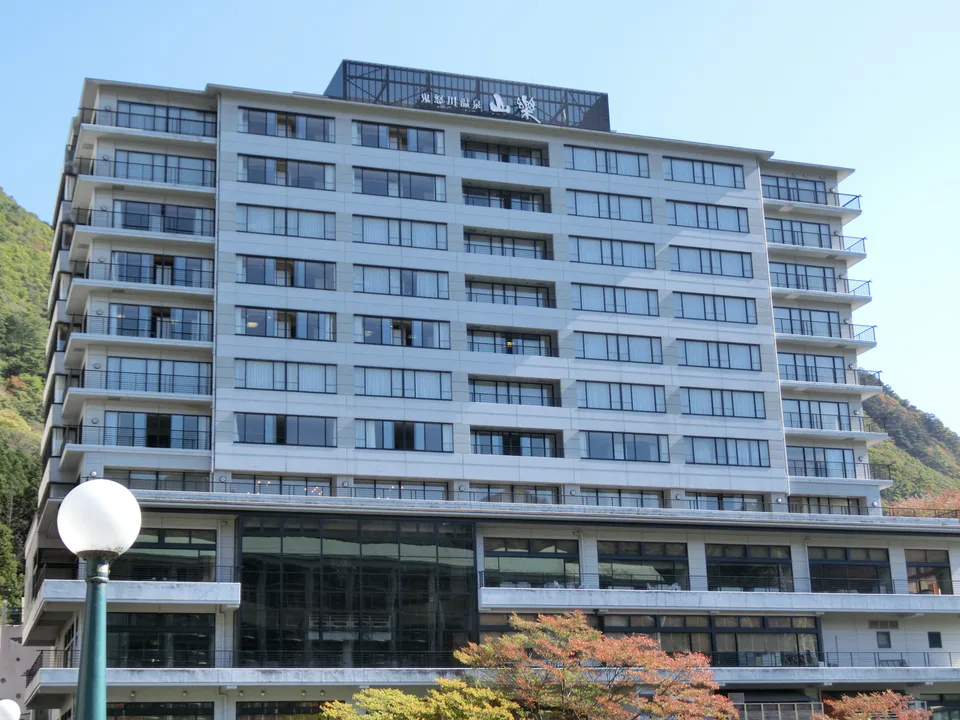
For a first one-night trip built around Toshogu and Lake Chuzenji, stay on the Nikko side. Choose Kinugawa Onsen only when the ryokan evening is important enough to justify the next morning’s repositioning. There is one major exception to this two-way choice: during peak autumn foliage, if Lake Chuzenji or Okunikko is the main purpose of the trip, staying in Okunikko itself can be more rational than either central Nikko or Kinugawa. Nikko’s official guide currently warns that the normal roughly 45-minute Nikko Station–Lake Chuzenji journey can exceed four hours in severe mid-October to mid-November congestion.
Outside that peak-season exception, the key number is not the train from Tokyo. Tobu currently gives both Nikko and Kinugawa direct limited-express access from Asakusa at roughly 1 hour 50 minutes. The real penalty appears after you sleep: Nikko’s official visitor transport guide uses about 60 minutes by train between Tobu-Nikko and the Kinugawa Onsen area, while Tobu puts Tobu-Nikko to Lake Chuzenji/Kegon Falls at roughly 45–50 minutes by bus. A Kinugawa night before a Chuzenji morning can therefore create roughly 105–110 minutes of repositioning before you have meaningfully started the mountain day in normal conditions—and much more when Irohazaka is heavily congested.
That does not make Kinugawa a bad base. It defines what the ryokan has to earn. If the room, dinner, baths and quiet river-valley evening are a major part of the trip, paying that next-morning cost can be rational. If you are moving to Kinugawa only because the word “onsen” sounds better, then leaving early for Nikko again, the hotel move is doing almost no useful work.
↔ Scroll table left or right
Your actual 1–2 night plan | Start with | What you protect | Main cost |
Toshogu + Lake Chuzenji / Kegon Falls in normal traffic | Nikko | World Heritage time and the first mountain-bus window | Less of a self-contained ryokan-town evening |
Peak autumn + Okunikko is the main objective | Consider Okunikko instead of either town | You cross Irohazaka once, then wake on the mountain side of the congestion | Less central-Nikko evening flexibility and another hotel-location decision |
Ryokan dinner + repeated baths + slow morning | Kinugawa Onsen | The accommodation experience itself | About an hour of rail repositioning if sightseeing returns to Nikko |
Two nights, both sightseeing days mostly in Nikko/Okunikko | Nikko for both, or Nikko + Okunikko at peak foliage | No Kinugawa branch-line backtracking | You give up a dedicated Kinugawa ryokan night |
Nikko sightseeing first, then Kinugawa / Tobu World Square / Tokyo | Split can work | Each hotel solves a different half of the trip | One checkout, luggage move and branch transfer |
Late arrival or early departure | Usually Nikko | Simpler station-based transport | Unless a specific Kinugawa hotel transfer makes the evening easier |
The important geography is a branch, not a straight Nikko–Kinugawa corridor
Tobu’s current access diagrams show the structure clearly. From Shimo-imaichi, the Nikko branch takes roughly 10 minutes to Tobu-Nikko, while the Kinugawa branch takes roughly 20 minutes to Kinugawa-Onsen. Shimo-imaichi is the junction. In other words, Kinugawa is not simply “a little farther past Nikko.” Moving between the two normally means returning through the branch point or using a through service that happens to fit your date and time.
Nikko City’s current English visitor transport guide simplifies that into a useful planning number: about 60 minutes by train between Tobu-Nikko and the Kinugawa Onsen area. Exact journeys vary by connection and train, but the implication is stable: moving the hotel to Kinugawa creates a meaningful relocation, not a five-minute local hop.
This is why the best base should follow the next morning. If Day 2 starts at Toshogu, central Nikko already wins. If Day 2 starts toward Lake Chuzenji or Okunikko, Nikko wins more strongly in normal conditions because the mountain bus begins on the Nikko side. If Day 2 is Tobu World Square, Edo Wonderland, Kinugawa rafting or simply a slow ryokan morning before returning to Tokyo, Kinugawa finally gets to keep the benefit it bought.
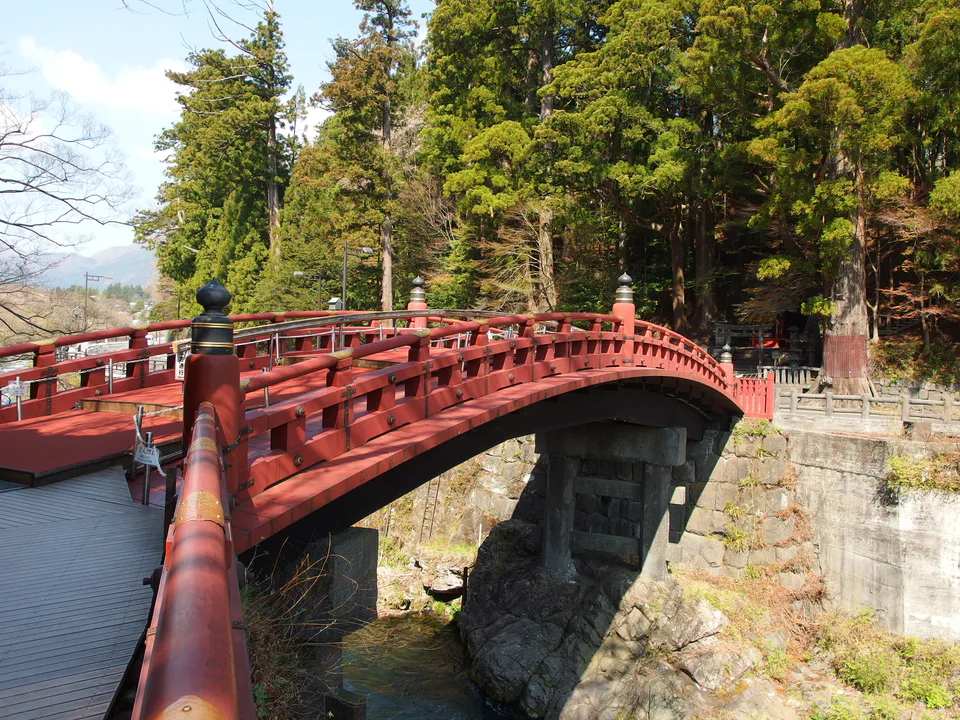
Nikko is the stronger one-night base when Lake Chuzenji is next
Tobu currently gives about 45 minutes by bus from Tobu-Nikko Station to Chuzenji Onsen/Kegon Falls; Nikko’s official visitor guide uses about 50 minutes as a general planning figure. This journey is already long enough to make the first useful morning bus valuable.
Now add a Kinugawa night. Using the official planning estimates, the chain becomes roughly:
Kinugawa Onsen → Tobu-Nikko: about 60 min by train
Tobu-Nikko → Chuzenji Onsen: about 45–50 min by bus
Total before local waiting/transfer margin: about 105–110 min
This is ValueNavi derived analysis from two official access estimates, not a guaranteed door-to-door timetable. A well-timed through connection can alter the rail segment; crowds, autumn traffic and snow can alter the bus. But it shows why “Kinugawa is nearby” is the wrong mental model for a mountain-heavy morning.
For a one-night trip in ordinary traffic, I would therefore use the simplest sequence: arrive on the Nikko side, do the World Heritage area when the arrival time allows, sleep once, then use the next morning for Lake Chuzenji, Kegon Falls, Senjogahara or Yumoto. The hotel protects sightseeing instead of creating another positioning trip.
Peak autumn creates a third answer: sleep beyond Irohazaka
The normal 45–50-minute bus estimate should not be treated as a promise in foliage season. Nikko’s official English guide currently warns that severe congestion is expected in Nikko and along Irohazaka during the peak period from roughly mid-October to mid-November, and that travel from Nikko Station to Lake Chuzenji can increase from the usual 45 minutes to more than four hours. The same official guidance specifically recommends staying overnight in the area and allowing substantial extra time if Okunikko is the objective.
This changes the hotel comparison. In peak foliage season, central Nikko is still much better positioned than Kinugawa for the mountain corridor—but it may no longer be the best possible base. If your scarce high-value hours are Lake Chuzenji sunrise, Kegon Falls, Senjogahara or Yumoto Onsen, an Okunikko stay can remove the need to climb Irohazaka on the most important morning.
Think of the three bases as solving different problems:
Central Nikko: best compromise for Toshogu plus normal access toward Lake Chuzenji.
Kinugawa Onsen: best when the ryokan evening and Kinugawa-side activities are themselves the trip value.
Okunikko: strongest when peak-season road congestion threatens the exact mountain hours you travelled for.
The trade-off is that an Okunikko night reduces central-Nikko flexibility and creates its own luggage/hotel-move decision. It should not be added merely because traffic might exist. It becomes rational when avoiding one potentially catastrophic mountain commute protects a specific morning that matters more than the convenience of a central base.
This is also why a peak-autumn plan should not put a fixed Kinugawa ryokan dinner immediately after an ambitious Okunikko day. If Irohazaka traffic runs hours behind the normal timetable, the road delay can collide directly with the hotel’s dinner/check-in window. At that point the itinerary has two hard constraints fighting each other.
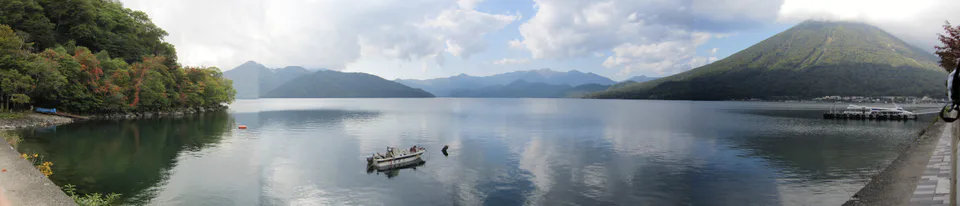
Kinugawa earns the transfer only when you will actually use the ryokan hours
The strongest Kinugawa stay is not “sightsee in Nikko until 17:00, arrive late, sleep, then leave again at 07:30.” That uses Kinugawa as a bed while paying the transport cost of an onsen-town detour.
Kinugawa becomes rational when the afternoon and evening change shape because of the hotel. You arrive with enough margin for the property’s check-in and dinner rules, use the bath before or after dinner, spend time in the room or lounge, and wake without immediately rebuilding the previous day’s route. In that scenario, the relocation buys a different travel experience rather than merely a different address.
A simple way to price the premium is to count usable ryokan sessions:
pre-dinner bath or room time;
fixed dinner;
post-dinner bath / river-valley evening;
breakfast and a slow morning.
If you expect to use three or four of those, the next-morning transport cost can be acceptable. If the only usable session is “sleep,” the answer usually swings back to Nikko.
This framework matters more than the generic label “traditional ryokan.” The exact hotel must still justify the night with its meal plan, bath type, room, shuttle and arrival policy. Use the Japan ryokan and onsen selection guide before paying a premium for a room whose benefits you will not have time to use.
Tokyo access is not a strong enough reason to choose one over the other
Tobu currently publishes direct limited-express access from Asakusa to both Nikko and Kinugawa at roughly 1 hour 50 minutes. That means the Tokyo leg is much less decisive than many hotel comparisons imply.
If you are arriving from Tokyo and spending one night, do not ask which onsen town is “easier from Tokyo” first. Ask where Day 2 begins. A direct train into Kinugawa can look attractive on Day 1, then make a Chuzenji morning much worse. A direct train into Nikko can look less resort-like, yet position both Toshogu and the mountain bus correctly.
The answer changes when the next destination is already Kinugawa-side. A trip that ends with Tobu World Square, Edo Wonderland or a Kinugawa activity before a direct train back to Tokyo gives the branch move a purpose. The hotel should follow the route rather than forcing the route to justify the hotel.
Two nights: the split works in one direction better than the other
Two nights create four realistic structures:
Two nights in Nikko
Best when both complete sightseeing blocks are World Heritage + Lake Chuzenji/Okunikko outside the worst peak-traffic conditions. You keep one luggage setup and protect the mountain morning. This is the strongest default for first-time sightseeing.
Nikko first, Kinugawa second
Best when the second afternoon can genuinely become the ryokan experience and Day 3 continues with Kinugawa-side activities or Tokyo. The hotel move now marks a geographic and experiential transition instead of creating backtracking.
Kinugawa first, Nikko second
This can work if the first day is deliberately resort-led and Day 2 moves once into Nikko for the rest of the trip. It is weaker when you arrive late at Kinugawa, leave early for Nikko and therefore use neither the first hotel nor the first morning properly.
Nikko first, Okunikko second
This becomes unusually strong during peak autumn when the second morning is mountain-led. The hotel move has a clear job: cross Irohazaka once, then wake beyond the road bottleneck. It is weaker outside busy periods when normal bus access makes the extra checkout unnecessary.
The key rule is: a split stay should remove tomorrow’s expensive movement, not recreate yesterday’s. If the second hotel points the itinerary in the wrong direction, keep one base.
Luggage raises the burden of proof for a split stay
Shimo-imaichi is a real railway junction with elevators, lockers and passenger facilities, but that does not make a transfer free. With two large suitcases, rain, a stroller or older relatives, each hotel move adds packing, station navigation, waiting and another check-in.
This is why a one-night-each split needs more than “we want to experience both places.” It should buy a distinct evening or remove a major next-day journey. If it does neither, two nights in Nikko is usually more efficient for sightseeing; two nights in Kinugawa is rational only when the stay is intentionally resort-led. A Nikko–Okunikko split should meet the same test: the mountain night should protect enough time or congestion risk to justify the luggage move.
If the wider Japan trip already contains several one-night stops, use the Japan luggage-forwarding guide before adding another hotel change for atmosphere alone.
Weather does not automatically make Kinugawa the better fallback
Poor visibility or mountain weather can weaken a Lake Chuzenji or Okunikko day, but that does not automatically make any Kinugawa hotel worth the transfer. The property has to be good enough to absorb the lost sightseeing time.
A ryokan with a meal plan, several useful bathing windows and room time can become a legitimate weather-resistant experience. A basic room chosen only because it is in an onsen town does not. If weather causes you to cancel the mountain corridor but your hotel has no meaningful daytime or evening value, staying on the Nikko side and changing the sightseeing plan may still be better.
This is the red-team condition for the entire recommendation: Kinugawa wins when the accommodation can replace sightseeing hours, not merely when sightseeing goes wrong.
Families and older travellers: compare the last mile before choosing the town
Nikko usually reduces branch-line movement for groups doing Toshogu and Okunikko. Kinugawa can still be easier when a specific ryokan provides a well-timed station transfer, dinner on site and enough facilities that nobody needs to go out again after check-in.
Check the exact station-to-hotel route, shuttle reservation rule, dinner arrival deadline, bath accessibility, lift access and room layout. A theoretically better town can lose if the actual hotel requires a difficult last mile. Likewise, a station-side Kinugawa hotel can outperform a remote Nikko ryokan for a group whose main goal is simply to stop moving after dinner.
In peak foliage season, older travellers and families should treat Irohazaka traffic as a fatigue risk as well as a timetable risk. Four hours sitting in road congestion can erase the benefit of choosing the theoretically simpler central base. If the mountain day is non-negotiable, an Okunikko night deserves comparison before booking either town.
Final verdict: choose the morning first, then decide whether the ryokan is worth buying back the evening
For Toshogu + Lake Chuzenji in one or two nights under normal conditions, stay in Nikko. The official route geometry is too clear to ignore: Kinugawa → Nikko is roughly an hour as a visitor-planning estimate, then Lake Chuzenji adds another roughly 45–50 minutes by bus.
For peak mid-October to mid-November foliage with Okunikko as the main objective, compare Okunikko before either town. Nikko’s official guidance says the normally 45-minute Nikko Station–Lake Chuzenji journey can exceed four hours in severe congestion. In that specific scenario, the most valuable hotel premium may be the one that puts you beyond Irohazaka before the important morning.
Choose Kinugawa when the ryokan is a major experience and the next day does not immediately undo the move. The strongest split is usually Nikko sightseeing first, then Kinugawa for an intentional ryokan afternoon/evening before Kinugawa-side activities or Tokyo. The weakest split is moving to Kinugawa only to sleep, then spending the best part of the next morning travelling back toward Nikko.
If you have not yet decided whether to stay overnight at all, start with Tokyo to Nikko: Day Trip or Overnight?. If the mountain corridor matters more than either town, compare Nikko vs Okunikko before booking.
Where to Stay in Osaka With Parents: Cut Transfers Before You Pay for More Luxury
Sapporo Snow Festival: Odori vs Susukino — Where Should You Stay?
Tokyu Stay Hida-Takayama Musubi no Yu: Which Room Works for Two Suitcases and Three Nights?
References
Tobu Railway — access to Nikko · Tobu Railway — access to Kinugawa Onsen · Nikko Official Guide — getting to and around Nikko, including peak-season Irohazaka congestion · Tobu Railway — bus information from Tobu-Nikko Station · Nikko Official Guide — transportation in Nikko City. Checked August 25, 2026. Train connections, through services, seasonal buses, road congestion and hotel transfer/dinner rules can change; verify the exact date and property before travel.