Do not start a Tokyo National Museum visit by choosing a ticket platform. Start by deciding which admission product you actually need. For most adults, the TNM Collection costs ¥1,000 (about US$6.30 at late-August 2026 exchange rates). But the regular collection is free on September 21 and November 3, 2026, while a special-exhibition ticket also includes the TNM Collection on the same day. That means the cheapest-looking regular ticket can still be the wrong ticket.
The practical sequence is: check your date → decide whether a special exhibition is the real reason for visiting → remove any free-admission or age-based eligibility → then decide whether pre-booking is worth giving up flexibility. Tokyo National Museum itself warns that ticket-counter waits can exceed 30 minutes in busy periods, so an e-ticket can be useful queue insurance. It is not automatically a bargain, and it is never a substitute for checking the museum calendar first.
Rechecked August 26, 2026. JPY remains the primary currency because that is what you pay in Japan. USD figures are rounded planning conversions and will move with exchange rates. Exhibition schedules, room closures and admission rules can change, so recheck the official museum page for your exact date.
Tokyo National Museum 2026: the 30-second ticket decision
↔ Scroll table left or right
Your visit | Start with | Why | Main mistake to avoid |
Normal paid day, regular collection is the goal | ¥1,000 TNM Collection ticket | It covers the permanent/rotating collection galleries without paying for a special exhibition | Buying too early when your Tokyo schedule is still moving |
September 21 or November 3, 2026 | No regular-collection ticket | TNM Collection admission is free on those dates | Paying for regular admission simply because an e-ticket is still on sale |
Through September 6 and Kūkai is the main reason to visit | Kūkai special-exhibition ticket | A special-exhibition ticket also covers the TNM Collection on the same day | Stacking a separate ¥1,000 collection ticket underneath it |
September 29–December 20 and Hiroshige is the main reason | Hiroshige special-exhibition ticket | The exhibition is a separate product and the ticket also gives same-day TNM Collection access under the museum’s general rule | Buying only the regular collection ticket and assuming it includes the special exhibition |
Under 18, over 70, or other published free-admission eligibility | Check proof requirements before buying | Some visitors do not need a TNM Collection ticket | Buying first and checking eligibility afterward |
Hotel checkout day with a suitcase | Solve luggage first | Suitcases and carry cases have been prohibited inside since August 1, 2026 | Building a transfer-day museum plan around luggage you cannot bring through the gate |
ValueNavi Ticket Ladder: buy the highest-level product your actual visit requires—once
The easiest way to avoid duplicate admission is to treat Tokyo National Museum tickets as a ladder rather than a shopping list.
↔ Scroll table left or right
Level | What it solves | 2026 example | Do you still need a separate regular ticket? |
Free TNM Collection eligibility | Regular collection only | September 21 / November 3 free days; eligible age groups | No |
TNM Collection admission | Regular collection galleries | Adult ¥1,000 (about US$6.30) | This is the regular ticket |
Special-exhibition admission | The named exhibition + same-day TNM Collection | Kūkai through Sep 6; Hiroshige Sep 29–Dec 20 | No |
ValueNavi rule: if your special-exhibition ticket already includes the TNM Collection, do not add a second regular ticket merely because the regular ticket looks cheap. At ¥1,000, the duplicate purchase is not financially disastrous; the problem is that it reveals the booking sequence is backwards.
This hierarchy is more useful than comparing ticket channels first. Once the correct product is fixed, then compare whether you want the museum’s own online ticket, an eligible third-party e-ticket, or the counter.
The ¥1,000 regular collection ticket is mostly a flexibility-versus-queue decision
Tokyo National Museum currently charges adults ¥1,000 for the TNM Collection and university students ¥500. The museum’s own electronic collection ticket is valid for two months from purchase and can be used during museum opening hours. The museum also states that waits at the main-gate ticket counters may exceed 30 minutes during busy periods and recommends online purchase for smoother entry.
That means pre-booking does not need a dramatic “money-saving” story. On a normal paid day, you are mainly buying less counter friction. The cost is committing money before the visit is certain.
For a first-time international visitor, I would pre-book the regular collection only after three things are stable:
the date is not a free-admission day;
no special exhibition is the real reason for visiting;
Ueno still fits the itinerary even if weather, a late arrival or another reservation moves.
If all three are true, an e-ticket is sensible. If the itinerary is still fluid, the museum’s low regular price means there is little reason to force the day around a ticket purchased too early.
September 21 and November 3: free regular admission changes the answer, not the whole museum
Tokyo National Museum lists May 19, September 21 and November 3 as 2026 free-admission days for the TNM Collection. With May already past, September 21 and November 3 are the relevant remaining dates.
The important boundary is that the free day applies to the TNM Collection, not automatically to paid special exhibitions. If you visit on November 3 because the regular collection is free but your actual goal is the Hiroshige exhibition, you still need to solve the special-exhibition ticket separately.
Free admission also changes crowd economics. Saving ¥1,000 is useful, but the museum itself warns that ticket-counter waits can exceed 30 minutes during busy periods. A free day can therefore be a good choice for a flexible Ueno-based traveller and a poor choice for someone with only a narrow two-hour window. Do not treat “free” as “best date” without pricing the time cost.
Kūkai through September 6: if that is the reason you are going, start with the exhibition ticket
Kūkai and the Treasures of Shingon Buddhism runs in the Heiseikan from July 14 through September 6, 2026. The museum lists standard exhibition hours of 09:30–17:00, with opening until 20:00 on Fridays and Saturdays and on July 19. The exhibition has its own calendar exceptions, so the exact date still matters.
More importantly, Tokyo National Museum states that visitors holding a special-exhibition ticket may also enter the TNM Collection on the same day. So if Kūkai is your must-see, the purchase order is simple:
Kūkai ticket first → TNM Collection is already covered that day → do not add a separate regular collection ticket.
The opposite is also true. If you care only about the regular collection and happen to visit while Kūkai is running, you do not need to buy the special exhibition merely because it is the headline event. A special exhibition should consume money and time only when it is part of your real priority list.
Hiroshige from September 29: autumn visitors have a different ticket decision
The next major ticket decision begins on September 29. Hiroshige: New Perspectives on Edo Japan runs through December 20, 2026 in the Honkan. The official 2026 price is ¥1,500 for general admission (about US$9.40), with an advance price of ¥1,300 (about US$8.20). The museum also lists an online/advance-only three-ticket set for ¥3,600 (about US$22.60).
The three-ticket set exists for a reason: the works change completely across three parts.
Part One: September 29–October 25
Part Two: October 27–November 23
Part Three: November 25–December 20
That creates a decision ordinary attraction guides often miss. A first-time Tokyo visitor who simply wants “one Hiroshige exhibition” should buy one visit, not the three-ticket set. A serious ukiyo-e visitor who genuinely wants all three rotations can rationally use the bundle because it is buying three materially different displays rather than three copies of the same exhibition.
The official exhibition information says advance reservation is not required, although visitors may wait when crowded. That means an advance ticket protects price and purchase friction; it does not create a guaranteed empty gallery or eliminate every queue.
If Hiroshige is your main objective, use the special-exhibition ticket as the top of the ticket ladder. Under the museum’s general admission rule, that ticket also covers the TNM Collection on the same day.
ValueNavi time budget: a “2–3 hour museum” is usually a 3–4 hour Ueno block
Tokyo National Museum’s official access guidance puts the museum about 10 minutes on foot from JR Ueno or Uguisudani Station and about 15 minutes from Tokyo Metro Ueno or Keisei Ueno. A focused first visit can reasonably use around two to three hours inside, but that is not the same as reserving two to three hours in the itinerary.
↔ Scroll table left or right
Component | ValueNavi planning allowance | Why it matters |
Ueno station / park approach | 10–20 min | Depends on rail line, station exit, walking speed and navigation |
Main-gate / ticket / entry friction | 5–30+ min | Online ticket can reduce counter friction; busy counter waits may exceed 30 min |
Focused galleries | 2–3 hr | Enough for a curated route, not for “everything” |
Exit / shop / regrouping | 15–30 min | Easy to underestimate before a hard dinner or train reservation |
This is a ValueNavi itinerary estimate, not an official museum duration. The point is to protect the next reservation. A 15:00 museum entry followed by a 17:30 hard booking somewhere across Tokyo is much tighter than “2.5 hours should be enough” makes it sound.
If museums are a major reason for travelling, the correct move is often the opposite: remove the hard commitment afterward and let the visit expand. Tokyo National Museum is a campus with multiple galleries, not a single exhibition room with a fixed completion time.
A focused first visit should choose a second building, not attempt the whole campus
For many first-time visitors, the Honkan is the natural anchor because it gives the clearest route through Japanese art. After that, choose one second job rather than treating every building as compulsory.
A practical two- to three-hour structure is:
90–120 minutes: Honkan / Japanese Gallery at a deliberate pace;
45–60 minutes: either the Toyokan, the Gallery of Horyuji Treasures, Japanese Archaeology in the Heiseikan, or the special exhibition if that is your priority;
remaining time: museum shop, garden when open, or simply slower viewing instead of another building.
The exact choice should follow interest. Buddhist sculpture, archaeology, Asian art and ukiyo-e are different museum days. The useful question is not “How many buildings can I enter?” but “Which second building adds something different enough to justify another hour?”
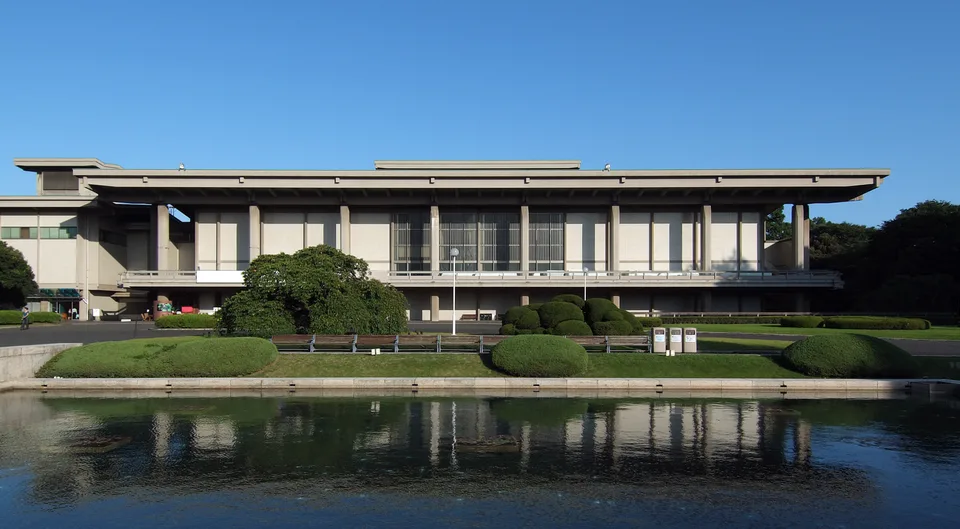
Friday and Saturday late opening can be more valuable than a cheaper ticket
The TNM Collection normally opens from 09:30 to 17:00. The museum currently extends opening to 20:00 on Fridays and Saturdays, and on Sundays when the following Monday is a holiday. Last admission is 30 minutes before closing. Special exhibitions can use different hours.
For a three- or four-day Tokyo trip, this can be the best scheduling advantage in the entire article. A Friday or Saturday evening can turn the museum from a competing daytime attraction into a late-afternoon/evening block after another Ueno or east-Tokyo activity.
I would value that time window more highly than saving a few hundred yen. Long-haul visitors have a limited number of Tokyo daytime blocks. Preserving one of them can be worth more than optimising a low admission price.
If your wider Tokyo allocation is still unsettled, use How Many Days in Tokyo? before treating the museum as an isolated ticket decision.
Ueno makes the museum easier when the rest of the day also belongs to east Tokyo
The museum works especially well with Ueno Park, Ameyoko, Asakusa or another east-Tokyo block because the transit overhead stays low. Crossing Tokyo solely for two rushed museum hours can still be worthwhile for a specialist interest, but it should be counted as a larger time commitment.
If you are deciding whether Ueno should be the hotel base, compare Ueno vs Shinjuku. If Ueno already wins, the museum becomes easy to place on a weather-sensitive or low-energy afternoon. If west Tokyo dominates the trip, do not choose the whole hotel district around one museum.
For two Ueno hotels with very different daily-friction logic, the Mitsui Garden Hotel Ueno vs NOHGA comparison is the more relevant next decision.
Next decision: is Ueno actually the right Tokyo base?
The August 2026 suitcase rule can destroy an otherwise perfect transfer-day plan
Since August 1, 2026, Tokyo National Museum has prohibited bringing suitcases into the museum. That turns one common itinerary pattern into a failure mode: hotel checkout → museum → airport or Shinkansen.
The museum can still work on a transfer day, but the luggage must disappear from the sightseeing chain first. Store it at the hotel, use an appropriate station locker or luggage service, or forward it when that fits the wider trip.
Do not assume “Ueno Station is close” solves this. Station proximity is useful only after the bag has somewhere legal and practical to stay. If luggage forwarding is part of the wider route, use the Japan luggage-forwarding guide before turning a museum stop into a suitcase problem.
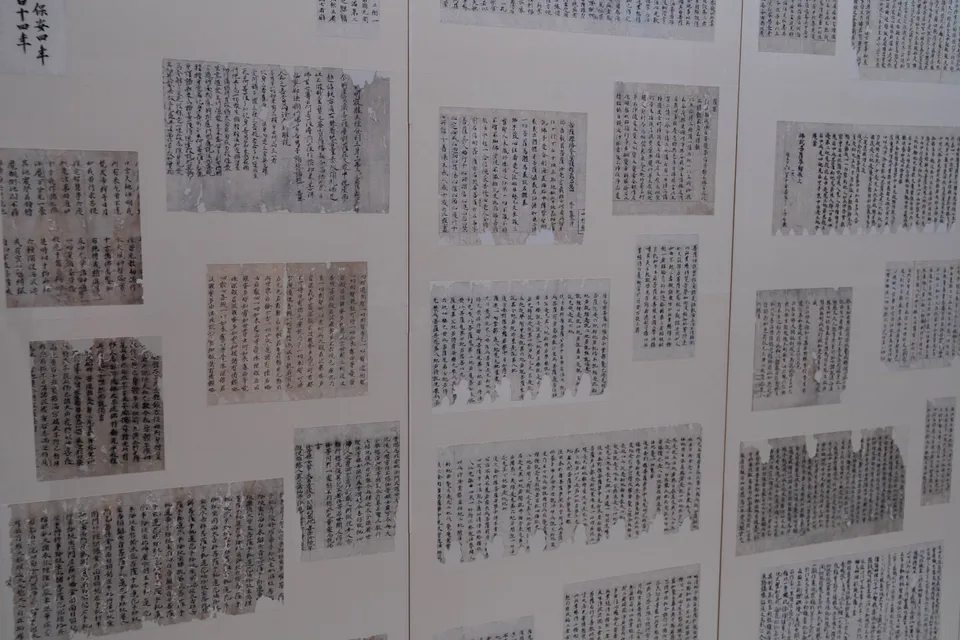
Late-2026 partial closures mean “the museum is open” is not enough
Tokyo National Museum has already published several temporary partial closures for later in 2026. Room 4 of the Honkan is scheduled to close from October 26, 2026 to April 26, 2027. From November 30 to December 31, Rooms 17–20 of the Honkan and the Toyokan are scheduled to close, with Rooms 2–3 of the Honkan closing from December 14. December 15 is a full museum closure for facility inspection and maintenance.
There is also an unusual year-end boundary: the museum is open only through December 25 in 2026, and from December 22 to 25 only the Gallery of Horyuji Treasures and Kuroda Memorial Hall are scheduled to be open.
This matters because a visitor can hold a valid idea—“Tokyo National Museum is open that week”—and still arrive to find the galleries they cared about unavailable. If a named gallery or object is the reason for going, check the exact date-level schedule rather than relying on generic museum hours.
Should you pre-book the regular e-ticket?
Yes, when: your date is firm, it is a normal paid day, the regular collection is the goal, and avoiding a potentially busy counter is worth more than keeping ¥1,000 flexible.
No, or not yet, when: the itinerary is still moving, a special exhibition may replace the regular ticket, the date is September 21 or November 3, or your transfer-day luggage plan is unresolved.
The museum’s own online TNM Collection ticket is valid for two months. A third-party ticket can still be useful if you prefer to keep several Japan bookings in one app or account, but the platform is a purchase channel—not the reason the museum is worth visiting.
Regular TNM Collection e-ticket — check current Klook terms
Before paying through any channel, confirm that the product is still the regular TNM Collection ticket, check validity and refund/change terms, and compare them with the museum’s own online ticket. Do not infer special-exhibition access from a regular-admission product.
Five failure modes that matter more than a small ticket-price difference
Buying regular admission for a free collection day: September 21 and November 3 do not need a paid TNM Collection ticket.
Double-paying underneath a special exhibition: special-exhibition tickets also cover the TNM Collection on the same day.
Buying the collection ticket when Hiroshige or Kūkai is the real goal: the regular ticket does not substitute for the special-exhibition product.
Arriving after checkout with a suitcase: the bag cannot simply follow you through the museum after the August 1 rule change.
Scheduling a hard reservation immediately after a “2-hour museum visit”: station walk, entry, galleries and exit friction make the real Ueno block longer.
Three visitor profiles
First-time Tokyo visitor with four days
I would use the museum when it fits an Ueno/east-Tokyo day or a Friday/Saturday late-opening slot. I would not sacrifice a whole additional daytime block merely because the ¥1,000 ticket is cheap. The scarce resource is Tokyo time, not admission money.
Art-focused visitor coming for Hiroshige
I would buy the Hiroshige exhibition rather than optimise the regular-collection ticket. If the trip genuinely spans multiple exhibition periods and all three rotations matter, then the ¥3,600 three-ticket set deserves comparison. Otherwise, one exhibition visit is the cleaner choice.
Transfer-day traveller leaving Tokyo after the museum
I would solve luggage before buying anything. If the suitcase cannot be stored or forwarded cleanly, move the museum to another day. A ticket should not force a fragile checkout → luggage → museum → train chain.
Final verdict: choose the admission job before the sales channel
For most adults visiting the regular collection on an ordinary day, the correct ticket is simply the ¥1,000 TNM Collection admission, with online purchase useful when you want to reduce ticket-counter friction. On September 21 and November 3, do not buy regular collection admission because it is free. If Kūkai through September 6 or Hiroshige from September 29 is the real reason for visiting, start with the special-exhibition ticket because that product also covers the TNM Collection on the same day.
The best information gain is not a tiny platform-price comparison. It is avoiding the wrong admission layer, protecting enough time for Ueno, and knowing that a suitcase or partial closure can invalidate an otherwise sensible plan.
If your date is fixed, your admission layer is clear and the regular collection is the goal, pre-booking can be worthwhile queue insurance. If those conditions are not settled, keep the ¥1,000 flexible and decide later.
Official sources checked
Tokyo National Museum — Kūkai and the Treasures of Shingon Buddhism
Tokyo National Museum — Hiroshige: New Perspectives on Edo Japan
Image credits
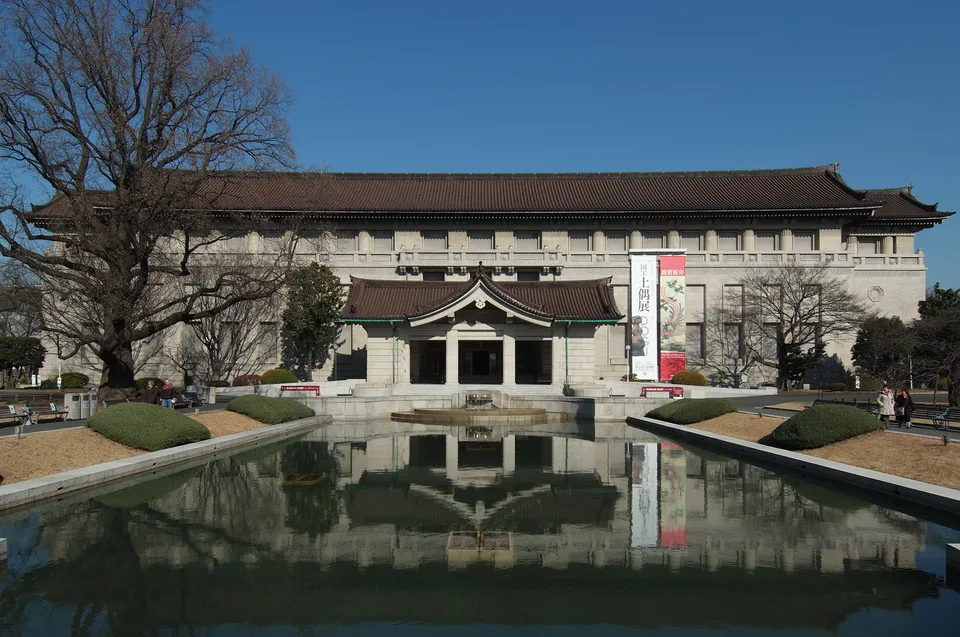
Honkan / Wiiii (Wikimedia Commons, CC BY-SA)

Toyokan / Wiiii (Wikimedia Commons, CC BY-SA)

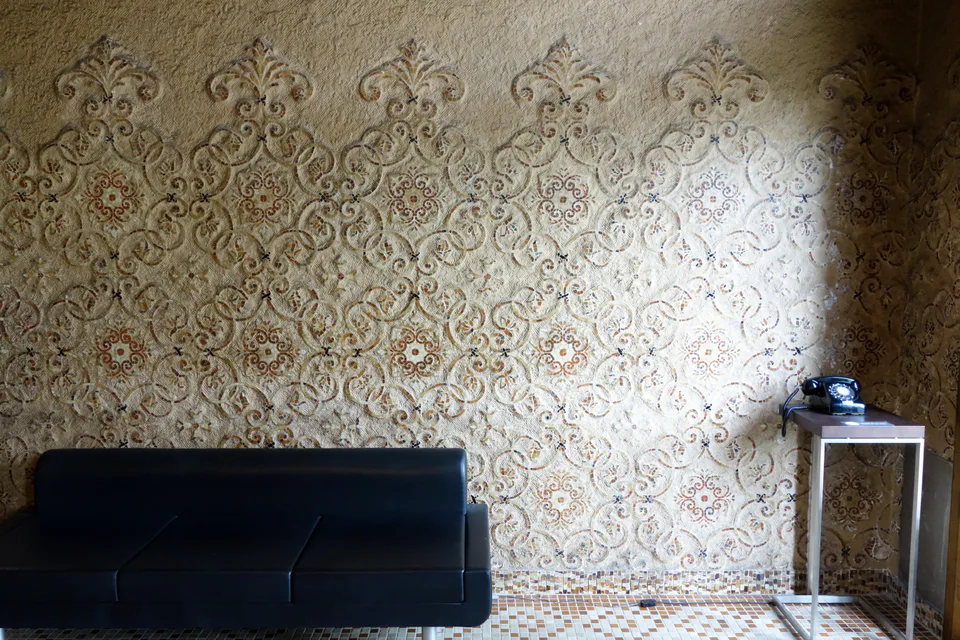
Interior / Daderot (Wikimedia Commons, CC0)

Gallery of Horyuji Treasures / Dick Thomas Johnson (Wikimedia Commons, CC BY 2.0)
.jpg)
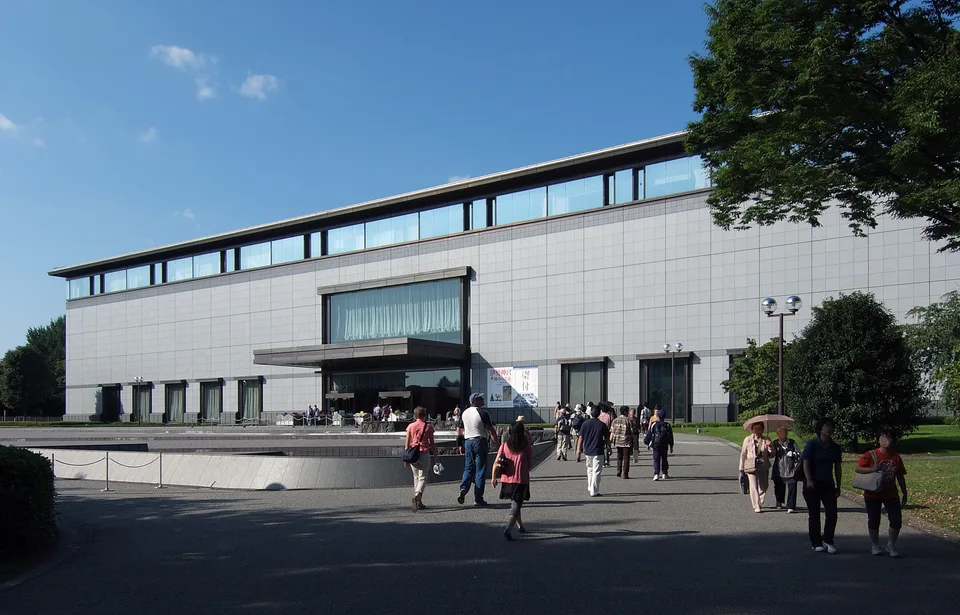
Heiseikan / Wiiii (Wikimedia Commons, CC BY-SA)

Tokyo Game Show 2026: Fast Ticket, First-Hall Trap and Family Cost
A Mount Fuji Day Trip from Tokyo Can Buy You Transport — Not the View
Tokyo Disney Vacation Package Cancellation: What Changes Cost You in 2026
Kyoto International Manga Museum 2026: The ¥1,200 Ticket Is Cheap — Is It Worth 2–4 Hours?
Kochi Yosakoi Festival 2026: Which Day, Which Venue and Do You Need Paid Seats?