
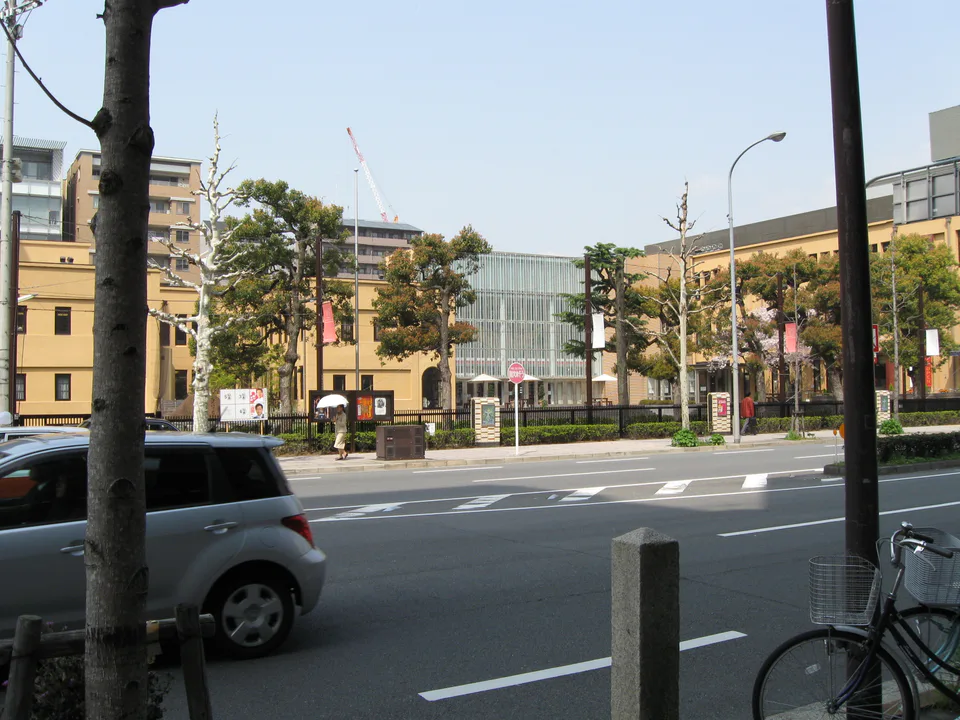
Kyoto International Manga Museum 2026 is easy to justify on price and much harder to justify on time. General adult admission is ¥1,200, Klook is currently a selected-date ticket with no cancellations or changes, and Klook suggests 2–4 hours. The real decision is whether you want to spend that much of a Kyoto day reading, browsing manga history, and lingering inside a former school building—especially if you do not read Japanese comfortably.
30-second decision: go for the reading culture, not just for a famous manga name
This is a strong fit if manga itself is one of the reasons you came to Japan, you enjoy browsing physical books, or you want a quieter indoor block between outdoor Kyoto sights. It is a weaker fit if your trip is short, you mainly want character merchandise, or you expect a theme-park style attraction with nonstop interactive experiences.
If you are still deciding where to base yourself, the museum is more naturally paired with central Kyoto than with a long cross-city sightseeing day. Start with where to stay in Kyoto before deciding whether this deserves a half-day slot.
Next decision: where to stay in Kyoto
Kyoto International Manga Museum 2026: Klook is not the only way to pre-book
The museum sells its own dated QR e-tickets for ¥1,200 with no service fee. Klook also uses a selected-date mobile voucher and currently lists no cancellations, refunds, or changes. So Klook is not an exclusive fast-track product; its practical advantage is mainly convenience if you already keep your Japan bookings in the same app.
The price difference can also be tiny. At the time of checking, Klook displayed ¥1,188 against a ¥1,200 retail price. That is not enough on its own to justify locking in a date. Book only when the museum already has a clear place in your Kyoto plan.
Already keeping a central-Kyoto half-day free? Check your date|Klook
Do not trust every hour shown on the Klook page
The official museum schedule currently says 10:00–17:00, with last admission at 16:30, and Wednesday is the standard closure day unless the calendar says otherwise. Klook's English product page shows the same current hours near the top, but one FAQ block still contains an older 10:30–17:30 description. Use the official calendar as the final reference before you go.
That matters if you plan the museum as a late-day backup. If you are staying near Kyoto Station but spending the evening around Gion, Kyoto Station vs Gion helps show whether Karasuma Oike is actually on your natural route or an extra detour.
Two hours works only if you browse selectively
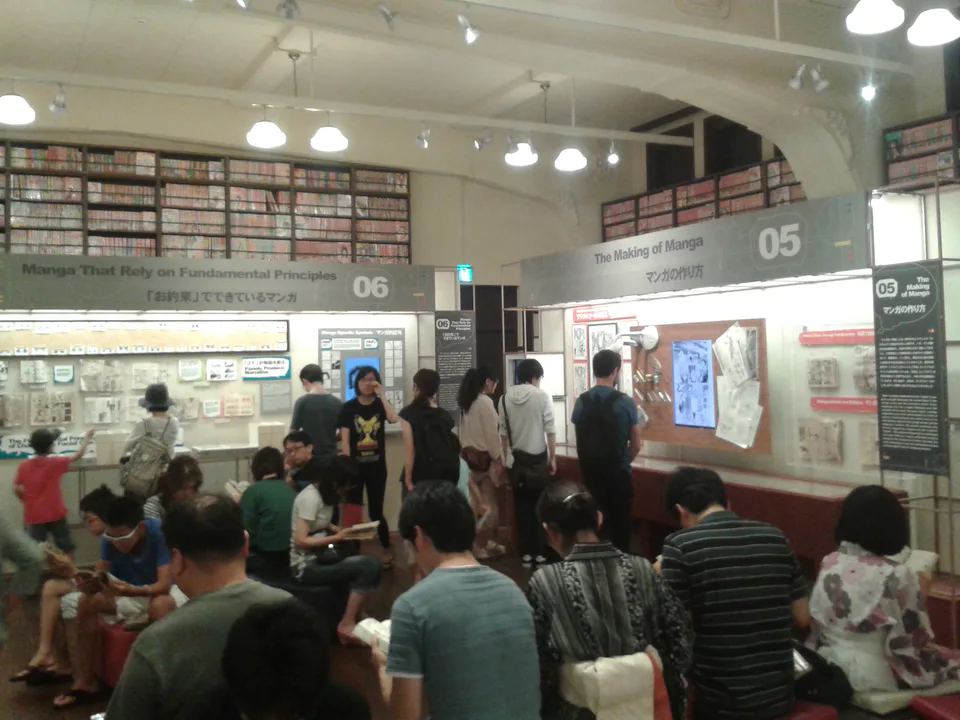
Klook suggests 2–4 hours, and that range makes sense only if you are honest about how you use the museum. Two hours is enough to see the main manga-history exhibition, walk the building, browse selected shelves, and spend some time with translated material. Four hours becomes easy if you actually sit down to read, wait for a portrait slot, watch an artist demonstration, or get absorbed by a temporary exhibition.
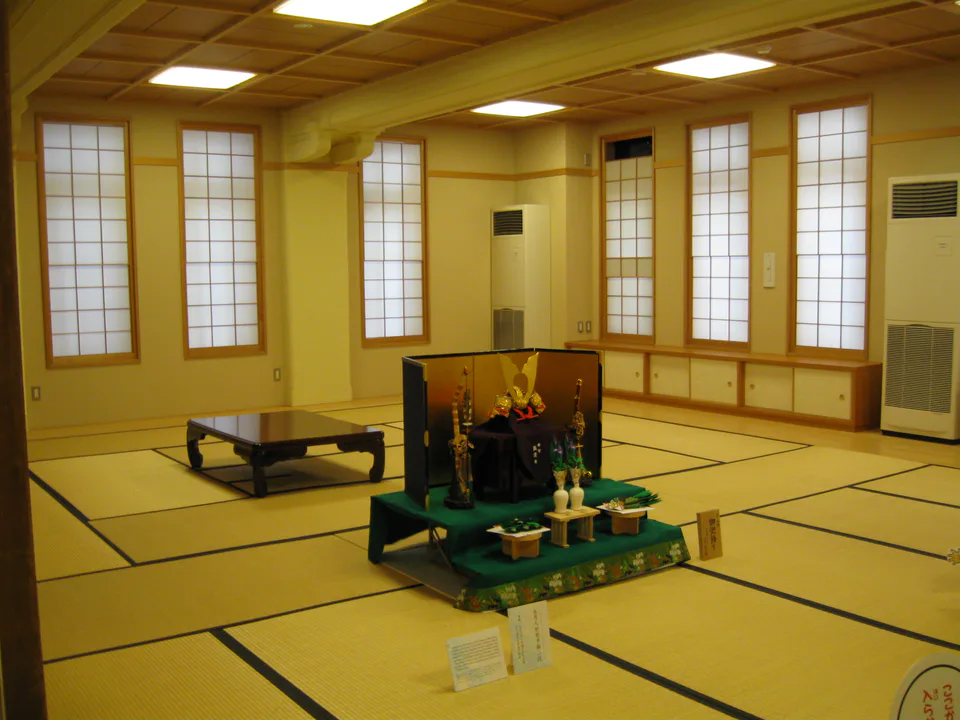
The museum's appeal is partly slow by design. If your Kyoto trip is already overloaded with temples, cafés, and a night plan, the museum should replace something—not be squeezed between everything else. If you are debating whether to sleep in Kyoto at all, Kyoto vs Osaka for first-time visitors is the better decision to settle first.
If you do not read Japanese, the museum still works—but differently
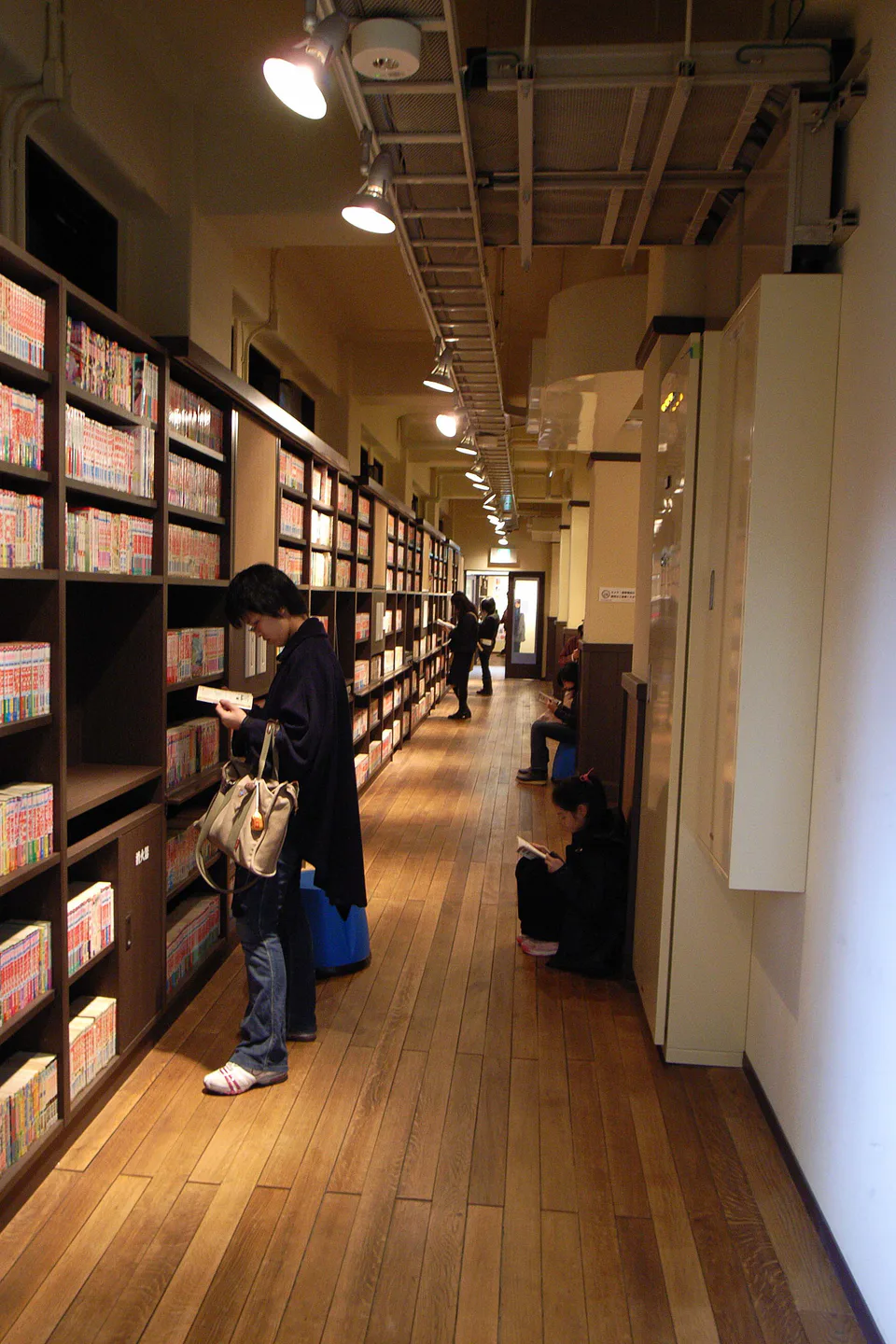
A large part of the famous Manga Wall is naturally Japanese-heavy. That does not make the museum pointless for non-Japanese readers: the Manga Expo area includes translated manga and comics from multiple countries, while the permanent exhibition gives context on manga history and culture. But the value shifts from 'I can read thousands of books' to 'I can understand manga as a medium and browse what is accessible to me.'
That distinction matters more than the ¥1,200 ticket. If you expect hours of effortless reading in English, you may finish sooner than a fluent Japanese reader. If you enjoy visual storytelling, publishing history, drawing process, and the atmosphere of the building, the language barrier matters less.
General admission does not include every hands-on experience
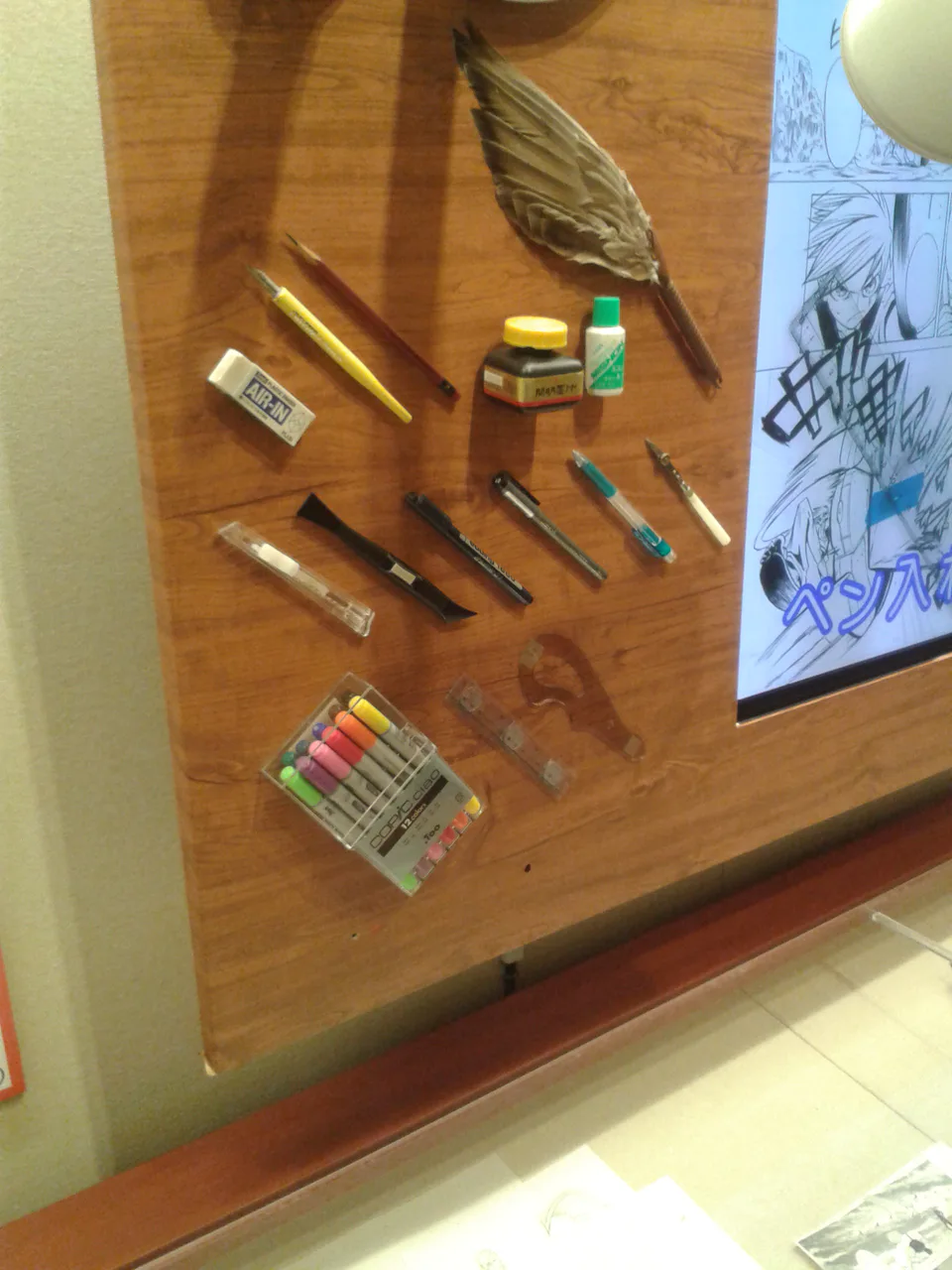
The base ticket covers museum admission and exhibitions that state they are included with general admission. Optional activities have their own rules. The Portrait Corner currently starts at ¥3,000 for one person and can fill up quickly; the museum recommends entering with a ticket already prepared and then heading to the corner to reserve on a first-come basis. Manga Studio drawing consultation is currently ¥500 per 10 minutes on operating days.
So if your main goal is to take home an anime-style portrait or talk directly with an artist, your real budget and time commitment are higher than the admission price. That is the same logic as other Kyoto cultural experiences: compare what you actually do, not just the front-door fee. For another paid hands-on option, see the Kyoto tea ceremony guide.
September 17, 2026 to January 19, 2027 is a better-value window
From September 17, 2026 through January 19, 2027, the museum is running 'Children Who Grew Up with Manga—40 Years of Manga in Europe.' The exhibition traces roughly four decades of manga culture in Western Europe and introduces European creators who grew up with manga. It is included with general museum admission.
For September 19–20 during KYOMAF 2026, museum hours are extended to 19:00, with last admission at 18:30. If your Kyoto dates overlap, the same ¥1,200 admission carries more content and more usable time than on a normal day. If you are also planning autumn evenings, compare this indoor option with Kyoto autumn illuminations before stacking both into one day.
Karasuma Oike is the reason this museum is easy to add—and easy to underestimate
The museum is about a two-minute walk from Karasuma Oike Station, so it looks effortless to insert into almost any central-Kyoto itinerary. That is true geographically, but a 2–4 hour visit still consumes a meaningful part of the day. The transit is easy; the time cost is not.
If you are travelling with older parents or anyone who benefits from simpler transfers, Kyoto Station vs Shijo Kawaramachi gives a better sense of whether central subway access or Kyoto Station convenience should shape the whole trip.
What should you pair with the museum? Keep the rest of the day central
The best pairing is usually another central-Kyoto activity rather than an ambitious east-west sightseeing chain. Nishiki Market, central shopping, a tea experience, or an evening around Kawaramachi make more sense than trying to add Arashiyama or a distant temple district after a long reading session.
If you are considering using the same day for Nara, do not treat the museum as a tiny pre-departure stop. Nara from Kyoto or Osaka shows why the cleaner choice is usually to give Nara its own day and keep the manga museum inside a Kyoto-focused day.
Who should pre-book, and who should wait?
Pre-book once the date is fixed
Pre-book if manga is a genuine trip priority, your museum date is already stable, and you prefer having the QR ticket ready before arrival. Klook makes sense if that is where you already manage other reservations; the official e-ticket is equally valid if you prefer buying direct.
Wait if your Kyoto days are still moving
Wait if weather, temple reservations, day trips, or hotel location may still change your plan. Because the ticket is tied to a date and is not flexible after purchase, there is very little upside to committing before the museum has an actual time block in your itinerary.
Skip if manga is only a mild interest
Skip if you mainly want one famous anime photo spot, shopping, or fast interactive entertainment. Kyoto has too many high-value half-days to spend 2–4 hours here out of obligation. If this is your first visit and the bigger question is how much Kyoto time to allocate, return to the Kyoto accommodation guide and solve the trip structure first.
Final verdict: cheap admission does not make this a cheap use of time
Kyoto International Manga Museum 2026 is worth it when you want to slow down, browse, read what you can, and understand manga beyond a single franchise. The ¥1,200 admission is reasonable, and the September-to-January Europe exhibition makes the ticket even easier to justify. But the museum becomes poor value when it is treated as a checkbox squeezed into an already full Kyoto day.
Klook is best seen as a convenient dated ticket, not a special access product. Decide first whether the museum deserves 2–4 hours, then choose whichever ticket channel fits the rest of your bookings.
Sources and image credits
Kyoto International Manga Museum|Hours & Fees|Official online tickets|40 Years of Manga in Europe exhibition|Portrait Corner|Manga Studio
Images: museum exterior (Wikimedia Commons); museum interior (Wikimedia Commons); main hall (Wikimedia Commons); Manga Wall (Wikimedia Commons); artist tools (Wikimedia Commons)


Information checked on August 18, 2026. Opening days, temporary exhibitions, event hours and optional activity schedules can change; recheck the official museum calendar before paying. This article may contain affiliate links. ValueNavi may receive a commission from qualifying bookings without increasing the price you pay.