
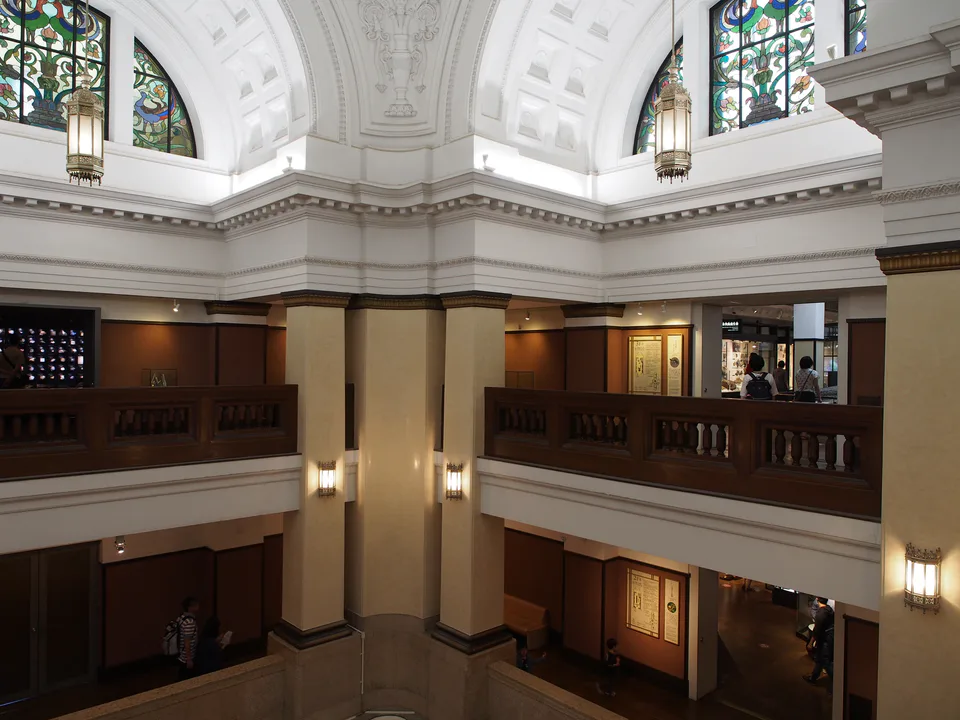
National Museum of Nature and Science 2026 is a cheap ticket with an expensive hidden cost: time. Official permanent-exhibition admission is ¥630, while Klook gives you a 61-day e-ticket that cannot be cancelled, refunded or changed. Klook suggests 3–5 hours, and that is the real decision. If your Tokyo trip is only three or four days, do not add this museum just because the admission price looks trivial.
30-second decision: buy time first, not the ticket
Go if dinosaurs, evolution, Japan’s natural history, space or the history of science can hold your attention for half a day. Pre-book only if your Ueno day is already fairly secure and you are comfortable locking in a non-refundable e-ticket. Keep the decision open if your Tokyo schedule is still moving or you are trying to fit two major Ueno museums into the same day.
If you are still deciding whether eastern Tokyo should be your base, start with Ueno vs Shinjuku. A museum half-day is much easier to justify when Ueno Park is already on your normal route rather than a cross-city detour.
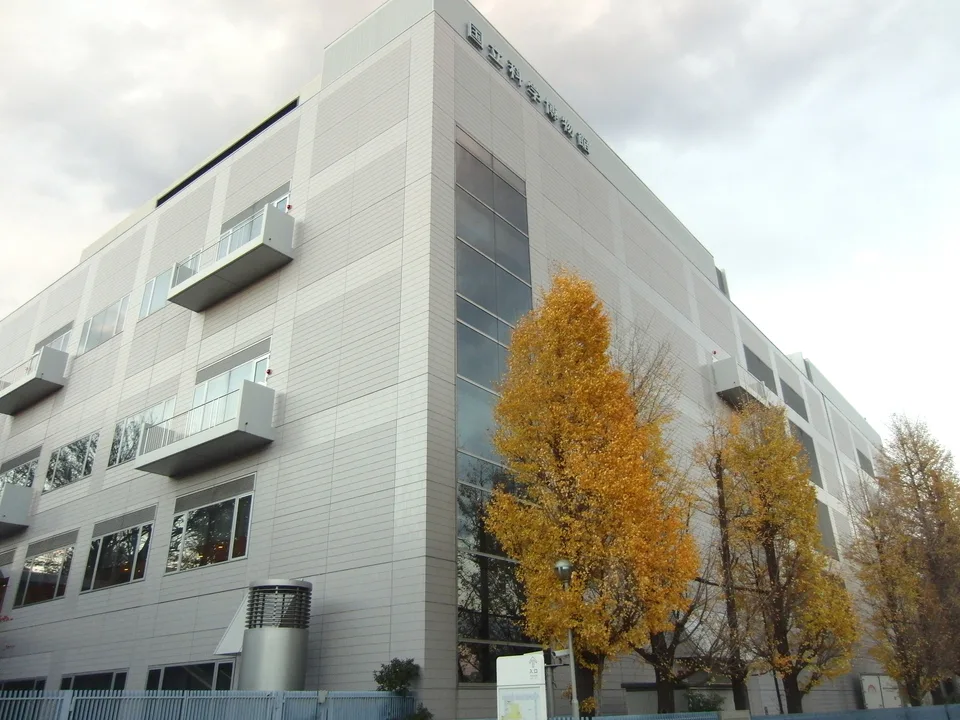
National Museum of Nature and Science 2026: ¥630 is not the real price
The museum’s official permanent-exhibition admission is ¥630 for a standard adult ticket. That is low enough that comparing small currency differences across booking sites is rarely the useful question. The bigger cost is what disappears from the rest of your Tokyo day once you commit three, four or five hours to the Japan Gallery and Global Gallery.
For first-time visitors, that time can be completely justified. The museum covers dinosaurs and evolution, biodiversity, the natural history of Japan, scientific instruments, space and the development of science and technology. But if you mainly want one dinosaur hall and a quick photo stop, the full 3–5-hour Klook estimate may be more museum than you actually need.
What does Klook actually add? A 61-day window, not a huge discount
The current Klook package is a permanent-exhibition e-ticket valid for 61 days from booking confirmation. It is instant-confirmation and can be presented digitally, but customer-requested cancellations, refunds and changes are not accepted. You also need a phone with internet access to open the voucher, and venue staff should operate the voucher at entry.
The museum itself also sells advance e-tickets through its official booking route, with a two-month validity period and the same basic no-refund/no-change stance for customer convenience. So Klook is not the only way to arrive with a digital ticket already prepared. Its practical advantage is mostly convenience if you already manage your Japan bookings in the same app and the live price works for you.
Ueno half-day already fixed? Check the 61-day permanent-exhibition e-ticket|Klook
Do not pre-book for November 3: the permanent exhibition is free
The museum’s official e-ticket guidance lists November 3, Culture Day, as a free-admission day for the permanent exhibitions. If that is your date, paying for a standard permanent-exhibition ticket makes no sense. Special exhibitions follow their own ticket rules, so always separate ‘permanent exhibition’ from ‘special exhibition’ before paying.
The same rule matters whenever another ticket already includes same-day access to the permanent galleries. The museum explicitly states that a special-exhibition ticket also allows same-day entry to the permanent exhibitions. Buying both without checking can create a completely avoidable duplicate payment.
September 2026 is different: one closure becomes two
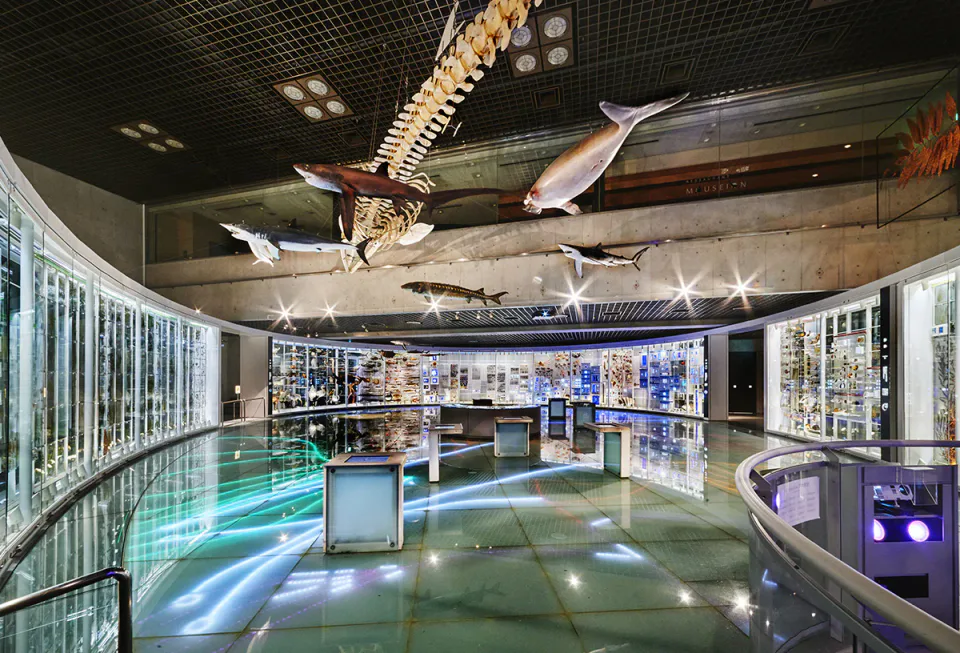
Part of the Global Gallery 2F has already been temporarily closed since March 3, 2026. From September 8, the entire Global Gallery B3 ‘Exploring the Structure of Nature’ area will also close for renovation. B3 is the floor focused on physics, matter, the universe and Japanese scientific achievement, so visitors especially interested in those themes should not rely on older floor-by-floor guides.
This does not make the museum a bad visit. The dinosaur and evolution sections, biodiversity, the Japan Gallery and other major permanent areas remain the reason most first-time visitors come. It simply means a September visit has a different content mix from an early-2026 visit, and 3–5 hours should be planned around what is actually open.
Until September 23, one temporary exhibition is included in the ¥630 admission
From July 31 to September 23, 2026, the museum is running the joint exhibition ‘どうする、ニンゲン-研究の現場から地球の未来を問う’ in the Japan Gallery. The museum currently states that the regular permanent-exhibition admission is enough to see it; there is no separate exhibition surcharge. If your trip falls in this window, the basic ¥630 ticket carries a little more content than the permanent galleries alone.
Do not buy purely for the temporary show months in advance, though. Exhibition schedules, closure dates and event programming can change, so the official museum page should still be your last check before the visit.
Is 3–5 hours too much? Two focused hours can work, but it is a different visit
A two-hour visit can work if you choose a priority before entering: dinosaurs and evolution, or Japan’s natural history, or science and technology. What usually fails is trying to keep every floor while compressing each one into a few minutes. The museum rewards depth more than building a checklist of rooms.
If what you really want is interactive future technology, space and a more contemporary science-museum feel, compare this with Miraikan and its Grand Antarctica Exhibition. The two museums overlap in the word ‘science’ far more than they overlap in the actual visitor experience.
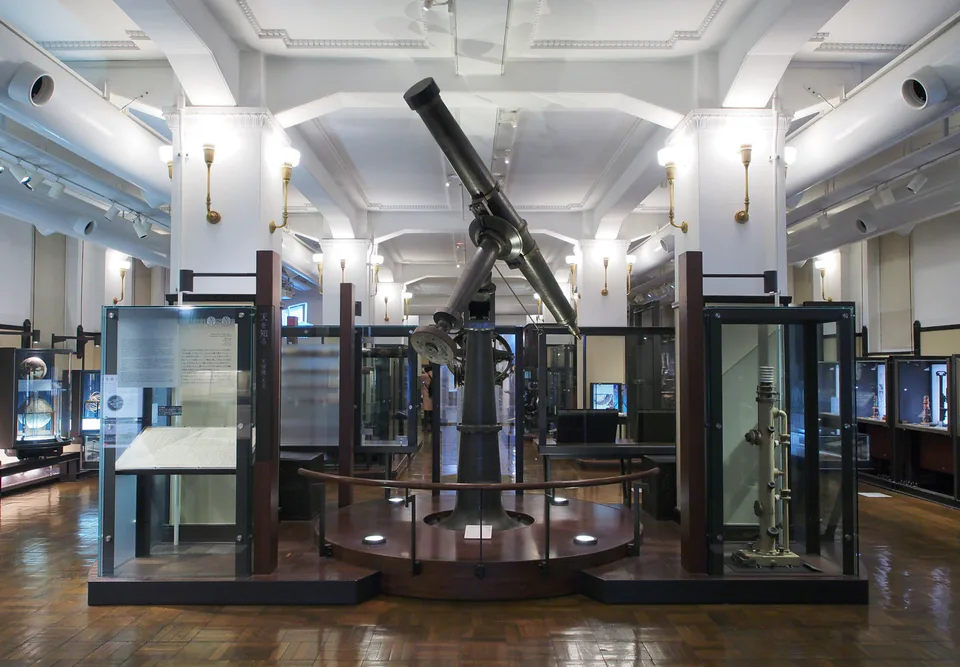
Should you pair it with Tokyo National Museum on the same day? Only if one is deliberately short
Both museums sit in Ueno Park, so the map makes the pairing look obvious. The problem is not walking time; it is attention. A serious visit to the National Museum of Nature and Science can already take 3–5 hours. Add another major museum and the day can become efficient on paper but exhausting in practice.
A better structure is one museum as the main event and the second as a deliberately edited 90-minute to two-hour visit, or simply split them across different days. If your accommodation is still undecided, Where to Stay in Tokyo for First-Time Visitors helps show whether Ueno is naturally part of your trip or something you are forcing in.
Staying in Ueno makes the museum easier, but do not move hotels just for it
The museum is in Ueno Park and Klook currently describes the station walk as roughly 5–10 minutes depending on the line and exit. Staying nearby removes the cross-city commute and makes a 9:00 opening much more usable. If luggage friction is part of the decision, the NOHGA HOTEL UENO luggage-route guide is a more practical follow-up than choosing a hotel only because it is close to the museum.
If the rest of your trip depends on Shinkansen departures or western Tokyo, the museum should not control your entire accommodation choice. Compare Tokyo Station vs Shinjuku first. If nightlife and west-side neighborhoods matter more, Shinjuku vs Shibuya may be the more relevant hotel decision.
Next decision: Tokyo Station vs Shinjuku: Which Base Fits Yo…
The easiest Ueno half-day: museum first, flexible neighborhood time after
For a full 3–5-hour visit, starting near the 9:00 opening gives you the cleanest day. Finish around lunch or early afternoon, then move to something with a looser clock rather than another dense indoor attraction. Shopping and food decisions are easier to shorten than a museum you actually care about.
If you want to continue east after Ueno, Kappabashi vs Tsukiji is a useful next decision: one is better for knives and tableware, the other for food. That creates a better contrast after several hours indoors than immediately starting a second museum marathon.
Who should pre-book, and who should keep the day flexible?
Pre-book if
Your Ueno day is already fixed, the museum is one of the main reasons you are going to the area, you will use the ticket inside the 61-day window and you accept the no-refund rule. In that case, putting the ticket in an app you already use can remove one small piece of travel admin.
Keep it flexible if
You are still choosing between Ueno and other Tokyo neighborhoods, weather or travel companions may change the day, November 3 is an option, or a special-exhibition ticket may already cover the permanent galleries. The admission price is too low to justify letting a non-refundable ticket dictate a better day elsewhere.
Final verdict: the museum is easy to justify; the pre-booked ticket is not automatically necessary
For anyone genuinely interested in dinosaurs, evolution, natural history or science, the National Museum of Nature and Science 2026 can be one of the easiest half-days to justify in Ueno. The permanent admission is inexpensive, the collection is broad, and the current joint exhibition through September 23 adds content without a separate surcharge.
But Klook is a convenience product, not a must-buy discount. The museum has its own advance e-ticket route, Klook is non-refundable, November 3 is free for the permanent galleries, and the 2026 renovation closures mean you should check the live floor map before committing a half-day. The right order is simple: decide that the museum deserves 3–5 hours, confirm what is open, then buy the ticket.
Sources and image credits
National Museum of Nature and Science|Admission and opening hours|Official permanent-exhibition e-ticket rules|2026 floor and renovation information
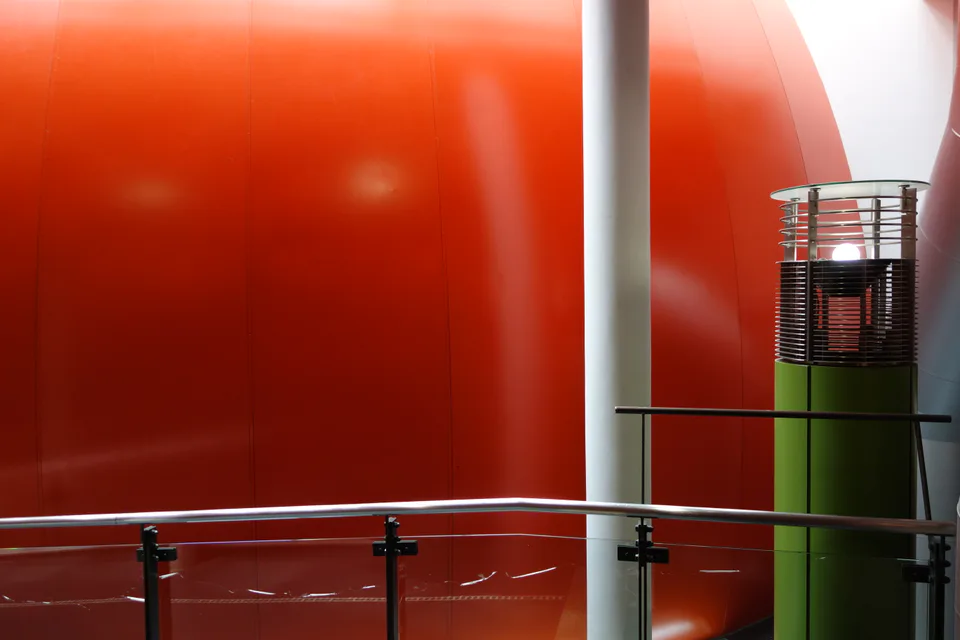
Images: Global Gallery exterior / Momotarou2012 (Wikimedia Commons, CC BY-SA); Japan Gallery interior / Kestrel (Wikimedia Commons, CC BY-SA 4.0); Japan Gallery 1F / Kestrel (Wikimedia Commons, CC BY-SA 4.0); Global Gallery exhibit image / National Museum of Nature and Science; Theater360 / Daderot (Wikimedia Commons, CC0)


Information checked August 18, 2026. Opening hours, temporary closures and exhibitions can change, so recheck the official museum site before paying. This article may contain affiliate links; ValueNavi may earn a commission from qualifying bookings without increasing the price you pay.