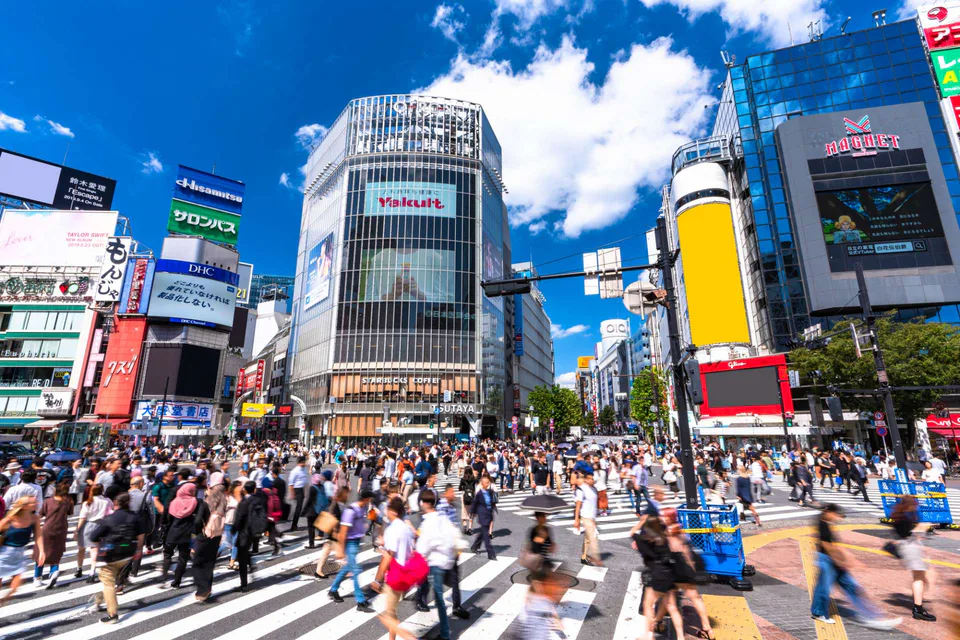
Choose Shinjuku when transport redundancy is part of the value: Hakone, Kawaguchiko, airport buses, westbound trains and late-night route alternatives. Choose Shibuya when the neighbourhood itself is the itinerary: Shibuya, Harajuku, Omotesando and Daikanyama can become one walkable west-Tokyo cluster. For most first-time visitors, Shinjuku is the safer default only when you will actually use that transport breadth. A Shibuya hotel beside the route you repeat can be easier than a Shinjuku hotel on the wrong side of its enormous station.
The useful comparison is not “which station has more lines?” Shinjuku wins that contest too easily. The real question is which area removes more repeated friction from your exact four or five days. If neither west-side district clearly matches the itinerary, use Where to Stay in Tokyo for First-Time Visitors before choosing between two areas that may both be wrong.
Shinjuku vs Shibuya: the 30-second decision
↔ Scroll table left or right
Your priority | Start with | Why | What reverses it |
Hakone / Kawaguchiko after Tokyo | Shinjuku | Direct westbound leisure transport reduces checkout-day friction | You forward luggage and depart late enough that the transfer is easy |
Harajuku / Omotesando / Shibuya evenings | Shibuya | Several days can end on foot instead of with another train | Late-night activity is mostly Shinjuku/Kabukicho |
Two large suitcases or older parents | Hotel-specific | The correct exit matters more than the district label | A straightforward airport-bus hotel removes the station walk |
Early Kyoto/Osaka Shinkansen | Consider Tokyo Station | Neither western base solves the actual high-stakes departure | The train is late and west-Tokyo nights dominate |
Shinjuku’s strongest advantage is route redundancy, not nightlife
Shinjuku gives you multiple ways to leave the city westward. Odakyu currently advertises direct Romancecar services from Shinjuku to Hakone-Yumoto, with the fastest journeys taking 75 minutes. JR East also operates Fuji Excursion services toward Kawaguchiko, while the Shinjuku Expressway Bus Terminal concentrates many highway-bus routes.
This matters most on a checkout day. Hotel → station/bus terminal → next destination is much cleaner than hotel → cross-Tokyo transfer → next destination, especially with luggage. If Hakone or Kawaguchiko is genuinely the next overnight, Shinjuku can earn its hotel premium before you have even started the mountain trip.
The recommendation weakens when the westbound excursion is only one day trip. One easy morning should not automatically outweigh four evenings spent somewhere else. Decide Hakone vs Kawaguchiko first, then ask whether that route is important enough to shape the entire Tokyo stay.
Shibuya wins when walking replaces two or three daily train rides
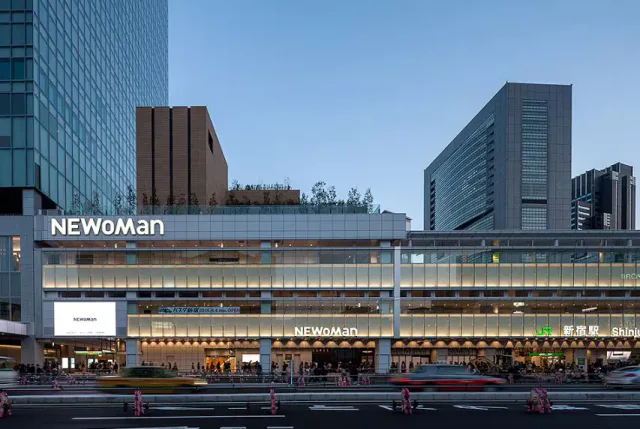
Shibuya’s value is not that the station is simpler. It is not. The value is that the surrounding neighbourhoods can form one continuous day: Shibuya → Cat Street → Harajuku → Omotesando, or Shibuya → Daikanyama → Ebisu. If that is how you want to spend Tokyo, the hotel can sit inside the experience rather than outside it.
This has a compounding effect after dark. Three nights ending in Shibuya can save more tired travel than one easier Hakone departure saves in the morning. For travellers who care about cafés, shopping, fashion, restaurants and evenings more than transport optionality, I would often choose Shibuya even though Shinjuku has the broader rail network.
Do not confuse Shinjuku Station with one hotel location
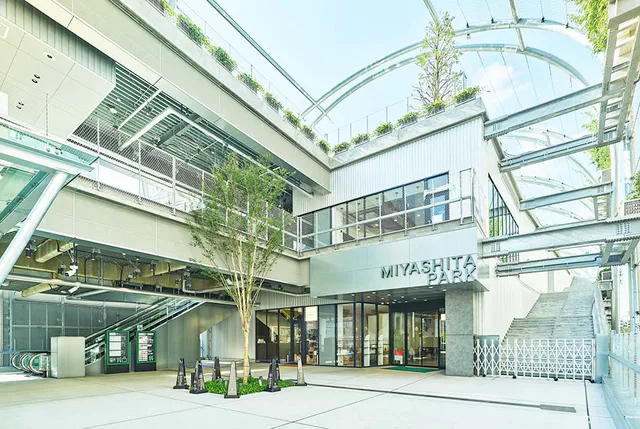
A south-side Shinjuku hotel near the expressway bus terminal, a Kabukicho hotel and a Higashi-Shinjuku hotel do not deliver the same transport experience. The same is true in Shibuya while station redevelopment continues to change pedestrian routes and levels. A map pin that says “500 metres” does not tell you whether the route involves one street crossing, three underground levels or a long concourse.
For large luggage, strollers or slower walkers, I would inspect the exact station exit before comparing room photos. The final 500 metres is repeated twice a day; a theoretical five-minute rail advantage may disappear there. If the suitcase is distorting the entire choice, use Japan luggage forwarding rather than paying for a district purely to avoid one difficult transfer.
Airport access should break a tie, not dominate the stay
Both areas have strong airport connections through rail and limousine-bus networks. Airport access is used on arrival and departure; the hotel neighbourhood is used every day. I would therefore let the airport break a close tie, not decide four or five nights on its own.
The exception is a late arrival, an early departure or a group for whom a direct airport bus is materially easier than rail. In those cases, compare the exact hotel stop. A direct bus to the hotel can be more valuable than a theoretically faster train that ends with a difficult station walk.
Families should choose the easier evening, not the livelier district
For a family with young children, “nightlife” is not automatically useful. The more important question is where dinner can end without another 30-minute journey. If most family attractions are west-side and several evenings are around Shibuya/Harajuku, Shibuya can be easier. If the route includes Hakone, buses, and several different Tokyo districts, Shinjuku’s redundancy becomes more valuable.
Older travellers should apply the same logic more strongly. The easiest district on paper can be the hardest if the hotel requires a long station crossing. I would accept a slightly longer train ride in exchange for a simpler final walk and lift route.
Three nights and six nights should not produce the same answer
On a three-night first visit, transport flexibility has high value because every mistake consumes a large share of the trip. Shinjuku is often the safer choice when the itinerary is still broad. On a six-night stay, the neighbourhood starts functioning more like a temporary home. If four evenings naturally belong to Shibuya, Harajuku, Omotesando and Ebisu, Shibuya’s repeated walking advantage becomes much more persuasive.
This is why “Shinjuku for first timers” is too blunt. First-time status matters less than the route density and stay length. Use How Many Days in Tokyo? before paying for transport breadth you may not need.
When I would choose neither
If the trip is dominated by an early Tokaido Shinkansen, compare Tokyo Station vs Shinjuku. If Narita, Ueno Park, Asakusa and east Tokyo dominate, compare Ueno vs Shinjuku. If two consecutive Disney days are fixed, a Maihama-area split stay may remove more travel than optimizing either Shinjuku or Shibuya.
A useful comparison must allow “neither” as an answer. Otherwise the article is choosing between two popular labels rather than solving the itinerary.
Final verdict
Choose Shinjuku for transport optionality and westbound departures. Choose Shibuya for neighbourhood continuity and repeated west-Tokyo evenings. Shinjuku is the safer default only when you will use its network. Shibuya is the better lifestyle base only when the surrounding neighbourhoods are genuinely where your days finish. In both cases, the exact hotel exit can overturn the district-level verdict.
Where to Stay in Tokyo With Parents: I’d Eliminate These “Convenient” Hotels First
Early Shinkansen from Osaka: Should You Stay in Shin-Osaka or Move Only for the Last Night?

References
Odakyu — current Romancecar information · JR East — current Fuji Excursion information · GO TOKYO — current Shinjuku and Shibuya visitor guidance · Tokyu Corporation — Shibuya station-area redevelopment information. Recheck exact station exits, bus stops and construction routes for the travel date.