
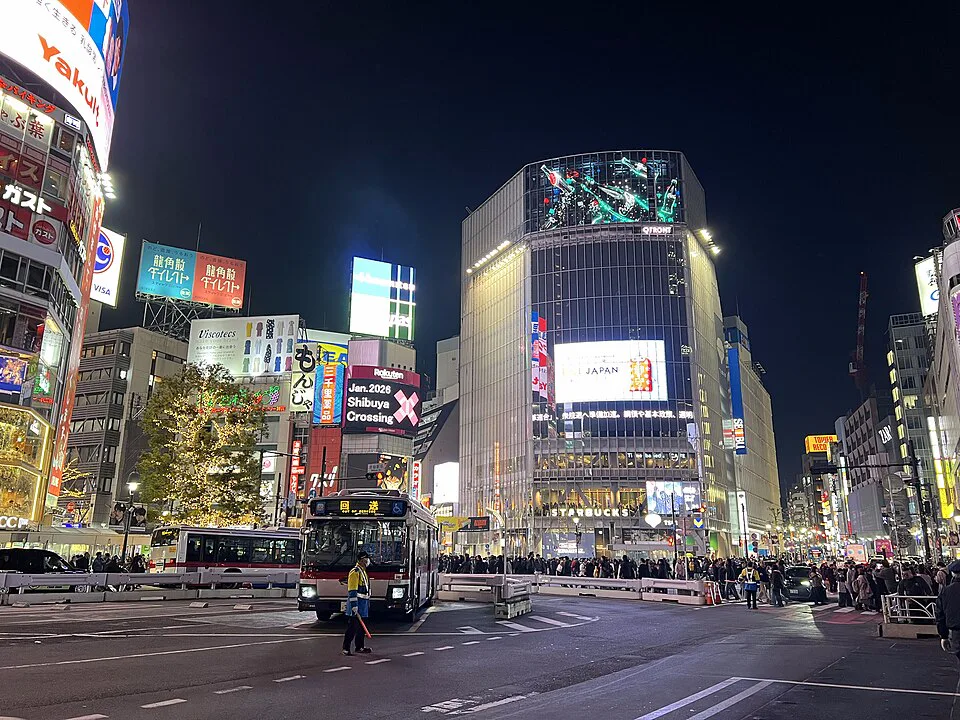
The best free things to do in Tokyo are usually the ones already on your route. A ¥0 attraction can still be poor value if you spend 50 minutes crossing the city, pay extra transport, arrive hungry and then buy snacks simply because you travelled there. For a first trip, use free sights to fill the same geographic day: Meiji Jingu on a Harajuku/Shibuya day, the Tokyo Metropolitan Government observatory on a Shinjuku day, Senso-ji and the Asakusa terrace on an East Tokyo day, and the Imperial Palace East Gardens on a Tokyo Station/Marunouchi day.
The purpose of a free-heavy day is not to prove that Tokyo can cost ¥0. It is to save money without spending scarce trip time, then use the budget on the one paid experience that is genuinely hard to replace.
ValueNavi decision table: which free Tokyo stop is worth planning?
↔ Scroll table left or right
Your day is already in... | Best free add-on | Why | When to skip it |
Shinjuku | Tokyo Metropolitan Government observatory | Free high-rise view with almost no route penalty | You specifically want an outdoor sunset experience |
Harajuku / Shibuya | Meiji Jingu | About an hour of forest-and-shrine contrast before the commercial districts | You are carrying suitcases; the shrine has no suitcase storage |
Asakusa | Senso-ji + Asakusa Culture Tourist Information Center terrace | Strong day-to-night value without crossing Tokyo | You are travelling there only for a free view from the other side of the city |
Ueno | Ueno Park + Ameyoko | Easy to expand or shorten around weather and museum interest | You actually want several hours of indoor museum content |
Tokyo Station / Marunouchi | Imperial Palace East Gardens | Free historic green space in the same central-Tokyo block | Monday/Friday closure or large-luggage day |
Odaiba | Waterfront + Tokyo Aqua Symphony | Free evening payoff after a Bay-area afternoon | You would make a special cross-city trip only for the fountain |
Kichijoji | Inokashira Park | The park completes a neighbourhood half-day | You are based in East Tokyo and only want “a free park” |
ValueNavi Free-Stop Efficiency Score
This is a ValueNavi editorial dataset built specifically for zero-admission attractions. We score route fit (30%), time efficiency (20%), cash-leakage control (15%), weather resilience (15%), schedule flexibility (10%) and substitution power (10%). Higher is better. Cash-leakage control means how easy it is to keep the stop genuinely low-cost rather than turning “free admission” into unplanned food or shopping spend.
Free-stop scenario | Efficiency score | Why it scores well | Main penalty |
|---|---|---|---|
Senso-ji + Asakusa terrace when already in Asakusa | Excellent route fit, high flexibility and strong evening substitution value | Weather affects river/view quality | |
Meiji Jingu before Harajuku/Shibuya | Natural route order, no admission fee and a genuinely different Tokyo experience | Outdoor weather and no suitcase storage | |
TMG observatory when already in Shinjuku | Strong paid-view substitution with tiny route cost | Indoor product; short-notice weather/operational closure possible | |
Imperial Palace East Gardens on a Marunouchi day | High route fit and meaningful historic/green-space value | Monday/Friday closure and baggage inspection | |
Tokyo Aqua Symphony when already in Odaiba | Free evening event with no reservation and no extra district move | Weather/program changes and limited reason to visit Odaiba solely for it | |
Inokashira Park as a dedicated trip from East Tokyo | The park itself is pleasant and flexible | Weak route fit if Kichijoji is not otherwise part of the trip | |
Tsukiji Outer Market as a “zero-yen activity” | No admission and strong food interest value | Low cash-leakage control: eating and shopping are the point for many visitors |
The same place can score differently when the route changes. That is intentional. ValueNavi is scoring the decision to add it to this day, not awarding permanent stars to a park or shrine.
ValueNavi Free Detour Tax: ¥0 admission can still cost a Tokyo hour
Before adding a free attraction, calculate:
Free Detour Tax = extra round-trip transport cost + extra travel minutes + likely incidental spend
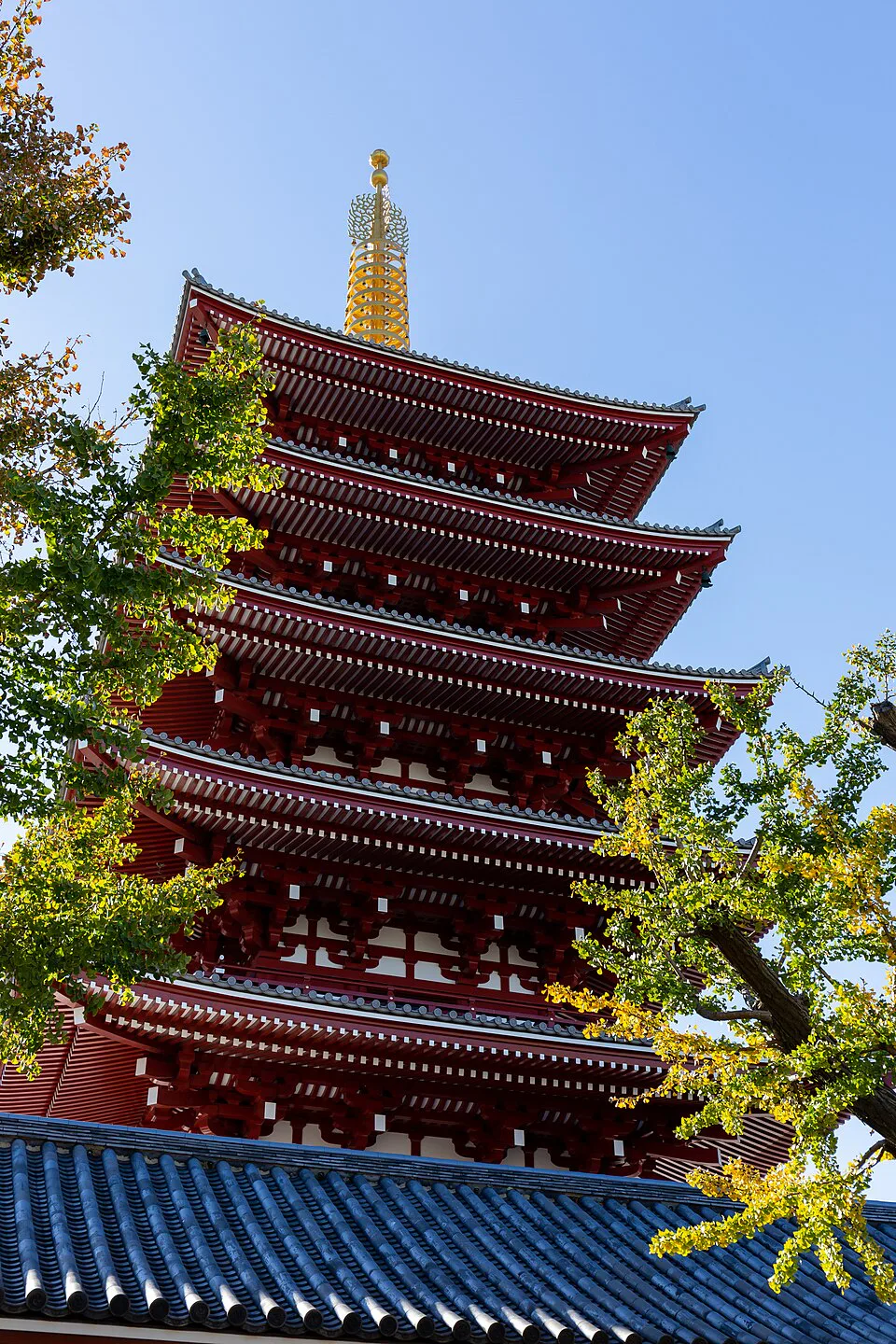
The last term matters at markets and shopping streets. A shrine can genuinely stay near ¥0. Tsukiji is free to enter, but a traveller who goes there specifically to eat should not classify that half-day as “free” simply because there is no gate.
ValueNavi threshold: if a free stop creates roughly 45–60 extra minutes of travel that the rest of the day did not need, stop treating “free” as the deciding advantage. Compare it with a paid attraction already inside today’s district. This is an editorial threshold, not a Tokyo transport rule.
Free skyline: Tokyo Metropolitan Government Building is the default only when Shinjuku already fits
The Tokyo Metropolitan Government Building has observatories about 202 metres above ground and admission is free. TMG warns that the observatories can close at short notice because of bad weather or other reasons.
For a Shinjuku evening, that is excellent value. For an Asakusa day, travelling west solely to save the price of another viewpoint is much less compelling. The Tokyo observation-deck comparison shows why paid decks can still win when outdoor access, route fit or a specific skyline is the real goal.
Do not plan around Bunkyo Civic Center yet. Bunkyo City says the 25th-floor observation lounge has been closed since March 1, 2025 for renovation and is currently scheduled to reopen in early December 2026. As of August 26, 2026, it is not a usable free-view option.
Asakusa: the best free evening is often the one you do not leave
If you are already at Senso-ji, let the district change character instead of crossing Tokyo for another view. Kaminarimon, the temple grounds, the Asakusa Culture Tourist Information Center terrace and the Sumida side can create a complete zero-ticket evening.
The substitution power is high because you get temple lighting, street atmosphere and an elevated city view without buying a night-view ticket. It is not a substitute for an open-air 230m rooftop if that was your specific goal.
Meiji Jingu: one of Tokyo’s best free hours, but not a luggage-day attraction
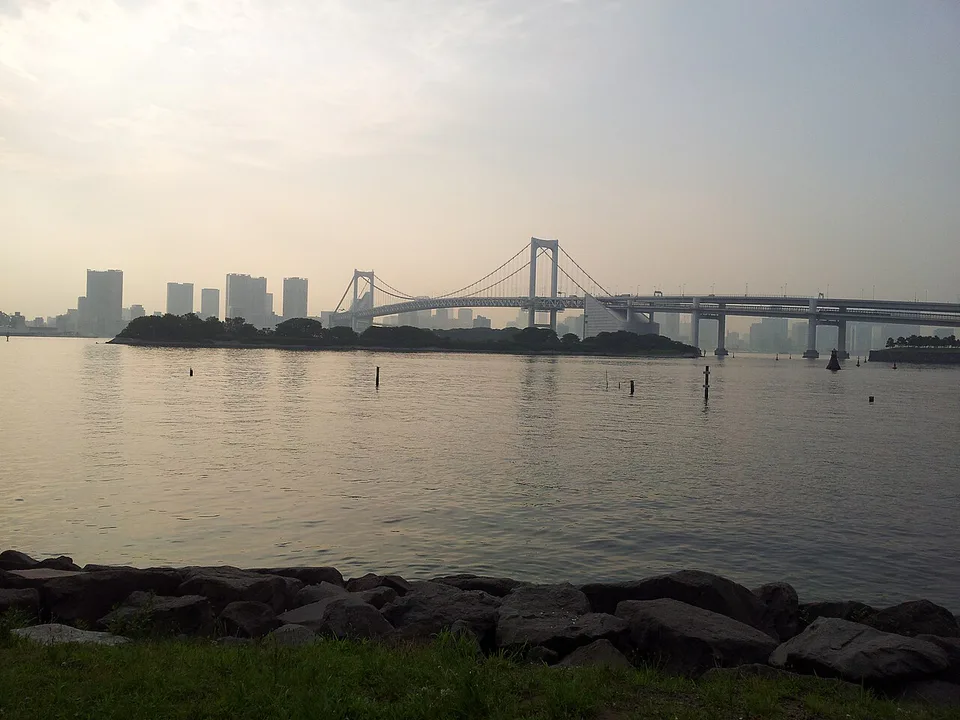
Meiji Jingu officially charges no admission fee for the shrine itself. It estimates roughly one hour for a shrine-only visit, opens at sunrise and closes at sunset, with monthly opening times. Some facilities such as the museum cost extra.
The important hidden constraint is luggage: Meiji Jingu says there is no suitcase storage inside the shrine grounds. That lowers the route score sharply on hotel-change day. On a normal Harajuku/Shibuya morning with a day bag, it is almost the ideal free anchor.
Imperial Palace East Gardens: genuinely free, but the calendar can turn ¥0 into zero access
The East Gardens are free to enter. The Imperial Household Agency currently lists regular closures on Mondays and Fridays, with national-holiday exceptions and follow-on rules, plus December 28–January 3 and occasional Imperial Court closures. Seasonal hours change through the year.
Baggage inspection is conducted at the entrance, and the agency recommends bringing minimal personal effects and leaving luggage at a hotel or station locker. This makes the gardens excellent on a normal Tokyo Station/Marunouchi day and much worse as a checkout-day improvisation with large bags.
Ueno: the ¥630 museum is where I would deliberately break the free rule
Ueno Park itself is free, which makes it a strong flexible base. But a wet or dangerously hot afternoon is exactly when “free outdoor sightseeing” can become false economy.
The National Museum of Nature and Science currently charges ¥630 (about US$4.00) for the permanent exhibitions for general and university visitors; high-school students and younger are free. Current regular hours are 09:00–17:00, and the museum is normally closed Mondays with holiday exceptions.
ValueNavi’s rule here is simple: if ¥630 buys two or three useful indoor hours that rescue a bad-weather Ueno day, pay it. A budget is not improved by spending ¥0 on an experience you no longer want.
Odaiba: Tokyo Aqua Symphony is a strong add-on and a weak standalone mission
Tokyo Aqua Symphony opened at Odaiba Marine Park on March 28, 2026. GO TOKYO lists it as free with no reservation required. Performances run through the afternoon/evening, but exact times and programs can change with weather and season, so check the current schedule.
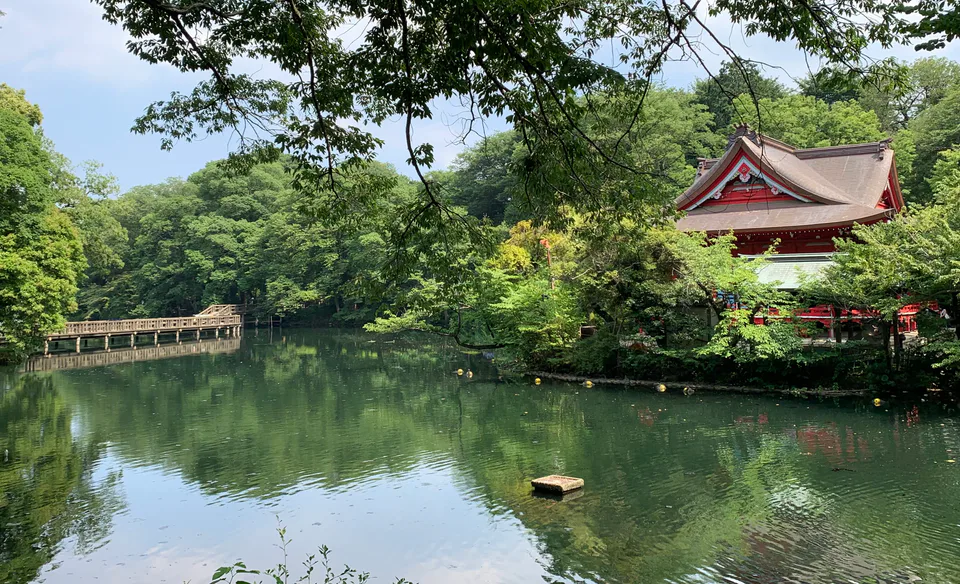
If Day 5 already contains Toyosu, teamLab or Odaiba, staying for the fountain and Rainbow Bridge views is excellent marginal value. If your only reason to cross Tokyo Bay is “the show is free,” add the Yurikamome/Rinkai travel and time to the Free Detour Tax first.
Kichijoji and Inokashira Park: the neighbourhood must be the attraction
Inokashira Park works when Kichijoji itself is part of the half-day: lakeside walking, shopping streets, cafés and Harmonica Yokocho. It is a poor use of a first Tokyo week if you travel from Ueno or Asakusa solely because a list labelled it “one of Tokyo’s best free parks.”
Use the Kichijoji half-day route if the neighbourhood itself appeals to you.
Markets: free entry has the highest cash-leakage risk
Tsukiji Outer Market, Kappabashi and Ameyoko do not need an attraction ticket, but that does not make them zero-cost experiences.
Tsukiji: visit because you want food. Set a food budget before arrival instead of calling every purchase an exception.
Kappabashi: excellent for cookware, knives, tableware and food-sample interest; weak as a detour for somebody who does not care about any of those things.
Ameyoko: strongest as the end of Ueno, not a standalone mission. Its value is the location, food and street energy.
This is why cash-leakage control is part of the Free-Stop Efficiency Score. “No admission” and “low-cost stop” are not synonyms.
Four free-heavy Tokyo route skeletons
↔ Scroll table left or right
Region | Zero-ticket skeleton | Best paid upgrade |
East | Senso-ji → Kappabashi → Ueno Park → Ameyoko | A museum when culture or weather justifies it |
West | Meiji Jingu → Harajuku/Shibuya streets → Shinjuku → TMG observatory | SHIBUYA SKY only if the rooftop/sunset is the actual goal |
Central | Imperial Palace East Gardens → Marunouchi → Tokyo Station → Ginza | A museum/exhibition you specifically want |
Bay | Odaiba waterfront → Rainbow Bridge views → Tokyo Aqua Symphony | teamLab when immersive art is a priority |
These are route skeletons, not checklists. If one free stop is closed, crowded or no longer interesting, delete it rather than replacing it with a cross-city journey.
When should you deliberately pay?
↔ Scroll table left or right
You want... | Free option | Pay when... |
A skyline | TMG observatory / Asakusa terrace | Outdoor rooftop, sunset or a specific landmark composition is important |
Ueno culture | Park and streets | Heat/rain or genuine museum interest makes ¥630–¥1,000 indoor time more valuable |
West Tokyo greenery | Meiji Jingu | A paid garden/museum itself is the reason, not because “there is still budget” |
Bay-area evening | Odaiba + Aqua Symphony | teamLab or another paid experience is a real trip priority |
A good budget itinerary uses free sights to remove mediocre paid attractions. It does not remove the one experience you would regret missing.
Final verdict
Do not build a Tokyo trip around the word “free.” Build each day around one region, then use free sights to improve that region without adding another clock or another cross-city move. Meiji Jingu, Senso-ji, TMG, the East Gardens and Odaiba’s waterfront are excellent because they are easy to attach to days you already need.
The ValueNavi test is: after adding transport time and likely spending, is the attraction still saving both money and trip capacity? If not, ¥0 admission is marketing math rather than travel value.
References
Tokyo Metropolitan Government — observatory admission and closure guidance
Bunkyo City — Civic Center observation-lounge renovation status
Meiji Jingu — visit time, museum fees and suitcase-storage FAQ
Imperial Household Agency — East Gardens admission, closures, hours and baggage rules
National Museum of Nature and Science — current permanent-exhibition admission and hours
Operational information checked August 26, 2026. Approximate USD conversions use about ¥1 = US$0.00629; current JPY prices remain the reference.