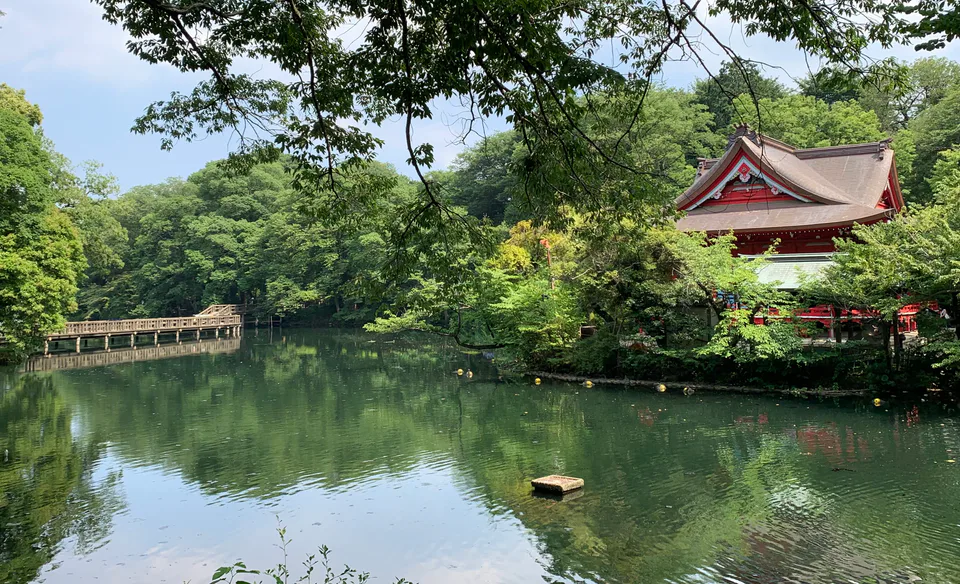
Kichijoji works best as a four- to six-hour Tokyo detour, not as a full sightseeing day. Start at Inokashira Park, return through the station for Nakamichi-dori, then finish around Harmonica Yokocho as the area shifts toward dinner. If this is your first Tokyo trip, Kichijoji makes most sense once your core days are already allocated in 3, 4 or 5 Days in Tokyo.
Choose four hours for a compact walk; six hours if dinner matters
4 hours: pond, Benzaiten if open, a short Nakamichi-dori browse and one circuit of Harmonica Yokocho.
5–6 hours: add a 30-minute boat ride, café stop or dinner without rushing the north side.
If you are choosing a Tokyo base before deciding whether Kichijoji is convenient, use Where to Stay in Tokyo for First-Time Visitors. Kichijoji is particularly easy to add from west-side bases such as Shinjuku or Shibuya.
Why Kichijoji Station is the right hinge for this route
Kichijoji Station links JR Chuo services with the Keio Inokashira Line, so the same station connects the park south of the tracks with the shopping and evening streets to the north. That makes the route cleaner than treating Inokashira Park and Harmonica Yokocho as separate destinations. If you are still deciding between west-Tokyo hotel bases, the Shinjuku vs Shibuya comparison shows which base better fits this kind of half-day detour.
The park does not require a full circuit
For a half-day, Nanai Bridge, the main pond shore and Benzaiten are enough. The wider park is pleasant, but covering every path adds walking without improving the decision value of the route. Main paved paths are easier for strollers and wheelchairs; smaller side paths can be rougher or steeper.
A short Kichijoji afternoon also works well as a contrast to denser central-Tokyo sightseeing. If you are comparing east and west Tokyo as bases, Ueno vs Shinjuku is more useful than choosing hotels only by room price.
A boat ride is optional, but it changes the timetable
The current official boat schedule lists rowboats at ¥800 per 30 minutes and cycle or swan boats at ¥1,000 per 30 minutes. From April through September, normal hours run to 5:50 p.m. with final reception at 4:50 p.m.; part of August extends later. Weather and operational conditions can still suspend service, so treat the boat as an optional layer rather than the reason the half-day succeeds.
If you arrive late, walking the pond is usually the better trade-off because the boat can compete with Benzaiten’s earlier closing time. That same ‘protect the fixed part, flex the optional part’ approach is useful across the Japan rainy-day itinerary guide.
Benzaiten creates the only real clock pressure
Inokashira Benzaiten sits on a small island and closes earlier than the neighbourhood’s evening activity begins. If visiting the shrine matters, place it before the boat or immediately after Nanai Bridge. If not, accept the closed gate and use the late afternoon for the pond and shaded paths.
Pair this with: Miraikan Grand Antarctica Exhibition if you want a completely indoor half-day alternative; Kichijoji and Odaiba are better treated as separate plans, not squeezed into one day.
The station-side shopping streets are a transition, not another sightseeing checklist
Cross back through Kichijoji Station and spend as little or as much time as you want around Nakamichi-dori. The point is not to complete a list of shops; it is to let the scale tighten gradually before Harmonica Yokocho. Large luggage works badly here, so if Kichijoji falls between hotels, use the Japan luggage forwarding guide rather than dragging a suitcase through the park and narrow lanes.
Rain should shorten the route, not cancel it
Light rain still works for the main pond and shopping streets. Heavy rain, lightning or strong wind make boats and rougher side paths poor choices, so contract the park portion and move earlier to indoor stops. If the weather problem affects the whole Tokyo day, the Miraikan half-day plan or Toyosu Manyo Club gives you a more weather-proof alternative.
Harmonica Yokocho is better after the daytime retail shift
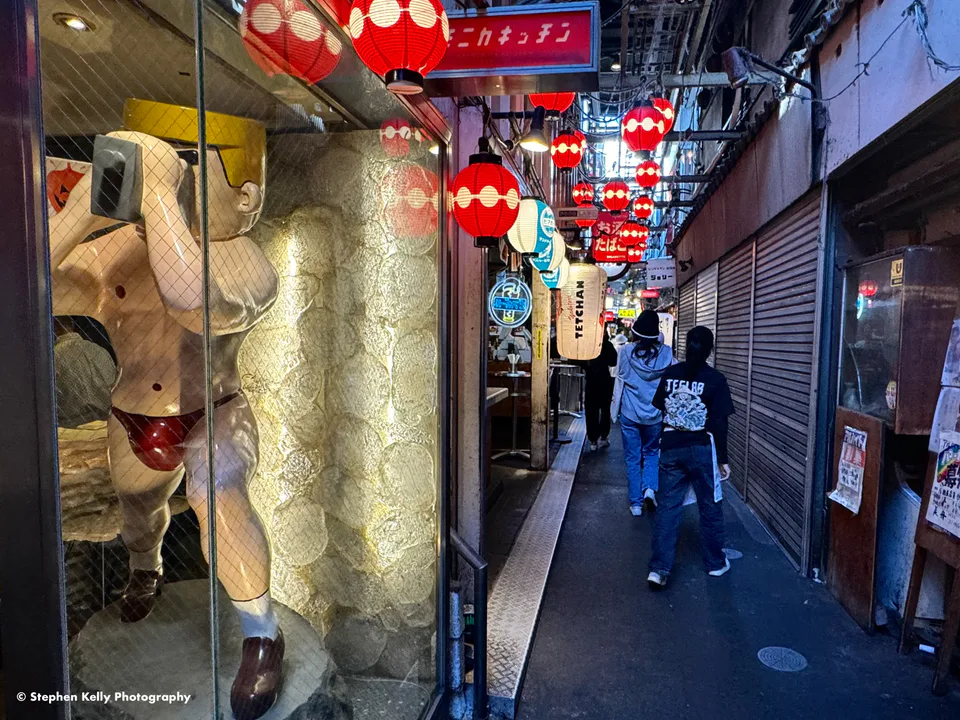
Harmonica Yokocho sits directly outside Kichijoji Station’s north exit. The local tourism organization describes roughly 100 small businesses in the compact lanes, with fish sellers, florists and wagashi shops active by day and more restaurants and izakaya taking over the visual attention at night. That makes early evening the better finish if dinner is part of the plan.
Harmonica Yokocho compresses shops and pedestrian space into a few narrow passages. Photo: Stephen Kelly / Wikimedia Commons, CC BY 2.0.
Solo travellers and pairs fit the tiny interiors more easily than large groups. If your Tokyo evenings are a major reason for choosing a hotel area, compare Shinjuku and Shibuya before assuming Kichijoji needs to be your accommodation base.
How to fit Kichijoji into a first Tokyo trip
Use Kichijoji when you already have the core Tokyo districts covered and want one slower neighbourhood block. If you only have three days, central Tokyo usually deserves the time first. With four or five days, Kichijoji is easier to justify, especially from a west-side hotel. The broader Tokyo first-timer area guide and Tokyo stay-length guide should decide that before this half-day route does.
If your next evening is outside central Tokyo, the Yokohama night walk works better as a separate outing rather than an extension after Kichijoji.
Final verdict
Choose Kichijoji for a half-day when you want one route that shifts from park to shopping streets to an evening food alley without another long transfer. Four hours is enough when the boat is optional; six hours is better when dinner is part of the point. Skip it on a very short first Tokyo trip if it would replace the districts you actually travelled to Japan to see.
Nara Prison Museum: How to Plan Tickets, the Direct Bus and a Half-Day Visit
Marine World Uminonakamichi: The ¥2,500 Ticket Is Cheaper Than the Half-Day
ANA InterContinental Manza Beach Resort: Is 32m² Worth Giving the Resort Half a Day?
Miyajima Momijidani Park: Is Mt. Misen Worth Adding in Autumn?