
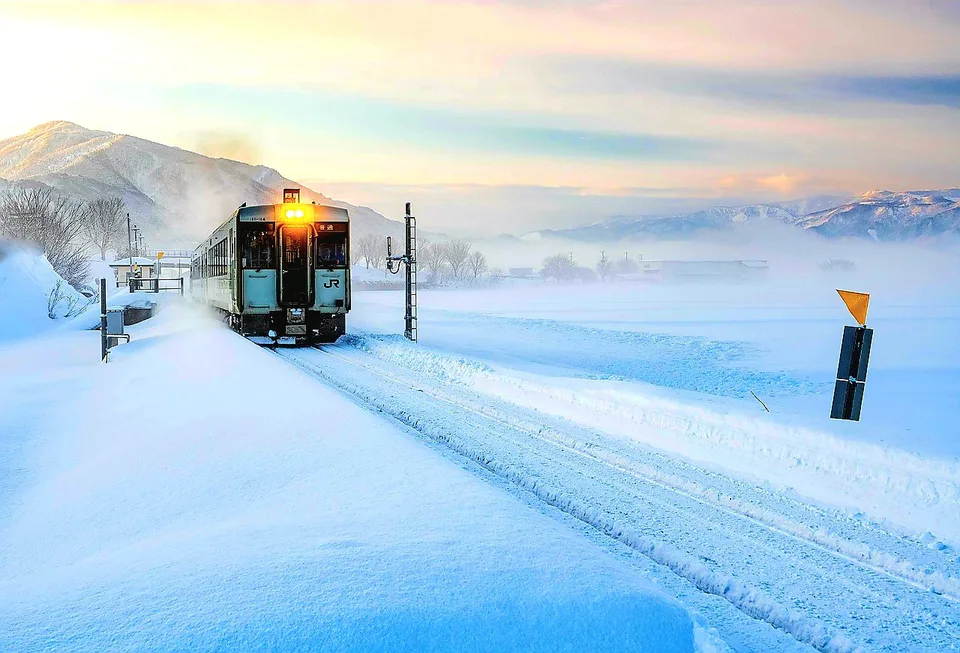
Hokkaido without a car is realistic in winter when the seven-day route stays on strong rail corridors and avoids too many distant rural bases.
A realistic seven-day Hokkaido winter trip without a car should be smaller than the map makes you want. My default is New Chitose Airport → Sapporo for three nights, with Otaru as a day trip → one night in Noboribetsu Onsen → two nights in Hakodate. The route works because every long move follows a strong rail corridor and every hotel change has a job. It is strongest as an open-jaw trip that ends in Hakodate or continues south; if your flight home is from New Chitose, shorten the geography rather than spending the final day undoing the route.
If seven days itself is not settled, compare 5, 7 or 10 days in Hokkaido first. If the whole trip is still being divided by region rather than by transport logic, use the Hokkaido itinerary planner. This page assumes seven winter days and answers the narrower question: what route remains coherent when you do not want to drive on snow and ice?
Hokkaido without a car: the 30-second route
↔ Scroll table left or right
Day | Sleep | Plan | Why it works car-free |
1 | Sapporo | New Chitose → Sapporo | Direct airport rail; unpack once |
2 | Sapporo | Full Sapporo day | No long transfer |
3 | Sapporo | Otaru day trip | Short rail branch; no new hotel |
4 | Noboribetsu Onsen | Sapporo → Noboribetsu | Hotel change buys a real ryokan/onsen night |
5 | Hakodate | Noboribetsu → Hakodate | Continue south instead of backtracking |
6 | Hakodate | Full Hakodate day | Tram/bus city day |
7 | — | Depart Hakodate / continue south | Avoid a final-day reversal |
The route works because it follows one transport spine
The New Chitose–Sapporo–Otaru side is exactly where public transport is strongest. That is why I would protect three Sapporo nights rather than moving the suitcase to Otaru for a normal first visit. If you are unsure whether three nights is too much, the 2-, 3- or 4-night Sapporo guide shows what the third and fourth nights actually buy. Once Sapporo is fixed, the Sapporo-area hotel guide should decide whether station access or evening location matters more.
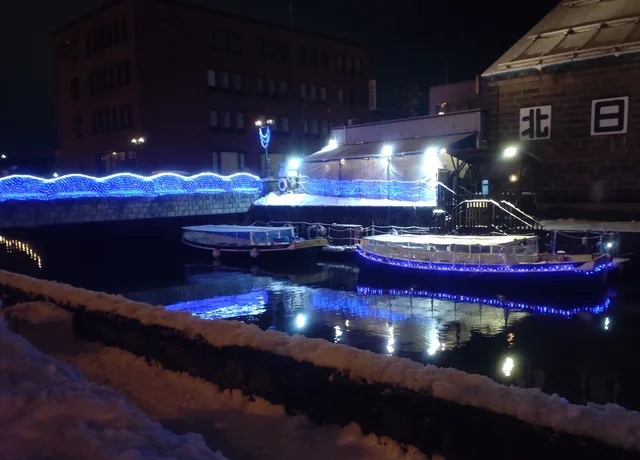
Otaru belongs on a day-trip branch unless the evening canal, early market or an onward western-Hokkaido route has enough value to justify another checkout. Use the Otaru day trip vs overnight guide before turning a short rail ride into a hotel move.
Day 1: go to Sapporo unless the late arrival makes the connection fragile
A good car-free trip avoids a disposable first hotel night. If immigration, baggage and the airport train still leave a comfortable margin, go straight to the three-night base. If the plan depends on everything running perfectly, use the late-arrival New Chitose guide instead. The point is to protect sleep without inventing a morning transfer you did not need.
Noboribetsu is worth the hotel change only when the onsen night is the product
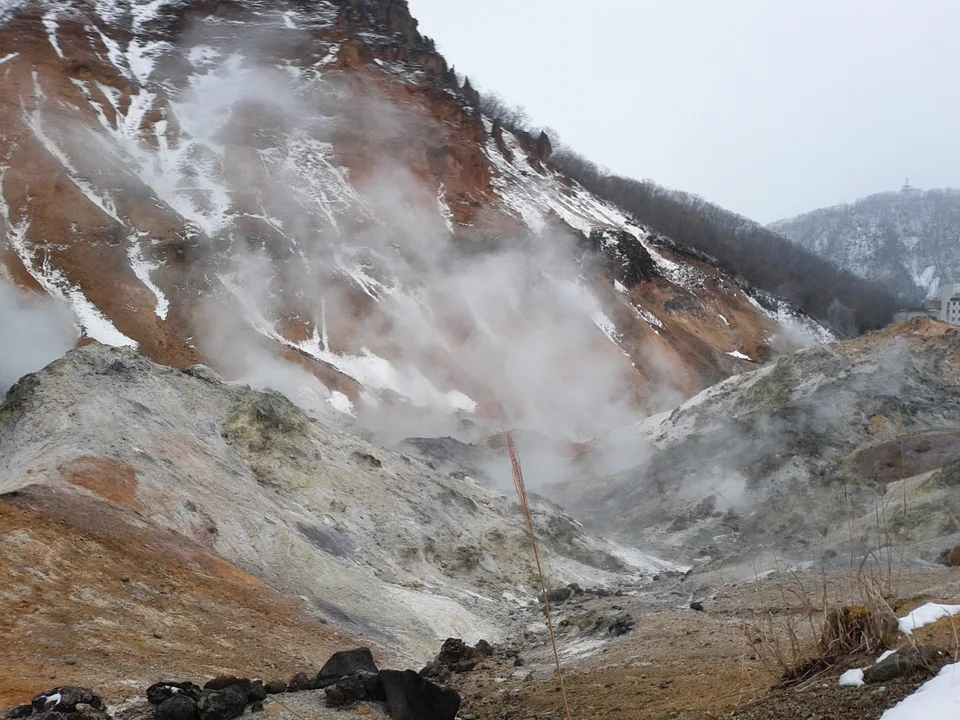
JR reaches Noboribetsu, but the station is not the onsen district. You still need the last local bus, shuttle or taxi to work. That extra layer is worthwhile when you want a ryokan dinner, repeated bathing and Hell Valley rather than a quick stop. If you mainly want one soak while retaining the Sapporo base, compare Noboribetsu vs Jozankei. Jozankei is easier to bolt onto Sapporo; Noboribetsu is stronger when the trip is already moving south.
Pair this with
If skiing may replace the southbound half, compare skiing from Sapporo vs moving to a resort and Sapporo Teine vs Sapporo Kokusai. If skiing becomes a dedicated multi-night block, Niseko vs Rusutsu is the more useful resort-level decision.
Hakodate works only when the exit plan keeps the route linear
Hakodate makes sense because the city itself is easy to use without a car once the limited express arrives: tram and bus lines handle the main sightseeing areas. A two-night stay also gives the long southbound transfer enough payoff. If you want a station-area hotel with a defined access strategy, the Hakodate Kokusai Hotel guide is one hotel-level next step; do not pick the hotel before deciding whether Hakodate belongs in the route at all.
The route fails when Day 7 becomes Hakodate → Sapporo → New Chitose simply because the flight was booked as a round trip. If New Chitose is fixed, keep the route tighter and use the saved night for Sapporo, Jozankei or a ski branch instead of collecting Hakodate as another city name.
If skiing is the point, replace the southbound route instead of adding it on top
Niseko can be car-free, but it belongs in a different seven-day trip. Start with the New Chitose to Niseko transport guide and then compare Niseko vs Furano. A three- or four-night resort block deserves to replace Hakodate or Noboribetsu, not sit between them.
Furano and Biei are reachable by rail, but the last mile decides whether the plan is really car-free
Reaching Furano or Biei Station is not the same as reaching Blue Pond, Shirogane, a ski lesson or a rural viewpoint. If central Hokkaido is the priority, compare Furano vs Biei for the overnight and, for a ski trip, Furano Zone vs Kitanomine before booking. The hotel must match the bus, shuttle, taxi or lesson meeting point that solves the last mile.
Do not buy a rail pass just because the trip lasts seven days
A seven-day calendar does not prove that a seven-day rail pass is cheaper. Price the actual airport, Otaru, Noboribetsu and Hakodate legs first, then compare the current JR Hokkaido pass. A pass should follow the itinerary; the itinerary should not add mileage or backtracking just to make the pass look economical.
The same principle applies to luggage. If the route is becoming difficult because every hotel change carries a large suitcase through snow, use the Japan luggage-forwarding guide rather than deleting a good overnight purely to avoid carrying bags.
Rail reduces driving risk; it does not remove winter disruption
The benefit of this route is concentration: major rail corridors carry the long moves, while seasonal buses and mountain transfers are limited to the places where they add real value. Keep arrival days light, avoid a fixed non-refundable activity immediately after a long winter transfer, and treat the last mile as the part that needs the freshest timetable check.
Final verdict: Hokkaido without a car works when the route is shaped for public transport
For a first winter visit, three Sapporo nights with Otaru as a day trip, one purposeful Noboribetsu overnight and two Hakodate nights is realistic when the trip can finish in Hakodate or continue south. If New Chitose is the mandatory exit, shorten the geographic spread. If skiing is the priority, replace the southern half with a proper resort block. The car-free trip succeeds by deleting weak transfers, not by proving that every famous Hokkaido stop is technically reachable.
Hiroshima One-Day Itinerary: Peace Park, Castle and Shukkeien
5- or 7-Day Kyushu Autumn Leaves Itinerary: Fukuoka, Yufuin, Beppu and Mountain Routes
Osaka for Couples: A 7-Day Itinerary That Saves the Best Nights for Kyoto, Kobe and One Big View
Mito or Oarai Without a Car: Where to Base an Ibaraki Overnight
References
JR Hokkaido — New Chitose Airport access and rail-pass/reservation information · Noboribetsu International Tourism & Convention Association — access to the onsen district · Hakodate official tourism — intercity access and local tram/bus transport. Seasonal buses, resort transfers and hotel shuttles can change; recheck the current operating date before travel.