
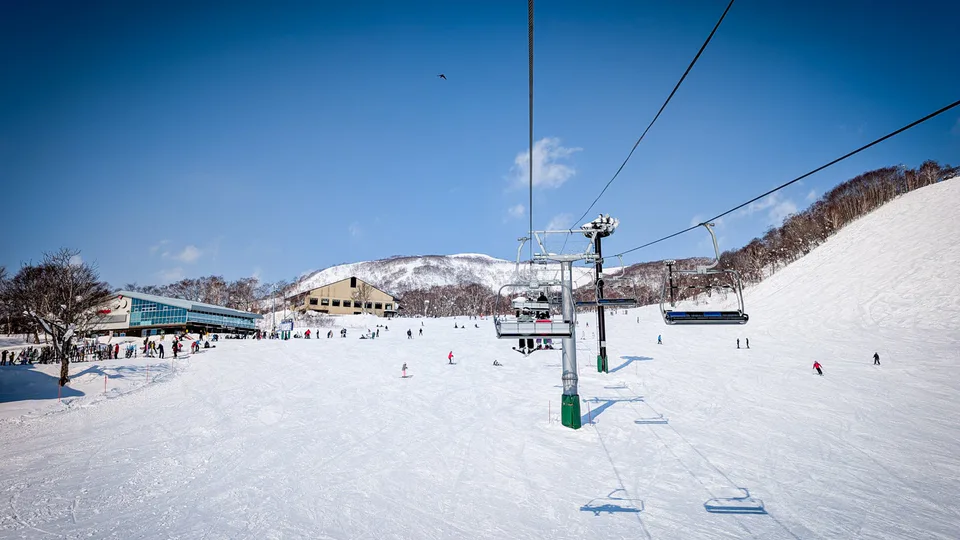
Choose Niseko when the ski block is long enough to use a four-area resort ecosystem, or when restaurants, après-ski and non-ski choice need to keep a mixed group happy. Choose Furano when skiing is the main job, you want a simpler two-zone mountain or the wider route continues through Biei and Asahikawa. For only two ski days, Furano remains my default ski-first choice; at four or more serious ski days, Niseko’s extra terrain and confirmed 2026–27 night-ski window become easier to justify.
One transport assumption now needs updating. Since August 10, 2026, Furano has a new year-round direct bus from New Chitose Airport. The current service runs four airport departures per day, takes roughly two hours in normal conditions and stops at Furano Station, Kisen in the Kitanomine area and New Furano Prince Hotel. That means “Niseko is much easier from New Chitose” is no longer a safe blanket argument. Airport access has become a much closer comparison; the bigger differences now sit in ski-day count, resort complexity, hotel-to-lift friction and what the rest of Hokkaido trip is doing.
↔ Scroll table left or right
Your actual ski block | Start with | Why | What can reverse it |
2 ski days, ski-first trip | Furano | One two-zone mountain is easier to learn quickly, and direct CTS access now reaches both major ski-side hotel areas | The group wants Niseko nightlife, non-ski activities or a specific Niseko property |
3–4 ski days, mixed abilities/interests | Niseko | Four resort areas create more terrain and base-area options | Everyone mainly wants simple ski mornings and central-Hokkaido routing |
4–6 ski days, resort holiday | Niseko gets stronger | More days let the larger ecosystem pay back through variety and a confirmed night-ski window | You prefer repeating a simpler mountain and do not value the larger village ecosystem |
Beginner family wanting one meeting point | Furano often gets stronger | Less resort geography can reduce lesson/rental coordination | Non-ski family members need more restaurants and activity choice |
Trip continues to Biei / Asahikawa | Furano | The ski stay advances the route instead of creating a western detour | Niseko itself is the main holiday goal |
Sapporo / Otaru-led trip | Niseko gets stronger | Western-Hokkaido geography still fits more naturally | You fly directly into Furano and continue east/north afterward |
The first decision is ski-day count, not resort fame
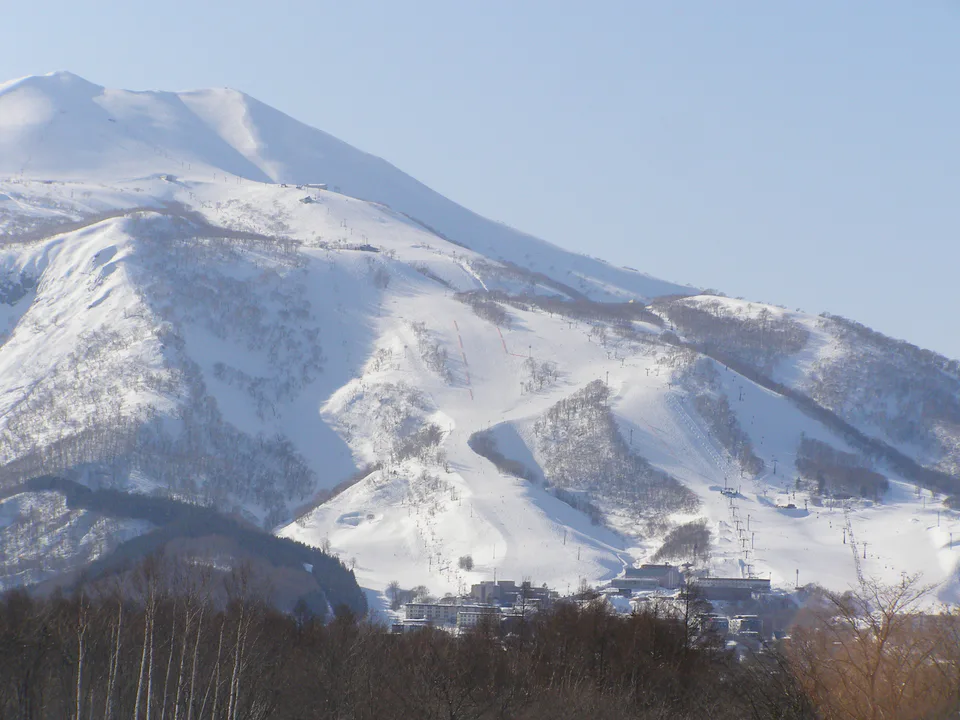
Niseko United combines Grand Hirafu, HANAZONO, Niseko Village and Annupuri. The scale is useful when you have enough days to explore different sectors, react to lift/weather conditions or split a mixed-ability group. It is overhead when you only have two mornings and spend part of the first day learning which base, lift and shuttle logic the group should use.
Furano is structurally simpler. The official resort divides the mountain into Furano Zone and Kitanomine Zone, connected near the top, with one mountain pass. You still need to choose the correct hotel side, but there are fewer large-scale decisions to repeat.
My planning threshold remains:
Two ski days: simplicity has unusually high value; Furano often wins.
Three or four days: group profile matters more than raw resort size.
Five or more days: Niseko’s larger ecosystem becomes easier to justify because the variety can actually be used.
This is editorial analysis, not a resort rule. A strong skier who enjoys repeating familiar terrain can choose Furano for five days; a family specifically wanting Hirafu may choose Niseko for two.
New Chitose Airport access is now a real head-to-head, not an automatic Niseko win
Furano Tourism Association says Bus Gori Liner Furano began year-round operation on August 10, 2026. The current timetable lists four New Chitose Airport departures at 10:30, 11:45, 14:30 and 17:30, reaching Furano roughly two hours later. Furano-side stops include the station area, Kisen in Kitanomine and New Furano Prince Hotel. The adult fare is currently JPY 5,000.
This is important because those stops line up with the actual ski-base decision. A Kitanomine hotel and a Furano Zone/New Prince hotel can now receive an airport transfer without first routing through Sapporo or another hub.
Niseko also has direct airport transport. White Liner’s current 2026–27 timetable runs direct from New Chitose Domestic Terminal to Hirafu Welcome Center in about 2 hours 30 minutes on published services. The regular adult fare is JPY 7,000 one way; an August booking promotion currently lowers that to JPY 5,250 through August 31, subject to the operator’s conditions.
The useful comparison is therefore no longer “direct bus versus no direct bus.” It is:
flight arrival time
+ next workable direct departure
+ travel time
+ how close the resort stop is to the actual hotel
Furano can now be the simpler airport product for some flight times and hotels. Niseko can still win when the White Liner departure fits the flight better or the Hirafu last mile is easier. Check the actual connection rather than awarding either resort a permanent airport-access point.
The new Furano bus narrows one uncertainty but does not solve every winter transport layer
The year-round airport bus is confirmed, but Furano’s internal winter ski transport is a separate product. As of August 25, the tourism association’s published morning ski shuttle and evening shuttle pages still describe the 2025–26 winter operation rather than a complete 2026–27 timetable.
That distinction matters. A traveller can now book a credible airport-to-Kitanomine or airport-to-New-Prince arrival while still lacking the final new-season timetable for repeated town ↔ ski-area movements. If your hotel is slope-side, that uncertainty may barely matter. If you plan to stay by JR Furano Station and commute to the mountain every morning, wait for the 2026–27 internal bus layer before treating a cheap town hotel as the clear winner.
This is a more precise booking rule than “Furano transport is not published.” The airport layer is now published; the repeated ski-day layer is not fully refreshed yet.
Niseko’s 2026–27 premium is partly an option-value purchase
Niseko United has published its 2026–27 framework. Grand Hirafu and Annupuri are currently scheduled November 28, 2026 to May 5, 2027; Niseko Village to April 4 and HANAZONO to April 11. Night skiing is scheduled December 12, 2026 to March 22, 2027.
The adult Peak All Mountain price is currently JPY 13,500 for one day, JPY 39,500 for three consecutive days and JPY 52,500 for four. The important question is not whether those numbers look expensive in isolation. You are buying the option to use four resort areas and, during the night-ski window, additional operating hours.
On a five-day stay, that option can be valuable. On a two-day stay where both days remain in one local sector, much of the wider network may never be used. Count expected resort changes, night-ski sessions and group splits before paying for theoretical variety.
Furano’s 2026–27 lift-price comparison is still incomplete
As of August 25, Niseko United has published matching new-season operating dates and prices. Furano’s official winter site remains useful for mountain structure and facilities, but the public ticket information still carries previous-season references rather than a fully comparable 2026–27 price table.
Do not compare a 2026–27 Niseko ticket with a 2025–26 Furano ticket and call either resort the cost winner. The new direct airport bus is current 2026 information; the lift-price comparison still needs the new Furano season.
If Furano already wins because of route, mountain simplicity or hotel fit, book accommodation with cancellation terms you can accept and wait for the missing transport/pass layers before locking the entire trip. Choose the resort architecture now; choose the precise cost winner only when both seasons match.
Hotel-to-lift friction matters more than the resort name
A Hirafu hotel and an Annupuri hotel can both say “Niseko” while producing different ski mornings and evenings. If Niseko wins, the next decision is Hirafu vs HANAZONO vs Annupuri vs Niseko Village, not a generic hotel ranking.
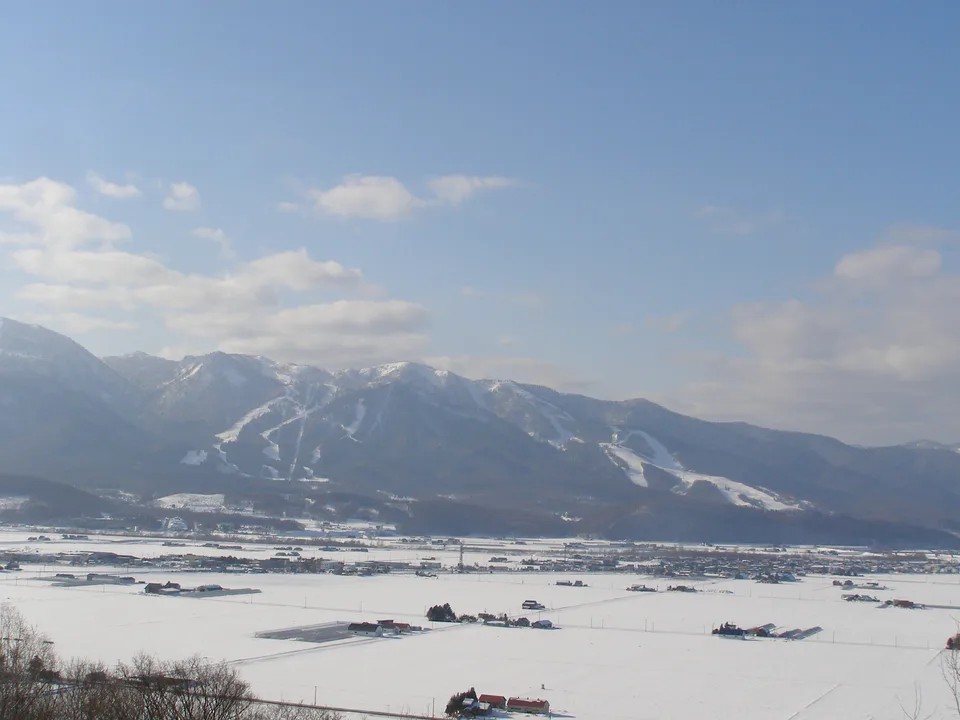
Furano hides a smaller version of the same issue. Furano Tourism currently puts JR Furano Station roughly 10 minutes by car/bus from Kitanomine and about 15 minutes by car or roughly 18 minutes by bus from Furano Zone / Shin Furano Prince Hotel. The new airport bus can deliver you directly to Kisen/Kitanomine or New Furano Prince, but that does not make every town hotel slope-side.
Use this calculation:
hotel premium
vs
(number of ski mornings + ski-day returns) × repeated transfer friction
For two ski days, a cheaper town base can be tolerable. Across five mornings, paying more for the correct slope-side base can become one of the most useful upgrades in the trip.
Beginners should buy coordination, not maximum trail choice
Both destinations offer English-language instruction. That alone should not decide the resort.
The more useful beginner question is how many morning hand-offs the group needs: breakfast → rental → lesson meeting point → lift → lunch → family reunion. Furano gets stronger when everyone can use one compact resort-side setup. Niseko gets stronger when the group deliberately wants different schools, terrain and non-ski choices and is willing to coordinate them.
If Niseko wins, use the Niseko lift pass, rental and lesson guide. If Furano wins, compare Furano Zone vs Kitanomine around the actual lesson/rental location.
Mixed groups are where Niseko earns its premium fastest
A ski holiday can fail even when the skiing is excellent if only half the group wants to ski all day. Niseko’s larger concentration of restaurants, lodging styles, non-ski activities and resort areas gives a mixed party more ways to separate and reunite.
Furano still has Snowland, Ningle Terrace, Furano town and hotel facilities, but the pieces are more distributed and the après ecosystem is smaller. For a couple where one person skis aggressively and the other wants a broader resort holiday, Niseko remains easier to defend.
The answer reverses when everyone came mainly to ski. Then the extra village choice can become something you pay for but barely use.
Night skiing can turn the hotel into a longer-use ski base
Niseko United currently schedules night skiing from December 12, 2026 through March 22, 2027. That can create useful extra sessions after a late start, long lunch or lesson.
Furano has operated night skiing in recent winters, but the next-season details should be checked when the 2026–27 winter product is fully published. Do not use a previous-year closing time to justify a hotel premium today.
Count night skiing only if your party will use it. A family that stops at 15:30 for dinner gets no value from an operating lift after dark.
The rest of Hokkaido can still decide the resort before skiing does
The new direct airport bus makes Furano easier to start or finish directly from New Chitose, but it does not erase Hokkaido geography. Niseko still fits naturally with Sapporo/Otaru. Furano remains the more coherent ski block when Biei and Asahikawa are next.
Use this routing test:
New Chitose → ski → Biei/Asahikawa: Furano is now especially strong because the airport transfer no longer requires a Sapporo detour.
Sapporo/Otaru → ski → Sapporo: Niseko remains the natural western-Hokkaido fit.
2-night ski block inside a broad Hokkaido tour: route efficiency should carry heavy weight.
5+ ski nights where skiing is the main holiday: choose the resort ecosystem first and let route efficiency become secondary.
Use the Hokkaido winter itinerary before reserving a ski hotel that forces an unnecessary cross-island transfer.
Do not split a short ski trip between Niseko and Furano
A split means check-out, moving ski gear and luggage, another winter transfer, another rental/lesson setup and another mountain-learning morning. For a four-night ski block, two nights in each normally destroys too much usable ski time.
A split becomes more defensible only on a longer ski-focused trip where each resort receives at least three meaningful ski days and the transfer is already part of the wider Hokkaido route. The burden of proof should be on moving, not on staying put.
Red-team the choice before booking
Niseko stops being the obvious first-timer answer when the group is ski-first, only has two or three days, dislikes village complexity and the rest of the route is central Hokkaido.
Furano stops being the simplicity answer when non-skiers need a holiday too, the group wants a long ski block with changing terrain, or a town hotel creates daily transfer friction that a well-chosen Niseko base would avoid.
The airport no longer breaks the tie automatically. Both resorts now have direct New Chitose products. The tie should be broken by the flight-to-bus connection and the bus-stop-to-hotel final mile.
Final verdict
For two ski days and a ski-first central-Hokkaido trip, I would choose Furano. For four or more ski days, mixed interests or a resort holiday where après and non-ski choice matter, I would choose Niseko. For three days, let the hotel and morning chain decide.
The August 2026 transport update makes Furano materially easier than older comparisons suggest: New Chitose now has a year-round direct bus to Furano Station, Kitanomine and New Furano Prince Hotel. That removes one of Niseko’s traditional convenience advantages. But do not overcorrect: Furano’s 2026–27 lift-price and internal winter-shuttle layers are not yet as fully published as Niseko’s. Book the resort fit first, keep the still-uncertain layer flexible, and compare like-for-like new-season costs when they exist.
Okinawa Powered Paragliding vs Parasailing 2026: Which Short Flight Fits Your Trip?
Hotel WBF Grande Asahikawa: Is a 2-Minute Station Walk Worth It for a Northern Hokkaido Base?

References
Niseko United — 2026–27 operating dates, night skiing and lift-pass prices · White Liner — 2026–27 New Chitose ↔ Hirafu timetable · Furano Tourism Association — new year-round New Chitose Airport direct bus · Furano Tourism Association — previous winter town/ski shuttle publication · Furano Ski Resort — mountain structure and current winter information. Checked August 25, 2026. Lift prices, winter shuttles and operating dates can change; verify the exact 2026–27 travel date before payment.