
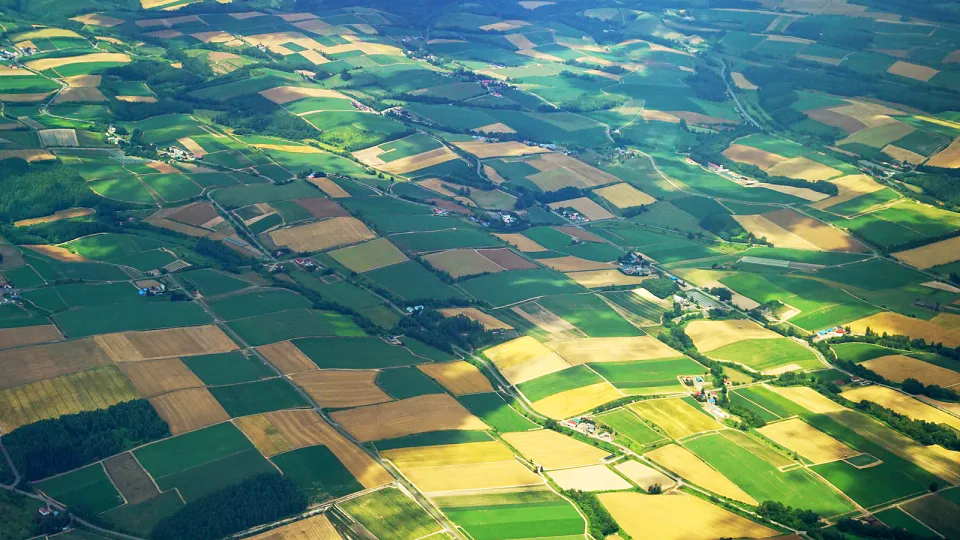
Do not build a Hokkaido itinerary by choosing Sapporo first and adding distant highlights until the calendar is full. Choose the seasonal reason for the trip first, then choose the region and airport that serve it. A July flower trip should lean toward Furano, Biei and Asahikawa; an early-September foliage trip can justify Daisetsuzan before Sapporo has meaningful autumn colour; a late-January-to-March drift-ice trip belongs in Eastern Hokkaido; and a ski trip should be built around the resort rather than around how many sightseeing cities fit beside it.
The island is large enough that bad routing can consume a day without looking dramatic on a map. Hokkaido’s official tourism site currently gives Sapporo–Hakodate at about 3 hours 45–56 minutes by limited express, while Abashiri–Furano via Asahikawa is about 4 hours 48 minutes to 5 hours 6 minutes. Those are not “small transfers between attractions.” Once station access, checkout and the next hotel are included, they are itinerary blocks.
↔ Scroll table left or right
Your trip trigger | Region to protect first | Airport/base logic | What not to force into the same short trip |
July lavender and flower fields | Furano / Biei / Asahikawa | Asahikawa Airport or Asahikawa/Furano base becomes more valuable than repeated Sapporo day trips | Hakodate or far Eastern Hokkaido in a 5-day trip |
Late Aug–Sep alpine autumn | Daisetsuzan / Asahidake / Sounkyo | Asahikawa-side access; build around mountain weather and ropeway days | A city-autumn itinerary copied from Sapporo dates |
Late Jan–Mar drift ice | Abashiri / Shiretoko / Okhotsk | Memanbetsu or another Eastern Hokkaido gateway; use the seasonal activity as the anchor | Niseko plus Eastern Hokkaido inside a rushed 5-day plan |
Ski / snowboard holiday | Niseko or the chosen resort | Resort-first nights; transfer in once, stay long enough to absorb weather | Daily sightseeing loops back to Sapporo |
First Hokkaido city trip | Sapporo / Otaru | New Chitose + one Sapporo base is the lowest-friction default | Hakodate, Furano and Eastern Hokkaido merely because they are all “in Hokkaido” |
Season is not decoration — it decides which region deserves the scarce nights
The original planning mistake is treating season as a packing question. In Hokkaido it can change the destination itself.
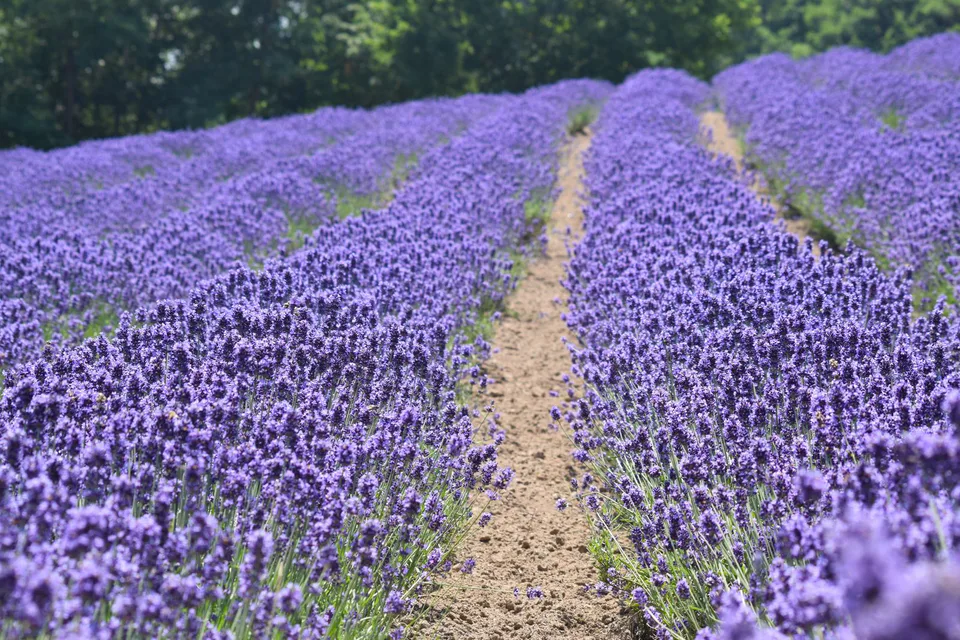
Summer flower trip: Hokkaido’s official tourism site says Farm Tomita’s lavender generally runs from late June to early August and describes early-to-mid July as the main full-bloom period in its Asahikawa-Airport sample itinerary. Hokuseiyama in Nakafurano is especially lavender-led from mid-July into August. If lavender is the reason for flying north, Sapporo should not automatically receive the majority of the hotel nights.
Early autumn trip: Mt. Asahidake can begin showing Japan’s earliest autumn colour from late August, with the Sugatami area turning from early September and Ginsendai typically peaking into mid-to-late September. That can be weeks earlier than a traveller mentally associates with urban autumn. A September trip built around Daisetsuzan is therefore a northern/mountain itinerary, not simply “Sapporo in autumn.”
Midwinter Eastern Hokkaido: the Abashiri Aurora icebreaker currently operates seasonally from late January to late March, and the official 2026 event listing ran January 20–March 31. This is a hard seasonal product. If drift ice is non-negotiable, build the route around Abashiri/Shiretoko and a useful eastern airport rather than treating the cruise as an optional Sapporo day trip.
The decision rule is simple: the shorter the seasonal window, the earlier that region should be locked into the itinerary. Sapporo can absorb many dates; lavender, alpine colour and drift ice cannot.
Three days: one region, not one island
With three days, the most resilient itinerary uses one arrival gateway and one hotel base or resort.
General first trip: New Chitose → Sapporo, with Otaru as the obvious satellite day.
July flowers: Asahikawa / Biei / Furano, ideally using Asahikawa Airport when flights work.
Ski trip: go to the resort and stay there; do not burn one of two useful ski mornings commuting from Sapporo.
Drift ice: Memanbetsu / Abashiri and one coherent Okhotsk block.
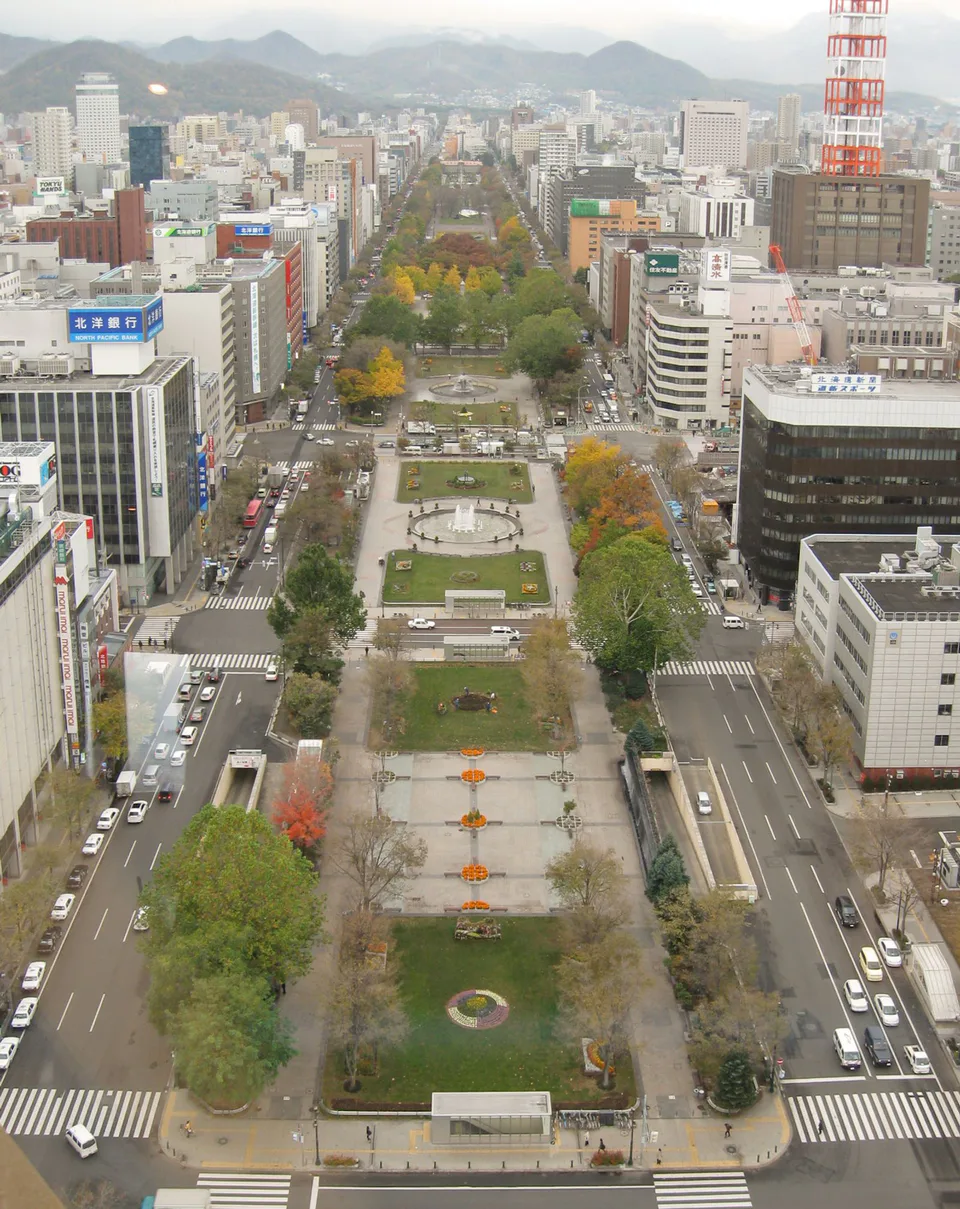
JR Hokkaido currently gives New Chitose Airport to Sapporo at as little as 33 minutes on the Rapid Airport. That is why Sapporo is such a strong generic first base. The mistake is assuming the same airport geometry makes Sapporo a strong base for every seasonal objective.
Five days: choose one anchor region plus one satellite, not three headlines
Five days is the danger zone because the route looks long enough to “add one more place” while still being short enough that every transfer matters.
I would use one of these structures:
City-first: Sapporo/Otaru + one onsen or snow region.
Summer landscape: Sapporo for 1–2 nights + Furano/Biei/Asahikawa for 2–3 nights.
Winter ski: Sapporo 1–2 nights + resort 3–4 nights.
Eastern winter: Abashiri/Shiretoko-focused trip using an eastern airport, with Sapporo omitted unless the flights naturally require it.
What I would not do is Sapporo + Hakodate + Furano/Biei in five days. Official transport examples put Sapporo–Hakodate at almost four hours and Sapporo–Furano at roughly 2 hours 35 minutes by rail via Asahikawa. The train is only part of the transfer; the hotel move turns those into two separate half-day taxes.
Seven days: two regions are comfortable; the third needs a job
Seven days can support two strong regions and sometimes a short third base. But the third base should eliminate a backtrack, protect a weather-sensitive activity or position the departure airport. It should not exist merely because seven nights divide neatly into 3+2+2.
Good examples:
Summer: Sapporo/Otaru → Furano/Biei/Asahikawa, with Asahikawa Airport as the exit if available.
South + central: Hakodate → Sapporo/Otaru using an open-jaw airport sequence rather than returning to the starting city.
Winter: Sapporo → Niseko, with one weather-buffer day kept flexible.
Eastern nature: Kushiro/Akan → Abashiri/Shiretoko using eastern gateways, instead of returning to New Chitose simply because it is the best-known airport.
A useful red-team question is: if I delete the third hotel, do I lose a unique morning/evening or merely add one longer transfer? If the answer is only the latter, keep two bases.
Ten days or more: airport choice becomes an itinerary tool
Longer trips are where Hokkaido’s multiple airports create real value. New Chitose is the main gateway, but it should not be treated as a mandatory start and finish.
The official Hokkaido transport planner is organised around multiple regional gateways and nodes, including Hakodate, Asahikawa, Kushiro and Obihiro. It gives Asahikawa–Sapporo at about 1 hour 25 minutes by limited express, Obihiro–Sapporo at about 2 hours 27–47 minutes, and Kushiro–Obihiro at about 1 hour 32–42 minutes. Those numbers show why a long east-to-west itinerary can work when the airport sequence follows the direction of travel.
The opposite is also clear. Hakodate to Kushiro is about 7 hours 30 minutes even by car in the official route example. A trip that joins distant corners simply because it has ten days can still waste the additional nights. Use open-jaw flights to remove backtracking; do not use them as permission to collect every region.
Choose the airport after choosing the seasonal anchor
↔ Scroll table left or right
Anchor | Airport logic to check first | Why |
Sapporo / Otaru / first urban visit | New Chitose | Fastest and simplest major-city gateway; Rapid Airport to Sapporo is as little as 33 minutes |
Furano / Biei / Daisetsuzan | Asahikawa | Can remove the Sapporo backtrack and protect early landscape/mountain hours |
Hakodate | Hakodate Airport | Turns the southern city into an endpoint instead of a near-four-hour out-and-back from Sapporo |
Abashiri / drift ice / Shiretoko | Memanbetsu and other eastern gateways | Places the trip near the seasonal activity instead of spending a day crossing Hokkaido |
Kushiro / Akan / eastern nature | Kushiro | Lets Eastern Hokkaido operate as its own region rather than a satellite of Sapporo |
Tokachi / Obihiro | Obihiro | Useful endpoint for a directional eastern route; airport bus to Obihiro Station is about 47 minutes |
Flight schedules and international connections vary by season, so this is a routing framework rather than a promise that every airport will work from your origin. Search the gateway pair after the region is fixed.
JR, bus or rental car: choose by the repeated last mile
Rail is excellent between major cities, but Hokkaido’s scenic destinations often begin after the station. The transport mode should be chosen by what repeats.
Rail-first: strongest for Sapporo/Otaru, Hakodate and city-to-city movement. JR Hokkaido’s Rapid Airport is also an unusually simple airport connection, with most seats not requiring reservations and common IC cards accepted.
Rental car: becomes more valuable when Furano/Biei viewpoints, rural Tokachi or multiple eastern nature stops create repeated last miles. The car is not automatically “faster”; it is valuable when it deletes several separate bus/taxi problems.
Resort / highway bus: can be the most resilient answer when the trip is built around a ski resort or onsen and the traveller does not want winter-driving responsibility.
Winter should raise the threshold for choosing a car. If the only reason to rent is “flexibility,” compare that benefit with weather risk and the fact that a resort transfer may already solve the only long last mile. A transport mode that creates anxiety is not flexible in practice.
The season can reverse the same five-day route
↔ Scroll table left or right
Five-day trip | Strong version | Why |
Early July | Sapporo 1–2 nights + Furano/Biei/Asahikawa 3 nights | Lavender is the scarce seasonal product; Sapporo is the flexible city |
Early September | Sapporo/Asahikawa + Daisetsuzan | High-elevation autumn can already be starting while city foliage is not the main draw |
February, ski-first | Sapporo 1 night + Niseko/resort 4 nights | Do not spend a ski holiday repeatedly commuting from the city |
February, nature-first | Abashiri/Shiretoko/Eastern Hokkaido | Drift ice is the seasonal anchor; New Chitose/Sapporo can be entirely optional |
This is the central ValueNavi conclusion: trip length tells you how many regions you can support; season tells you which region deserves to exist at all.
When should you deliberately skip Sapporo?
Sapporo is a superb default, but a default is not a compulsory stop. I would consider skipping it when the trip is only three to five days and one of these is true:
you flew specifically for Furano/Biei in peak flower season and can use Asahikawa Airport;
the whole trip is a Niseko ski stay;
drift ice and Shiretoko are the purpose of a short winter trip;
Hakodate is combined with another part of Japan by open-jaw flight rather than with central Hokkaido.
Skipping Sapporo is not an anti-Sapporo recommendation. It is an opportunity-cost decision. On a short seasonal trip, the best-known city can be the detour.
When should you add another hotel?
Add a base when it buys a unique time window, removes a repeated long journey or makes the airport sequence directional. Do not add one just because the destination is famous.
Good move: Sapporo → Furano/Asahikawa because it protects early flower-field or Biei time on several days.
Good move: Sapporo → Niseko because it deletes repeated ski-resort transfers.
Good move: Hakodate → Sapporo when the flight sequence continues north and the train is a one-way repositioning.
Weak move: one night in Furano only to avoid one Sapporo day trip, followed by an immediate return to Sapporo.
Weak move: one-night Eastern Hokkaido detour inside a central-Hokkaido trip.
If luggage is what makes the sensible split feel impossible, use the Japan luggage-forwarding guide to solve the bags rather than distorting the route.
Final decision by trip length
3 days: one region. Sapporo/Otaru is the general default; seasonal trips can replace it completely.
5 days: one anchor region plus one satellite. Do not collect Hakodate, Furano and Eastern Hokkaido.
7 days: two strong regions, with a third base only when it removes a backtrack or protects a unique window.
10+ days: open-jaw airports make two or three major regions realistic, but distance still matters.
Then apply the season veto: if the reason for travelling is lavender, alpine foliage, drift ice or skiing, that seasonal region gets the first nights. The rest of Hokkaido fits around it, not the other way around.
Japan July Weather: Kyoto Hits 32°C, Fukuoka Stays Rainy, and Hokkaido Is the Exception
Okinawa Without a Car: A 5-Day Itinerary That Keeps the Long Bus Days to Two
Tokyo Disney Tickets 2026: Choose Disneyland or DisneySea Before You Buy 2 Days
Fukuoka Late-Arrival Hotels: Make the First Night Easy Before You Chase Tenjin
Tokyo Concert Hotels: I’d Choose Based on the Hour After the Show

References
HOKKAIDO LOVE! — official intercity transport planner · JR Hokkaido — New Chitose Airport / Sapporo / Otaru access · HOKKAIDO LOVE! — Farm Tomita seasonal flower information · HOKKAIDO LOVE! — Asahidake seasonal information · HOKKAIDO LOVE! — Abashiri Aurora drift-ice season. Checked August 25, 2026. Seasonal bloom/foliage timing, winter weather, flight schedules and transport operations can change; verify the actual travel dates.