
If a concert is only one night of a five-night Tokyo trip, I usually would not move hotels just for that one evening. But when getting back means joining a crowded station queue, waiting for a train, making a transfer and then walking the last few blocks, staying close can buy back a surprisingly useful part of the night. If Tokyo Dome is the reason for the trip, I start with Suidobashi. If the show is simply one evening inside a longer itinerary, I protect the base that makes the other four days easier. The real question is not whether one hotel is five minutes closer on a map. It is how many unpredictable steps are still left after the encore.
That distinction matters because you book a hotel while rested. On the booking screen, one extra train ride looks harmless. The person who actually has to make that trip home may have been standing for hours, carrying a light stick and two bags of merch, watching the phone battery drop, and dealing with rain at the same time. Some Tokyo concerts empty out smoothly; others do not. I do not assume the worst case will happen every time. I use it as a stress test: if the worst case does happen, how much of it do you want your hotel choice to remove?
For Tokyo independent travel, I would still judge this hotel choice inside the whole itinerary: the useful question is whether it removes friction you will actually repeat every day, not whether the hotel looks stronger in isolation.
First decide whether this concert is important enough to move your Tokyo base
↔ Scroll table left or right
Your situation | What I would do | What you are actually avoiding |
The concert is the main reason for the trip | Start with a walkable venue-area hotel | A post-show station, train wait and transfer |
The concert is one night in a 4–6 night Tokyo stay | Price the cost of moving hotels before moving | Checkout, luggage storage and another check-in |
Early flight, Shinkansen or heavy luggage the next morning | Protect the next morning first | Turning one tiring night into two disrupted days |
If you have not even decided how long the Tokyo part of the trip should be, settle that first with 3, 4 or 5 Days in Tokyo?. Moving hotels for one event is a very different cost on a two-night stop than it is after you have already unpacked for five nights. For the rest of this guide, assume the concert date is fixed. The decision is whether that one night deserves to pull your room closer to the venue.
The hardest part after a show is sometimes not the train ride itself
I have been in that slow post-show shuffle where the lights come up, thousands of people reach for coats and bags at once, and the crowd gradually funnels toward the same station. In summer, the sensory part is real: warm air, damp shirts, umbrellas brushing against each other after rain, paper shopping bags pressed to your legs, and everyone moving at the speed of the person in front. A ten-minute journey that looks trivial at lunchtime can feel completely different at 10:30 p.m. when you are tired and still have another platform to find.
Again, this is not a promise that every concert night will be miserable. Sometimes you are out quickly and on the next train. The point is that a nearby hotel can remove an entire failure point. In a busy exit, the time saved is sometimes not just the scheduled train ride; it is the queue to enter the station, the wait for a less-packed train, a transfer, and the final walk back. When that extra half hour does appear, you can spend it showering, sorting merch, charging your phone, getting food before places close, or simply sleeping earlier. That is a much more useful way to value location than saying a hotel is convenient.
If Tokyo Dome is the reason for the trip, I first try to remove the station from the night
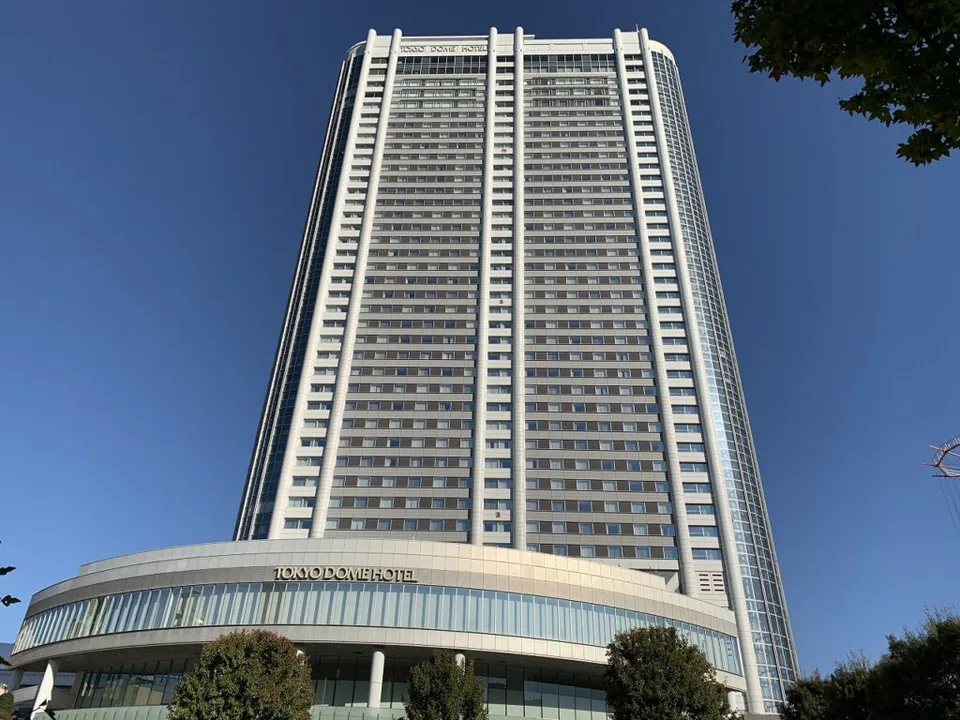
For a Tokyo Dome trip, I start by looking at Tokyo Dome Hotel. Its current official access information puts JR Suidobashi Station East Exit at about a two-minute walk and Toei Mita Line Suidobashi Station A2 at about one minute. For a concert traveller, the practical advantage is not the marketing line about being close to a station. It is that after the show, you may be able to walk back without entering a station at all.
That can change what the rest of the evening looks like. You can drop the bags, shower, put your phone on charge and decide later whether you still want a late meal. If you have a second show the next day, cutting one late-night transport leg can also preserve energy. But proximity only deserves a premium when you use it. If the concert ends early, you travel light and your original hotel is only a few easy stops away, the location advantage may save very little. When the event-night rate jumps sharply, I would not pay it purely for the label of being the closest.
Tokyo Dome is fixed: see exactly what the short walk saves
sequence SUIDOBASHI solves a different problem: the morning after
If what you want most after the show is a slow morning, sequence SUIDOBASHI enters the conversation for a different reason. Its current standard timing is 17:00 check-in and 14:00 checkout. That is not a normal hotel clock. The value is not simply that it is also near Suidobashi; it shifts room time into the next day. After a late night, sleeping until ten, having breakfast, sorting purchases and packing without a rushed 11:00 checkout can be genuinely useful.
The trade-off is equally real: 17:00 is a late check-in. If you arrive in Suidobashi at 14:00 and imagined showering, changing clothes and lying down before doors open, the schedule is working against you. Room size also varies, so I would not treat late checkout as an automatic win. Ask a simple question instead: which three-hour block matters more to this trip, the afternoon before the concert or the late morning after it? That answer tells you whether sequence is solving a problem you actually have.
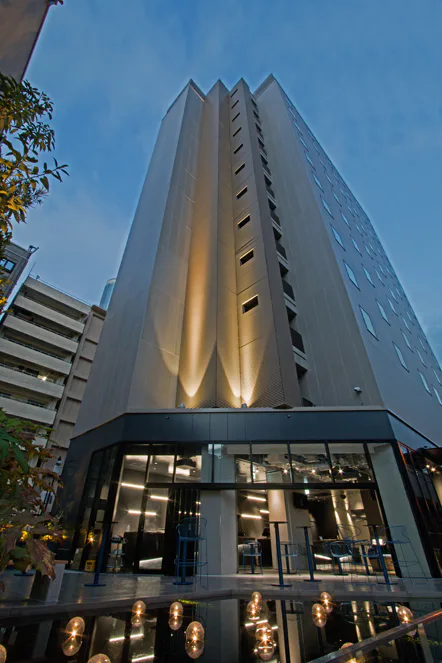
If all three Suidobashi options are already on your shortlist, stop opening separate tabs and use the Tokyo Dome Hotel vs sequence SUIDOBASHI vs Hotel Niwa comparison. It puts the same post-event situation around all three hotels instead of comparing amenities that may not matter that night.
If the concert is one night out of five, I often keep one hotel instead
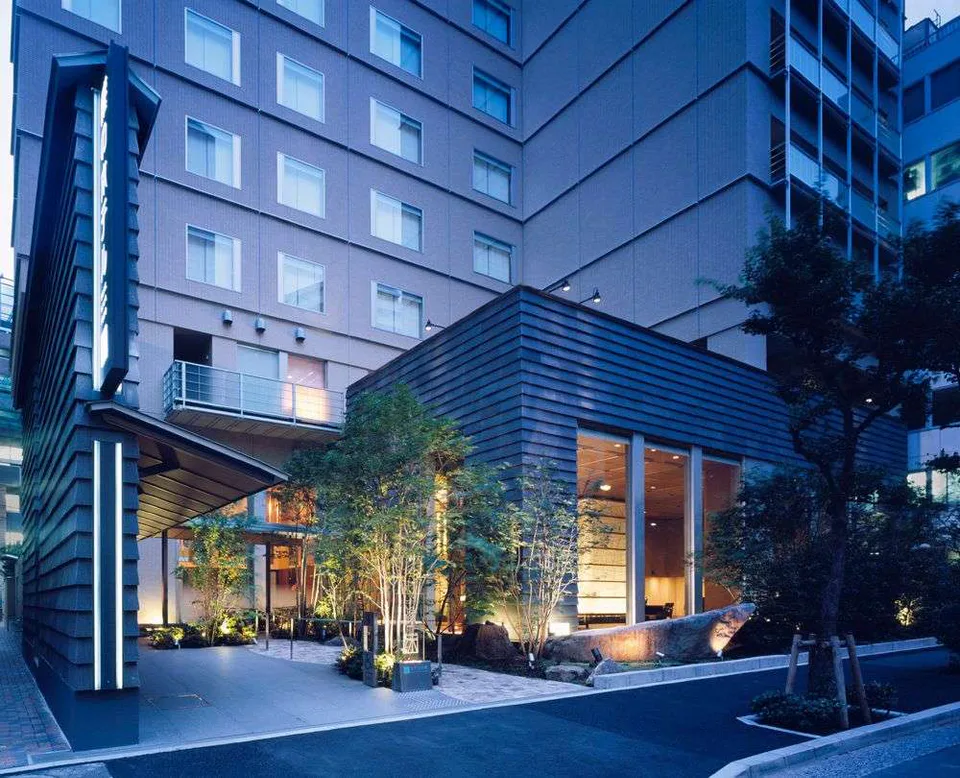
A common overcorrection is to remove one difficult return journey by creating a whole new hotel move. Imagine five nights in Tokyo, with the concert on night three and the other days built around Tokyo Station, Ueno, Asakusa or neighbourhood wandering. Moving every suitcase to the venue area for one night, checking out, storing luggage and checking in again can cost more energy than simply taking the train back once. In that situation I start considering Hotel Niwa Tokyo as the kind of hotel that can handle a Tokyo Dome night without forcing the entire trip to revolve around the venue.
The trade-off is clear: it is not as immediately beside Tokyo Dome as Tokyo Dome Hotel. But if the slightly longer walk means you can stay put for the full trip, the total friction may still be lower. This is where closest stops being a useful universal rule. Travellers with heavy luggage, a partner who hates changing hotels, or several days of sightseeing on both sides of the show should give one-base simplicity more weight. Someone flying in only for the concert should give it much less.
For National Stadium, ignore the word Shinjuku and look at the actual station
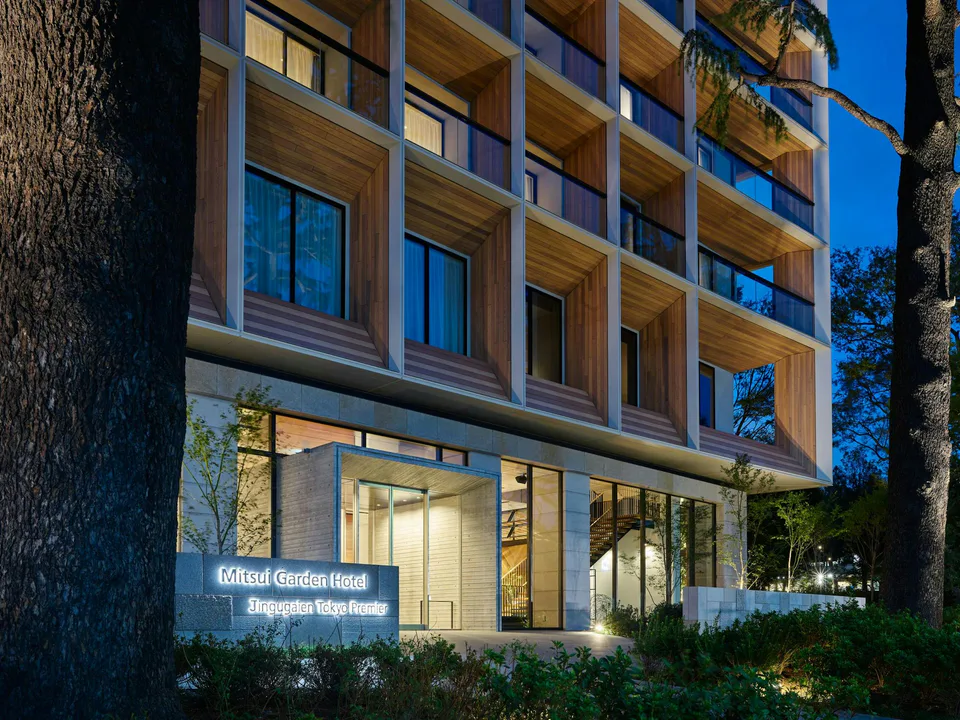
Change the venue and the answer changes with it. Mitsui Garden Hotel Jingugaien Tokyo Premier sits in Shinjuku City, but its practical anchor is National Stadium Station, currently about a one-minute walk according to the hotel; JR Sendagaya is about five minutes and Shinanomachi about six. That matters because staying in Shinjuku and staying by JR Shinjuku Station are completely different transport propositions.
When the event is at National Stadium, this location can cut most of the cross-city trip out of the end of the night. That gives you time to shower, reorganise the next day or simply decompress instead of squeezing in another train ride. But if the rest of your itinerary depends on JR Shinjuku Station every morning, the same hotel can create extra transfers on all the non-event days. It is a strong event match, not a universal Shinjuku answer. The station you actually use at 8 a.m. and 10 p.m. matters more than the administrative district printed in the address.
National Stadium show: check whether this location removes your hardest leg
Two situations where I would stop chasing a venue-side hotel
The first is when the next morning is harder to recover from than the concert night. If you have an early flight, an early Shinkansen, two large suitcases or a complicated onward journey, I protect that morning first. A late ride back after a concert can be tiring, but moving hotels to avoid it and then crossing Tokyo again at dawn simply shifts the pain into a less forgiving time slot.
For example, if you are already based in Shinjuku and need a strong airport or bus-terminal setup, I would re-check whether keeping Hotel Sunroute Plaza Shinjuku makes more sense than moving for one night. Its current official access lists about three minutes from JR Shinjuku South Exit and about one minute from Toei Oedo Line Shinjuku Station A1, with airport limousine bus access. If the event is only one evening, that established transport base may be doing more work for the whole trip than a venue-side room does for a few hours.
The second case is simpler: you may not have a high-friction post-show journey in the first place. Two adults travelling light, no large merch haul, an earlier finish and a simple direct ride back can make the must-stay-nearby problem largely disappear. That is the strongest counterargument to this entire guide. If your worst case is still easy, do not pay a large premium to solve a problem you probably will not feel.
When event-night rates rise, count how many problems the premium removes
I would not invent a fixed yen threshold for when a venue-area hotel becomes worth it because event dates, weekends, room types and cancellation terms move too much. A better test is to list what the premium removes: one station entry, one transfer, one late walk, one luggage move, or a rushed next-morning checkout. If the extra money only removes one minor inconvenience and the original hotel already has an easy route, the premium is weak. If it removes three or four points of friction at once, especially with children, older parents, lots of merch or a second show the next day, the same price gap can suddenly make much more sense.
Cancellation terms can flip the decision again. If the venue-side room is only available on a non-refundable rate while your original base still has free cancellation, I would not let distance make the decision by itself. Concert dates are fixed enough already. Giving up all hotel flexibility means a flight disruption, illness or itinerary change becomes more expensive to recover from. Compare the same dates, occupancy, room type, breakfast inclusion and cancellation terms rather than matching one hotel's homepage minimum against another hotel's flexible rate.
The 30-second version: how I would choose a Tokyo concert hotel
If the concert is the reason for the trip and the post-show crowd is the part you most want to avoid, stay within walking distance of the venue. For Tokyo Dome, start with Tokyo Dome Hotel; if the morning after matters more than the afternoon before, add sequence SUIDOBASHI to the shortlist.
If you are in Tokyo for four to six nights and the concert is only one evening, protect the one-hotel base unless the return route is genuinely painful. Hotel Niwa is the kind of compromise that can cover the event night without making you rebuild the rest of the trip.
If the venue is National Stadium, judge the hotel by National Stadium, Sendagaya and Shinanomachi access, not by the word Shinjuku. If you have an early flight, Shinkansen or a lot of luggage the next morning, give the next day more weight than the show night.
Before paying, check four things: how many transfers you have after the show, how much you will be carrying, what time you need to leave the next morning, and whether the venue-side rate still has acceptable cancellation terms. When all four point toward high friction, paying for proximity has a job to do. When only the map pin looks better, keep your original base.
Next decision: compare the three Tokyo Dome hotels in the same post-show scenario
If your venue is not Tokyo Dome but Ariake or Makuhari, do not reuse the Suidobashi answer. The transport corridor changes, and so does the hotel logic. Start with Where to Stay for Tokyo Events: Dome, Ariake or Makuhari and choose the area before choosing a specific hotel.
What can still change the answer
Hotel access, check-in and checkout policies, room inventory, event-day pricing and cancellation conditions can change. The access and timing details used here were checked against the hotels' current information on 18 August 2026. Post-event crowding is not a fixed number either: finish time, weather, attendance, traffic control and the exit you use can all make the journey faster or slower. I treat heavy crowding as a worst-case scenario worth planning for, not as something that happens identically after every show.