July in Japan should be planned as two different weather products. Early July can still sit inside Baiu across Tokyo, Kyoto, Osaka and northern Kyushu. Around the climatological mid-to-late July withdrawal period, the failure mode can flip quickly from wet shoes and disrupted outdoor plans to sustained summer heat. Your itinerary should change with that phase: keep more rain flexibility early in the month, and move long exposed sightseeing out of midday once summer heat becomes the dominant risk.
JMA 1991–2020 normals put Tokyo’s July mean at 25.7°C, Osaka at 27.7°C, Fukuoka at 27.4°C and Sapporo at only 21.1°C. Kyoto’s normal daily maximum is around 32°C. Naha’s normal low is about 27°C, so Okinawa gets very little overnight thermal reset. The correct packing answer is therefore not “summer clothes.” It is summer clothes + a rain phase + a heat-management schedule, with Hokkaido handled as a cooler exception.
↔ Scroll table left or right
Your July situation | Default plan | Main failure mode |
Tokyo/Kyoto/Osaka, early July | Quick-dry summer clothing + rain recovery + movable outdoor block | Assuming Baiu rain will at least keep the day cool |
Mainland city trip, late July | Move long walks to morning/evening; use midday indoors | Running an April-style full outdoor itinerary in summer heat |
Kyoto temple-heavy trip | Early outdoor anchor + midday reset + late outdoor block | Trying to solve 32°C-class walking conditions with clothing alone |
Fukuoka / northern Kyushu | Keep both heavy-rain and heat plans available | Deleting rain gear immediately after a generic “rainy season ends” date |
Sapporo / Hokkaido | Summer clothing + light layer for cooler edges of day | Copying Osaka’s hot-night packing directly north |
Okinawa | Sun/heat/hydration + marine-weather backup | Assuming post-Baiu means stable boat or beach conditions every day |
Early July vs late July: the risk can reverse within the same trip
JMA’s climatological Baiu withdrawal dates sit around July 15 in southern Kyushu, July 17 in Shikoku, July 19 in northern Kyushu, Chugoku, Kinki, Tokai and Kanto-Koshin, July 23 in Hokuriku, and later in Tohoku. These are transition references, not guaranteed annual switch dates.
The useful itinerary implication is that a July 4 trip and a July 27 trip should not share the same Plan A. Early in the month, keep indoor alternatives and a wet-shoe plan. Later in the month, the more important question often becomes how many consecutive hours you expect to spend outside during the hottest part of the day.
Do not interpret “rainy season” as “mild.” Tokyo’s normal July maximum is already 29.9°C; Osaka’s is 31.8°C. A humid rainy day can be warm and physically draining even before direct summer sun takes over.
Use the Heat Stroke Alert as an itinerary signal, not just a weather notification
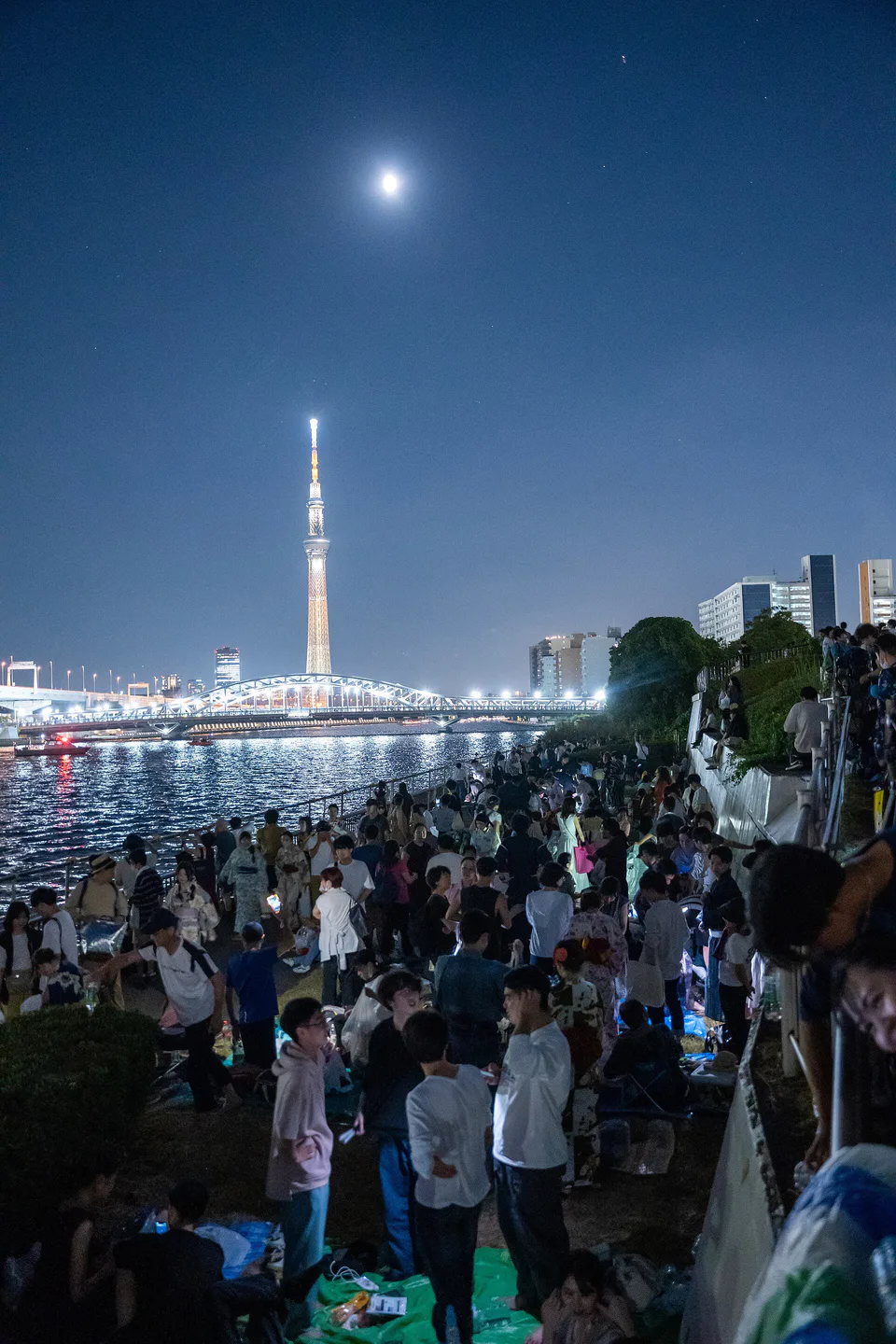
Japan’s Ministry of the Environment and JMA issue Heat Stroke Alerts by region when the forecast WBGT heat-stress index is expected to reach 33 or higher. The system is designed to trigger preventive action, not merely describe an uncomfortable day.
For a traveller, this is a practical itinerary tool. If an alert is issued for the region you are visiting, that is a strong reason to reduce discretionary midday outdoor exposure, increase cooling breaks and avoid treating a long exposed hike or city walk as fixed simply because it was booked into a spreadsheet months ago.
The alert is not a substitute for your own condition or local forecast, and this guide is not medical advice. Its planning value is simpler: a dangerous-heat signal should be allowed to change the sightseeing plan.
Tokyo: reduce exposed transfers before buying more summer gear
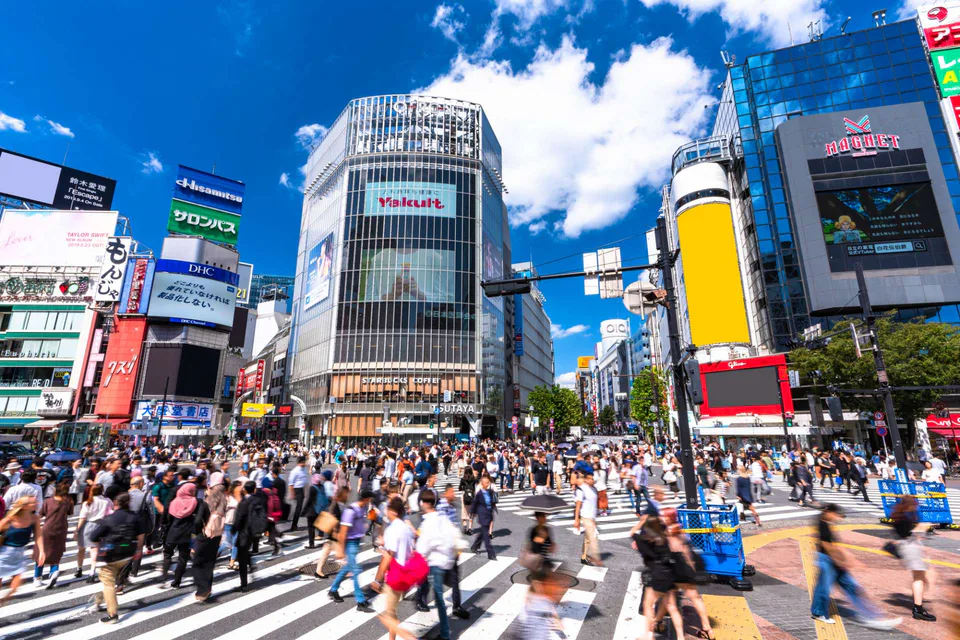
Tokyo’s July mean is 25.7°C and normal daily maximum 29.9°C. The hidden cost is not one famous outdoor attraction. It is the sum of station exits, street crossings, platform waits and surface walking created by an over-scattered itinerary.
Use the Tokyo attractions by-area guide to cluster districts. A morning Asakusa/Ueno day followed by an afternoon museum or shopping block is easier to manage than using the hottest period to cross Tokyo for another outdoor neighbourhood.
Wear breathable, quick-dry clothing and carry one very light layer only if you need it for air-conditioning or a wet spell. Once the weather is properly hot, the marginal value of another warm layer is close to zero; the marginal value of shade, water, a shorter route and a deliberate indoor stop is much higher.
Kyoto: a 32°C normal high changes the sightseeing architecture
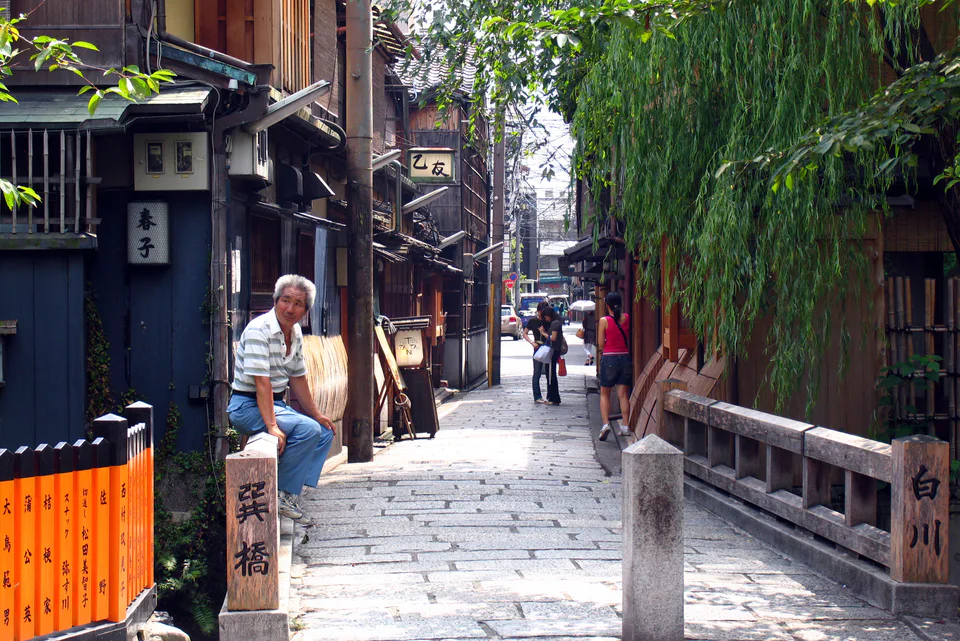
Kyoto’s normal July maximum is around 32°C. Kiyomizu-dera, Fushimi Inari, Higashiyama and Arashiyama add steps, slopes and long outdoor exposure. This is where “what to wear” stops being the main decision.
I would structure a July Kyoto day in three pieces:
Early outdoor anchor: the temple, shrine or neighbourhood that matters most.
Midday reset: lunch plus an indoor attraction, café, hotel break or transport block.
Late outdoor block: a second walk once the strongest direct sun has eased.
That structure may look less efficient on paper because it includes a deliberate break. In practice, it can protect the evening and next day from the accumulated fatigue of six straight outdoor hours.
The red-team rule is clear: if the itinerary only works when everyone walks continuously through the hottest hours, the problem is the itinerary, not the shirt.
Osaka: save your longest outdoor circuit for a day that actually needs it
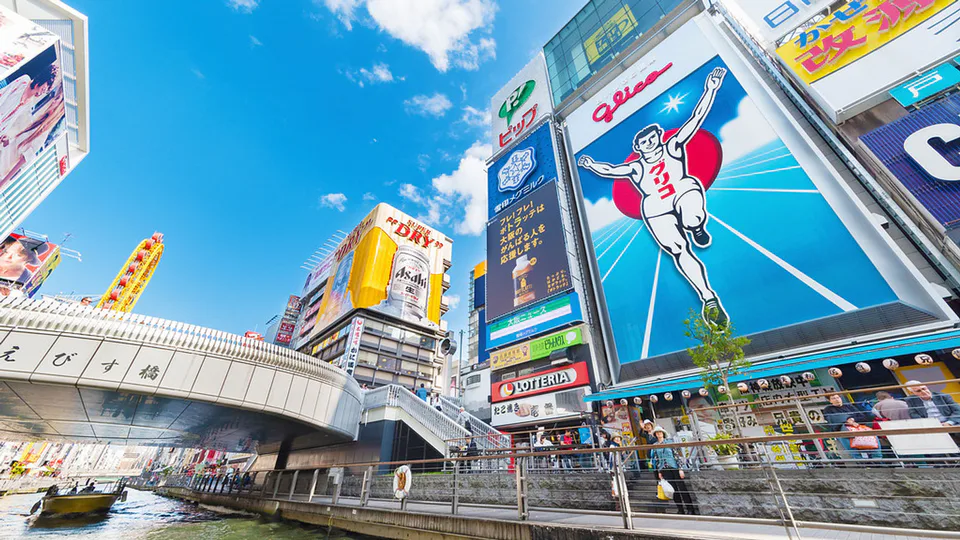
Osaka’s July mean is 27.7°C and normal daily maximum 31.8°C. The city offers abundant indoor relief, but travellers often waste that advantage by bouncing among Namba, Umeda, Tennoji and the bay area in one day.
Group the route. Use arcades, department stores, museums, cafés and lunch as intentional cooling periods rather than accidental stops after the group is already exhausted. On arrival day from KIX, do not treat the afternoon as “free time” that must be filled with a second city circuit after luggage and airport transport.
Evenings are more manageable because direct sun disappears, but Osaka’s normal July low is still 24.6°C. Nightlife is not a cold-weather break; it is simply a lower-solar-load period.
Fukuoka: July can demand rain recovery and heat management on the same day
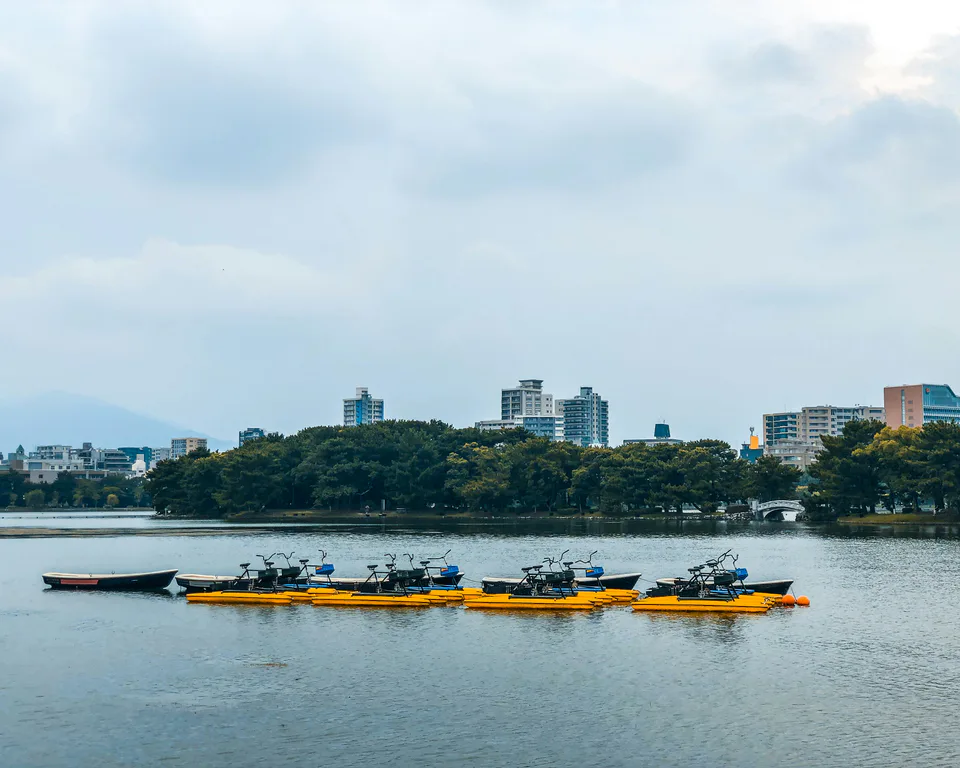
Fukuoka’s July mean is 27.4°C, normal maximum 31.2°C and normal precipitation 299.1 mm. Northern Kyushu’s climatological Baiu withdrawal is around July 19, but an individual year can differ materially.
Keep a compact umbrella and wet-shoe recovery plan even if your trip sits after the normal withdrawal date. At the same time, dress for summer heat. Rain gear that traps heat can be a poor all-day solution, so use a shell when sustained rain or wind actually requires it rather than wearing one permanently because the month is wet.
One useful test: if the shoes are soaked at 17:00, can they be usable tomorrow morning? If not, pack a light backup or choose footwear that dries more reliably. July logistics are often about recovery between days.
Hokkaido: the exception is valuable because it changes the whole day, not only the outfit
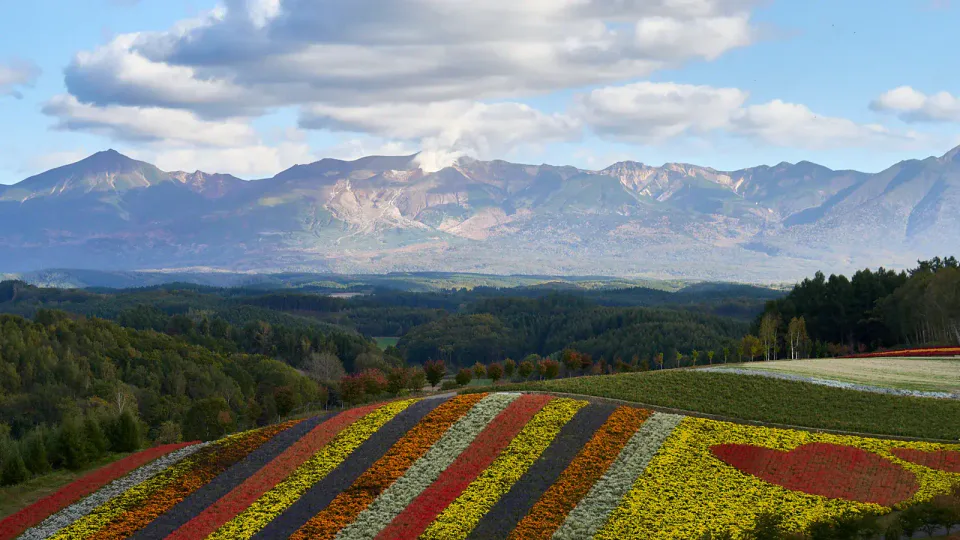
Sapporo’s July mean is 21.1°C and normal maximum 25.4°C. Compared with Kyoto or Osaka, that is more than a clothing difference: it can make long outdoor sightseeing blocks much easier to sustain.
Pack normal summer clothes plus one light long-sleeve or wind layer for early starts, evenings and exposed countryside. Do not transfer the “Hokkaido is cool” label to every location and every day; Furano, Biei and other open areas still involve sun exposure and can have warm spells.
If the trip is a choice between adding another hot Honshu city or moving north, Hokkaido can legitimately change the weather burden of the itinerary. That is a route decision, not merely a wardrobe trick.
Okinawa: the night stays hot, so the day gets less recovery
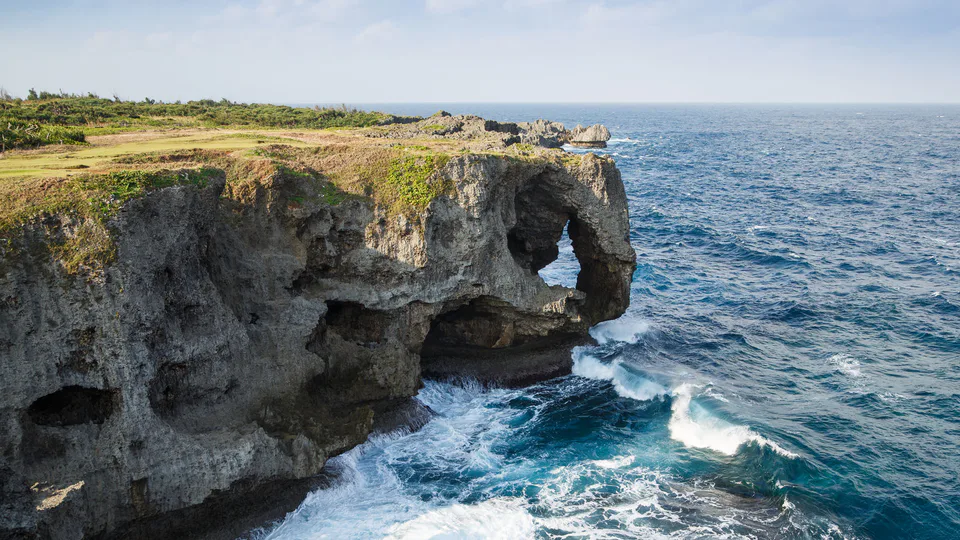
Naha’s July mean is 29.1°C, normal maximum 31.9°C and normal minimum around 27.0°C. That warm night matters because the body and hotel room do not benefit from the same cool evening reset you may get farther north.
Use breathable, fast-drying clothes, sun protection and a thin layer only for very strong air-conditioning. Keep beach and boat activities conditional on sea state and operator decisions. The core Baiu period is normally over, but tropical weather, thunderstorms, wind and waves can still disrupt a marine itinerary.
If a water activity is expensive or central to the trip, give it more than one possible day rather than assuming post-Baiu July is operationally guaranteed.
What to carry each day: reduce the bag, not just the wardrobe
A July day bag can become part of the heat burden. Carry what directly changes the outcome: water, sun protection, compact rain protection when relevant, a small towel or handkerchief, phone/power, and any essential medication. Avoid filling the bag with “just in case” clothing that will not be worn.
The rule is especially useful for families. One adult carrying everybody’s spare layers, bottles and purchases through Kyoto at midday is experiencing a different heat load from the temperature printed in the forecast.
Rain jacket or sun layer? Let the phase decide
Early July, wet forecast: quick-dry base + umbrella + light shell for sustained rain.
Late July, clear hot forecast: minimise insulation; prioritise breathability, shade and timing.
Hokkaido: keep the light layer because cooler edges of day remain plausible.
Okinawa: the extra layer is mainly for air-conditioning or wind, not warmth.
Five July planning mistakes
Assuming early-July Baiu rain will make Tokyo or Kyoto pleasantly cool.
Running the same 09:00–17:00 outdoor itinerary after Baiu ends and summer heat intensifies.
Treating a climatological rainy-season withdrawal date as a guaranteed annual deadline.
Using “Japan is hot in July” to pack Sapporo exactly like Osaka.
Responding to heat only with clothing instead of changing the time and geography of the day.
Final verdict
July packing is easy; July scheduling is the harder part. Wear breathable, quick-dry summer clothing across most of Japan, but keep rain recovery in the plan until the actual Baiu transition has passed. Once heat becomes dominant, move long outdoor blocks to morning or evening and let lunch, museums, shopping or hotel breaks absorb midday.
Hokkaido is the major cooler exception. Okinawa is hot even overnight. And when the Ministry of the Environment/JMA heat system signals dangerous conditions, allow that information to change the itinerary rather than treating every outdoor reservation as immovable.
Japan April Weather Is Not One Spring: Kyoto Warms Fast, Sapporo Stays Cold, Okinawa Runs Warm
Osaka Hotels for Kyoto and Kobe Day Trips: When 3–5 Minutes to the Station Matter Twice a Day
10 Days in Japan: Tokyo, Kyoto and Osaka Without Turning the Trip Into a Transfer Marathon
Osaka for Couples: A 7-Day Itinerary That Saves the Best Nights for Kyoto, Kobe and One Big View
References
Japan Meteorological Agency — Climatological Normals 1991–2020 · Japan Meteorological Agency — climatological Baiu onset and withdrawal · Ministry of the Environment / JMA — Heat Stroke Alert and WBGT information. Climate normals and Baiu dates are planning references, not forecasts for specific travel dates.