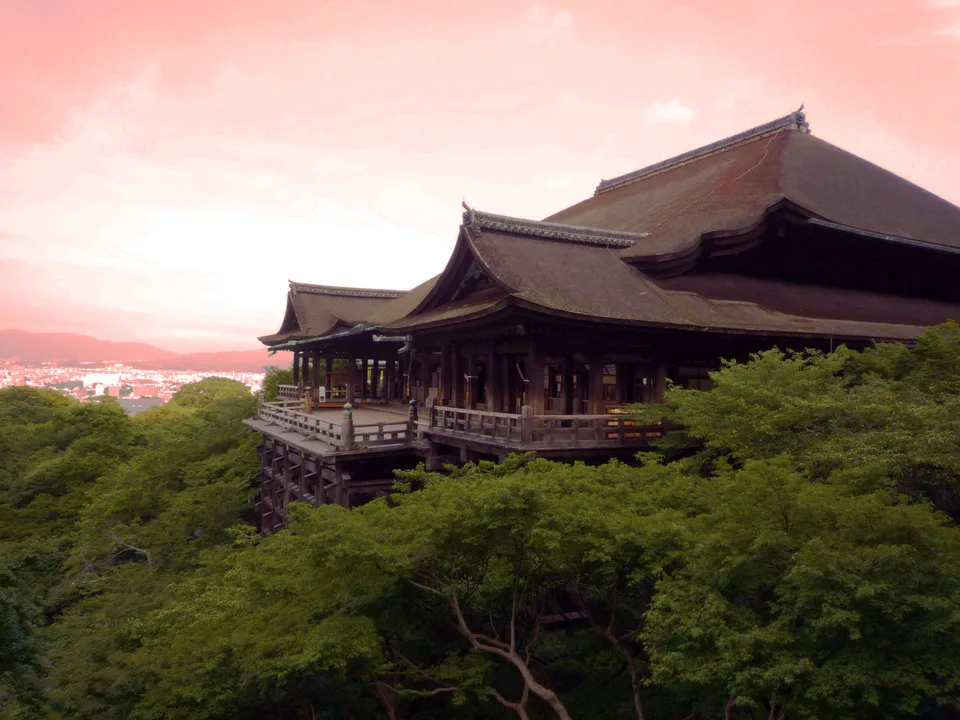
For Tokyo, Kyoto and Osaka in May, I would pack for warm walking days rather than “spring coat” weather: breathable short- and long-sleeve tops, one compact outer layer, sun protection and shoes that can handle rain. The main exceptions are Hokkaido, high-elevation days around Mt. Fuji or the Japanese Alps, and Okinawa. Hokkaido remains much cooler, a 2,000m-plus mountain day can be dramatically colder than the city you left that morning, and Okinawa has already shifted toward heat, humidity and the Baiu rainy season. The month also has a timing split: early May overlaps Golden Week, so crowd exposure and standing time can make the same temperature feel less comfortable than a quieter late-May trip.
Japan Meteorological Agency normals put Tokyo’s May mean at 18.8°C, Osaka at 20.1°C, Sapporo at 13.0°C and Naha at 24.2°C. JMA also puts the climatological centre of Okinawa’s Baiu onset around May 10, about a month ahead of most of mainland Japan. That means a single “Japan in May” packing list is already too broad before you even add mountains.
↔ Scroll table left or right
Your May trip | What to optimise for | Main mistake |
Tokyo / Kyoto / Osaka, first half of May | Warm afternoons + long outdoor waits during Golden Week | Overpacking warmth and underpacking water/sun protection |
Tokyo / Kyoto / Osaka, late May | Early-summer daytime heat + compact rain layer | Using an early-April wardrobe because the trip is still called “spring” |
Tokyo + Fuji 5th Station / Tateyama / another 2,000m-plus day | One packable mountain module: warm mid-layer + wind/rain shell | Using the city forecast for a high-elevation excursion |
Mainland + Hokkaido | One cooler-region module | Copying Tokyo short-sleeve packing directly to Sapporo |
Mainland + Okinawa | Quick-dry clothes, wet-shoe plan, humidity | Treating May rain in Okinawa as the same weather problem as Tokyo |
Golden Week travel | Comfort while queuing and carrying luggage through busy transport | Planning clothes only from temperature and ignoring crowd friction |
May is a two-part month: Golden Week first, calmer early summer later
JNTO describes Golden Week from late April into early May as one of Japan’s busiest domestic travel periods, with crowded transport and accommodation. This changes clothing decisions in a way a weather table cannot show. A 23°C afternoon is manageable while walking at your own pace; it can feel much warmer when standing in a long outdoor queue with a backpack, then much cooler again in an air-conditioned train.
For early May, prioritise clothes you can adjust without unpacking your suitcase on the platform: one breathable base, one thin removable layer and one shell. Carry water and sun protection where the day is mostly outdoors. A bulky jacket that felt reassuring at the airport becomes a liability once stations and attractions are crowded.
The second half of May is often a cleaner travel product on the main islands. JNTO specifically notes that the latter half is calmer and falls before the climatological Baiu onset across most of central Japan. That does not guarantee dry weather; it means your packing can bias further toward warm-city comfort rather than cold-season insurance.
Tokyo: pack for movement, not the monthly high alone
Tokyo’s May normal is 18.8°C, with a normal daily maximum of 23.6°C. That is warm enough for short sleeves on many afternoons. The useful counterweight is that mornings, evenings, rain and indoor air-conditioning remain part of the day.
I would not carry a heavy sweater “just in case” through a 15,000-step Tokyo day. A thin long-sleeve or light knit that can disappear into a tote or daypack is more efficient. If the itinerary has a late observation deck, riverside walk or outdoor event, keep that layer. If it is mostly museums, shopping and a late start, even that layer may spend most of the day packed.
The route matters. A well-clustered Tokyo attractions plan reduces exposed transfer time and makes clothing easier to manage. Weather comfort is partly an itinerary-design problem.
Kyoto: late May can behave more like early summer than cherry-blossom spring
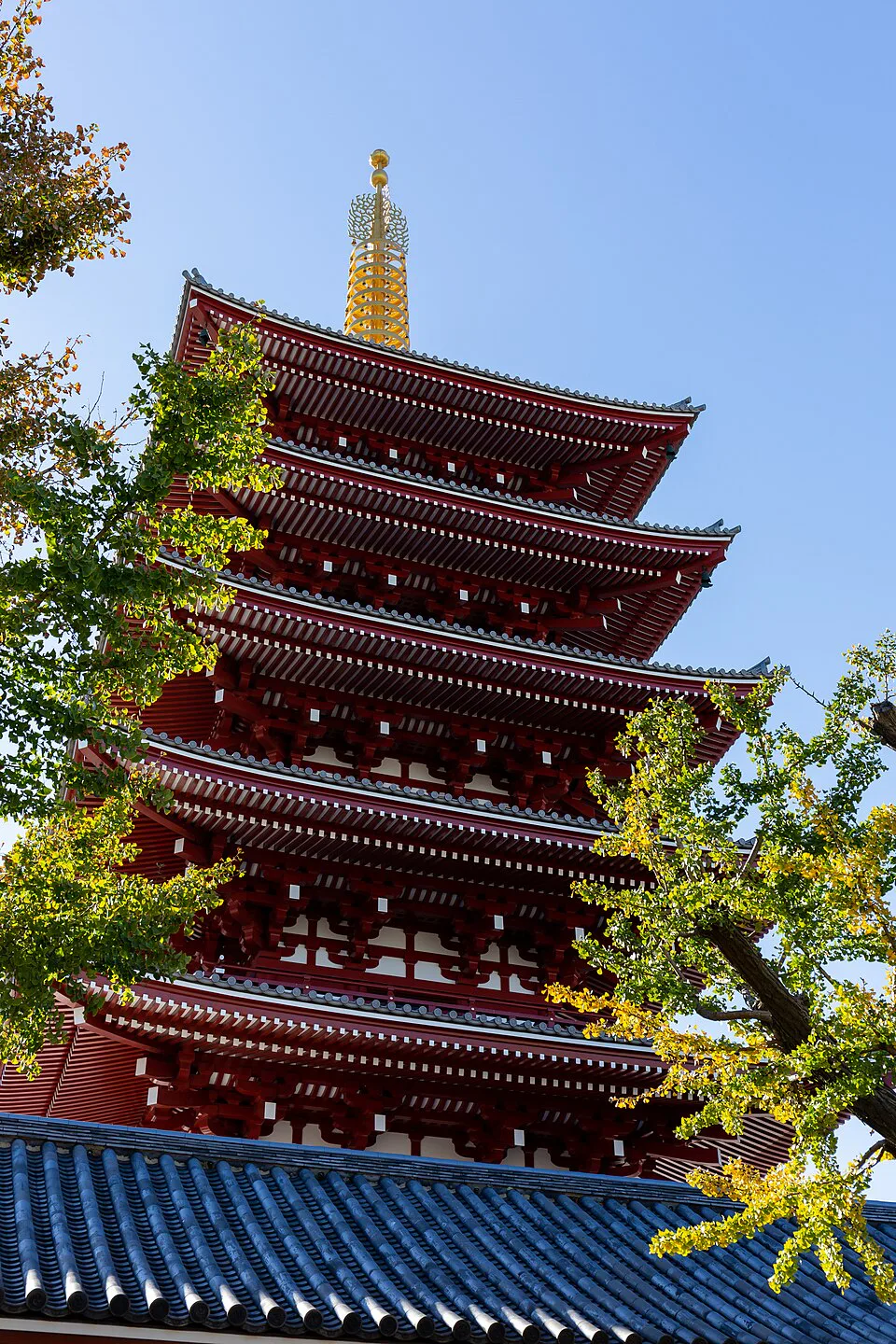
Kyoto’s May normal is about 19.5°C and its normal daily maximum is roughly 25°C. The important travel implication is not that 25°C is “hot.” It is that steep streets, exposed temple walks and long periods outdoors create far more body heat than a station-platform weather reading suggests.
Early May still justifies a light layer for dawn and evening. By late May, that layer becomes secondary to breathability, water and sun protection. If you built the trip from photos of early-April cherry blossom season, remove some of that wardrobe inertia before packing.
This is especially important for Higashiyama. An early start lowers both crowd and heat exposure; a midday start makes a breathable outfit more important. Clothing cannot fix an inefficient sightseeing hour.
Osaka and Fukuoka: the outer layer should solve rain and air-conditioning, not winter
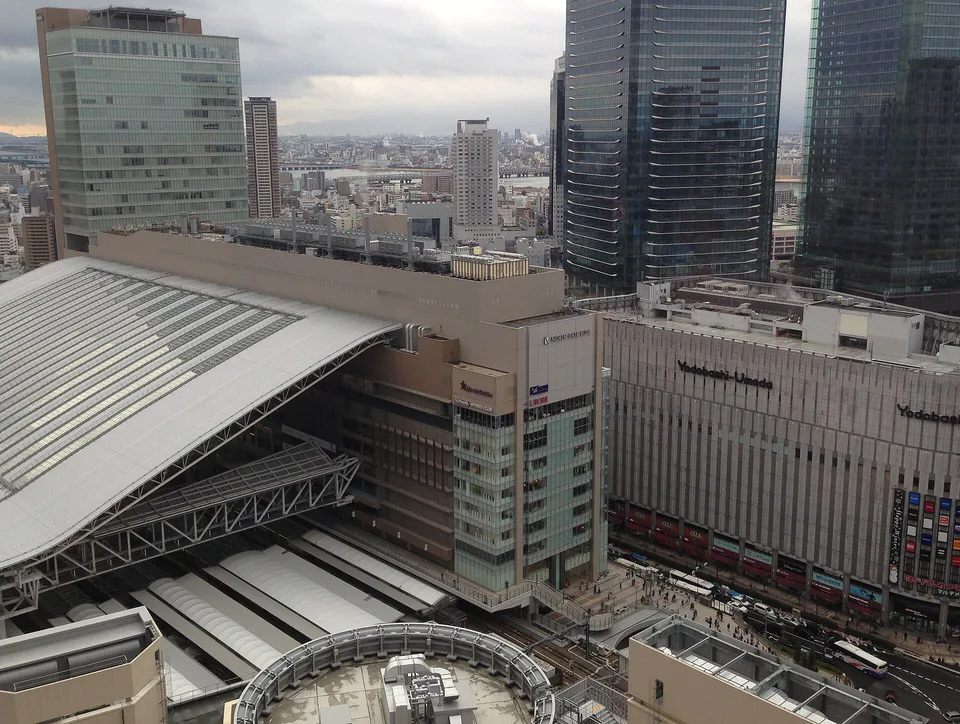
Osaka’s May normal daily maximum is 24.9°C; Fukuoka’s is 24.4°C. On an ordinary urban itinerary, the case for heavy insulation is weak. The outer layer should earn its space through wind, showers and cold indoor environments rather than because “Japan may be chilly.”
That is also why footwear is a bigger decision than a second warm top. A brief wet spell followed by another ten kilometres of walking can ruin the day more effectively than being slightly cool for twenty minutes after dinner. Bring one pair you already trust for both distance and wet pavement.
Mt. Fuji and the Japanese Alps: one May day can be much colder than the city around it
This is the missing exception in many “Japan in May” packing lists. A Tokyo–Kyoto–Osaka itinerary can be warm enough for short sleeves while a single high-elevation excursion still needs a genuinely warm layer.
Fuji Subaru Line 5th Station sits at roughly 2,304–2,305 metres. The official Fujiyoshida tourism site lists its tourist facilities as operating in April–June, so a May sightseeing visit is entirely plausible even though it should not be confused with normal summer summit-climbing conditions. The useful packing conclusion is simple: do not use Tokyo’s city temperature as the clothing forecast for the 5th Station. Check the mountain/road conditions for the actual day and carry a layer that can handle wind and a sharp temperature drop.
Tateyama Kurobe makes the altitude gap even more measurable. Murodo, the Alpine Route’s highest point, is 2,450 metres. The operator’s current climate table gives Murodo a May average high of about 10°C and average low of about 3°C, and says temperatures there are about 15°C lower than at sea level. The Snow Wall is also a normal May attraction, with the walk currently scheduled through June 25.
Compared with Tokyo’s normal May daily maximum of 23.6°C, Murodo’s published May average high is roughly 14°C lower. That is a derived comparison, not a same-day forecast, but it shows why a city-only packing list fails for an Alpine Route day.
For a one-day mountain module, I would add only what the excursion needs: a packable warm mid-layer, wind/rain shell and—if the actual high-elevation forecast is cold—light gloves or a warm hat. For Tateyama snow areas, footwear grip and keeping feet dry matter more than carrying an extra city sweater. You do not need a second suitcase; you need one altitude-specific module.
Hokkaido: add a cool-region module, not a winter suitcase
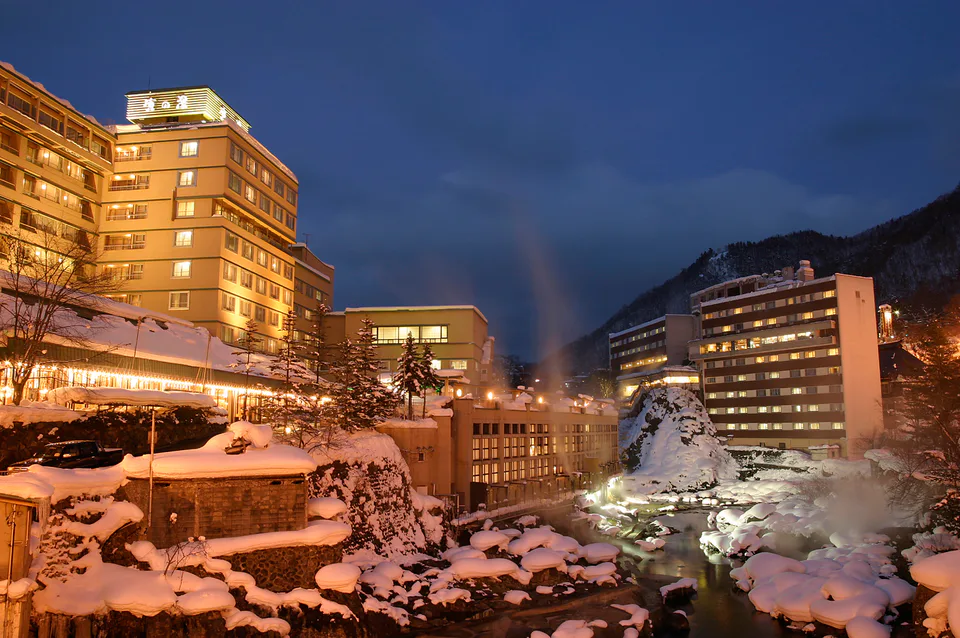
Sapporo’s May mean is 13.0°C and the normal daily maximum is 17.9°C. That is a different clothing system from Tokyo’s 23.6°C normal maximum, but it still does not automatically justify full winter gear for a city-only trip.
For Tokyo + Sapporo, add one long-sleeve mid-layer and a more wind-resistant outer layer. Keep most trousers and base tops common between both regions. If you are heading into higher-elevation or rural Hokkaido, stop using Sapporo as the proxy and check that destination directly.
The failure mode is overreacting in either direction: copying Tokyo clothes north, or carrying a heavy winter jacket around Sapporo because the island was snowy two months earlier.
Okinawa: May is already a rainy-season decision
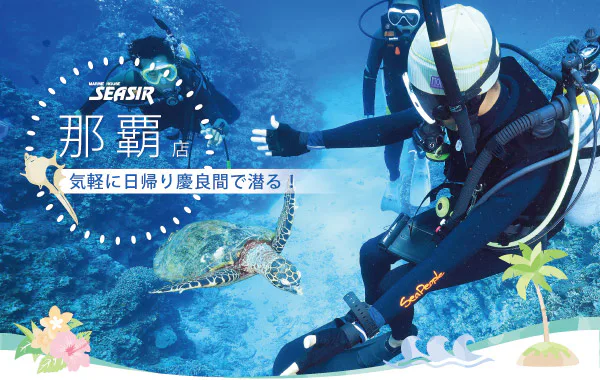
Naha’s May mean is 24.2°C and its normal daily maximum is 27.0°C. Warmth is not the difficult part. JMA’s 1991–2020 Baiu climatology places Okinawa’s onset around May 10 and withdrawal around June 21. That means a May Okinawa segment needs a stronger wet-weather plan than a May Tokyo segment.
Pack short sleeves, quick-drying fabrics and a thin wind/rain layer. Protect electronics and documents. Give serious thought to shoes: if the only pair becomes soaked on Day 1, the clothing list has failed even though every top was perfect.
Rainy season does not mean continuous rain every day. Keep outdoor and marine plans, but leave one block swappable and check the actual forecast and operator status. If the itinerary depends on beaches, driving or boat activities, use the Okinawa first-time guide to give bad weather somewhere to go.
Golden Week changes the comfort calculation more than the temperature table
On crowded travel days, the same clothes have to survive four environments: warm street, stationary queue, packed train and heavily air-conditioned interior. This is why a simple two-layer system beats one temperature-perfect outfit.
There is also a luggage implication. Golden Week transport can be busy enough that an overpacked large suitcase creates more friction than normal. If you are moving between Tokyo and Kyoto during the holiday period, reducing clothing volume can improve the transport day more than adding a fourth “just in case” outfit.
JNTO recommends booking early for Golden Week because trains and hotels can be heavily used. Clothing will not solve that capacity problem; do not compensate for uncertain transport by carrying extra gear.
May rain: mainland and Okinawa are not the same product
For Tokyo, Osaka, Kyoto and Fukuoka, a compact umbrella and light rain shell usually cover the normal urban failure mode: passing or intermittent rain during long walking days. For Okinawa after the climatological Baiu onset, quick-dry clothing, shoe strategy and activity flexibility deserve more weight.
Do not interpret a monthly precipitation total as a daily probability. The operational question is simpler: if the wettest six hours of my trip happen on the most outdoor day, can I swap the day or still function?
Four packing systems that avoid duplicate wardrobes
Mainland cities only
Short sleeves + thin long sleeves + compact outer layer + long trousers + rain-ready walking shoes. Add sun protection. Remove bulky winter layers.
Mainland cities + one high-elevation day
Keep the city wardrobe and add one compact warm mid-layer plus a wind/rain shell. Check the actual Fuji/Tateyama/highland forecast rather than packing for the mountain from Tokyo or Kyoto temperatures. For snow-covered Alpine Route surfaces, prioritise footwear grip and dry socks.
Mainland + Hokkaido
Keep the mainland system and add one warm mid-layer plus stronger wind protection. Only add specialist footwear or insulation when the actual Hokkaido route needs it.
Mainland + Okinawa
Keep the same shell, but add more breathable/quick-dry tops and a wet-weather footwear plan. Do not carry the mainland’s warmest mid-layer south unless you personally need it for air-conditioning.
Six May packing mistakes
Using cherry-blossom-season photos to pack for late May.
Taking the Tokyo daytime high as the whole-country clothing answer.
Using Tokyo or Kyoto weather to dress for Fuji 5th Station or a 2,000m-plus Alpine Route day.
Ignoring Golden Week queues and carrying a jacket that is uncomfortable to stow.
Treating Okinawa’s May Baiu as ordinary mainland spring rain.
Packing several jackets but only one pair of shoes that performs badly when wet.
Final verdict
Mainland Japanese cities in May are a warm-walking environment, not a cold-weather one. Build around breathable clothing and one compact layer rather than a heavy coat. Early-May Golden Week makes crowd comfort and luggage volume more important; late May pushes Kyoto, Osaka and Tokyo further toward early-summer packing.
The main exceptions should be treated as modules rather than reasons to overpack the whole trip. Hokkaido needs more warmth; Fuji/Tateyama and other high-elevation excursions need an altitude-specific warm/wind layer; Okinawa needs less insulation and more rain/humidity resilience. If one suitcase has to cover all of them, keep the base wardrobe common and add only the layer that solves the coldest or wettest segment.
Japan Autumn Leaves in Mid-November: Kyoto, Tokyo, Fuji, Miyajima and Kyushu
Japan Autumn Leaves Late November: Kyoto, Tokyo, Nara, Miyajima and Kyushu
Osaka and Kyoto 4-Day Itinerary With USJ: Does Kyoto Still Fit?
Where to Stay for Kyoto Summer Events: Station, Kawaramachi, Otsu or Kibune
References
Japan Meteorological Agency — Climatological Normals 1991–2020 · Japan Meteorological Agency — climatological Baiu onset and withdrawal · JNTO — Japan in May / Golden Week travel conditions · Visit Fujiyoshida — Fuji Subaru Line 5th Station · Tateyama Kurobe Alpine Route — Murodo elevation, May temperatures and clothing guidance. Climate normals and Baiu dates are planning references, not forecasts for a specific trip.