
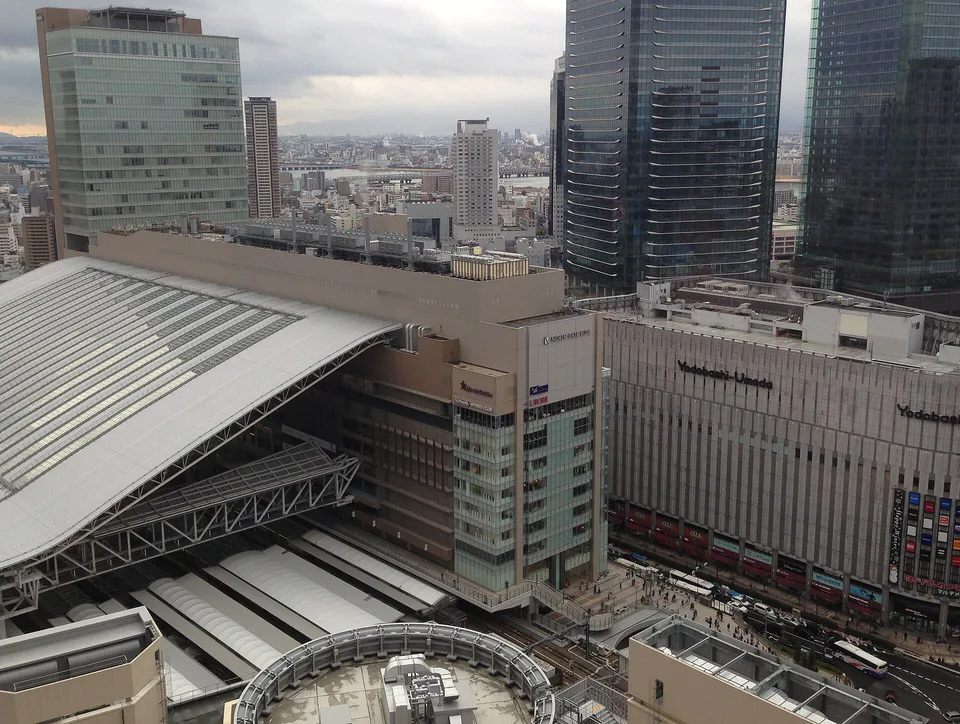
Japan in December is not one packing problem. It is at least three: city winter on the Pacific side, snow-country winter in Hokkaido, and a mild but windy cool season in Okinawa. JMA 1991–2020 normals put Tokyo at 7.7°C for the month, Sapporo at -0.9°C and Naha at 19.0°C. Even Tokyo changes materially inside the month: the normal high/low is about 14.1/6.2°C on December 1 and 10.6/1.9°C on December 31. Packing one fixed “Japan winter outfit” therefore creates the wrong compromise almost everywhere.
The useful decision is not “Do I need a down jacket?” Start with your route, then your dates, then how long you will actually stand outside. Tokyo–Kyoto–Osaka can share most layers. Tokyo plus Hokkaido needs a separate footwear and outerwear system. Tokyo plus Okinawa needs the opposite: enough modular clothing to stop carrying mainland winter gear on your body once you fly south.
ValueNavi December packing matrix: choose the failure you need to prevent
↔ Scroll table left or right
Route type | Core system | Extra item that matters most | Failure to prevent |
Tokyo / Kyoto / Osaka / Fukuoka | Long-sleeve base + removable insulation + wind-resistant jacket | Compact rain layer / scarf depending on forecast | One huge coat that becomes miserable on trains and indoors |
Mainland + Hokkaido | Share base and mid-layers; upgrade outer shell separately | Grippy, water-resistant footwear | Warm torso but wet feet, poor traction and no snow-surface plan |
Mainland + Okinawa | Shared light layers | Light wind layer | Wearing or carrying heavy mainland insulation all day in Naha |
Hokkaido only | Warm base + insulation + wind/water-resistant outer | Footwear grip, gloves, hat / ear coverage | Treating winter as a jacket problem instead of a surface-and-transport problem |
This matrix is the main packing shortcut. If your suitcase cannot support every climate perfectly, protect the hardest-to-replace failure first. A missing light layer can be improvised. Poor winter traction in Hokkaido is much more disruptive. A bulky coat that is slightly too warm in Tokyo is inconvenient; shoes that become soaked or unstable on packed snow can shrink the whole day.
The numbers are climate normals, not a forecast for your travel dates
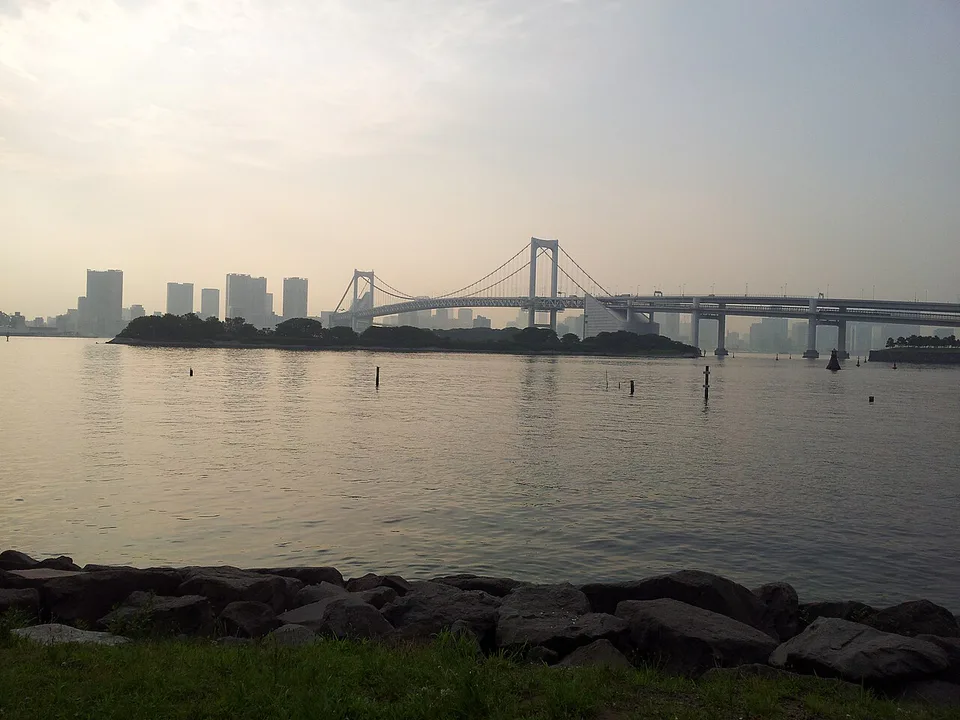
The Japan Meteorological Agency’s 1991–2020 normals are useful because they tell you what kind of equipment belongs in the suitcase. They do not tell you whether your specific Tuesday will have rain, a cold snap, fresh snow or unusually mild weather. That distinction should control the order of planning: climate normals decide the packing range; the live forecast decides the outfit and route.
↔ Scroll table left or right
Area | December normal | What that changes |
Tokyo | 7.7°C mean; 12.0 / 3.8°C high-low; 57.9 mm precipitation | Layer for warm interiors and colder mornings/evenings |
Kyoto | 7.2°C; 11.6 / 3.5°C; 57.3 mm | Standing in temple grounds can feel colder than continuous city walking |
Osaka | 8.7°C; 12.3 / 5.3°C; 55.5 mm | Comfortable walking by day does not remove the evening layer |
Fukuoka | 9.1°C; 12.6 / 5.8°C; 67.5 mm | Milder than Hokkaido, but bay wind still rewards a jacket |
Sapporo | -0.9°C; 2.0 / -4.0°C; 114.5 mm precipitation | Snow, slush and ice belong in the base plan |
Naha | 19.0°C; 21.5 / 16.8°C; 110.0 mm | Keep insulation light; protect against wind and changing weather |
Tokyo: early December and year-end should not share the same assumption
Tokyo’s monthly average hides a useful intra-month change. JMA daily normals put December 1 around 14.1°C for the high and 6.2°C for the low; December 31 is around 10.6°C and 1.9°C. That is why advice based on one “Tokyo December temperature” can feel wrong. A sunny early-December afternoon with continuous walking can make heavy down excessive, while a late-December early start or long outdoor evening can make stronger insulation worthwhile.
The better system is a base layer, a light insulating layer and an outer layer you can open or remove. Heated trains, stations, department stores and restaurants punish clothing that has only two modes: freezing outside or overheating inside.
Route design also changes comfort. Use a Tokyo itinerary that assigns whole days by area and the Tokyo attractions-by-neighborhood guide to reduce cross-city backtracking after dark. December does not make outdoor Tokyo unworkable; it makes unnecessary transfers while carrying layers more annoying.
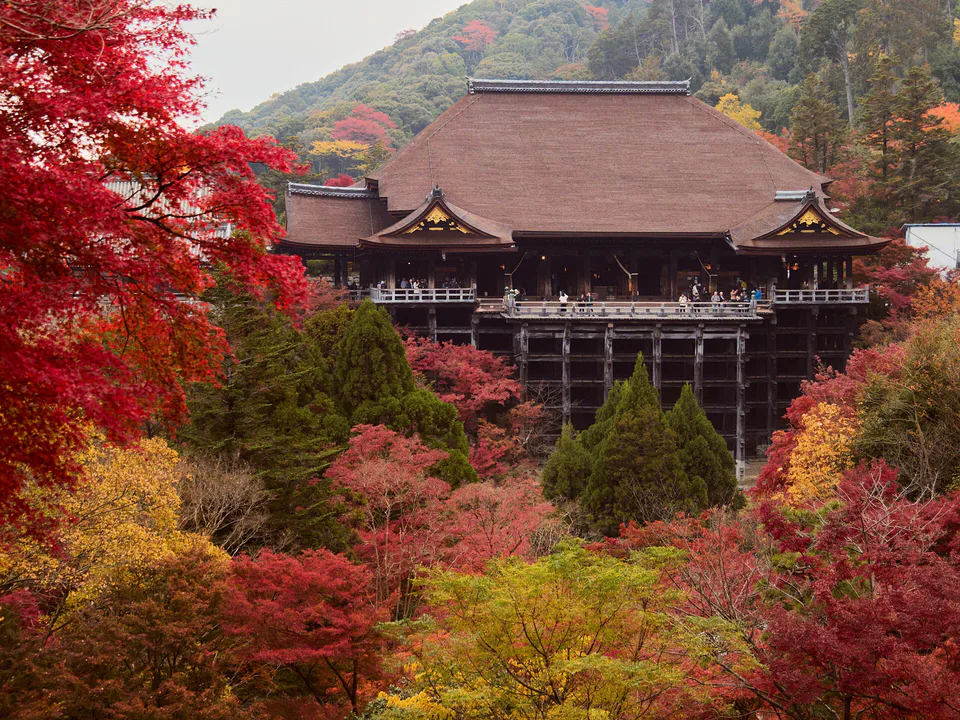
Kyoto: the hidden variable is how much time you stand still
Kyoto averages 7.2°C in December, with a normal high of 11.6°C and low of 3.5°C. A day of continuous walking through central Osaka and a morning waiting at exposed temple grounds can have similar thermometer readings but feel different. Queueing, photographing gardens and pausing at viewpoints reduce the heat you generate by moving, so Kyoto often rewards a slightly warmer removable mid-layer than the headline daytime high suggests.
Early December can also overlap with late foliage in some lower-elevation locations in some years. Use the Kyoto autumn leaves timing map and Kyoto autumn leaves by elevation to build possibilities, but do not pack or reroute around a historical peak date. Current foliage reports should decide whether the bonus is still there.
Osaka and Fukuoka: mild relative to Hokkaido is still winter
Osaka’s December normal is 8.7°C with a 12.3°C high and 5.3°C low. Fukuoka is 9.1°C with a 12.6°C high and 5.8°C low. Neither needs Hokkaido equipment by default, but “milder” is not the same as “one long-sleeve shirt is enough.” Riverfronts, observation decks, Hakata Bay and late dinners can expose you to wind after the warmest part of the day has passed.
For Osaka, use the Osaka attractions-by-neighborhood guide to keep Namba, Umeda, Tennoji and Osaka Castle from becoming a layer-carrying transit marathon. In Fukuoka, a compact rain option and medium jacket usually create more flexibility than snow-specific gear unless the live forecast says otherwise.
Hokkaido: spend luggage space on traction before a third bulky sweater
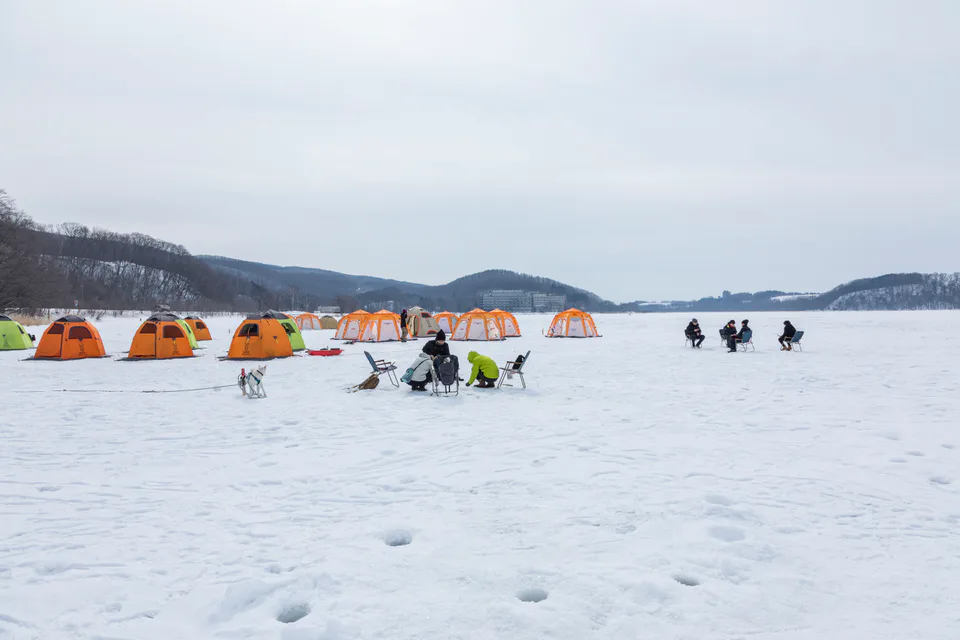
Sapporo averages -0.9°C in December, with a normal high of 2.0°C and low of -4.0°C. JMA’s 1991–2020 normal for December total snowfall depth is 113 cm. That figure is accumulated snowfall across the month, not a claim that 113 cm sits on the ground every day. The decision implication is simpler: snow, packed snow, slush and ice are common enough that footwear belongs in the primary plan rather than in an emergency add-on.
A practical system is a warm or moisture-managing base, fleece or light down for insulation, then a wind-resistant and water-resistant outer layer. Add gloves, head or ear coverage and footwear with useful grip and water resistance. If your only upgrade is a very heavy coat, you can still fail the day at ground level.
Before linking Sapporo, Otaru, Asahikawa, Furano and Biei, compare the Hokkaido winter itinerary for 5, 7 or 10 days. If you are considering a car, compare full-trip versus partial Hokkaido winter rental and read the Hokkaido winter driving guide. Winter clothing does not compensate for poor visibility, closures or an overlong driving day.
Okinawa: your mainland coat should become luggage, not an obligation
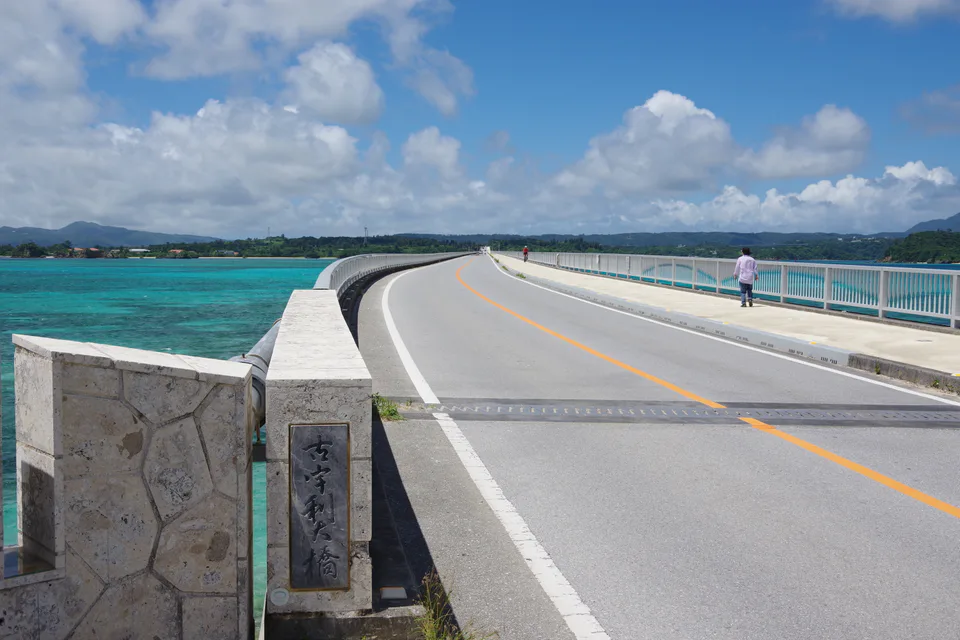
Naha averages 19.0°C in December, with a normal high of 21.5°C and low of 16.8°C. A thin long sleeve can be enough on a mild day, and some travelers will still be comfortable in short sleeves in sunshine. A light wind layer is more useful than forcing the Tokyo coat into service.
Mild air temperature also does not guarantee calm seas. If your route depends on ferries, snorkeling or other marine activities, check wind, waves and operator notices and keep the Okinawa rainy-day and weather backup guide available. December’s packing problem is lighter than Hokkaido’s, but the itinerary can still be weather-sensitive.
The one-suitcase rule for multi-climate Japan
Tokyo + Hokkaido: share base layers and most mid-layers. Give the extra luggage volume to Hokkaido footwear, gloves and the stronger outer system. Do not duplicate every shirt in a “Tokyo set” and a “Hokkaido set.”
Tokyo + Okinawa: share T-shirts, thin long sleeves and one light layer. The Tokyo coat is transit equipment once you reach Naha; it does not need to be worn to justify packing it.
Tokyo + Kyoto + Osaka + Fukuoka: one modular city-winter system normally covers all four. The live forecast should decide small changes, not four separate wardrobes.
ValueNavi 72-hour decision gate: this is when the suitcase becomes an outfit
About a week before departure, use the forecast to see whether your route is trending warmer, colder, wetter or snowier than normal. Forty-eight to seventy-two hours before each travel day, check overnight low, daytime high, precipitation, wind and—where relevant—snow or ice. Then change the day, not just the jacket, if conditions make a long outdoor route fragile.
For Hokkaido, the gate includes snow, visibility, surface condition and transport status. For Okinawa marine days, it includes wind, waves and operator notices. For Tokyo, Kyoto, Osaka and Fukuoka, it usually decides whether you need stronger insulation, rain protection or simply a more indoor-balanced evening.
This sequence prevents a common forecasting mistake: using climate normals as a promise, or using one seven-day weather icon as if it were precise enough to redesign the entire trip.
Five packing mistakes that cost more comfort than one missing sweater
First, packing one huge down jacket for every region. Second, treating Tokyo’s monthly average as if December 1 and December 31 were the same. Third, upgrading only the Hokkaido coat while ignoring footwear. Fourth, carrying Hokkaido-level clothing into Okinawa because “Japan is winter.” Fifth, solving a bad-weather day only with clothing when the real problem is transport, visibility or a marine cancellation.
Final decision: pack modules by route, then let the forecast choose the combination
Tokyo, Kyoto, Osaka and Fukuoka are primarily a layering problem. Hokkaido is a layering plus traction, moisture and transport problem. Okinawa is a light-layer and wind-management problem. Once those three categories are separated, December packing becomes much easier.
Next decision: if Hokkaido is on the route, build the winter itinerary around transport risk
Sources
Japan Meteorological Agency — 1991–2020 climatological normals
Japan Meteorological Agency — Tokyo daily December normals
Actual temperature, precipitation, snowfall, snow cover, road, transport and sea conditions vary by date. Use current official forecasts and operating notices before departure.