
A good Tokyo itinerary is not built by fitting the maximum number of famous places into each day. It is built by deciding how many full city days survive after arrival, departure, Disney, day trips and fixed-time attractions take their share. For 2026, my rule is simple: give each full day one geographic job and let no more than one hard reservation control it.
If you are still deciding whether Tokyo deserves three, four or five usable city days, use 3, 4 or 5 Days in Tokyo? first. This article starts one step later: the calendar length is fixed, and now you need to decide what each day is allowed to do.
First label the days: edge, city, half-day anchor, full-day commitment or flex
Before writing attraction names, classify the day itself:
Edge day: arrival, departure or hotel-change day. It should survive a delay and stay close to the hotel or exit route.
City-cluster day: one broad Tokyo zone such as East Tokyo, West Tokyo or Central/Roppongi.
Half-day anchor: Warner Bros. Studio Tour Tokyo, teamLab, a large museum or another fixed activity that consumes several hours including transport.
Full-day commitment: Tokyo Disney or a real day trip such as Hakone, Kawaguchiko, Nikko or Kamakura.
Flex day: weather recovery, shopping, a specialist interest, a slower family day or the plan that another day could not finish.
The central planning rule is replacement, not addition. Disney replaces a Tokyo city day. A Fuji day trip replaces a Tokyo city day. A four-hour studio tour plus the trip to Nerima is not a “quick indoor stop” that can be added between Asakusa and Shibuya.
The 30-second capacity test: what 4, 5 and 7 calendar days actually buy
The table below assumes arrival and departure are partial days, which is a safer first-pass model for international travellers. If your flight times genuinely produce almost full days, treat that as extra capacity rather than planning around best-case immigration and luggage timing.
↔ Scroll table left or right
Tokyo block | Typical usable shape | What fits comfortably | Main failure mode |
4 calendar days | 2 full days + 2 edges | East Tokyo + West Tokyo, with local use of arrival/departure edges | Adding Disney or a long day trip removes half of the core city time |
5 calendar days | 3 full days + 2 edges | Two city clusters + one major commitment or third city cluster | Trying to fit two full-day commitments without deleting Tokyo |
7 calendar days | 5 full days + 2 edges | Three city clusters + one major commitment + one flex/second commitment | Using the extra capacity to multiply fixed tickets instead of creating resilience |
This is deliberately conservative. A four-day trip can contain more than two good sightseeing days if your arrival and departure are generous. The purpose is to stop a 16:00 landing from being treated as “Day 1: Asakusa, Ueno and Skytree.”
Tokyo 4-day itinerary: city-first is the strongest default
Day 1 — Arrival edge: hotel area, dinner and one low-risk evening
Use the first day to complete the airport transfer, leave luggage and learn the route around the hotel. If you stay in Ueno, Asakusa or Tokyo Station, keep the evening east or central. If you stay in Shinjuku or Shibuya, keep it west.
This is a poor day for a sunset reservation whose value disappears if the flight is late. A good arrival plan should shrink gracefully: dinner can become convenience-store food; a neighbourhood walk can disappear entirely; a non-refundable timed ticket cannot.
If the hotel is still open, compare Where to Stay in Tokyo for First-Time Visitors before choosing a base solely because one airport train looks easy.
Day 2 — East Tokyo: Asakusa + Ueno, with one major paid anchor
Start in Asakusa and let the east side stay east. Senso-ji, Nakamise and the surrounding streets can lead naturally toward Ueno, or you can use Tokyo Skytree as the major paid anchor.
If Ueno is the main afternoon, choose one large museum rather than assuming the park itself, Tokyo National Museum and the National Museum of Nature and Science are three short stops. The ticket price of a museum is rarely the limiting cost; the limiting cost is three to five hours of usable Tokyo day.
If Skytree becomes the skyline event, ask whether another observation deck later still has enough distinct value to survive the cut.
Day 3 — West Tokyo: Meiji Jingu / Harajuku → Shibuya → optional Shinjuku evening
This sequence works because it moves through neighbouring west-Tokyo districts rather than using the rail system as a teleport. Harajuku shopping and cafés can overrun easily, so protect only one hard clock.
If SHIBUYA SKY is that clock, build the day backwards from the entry time. Its official 2026 ticket system uses specified admission times, and the rooftop remains weather-sensitive. Treat the visit as the latter-half anchor rather than hoping to “fit it in” after shopping.
Day 4 — Departure edge: keep the final hours aligned with the exit
Tokyo Station and Marunouchi are natural before a Shinkansen. Ueno can be useful before a Narita-bound departure. Ginza works when shopping is still unfinished and the airport route remains comfortable.
Do not cross the city for one final landmark simply because the flight is at night. The last day also includes checkout, luggage collection and the transport buffer you would most regret losing.
If Disney is non-negotiable in four days, name the sacrifice
One full Disney day leaves only one complete Tokyo city day in the conservative four-day model. The two edge days must then carry the softer Tokyo content.
That is a legitimate trip when Disney is the priority. It is not the same product as “four days of Tokyo plus Disney.” If both Tokyo city and Disney matter strongly, the itinerary itself is telling you to add time.
Tokyo 5-day itinerary: the third full slot is the decision day
Five calendar days normally gives you the same East and West Tokyo core plus one full day whose job defines the trip.
Days 1–3 — use the same arrival, East Tokyo and West Tokyo structure
Do not spend the extra capacity by doubling the number of attractions on Days 2 and 3. Let the city breathe. If a museum takes three hours, that is not “falling behind”; it is using the reason you added another day.
Day 4 — choose one of four jobs
Disney: give the park the whole day. Tokyo Disney Resort currently sells date- and park-specific tickets on a rolling schedule, with tickets released daily at 14:00 for admission on the same date two months later.
Regional day trip: Hakone, Kawaguchiko, Nikko, Kamakura or another destination owns the day. Do not plan an ambitious Tokyo night as though the return time were guaranteed.
Half-day anchor + nearby Tokyo: Warner Bros. Studio Tour Tokyo, teamLab Borderless, teamLab Planets or a major museum, paired only with a compatible district.
Third city-cluster day: Ginza/Tokyo Station, Roppongi/Azabudai, Toyosu/bay, Ikebukuro or a specialist shopping/museum day.
This is the real five-day trade-off. A traveller who wants Disney and a full Fuji day has already spent two full-day commitments; unless the edge days are exceptionally generous, Tokyo itself is being reduced again.
Day 5 — departure edge or repair day
Leave this day easy to shorten. Shopping, a central museum, Tokyo Station, Ginza or one missed neighbourhood can move here. If rain or fatigue damaged an earlier plan, this is where the itinerary repairs itself without cancelling several tickets.
Tokyo 7-day itinerary: the upgrade is separation, not more checkboxes
Seven days is where you can separate Tokyo’s major functions instead of forcing them into hybrid days.
Day 1 — Arrival edge
Hotel area, dinner, simple orientation. The longer trip removes any need to make arrival day perform.
Day 2 — East Tokyo
Asakusa + Ueno. Choose a serious museum or Skytree without treating the choice as a loss.
Day 3 — Central / Roppongi / Azabudai
Tokyo Station, Ginza, Tsukiji, Roppongi or Azabudai can finally have a coherent day. teamLab Borderless currently sells date/time-specific Entrance Passes and notes that tickets may sell out; if it is the anchor, keep the rest of the day around Azabudai/Roppongi.
Day 4 — West Tokyo
Meiji Jingu, Harajuku, Shibuya and optional Shinjuku. The longer trip should buy real shopping, café and dinner time rather than three observation decks.
Day 5 — First full-day commitment
Disney or one regional day trip. Let it own the day. A late return can become dinner near the hotel rather than the start of a second sightseeing shift.
Day 6 — Flex day or second commitment
This is the day seven days actually buys. Use it for Warner Bros. Studio Tour, teamLab Planets + Toyosu, specialist shopping, a family attraction, a second regional trip or the outdoor plan that weather displaced.
If you use Day 6 for a second full-day commitment, the itinerary still works—but understand what you have spent. Your true weather/recovery buffer is now gone.
Day 7 — Departure edge
Keep it near the exit route. Extend an existing district rather than opening a new one.
Warner Bros. Studio Tour Tokyo is a half-day anchor with a real late-arrival penalty
The Studio Tour currently starts standard adult tickets from JPY 6,600, with prices varying by date. More important than the price is the allocated entry time. The official ticket terms ask guests to enter within 30 minutes of that time; after that, same-day entry is not guaranteed.
That means the Studio Tour should not sit after a high-variance morning across Tokyo. Give Nerima/Toshimaen its own half day, arrive with margin, then pair the remaining time with a simple evening rather than another expensive timed attraction.
This is a good example of why itinerary value is not measured by how many blank hours appear on a calendar. A four-hour attraction can control six or seven hours once travel, early arrival, food and shopping are counted.
teamLab Borderless is also a hard anchor — but its geography is easier to use
teamLab Borderless at Azabudai Hills currently sells specified-time Entrance Passes with dynamic adult pricing starting at JPY 3,600, and the official site warns that tickets may sell out. Re-entry is not permitted.
The operational advantage is location. Azabudai, Roppongi, Tokyo Tower/Zojoji and central dining can form a coherent same-side day. Use the timed museum to anchor that cluster.
If the user’s real interest is the barefoot/water experience at Planets, choose that product instead and build around Toyosu/bay. Do not book both because the brand name is the same and then discover that two scarce half-days have been spent on one category of experience.
One hard timed anchor per day is the best protection against Tokyo schedule failure
A hard anchor is something expensive or difficult to miss: SHIBUYA SKY at sunset, teamLab, Warner Bros. Studio Tour, Disney, a concert, a special exhibition or another fixed booking.
Give one such reservation the right to control the day. Everything else should be either nearby or easy to delete.
Two fixed bookings can work when they share geography and leave a generous buffer. Three fixed bookings across East, West and Bay Tokyo usually turn the day into connection management. One slow lunch, one wrong exit or one queue can force the rest of the day into recovery mode.
Hotel location should follow repeated mornings and evenings
A hotel should remove the movements you repeat, not only the airport trip you make once.
Shinjuku/Shibuya side: stronger when several evenings finish west, or Hakone/Fuji-bound departures matter.
Ueno/Asakusa side: stronger when East Tokyo dominates and Narita is a major arrival/departure edge.
Tokyo Station/Ginza side: stronger for short central/east stays before an early Shinkansen.
A hotel move should also have a named job. Two Disney days, an early Shinkansen or a genuine second-half geography change can justify one. Moving merely because another hotel is cheaper often converts a sightseeing afternoon into checkout, luggage storage and waiting for the next room.
Weather strategy: move the function before rebuilding the whole trip
Tokyo is unusually repairable because many trip functions have substitutes.
Outdoor skyline fails: move the skyline function to another day or use an indoor deck if that still satisfies the objective.
Garden/park weather fails: pull forward the museum or shopping block that was being kept flexible.
Fuji visibility looks poor: only move the day trip when transport and accommodation rules make that realistic; otherwise protect Tokyo rather than destroying three fixed reservations to chase one forecast.
The five-day departure/flex edge and seven-day Day 6 are valuable because they give the itinerary somewhere to move a displaced plan.
Families and older travellers should reduce hand-offs before reducing priorities
Young children, older parents and travellers with mobility constraints pay more for station exits, elevators, toilet stops, meals and recovery. The correct repair is usually fewer transitions per day.
Keep Asakusa + Ueno but choose one museum. Keep Harajuku + Shibuya but drop the late Shinjuku extension. Spread the same core priorities across more time before adding entirely new categories.
This is why a seven-day family Tokyo stay can be rational with no Disney and no day trip. The extra day may be buying naps, laundry, weather margin and a lower probability that every afternoon ends with somebody exhausted.
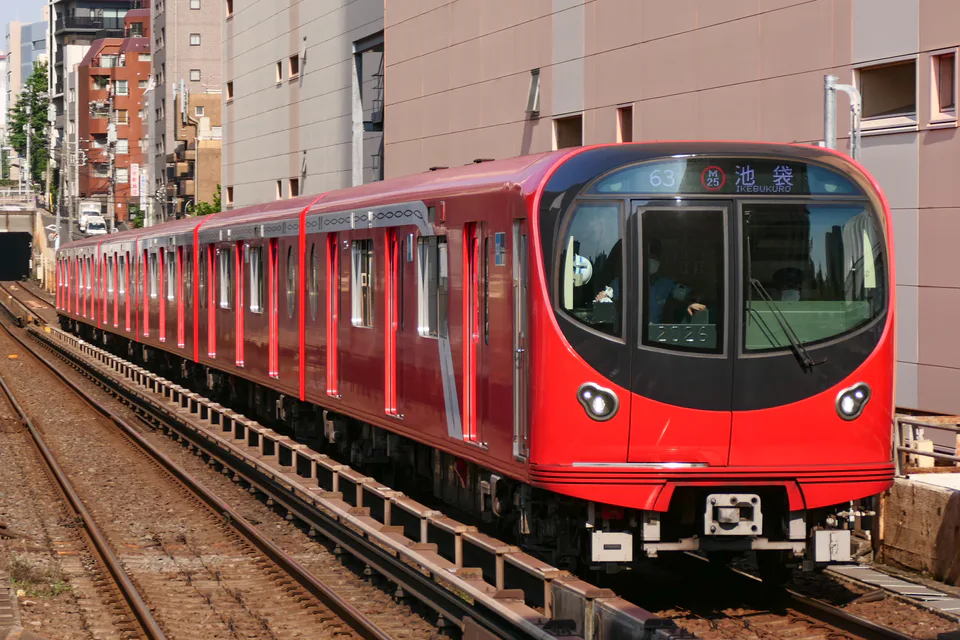
Tokyo Subway Ticket: buy it after the route is fixed
Tokyo Metro currently lists the Tokyo Subway Ticket at JPY 1,000 for 24 hours, JPY 1,500 for 48 hours and JPY 2,000 for 72 hours for adults. It covers all Tokyo Metro and Toei Subway lines for the chosen time period from first use.
That can be excellent when one dense 24–72-hour block already uses those networks repeatedly. It is weaker on JR-heavy days, private-rail journeys or slow neighbourhood days where the pass encourages unnecessary rides.
Build the route first, then test the pass against it. If you start replacing the cleanest journey just to make the ticket “pay back,” the product is now controlling the itinerary.
What to cut first when the itinerary is over capacity
Use this deletion order before adding another hotel night:
Duplicate functions: second or third observation deck, both teamLab museums, multiple large general museums with no strong interest.
Low-value detours: a 30-minute landmark that requires 45–60 minutes each way from the rest of the day.
Late-day extensions: Shinjuku after a full Harajuku/Shibuya day, or another neighbourhood after Disney/day-trip return.
Attractions only half the group wants: especially expensive, fixed-time products.
One full-day commitment: if both Disney and a regional day trip remain but Tokyo itself is collapsing, choose which one actually matters more.
Do not cut meals, sleep and transfer buffers first. Those are the parts that make the remaining itinerary work.
Final verdict: 4, 5 and 7 days are different because of commitment capacity
Choose a four-day calendar block when Tokyo city itself is the priority and Disney/day trips are optional or worth replacing one of only two full city days. Choose five days when one major commitment deserves its own full slot. Choose seven days when you want three distinct Tokyo city clusters plus one major commitment and still want a flex day—or when family pace makes recovery capacity part of the product.
The final pre-booking test is five lines: how many full days remain, which day is the one hard reservation, what Disney/day trip replaces, where the hotel makes repeated mornings and evenings easier, and which flexible plan can absorb bad weather. Once those are answered, buying tickets is the last step rather than the first.
Next high-cost decision: Disney, a day trip or another full Tokyo day?
Official sources and verification date
GO TOKYO — official five-day Tokyo itinerary · Tokyo Metro — Tokyo Subway Ticket · Tokyo Disney Resort — park ticket sales schedule · teamLab Borderless — current tickets and entry rules · Warner Bros. Studio Tour Tokyo — current ticket information. Checked August 25, 2026. Prices, ticket windows and operating hours can change; verify the actual travel date before purchase.
Tokyo First & Last Day Itinerary: What to Do With 3, 5 or 7 Usable Hours
Onomichi Day Trip from Hiroshima: Is It Worth Adding in 3 Days?
Okinawa Hotel Breakfast: Don’t Add It Until You Know What Time You Leave
Aizu Festival 2026: If You Only Have One Day, Make It September 20
1 or 2 Days at Tokyo Disney? How to Split Disneyland and DisneySea