
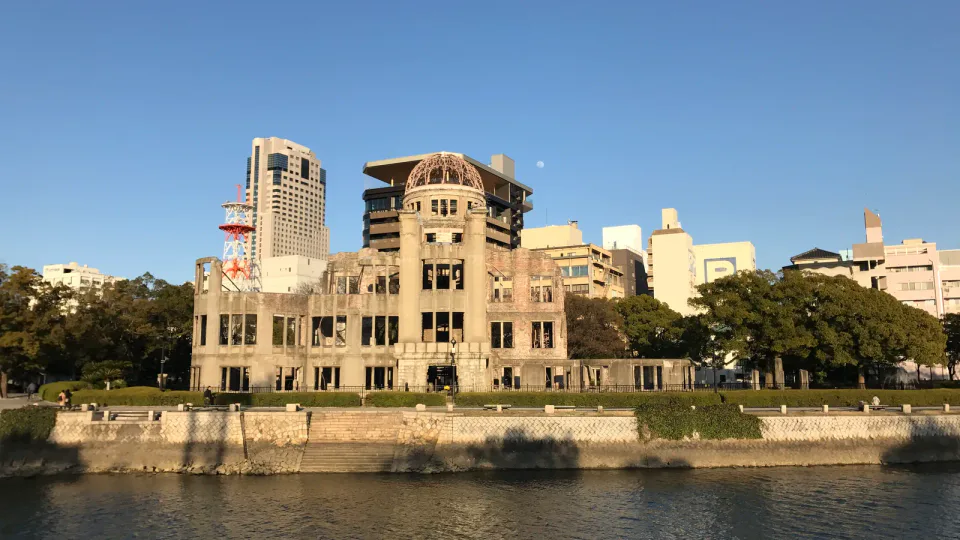
For a first Hiroshima trip with only three calendar days, I would usually skip Onomichi if Miyajima already owns one full day. Protect Hiroshima’s Peace Memorial core and Miyajima first. Add Onomichi only when its hillside townscape is a genuine priority, or when the trip is moving east and Onomichi sits naturally on the onward route. If the real goal is the Shimanami Kaido, stop treating Onomichi as a side trip: it should become a cycling gateway or overnight base.
The deciding variable is not distance. It is usable daylight after transport, slope and opening-hour constraints. Three calendar days can easily mean only one complete sightseeing day once arrival and departure are counted. Onomichi works best when it receives enough uninterrupted time to feel like a port-and-hillside town, not when it is squeezed into whatever remains after Hiroshima and Miyajima.
↔ Scroll table left or right
Your actual 3-day block | Decision | Why | What reverses it |
First visit; Peace Park + Miyajima are non-negotiable | Skip Onomichi | The third city consumes the only flexible Hiroshima hours | You have three genuinely full days, not arrival/departure fragments |
Three full sightseeing days; city core can fit in one focused day | Add Onomichi if townscape is high priority | Each destination can own a clear job | Family fatigue, rain or a long Miyajima/Misen day makes Day 3 too demanding |
Onomichi means Senkoji + lanes + waterfront only | Day trip can work | The compact town day fits normal rail access | You also want several temples, cafés and a slow evening |
Onomichi means Shimanami cycling | Rebuild the route; consider overnight | Bike-rental hours and daylight make early Onomichi time valuable | You are doing only a very short local ride and accept limited mileage |
Day 4 continues east toward Okayama / Osaka | Onomichi gets stronger | You can move the trip forward instead of returning west | Large luggage forces a poor transfer-day sightseeing chain |
First count full sightseeing days, not hotel nights
A “three-day Hiroshima stay” can describe very different trips. Arrive at 14:00 on Day 1 and leave at 15:00 on Day 3, and you have one complete sightseeing day plus two fragments. Arrive the night before Day 1 and leave on the morning of Day 4, and you have three real days.
That difference decides Onomichi before any train timetable does.
I would divide the first Hiroshima visit into three jobs:
Hiroshima city: Peace Memorial Museum, Peace Park, Atomic Bomb Dome, plus whichever secondary city sights still matter.
Miyajima: Itsukushima Shrine, island walking and optionally Mt. Misen.
Onomichi: a distinct port-town/hillside day rather than “one more Hiroshima attraction.”
If you only have two usable jobs’ worth of daylight, do not force all three destinations into the calendar. Use the Hiroshima–Miyajima two-day itinerary as the protected core first.
Onomichi is easy to reach but deliberately slow to experience
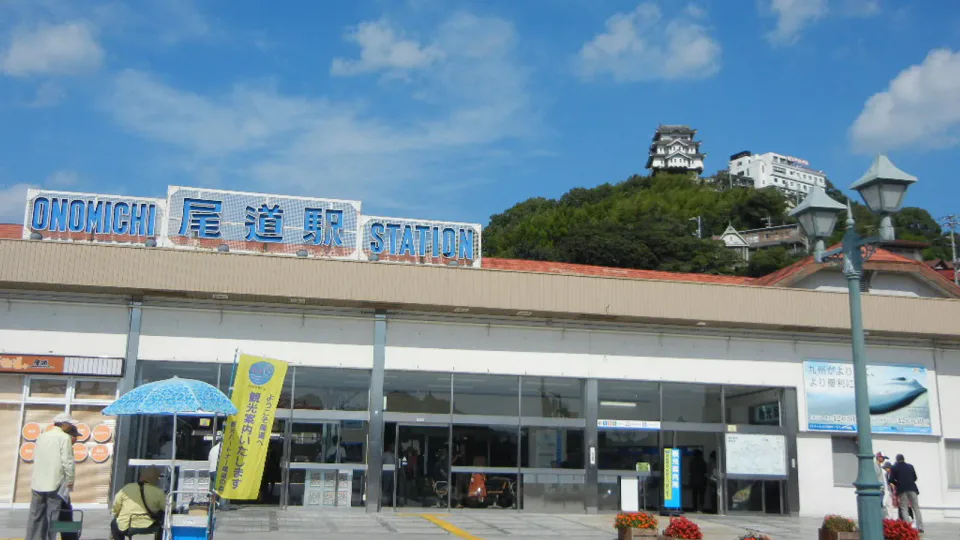
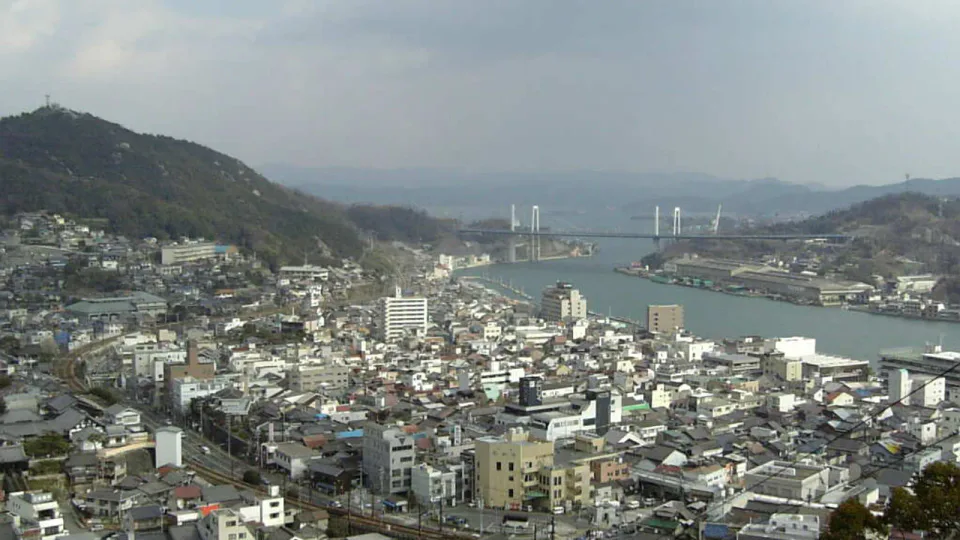
JR Onomichi Station begins almost at the waterfront, which makes the town look like an easy short stop. The representative sightseeing route then moves uphill through lanes, temples and Senkoji before returning toward the lower town.
The current official tourism information is useful for understanding the time structure. Senkoji Ropeway runs from 09:00 to 17:15 at 15-minute intervals, with a three-minute ride. The ropeway lower station is about a 15-minute walk from JR Onomichi Station. The official tourism FAQ recommends taking the ropeway uphill and walking down for roughly 30 minutes if you want an efficient first visit.
That means a fast rail arrival does not make the sightseeing itself fast. The value is in the descent, lanes, views and stops between the summit and waterfront. A three-hour visit is possible, but it is a highlight cut rather than evidence that Onomichi only “needs” half a day.
A half-day Onomichi works only when you choose what you are deleting
The disciplined half-day version is simple: station → ropeway/lower town → Senkoji area → walk downhill through selected lanes → lunch or café → station. It works because it has a strict boundary.
What it does not comfortably include is a long temple circuit, repeated café stops, waterfront wandering, shopping, sunset and meaningful cycling on the same visit.
Use a deletion test before adding the half day. If Onomichi takes four to five usable hours including access, what disappears from Hiroshima?
Shukkeien and Hiroshima Castle?
A slower Peace Museum visit?
A relaxed Hiroshima dinner?
The buffer after a long Miyajima day?
If you dislike every deletion, the problem is not Onomichi. The problem is that the three-day block is already full.
Shimanami plans change the answer completely
“I want to see Onomichi” and “I want to start the Shimanami Kaido from Onomichi” should not be answered by the same itinerary.
Shimanami Japan currently operates the Onomichi Station-front public rental terminal from 08:00 to 19:00 from March through November and 08:00 to 18:00 in winter. The operator also advises cyclists to start early because sightseeing stops accumulate and many intermediate return terminals close around 17:00.
That makes morning time materially valuable. If you leave Hiroshima, travel to Onomichi, organise luggage, rent a bike and only begin riding late morning, you have converted a cycling day into a shorter out-and-back ride.
I would use this threshold:
Town only: Hiroshima day trip is reasonable.
Short Mukaishima/local ride: day trip can still work if you accept limited distance.
Several islands / serious Shimanami day: sleep in Onomichi or move the route east so you can start near rental opening time.
Full Onomichi-to-Imabari ride: this is no longer a Hiroshima side trip; build the itinerary around the ride.
Use Onomichi or Fukuyama before the Shimanami Kaido once cycling becomes the trip purpose.
Large luggage can erase the elegance of an eastbound Onomichi stop
Onomichi becomes much more attractive on Day 3 when Day 4 is already moving east toward Okayama, Osaka or the art-island corridor. Instead of Hiroshima → Onomichi → Hiroshima → east again, you can make the journey linear.
The suitcase is the catch. Hillside walking with a 29-inch case is not a reasonable sightseeing plan.
There are several official storage options, but they should be treated as capacity/size-dependent tools rather than guarantees. Shimanami Japan lists coin lockers at JR Onomichi Station. The ropeway lower-station tourist information office also currently offers baggage storage for JPY 500 per item from 08:30 to 17:30.
For a transfer-day visit, I would prefer one of these:
forward the main suitcase to the next hotel and carry a day bag;
confirm station/official storage before committing to the stop;
stay overnight in Onomichi so the luggage goes to a room instead of through a sightseeing day.
Use the Japan luggage-forwarding guide if the route is continuing east.
Miyajima and Onomichi are not duplicates — but that does not mean you need both
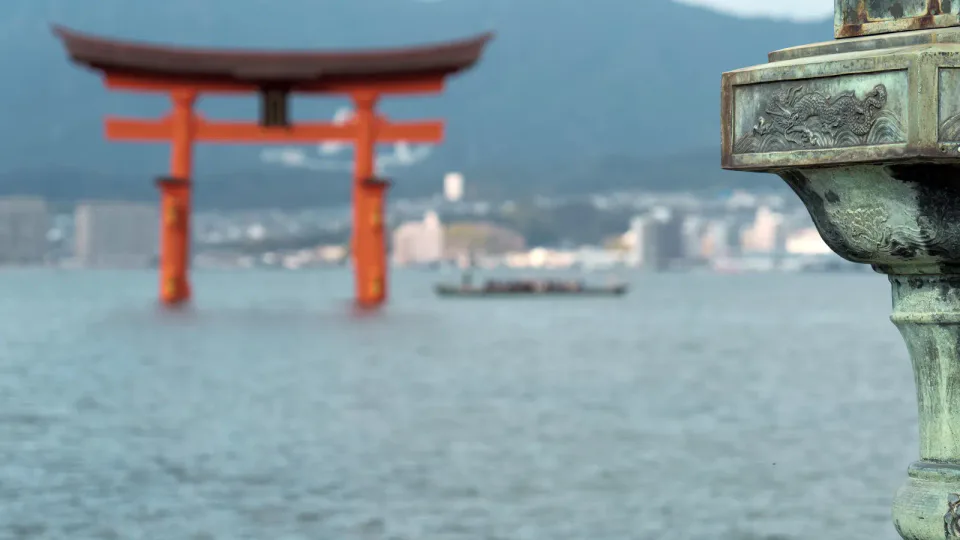
Miyajima gives you a shrine-and-island day, with Itsukushima Shrine, the torii and optional Mt. Misen. Onomichi gives you a compact Setouchi port town, hillside lanes and a cycling gateway.
The experiences are different. The mistake is treating difference as a requirement to collect both.
On a first three-day block, ask which third-day experience has the higher marginal value. If Hiroshima city feels incomplete, keep the day in Hiroshima. If Miyajima already satisfies your slower Setouchi/scenic appetite and Onomichi is only “also pretty,” skip it. If the hillside townscape or Shimanami is one of the trip images you care about most, then Onomichi can justify replacing secondary Hiroshima sights.
Families and older travellers should price the slope after the previous day
Onomichi’s hills are part of the appeal, but fatigue is cumulative. A family that spent the previous day walking Miyajima and Mt. Misen does not begin Onomichi with fresh legs just because the calendar says Day 3.
The ropeway can remove the uphill climb to Senkoji Park, but the characteristic route still includes stairs, sloping lanes and uneven walking. The official ropeway information also notes that bad weather can cause temporary closure.
For older travellers, young children or anyone with knee/mobility limits, I would make one of three changes:
use the ropeway up and walk only a selected downhill section;
skip the full temple-lane circuit and keep the waterfront/café part;
keep Day 3 in flatter Hiroshima if Day 2 was already physically demanding.
A rail trip being easy does not make the destination physically easy.
Rain should make Onomichi optional, not mandatory
Onomichi’s decision value depends heavily on outdoor movement and views. Rain can still produce atmospheric lanes and cafés, but it reduces the payoff of the summit panorama and makes stone steps/slopes less forgiving.
Do not prepay the third day psychologically. If Onomichi is the flexible extra day, keep a Hiroshima indoor/urban backup and make the final call close to the date.
This is another reason the first two priorities should be protected before adding it. A robust three-day trip has one flexible piece rather than three non-negotiable destinations fighting the weather.
Three itinerary versions that actually work
Version A: first-visit default
Day 1: Hiroshima city core. Day 2: Miyajima. Day 3: finish Hiroshima or depart. Skip Onomichi.
Best when the three days include arrival/departure fragments or when this is your only Hiroshima visit.
Version B: Onomichi is a real priority
Day 1: focused Hiroshima Peace Memorial core. Day 2: Miyajima. Day 3: Onomichi town day, with a strict Senkoji/lane/waterfront scope.
Best when you are comfortable deleting secondary Hiroshima city sights and Day 3 is genuinely full.
Version C: Shimanami is the reason you care about Onomichi
Day 1: Hiroshima. Day 2: Miyajima. Day 3: move to Onomichi late afternoon/evening after an earlier Hiroshima block, sleep there, then cycle the following morning — which means the overall route needs another day or a different night allocation.
Best when cycling outranks “three days in Hiroshima” as the organising goal.
The onward direction is the strongest reason to keep Onomichi
Onomichi is easier to justify when it advances the national itinerary. If the next destination is Okayama, Kurashiki, Osaka or another eastbound stop, a well-designed Onomichi night or transfer-day visit can reduce backtracking.
If the next destination is Fukuoka or elsewhere west, Onomichi sends you away from the route and then asks you to come back. The destination can still be worth it, but it now needs stronger experiential value.
Use route direction as a tie-breaker, not as an excuse. “It is on the way” only matters if luggage and sightseeing timing also work.
Final verdict: do not add Onomichi until the third day has a job
For a standard first visit, keep the three-day Hiroshima block focused on Hiroshima city and Miyajima unless Day 3 is a genuine full sightseeing day and Onomichi ranks above the city sights you would cut.
Choose a day trip when you want Senkoji, hillside lanes and the waterfront. Choose an overnight or route change when Shimanami cycling, sunset/evening town time or an eastbound onward journey gives the hotel a second job.
The red-team test is simple: remove Onomichi from the itinerary. If the trip suddenly becomes calmer and nothing you deeply care about disappears, skip it. If removing it deletes one of your main Japan experiences, give it a proper day rather than leftover hours.
Korankei Autumn Leaves Day Trip: Buses from Nagoya, Illumination and Traffic
Tokyo Itinerary 2026: 4, 5 or 7 Days — What Changes When You Add Disney or a Day Trip?
USJ Hotels for One Day vs Two Days: When Is Universal City Worth Moving To?
A Mount Fuji Day Trip from Tokyo Can Buy You Transport — Not the View
References
Onomichi Tourist Association — Senkoji Ropeway hours, access and operating pattern · Onomichi Tourist Association — ropeway lower-station baggage storage · Shimanami Japan — current public cycle-rental terminal hours · Shimanami Japan — lockers, showers and cycling planning guidance. Checked August 25, 2026. Ropeway operations can change for weather or maintenance; cycle-terminal hours can change by season.