Japan November weather is difficult to pack for for one reason: November is not the same season everywhere in Japan, and it is not even the same season from the first week to the last. Tokyo averages 12.5°C for the month, but its normal high/low is about 19.4/11.6°C on November 1 and 14.2/6.4°C by November 30. Sapporo averages only 5.2°C, while Naha in Okinawa still averages 22.5°C. A packing list that simply says “bring a jacket” hides the decisions that actually matter.
For Tokyo, Osaka, Kyoto and Fukuoka, the safest starting point is a long-sleeve base plus a removable medium-weight outer layer. Late-November trips, long evenings and early departures justify an extra warm mid-layer. Hokkaido should be treated as early winter rather than “a colder version of autumn,” because snow and icy surfaces are already realistic planning factors. Okinawa is the opposite: short sleeves can still be useful, with a light layer mainly for wind, evenings and air-conditioned interiors. Kyoto adds another complication—autumn leaves may be excellent, but night illuminations and early-morning crowd avoidance can make a comfortable daytime forecast feel much colder in practice.
The 30-second answer: what to wear in Japan in November
↔ Scroll table left or right
Area | November climate normal | Packing priority | Common mistake |
Tokyo | 12.5°C mean; 16.7 / 8.8°C high-low; 96.3 mm | Long sleeves + removable jacket | Packing for the monthly average instead of early vs late November |
Kyoto | 12.5°C mean; 17.3 / 8.4°C; 73.9 mm | Long sleeves + medium jacket | Dressing for daytime walking but not night foliage viewing |
Osaka | 13.8°C mean; 17.8 / 10.2°C; 72.5 mm | Long sleeves + light-to-medium jacket | Assuming a mild afternoon means a mild night |
Fukuoka | 14.2°C mean; 18.2 / 10.6°C; 91.4 mm | Long sleeves + light jacket | Treating “warmer than Kansai” as “no jacket needed” |
Sapporo | 5.2°C mean; 8.7 / 1.6°C; 113.8 mm | Warm mid-layer + windproof outer layer | Using a Tokyo autumn setup in early-winter Hokkaido |
Naha | 22.5°C mean; 25.0 / 20.4°C; 119.1 mm | T-shirt or thin long sleeve + light layer | Packing mainland autumn clothes for Okinawa |
These are Japan Meteorological Agency 1991–2020 climate normals. Use them to decide the structure of your luggage, not to predict the exact temperature on your travel dates. November cools quickly in many parts of Japan, so a current 7–10 day forecast matters much more for the final jacket choice.
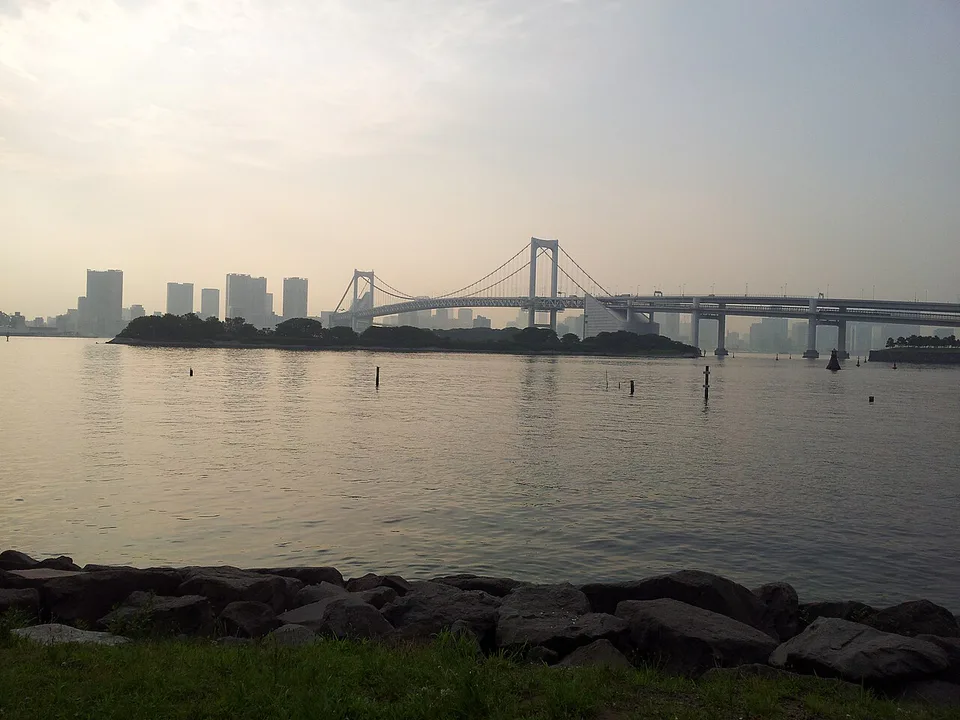
Tokyo in November: the 12.5°C monthly average hides a much bigger early-to-late-month shift
Tokyo’s November normal is 12.5°C, with a daily high of 16.7°C, a low of 8.8°C and 96.3 mm of precipitation. The more useful numbers are the daily normals: around November 1, the normal high/low is 19.4/11.6°C; by November 30, it is about 14.2/6.4°C. That is enough of a change to alter what you need after sunset. Early in the month, a long sleeve and light jacket may be plenty. Late in the month, a knit, fleece or other warm mid-layer becomes much more useful.
If this is your first trip, use a Tokyo itinerary that groups days by area before filling every hour, then use the Tokyo attractions guide to avoid unnecessary cross-city backtracking. November makes walking easier than summer, but sunset comes earlier and the temperature drops after dark. The extra energy you save from cooler weather should not automatically become another neighborhood added to the same day.
Counterpoint: if late-November lows can be around 6°C, should you just bring a heavy down jacket?
Not necessarily. Daytime temperatures can still sit around the mid-teens, and trains, department stores and restaurants are heated. A bulky coat that you carry for half the day is not automatically safer. A long-sleeve base, a thin insulating layer and a wind-resistant outer layer are usually more adaptable; upgrade further if the actual forecast turns colder or you have long outdoor night-viewing plans.
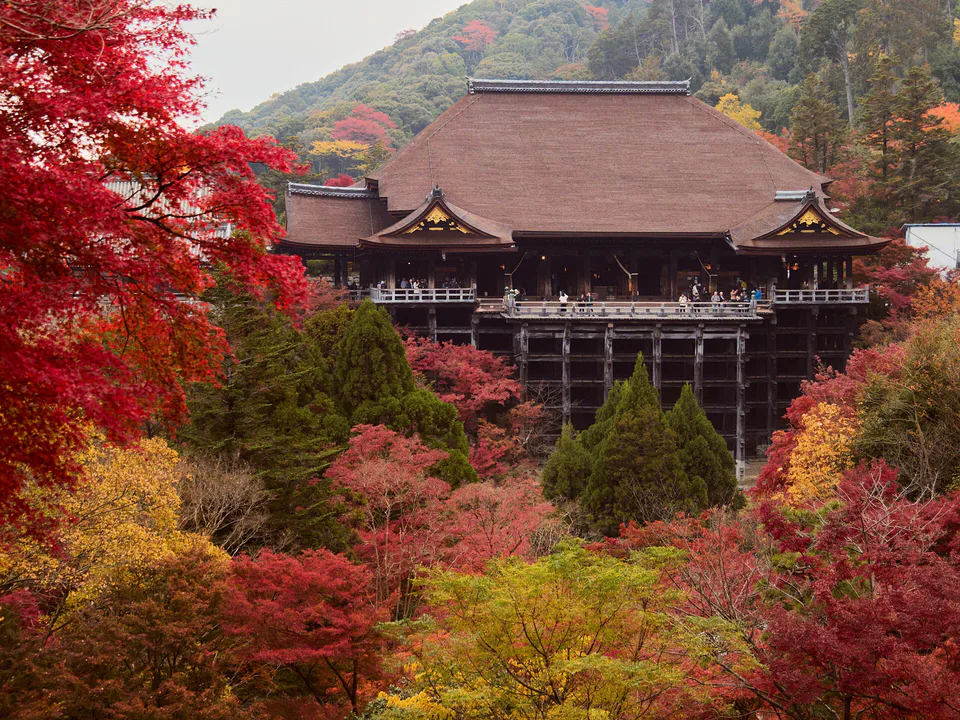
Kyoto in November: excellent walking weather, but autumn-leaves evenings feel like a different trip
Kyoto averages 12.5°C in November, with a normal high of 17.3°C, a low of 8.4°C and 73.9 mm of precipitation. Kyoto’s official tourism information describes the usual pattern as leaves beginning to color from late October, reaching a broad peak around mid-November, then moving past peak toward the end of the month. Higher or cooler areas such as Takao, Ohara and around Mt. Hiei can change earlier. That makes November a high-value foliage month, but not a date guarantee.
Start with the Kyoto autumn leaves timing guide to choose the right area for your dates. If your trip is specifically in November, the early-, mid- and late-November route guide is more useful than a generic temple list. For evening plans, also check which Kyoto autumn illuminations actually fit your route rather than stacking multiple night openings in different parts of the city.
The clothing trade-off is simple: a 17°C afternoon while walking uphill can feel comfortable, but standing still in a temple garden after dark near 8–10°C is different. A scarf, a light insulating layer and an outer shell become far more valuable for evening foliage than they look on a daytime forecast.
Counterpoint: if November is Kyoto’s main foliage month, does the exact week still matter?
Yes. “November” is a useful window, not a guarantee that every temple peaks at the same time. Conditions shift by elevation, neighborhood and year. The right approach is to use historical timing for planning, then check Kyoto’s current official foliage updates close to departure.
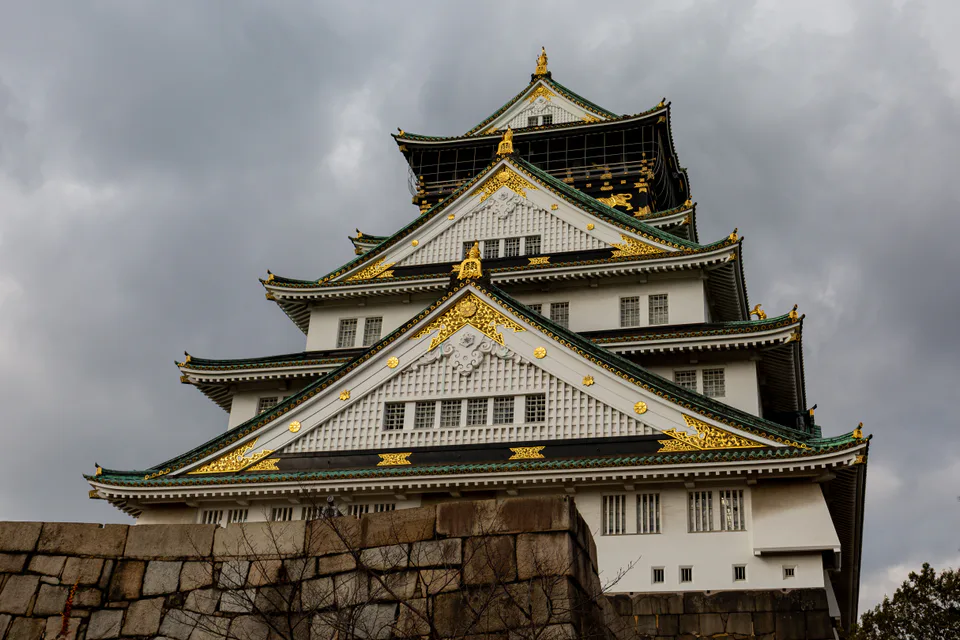
Osaka in November: 17.8°C afternoons are comfortable, but the missing layer usually shows up at night
Osaka’s November normal is 13.8°C, with a high of 17.8°C, a low of 10.2°C and 72.5 mm of precipitation. This is an excellent range for city walking, but it creates a familiar packing trap: the afternoon feels easy, so the evening layer stays in the hotel. Long sleeves with a light-to-medium jacket are more flexible than relying on one heavy coat.
The weather lets you spend more time outdoors, but it does not change the city’s geography. Use the Osaka attractions-by-neighborhood guide to keep Namba, Umeda, Tennoji and Osaka Castle in sensible blocks. Cooler weather saves heat fatigue; it does not make cross-city backtracking free.
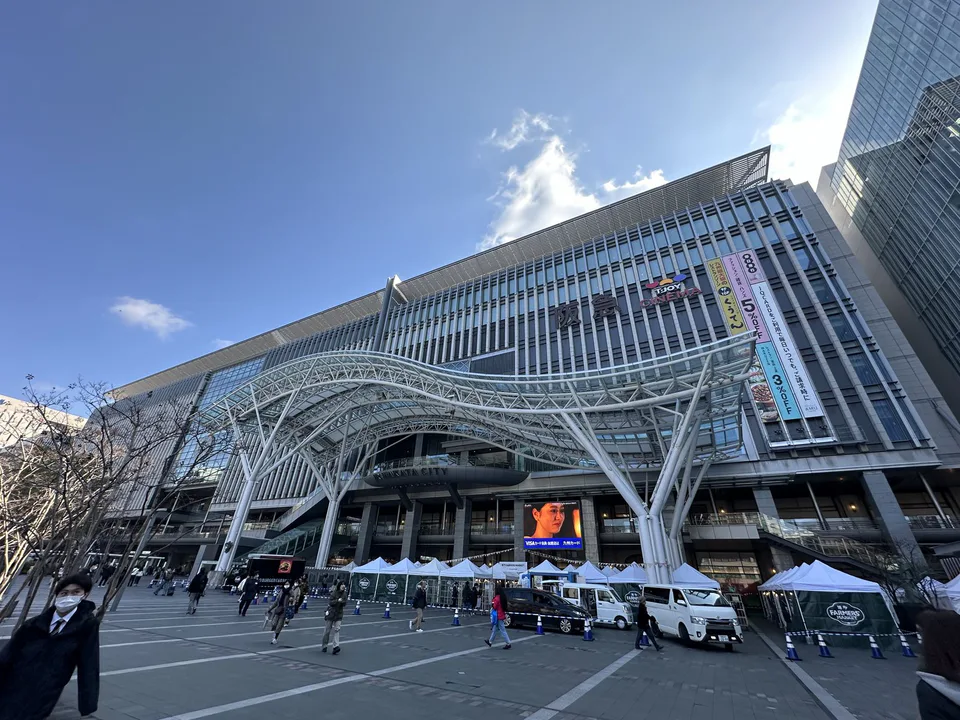
Fukuoka in November: slightly milder than Tokyo or Kyoto, not jacket-free
Fukuoka averages 14.2°C in November, with a normal high of 18.2°C, a low of 10.6°C and 91.4 mm of precipitation. A long sleeve and light jacket work for many urban days, but early trains, waterfront wind and late-night yatai can make a thin top feel insufficient. “Warmer than Kansai” is a relative comparison, not a summer packing rule.
For a short city break, the Fukuoka 3-day itinerary is a better way to decide how much evening time you will actually spend outside. Keep a compact rain option rather than deleting all weather backup simply because November is much drier than the rainy season.
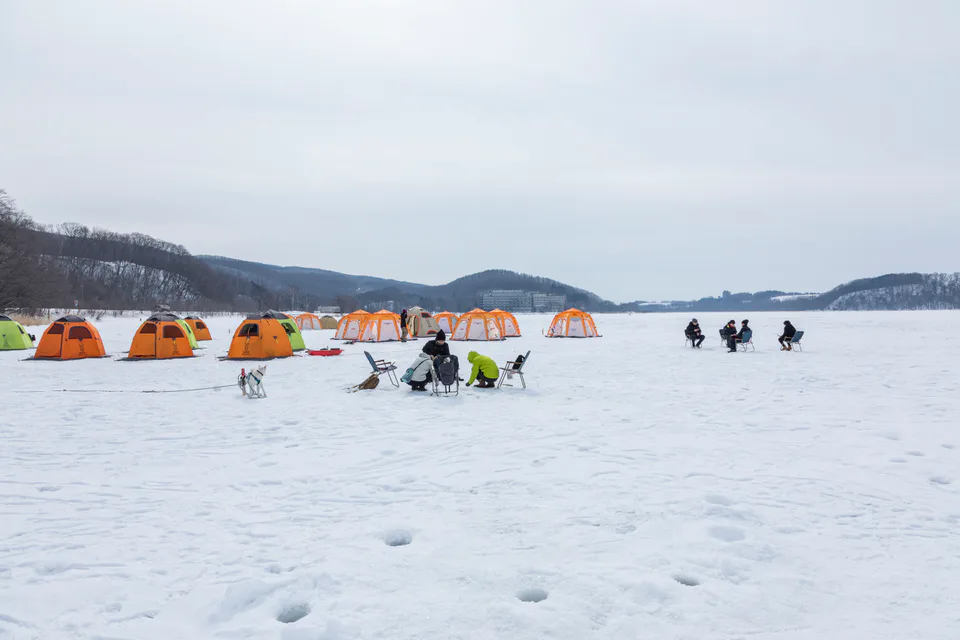
Hokkaido in November: Sapporo at 5.2°C is early winter, not “autumn with a thicker jacket”
Sapporo averages 5.2°C in November, with a normal high of 8.7°C, a low of 1.6°C and 113.8 mm of precipitation. JMA’s 1991–2020 normal for total November snowfall depth is 30 cm. That does not mean you will walk through 30 cm of snow every day; it means snowfall, slush and ice are normal enough to belong in the main plan rather than the emergency appendix.
A warm base layer, insulating mid-layer, wind-resistant outer layer and shoes with usable grip on cold or wet surfaces matter more than adding another fashionable sweater. Hat and gloves become worthwhile when the forecast shows snow, stronger wind or extended evening time outdoors.
If November is part of a wider Hokkaido trip, use the Hokkaido winter itinerary guide to check whether your route is already behaving like a winter trip. Early November can still show the tail end of autumn in some areas, but packing should not assume Sapporo remains in the same season as Tokyo.
Counterpoint: does a 5°C monthly average mean you need your heaviest snow gear every day?
No. Indoor heating can be strong, and a sunny daytime can feel very different from a snowy evening. Layering still wins: separate base, insulation and wind protection so you can remove pieces indoors and add them outside. The key November upgrade is not “maximum insulation”; it is being ready for snow, wet cold and slippery ground.
Okinawa in November: 25°C daytime weather makes a Tokyo-style coat the wrong solution
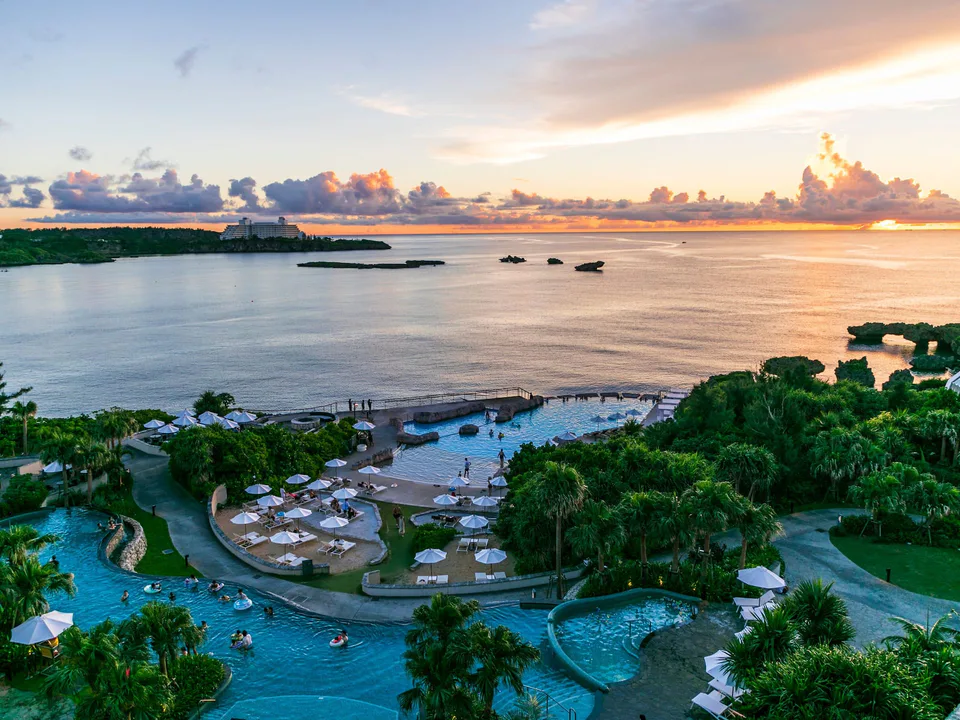
Naha averages 22.5°C in November, with a normal high of 25.0°C, a low of 20.4°C and 119.1 mm of precipitation. On a sunny afternoon, short sleeves can still be comfortable. A thin long sleeve or light wind layer is usually enough for evenings, breezy coastlines and strong air conditioning. Packing heavy knitwear because the calendar says “November” is one of the easiest ways to waste luggage space.
If your plans depend on ferries, islands or water activities, cooler weather does not make sea conditions irrelevant. Keep the Okinawa rainy-day and typhoon backup guide saved because wind, rain and operator safety decisions can still change marine plans even when tropical-cyclone risk is lower than in peak summer.
Shoes and rain gear in November: Hokkaido is the real dividing line
For Tokyo, Kyoto, Osaka and Fukuoka, a comfortable walking shoe that does not become miserable in light rain is usually enough. November alone is not a reason to switch to snow boots. Hokkaido is different: when the forecast includes snow, slush or freezing temperatures, outsole grip, water resistance and warmth move much higher on the priority list. On the mainland, a folding umbrella remains useful; in windy or wet-snow conditions in Hokkaido, a hooded wind-resistant layer can be more practical than relying only on an umbrella.
Tokyo + Hokkaido or Tokyo + Okinawa: do not pack for the average of two climates
Tokyo + Hokkaido: share base layers, not the entire outerwear system
Tokyo averages 12.5°C in November; Sapporo averages 5.2°C. The efficient approach is to share long-sleeve base layers, then add a real Hokkaido module: insulation, wind protection, gloves or a hat when needed, and footwear that can cope with cold wet ground. This packs better than forcing one bulky coat to work badly in both places.
Tokyo + Okinawa: your Tokyo jacket can stay in the suitcase in Naha
Late-November Tokyo mornings can be near 6°C by normal values, while Naha’s monthly normal low is still 20.4°C. There is little reason to make one jacket serve both destinations. Because cross-region trips rely more heavily on live forecasts, train updates, ferry notices and activity messages, sort out your Japan eSIM setup before departure instead of depending on public Wi-Fi for last-minute changes.
Five common November packing mistakes in Japan
First, treating all of Japan as the same “late autumn.” Second, using Tokyo’s 12.5°C monthly average without checking whether the trip is in the first or last week. Third, dressing for Kyoto’s daytime foliage walks but not evening illuminations or early queueing. Fourth, taking a Tokyo autumn jacket to Sapporo without snow-ready footwear. Fifth, packing mainland knitwear for Okinawa. The reliable method is to pack by region, dates and how long you will remain outside after dark.
How to check the forecast before departure
Seven to ten days out, look at the direction of daily highs and lows, especially the overnight low. Forty-eight to seventy-two hours before each day, check hourly rain and wind, whether Sapporo is showing snow or freeze-thaw conditions, and the actual temperature during Kyoto night-viewing hours. Climate normals answer “what type of clothing should be in the suitcase?” The current forecast answers “which layers should I wear today, and do I need different shoes or a different evening plan?”
FAQ: Japan November weather and what to wear
Do I need a down jacket in Japan in November?
For most city trips in Tokyo, Osaka, Kyoto and Fukuoka, a heavy down jacket is not automatically necessary; a medium jacket with removable layers is often easier to manage. In Sapporo, a light down jacket or equivalent insulating layer becomes much more useful depending on your dates, cold tolerance and whether snow is in the forecast. Okinawa generally does not need it.
Is early November very different from late November in Tokyo?
Yes—enough to change packing. Tokyo’s 1991–2020 daily normals are about 19.4/11.6°C on November 1 and 14.2/6.4°C on November 30. Early November can still feel like straightforward autumn; late November mornings and evenings are much closer to early winter.
Is November the best time for autumn leaves in Kyoto?
November is one of Kyoto’s main autumn-leaves windows. Kyoto’s official tourism guidance says coloring usually begins in late October, broadly peaks around mid-November and moves past peak toward the end of the month, with some higher or cooler areas earlier. Actual timing shifts every year, so check the current official foliage updates before locking in your route.
Will it definitely snow in Hokkaido in November?
No forecast can guarantee snow on your exact travel dates. But Sapporo’s November climate normal includes 30 cm of total snowfall depth and a normal low of 1.6°C, so snow, slush and icy surfaces should be treated as realistic conditions rather than rare exceptions.
Verdict: November in Japan needs three packing systems, not one “autumn outfit”
For Tokyo, Kansai and Fukuoka, long sleeves, a removable warm mid-layer and a medium outer layer cover most November travel. For Hokkaido, upgrade the trip to early-winter logic and include footwear grip plus real wind protection. For Okinawa, keep the packing much lighter: short sleeves or thin long sleeves with a light outer layer. The biggest November mistake is not forgetting one sweater—it is assuming “Japan in autumn” describes Tokyo’s late-month chill, Kyoto’s night foliage, Sapporo’s snow risk and Okinawa’s 25°C afternoons equally well.
Data basis: Japan Meteorological Agency 1991–2020 climate normals and Sapporo snowfall normals; Kyoto foliage timing is based on Kyoto City Official Travel Guide guidance. Actual temperatures, rain, snowfall, foliage progress, transport and sea conditions vary by date, so recheck current official information before departure.