
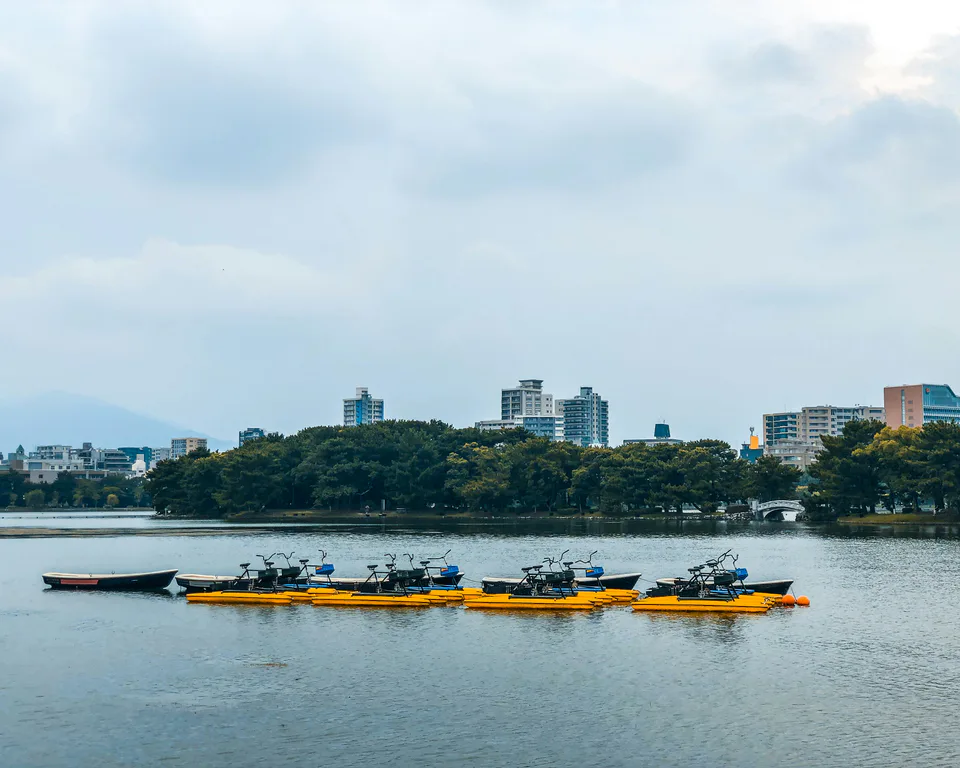
For a first three-day Fukuoka trip, keep Day 1 east/central, Day 2 west/central and use Day 3 for exactly one of three jobs: Dazaifu, Itoshima, or a flexible city-and-departure day. Do not add Yufuin or Beppu unless the trip is actually becoming a wider Kyushu itinerary. Fukuoka works best in three days when each day has one geographic direction and the final day is designed around the real airport terminal—not the slogan that “Fukuoka Airport is only minutes from downtown.”
The important August 2026 correction is for international flights. The subway station is at the Domestic Terminal. Fukuoka Airport currently says the free International → Domestic terminal shuttle takes about 10 minutes, with possible road delays. So a same-day international departure has a different final-mile buffer from a domestic flight even when both travellers begin at Hakata or Tenjin.
↔ Scroll table left or right
Day | Main job | What to cut first |
Day 1 | Arrival → Hakata/Gion → Nakasu or Tenjin dinner | Any prepaid distant evening plan after a late flight |
Day 2 | Ohori → Momochi/Fukuoka Tower if weather works → Tenjin/Daimyo | Momochi/Tower when visibility is poor |
Day 3 | Dazaifu, Itoshima, or flexible city time | The day trip when departure logistics become the hard constraint |
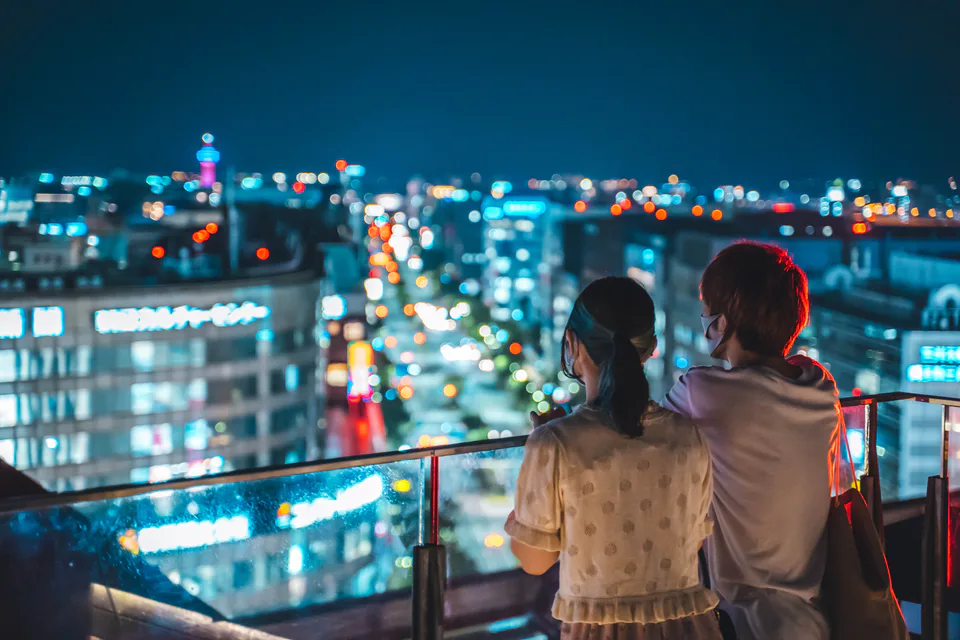
Day 1: treat arrival time as usable-hours math, not a sightseeing promise
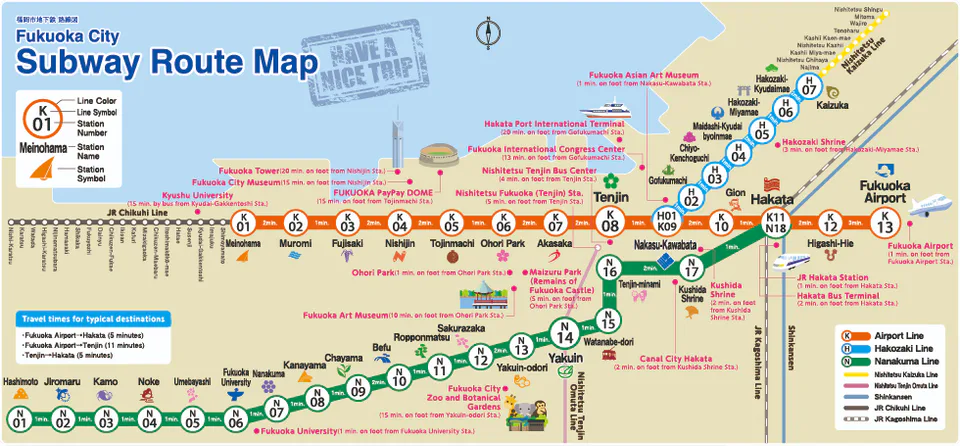
Fukuoka Airport is unusually close to the city, but a scheduled landing is not hotel-ready time. International arrivals still have immigration and baggage, and travellers using the subway must move between terminals.
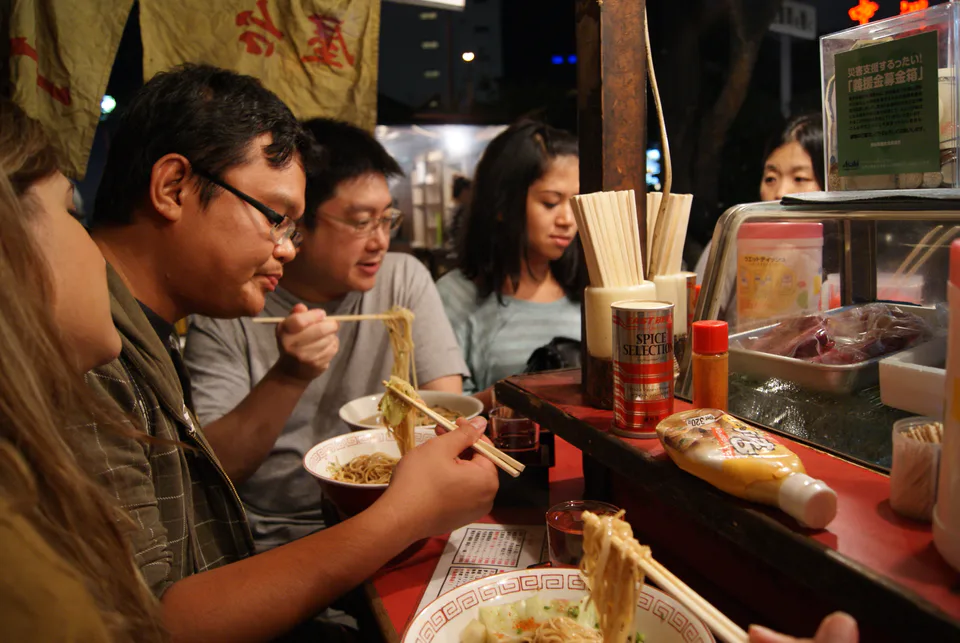
If you arrive before lunch and the group is fresh, leave luggage at the hotel and use a compact Hakata–Gion–Kushida Shrine–Nakasu line. If you arrive in mid-afternoon, reduce that to one old-Hakata stop plus dinner. If you arrive in the evening, the correct itinerary is often simply airport → hotel → dinner near the hotel.
Do not test the entire three-day plan on the first night. A yatai stall, tower ticket or reservation across town is optional; successfully ending a long-haul arrival day is not.
Hakata or Tenjin? Let repeated use decide, not the airport alone
Hakata is the stronger base when two or more mornings begin on JR, Shinkansen or regional buses, or when the final day is luggage-heavy. Tenjin is stronger when shopping, Daimyo/Imaizumi and late dinners repeatedly put the hotel inside the day’s natural loop.
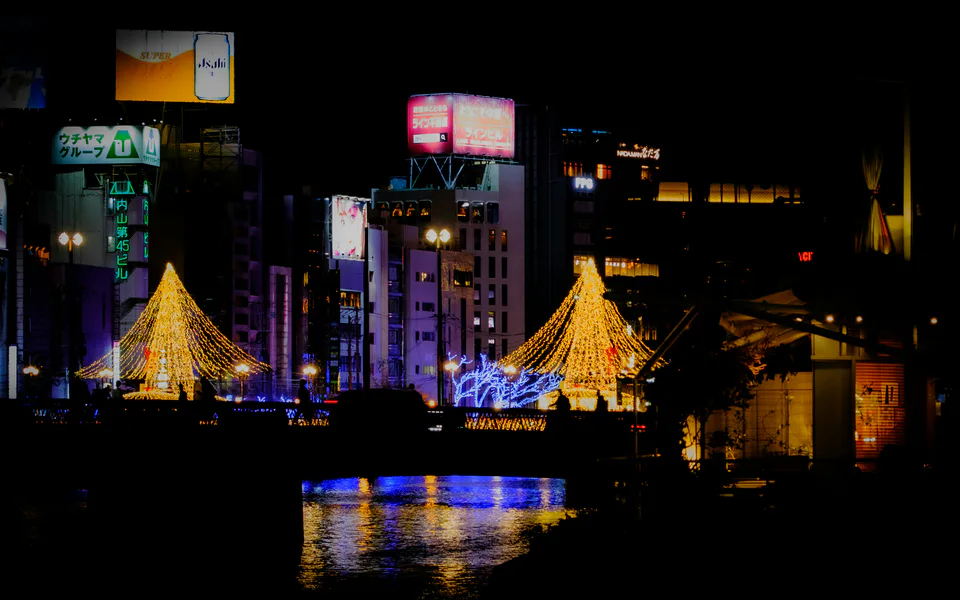
The airport should only break the tie when arrival/departure is unusually fragile. One slightly shorter airport journey is used once. A hotel location that improves three evenings can be used three times.
Use Hakata vs Tenjin if the accommodation base is still undecided.
Day 2: west-side city day, with Momochi as a weather module
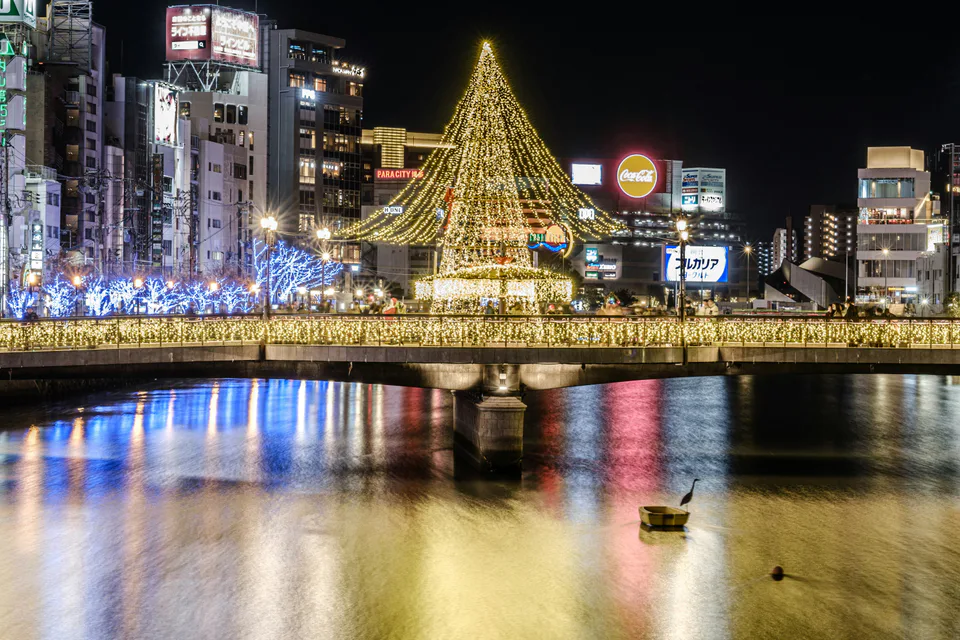
Start around Ohori Park. Add the Fukuoka Art Museum or another indoor stop if it interests the group, then continue toward Momochi and Fukuoka Tower only when the weather justifies paying for a view. Finish in Tenjin/Daimyo rather than crossing back and forth between east and west Fukuoka.
Fukuoka Tower currently lists normal hours of 09:30–22:00 with final admission at 21:30, although crowd conditions can cause the final entry time to move earlier. The adult admission is currently JPY 1,000.
The decision is not “Is Fukuoka Tower good?” It is “Does today’s visibility make a 123-metre observation deck worth the time and ticket?” If the answer is no, move the afternoon indoors and protect the Tenjin evening.
Day 3 should be chosen from the departure backward
This is the biggest change from a generic “three-day itinerary.” Day 3 is not automatically another full sightseeing day. It is the remaining time after you protect the departure.
Use this sequence:
Write down the airline’s required terminal arrival time.
Add the city-to-airport journey.
If using the subway for an international flight, add the inter-terminal shuttle and a road-delay buffer.
Add hotel luggage collection.
Only then decide how far from central Fukuoka you can safely go.
The airport’s current official information says International → Domestic terminal transfer by the free shuttle is about 10 minutes and can take longer in road traffic. The same physical separation matters in reverse when your city route brings you to the Domestic Terminal side but your flight departs internationally.
Choose Dazaifu when culture matters and the departure still leaves a clean half-day
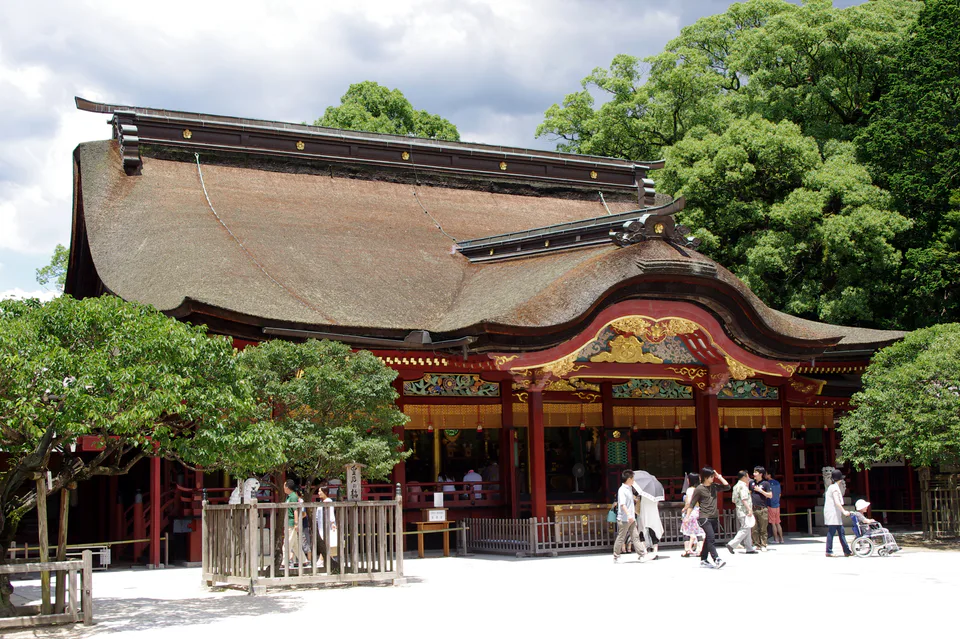
Dazaifu is the most resilient first-time excursion because it has a clear centre and works without a car. Go early, visit Dazaifu Tenmangu, and add the Kyushu National Museum only if the group has enough time and genuine interest.
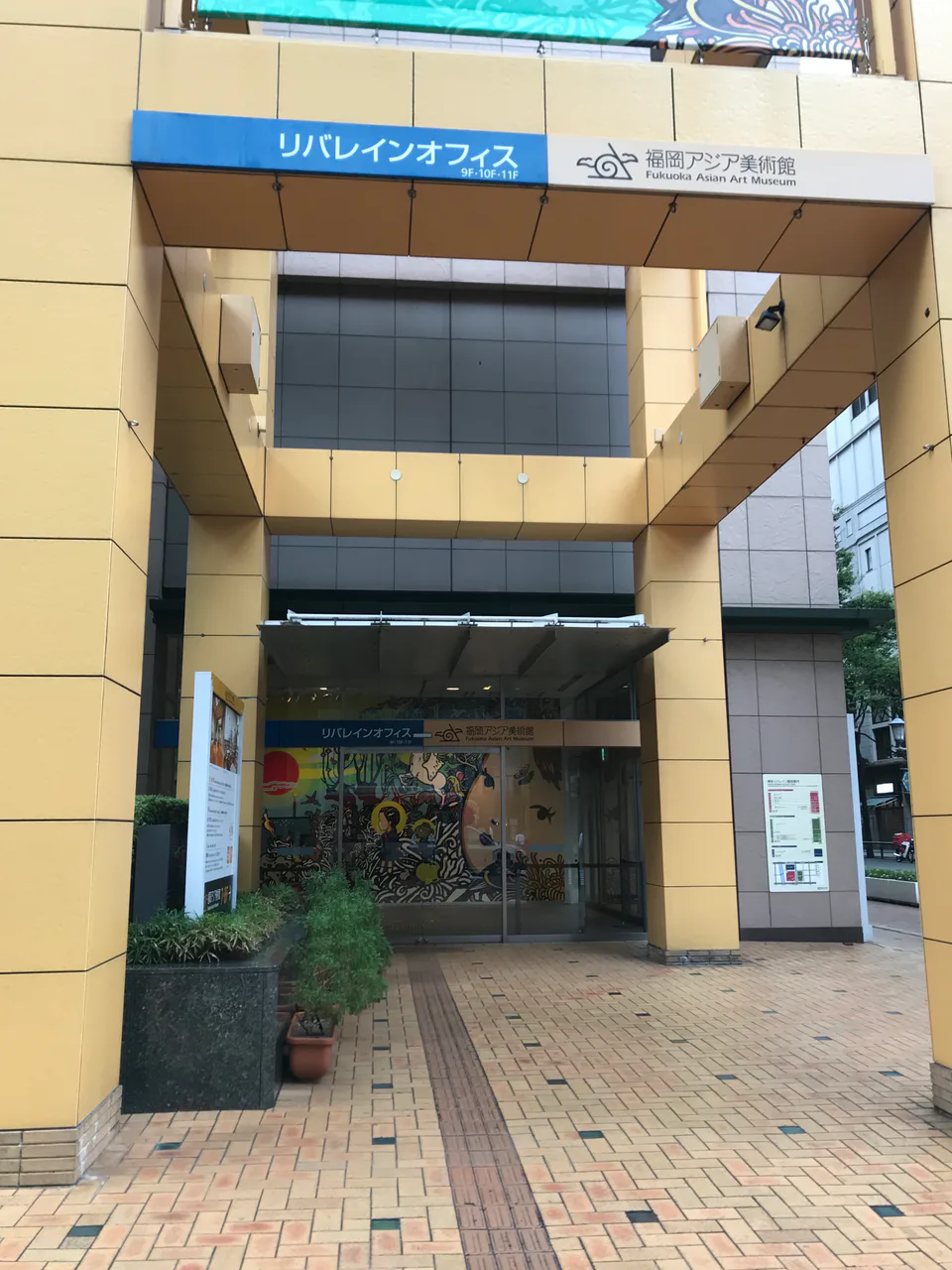
The Kyushu National Museum’s current 2026 visitor information lists normal hours of 09:30–17:00, with last admission 30 minutes before closing. It is generally closed on Mondays except public-holiday arrangements. The Cultural Exchange Exhibition currently costs JPY 700 for adults and JPY 350 for university students; high-school age and below, under-18 visitors and people aged 70+ have free-admission provisions with qualifying ID.
This makes Dazaifu especially useful for a multigenerational trip: the shrine can be the outdoor anchor and the museum can extend or absorb poor weather. But if the same-day flight creates a tight return, do the shrine only rather than treating the museum as mandatory because it is nearby.
Choose Itoshima only when the coast is the purpose—not because Day 3 looks empty
Itoshima is geographically spread out. Without a car, a single coast zone, activity or carefully timed bus plan is more realistic than trying to reproduce a self-drive photo route.
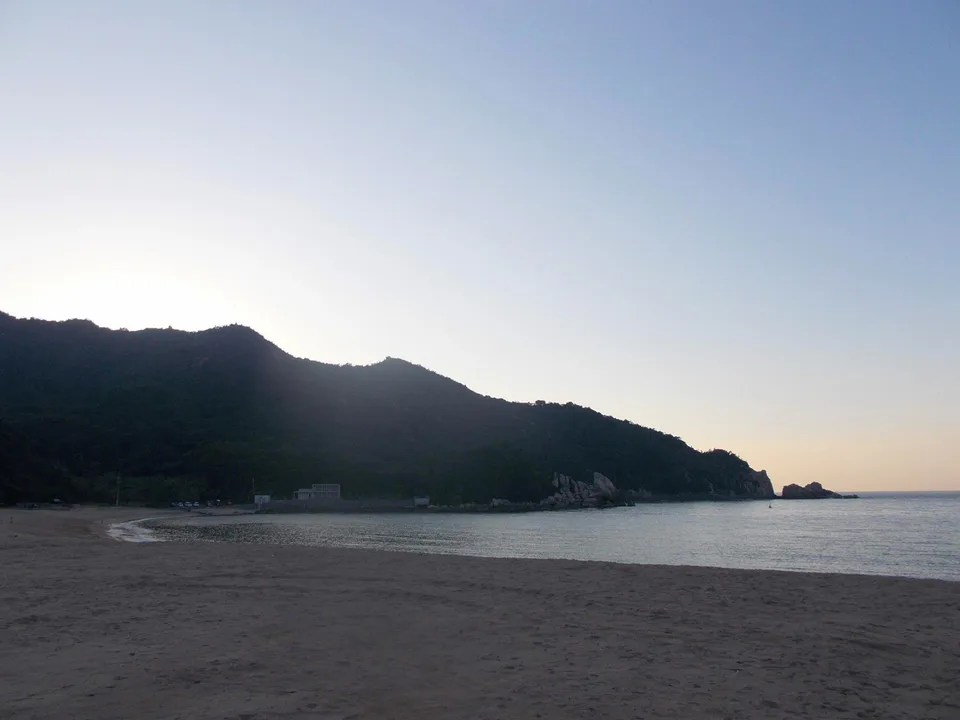
I would choose Itoshima when the forecast is good, the group wants coast/cafés more than city time, and the flight is not forcing an early return. I would not use it as the default final day before an international departure. A delayed bus, parking problem or slow lunch has a larger consequence when the airport clock is already running.
If the weather is poor or the departure is earlier than expected, the correct move is not to “fit Itoshima faster.” Switch to a central city day.
The flexible city day is not the boring fallback
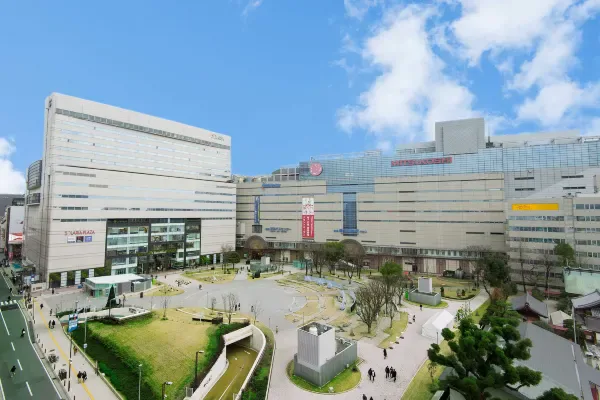
For many travellers, Day 3 is better spent in Hakata/Tenjin with luggage stored at the hotel: shopping, a long lunch, a museum, Canal City, department-store food halls or simply recovering from the previous two days.
This version becomes the best answer when:
the flight is earlier than expected;
rain or wind weakens the coast;
older parents or children need a slower morning;
shopping means luggage has grown substantially;
you are continuing by Shinkansen rather than flying.
It has lower spectacle but higher resilience. On a three-day trip, protecting the last useful hours can be more valuable than adding one more destination name.

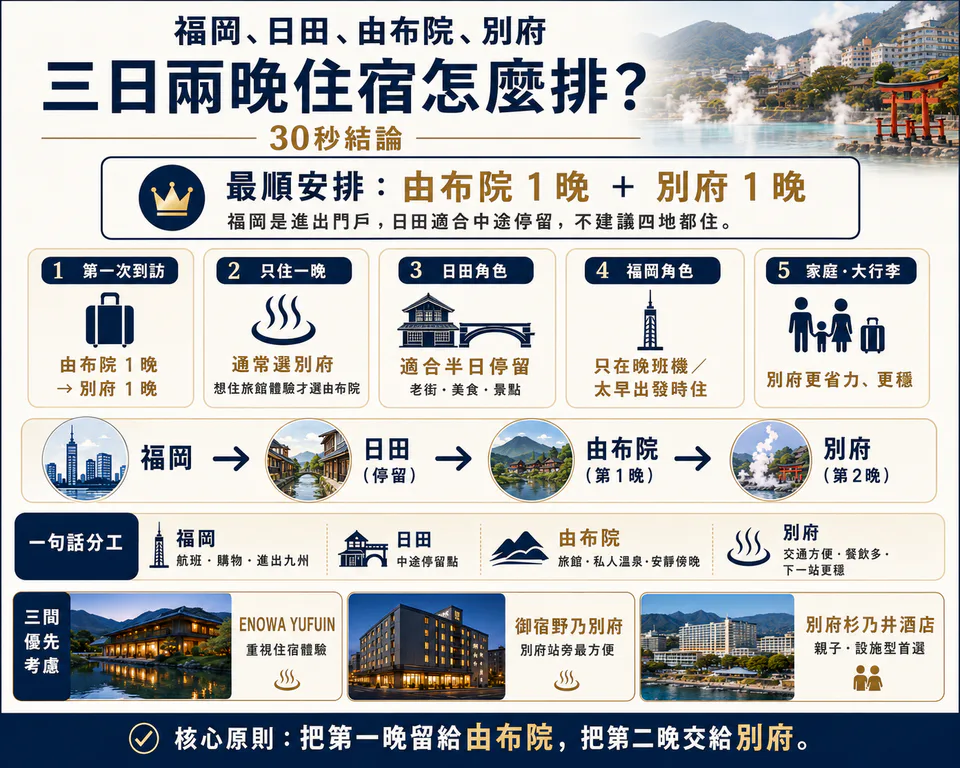
Do not add Yufuin or Beppu inside these three days unless Fukuoka stops being the main trip
A Yufuin or Beppu day is not a small extension. It consumes an intercity movement and changes where your useful morning/evening hours occur.
If onsen is a trip priority, turn Day 3 into the start of a wider Kyushu itinerary and sleep there. Do not leave Fukuoka, rush an onsen town, then return solely to preserve the label “three days in Fukuoka.” Use Beppu vs Yufuin to decide where the next night belongs.
Three versions that actually fit three days
Standard first trip: Day 1 Hakata/Gion/Nakasu → Day 2 Ohori/Momochi/Tenjin → Day 3 Dazaifu.
Food/shopping trip: Day 1 Hakata → Day 2 Tenjin/Daimyo → Day 3 flexible city time; skip the excursion.
Coast-first trip: Day 1 central Fukuoka → Day 2 city → Day 3 Itoshima, but only with a late enough departure or another night in Fukuoka afterward.
Final verdict
Three days is enough for a strong first Fukuoka visit when you resist treating proximity as infinite capacity. Keep Day 1 compact, give Day 2 one west-side geographic line, and make Day 3 a deliberate choice.

The biggest planning correction is the final airport leg: domestic-terminal subway convenience and international-terminal convenience are not identical. If your Day 3 plan only works by pretending the international terminal is the subway platform, it is already too tight.
Sources and verification date
Checked August 25, 2026 against Fukuoka Airport’s current terminal-transfer information, Fukuoka Tower’s current hours/admission information and the Kyushu National Museum’s 2026 visitor guide. Fukuoka Airport currently estimates about 10 minutes between the International and Domestic terminals by free shuttle and warns that road conditions can cause delays. Recheck operating conditions for the actual travel date.