An Osaka cultural itinerary should not feel like seven days of “important Japanese things.” The version here is deliberately narrower: one evening built around sumo entertainment in Osaka, one Kyoto afternoon built around tea ceremony, one separate Kyoto day for samurai or a modern-art alternative, one low-pressure historical day in Nara, and one adult-oriented day in Kobe’s Nada sake district. The trade-off is simple: you will see fewer headline attractions than a classic first-trip itinerary, and this version is one of the few Osaka-based seven-day plans where spending one night in Kyoto can genuinely improve the trip.
That overnight is not included because Kyoto is more “authentic,” and it is not a prestige upgrade. It only works if you actually use the evening after your tea ceremony and the following morning before your samurai or art experience. If you would finish tea, return to Osaka at 6 p.m., then leave Kyoto again early the next day, keep one Osaka hotel instead. The theme of this itinerary is not depth for its own sake. It is paying only for experiences that perform a distinct job in the week.
If your real priorities are USJ, Arashiyama, Fushimi Inari at sunrise, Himeji and a long list of first-time landmarks, use a more conventional Kansai plan. This is for travelers willing to replace two or three “must-sees” with time to watch, learn, participate, taste and slow down.
The 30-second decision: this is a themed trip, not an Osaka sightseeing checklist
Choose this route if at least two of these statements sound right. You have been to Japan before and landmarks alone are starting to feel interchangeable. You are visiting Kansai for the first time but would rather remember one tea ceremony and one hands-on cultural experience than collect ten temples. You are traveling as a couple, adult friends or solo and prefer one meaningful paid anchor per day. Skip it if young children set the pace, if USJ is the unquestioned centerpiece of the week, or if Kyoto itself deserves three full days.
The key discipline is that every paid experience has to do a different job. HIRAKUZA is staged entertainment and an introduction to sumo culture. Tea ceremony is ritual, pacing and etiquette. Samurai Kenbu can be performance, costume and physical participation depending on the program. teamLab, if you substitute it, is contemporary immersive art. Nada-Gogo is production culture: rice, water, brewing, tools, brands and tasting. Those are different functions. Paying twice for the same function is where this itinerary starts to become expensive without becoming better.
If you still feel pulled toward a ranking of “top Osaka sights,” start with Osaka attractions grouped by neighborhood first. That article helps answer whether you really want a themed cultural week or simply a better-routed classic trip.
The first counterintuitive hotel choice: this itinerary leans Namba, not Umeda
Most Kansai day-trip logic pushes travelers toward Umeda because Kyoto and Kobe sit north of central Osaka. This itinerary is different. Day 1 is a flexible Namba evening, Day 2 ends with HIRAKUZA in Namba Parks, Day 6 is a Nara day trip, and the final day may return to Osaka food culture. Kyoto is partly removed from the equation by spending one night there. That makes Namba a much stronger all-week base than it looks on a map.
Namba also works well for KIX arrivals and departures, but airport convenience should never be reduced to “Nankai is direct.” The real question is how far your hotel is from the station after you get off the airport train and whether that last segment is easy with luggage. Use Kansai Airport to Osaka to compare the last mile, then Namba vs Umeda if you are still split between the two areas.
If you decide not to spend the night in Kyoto and instead commute from Osaka on both Kyoto days, the answer starts to swing back toward Umeda. That is why hotel choice belongs after itinerary structure, not before it. The broader where to stay in Osaka decision hub is the right fallback if this route changes.
Day 1 | Arrive in Osaka: build orientation, not a paid “first-night experience”
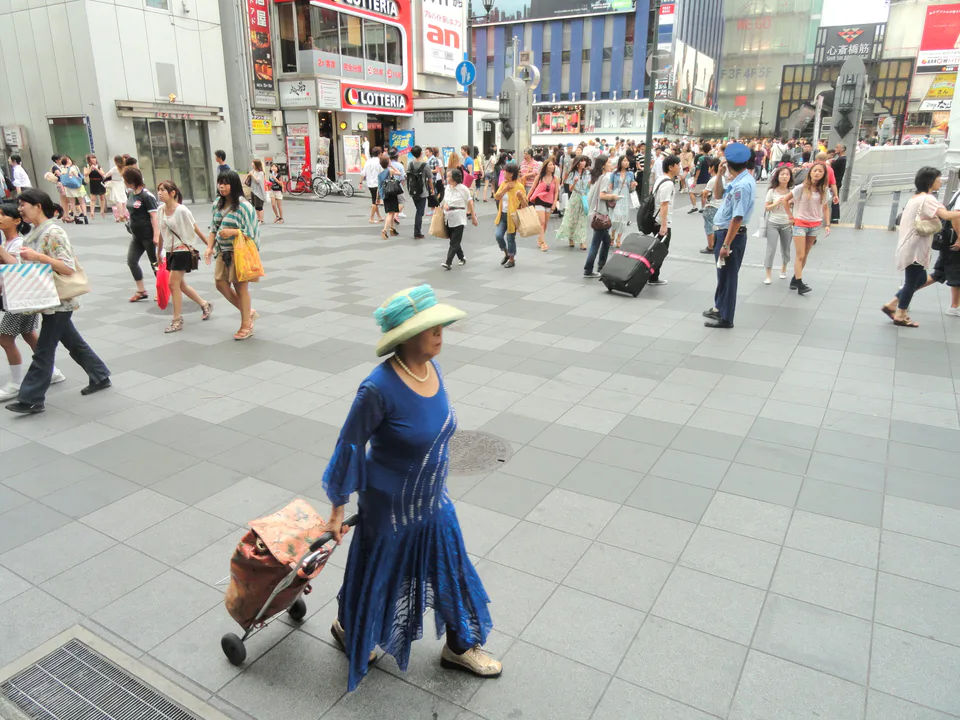
If you are checked in before 3 p.m., treat Namba as a living district first
Do the unglamorous work that makes the rest of the week easier: locate Nankai Namba, Osaka-Namba and the Osaka Metro entrances you are actually likely to use; walk the route back to your hotel once; identify a simple breakfast option and a convenience store. A cultural itinerary has three cross-city days and several timed experiences. Ten minutes spent learning your home base on Day 1 can save more friction than another attraction.
From late afternoon, walk through Shinsaibashi, Dotonbori, Hozenji Yokocho or the backstreets of Namba with no ticket and no deadline. These places work well on an arrival day because they compress easily if immigration, baggage or the airport train takes longer than expected. Do not “prove” that the trip has started by locking a sunset deck, cruise or dinner show onto a day you do not control.
If you only reach the hotel after 6 p.m., delete even more
Have dinner near the hotel and take a short walk. The most common mistake on a seven-day itinerary is compensating for a weak arrival day by borrowing from tomorrow. That is exactly how Day 2 turns into 20,000 steps before a timed evening show. The week has enough structure later. Arrival night is where flexibility belongs.
Day 2 | Osaka history and sumo: one city story by day, one paid stage by night
Morning to early afternoon: Osaka Castle without turning it into a pass-collection exercise
Give Osaka Castle Park two to three hours. The point is not simply to photograph the tower. Walk the moats, stone walls and surrounding grounds so the day begins with the city’s early-modern political story before switching to sumo as a contemporary entertainment format in the evening. Enter the museum only if the interior interpretation matters to you; the park itself can carry a substantial part of the morning.
This is also why an Osaka attraction pass is not automatically a good fit. If your real paid anchor is HIRAKUZA, adding observatories, cruises and towers because a pass includes them changes the design of the day. You are no longer protecting the cultural theme; you are working for the pass.
Mid-afternoon: return to Namba and create a deliberate buffer
Have a light meal, sit down and stop sightseeing for a while. HIRAKUZA publishes a monthly performance calendar and the exact schedule changes, so the show time has to be checked for your date. The useful principle is stable even when the clock time is not: the final hour before a timed performance should not contain another queue, another district or a long restaurant wait.
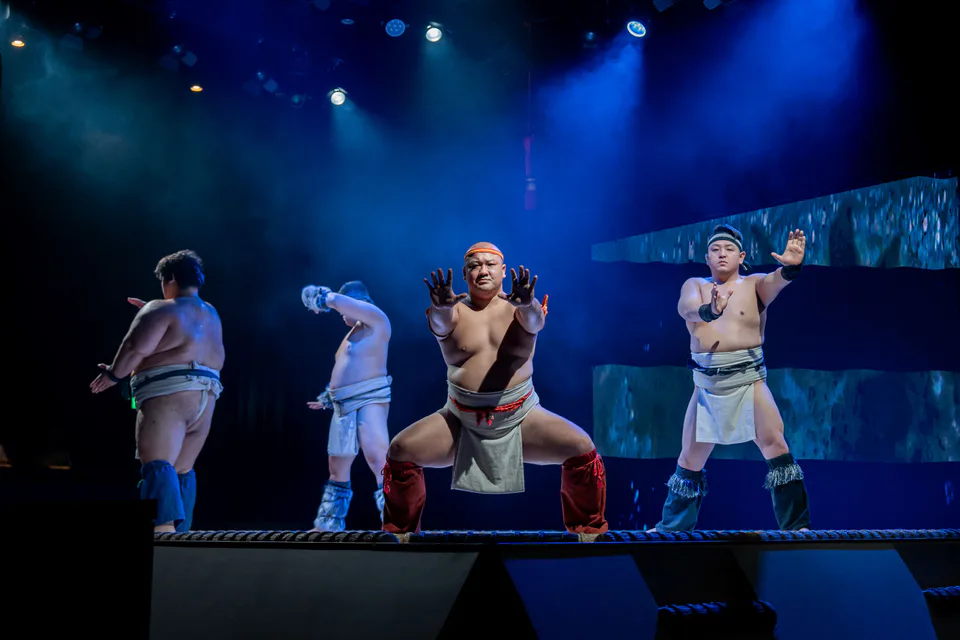
HIRAKUZA is also not a Grand Sumo tournament. It is a staged entertainment show featuring former rikishi, production, explanation and performance elements. That distinction should decide whether you buy it. If you want a formal tournament, this is the wrong product. If you want a structured, accessible sumo-themed evening in Osaka, it can be a strong anchor. Read our HIRAKUZA decision guide before paying, especially if you are comparing it with more participatory sumo experiences.
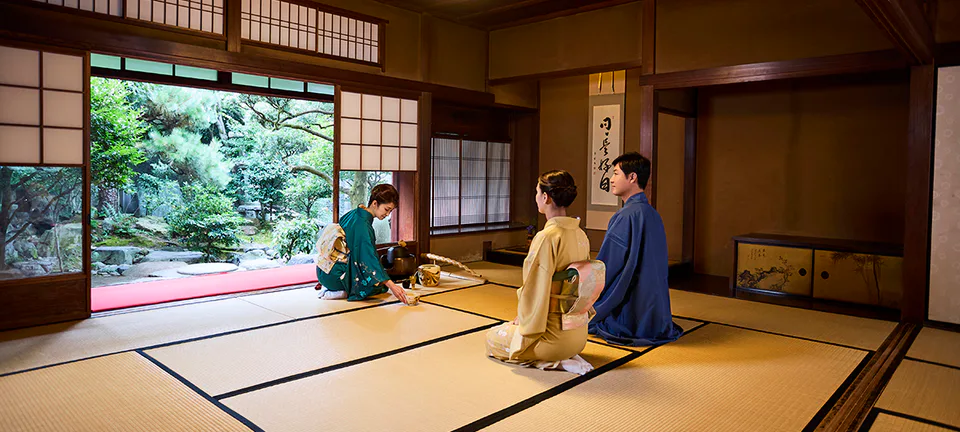
Day 3 | Kyoto tea ceremony and Gion: buy an afternoon pace, not a kimono photo
Move to Kyoto in the morning, but do not sprint to three landmarks first
Check out of Osaka around a normal morning hour, move to Kyoto and leave your luggage. Before the tea ceremony, keep the geography tight: Nishiki and central Kyoto, the Kamo River, or the edge of Gion are enough. The fastest way to weaken a tea ceremony is to arrive after rushing through Fushimi Inari, Kiyomizu-dera and another cross-city transfer because you wanted the morning to look “efficient.”
This overnight only makes sense because it changes the shape of two days. You are not moving hotels to save one train ride. You are using Kyoto after the afternoon booking, then waking up in Kyoto for Day 4. If you do not use both pieces, the hotel move is not paying you back.
Choose the MAIKOYA branch by geography before comparing the package
MAIKOYA currently lists Kyoto locations including Nishiki, Gion Kiyomizu and Karasuma Shijo. If your afternoon is meant to flow into Gion and Higashiyama, the branch matters. A slightly cheaper option across town can cost more in transport, timing and the loss of an easy post-ceremony walk.
The decision is also not “kimono or no kimono” in isolation. Ask whether dressing up is part of what you want from the afternoon. If yes, combine it with the ceremony and accept the extra time. If no, pay for the ritual, explanation, matcha and a calmer block of time instead of treating costume as mandatory. The separate Kyoto tea ceremony guide handles the package-level comparison; the itinerary only needs to decide where the experience belongs.
After the ceremony, stop buying tickets
Walk Gion, Yasaka Shrine, the Kamo River or nearby streets. Eat dinner in Kyoto and stay long enough that the overnight actually changes your experience. If you are already looking at the clock at 5:30 p.m. and thinking about the train back to Osaka, cancel the overnight and keep one hotel instead. The reason to stay is the Kyoto evening plus the following morning, not the romance of saying you stayed in Kyoto.
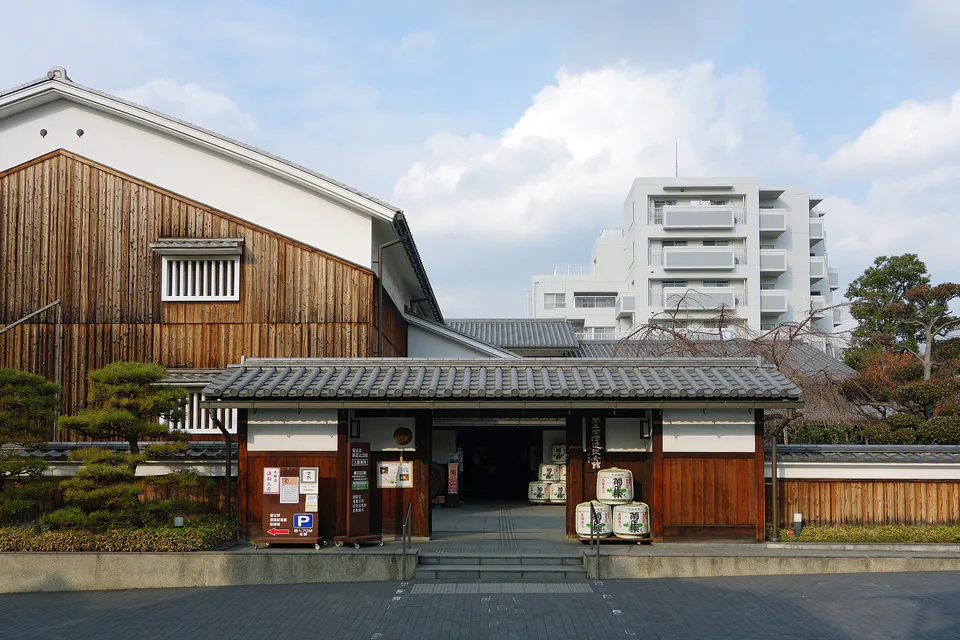
Day 4 | Kyoto samurai: decide whether you want to watch, dress up or actually practice
Use the overnight for a slow morning, not another Kyoto grand tour
Choose one morning area: Nijo Castle and central Kyoto, one temple and a neighborhood walk, or a short eastern Kyoto route. Do not start in Arashiyama and expect to cross the city calmly for an afternoon lesson. The value of sleeping in Kyoto appears here: your first hour belongs to Kyoto itself instead of a commuter train from Osaka.
Samurai experiences are not interchangeable products
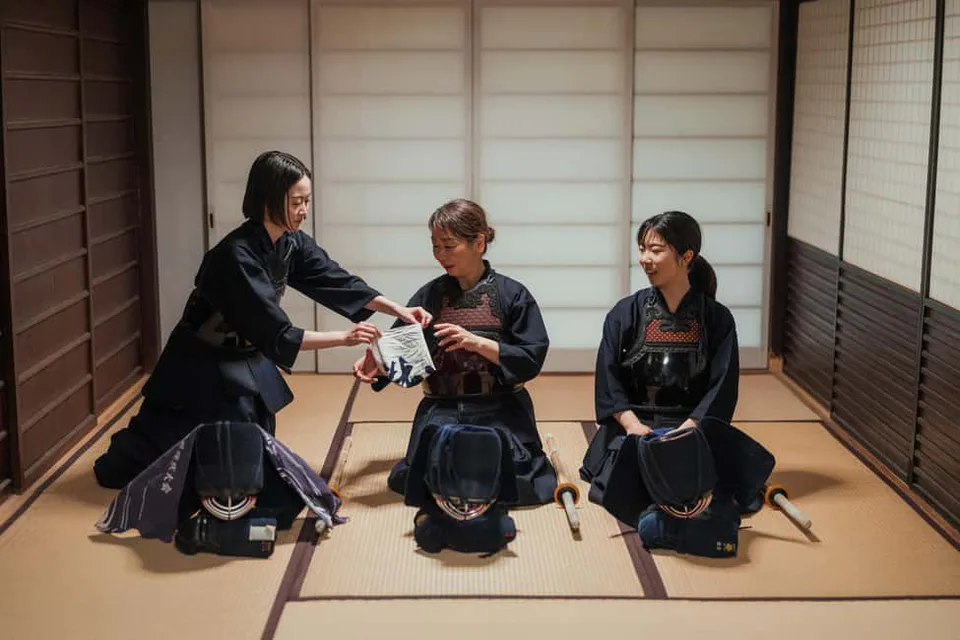
Samurai Kenbu currently separates full lessons, lighter lessons and show-focused options. That matters because “samurai experience” can mean several very different purchases. A traveler who mainly wants performance should not pay for a long participatory lesson just because it sounds more complete. Someone who wants to learn movement, costume and sword-handling basics may find a short photo-oriented add-on far too shallow.
The decision has to start with the verb: do you want to watch, learn, or physically practice? Then compare duration, costume, instruction and cancellation terms. Our Kyoto samurai experience comparison exists because those products look deceptively similar before checkout.
If samurai does not excite you, do not force the theme: use teamLab as the modern-culture branch
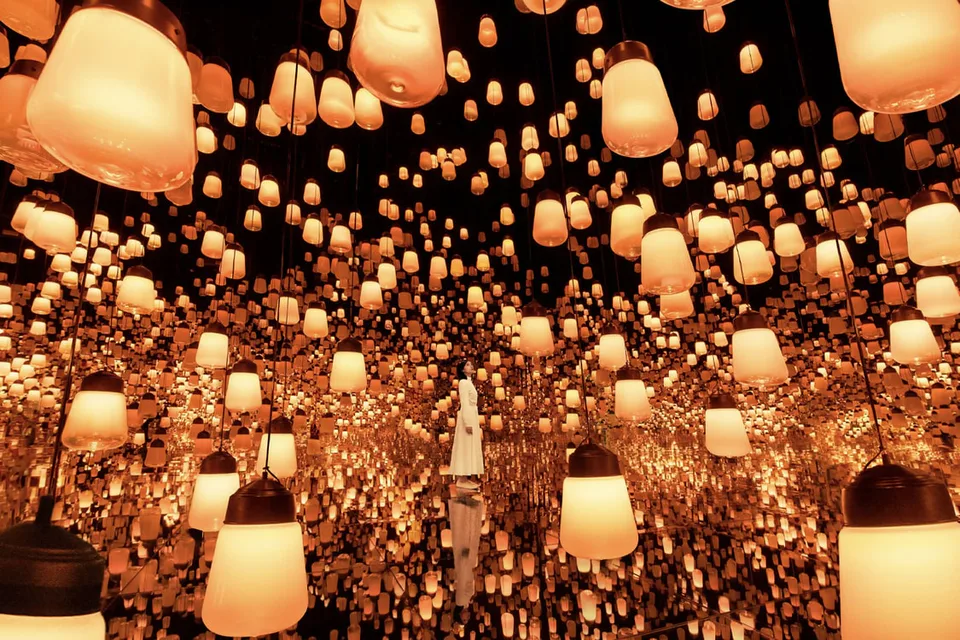
A cultural itinerary is allowed to contain contemporary art. If the samurai programs feel like something you are considering only because “Japan equals samurai,” replace them. teamLab Biovortex Kyoto is a much cleaner substitute because it changes the cultural lens completely rather than duplicating tea ceremony.
teamLab currently describes Biovortex Kyoto as a permanent venue near Kyoto Station, with timed entry and variable adult pricing. The scale is another reason not to treat it as a 60–90 minute photo stop. If immersive digital art is one of your top interests, give it a real block of time and delete something else. The separate teamLab Biovortex Kyoto review explains why the best parts are not necessarily the biggest rooms.
The Kyoto overnight has to earn its extra cost: price the evening and morning, not the train fare
A one-night hotel move is easy to justify emotionally and surprisingly easy to misprice. Do not compare only the cost of two Osaka–Kyoto train rides with one Kyoto room. Compare the full package: the Kyoto nightly rate, any accommodation tax, the cancellation terms, luggage storage or delivery, the time spent checking out and checking in, and whether your Osaka room would otherwise be held for that night. If you are paying for two hotels at once because you do not want to give up the Osaka room, the overnight becomes a premium convenience choice rather than a transport-saving move.
The cleaner test is to assign value to the two time windows the move creates. Day 3 evening should let you stay in Gion, along the Kamo River or at dinner without watching the Osaka-bound train clock. Day 4 morning should let you begin in Kyoto without a commute and still arrive calmly for the samurai or art booking. If those windows change what you actually do, the hotel move is buying a different trip. If they merely let you sleep in a different building, it is not.
This is also why a slightly more expensive but well-located Kyoto room can make more sense than the absolute cheapest room far from the areas you are using. You only have one night. A poor location can give back the time you were trying to buy. For this itinerary, the overnight should reduce friction around Gion, central Kyoto or Kyoto Station depending on the next day’s anchor—not create a new commute inside Kyoto itself.
Read next | At the midpoint, decide what kind of Kansai trip you are actually building
If the cultural theme is starting to feel too dense, do not keep every experience out of obligation. Use the Osaka day-trip comparison to decide whether Kyoto, Nara or Kobe still deserves a full day. If the real problem is hotel movement rather than content, use Osaka long-stay hotel logic for 5–7 nights and keep one base.
The itinerary gets better when one piece is removed for a reason. It gets worse when you keep adding “cultural” activities that all perform the same job.
Day 5 | Kyoto morning, then a low-intensity return to Osaka
If Day 4 was samurai, teamLab can fit this morning — but it replaces other Kyoto sightseeing
Only use this option if teamLab is genuinely one of the top few things you want to do. Go in the morning, allow a substantial visit, return to Kyoto Station for luggage and lunch, then go back to Osaka. Do not attach Fushimi Inari and Uji to the same day just because your train departs later.
The point of Day 5 is recovery. You have already moved hotels, completed two timed cultural experiences and spent two nights in Kyoto. Returning to Osaka in the afternoon with nothing booked is not an empty schedule. It is what prevents a themed trip from feeling like a school timetable.
If Day 4 was teamLab, do not “make up” the missing samurai today
This is the cleaner branch for travelers who simply care more about contemporary art than martial performance. Walk one Kyoto area, have lunch and go back to Osaka. Deleting a premium experience you never truly wanted is not losing depth. It is the entire point of a decision-led itinerary.
Day 6 | Nara: the intentionally low-booking history day
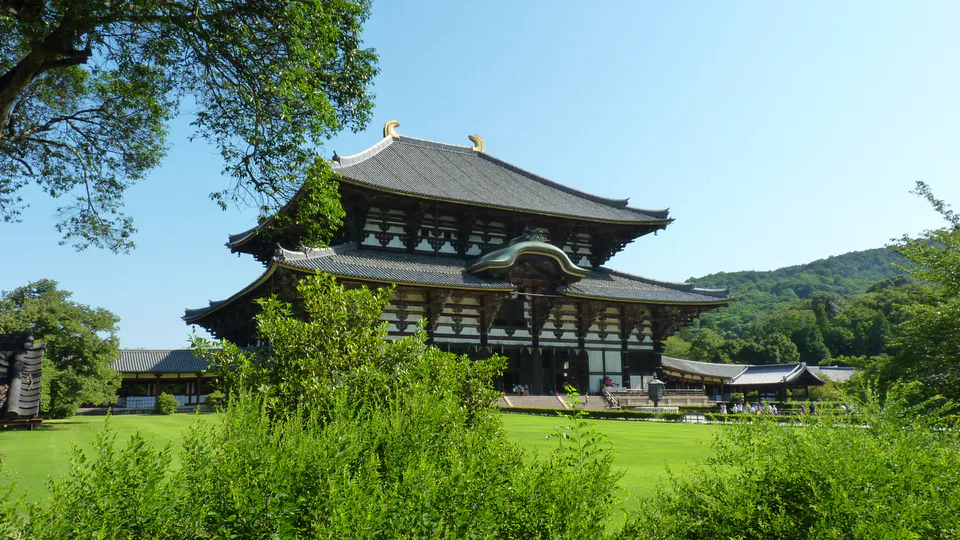
Nara Park and Todai-ji are enough to make the day work
After several timed experiences, Nara should feel different. Start near Kintetsu Nara, walk through the park, decide how far you want to go toward Todai-ji, Kasuga Taisha or Naramachi, and let the day breathe. The deer will probably become the visual memory, but the strategic value of the day is that it works without another expensive reservation.
If you are tired at 2 p.m., return to Osaka. If you still want to walk, continue. That flexibility is more valuable here than squeezing in an indoor museum because it exists. If you are still deciding whether Nara belongs after Kyoto or Osaka, Nara from Kyoto or Osaka explains the transport trade-off.
Day 7 | Kobe sake culture: an adult final day that is about making, not collecting tastings
Treat Nada-Gogo as a production-culture route, not a bar crawl
VISIT KOBE presents Nada-Gogo as a sake-brewing district with a sample route of about five hours on foot, and it is close enough to Osaka to work as a day trip. That does not mean you need to visit every brewery on the sample map. Pick two or three. The value is seeing how brands interpret rice, water, brewing, barrels, tools and regional history, then tasting if you actually drink.
Hakutsuru, Kiku-Masamune and other breweries can each take time once you start reading exhibits rather than walking in for a sample and leaving. A cultural day should reward attention, not brewery count. Use the Nada-Gogo sake brewery guide to decide which two or three fit your interests.
If you do not drink, do not replace sake with another random ticket
You can still appreciate the manufacturing history without drinking, but if the whole topic leaves you cold, stay in Osaka instead. Make the final day about food neighborhoods, markets or a long meal. The cultural theme does not require every traveler to enjoy sake. A good itinerary gives you a clean exit from a concept that is not yours.
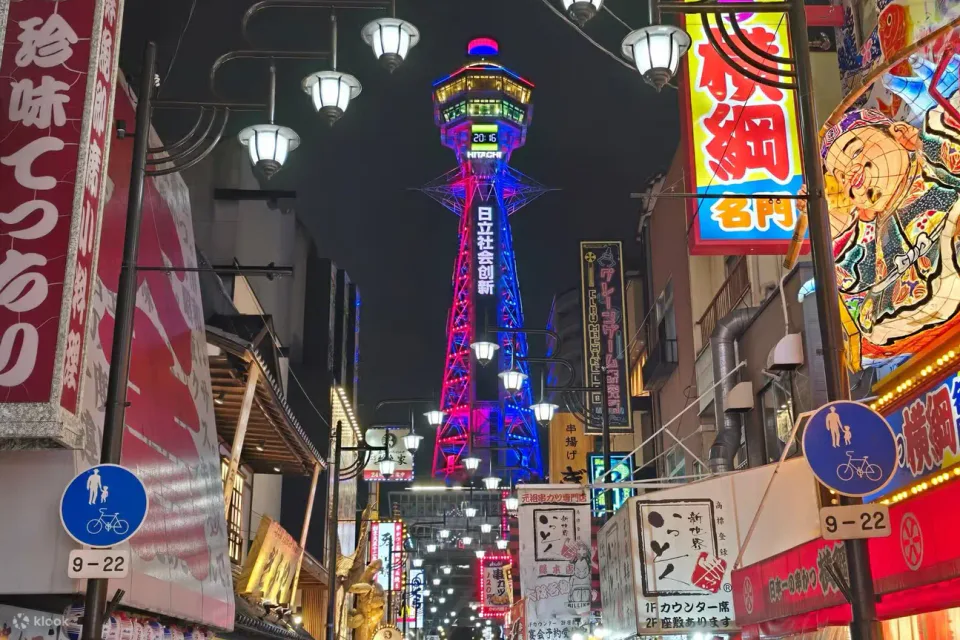
Should you buy the Osaka Amazing Pass for this itinerary? Usually not
The issue is not whether the pass can save money in the abstract. It is whether the pass matches the day you already want. Day 2 can spend hours around Osaka Castle and end at HIRAKUZA. Days 3–5 are partly in Kyoto, Day 6 is Nara, and Day 7 may be Kobe. If you then add observation decks, boats and towers simply to improve the pass arithmetic, you have redesigned the trip around the product.
A pass becomes reasonable only if your existing Osaka city day already contains several included attractions you genuinely want. The order matters: itinerary first, pass second. If the pass needs you to add one more attraction for “break-even,” that attraction is part of the cost, not a bonus.
What if this is your first Kansai trip and you still want USJ? Replace a whole day
Do not put USJ into an evening gap. A theme park deserves a full day because the value of your admission depends on the attractions you actually complete. The cleanest substitution is to remove Day 7 Kobe sake culture. The second-cleanest is to remove the low-intensity Nara day if deer and temples are not priorities.
Do not sacrifice the tea ceremony or samurai/teamLab day if those are the experiences that make this itinerary different from a standard first-trip route. And do not move to Universal City for one USJ day unless the hotel change itself solves a real problem. Check whether the USJ Express Pass is worth it separately, then when Universal City is worth a hotel move if you are considering two park days.
Draw the “cannot be late” moments before you draw the sightseeing map
This route only works when timed experiences are treated as structural anchors. HIRAKUZA, the tea ceremony, the samurai program and teamLab if chosen are the moments where lateness can directly destroy value. Free walks around Namba, Gion, Nara Park and Kobe can shrink without the same loss.
That produces a simple rule: in the two hours before a paid timed experience, do not add another attraction with a queue, another cross-city transfer or a restaurant you expect to wait for. Have lunch in the same area. Sit down. Arrive early. Travelers often lose value not because the day was too short, but because they treated a flexible street and a non-refundable session as equally important.
Why one Kyoto night can be worth it — and why one night can also be pointless
The overnight is justified by two reclaimed windows: Day 3 evening and Day 4 morning. Ask two questions. After tea ceremony, will you actually remain in Gion or along the Kamo River for dinner and an unhurried evening? The next morning, will you use the Kyoto location for a slower neighborhood or temple before the afternoon experience? If both answers are yes, the move has a clear return.
If only one answer is yes, the decision is close. If both are no, stay in Osaka. A themed itinerary does not make hotel movement automatically “deeper.” The move still carries checkout, storage, packing and re-check-in friction.
For travelers with parents, large luggage or a seven-night wardrobe, that friction grows. In that case a stronger Osaka base may win even if the train rides are longer. The right comparison is total travel friction, not one rail segment.
Keep the hotel move light: one-night bag only
If you do stay in Kyoto, do not drag a full large suitcase through a tea ceremony afternoon. Pack one night into a smaller bag and decide in advance how the larger luggage will be handled. Hotel storage, station lockers and luggage delivery all have real size, timing and availability constraints, so the exact solution depends on your properties and travel date.
If that sounds like more administrative effort than the reclaimed Kyoto evening is worth, that is useful information. The correct answer may simply be not to move.
The budget logic: three or four paid anchors are enough for seven days
The main paid anchors in the cultural version are HIRAKUZA, tea ceremony, samurai or teamLab, and optionally a structured sake or food experience. Nara can be inexpensive. Arrival day can be almost free. Day 5 can be a recovery half-day. The spacing is intentional: if you book a premium cultural product every day, the trip begins to feel like a course schedule.
When cutting cost, remove duplicate function before removing the most expensive item. Tea and samurai can both be called “cultural experiences,” but they create different kinds of value. teamLab is the easiest substitute if contemporary art is not a priority. Kobe sake should disappear first if your group does not drink or care about production culture. Keep the one experience you would be genuinely disappointed to miss.
Rain plan: protect booked experiences, move the free streets
Do not rebuild all seven days because of rain. HIRAKUZA, tea ceremony, samurai and teamLab are the parts most likely to be date- or time-specific. Keep those unless operations or safety require otherwise. Shorten Gion, Nara Park or harbor walks first.
If Nara has an all-day downpour and Day 7 is flexible, swap the low-booking day with your Osaka food day or another indoor option. Flexibility should live in the free or lightly committed parts of the itinerary, not in the bookings that are hardest to replace.
How this changes for couples, adult friends, parents and families
Couples: the Kyoto overnight becomes more valuable, but stop upgrading every night
A tea ceremony followed by a Kyoto evening and a slower next morning can create a strong shared rhythm. Kobe sake culture can also work well for two adults. But do not turn every evening into another observation deck, cocktail bar or premium add-on. Two memorable evenings are enough to shape a seven-day trip.
Adult friends: sumo and sake are the strongest anchors; tea is optional
If half the group has no interest in sitting through tea ceremony, let them opt out. Shared travel does not require shared tickets. The same applies to samurai lessons. A group trip becomes more expensive and less enjoyable when everyone pays for one person’s wishlist.
Traveling with parents: remove one experience before compressing every walk
Keep the Kyoto overnight if it reduces two long commute days, but shorten Nara and reduce Day 7 brewery count. Sitting down between walking areas matters more than maximizing “cultural depth.” If a parent-friendly version requires deleting samurai or teamLab, delete it.
Young children: use a different itinerary
This original route stacks tea, martial-arts content and sake culture in a way that may not match younger children. Do not rebrand adult interests as educational benefits and expect kids to cooperate. A family itinerary should be rebuilt around age, stroller friction and recovery days.
A practical seven-day rhythm: which days can slip and which cannot
Day 1 can shrink almost completely. Day 2 has one hard point: HIRAKUZA. Day 3 has one hard point: tea ceremony. Day 4 has one hard point only after you choose samurai or teamLab. Day 5 is deliberately loose. Day 6 Nara can end whenever your body says it is done. Day 7 only becomes rigid if you book a guided tasting or food tour.
When a day runs late, remove the free same-area add-on first, then remove the second paid option, and only then consider moving the core experience. This priority order prevents one delayed lunch from destroying the whole afternoon.
Food and rest: the hidden variable is standing around, not train time
A one-hour train ride while seated can be easier than 40 minutes standing in a restaurant queue before a timed booking. That is why rest belongs in the design. Sit down in Namba before HIRAKUZA. Eat near the tea ceremony rather than crossing Kyoto for a famous lunch. Take the afternoon off after returning from Kyoto. Leave a café or park break in Nara. Do not taste sake on an empty stomach.
For parents, the rest points need to be more explicit. For couples and friends, protect at least two dinners with no ticket after them. If five of seven evenings have timed entries, the trip has stopped being a slow cultural itinerary no matter how refined the activities sound.
Final verdict: the value is not “going deeper” — it is knowing why each ticket exists
This Osaka cultural itinerary is worth using when the week has a clear theme and each paid activity creates a different kind of memory. Sumo is performance. Tea is ritual and pacing. Samurai is performance or participation depending on the product. teamLab is contemporary art if you choose that branch. Nada-Gogo is production and food culture. Nara and Osaka’s free neighborhoods create breathing room between them.
It is the wrong itinerary for travelers who want maximum first-trip coverage, families with young children, people who hate moving hotels under any circumstances, or anyone who is only mildly interested in traditional culture. Those travelers do not need to be convinced by the phrase “deeper travel.” A classic Kansai route, family plan or single-base Osaka itinerary will serve them better.
Before departure, lock only the decisions that actually matter: the HIRAKUZA performance for your date, the MAIKOYA branch and session, whether your samurai choice is watch-versus-participate, and whether the Kyoto overnight truly buys both an evening and a morning. Everything else should remain more flexible.
Sources and what to re-check before you go
HIRAKUZA performance dates and times should be re-checked on the official HIRAKUZA calendar. Monthly schedules change, and the show is staged entertainment rather than a Grand Sumo tournament.
MAIKOYA Kyoto locations and bookable experiences should be re-checked on the official MAIKOYA Kyoto page. Samurai Kenbu program types, availability and cancellation rules should be checked on the official Samurai Kenbu booking page.
teamLab Biovortex Kyoto hours, timed-entry tickets and temporary artwork closures should be checked on the official teamLab Kyoto page. For Nada-Gogo, use the official VISIT KOBE sake itinerary plus the individual brewery websites for current opening and tasting conditions.
10 Days in Japan: Tokyo, Kyoto and Osaka Without Turning the Trip Into a Transfer Marathon
Osaka With Kids for 7 Days: Protect Kaiyukan and USJ by Leaving Two Days Deliberately Soft
Japan Itinerary 7 Days: One Base — or Tokyo 3 Nights + Kyoto 3 Nights?
Osaka Itinerary: 3, 4 or 5 Days — When to Add USJ, Kyoto or Kobe