If you have three usable full days in Osaka, I would protect two for Osaka itself and spend the third on one heavy anchor such as USJ, Kaiyukan or a day trip. With four full days, Kyoto becomes a genuine choice rather than a squeeze. With five, the highest-value extra day is usually a buffer first and a second day trip second. The mistake is counting hotel nights or calendar dates as sightseeing capacity. A late KIX arrival, an early departure, USJ and Kyoto can consume most of a “five-day Osaka trip” before you have given Osaka two coherent days.
This guide therefore does not give one fixed Day 1–Day 5 checklist. It gives you a capacity system: count usable days, assign one heavy anchor to each, protect a minimum amount of Osaka, then decide whether Kyoto, Kobe or another excursion deserves one of the remaining full days. If your attraction list is still too long, use Osaka Attractions: Stop Ranking Sights and Start Grouping Neighborhoods. If the hotel base is not fixed, use Where to Stay in Osaka: Start With Your Last Stop, Then Choose Namba, Umeda, USJ or Shin-Osaka.
↔ Scroll table left or right
Usable full days | My default structure | What the extra day should buy | What I would cut first |
3 | 2 Osaka city days + 1 heavy anchor | A clear priority: USJ, Bay Area or one day trip | Kyoto if USJ is already non-negotiable and this is meant to be an Osaka trip |
4 | 2 Osaka city days + 1 heavy anchor + 1 decision day | Kyoto, Kobe, Kaiyukan or a slower Osaka day | The least distinctive extra district, not sleep or meal time |
5 | 2 Osaka city days + 1 heavy anchor + 1 day trip + 1 buffer | Resilience against rain, fatigue, queues and shopping spillover | A second day trip unless Osaka is intentionally only your Kansai base |
First count usable days, not nights on the booking
A “five-night stay” and “five full sightseeing days” are different products. For this guide, a usable full day is one where you can wake in Osaka, start normally and do not have a fixed airport or intercity departure cutting the day short. Arrival and departure fragments can still be valuable, but they should not be given the same workload.
A late-afternoon arrival can support dinner in Dotonbori, a Shinsaibashi walk or an Umeda evening near the hotel. It is a poor place for a timed attraction whose success depends on immigration, baggage delivery, airport transport and check-in all running to plan. Likewise, a departure morning is useful for breakfast, nearby shopping or one low-risk stop; it is not a hidden fifth full day.
Use this sequence before assigning attractions:
mark each day as full day, arrival fragment or departure fragment;
reserve every non-negotiable heavy anchor such as USJ or Kyoto;
count how many full days remain for Osaka itself;
only then add optional districts, passes and day trips.
If you are still deciding how to reach the city from the airport, solve the route with Kansai Airport to Osaka before promising the arrival evening to anything with a hard entry time.
Protect an Osaka floor: two coherent city days is my default
For a first visit that is genuinely meant to be an Osaka trip, I would normally protect two coherent city days before exporting more time to Kyoto, Kobe or Nara. That is an editorial threshold, not an official rule. It exists because Osaka is not one attraction cluster.
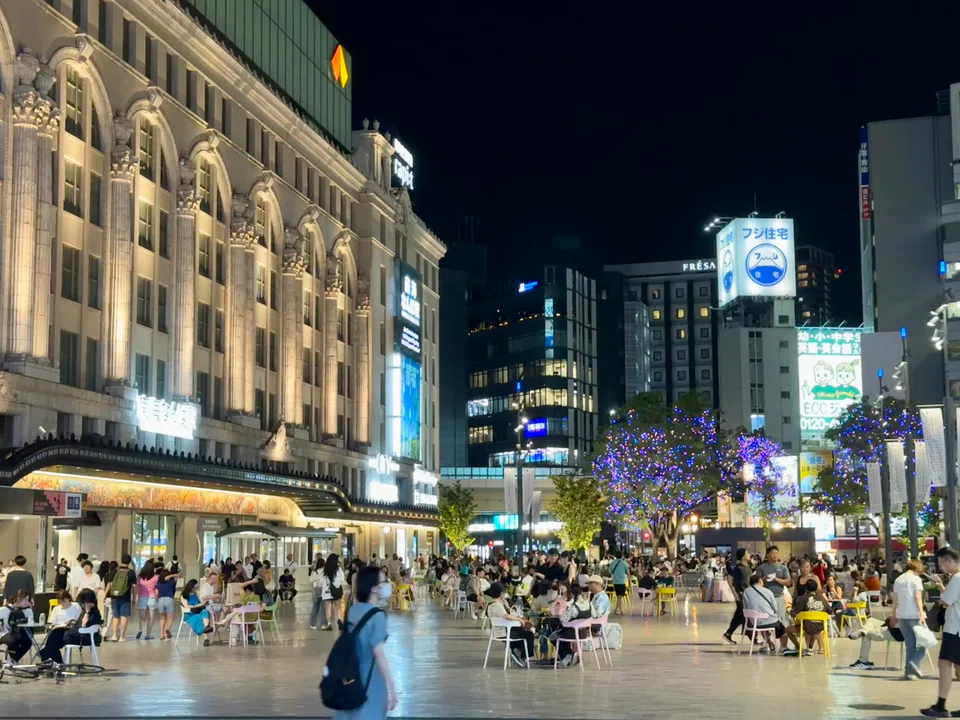
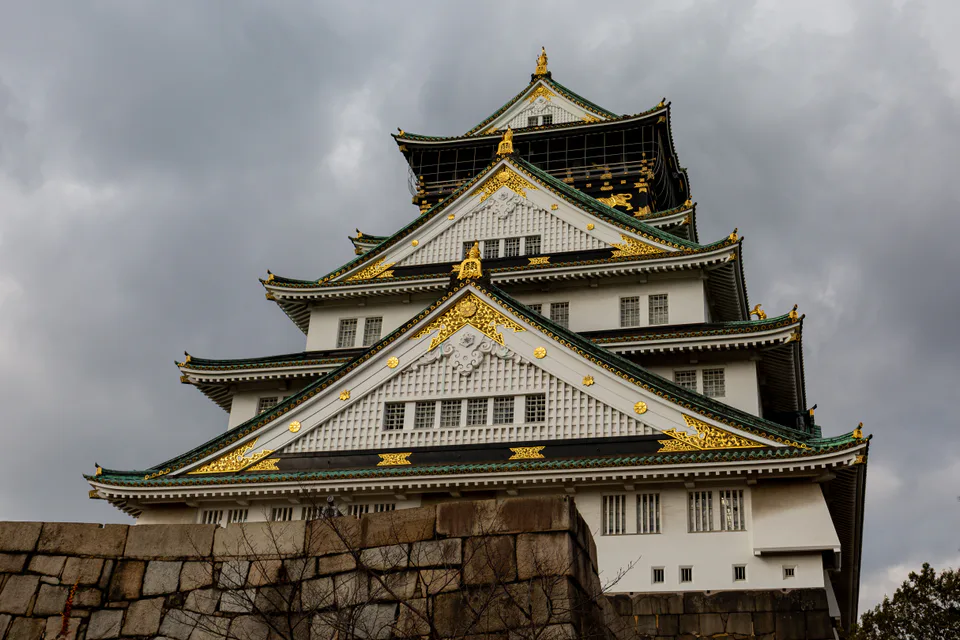
One useful city spine is the south: Namba, Kuromon, Shinsaibashi, Dotonbori and, if energy remains, Shinsekai or Tennoji. Another is the north/east combination: Osaka Castle during the day, then Umeda for shopping, food and one skyline stop. Those two days give Osaka a morning, afternoon and evening identity instead of reducing the city to Dotonbori after a day trip.
The boundary condition is important. If you actually want a Kansai sampler and Osaka is mainly the hotel base, you can break this rule. Three full days could become USJ + Kyoto + one Osaka day. That is a valid trip; it is simply not the same product as three days devoted to Osaka.
The heavy-anchor rule stops a short itinerary from lying to you
A heavy anchor is an activity that takes enough time, energy or scheduling commitment that it should own the day. USJ is one. A real Kyoto day trip is one. Kaiyukan plus the Bay Area can occupy a large part of one. Osaka Castle plus Umeda can be treated as one city spine rather than something to sandwich between distant districts.
The rule is simple: give each full day one heavy anchor first, then add only nearby or low-risk stops around it. The moment you write “USJ + Dotonbori + Umeda Sky Building” or “Kyoto + Osaka Castle + Shinsaibashi shopping” as three equal tasks, you are usually spending the same evening twice on paper.
Dotonbori after USJ is not forbidden. It is a bonus if the group still has energy. It should not be the only time allocated to south Osaka if food and nightlife are important reasons for staying in the city.
Three full days: choose what Osaka is competing with
Option A — Osaka-first: two city days + one flexible heavy day
This is my default for a first Osaka-focused trip. Use one day for south Osaka and one for Osaka Castle + Umeda. The third day becomes USJ, Kaiyukan/Tempozan or a day trip according to the trip’s strongest interest.
The benefit is not simply “seeing more Osaka.” It protects two evenings where the city is the destination rather than the place you return to exhausted. The trade-off is obvious: if Kyoto is one of the main reasons you flew to Kansai, this structure may protect the wrong city.
Option B — USJ-first: two Osaka city days + USJ
If USJ is non-negotiable, I would usually spend all three full days on Osaka + USJ and leave Kyoto out. Universal Studios Japan should be treated as a full-day commitment when headline rides, SUPER NINTENDO WORLD or seasonal entertainment matter. Operating hours and entry controls vary by date, and some experiences depend on timed-entry or Express Pass windows.
This recommendation reverses if Kyoto is more important than part of Osaka. In that case, do not pretend everything still fits: replace one Osaka city day with Kyoto and accept that the trip has become a Kansai sampler.
Option C — Kansai sampler: Osaka + USJ + Kyoto
This works when the goal is breadth rather than an Osaka-focused visit. Give one full day to Osaka, one to USJ and one to Kyoto. Do not then try to “recover” the missing Osaka day by attaching Umeda, Shinsekai and Dotonbori to every evening.
The hidden cost is not the Osaka–Kyoto train alone. Kyoto consumes one of the trip’s scarce daylight-and-energy blocks. The narrower trade-off is covered in Osaka and Kyoto 4-Day Itinerary With USJ: Does Kyoto Still Fit?.
Four full days: Kyoto finally becomes a clean decision
Four full days gives you enough capacity to protect two Osaka city days, use one heavy anchor and still have one complete decision day. This is the first point where I would call Kyoto an easy structural option rather than an automatic sacrifice.

With USJ: south Osaka + north/east Osaka + USJ uses three days. Day 4 can become Kyoto, Kaiyukan, Kobe or a slower recovery/shopping day. If Kyoto is added, Osaka still has two coherent days.
Without USJ: you have much more freedom. I would normally give Kyoto the first full day-trip slot on a first Kansai visit if you are not staying there separately, because temples and historic neighbourhoods add a type of day Osaka does not replicate. Kobe becomes more attractive for repeat visitors or travellers who prefer a looser waterfront, food and evening-oriented excursion.
With children or older travellers: the fourth day is often better used to reduce daily load rather than add another city. A trip can be technically possible and still be a worse holiday because every morning starts early and every evening is treated as spare capacity.
Five full days: the buffer is a product, not an empty slot
The strongest five-day itinerary usually has a day that is not fully committed before the trip starts. That buffer has several jobs: absorb rain, recover after USJ, move a timed attraction, allow shopping to overrun, or become a second day trip only if the rest of the itinerary is still healthy.
A good default is:
two coherent Osaka city days;
one USJ or Bay Area heavy day;
one full day trip such as Kyoto;
one buffer day.
Do not feel obliged to fill the fifth day with Kobe the moment the flights are booked. If weather is good and energy is high, converting the buffer into Kobe or another excursion is easy. If rain shifts Kaiyukan, USJ runs long or the group wants another shopping afternoon, an uncommitted day prevents one problem from cascading across the whole itinerary.
Kyoto plus Kobe is possible in five days — but it changes what the trip is
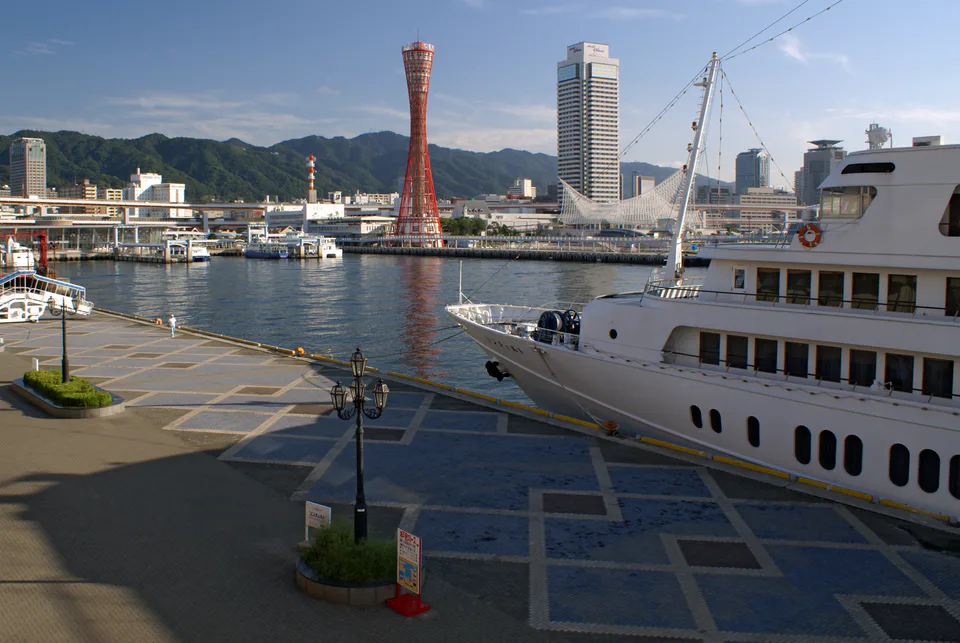
Two day trips inside five full days leave three days in Osaka. If one of those is USJ, Osaka city sightseeing is back down to two full days. That can still be a sensible itinerary, but the purpose has changed: you are using Osaka as a Kansai base.
I would add a second day trip only when one of these is true: Osaka itself is not the main priority; you have already visited Osaka before; the second destination offers something the group values more than another relaxed Osaka day; or the fifth day remains genuinely flexible until the weather and energy level are known.
If you already know the extra day is leaving Osaka, compare Kyoto, Nara, Kobe and Himeji as day trips from Osaka by experience and travel friction, not only by railway time.
Arrival and departure fragments should sit near the hotel
Partial days are valuable when they are resilient. A Namba-based arrival can end with Namba, Shinsaibashi or Dotonbori without requiring a second cross-city move. An Umeda-based stay can use an arrival evening for Umeda dining and shopping. The principle is more important than the exact district: do not make the most delay-sensitive day also the most transfer-sensitive day.
This also applies at departure. If luggage is stored at the hotel and the airport route leaves from the same side of Osaka, nearby shopping can be useful. Crossing the city for one final attraction and then returning for bags creates a hidden double journey just when the trip has a hard deadline.
Kaiyukan is a strong module, but a poor luggage-day improvisation
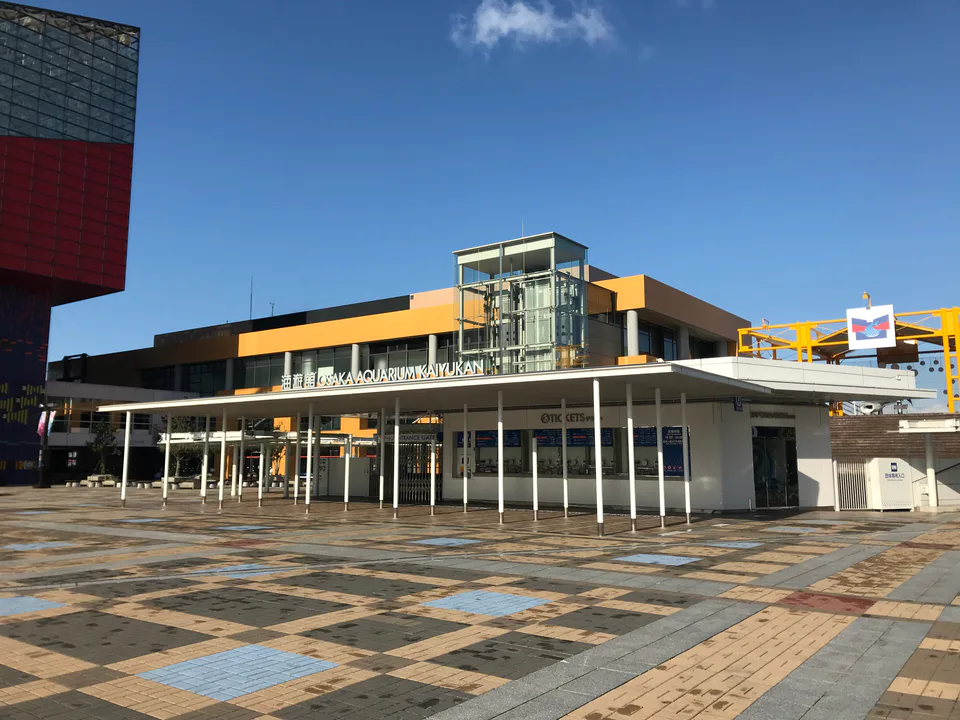
Osaka Aquarium Kaiyukan currently uses date-and-time-specific tickets, and re-entry ended on June 15, 2026. Its luggage rules also changed in April 2026, restricting carry cases, carts and large baggage inside the aquarium. That makes old plans such as “visit on checkout day with suitcases, leave for lunch, then return” a bad planning assumption.
If Kaiyukan is important, give the Bay Area a proper block and solve luggage first. If it is only a backup for rain, check ticket availability before treating it as a guaranteed same-day replacement.
If Kaiyukan wins a day, use Osaka Aquarium Kaiyukan 2026: Timed Entry, No Re-Entry — 2 Hours or Stay Past 5 PM? before adding more paid stops.
Kaiyukan ticket check | Compare timed-entry availability for your date on Klook.
USJ should own its day before you optimise anything around it
Universal Studios Japan operating hours, attraction availability and entry controls are date-sensitive. SUPER NINTENDO WORLD may require Area Timed Entry or Standby Entry, and the official USJ information states that from January 5, 2026 the official app is required to obtain same-day Area Timed Entry and Standby Entry tickets. Some Express Pass products also attach specific attraction or area times.
That creates a practical rule: when USJ is a main reason for the trip, build the day around USJ and treat any central-Osaka evening as optional. Do not schedule a non-refundable dinner, another timed attraction and a long shopping list simply because a map says Namba is reachable after the park.
If certainty at major rides matters, compare USJ Express Pass 2026: Is It Worth Paying More for Certainty? after you know the visit date and must-do attractions.
USJ ticket check | Check current ticket options for your date on Trip.com.
Buy the Osaka Amazing Pass after the itinerary survives without it
For the 2026–27 season, the standard Osaka Amazing Pass is currently ¥3,500 for one day and ¥5,000 for two consecutive days. The digital product defines a day as 03:00 to 02:59 the following day; it is not a rolling 24- or 48-hour ticket.
That means the correct order is route first, pass second. A day already containing several participating attractions can make the pass useful. A shopping- and food-heavy Namba day may not. If the pass makes you add a cruise or observation deck you did not want, the nominal saving has become an opportunity cost.
Use Osaka Amazing Pass 2026: Easy to Break Even — Harder to Use Well once the city days are fixed. If the pass is already certain, use Osaka Amazing Pass 1-Day vs 2-Day Itinerary to group the included stops rather than spreading them across the whole trip.
Pass check | Compare the current 1-day and 2-day Osaka Amazing Pass options on Klook only after you know which paid attractions fall on the same city day.
Hotel area should follow the repeated journeys, not one famous attraction
For a short trip dominated by Dotonbori, Shinsaibashi, Namba dinners and KIX movement, Namba can remove repeated end-of-day friction. With four or five days and several departures toward Kyoto, Kobe or Shin-Osaka, Umeda becomes more compelling. Universal City deserves stronger consideration when USJ takes two consecutive days; moving the whole stay for one park day is a different trade-off.
The deciding question is not “Which Osaka area is best?” Count where the days start, where the nights end and which transfer repeats most often. Then use the Namba vs Umeda comparison or the wider Osaka stay decision hub.
Hotel check for a Namba-heavy trip | Compare Swissôtel room types for your dates.
Hotel check for an Umeda-heavy trip | Compare Intergate rooms for your dates.
Five failure modes that matter more than one missing attraction
Counting fragments as full days. A late arrival and early departure do not magically combine into two heavy sightseeing days.
Giving one day two heavy anchors. USJ + a fixed central-Osaka night plan, or Kyoto + a full Osaka district, often leaves no recovery margin.
Calling every day trip “near Osaka.” The intercity train can be simple while the day itself still consumes the only daylight block available for Osaka.
Pre-filling the five-day buffer. A buffer that already contains a second day trip cannot absorb rain, fatigue or a shifted timed attraction.
Buying passes before the route. Once a ticket starts deciding which attraction you visit, the saving can be smaller than the time you sacrifice.
What should you actually do with 3, 4 or 5 days?
Three full days: choose what the third heavy day is. My Osaka-first default is two Osaka city days plus USJ, Kaiyukan or one day trip. If both USJ and Kyoto are mandatory, accept that Osaka itself gets one full day.
Four full days: protect two Osaka days, then allocate one anchor day and one decision day. This is the cleanest length for Osaka + USJ + Kyoto without reducing every Osaka evening to leftovers.
Five full days: keep the fifth day uncommitted until the route is stable. Add Kobe or another excursion only when it is genuinely worth more than flexibility.
Final verdict: decide what each full day is allowed to replace
The useful difference between three, four and five days is not how many attractions can be added. It is how many complete, high-value days the trip can support without borrowing from sleep, meals and the following morning.
For a first Osaka-focused trip, I would protect two coherent Osaka city days. Three full days then leaves one heavy choice; four gives Kyoto or another day trip a clean slot; five gives you resilience. Break that rule when you intentionally want a Kansai sampler, not because a train map makes Kyoto or Kobe look like free extras.
This article may contain affiliate links. If you complete an eligible booking through one of them, ValueNavi may receive a commission at no extra cost to you.
Official sources checked
Universal Studios Japan — operating hours · Universal Studios Japan — SUPER NINTENDO WORLD entry information · Kaiyukan — June 2026 re-entry and ticket update · Kaiyukan — current visitor information and luggage rules · Osaka Amazing Pass — 2026–27 prices and validity.
Information rechecked August 25, 2026. USJ operating hours, attraction closures, SUPER NINTENDO WORLD controls, Kaiyukan ticket availability and Osaka Amazing Pass participating facilities can change by date. Recheck the exact travel date before paying.