
A realistic Osaka budget itinerary for 7 days is not built by collecting the most free attractions. It is built by deciding which expenses are allowed to become the main event — then refusing to let every other day quietly turn into another premium day. This route keeps Universal Studios Japan, Kyoto, Nara and Kobe, but removes the spending that tends to duplicate a function: a second paid skyline, an attraction pass bought before the route is fixed, an Express Pass with no specific ride to protect, and hotel changes that create new transport and luggage costs.
The working model is simple. Keep one expensive day: USJ. Give Osaka, Kyoto, Nara and Kobe one clear paid or optional anchor each, then let parks, neighborhoods, riverfronts, shrines and harbor walks do the rest. That does not make the trip “cheap” in the joyless sense. It makes the expensive parts easier to notice, because they are not buried under six other purchases that do the same job.
Using current adult admission figures, the fixed paid baseline in this itinerary starts with a USJ 1-Day Studio Pass from ¥8,900, Kiyomizu-dera at ¥500 and Todai-ji’s Great Buddha Hall at ¥800. That is ¥10,200 before local transport, food, accommodation, airport transfers or any Express Pass. Add Osaka Castle Main Tower at ¥1,200 and the fixed attraction baseline becomes ¥11,400. USJ is the key variable: for admissions from September 1, 2026, the park can review and adjust daily Studio Pass prices after tickets go on sale, so ¥8,900 is a starting reference, not a promise for your date.
30-second decision: protect four rules before you start cutting
First, stay in one Osaka hotel unless a specific early or late schedule creates a compelling reason to move. Second, allow only one obviously expensive day — this version makes that USJ. Third, buy a transport or attraction pass only after the route already makes sense without it. Fourth, pay for a skyline at most once. You already get two very different free night environments on this route: central Osaka and Kobe Harborland.
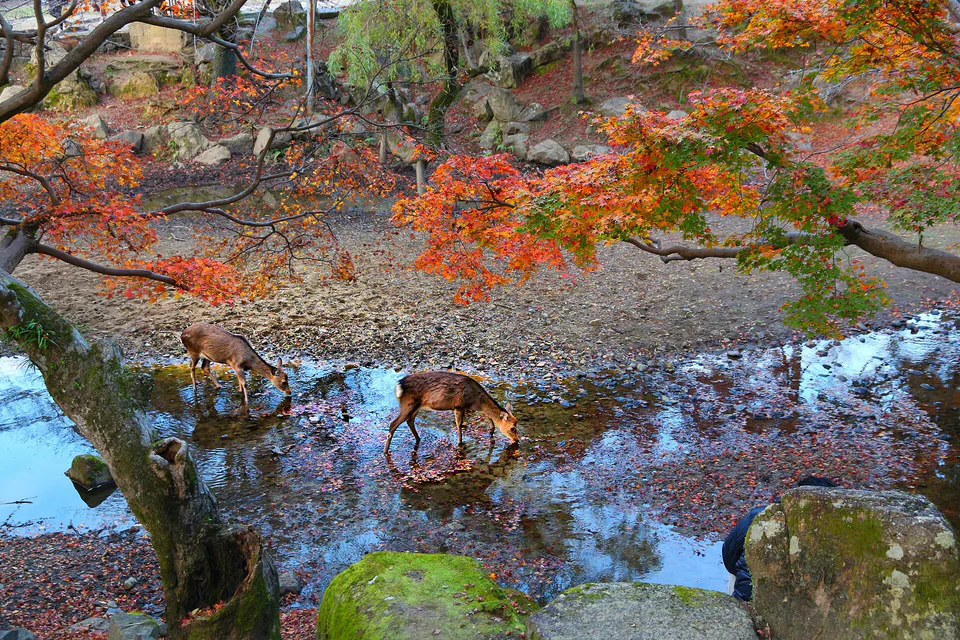
If you have not chosen a base yet, compare Namba vs Umeda before you compare hotel names. A seven-day route that includes Kyoto, Nara, Kobe, USJ and KIX can make a ¥1,000 nightly room difference less important than the extra transfer you repeat every morning and evening.
Start with the fixed admission floor — not a fake “total Osaka budget”
A single all-in figure for “one week in Osaka” is usually less useful than it looks. Hotel prices can swing with weekends, conventions, holidays and room type. Airfare and exchange rates are even more unstable. The better starting point is the part you can actually verify: the attractions that this specific route intends to enter.
For this itinerary, that floor is intentionally small. USJ is the major ticket. Kiyomizu-dera is a low-cost Kyoto anchor. Todai-ji is the one paid Nara anchor I would keep for a first visit. Osaka Castle Main Tower remains optional because Osaka Castle Park, the moats, stone walls and exterior views already create a worthwhile morning for free. If you want the museum content and interior viewpoints, pay the ¥1,200. If you do not, the day still works.
This is why obsessing over a ¥500 temple fee while casually adding a second observation deck or an unfocused Express Pass gets the budget backwards. The largest decisions should receive the most scrutiny. Small admissions can still be worth paying when they define the day.
Day 1 | Arrive in Osaka: spend on the correct airport transfer, not a first-night ticket
Afternoon or evening: KIX to one fixed hotel base
Do not buy a timed attraction for arrival night. Immigration, baggage, flight delays and the final walk from the station can all eat into the buffer. The only spending decision that matters here is the airport-to-hotel route.
A fast train is not automatically the cheapest useful train if it drops you farther from the hotel. Use the Kansai Airport to Osaka decision guide to compare the last leg for Namba, Umeda and other bases. The budget goal is not “lowest published fare.” It is lowest friction once luggage, transfers and the walk to the hotel are included.
Evening: Namba, Shinsaibashi or Dotonbori on foot
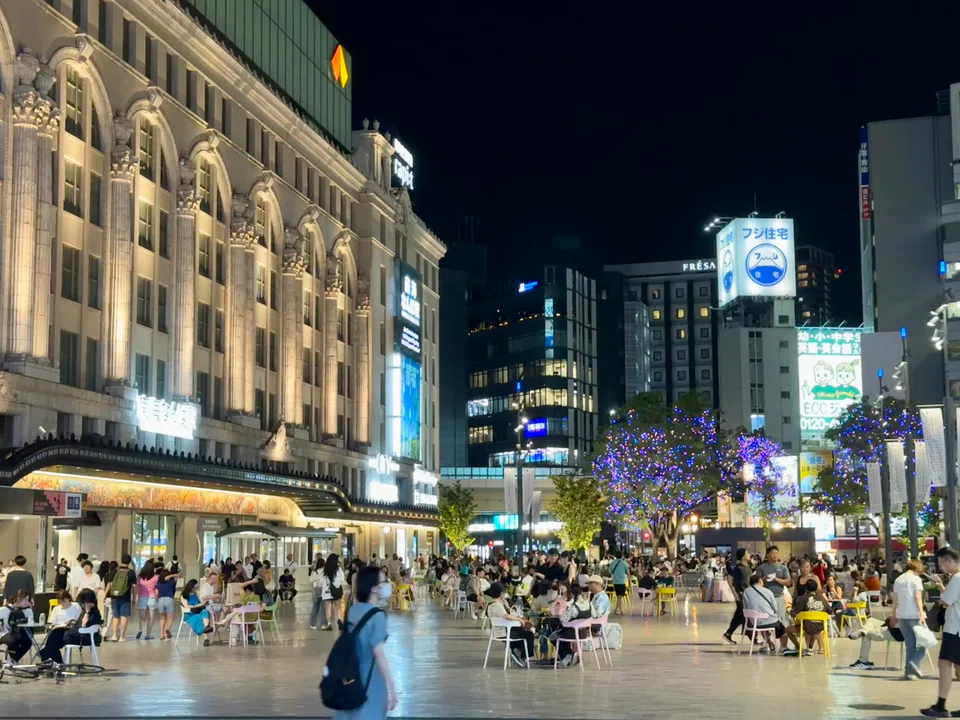
Let the city be the attraction. Dotonbori, Ebisubashi and the surrounding streets work well on arrival night because there is no admission clock to miss. Eat based on your actual appetite, pick up toiletries and breakfast if useful, and learn the route back to the hotel. A flexible first evening is financially useful because it prevents a delayed flight from turning into a wasted non-refundable booking.
Day 2 | Osaka Castle, Nakanoshima and Umeda: allow one paid anchor
Morning: walk Osaka Castle Park first, then decide whether the Main Tower earns ¥1,200
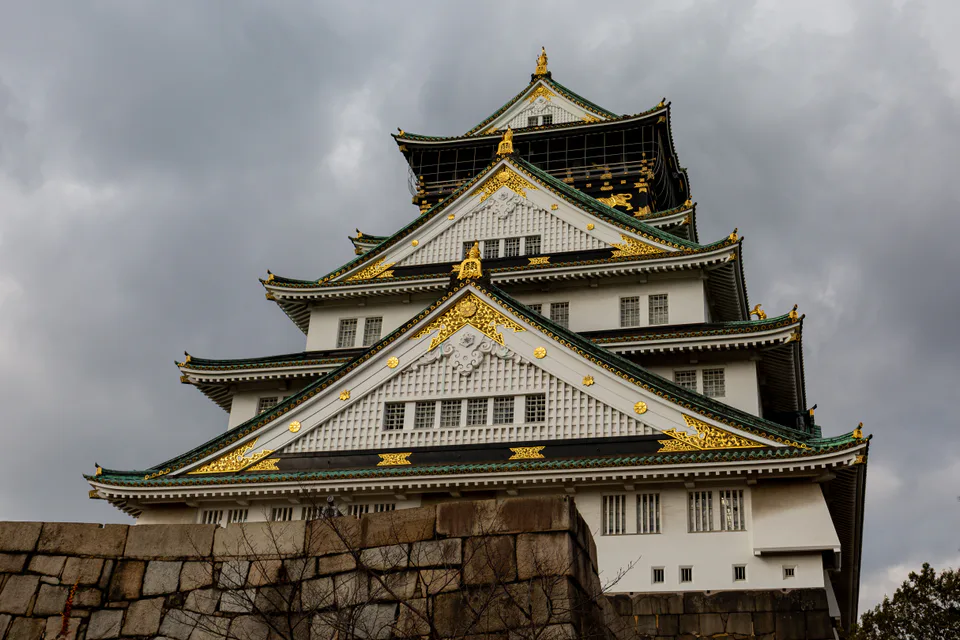
Osaka Castle is a useful test of what “budget travel” should mean. The park, moat, stone walls and exterior views are free. That already gives you a complete outdoor morning. The Main Tower currently charges ¥1,200 for adults, with the Toyotomi Stone Wall Museum included in the normal admission. Pay if the historical exhibition and indoor visit matter to you. Skip it if your interest is mainly the architecture and park atmosphere.
The mistake is not paying ¥1,200. The mistake is paying because you have mentally turned every famous landmark into a mandatory interior. Budget travel works better when “outside only” is a legitimate choice rather than a failure to complete the attraction.
Midday to afternoon: Nakanoshima and Kitahama by walking, not repeated short rides
Continue toward Nakanoshima or Kitahama instead of bouncing to Tennoji and back. The cheapest transport strategy is often geographic discipline. Two unnecessary cross-city transfers can cost more money and more useful time than the small discount you spent an hour researching.
If your Osaka list still looks like a ranking rather than a route, use the Osaka attractions neighborhood guide before you buy anything. Grouping sights is the quiet budget tool that keeps working even when fares or pass products change.
Evening: use Umeda as a free city night unless a deck is truly tonight’s main event
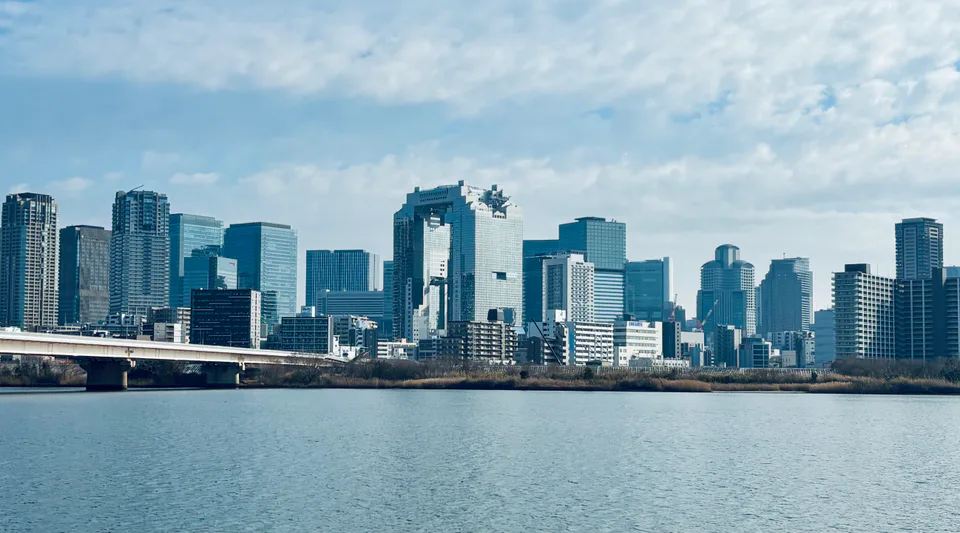
If you paid for Osaka Castle Main Tower in the morning, you do not automatically need to pay again for another elevated city view at night. Walk the Osaka Station area, Grand Front and the surrounding streets first. If the skyline itself is the evening you care about, then upgrade one night — not three.
Before paying, compare free Osaka night views against the paid observation decks. The point is not that free always wins. The point is to decide whether the deck is replacing another evening expense or simply joining a growing stack of “while we are here” purchases.
Should you buy the Osaka Metro one-day pass? Count rides, not trip length
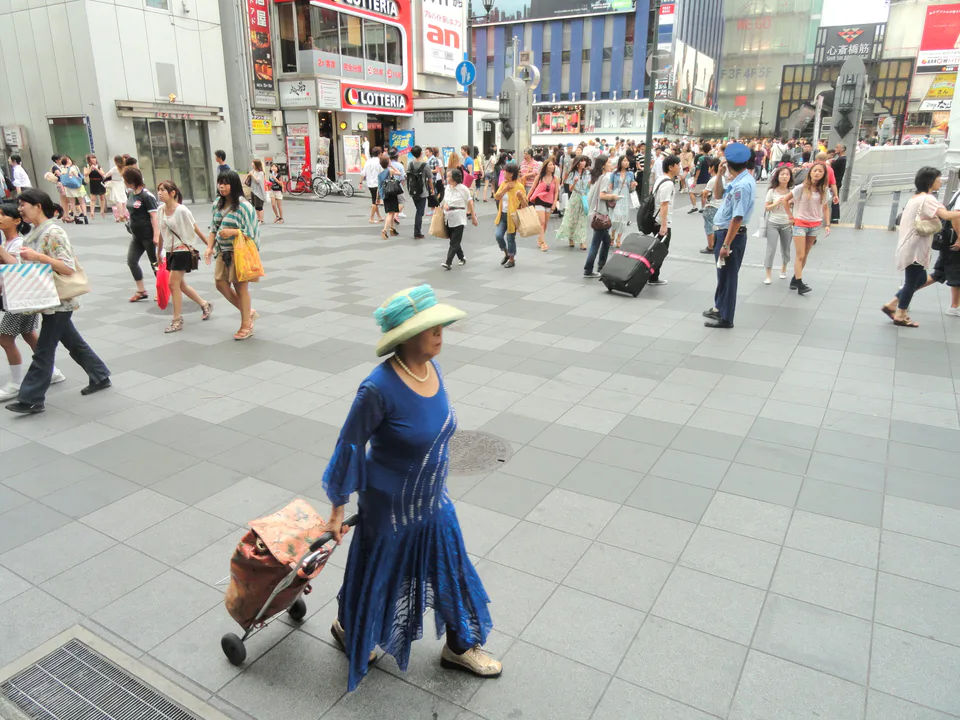
The Enjoy Eco Card currently costs ¥820 for adults on weekdays and ¥620 on Saturdays, Sundays and holidays. It covers Osaka Metro and eligible Osaka City Bus services for one day, with some exclusions. It does not become a Kansai-wide solution just because your trip lasts seven days, and it does not cover the private railways that take you everywhere you may want to go.
On this Day 2 route, the card can make sense if your hotel location creates several Metro rides and you have built a high-movement day. It may be pointless if you ride into the Osaka Castle area, walk through Nakanoshima and end in Umeda with only a small number of paid rides. In that case, tapping an IC card is simpler.
More important: never add a distant district to make a ¥620 or ¥820 pass “pay for itself.” The route should justify the pass. The pass should not rewrite the route.
If you are comparing attraction products as well, use the Osaka Pass comparison. The Amazing Pass, Klook Pass Kansai and Have Fun in Kansai solve different problems and should not be forced through one break-even formula.
Day 3 | Kyoto on a budget: Fushimi Inari is the free anchor, Kiyomizu-dera is the one small ticket
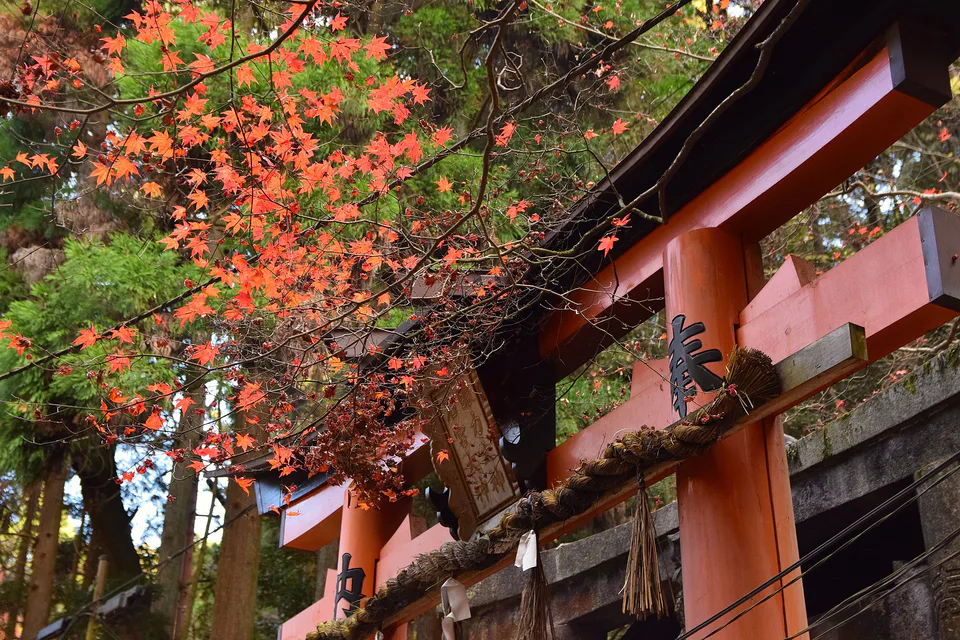
Morning: make Fushimi Inari the free main event
Fushimi Inari works especially well on a budget itinerary because the value comes from time, walking and atmosphere rather than admission. Go early if you can. The benefit is not simply “free shrine.” It is that the route remains satisfying without needing another paid experience to justify the morning.
Midday to afternoon: Kiyomizu-dera ¥500, then walk Ninenzaka, Sannenzaka and Gion
Kiyomizu-dera currently charges ¥500 for adults. After that, the streets through Higashiyama and toward Gion can carry the afternoon without adding a tea ceremony, kimono rental, teamLab ticket and another museum to prove you “did Kyoto properly.” Those are all valid experiences on a different itinerary. On this one, they would turn a low-spend Kyoto day into another premium day.
If cultural participation is actually your priority, reverse the logic: choose one meaningful paid experience and remove the other ticketed pieces. A budget plan is not a commitment to the cheapest option. It is a commitment to one clear reason for each larger purchase.
Evening: return to Osaka instead of booking a second “special” Kyoto night
You will already have walked heavily. Returning to Osaka for dinner, laundry and a quieter night protects the USJ day that follows. This is an important budget concept: recovery time prevents expensive decisions made simply because the itinerary feels unfinished.
Label the week as high-, medium- and low-spend days before you travel
The fastest way to lose control of a seven-day budget is to treat every morning as a fresh exception: “we may never be here again.” Instead, assign each day a spending role. Day 4 USJ is high. Day 2 Osaka and Day 3 Kyoto are low to medium. Day 1, Day 5 and Day 6 can use free city spaces and parks to pull the weekly average back down.
Then every spontaneous purchase gets one question: does this strengthen today’s existing main event, or does it create a new main event? A coffee near Kiyomizu-dera is not a new main event. Adding a second observation deck after you already chose one is. The categories matter because dozens of small “not that expensive” decisions can quietly create five high-spend days.
A high-spend day is not a problem; an uncapped high-spend day is
USJ is allowed to be expensive because it is a full-day destination. What breaks the budget is the idea that, once you are already spending heavily, every extra add-on becomes acceptable. Decide the Express Pass question before the day starts. Then close the upgrade window. Do not add a premium dinner, paid skyline and late-night event simply because the ticket budget has already been blown.
Day 2 pass math has three different outcomes — even at ¥620
Scenario one: you stay around Umeda, ride to Osaka Castle, then walk much of the route through Nakanoshima and finish back in Umeda. A one-day Metro pass may not be necessary. Scenario two: you stay in Namba and deliberately make several Osaka Metro trips across the day. The pass becomes more plausible. Scenario three: the route changes toward JR or a private railway because that is actually faster. The Enjoy Eco Card can be cheap and still be the wrong product.
The key is not to rearrange attractions to justify the pass. If a pass forces you to cross Osaka just to use it more, the time loss can be worth more than the fare saved.
Day 3 Kyoto transport: save by crossing fewer districts, not by chasing the perfect pass
A budget Kyoto day is strongest when the geography stays narrow. Fushimi Inari plus Higashiyama is already a coherent day. Add Arashiyama and Kinkaku-ji because a transport ticket looks “unlimited,” and the day stops being a Kyoto experience and becomes a transport challenge.
This itinerary deliberately does not recommend one seven-day rail pass for Osaka, Kyoto, Nara and Kobe. Those journeys use different networks, and the right fare product depends on the exact route. Build the day first. Then see whether an existing pass covers it. Never buy the pass first and turn your week into the product’s instruction manual.
The night before USJ: lock the expensive decision before you enter the park
Before sleeping on Day 3, confirm three things: your Studio Pass date is correct, whether you are buying an Express Pass, and which two or three attractions matter enough to justify that decision. That prevents the most common theme-park budget mistake — arriving uncertain and paying for upgrades under crowd pressure.
If two people are traveling together, do not assume both need the same Express Pass configuration. One person may be treating USJ as the highlight while the other mainly wants to accompany them. Compare must-do attractions before you spend. A premium add-on is only shared spending when it solves a shared problem.
Read next | If the problem is Pass, USJ or your hotel base, stop adding attractions
If you want Day 2 to become a paid-attraction sprint, use the Osaka Amazing Pass 1-day vs 2-day route guide to see whether those facilities were already on your list. If you are adding them only to “use the pass properly,” do not buy it.
If USJ is the one day you cannot afford to get wrong, return to the USJ Express Pass decision guide and decide exactly which timed entry or attraction you are paying to protect.
If repeated trips to Kyoto and Kobe are becoming the biggest friction, the next lever is not another attraction ticket. It is location. Use the Osaka accommodation decision hub or the hotel-base guide for Kyoto and Kobe day trips to see whether a slightly more expensive base would cut repeated transport and late-night fatigue.
Do not divide the trip into seven equal daily budgets
A seven-day travel budget becomes harder to manage when every day is given the same spending allowance. USJ cannot realistically behave like a free park-and-neighborhood day, and forcing both into one daily ceiling usually produces bad decisions: either you underfund the day that matters or you start “borrowing” from later days without noticing. A cleaner system is to cap categories instead of dates. Give accommodation one ceiling, local and intercity transport another, admissions and experiences another, food another, and shopping its own separate limit.
This also makes trade-offs visible. If USJ runs higher than expected, you know the adjustment belongs inside the admissions-and-experiences bucket — perhaps by deleting the second skyline or another optional ticket. It does not automatically mean eating convenience-store dinners for three days. If shopping runs over, the correction belongs in shopping, not in the airport-transfer budget. Category caps stop one impulsive decision from quietly rewriting the whole week.
For couples or friends, this method is even cleaner when shared costs and personal costs are separated. Hotel rooms, agreed transport and shared admissions can sit in the group budget. Souvenirs, optional upgrades and personal food splurges stay individual. That makes the final total more honest and prevents one traveler’s preferences from becoming everybody else’s “necessary” expense.
Day 4 | USJ: stop pretending this is a cheap day
The Studio Pass is the main event; do not disguise the big decision with tiny savings
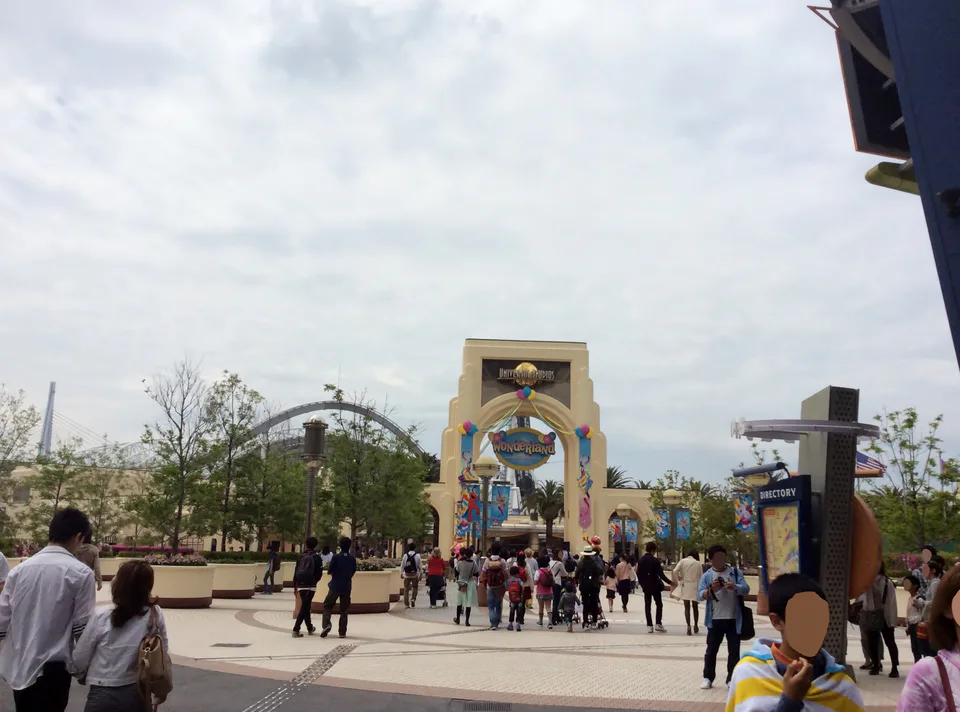
The current official pricing framework starts adult 1-Day Studio Pass examples at ¥8,900, but for admissions from September 1, 2026, USJ can re-evaluate and adjust the daily price after sales open according to demand. The park explicitly notes that prices may rise and recommends earlier purchase. That changes the budget logic: waiting is not a reliable “maybe it gets cheaper” strategy for a fixed travel date.
Budget version does not mean “never buy Express.” It means you should know what the extra spend protects. If you have two or three must-do attractions and ordinary queue conditions would damage the whole day, the value is certainty and time. If the goal is only to make every queue a little shorter, the price may not be the best use of the weekly budget.
Do not book another paid night after USJ
A normal dinner near the hotel is enough. USJ is already expensive in money, energy and attention. Adding a paid observation deck, cocktail package or another timed evening event does not make the day more complete. It creates a second premium event on a day that already had one.
Day 5 | Nara: free park, ¥800 Todai-ji, no need to “complete” the city with extra museums
Morning: Nara Park is already a full free opening act
Nara Park does not require an admission ticket. Start with the deer, park landscape and central walking area rather than buying a “Nara package” before you know what you want. The budget trap here is not expensive admission — it is adding small museums and side attractions simply because each individual price looks manageable.
Midday: keep Todai-ji’s ¥800 Great Buddha Hall as the one fixed ticket
For a first Nara visit, Todai-ji’s Great Buddha Hall earns its place because it is a defining part of the city rather than a filler. The current adult admission is ¥800. If you have already been, the correct budget decision may be to skip it entirely and keep the park and old streets free, or transfer the money to one museum you genuinely care about.
If you are still deciding whether Nara belongs after Kyoto or from Osaka, compare Nara from Kyoto vs Osaka. This seven-day version keeps one Osaka hotel base, so the decision is about route friction rather than adding another overnight stay.
Afternoon: stop when the core day is complete
Do not detour to an outer-area attraction merely to make Nara feel “full.” Once the park and Todai-ji are complete, heading back to Osaka can be the financially better choice. The saving is not only the next ticket. It is the extra transport and energy that often triggers more convenience spending later.
Day 6 | Kobe: let the harbor be free, and make Kobe beef the only splurge if you want it
Midday: Sannomiya and Kitano without paying for every historic house
Kobe’s budget trap is the belief that every famous category must be upgraded: paid historic houses, premium café, paid harbor attraction, observation deck, cruise and Kobe beef. Choose the function you care about. If the city atmosphere is the point, the streets can do most of the work.
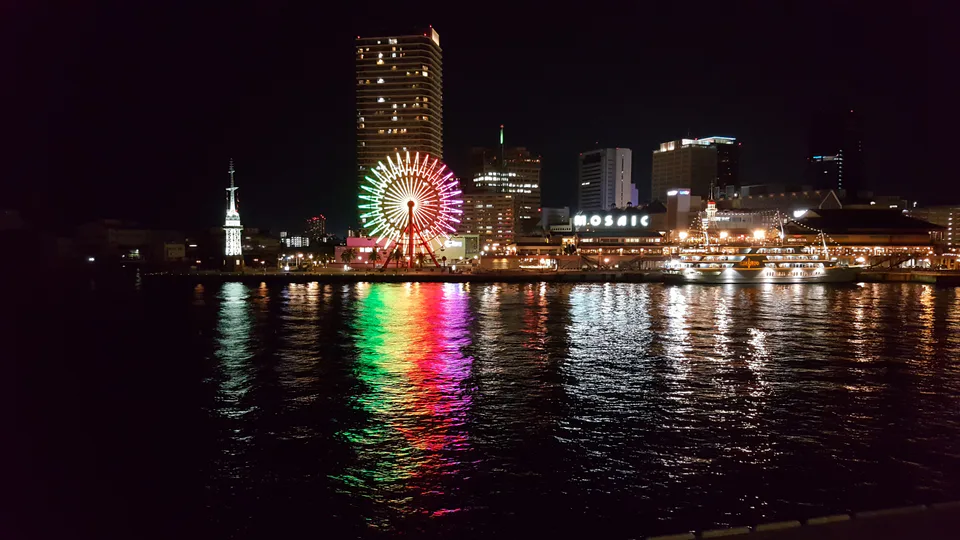
Sunset: Meriken Park and Harborland are the free headline
The port creates a visually distinct evening from central Osaka. You can walk Meriken Park and Harborland without buying another skyline ticket. That is exactly why a second paid Osaka observation deck is easy to delete from this week — you already have another night environment with a different visual character.
If Kobe beef matters, let the meal be today’s paid anchor
A budget itinerary is allowed to contain one meal you have looked forward to. The rule is substitution: if Kobe beef becomes the splurge, remove the cruise, observation deck and other add-ons. One memorable meal is easier to value and easier to budget than five “only a little extra” upgrades.
If Kyoto, Nara and Kobe are competing for limited time, use the Osaka day-trip comparison before you force all three into the week. This itinerary shows one possible seven-day distribution; it is not a rule that every traveler needs all three.
Day 7 | Departure day: every plan must be easy to abandon
Do not buy a timed ticket for the final half-day. If the flight is late, stay around the hotel area for lunch and last shopping. If the flight is early, make airport transport the whole plan. The largest budget risk today is not missing one attraction — it is running late and turning a careful week into an expensive taxi or transport scramble.
If you stay in Namba, keep the final hours in the south. If you stay in Umeda, keep them in the north. Do not cross the city because a checklist says one market is “must-see.”
Where should a budget traveler stay for seven nights? Minimize repeated transport, not nightly room rate
There is no one Osaka district that is cheapest for Kyoto, Kobe, Nara, USJ and KIX at the same time. Umeda tends to work better for repeated JR-oriented Kyoto and Kobe travel. Namba is intuitive for Nara, southern Osaka nights and KIX. The useful comparison is: seven-night room difference + repeated last-mile transport + how often you will return to the hotel during the day.
I would avoid moving to Universal City for one USJ day or moving to Kyoto for one standard day trip just because one night looks cheaper. Packing, luggage storage, early check-out and delayed room access all create hidden time costs — and sometimes real taxi costs. One stable base is often the easier way to keep spending predictable.
Start with Where to Stay in Osaka rather than a hotel ranking. Budget accommodation is not always the lowest nightly rate; it is the base that does not charge you again every day through bad location.
Why Osaka Amazing Pass and Osaka e-Pass are not automatic budget answers here
This itinerary intentionally keeps Osaka’s paid-attraction density low. On Day 2, Osaka Castle Main Tower is optional and the evening observation deck can be skipped. That makes a sightseeing pass harder to justify. Buy one too early and you may start adding cruises, towers and other facilities simply to recover money already spent.
The Osaka e-Pass currently provides admission to more than 25 participating facilities, but public transportation such as trains and buses is not included. It can be excellent if those facilities already match your day. It is a poor budget tool if the pass becomes the reason you redesign the day.
Use the Osaka Amazing Pass break-even guide together with the broader Osaka Pass comparison before purchase. “Includes many things” and “saves me money on my actual plan” are different claims.
Food budget: do not make every meal cheap — nominate the meal that is allowed to run high
Trying to minimize breakfast, lunch and dinner every day is tiring and often unsustainable. Decide where food is allowed to become the highlight: perhaps Kobe beef on Day 6 or one Kyoto restaurant on Day 3. Then normal set meals, noodles, supermarkets and convenience-store support can handle the rest without making each meal a new negotiation.
Markets deserve the same discipline. “A little from many stalls” can cost more than sitting down for one proper meal. Treat Kuromon or other food markets as a walk plus one or two chosen items — not an unlimited sampling session disguised as cheap street food.
The four expenses I would cut before I cut a ¥500 or ¥800 admission
1 | The second paid skyline
One paid Osaka skyline is enough. Day 6 already gives you a free harbor night in Kobe. If you buy two or three observation decks because each one is individually reasonable, you are paying repeatedly for a similar visual function.
2 | Express Pass without a named ride or timed-entry problem
Express Pass can be worth a lot. But you should be able to say what problem it solves: a specific ride, a specific timed-entry area or the loss of several hours on the one day that matters most. “Queues might be bad” is too vague for one of the biggest optional purchases of the week.
3 | An attraction pass that creates its own itinerary
Break-even is an outcome, not the mission. If the pass makes you add a cruise, wheel, tower and museum you did not want, the accounting may show savings while the trip loses time.
4 | Hotel hopping to chase the lowest nightly rate
A cheaper room can be more expensive once you add luggage storage, extra transfers, inconvenient check-in timing and the occasional taxi. A seven-night fixed base is often easier to control than a chain of locally cheaper nights.
Rain strategy: swap days before you buy indoor attractions
Rain is a common budget leak because travelers start searching for indoor things to do and buy two or three new tickets on top of an already complete itinerary. This seven-day route has swap space. Osaka indoor time can trade with another city day. Nara can move if the forecast is genuinely poor. Kobe can lean more heavily on cafés and covered areas while shortening the harbor walk.
USJ is different. Once tickets are booked, date conditions and pricing make it less flexible than a normal city day. Check official operating information for your date rather than treating it as a casual swap.
Two people traveling together: separate shared costs from optional upgrades
Hotel, essential transport and agreed admissions are easy shared costs. Shopping and optional upgrades should remain more individual. If one traveler wants a paid skyline while the other is happy with a free view, splitting the difference 50/50 is not automatically “fair.” Treat the upgrade as optional spending. That keeps the joint travel budget from silently becoming the preferences of the higher spender.
Three or four friends: taxis and “nobody objects” decisions are the real budget leaks
Groups often justify taxis because the fare divided by four looks small. Do that every night and the week becomes expensive. Use taxis when they replace a genuinely difficult late-night transfer, solve a luggage problem or save enough time to matter — not because the per-person number looks harmless.
The second group leak is adding activities because no one says no. Require every new paid stop to replace something already in the plan. If nobody can name what it replaces, the group is not making a choice; it is only adding cost.
Shopping and tax-free purchases need their own budget
Drugstore items, clothes, anime goods and souvenirs should sit in a separate shopping bucket. Tax-free treatment reduces eligible tax; it does not make the purchase free. The dangerous mental shortcut is “I saved tax, so I can spend the saving again.” That turns a discount into permission to exceed the original cap.
Set a total shopping ceiling before the trip. Once you approach it, stop adding large items. Keep food, transport and admissions in their original categories so you can tell whether the trip itself ran over budget or you simply chose to buy more things.
48 hours before departure: six checks that prevent expensive mistakes
One: recheck your USJ date and the current Studio Pass price because the September 2026 pricing system can move after tickets go on sale. Two: verify current hours and admission for Osaka Castle, Kiyomizu-dera and Todai-ji. Three: confirm whether your Osaka high-movement day falls on a weekday or weekend before assuming the Enjoy Eco Card price. Four: check whether seasonal events alter transport or crowd patterns in Kyoto, Nara or Kobe. Five: recheck hotel cancellation and luggage-storage rules before even considering a late hotel change. Six: give yourself a small “I suddenly want this” allowance. A budget with zero flexibility is usually the one people abandon fastest.
Final verdict: a good Osaka budget week is not cheap every day — it is expensive on purpose
This 7-day Osaka budget itinerary works because only a small number of days are allowed to spend big. USJ can be expensive. Kobe beef can be expensive if it is the meal you genuinely care about. The other days stop trying to prove they are exciting through tickets. Osaka Castle can be exterior-only, Kyoto needs only one small admission, Nara keeps Todai-ji as the paid anchor, and Kobe uses the harbor for the evening.
The most effective cuts are not the ¥500 or ¥800 admissions that define a place. Cut duplicated premium functions: the second skyline, an Express Pass with no specific job, a pass that forces extra attractions, and unnecessary hotel changes. Do that and you can keep USJ, keep multiple Kansai cities and still have a week with clear highlights rather than seven days of constant payment.
Sources checked
Current facts were rechecked on August 20, 2026 against Universal Studios Japan’s 2026 pricing-system notice, Osaka Castle Main Tower visitor information, Osaka Metro Enjoy Eco Card information, Kiyomizu-dera 2026 visitor information, Todai-ji admission information and Osaka e-Pass usage rules. Prices, operating hours, park tickets and pass conditions can change by travel date, so recheck the exact date before payment.
10 Days in Japan: Tokyo, Kyoto and Osaka Without Turning the Trip Into a Transfer Marathon
Osaka 5-Day Itinerary: Give USJ a Full Day — Namba, Umeda, Kaiyukan and Tennoji Without Backtracking
Osaka and Kyoto in 7 Days: 3 Nights Each — When One Hotel Move Is Actually Worth It
Kyoto Hotels Sold Out in Autumn? Backup Bases in Otsu, Uji, Nara and Osaka