
A seven-day Osaka solo travel itinerary works best when you stop treating “I can do whatever I want” as permission to add more. Traveling alone removes coordination: no waiting for someone to wake up, no vote on dinner, no need to buy the same USJ Express Pass as a friend, and no awkward compromise between a museum and a bar. But that same freedom creates a different leak. Nobody stops you from adding another timed ticket, crossing the city for one more attraction, taking a late taxi because you stayed out too long, or paying for three experiences that do the same job.
This route uses one Osaka hotel base, one full USJ day, one Kyoto day, one Nara day, one Kobe day, one structured culture slot, and one deliberately flexible final day. The solo advantage is used where it is real: Single Rider at USJ, faster meal decisions, instant route changes, the ability to leave when you are done, and the freedom to split a “must-do” from a “maybe” without negotiating with anyone. The solo risks are controlled just as deliberately: late-night transport, impulse tickets, a second paid skyline, taxis you cannot split, and a hotel that saves money but makes every return harder.
The rule for the week is simple: every day gets one main reason to exist. If that reason is USJ, do not add a paid observation deck that night. If the reason is a Kyoto samurai class, let it replace part of the sightseeing day instead of sitting on top of it. If Nara feels complete at 2 p.m., leave. Solo travel becomes efficient when you use the right to stop, not just the right to continue.
30-second decision: six rules for a 7-day Osaka solo trip
Stay in one Osaka hotel unless a very specific late-night or early-morning schedule gives you a reason to move. Treat USJ as the one obvious high-spend day. Recalculate Express Pass through the lens of Single Rider rather than assuming solo automatically means “no Express.” Keep Kyoto, Nara and Kobe as separate days. Book only one structured social or cultural experience for the week unless you genuinely enjoy scheduled group activity. And once the evening has no clear paid purpose, eat near your hotel instead of creating a second cross-city trip just because nobody is waiting for you.
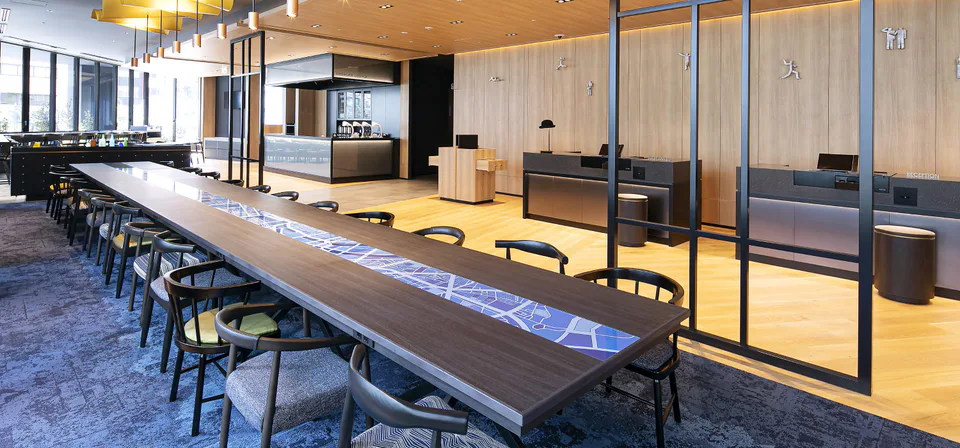
If you have not chosen a base, start with Osaka Solo Travel Hotels rather than room photos. A solo traveler often needs less floor space but benefits more from an easy late return, on-site laundry, a simple station exit and a room that lets one suitcase stay open without blocking the door. If the bigger question is area rather than hotel, compare Namba vs Umeda before you compare nightly rates.
The biggest solo budget advantage is not the room rate — it is refusing to pay for somebody else’s preference
Group trips create shared-cost pressure. One person wants the observation deck, another wants the boat, a third wants the set dinner, and suddenly everybody buys everything because staying together feels easier. Solo travelers can cut that entire category of spending. You can pay only for the experiences that change your own day and delete the rest without a discussion.
That advantage disappears if you replace group compromise with solo impulse. For this itinerary, I would cap optional upgrades at three functions for the entire week: an Express Pass if USJ needs certainty, one paid skyline if you genuinely want a high view, and one culture or performance slot such as sumo or a Kyoto class. You do not need all three. But once all three are booked, another ticket should have to replace something rather than join the pile.
Day 1 | KIX to Osaka: learn the route home before you start sightseeing
The last ten minutes to the hotel matter more when you are carrying everything yourself
A solo arrival is easy to romanticize because there is nobody to coordinate with. In practice, you are also the navigator, luggage handler and problem-solver at the same time. Do not choose the airport train only by the fastest advertised ride. Namba, Umeda and Tennoji create different last-mile routes, and the extra transfer you tolerate in daylight can feel much worse when you repeat it after Kyoto or USJ. Use the Kansai Airport to Osaka guide to price the entire trip from baggage claim to the hotel door.
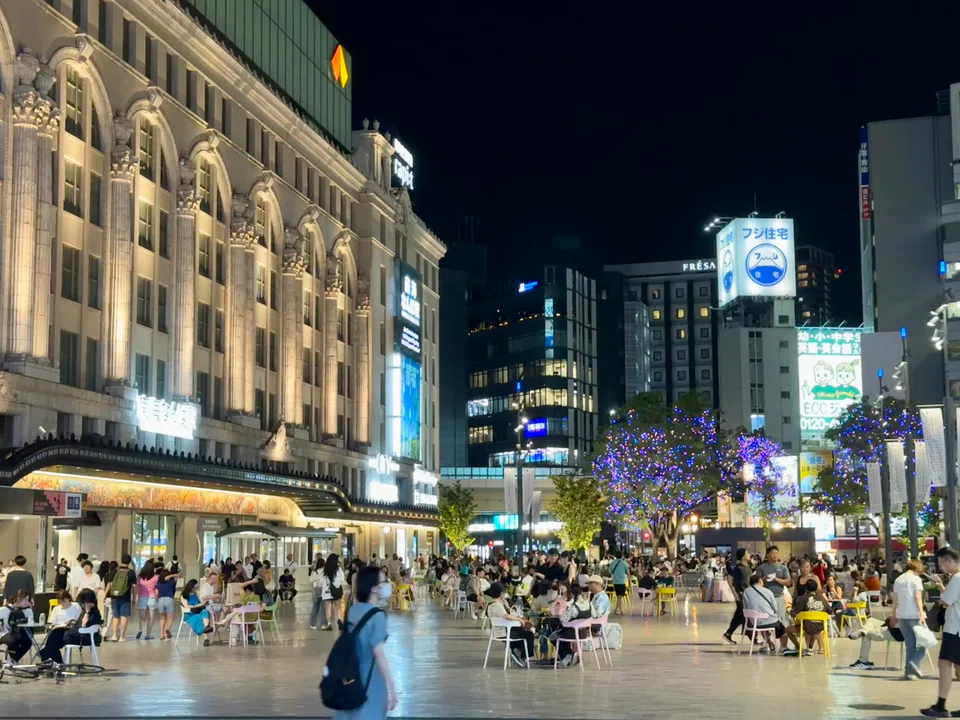
Once you check in, walk the route you will actually use at night. Find the station exit, convenience store, nearest simple dinner options and the point where a late train still leaves you with a comfortable walk. That knowledge has more value on a solo trip than squeezing a timed attraction into arrival night. Flight delays, immigration and baggage can all turn a non-refundable first-evening ticket into an unnecessary loss.
Do not over-research the “best restaurant for solo diners”
Osaka is one of the easier cities in which to eat alone. Counter seating, department-store restaurants, ramen, curry, donburi, sushi and casual chains all make the mechanics simple. The risk is not that you cannot find a table. It is spending an hour scrolling for a restaurant that feels socially acceptable, then eating something random because you are tired. Arrival night is a good time to use the solo advantage properly: decide quickly, eat when you are hungry, and stop looking for the perfect first meal.
Day 2 | Osaka city day: Osaka Castle, Nakanoshima and one structured experience
Use geography before you use a pass
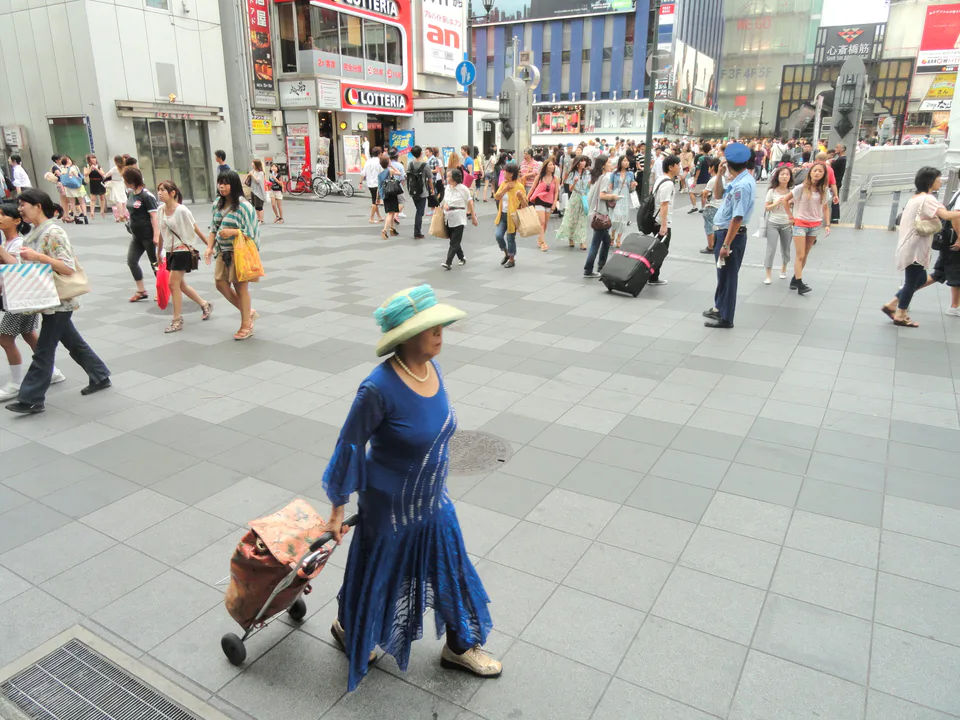
Start with Osaka Castle Park and decide whether the Main Tower itself matters to you. Then continue toward Nakanoshima, Kitahama or Umeda rather than jumping south to Tennoji and back again. The solo traveler’s speed does not cancel geography. You may move faster than a group, but a cross-city detour still costs the same train ride and still breaks the day into fragments. If your Osaka list is still ranked by fame rather than location, use the Osaka attractions neighborhood guide before buying anything.
The current Osaka Metro Enjoy Eco Card costs ¥820 for adults on weekdays and ¥620 on Saturdays, Sundays and holidays. It gives unlimited rides on Osaka Metro and eligible Osaka City Bus services for one day, with exclusions. That can work on a high-movement city day, but it is not a solo-travel discount and it does not cover every private railway you may use around Kansai. Count your actual rides first. If you are also comparing attraction products, separate the functions with the Osaka Pass comparison rather than forcing every pass into one break-even formula.
One fixed culture slot can give the week structure without turning the week into a tour
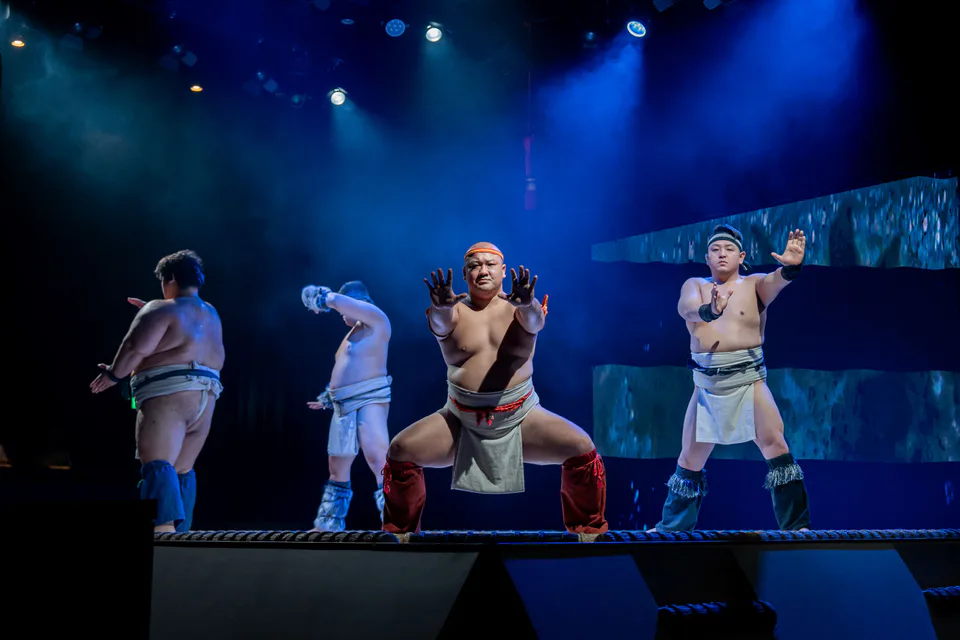
Seven days of making every decision yourself can become surprisingly tiring. That is where one scheduled experience earns its place. A sumo show such as HIRAKUZA gives you a clear start and finish, then returns the rest of the evening to you. It does not need to be bought because you are alone; it earns a place only if you want one block of the week where the program is decided for you. The trade-off is clearer in the Osaka sumo and HIRAKUZA comparison.
If you book that culture slot, stop there for the evening. Do not add a paid skyline simply because the schedule ends early enough. Solo travel can turn every free hour into a perceived gap that needs a ticket. It does not. A walk through Namba, Umeda or the riverfront can finish the day without creating another purchase.
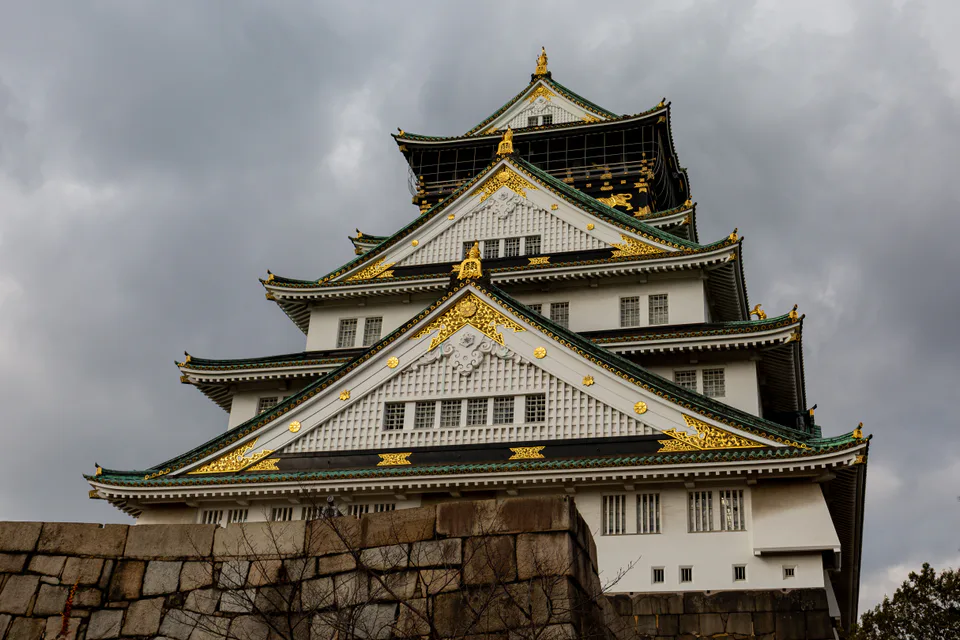
Day 3 | USJ: Single Rider changes the Express Pass math — it does not erase it
What Single Rider actually gives a solo traveler
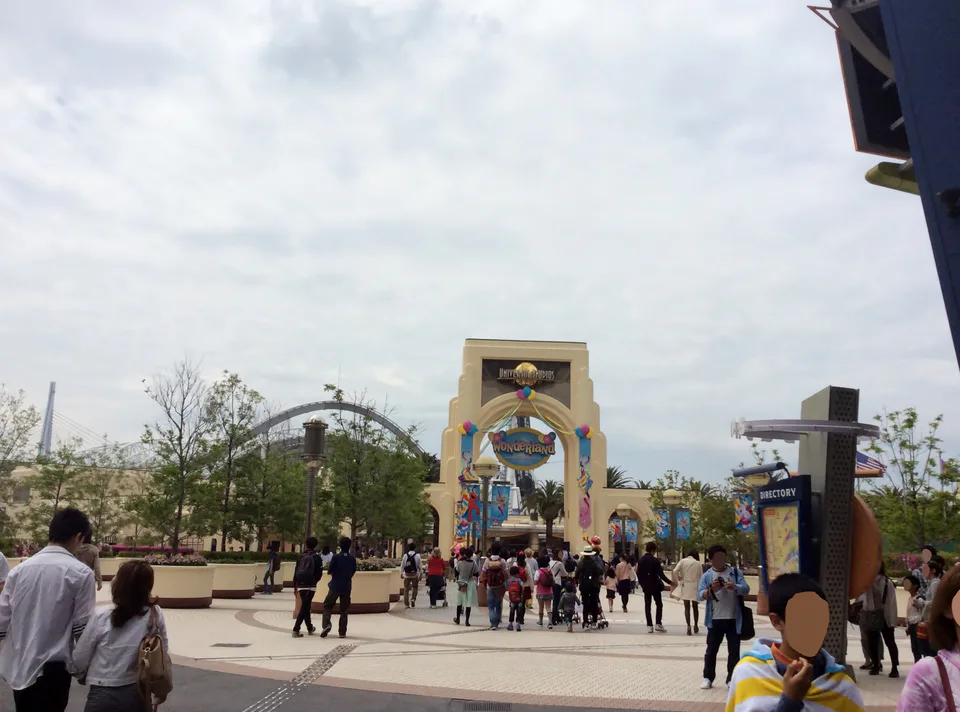
USJ currently offers Single Rider at a number of attractions. The system fills vacant seats with guests who are willing to ride separately, which can reduce waiting time. For a solo traveler, that is a real structural advantage because there is no social cost to being separated from your group. The official list currently includes major rides such as Mine Cart Madness, Mario Kart: Koopa’s Challenge, Harry Potter and the Forbidden Journey, Hollywood Dream, The Flying Dinosaur, Jurassic Park – The Ride and JAWS, though availability can change.
The important limitation is in the official language: Single Rider may be unavailable for some attractions, days or times, and restrictions can apply. That means “I am solo, so I never need Express” is just as lazy as “USJ is crowded, so everybody needs Express.” The right question is what your two or three non-negotiable goals are, whether those goals can actually use Single Rider that day, and whether you also need timed-entry or other certainty that Single Rider does not provide.
The best solo privilege at USJ is the right to stop when the main goals are done
Groups often stay because everybody has paid, somebody still wants one more ride, or the group has agreed that a full-day ticket means a full-day visit. Solo travelers can leave when the day has already succeeded. If you have completed the rides you cared about by late afternoon, you can walk out without turning the remaining hours into a value-recovery exercise. That ability to stop is often worth more than using every available minute.
Do not attach a non-refundable dinner or paid night view to USJ evening. Ride queues, timed entry and fatigue make the exit time unpredictable. Eating near the hotel after you know when you are leaving is a better use of solo flexibility.
Single Rider creates three different Express Pass outcomes
Outcome 1 | Most of your priority rides support Single Rider and it is operating
This is the strongest case for skipping or downgrading Express. If the rides that define your day are covered by Single Rider and the lines are operating, your waiting-cost problem may shrink enough that a premium bundle stops making sense. The money can then protect a different part of the trip — a Kyoto experience, a better hotel location or simply a less expensive week.
Outcome 2 | Your priorities involve timed entry, unsupported rides or a must-not-fail sequence
This is where solo status helps much less. Single Rider fills ride seats; it does not replace every access mechanism, timed-entry requirement or Express benefit. SUPER NINTENDO WORLD still uses timed-entry systems, and certain Express products can bundle access or times that matter to a specific plan. If your trip would feel materially worse if one core target failed, then Express can still be a rational certainty purchase. Use the USJ Express Pass decision guide to compare the specific function you are paying for rather than the generic fear of queues.
Outcome 3 | You are happy to arrive early and leave once the core day is complete
This is often the most powerful solo combination: early arrival, a focused first sequence, Single Rider where it helps, then an early exit once the headline goals are done. You are not trying to maximize hours. You are maximizing the probability that the things you care about happen before fatigue or crowding makes the rest of the day less valuable.
What should a solo traveler book early? Only the things that can break a whole day if they sell out
A fixed USJ date, an Express product you have decided genuinely protects the plan, and a Kyoto class that defines the afternoon are reasonable early commitments. A generic observation deck, a casual night view, a flexible final-day aquarium visit or ordinary city wandering usually do not need the same treatment. The solo traveler’s best asset is late decision-making. Do not sell that asset too cheaply by converting six evenings into non-refundable appointments before you arrive.
Use a simple test: if you do not buy this now and it disappears later, does one entire day lose its main purpose? If yes, early booking may be justified. If no, leave it until weather, energy and actual interest are clearer.
Day 4 | Kyoto: solo speed is useful only if you resist the temptation to cross four districts
Morning: Fushimi Inari plus Higashiyama, or Higashiyama alone
Traveling alone removes toilet stops, photo negotiations and the slowest walker from the group. It does not make Fushimi Inari, Kiyomizu-dera, Kinkaku-ji and Arashiyama geographically adjacent. For an Osaka-based Kyoto day, keep one line: Fushimi Inari into Higashiyama, or simply spend the whole day in Higashiyama. You will experience more Kyoto by walking deeply through one area than by proving you can change trains quickly.
Afternoon: one tea or samurai-style experience should replace sightseeing, not stack on top of it
Solo travelers are well suited to small classes because there is no need to persuade a friend, but that ease is exactly why the schedule can become overbooked. If a samurai or sword-related activity is your paid anchor, let it replace a chunk of afternoon wandering. The Kyoto samurai experience comparison separates performance, sword class and kendo-style options because they solve different interests. Do not buy “Japanese culture” twice in the same afternoon simply because two products sound complementary.
And it is completely valid to buy none. If what you value most is walking, cafés, Gion streets and the ability to leave whenever you feel done, a scheduled experience can be a downgrade. Solo travel does not need a social activity to become legitimate.
Read next | If “I can add it because I am alone” starts appearing in your head, stop adding attractions
Solo itinerary creep is usually small: one extra subway ride, one observation deck, one last-minute event, one taxi after a late night. None looks dramatic on its own. The stop rule is therefore more useful than another recommendation list: one paid anchor per day. If today already contains USJ, sumo or a Kyoto class, the next premium item has to replace something rather than simply fit into an open hour.
If late returns are already becoming the issue, go back to Osaka Solo Travel Hotels and price the last walk, laundry and station exit rather than chasing a bigger room. If Days 5 and 6 are still undecided among Kyoto, Nara, Kobe and Himeji, use the Osaka day-trip comparison to remove a city rather than turning the week into a collection exercise.
Six solo nights: compare the hotel by seven returns, not by the lowest single-room price
Solo hotel searches reward the cheapest single room, but a six-night stay is not six isolated bookings. It is six or seven late returns, one or two laundry sessions, daily charging, repeated shopping drop-offs and one luggage move to and from the airport. A room that is slightly cheaper but adds a transfer or a ten-minute confusing walk every evening can have a higher total friction cost than a smaller room beside the station.
The premium worth paying for is not automatically square meters. It is the convenience you repeat: a simple station exit, an easy late-night route, laundry that does not require a second building, enough floor space for one open suitcase and a bathroom you will actually want to use after a long day. A solo traveler rarely benefits from paying for a second bed, a huge sofa or group circulation space.
Solo social fatigue is real: do not fix loneliness by booking a group activity every day
Some travelers enjoy seven days with almost no structured interaction. Others reach Day 3 or 4 and want one block where somebody else sets the rhythm. That is why one or two fixed experiences can help. The mistake is turning that need into a daily food tour, class, nightlife event and guided excursion. At that point, the trip has lost the thing solo travel does best: the ability to change direction without asking permission.
The better balance is mostly unscheduled time plus a small amount of chosen structure. If HIRAKUZA is already your fixed block, Kyoto can stay free. If you book a Kyoto class, Osaka can stay unscheduled. One structured slot can be enough to reset decision fatigue without turning the week into a chain of meeting points.
Day 5 | Nara: make “nothing booked” the feature
Nara Park and Todai-ji are enough for a first solo day
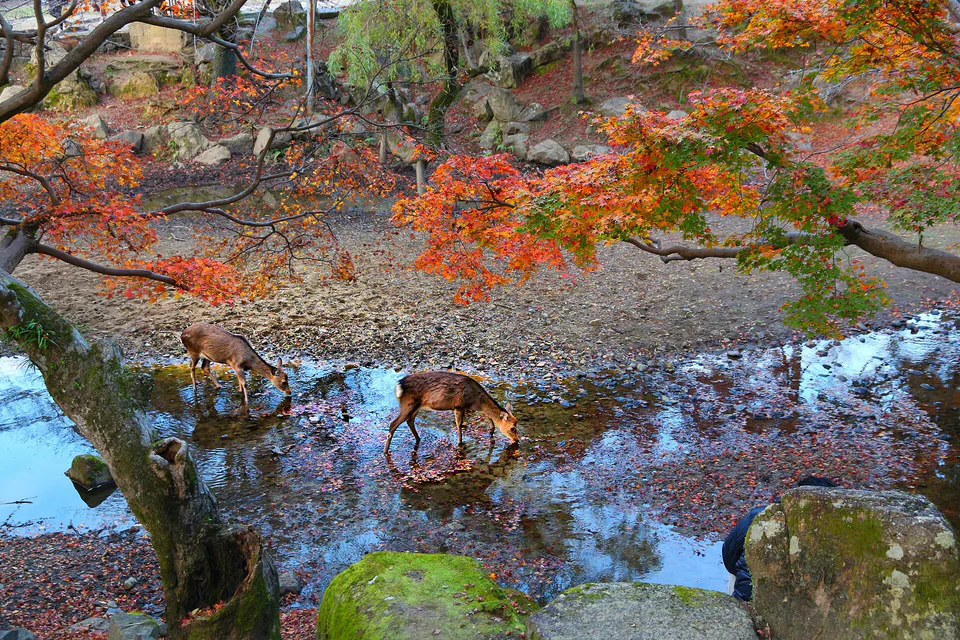
Nara works particularly well after USJ and Kyoto because the day can succeed without a rigid sequence. Nara Park is officially open year-round and free to enter. Walk in from Kintetsu Nara, decide how much time you want around the deer and temple area, keep Todai-ji if it matters to you, and stop when the day already feels complete.
The solo privilege here is leaving at 2 p.m. without needing consensus. If you are satisfied, go back to Osaka. If the weather is good and your energy is high, keep walking. There is no need to build a second paid attraction just so the return train feels “worth it.” If you are still deciding whether Nara fits better from Kyoto or Osaka, the Nara from Kyoto or Osaka guide explains the trade-off.
Day 6 | Kobe: pick one headline — city and harbor, indoor design, or sake
City version: Sannomiya to Motomachi to Harborland
For a first visit, the easiest solo structure is to let the city gradually move toward the water. Spend the first half around Sannomiya or Kitano, continue through Motomachi and Chinatown if you want them, then use Meriken Park and Harborland as the free evening finish. That free harbor view also gives you a strong reason not to buy a second Osaka observation deck earlier in the week.
Indoor version: átoa should replace part of the harbor day, not join another aquarium day
If weather is poor or you prefer compact design-led indoor spaces, átoa can become the paid Kobe anchor. But if Day 7 is likely to be Kaiyukan, ask whether two aquarium-adjacent experiences are actually different enough for you. Read the átoa value guide before treating it as a default rainy-day add-on.
Sake version: only build the day around breweries if drinking is genuinely the point
Solo travelers do not have to compromise with a non-drinking companion, which can make a sake-focused day more attractive. That does not mean you should also keep the full harbor loop and indoor attraction. Pick the function. If sake is the day, shorten the city. If the harbor is the day, keep the brewery district for another trip.
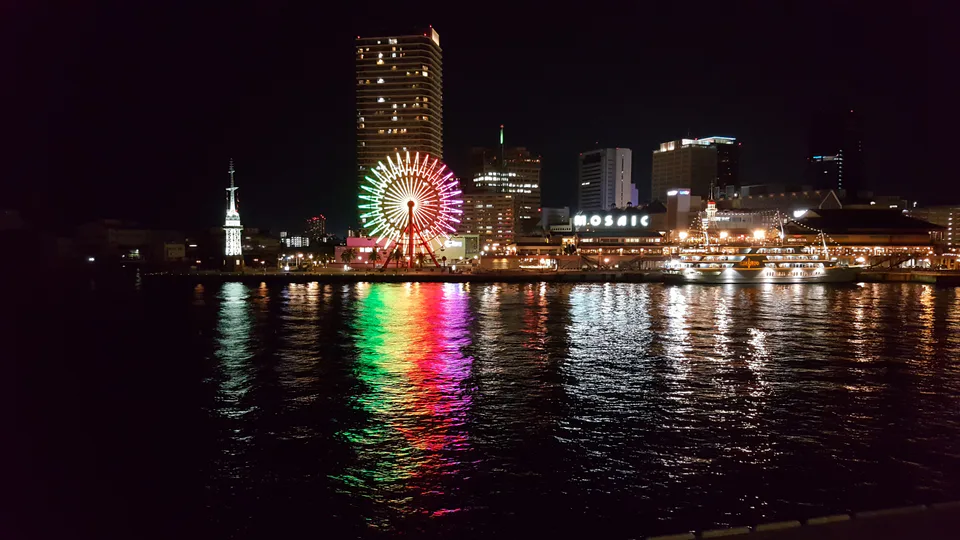
Day 7 | Keep the last full day open: Kaiyukan, shopping or weather recovery
A solo traveler does not need to prove the itinerary is complete by adding a seventh headline attraction. If the first six days went well and you still want one major indoor visit, go to Kaiyukan. If rain damaged an earlier city day, use this day to recover it. If you are simply tired, stay near the hotel, shop, do laundry and eat one meal you actually care about.
Kaiyukan currently uses timed entry and ended re-entry on June 15, 2026. That matters because it is no longer a casual “go in, leave for lunch, come back later” backup. If you choose it, make it the day’s main attraction. The Kaiyukan 2026 guide covers the timing decision in more detail.
This buffer is particularly valuable when you are alone because there is no group expectation to maintain the original plan for appearances. You can use what the previous six days taught you — which neighborhood you liked, how much walking is too much, whether you want more Osaka or less — and redesign one day without disappointing anybody.
Namba or Umeda for a solo week? Look at your last three nights, not the first attraction
If Day 2’s culture slot, Dotonbori evenings and Day 7 shopping keep you south, Namba becomes very natural. If Kyoto, Kobe, Umeda evenings and northbound rail matter more, Umeda can remove more long-day transfers. The correct answer is less about the first morning and more about where you will be standing at 9:30 p.m. on the three hardest days.
Do not let a cheaper room pull you into a route that adds ten minutes to every late return. Nobody else is carrying the second suitcase, watching your phone while you check a map or sharing the frustration of a confusing exit. Start with the Where to Stay in Osaka decision hub and then compare actual solo-room prices inside the right area.
Eating alone: the real problem is not awkwardness — it is letting every meal become an afterthought
Solo dining in Osaka is mechanically easy, which creates a strange failure mode: because you can always find something fast, you can accidentally spend seven days eating only whatever is closest. The fix is not booking every meal. Choose two or three meals for the week that are allowed to become an event, then let the rest stay simple.
If a restaurant clearly works best for sharing, requires a fixed multi-person order or has a long queue, decide whether it deserves to become one of those headline meals. If not, move on. Solo speed should help you delete options, not keep searching for a mythical perfect restaurant that makes eating alone feel special.
Night views: you need one evening you genuinely want to stay out for
There is nothing inherently less rewarding about seeing a city view alone. The budget mistake is buying three observation decks because nobody else is bored by the idea. Kobe Harborland already gives the week a free waterfront night. If you still want a high Osaka view, choose one deck based on weather and area, or skip paid height entirely and keep your nights in the streets.
The free vs paid Osaka night-view guide is useful because the decision is not “free is better.” It is whether the observation deck is replacing another paid evening or simply becoming an additional ticket because the night is open.
Taxis cost more psychologically on a solo trip because there is nobody to split the fare
Groups can make a short taxi look cheap once the fare is divided. Solo travelers pay the full amount every time. That makes “only two stations” a surprisingly expensive habit over seven nights. Save taxis for situations where public transport has stopped, heavy luggage makes the route genuinely unreasonable, or the ride protects a non-refundable reservation.
Do not turn this into a rule that taxis are forbidden. The point is to treat them as an exception category rather than an invisible nightly convenience. Two or three unplanned solo taxi rides can erase the savings from hours spent optimizing small transport passes.
Rain is where solo travel becomes easiest: you can swap the whole day without a vote
Days 2, 5, 6 and 7 can move around each other. Heavy rain in Nara? Pull an Osaka indoor day forward. Poor harbor weather in Kobe? Use the flexible final day later. A fixed Kyoto class can stay while the outdoor walking around it shrinks. That is the clean version of solo flexibility: move unpaid or flexible components first.
USJ is different if you already have a fixed-date ticket or Express. Check the current ticket conditions and operating information before changing anything. Flexibility is most valuable where you have not already converted it into a non-refundable purchase.
The most useful solo purchase of the week may be one period where you do not have to decide anything
Decision fatigue is easy to underestimate. Seven days means seven breakfasts, six or seven dinners, dozens of route choices, weather calls and small “should I keep going?” decisions. One scheduled experience can be worth money because for ninety minutes or two hours, you simply show up and follow a program.
That is different from filling the trip with social activity because you are worried about being alone. One block is enough for many travelers. The rest of the week should preserve the ability to change pace, walk away from a crowded area or spend an unplanned hour in a café without apologizing to anybody.
Who should not use this exact solo itinerary?
You want Kyoto to be the main trip
If you want two Kyoto mornings, multiple evening plans, Arashiyama on a separate day and more than one cultural booking, a fixed Osaka base is the wrong structure. Split the stay rather than commuting repeatedly.
You are uncomfortable with long unscheduled periods alone
Add one or two more guided or structured blocks, but be honest about the problem you are solving. You do not need more attractions; you need more social rhythm. Those are different itinerary choices.
Nightlife is the main purpose and you expect to return late most nights
Then the hotel should be chosen around the late-night zone first, even if that makes Kyoto or Kobe slightly less efficient by day. On a solo trip, every final walk is yours alone, so the nighttime location should carry more weight.
48 hours before departure: check only these eight things
Check USJ operating hours for your date; the current Single Rider list and whether your priority rides are actually using it; any Express timed slots you bought; the cancellation and meeting rules for a Kyoto or Osaka culture booking; the last walk from your station to the hotel; whether Day 6 is really city, sake or indoor Kobe; whether Day 7 is still uncommitted; and the latest time you are personally comfortable getting back to the hotel. Once those eight are clear, stop adding reservations.
Final verdict: solo travel is most valuable when you use the right to leave, not the right to add
This seven-day Osaka solo travel itinerary still contains USJ, Kyoto, Nara, Kobe, an Osaka city day and one structured culture slot. The difference is that every day has an exit point. Leave USJ once the priority rides are done. Leave Nara when the park and Todai-ji feel complete. Pick one Kobe function. Keep Day 7 cancellable. Those decisions are harder in a group and unusually powerful when you are alone.
If you want the rules in one line: one hotel base; use Single Rider to recalculate Express; one structured social or culture slot for the week; at most one paid skyline; one city per day trip; and no fixed Day 7 until the trip has actually started. You are not seeing less. You are converting solo freedom into lower friction instead of more bookings.
Sources checked
Variable information was rechecked on August 20, 2026. USJ Single Rider availability and the current eligible-attraction concept were checked against the official USJ Single Rider page and USJ FAQ. USJ also currently states that SUPER NINTENDO WORLD may require timed-entry access and that ordinary admission tickets do not permit re-entry after exiting.
The Osaka Metro Enjoy Eco Card was checked against the official Osaka Metro English page for the current adult weekday ¥820 and weekend/holiday ¥620 prices and coverage. Nara Park’s year-round free admission was checked with the official Nara tourism site. Kaiyukan’s end of re-entry from June 15, 2026 was checked against its official announcement. Recheck ticket conditions, opening hours and attraction operations for your actual travel dates before paying.
Osaka With Parents for 7 Days: Cut Transfers, Not Kyoto, Nara or USJ
A 7-Day Osaka Premium Experiences Itinerary: USJ Express, Sumo, Samurai — and Only One Big Splurge
Shikoku Itinerary: 4 Days Without a Car for Yosakoi and Awa Odori
Osaka and Kyoto in 7 Days: 3 Nights Each — When One Hotel Move Is Actually Worth It
Osaka With Kids for 7 Days: Protect Kaiyukan and USJ by Leaving Two Days Deliberately Soft