A premium Osaka itinerary does not become better just because every day has an expensive booking. The fastest way to ruin a high-budget week is to turn USJ Express, sumo, a Kyoto samurai session, teamLab, a private car, a helicopter flight and a Kobe dinner into seven separate “must-do” commitments. The money may be available; your time, energy and tolerance for missed slots are not.
For seven days, I would cap the trip at three genuinely irreplaceable upgrades: one Osaka culture night, one deep Kyoto experience, and one full USJ day. A fourth expensive item should be conditional—usually either a helicopter flight or a private Kyoto charter, not both by default. Kobe on Day 6 deliberately drops the spending pressure so the week has one day that can expand, shrink or disappear without triggering cancellation regret.
This is not an “ultra-luxury Osaka” list. It is a decision-first Osaka premium experiences itinerary for travelers willing to spend more when the upgrade changes certainty, participation, perspective or transport friction. If you have a smaller budget, use the same logic and remove the helicopter and charter first. If you have a much larger budget, resist the urge to add them all back. A premium trip is successful when each expensive choice changes the week in a different way.
The 30-second rule: pay for certainty, participation, perspective or friction reduction
There are four kinds of upgrades that can justify a premium price. The first buys certainty: USJ Express can protect a one-day park plan when SUPER NINTENDO WORLD and a short list of headline attractions are non-negotiable. The second buys participation: a samurai class or a deliberately chosen sumo show gives you something a free neighborhood walk cannot reproduce. The third buys a genuinely different perspective: a helicopter flight changes how you see Osaka; a second observation deck usually does not. The fourth buys friction reduction: a private car can make sense for a multi-stop Kyoto day with several people or a traveler who struggles with transfers.
The first expenses to cut are the ones that duplicate a function. If you book a helicopter flight, do not automatically keep two paid observation decks. If Kyoto already has a samurai session, do not stack tea, teamLab and kimono appointments into the same afternoon. If USJ is the heaviest day of the week, do not prove that the night is “premium” by forcing everyone into another fixed-time performance afterward.
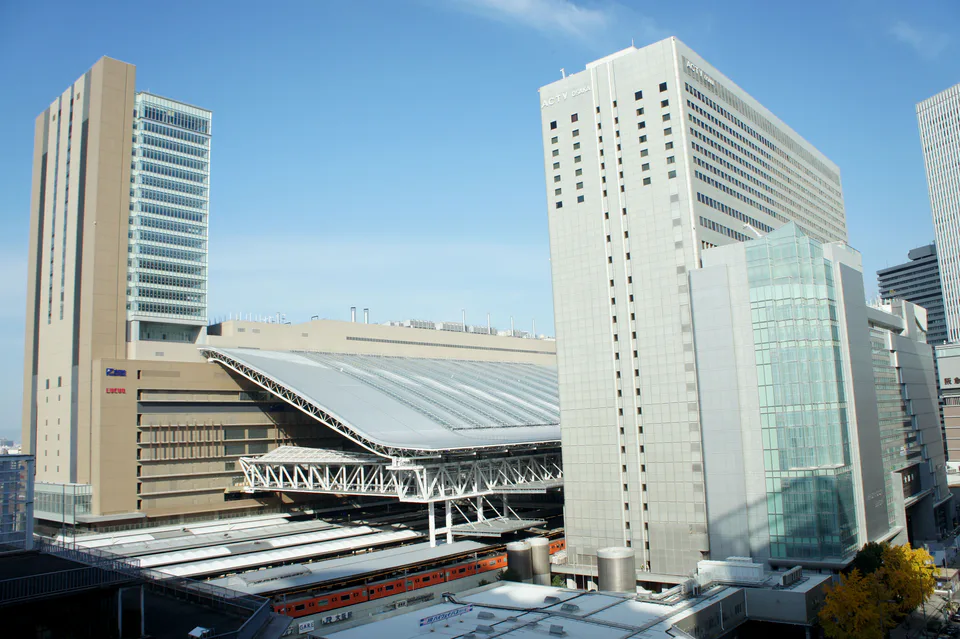
If you have not chosen a hotel yet, start with the Osaka accommodation decision hub. Premium days punish a bad base more than ordinary sightseeing does. Every timed reservation magnifies the cost of a long station walk, an awkward transfer or a late-night return. Umeda and Osaka Station often become more valuable when Kyoto and Kobe repeat; Namba gains value when several evenings end south of the river.
Set an upgrade ceiling before you book: three anchors are enough for seven days
Anchor A: USJ Express — buy it only when certainty is the product you actually need
Express Pass is not the automatic “premium version” of a USJ day. Its value rises when you have only one park day, SUPER NINTENDO WORLD is a hard goal, and you will actually ride most of the attractions included in the package. It falls when you skip major thrill rides, can tolerate queues, or have a second USJ day. The right question is not “Can I afford Express?” but “Which failure am I paying to avoid?”
Use the USJ Express Pass decision guide to separate two benefits that travelers often blur together: reducing waits and increasing certainty around specific areas or timed experiences. Once you identify the two or three things that would make the day feel failed if you missed them, you can judge whether a package protects those exact priorities rather than buying the largest bundle because it looks comprehensive.
Anchor B: culture — HIRAKUZA, samurai and teamLab are not rungs on one upgrade ladder
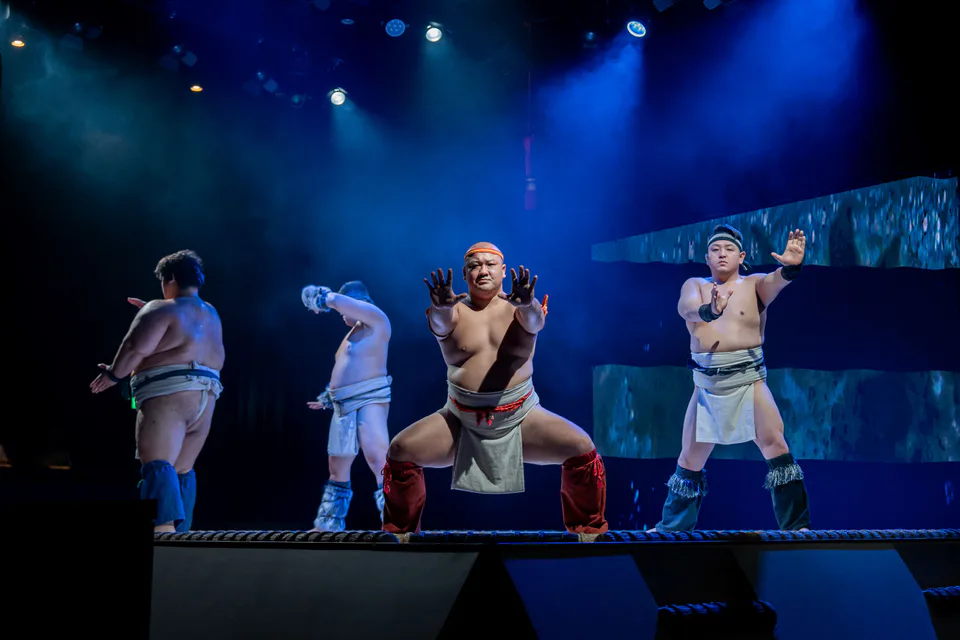
HIRAKUZA buys a polished, seated Osaka evening with stage production and former wrestlers. A Kyoto samurai session buys hands-on participation and cultural context. teamLab Biovortex Kyoto buys a large-scale immersive art environment. They are different products, not cheap / medium / premium versions of the same idea. Two of the three can fit comfortably in a seven-day week if they sit on different days. All three can work too, but only if you remove competing fixed-time plans around them.
Anchor C: one high-price viewpoint — a helicopter should replace other paid skyline experiences
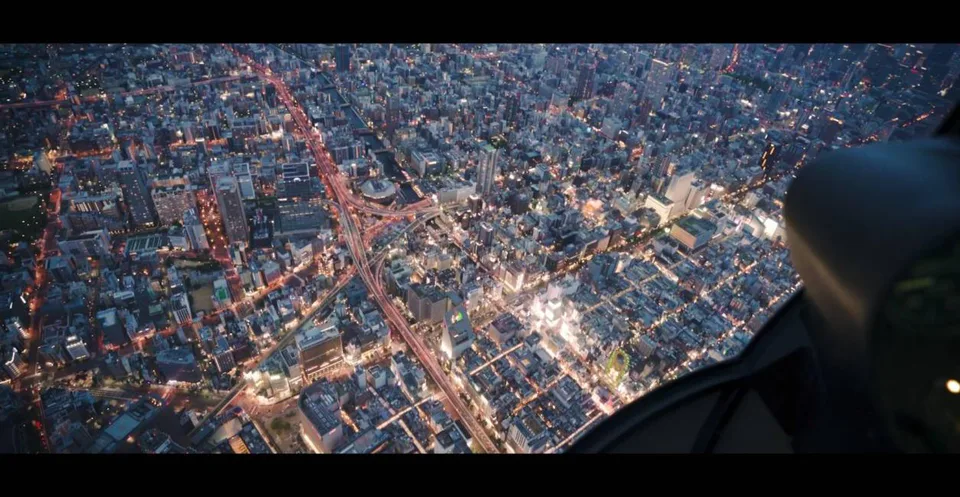
A helicopter becomes defensible when the flight itself is part of the memory, not when you merely want “a nice Osaka night view.” AIROS currently lists Osaka night flights from Osaka Heliport at ¥57,400 per flight for 7 minutes, ¥74,200 for 10 minutes, and ¥94,600 for 15 minutes, with up to three passengers on those listings. Routes and prices can change, and other operators use different departure points, so compare what the aircraft actually flies over and the total ground journey—not a price-per-minute spreadsheet.
If all you really want is a broad skyline, an observation deck can solve that at a fraction of the cost. The helicopter earns its place only when you want motion, route and aerial geography. That is why it should replace, not supplement, several paid decks.
Day 1 — Arrive in Osaka: a premium budget does not make a non-refundable first night smarter
Spend the first money on the base you will use seven times, not a slot your flight can make you miss
Arrival day has the worst upstream reliability of the week. Flight delays, immigration, baggage delivery and airport transport can all move your evening. Booking an expensive tasting menu, show or timed attraction immediately after landing creates a high failure cost for very little upside. Check in, eat within your hotel radius, locate the station entrance you will actually use tomorrow, and let the first evening stay recoverable.
A premium itinerary should spend more freely on convenience that repeats. You will use the hotel entrance, lift, bathroom, bed and station walk every day. A single attraction is used once. If a cheaper hotel creates one extra transfer and an unpleasant final ten-minute walk every night, you are paying that hidden cost fourteen times—once when you leave and once when you return.
Day 2 — Osaka culture night: choose HIRAKUZA for the show, not because it looks like the expensive option
Keep the daytime deliberately light
Use the morning for Osaka Castle Park, then choose one afternoon zone—Nakanoshima and Kitahama, Umeda, or Namba. Leave at least two unclaimed hours before the evening show. That buffer is what lets you eat without rushing, return to the hotel if needed and reach the venue without converting a premium ticket into a stress test. If your Osaka days still jump randomly across the city, use the Osaka attractions routing guide first and remove cross-city backtracking.
HIRAKUZA works when you want a complete staged evening; it is not official tournament sumo
HIRAKUZA is a theatrical sumo show, not a Grand Sumo tournament, and the exact calendar changes by date. Its official 2026 calendar still varies across the month; in August, for example, many dates show a 17:00–19:00 performance and some add a 20:00–22:00 show. Check your own date rather than copying another month’s schedule.
The useful decision is what kind of participation you want. If you want polished staging, commentary, retired wrestlers and an easy Namba evening, read what HIRAKUZA is actually charging more for. If your priority is to enter the ring yourself, a cheaper audience-challenge format can be more satisfying. “More expensive” and “more interactive” are not synonyms.
Day 3 — Kyoto depth day: pick at most two of samurai, teamLab and a private car
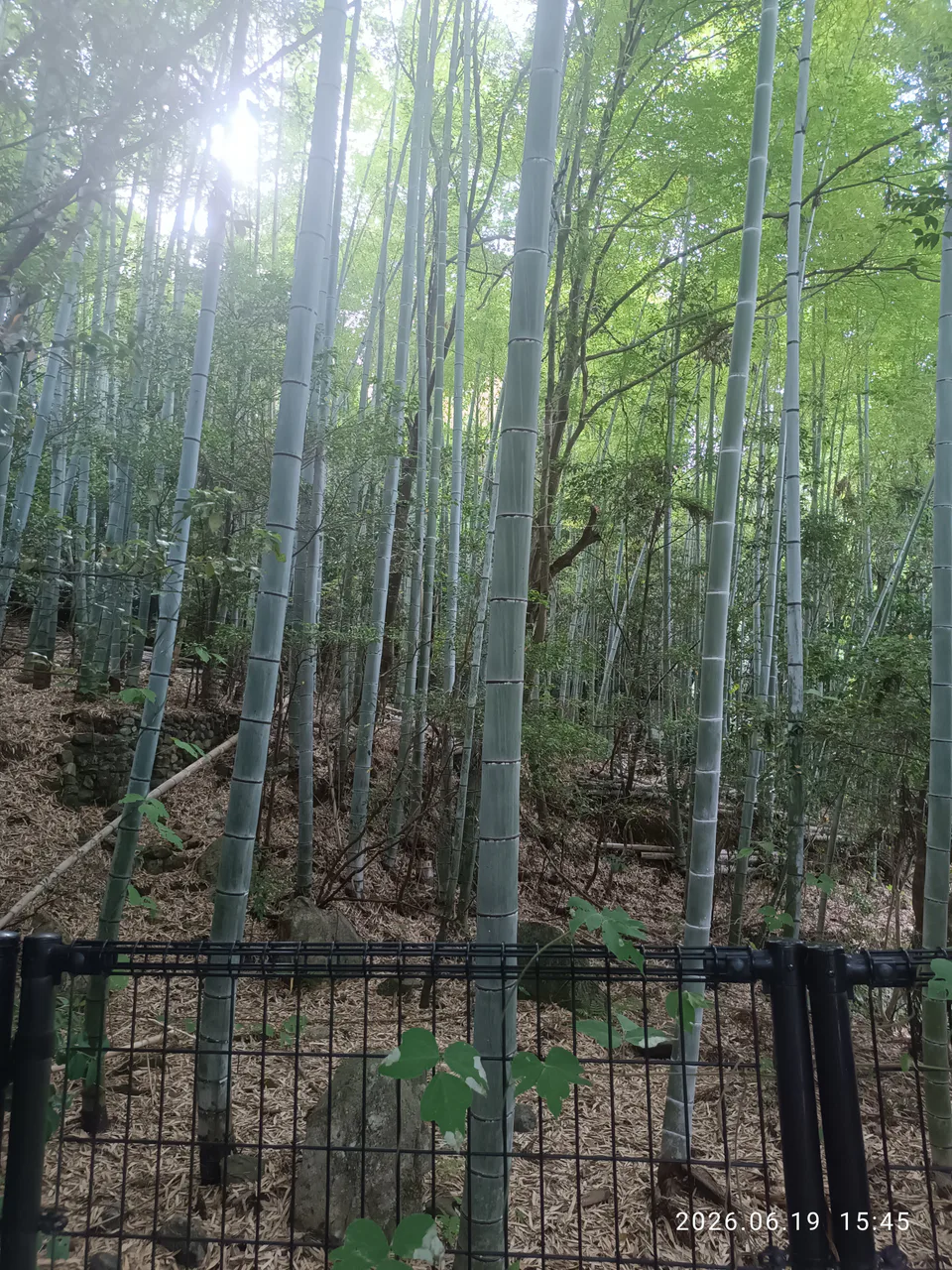
Two travelers staying mainly in Higashiyama: trains plus one deep experience usually beat a charter
If the day is mostly Kiyomizu-dera, Gion and the eastern side of Kyoto, two adults rarely need a private car just to call the day premium. Rail into Kyoto, walking and short local transfers already fit the geography. The vehicle will spend much of the day waiting while you walk. Put the difference into one meaningful class, a better dinner, or a hotel decision that improves several days.
Three to six travelers crossing Arashiyama, Kinkaku-ji and Higashiyama: a car can start buying time
A charter becomes more credible when the geography genuinely spreads out or when repeated transfers are the problem. A group crossing Arashiyama, northwest Kyoto and the eastern districts can split the vehicle cost while reducing station finding, transfers and walking for a less mobile traveler. But the car does not add hours to the day. Read the Kyoto private car 8-vs-10-hour decision guide and check the exact provider’s pickup area, vehicle size, mileage and overtime rules before assuming a driver automatically makes Kyoto faster.
Samurai vs teamLab: participation versus immersion, not traditional versus modern “luxury”
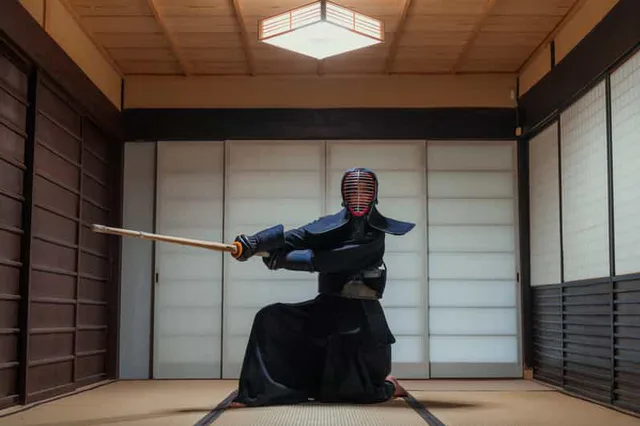
Choose a samurai experience when the value is human interaction, learning a movement sequence, wearing equipment or understanding the difference between a staged Kenbu performance, a sword class and a fuller kendo-style session. The Kyoto samurai comparison is the next step if that is the goal.
Choose teamLab Biovortex Kyoto when you are willing to give a substantial block of the day to immersive art. teamLab continues to list Biovortex Kyoto as a permanent exhibition that opened October 7, 2025. The point is not that it is “more premium” than samurai; it solves a different desire.
The worst Day 3 is a charter through Arashiyama and Kinkaku-ji, followed by a fixed samurai session, followed by a timed teamLab entry. Every individual purchase can be good and the combined day can still be bad. One main participation experience is enough; the second item should be flexible or geographically adjacent.

Day 4 — USJ: this can be the most expensive day because it is also the least replaceable
Treat it as the one day of the week that can justify an early start
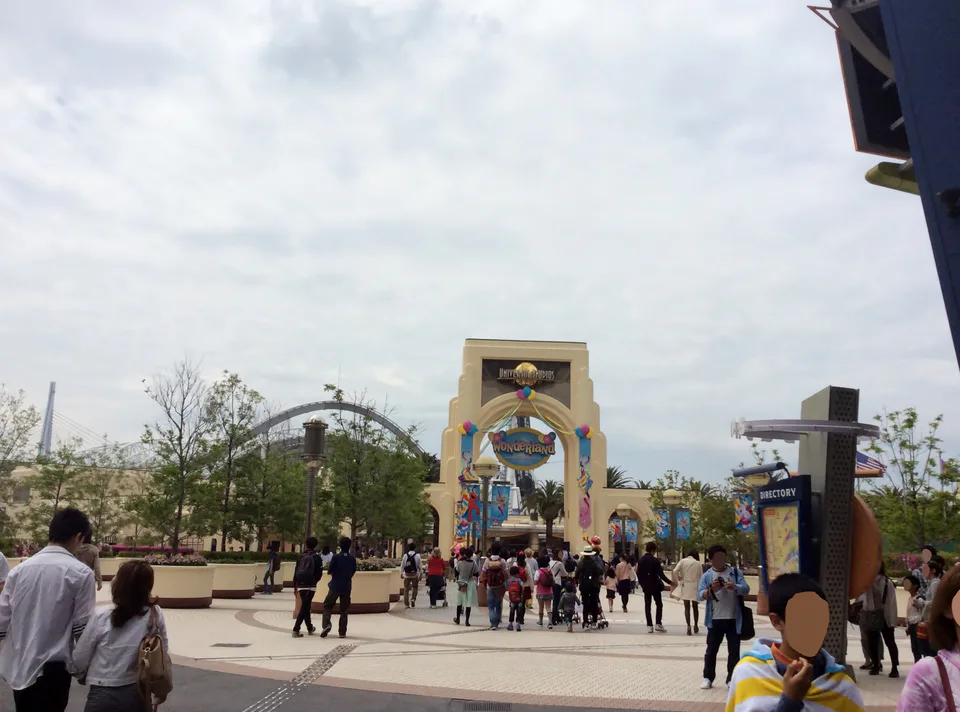
USJ’s official site still warns that operating hours can change without notice, admission may begin earlier than the scheduled opening time on some days, and weather can alter or cancel operations. Do not build a premium park day around a copied “arrive at exactly X:XX” formula. Recheck your date, attraction closures and every timed condition attached to your Express package within 48 hours of visiting.
Buy the package that protects the two or three things that matter—not the package with the biggest number
Before buying, list the attractions or areas you would be genuinely disappointed to miss. Then match an Express product to those priorities. If a bundle includes several rides you will not use, the extra inclusions are not value. The premium purchase is certainty around your actual day, not a badge that says “Express 7” or “Express 8.”
After USJ, do not add a helicopter, sumo show or high-stakes dinner reservation. The park is already the week’s heaviest physical and emotional day. A flexible dinner near the return route is a better finish than making everyone “push through” because the expensive evening booking cannot be moved.
The same budget should buy different things for a couple, a group and a trip with parents
Two travelers: buy certainty first, then one emotional highlight
For two people, a charter is harder to justify per person when Kyoto stays within one district. If USJ is non-negotiable, the Express decision often matters more than a private car. A strong premium split is USJ certainty, one Kyoto experience, and either a helicopter or a genuinely important dinner. If only one traveler cares about flying, stop pretending the helicopter is automatically a shared highlight.
Three to six travelers: transport and room configuration can beat a flashy individual upgrade
Groups lose time through waiting, station navigation, split bathroom schedules and re-gathering. A Kyoto charter can become better value per person when it removes repeated transfers across several districts. A helicopter can do the opposite if capacity forces the party into separate flights. Premium travel should ask whether the whole group benefits together, not whether one product looks more exclusive.
With parents or less-mobile travelers: fewer transfers can be the premium experience
A well-located hotel, a Kyoto charter, a slower return and a room that is easy to use can create more value than a second show or skyline ticket. If someone dislikes heights, small aircraft or late nights, the helicopter’s theoretical prestige is irrelevant. Paying to remove repeated friction is not “less exciting”; it can be the most meaningful upgrade of the week.
Kyoto Day 3 has three clean versions — choose one before you start buying slots
Version A: two-person culture day — Higashiyama plus samurai, then dinner and back to Osaka
Enter Kyoto in the morning, stay around Higashiyama and Gion, and hand one substantial afternoon block to the samurai experience. No private car is necessary; no teamLab slot is required. If the class runs later, reduce the morning temple count instead of carrying unfinished sightseeing into the appointment.
Version B: group cross-city day — charter the movement, keep only one deep activity
For three to six travelers, a car can connect Arashiyama, Kinkaku-ji and Higashiyama more comfortably. Still, choose either samurai or teamLab as the fixed-time experience. The vehicle saves transfers; it does not magically create two extra hours. The classic charter mistake is to add more stops simply because no one has to read a train map.
Version C: immersion day — teamLab plus Kyoto Station area, no cross-city collecting
If teamLab is the point of Kyoto, let it be the point. Build a half-day around the museum, Kyoto Station, To-ji or a nearby meal. Avoid attaching Arashiyama and Kinkaku-ji just because they are “also Kyoto.” A flexible-entry product only makes sense if flexibility itself solves a real scheduling problem; do not treat a more expensive ticket as a prestige tier by default.
Book in the reverse order most premium travelers instinctively use
First secure the items whose failure would damage an entire day: USJ and any genuinely limited, fixed-time experience that your itinerary depends on. Second, handle Kyoto culture and HIRAKUZA. Third, decide whether a charter still improves the actual route once the day is clear. Leave the most weather-sensitive, cancellation-prone upgrade—usually the helicopter—until you understand both the forecast risk and the evening backup.
This does not mean the helicopter is unimportant. It means its failure mode is different. A weather-dependent flight should not sit immediately before a non-refundable dinner that assumes everything runs on time. Premium travel needs a booking sequence, not merely a bigger budget.
Read next|At the midpoint, check whether you bought different experiences or the same function three times
By the end of Day 4, HIRAKUZA, a samurai session and USJ can all coexist because they do different jobs: staged culture, participation and a full theme-park day. But an observation deck, a Ferris wheel and a helicopter are all competing for “city from above.” If Day 5 gets the helicopter, use free vs paid Osaka night views to downgrade the other skyline plans rather than stacking them.
Passes follow the same logic. A premium itinerary is not automatically more efficient with a pass. If fixed times already divide your week, buying a pass and then adding attractions just to recover its price creates movement and queueing that the original itinerary did not need. Use the Osaka Pass comparison only if several listed attractions were already part of the plan.
Premium bookings need three different timelines — do not pay for everything on the same day
One reason expensive itineraries become fragile is that travelers treat every premium activity as if it belongs in the same booking window. It does not. Some upgrades are worth securing early because missing them would damage the structure of the week. Others should stay flexible because weather, energy or route changes matter more than early certainty. A third group can wait until you are already in Japan because the value comes from filling a gap, not protecting a core day.
Book early: the experiences that protect a whole day
USJ is the clearest example. If you have one park day and a specific area or set of attractions is central to the trip, waiting can create a much larger downside than paying earlier. A fixed-time Kyoto class can fall into the same category when the class itself is the reason you built Day 3 around Kyoto. These are not automatically “non-refundable at any price” purchases, but they deserve first access to the calendar because other days are being arranged around them.
Book after the route is stable: charters, premium dinners and secondary culture
A private car should usually come after you know whether Kyoto is actually crossing multiple districts. Booking the vehicle first can create a backwards itinerary where you add distant stops just to justify the car. The same applies to a premium dinner. Decide first whether the meal is one of the week’s anchors, then simplify the hours before it. If the restaurant is only a nice possibility, keep it out of the same risk tier as USJ.
Book late or keep cancellable: weather-sensitive splurges
A helicopter is the obvious case because good weather is part of what you are buying. If the operator offers a product with conditions that let you wait, or if several departure times remain available, there is little benefit in emotionally locking the entire Day 5 evening months in advance. The closer you get to the actual forecast, the better you understand whether the flight is still the right use of the budget. This is also why the dinner immediately after a flight should be low-risk: two weather-sensitive or non-refundable commitments should not depend on each other.
Refundability is part of the price, not a boring booking detail
A ¥5,000 saving on a non-refundable option is not automatically a discount if the cheaper condition forces you to keep a bad day when the weather, health or travel rhythm changes. For premium experiences, compare the cancellation penalty against the cost of the entire day around it. An expensive booking with reasonable flexibility can be cheaper in practice than a slightly cheaper booking that turns every upstream delay into a sunk-cost problem.
This is especially important for travelers coming from North America, the UK or Australia on long-haul flights. Jet lag, arrival delays and weather can affect the first half of the week more than an itinerary built from a local weekend trip suggests. Do not convert a seven-day vacation into a chain of prepaid obligations simply because the budget allows it. Premium travel should buy more control, not less.
If the helicopter is cancelled, do not “replace” it with another expensive night
A weather cancellation creates a dangerous psychology: the evening was supposed to feel special, so travelers rush to purchase another deck, show or tasting menu to make the night “count.” That often creates duplicate value and a second rushed booking. A better backup is a flexible restaurant shortlist, one dish you genuinely wanted to eat, or an ordinary Namba / Nakanoshima night walk.
The premium skill here is accepting that a cancelled high-price activity can turn into a normal evening without the trip becoming worse. Day 5 is intentionally a recovery day. Do not convert it into emergency shopping for replacement excitement.
Should Kobe get a premium dinner? Only if the meal itself is the reason you are going
A high-end Kobe beef dinner can absolutely be the right upgrade, but only when the meal is one of the memories you actively want. If so, simplify the afternoon and reach Sannomiya or Motomachi with at least an hour of buffer before the reservation. If the thought process is only “we are in Kobe, so we should spend on Kobe beef,” an ordinary restaurant plus the harbor can be a stronger day.
Expensive dinners have the same weakness as helicopter flights: they become poor value when earlier sightseeing leaves you late, too full or too tired to enjoy them. The more important the meal, the simpler the hours immediately before it should be.
A better hotel is not automatically worth seven premium nights — identify the evenings you will actually use it
If Day 2 ends with HIRAKUZA, Day 3 returns late from Kyoto and Day 4 is USJ, three nights of a view room, club lounge or elaborate hotel bar may be used only while you brush your teeth. Day 1, Day 5 and Day 6 are more likely to contain actual hotel time. Upgrade the room only if the itinerary gives you a chance to consume what you are paying for.
Do not move hotels for one photogenic “luxury” night unless the hotel is the destination
A seven-night Osaka base earns value by eliminating packing, checkout, luggage storage and another check-in. Moving just to photograph a different lobby or skyline room turns accommodation into another timed attraction. Unless you are willing to cancel sightseeing to use the hotel itself, a better station position is often a more useful premium than one night of a fancier room.
If Kyoto and Kobe repeat across the week, compare Osaka hotels for Kyoto and Kobe day trips before paying for a room category that does not reduce transport friction.
When the budget runs over, delete the second-best duplicate — do not downgrade everything
If the total starts exceeding what you intended to spend, resist trimming every item by 15%. Remove the second item serving the same purpose. Keep the helicopter and delete the paid deck. Keep the samurai session and delete a weaker photo-oriented cultural booking. Keep the Express product that protects your critical rides and stop adding pass attractions around it. The result is a week with complete anchors rather than seven watered-down upgrades.
Day 5 — Recovery plus one expensive night: the helicopter works only because the daytime is empty
Morning: book nothing
Sleep late, do laundry, use the hotel breakfast, sit in a café or shop near the base. A high-budget itinerary is often bad at allowing blank space because every empty hour feels like a missed opportunity to “use the trip.” But a helicopter ride after a physically heavy USJ day is not improved by arriving exhausted. The empty morning protects the expensive evening.
Evening: if you fly, make it the only paid skyline highlight of the entire week
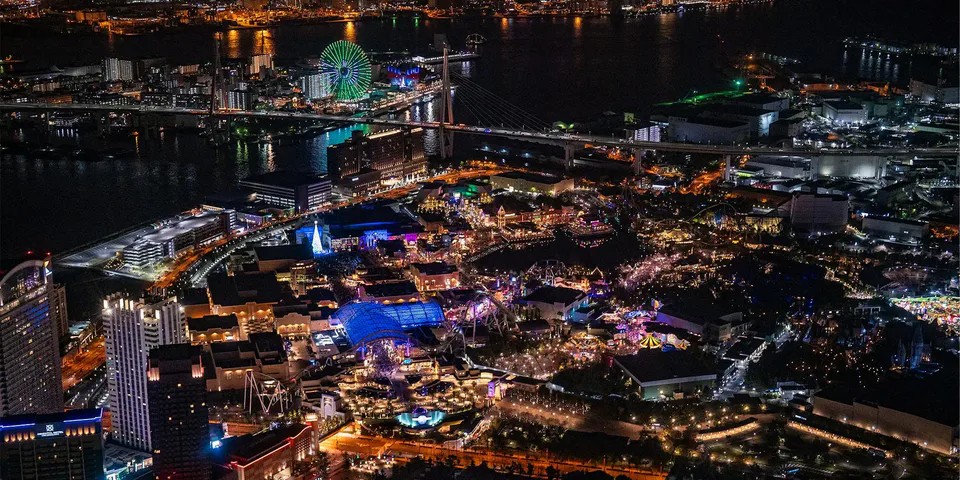
Use the Osaka helicopter route guide to decide whether you want the bay, downtown, Osaka Castle or a longer Kansai direction. Current AIROS Osaka night listings illustrate why route matters: 7, 10 and 15 minutes do not simply mean “small, medium and large.” They cover different city geography and currently price at ¥57,400, ¥74,200 and ¥94,600 per flight respectively, subject to change.
The no-go cases are equally important: someone is prone to motion sickness, one traveler is uncomfortable with small aircraft, the weather is unstable and you have emotionally tied the whole evening to flying, or the flight is followed immediately by a reservation you cannot miss. And if what you really want is simply “a good Osaka night view,” the free vs paid night-view guide may solve the problem far more efficiently.
Day 6 — Deliberately spend less in Kobe: premium travel needs one day with no sunk-cost pressure
Start around midday so the day can shrink or expand
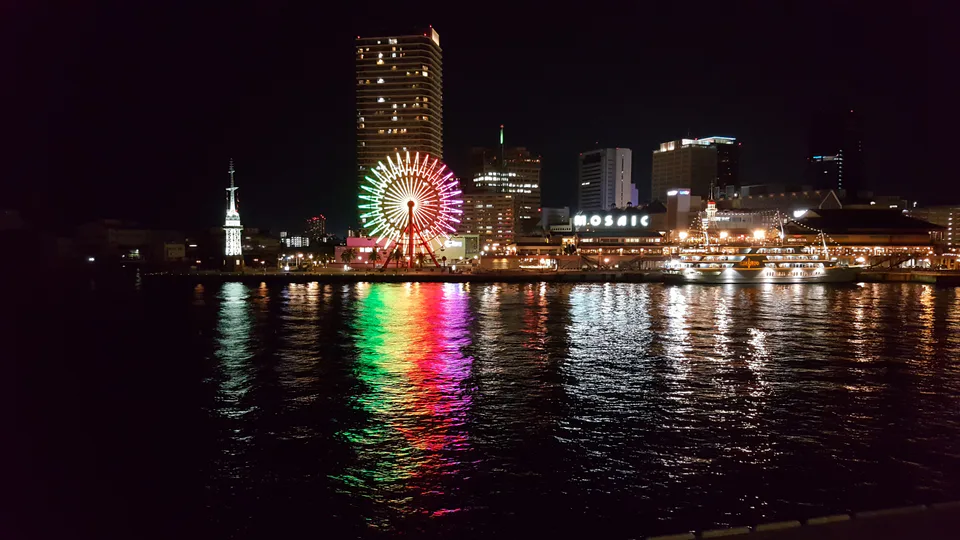
After five days with several fixed anchors, Kobe does not need to become “the most expensive Kobe possible.” Leave Osaka around midday, eat in Sannomiya or Motomachi, then choose Kitano, a café, the waterfront or an indoor stop. The point is not frugality. The point is that nothing on this day should be painful to cut if the group is tired.
átoa is worth paying for if you like theatrical design, not because Day 6 “needs a ticket”
If the group likes art direction, light and aquarium presentation, átoa can be a useful weather-stable indoor anchor. If not, Meriken Park, Harborland and dinner already make a valid Kobe afternoon and evening. One of the most mature premium decisions is recognizing when the free version of a day is already good enough.
If Kyoto, Nara or Himeji matters more, swap Day 6 rather than add an eighth major day on top of the week. Use the Osaka day-trip comparison to ask which city adds a travel function you have not already bought—history, nature, animal interaction, urban waterfront, or a guided route.
Day 7 — Departure: do not buy a final ticket just because the flight is late
For a morning or midday flight, breakfast, packing, checkout and the airport trip are already the day. A late flight can support a half-day of shopping or one neighborhood close to the hotel. The worst final purchase is a timed ticket that suddenly makes luggage, checkout and airport buffer feel like obstacles.
A high-experience week does not require a dramatic final activity. It needs a clean exit that does not put the entire trip at risk for the sake of “using every hour.”
The four premium upgrades compete with one another — choose the function before the product
Helicopter vs observation deck: choose one skyline protagonist
Choose the helicopter if movement through the air and route geography are part of the memory. Choose a deck if you mainly want a complete skyline, a longer stay and much lower cost. Buying both is not necessarily “more complete.”
Kyoto charter vs Kyoto deep experience: groups can buy movement; couples often gain more from content
Three to six travelers, parents, or a cross-city Kyoto route can make a charter easier to justify. Two adults staying within Higashiyama will usually feel more difference from a samurai class, teamLab, a strong meal or a better hotel base.
HIRAKUZA vs samurai: if you want one Japanese culture purchase, choose watching or doing
Sumo stage entertainment is easier, seated and social. A samurai session asks for more active participation. If the budget only supports one, this distinction matters more than aggregate review scores.
USJ Express vs every other upgrade: with only one park day, certainty can outrank spectacle
When the park day cannot be repeated and a small set of attractions is non-negotiable, Express can protect the structure of an entire day. Helicopter views, observation decks and a second culture activity all have cheaper or more flexible substitutes. That makes USJ certainty unusually high priority when the conditions fit.
Stop-loss rules: delete an upgrade when any of these four signs appear
First, two consecutive timed bookings are separated only by the theoretical transport time, with no allowance for queues, food or wrong exits. Second, the same day carries more than one expensive, non-refundable commitment. Third, only one traveler is genuinely excited and the other person is simply cooperating. Fourth, weather is central to the experience and you have not accepted the cancellation outcome.
Premium products create powerful sunk-cost pressure. A good itinerary knows before payment which items must be secured early, which should wait for weather, which can be decided on the day, and which can disappear entirely without making the trip feel failed.
Your 48-hour check: verify only the eight things that can break an expensive day
1) USJ hours, attraction closures and every Express time window for your actual date. 2) HIRAKUZA’s actual calendar, not another month’s schedule. 3) The exact timing and change rules for your Kyoto samurai or teamLab booking. 4) Whether a flexible ticket upgrade genuinely solves a scheduling problem. 5) If using a charter, confirm pickup point, vehicle, total hours, mileage and overtime. 6) For the helicopter, confirm operator, heliport, route, weather cancellation policy and whether everyone accepts cancellation. 7) Keep one no-reservation Kobe alternative. 8) Do not add another timed ticket to departure day.
After that, stop shopping for upgrades. The purpose of a premium itinerary is not to consume every bookable thing. It is to make the few hardest-to-replace parts of the week more reliable and more memorable.
Final verdict: spending more is easy; making each expensive purchase feel different is the hard part
My clean version is simple: Day 1 stays open; Day 2 is an easy Osaka day plus HIRAKUZA; Day 3 is Kyoto with either samurai or teamLab, adding a charter only for the group / cross-city case; Day 4 is USJ with Express only when it protects real priorities; Day 5 is recovery plus the helicopter as the week’s only high-price skyline experience; Day 6 is low-commitment Kobe; Day 7 exits cleanly.
If the budget rises, do not immediately add a fourth and fifth premium attraction. Improve the room only if you will use it, reduce repeated transport friction, or buy a better time slot for an experience you already know matters. That is much closer to a premium trip than a longer booking list.
Your next decision
One USJ day: decide whether Express Pass actually protects your priorities|One premium Osaka night: compare helicopter routes before comparing flight length|Only want the skyline: compare free night views with paid observation decks
Want active culture in Kyoto: compare Kenbu, sword class and kendo-style experiences|Want immersive art: plan enough time for teamLab Biovortex Kyoto|Crossing several Kyoto districts with a group: decide whether an 8- or 10-hour charter buys enough time
Sources checked
This article was rechecked on August 20, 2026 against USJ official operation-hours guidance, HIRAKUZA’s official 2026 calendar, teamLab’s official exhibition listings and current AIROS Osaka helicopter listings. Prices, routes, showtimes, vehicle rules and cancellation conditions can change by date. Recheck the exact product and travel date before paying.