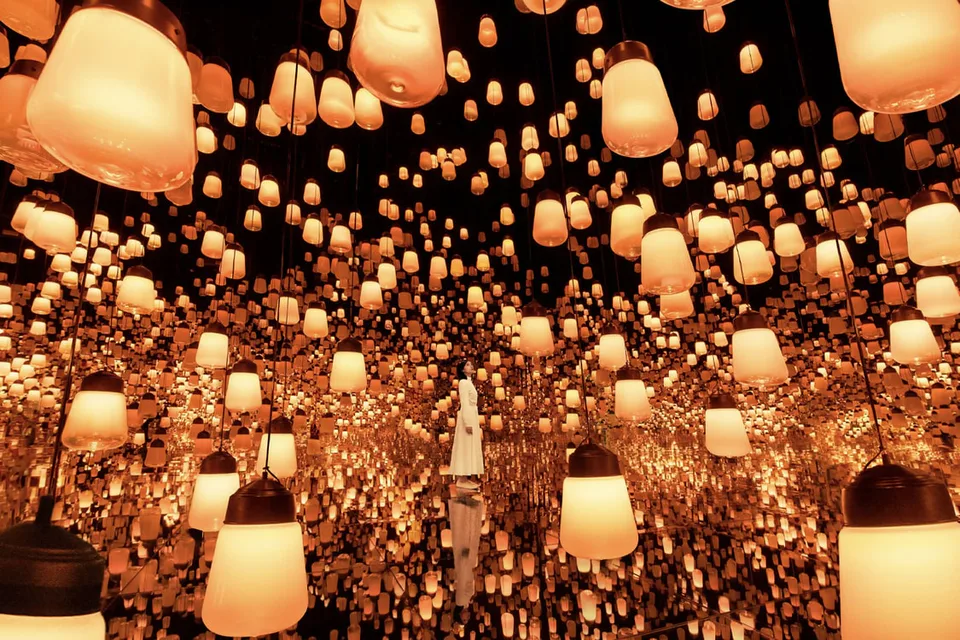
teamLab Biovortex Kyoto is worth roughly half a day when immersive art is one of your real Kyoto priorities, but it is usually a poor use of the best temple-and-neighbourhood daylight on a short first visit. The current museum hours are 09:00–21:00 with last entry at 19:30, and it is about seven minutes on foot from Kyoto Station’s Hachijo East Exit. That creates a useful scheduling advantage most “is it worth it?” reviews miss: if you are going anyway, a late-afternoon or early-evening slot can protect the daylight hours that Kyoto’s heritage sights use better.
My default for a first-time visitor with two or more Kyoto days is therefore heritage in daylight → meal or station reset → Biovortex later, rather than giving 10:00–14:00 to a dark indoor museum. With only one full Kyoto day, I would normally skip it unless teamLab is one of the main reasons for the trip. On a repeat visit, a rainy day or an arrival/departure day through Kyoto Station, the case becomes much stronger.
↔ Scroll table left or right
Your trip | My call | Why | What can reverse it |
First Kyoto visit, one full day | Usually skip | Three hours indoors can displace a large share of scarce Kyoto daylight | Immersive digital art is a top-three trip priority |
Two or more Kyoto days | Strong candidate | You can give one late-day block to Biovortex without hollowing out the heritage itinerary | You already have Borderless or Planets and repetition matters |
Arrival/departure day via Kyoto Station | Good geographic fit | Seven-minute station access can turn a transfer fragment into a coherent indoor block | A tight Shinkansen/flight deadline makes the timed ticket fragile |
Rainy afternoon/evening | Very strong use | The indoor museum can absorb hours that have become lower-value outdoors | Changing the ticket is no longer possible or the desired slot is sold out |
Young children / stroller | Conditional | Interactive physical spaces can be excellent for the right family | Stroller and supervision rules make the visit harder than the art is worth |

The hidden advantage is not the ticket price — it is that Biovortex can use low-value daylight
Biovortex currently opens until 21:00, with last entry at 19:30. That is unusually late relative to the part of Kyoto sightseeing that depends on temple reception hours, gardens, neighbourhood walking and natural light. The museum is indoors and designed around controlled light, so a 17:00 visit does not sacrifice the attraction’s visual premise in the way a 17:00 garden visit can.
This creates what I would call a daylight-arbitrage opportunity. If your Kyoto day already includes Higashiyama, Fushimi Inari, Arashiyama or another outdoor heritage block, keep those hours earlier and move Biovortex later. You are not making the museum cheaper; you are reducing the opportunity cost of the same ticket.
The recommendation has a boundary. A late slot is worse for a young child whose best energy is in the morning, for a traveller who wants a slow dinner, or for anyone departing Kyoto that evening. Do not turn “open until 21:00” into permission to overload the day.
Reserve three to four hours door-to-door, even though the museum has no visit-time quota after entry

The museum is large enough that a rushed 60–90 minute pass defeats part of the point. ValueNavi would normally reserve roughly three to four hours from Kyoto Station exit to the next fixed commitment. That allowance includes the walk, entry queue, changing pace inside, physical installations and leaving the venue; it is an editorial planning buffer rather than an official minimum stay.
That makes the real price of Biovortex a block of Kyoto time. Ask what the same three hours could buy: a Higashiyama sequence, a temple and garden pair, a tea or craft experience, or a slower neighbourhood evening. If the museum does not beat one of those alternatives for you, the ticket is not good value just because the art is impressive.
If you are still deciding how many Kyoto days belong in a Kansai trip, settle that upstream with Kyoto vs Osaka for first-time visitors before locking another timed attraction.
Kyoto Station access is strongest on arrival and departure days — but luggage changes the answer
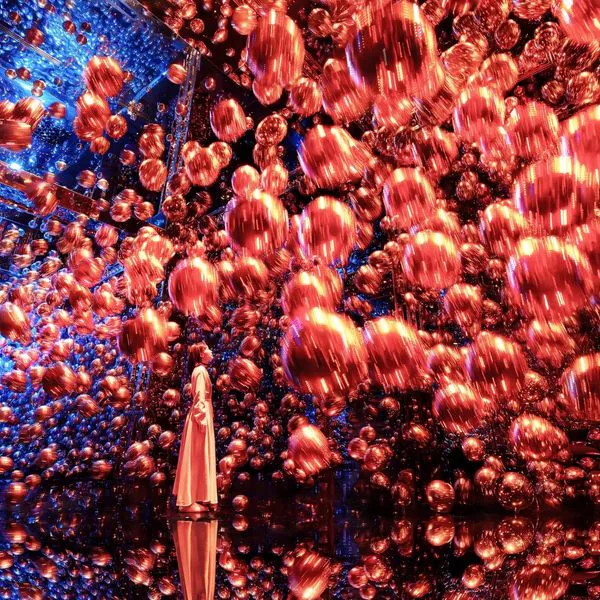
The official venue information places Biovortex about seven minutes on foot from Kyoto Station’s Hachijo East Exit and about eleven minutes from Shichijo Station. There is no dedicated car or motorcycle parking. That is excellent geography for rail travellers because the museum can sit next to the transfer rather than require a cross-city bus.
But “near Kyoto Station” is not the same as “easy with all your luggage.” The strong arrival-day sequence is hotel or locker first, then museum. The weak sequence is international-size luggage → timed entry → several indoor hours → rush back for a fixed train. If a timed ticket is making the transfer day brittle, the location advantage has been spent.
If your hotel decision is still open, use Kyoto Station vs Gion. The museum’s station location should support the accommodation plan, not choose the accommodation for you.
The Flexible Pass is disruption insurance, not a better museum
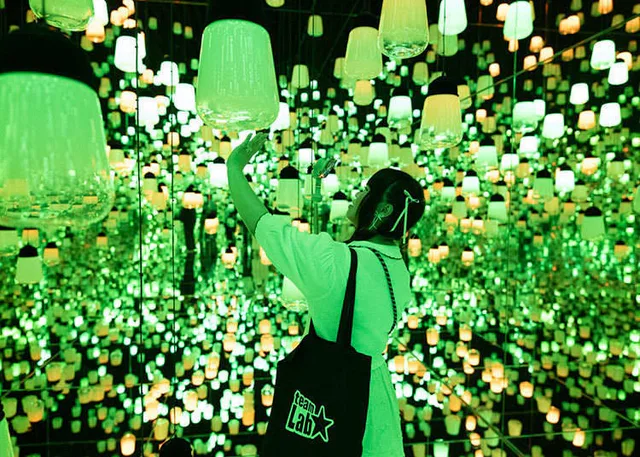
The standard product is a timed-entry ticket. The Flexible Pass costs far more because it removes the entry-time commitment on the chosen date. The art, rooms and visit are not upgraded. You are buying protection against schedule uncertainty.
I would only pay that premium when the uncertainty itself is expensive: an international arrival that may vary by hours, a long intercity transfer, a complicated family day or another appointment whose end time is genuinely unpredictable. On an ordinary Kyoto day where Biovortex is already the anchor, a normal timed ticket plus a sensible buffer is usually the stronger purchase.
The official ticket rules currently allow eligible direct-purchase tickets to be changed up to three times within stated deadlines, subject to availability. That is another reason not to buy the most expensive flexibility automatically. Check the live conditions on the official booking page because prices, sold-out slots and change rules can move.
Do not buy the museum for one viral artwork
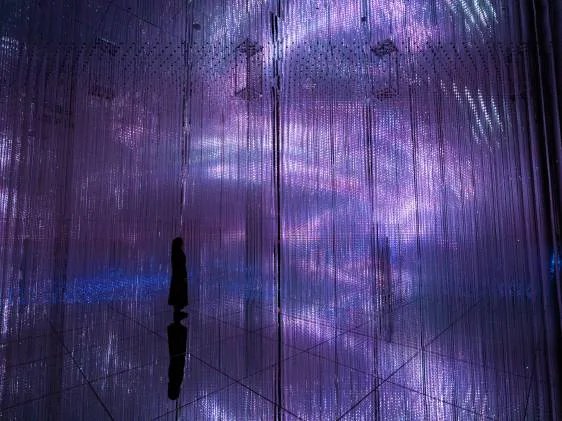
Biovortex is strongest as a change of viewing mode rather than a checklist of specific rooms. Morphing Continuum, Massless Amorphous Sculpture, mirrored light environments, Athletics Forest and Future Park ask you to move differently rather than just collect photographs. The venue also warns that artwork availability and specifications can change because of maintenance or operating conditions.
If one named work is the sole reason for your visit, check its operating status immediately before payment. A half-day ticket is much more resilient when you want the museum as a whole.
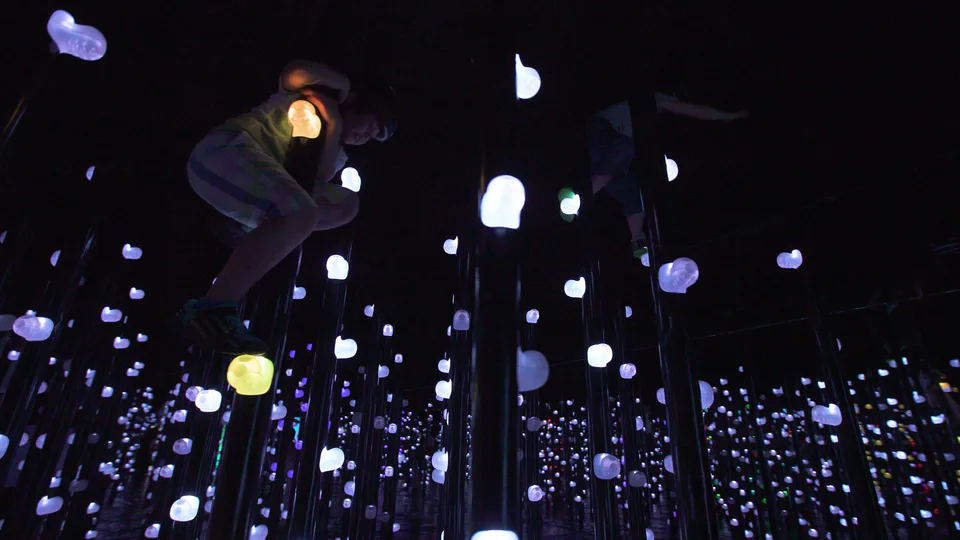
Families should treat stroller and supervision rules as booking constraints
Interactive art does not automatically mean friction-free family attraction. Current venue rules impose an adult-to-child supervision requirement for younger children and do not allow strollers inside the exhibition. If a toddler normally naps in the stroller, a three-hour route becomes a very different product once that stroller is parked.
The right family test is therefore not “will the children like the colours?” It is whether the adults can carry or supervise the children comfortably through dark and physical spaces for the planned duration. For a family that can, Athletics Forest and collaborative works add real value. For a family already fighting nap timing, a shorter or more conventional indoor attraction can be more rational.
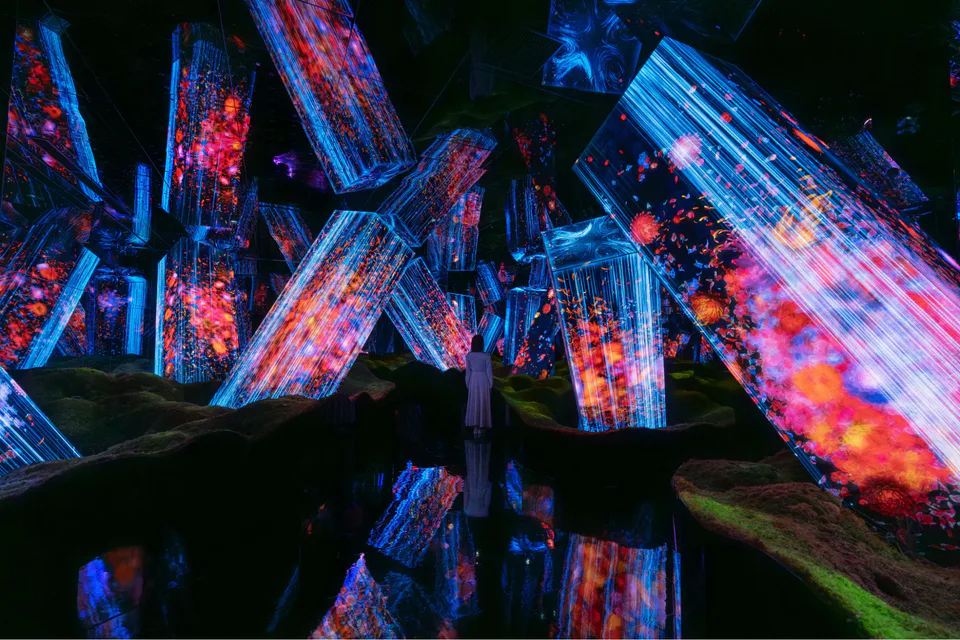
Wheelchair access is not the same as every artwork being accessible
The venue allows wheelchair entry, but some works cannot be experienced in a wheelchair because of their structure or safety requirements, and capacity controls can create waits. If mobility access is a core constraint, ask about the exact works that matter before using “indoor museum” as shorthand for “easy museum.”
If you already booked a Tokyo teamLab, test for repetition
Biovortex shares teamLab’s wider visual language but also adds a broader physical and sculptural mix. On a first Japan trip with Borderless already fixed and only two Kyoto days, a second teamLab can have a high opportunity cost. On a repeat trip, or for travellers for whom immersive art is a genuine hobby, the repetition penalty is much smaller.
Use Borderless vs Planets to decide whether Tokyo already supplies enough of this category before spending another Kyoto half-day on it.
Final verdict: if you go, move Biovortex later before cutting Kyoto heritage
Biovortex is a strong half-day attraction but not a default first-Kyoto requirement. I would include it when immersive art is a real priority, when rain has reduced outdoor value, when a Kyoto Station transfer fragment needs a coherent use, or when a repeat trip has already covered the heritage sights you care about.
For a short first visit, my strongest change is not simply “skip it.” It is: if you want it, schedule it in a late-afternoon or evening block first. The 09:00–21:00 operating day gives you a chance to preserve temple and neighbourhood daylight instead of making modern indoor art compete head-on with the hours Kyoto is hardest to replace.
Check current teamLab Biovortex Kyoto ticket times
References
teamLab Biovortex Kyoto — official venue, hours, access and visitor rules · teamLab — current ticket conditions. Checked August 25, 2026. Current regular hours are 09:00–21:00 with last entry 19:30; closures and special hours can change, so recheck the selected date.