
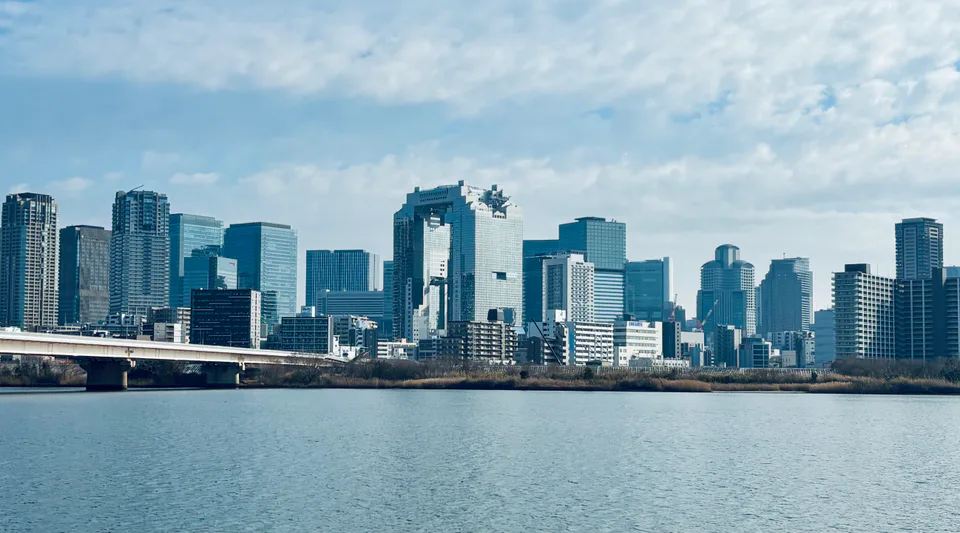
The best way to plan Osaka attractions is not to collect as many famous names as possible. It is to choose a few complete areas and stop crossing the city for one extra photo. For a first Osaka trip, group Namba with Dotonbori and Shinsekai, group Osaka Castle with Umeda, treat the bay area separately, and give Universal Studios Japan its own day. If you are still deciding where to base yourself, start with where to stay in Osaka — your hotel area changes which end of the city should come first each morning.
30-second decision: choose complete areas, not a longer attraction list
Two days in Osaka: if USJ matters, it takes one day and leaves one full city day. Pick either Osaka Castle + Umeda or Namba + Shinsekai. Do not try to add the aquarium, Umeda, Osaka Castle and Dotonbori just because they all fit on the same map.
Three days: a reliable split is South Osaka for one day, Osaka Castle + Umeda for one day, then USJ or the bay area for one day. If you are deciding between the two main hotel bases, Namba vs Umeda is more useful than another best-attractions list because it changes your daily direction of travel.
Four days or more: only then does it become easy to add Kyoto or Nara without turning Osaka itself into a transfer exercise. If USJ is already fixed, read whether Kyoto still fits into a four-day Osaka trip before sacrificing a city day.
Osaka attractions by area: why Osaka Castle, the aquarium and Dotonbori do not belong in one day
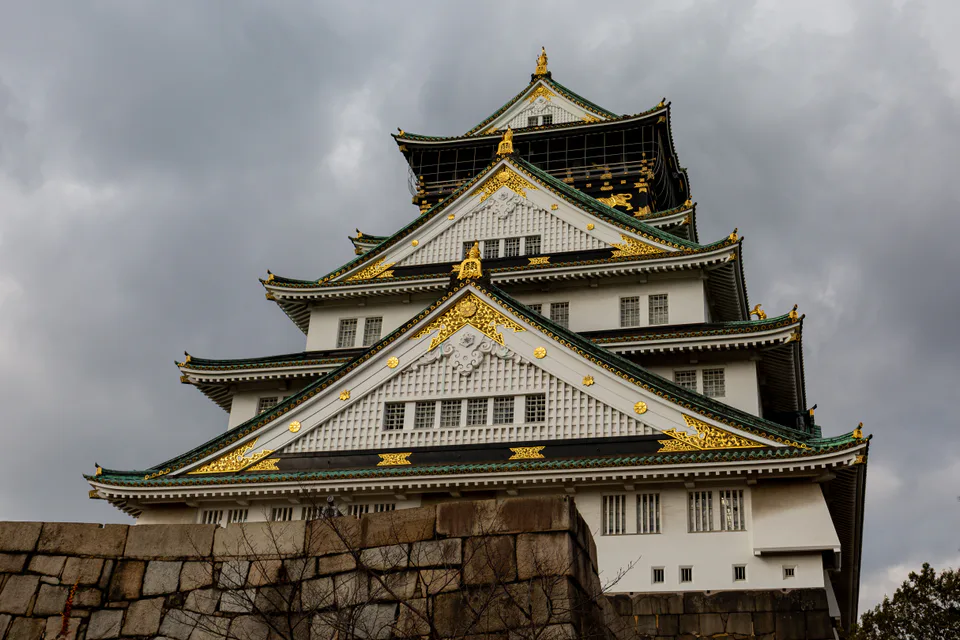
All three are famous. That does not make them a good sequence. Osaka Castle involves the walk through a large park, the museum itself and the walk back out. The aquarium sits in the bay area. Dotonbori pulls you back south. The train rides are only part of the cost; every switch also means finding exits, reorienting and starting another large attraction.
OSAKA-INFO itself publishes area-based itineraries such as Osaka Castle + Umeda, Namba + Shinsekai, and Osaka Port + Universal Studios Japan. That is a much better planning model for first-time visitors: solve geography first, then decide which individual sights deserve your time.
South Osaka: Namba, Dotonbori, Kuromon and Shinsekai belong in the same decision
Start the south side with what you actually want to do, not what a checklist says you should do. Kuromon Market makes sense if food is one of the reasons you came. If you already have a big hotel breakfast and no interest in shopping, it does not need two hours just because it appears on every Things to do in Osaka page. Stay near Dotonbori and the value of an evening in the area rises sharply; Cross Hotel Osaka is a good example of paying for a location that removes the final trip home.
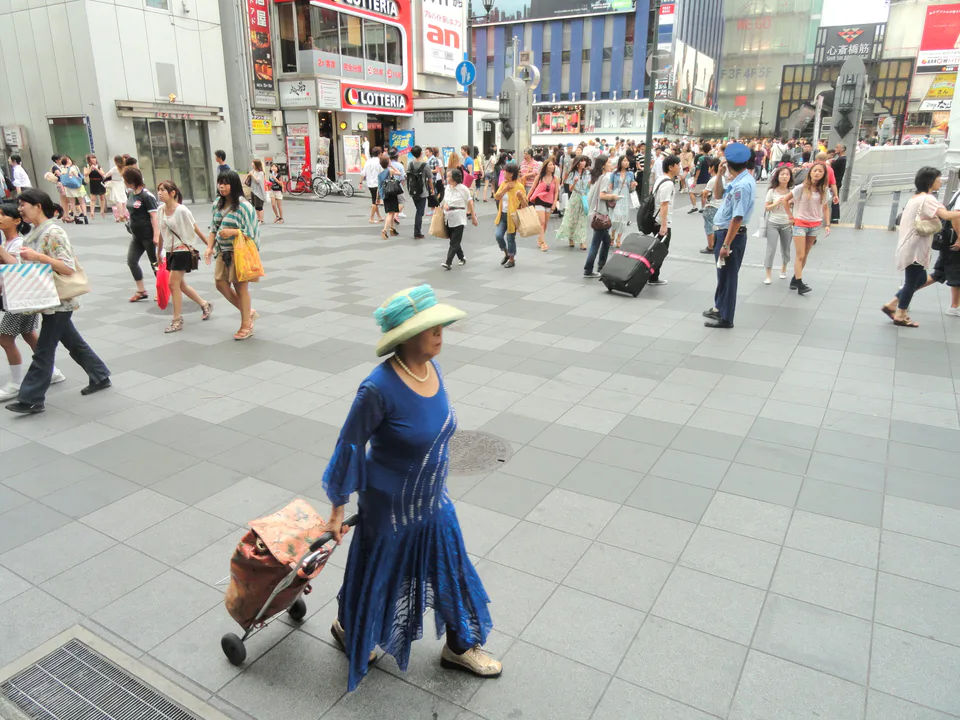
Dotonbori works best from late afternoon into evening. Riverfront sightseeing, dinner, neon and shopping all benefit from being left flexible rather than treated as four separate attractions with four separate arrival times. The Tombori River Cruise currently takes about 20 minutes and normally departs every 30 minutes from 11:00 to 21:00. Same-day time-specific tickets are exchanged at the ticket counter, and Osaka tourism information specifically recommends collecting them earlier because evening sailings can sell out. If the cruise matters to you, lock the sailing time during the day and return for Dotonbori after dark instead of arriving at 20:30 and hoping for space.
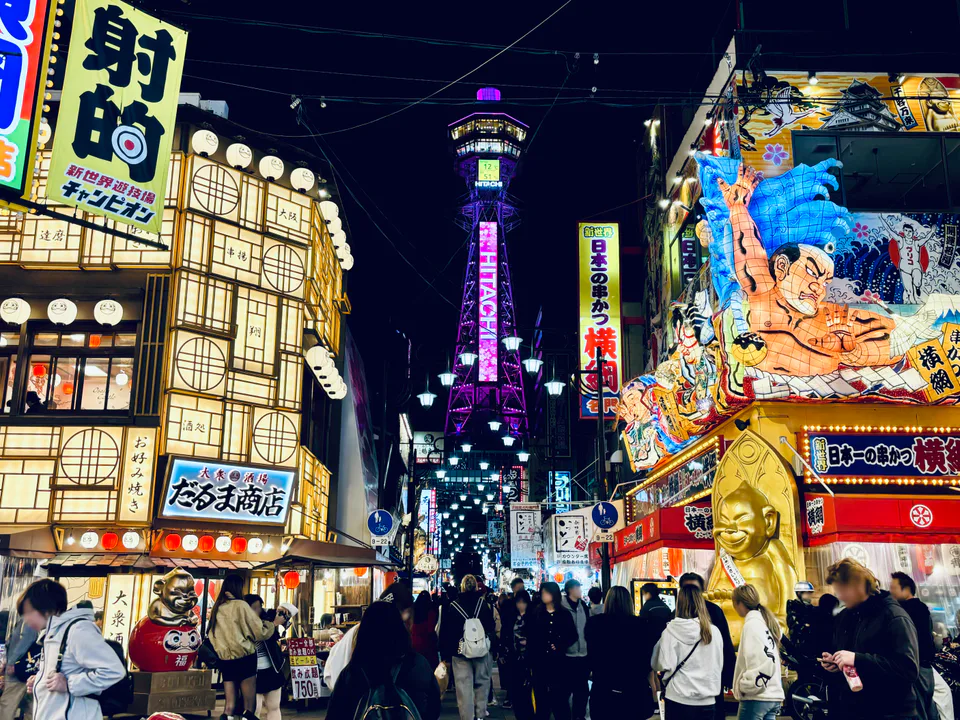
Shinsekai can follow in the afternoon or early evening. Tsutenkaku's general observation deck currently runs 9:00-21:45, with last entry at 21:15. If your priority is the street atmosphere and food, you do not automatically need another observation deck just because the tower is nearby. Staying around Shin-Imamiya changes the calculation again; OMO7 Osaka makes the most sense when you value the south-side transport pattern, not because every attraction is a few hundred metres away.
Families choosing between a resort-style base and a larger Namba room can also compare OMO7 Osaka vs Centara Grand Hotel Osaka before deciding how much of South Osaka should happen after dark.
Osaka Castle + Umeda: save Umeda for the second half of the day
Osaka Castle is easier to enjoy before fatigue sets in. Osaka Castle Museum currently opens 9:00-18:00, with last admission at 17:30, so morning or early afternoon is the natural slot. Give the park and museum enough time, then move north for shopping, cafes, indoor stops and a city-view finish in Umeda. This is usually smoother than visiting an observation deck first thing in the morning and then crossing town again for another skyline later.
The Osaka Amazing Pass can change the timing. Umeda Sky Building's Kuchu Teien Observatory currently runs 9:30-22:30, with adult admission at ¥2,000. With the pass, free admission is limited to 9:30-15:00; from 15:00 to 22:00 the pass gives a 10% discount instead. That is exactly why an attraction pass should not dictate your whole day. If sunset matters more to you than squeezing out one included admission, keep the view for later and pay for the experience you actually want.
If you stay around Osaka Station, finishing the day in Umeda becomes almost frictionless. Hotel Granvia Osaka shows what it means to end sightseeing directly above JR Osaka Station instead of adding another final transfer.
USJ is a full day, not a morning attraction
The common planning mistake is to treat USJ as one large sight among several. It is better treated as the day itself. Park hours vary by date and may change, and USJ notes that admission can sometimes begin earlier than the scheduled opening time. SUPER NINTENDO WORLD also uses area timed-entry or standby-entry systems depending on conditions, so the day already has enough moving parts without adding Osaka Castle at 17:00.
If you expect to leave around closing, staying at Universal City is not mainly about theme-park atmosphere. It removes the post-park train journey. Seasonal events, especially Halloween evening programming, can also change how late you realistically want to stay, so verify the event calendar for your date rather than assuming a normal park day. See whether The Park Front Hotel’s one-minute walk is worth paying for when the last hour of the day matters more than another city-centre hotel feature.
Bay area: make it a half day, or connect it deliberately to USJ
The aquarium and Tempozan area are reasonable as a half-day block, especially for families or a rainy day. They are less useful as a compulsory stop wedged between Osaka Castle and Dotonbori, and Kaiyukan hours vary by date and season, so check the calendar for your actual day. If your itinerary already includes USJ, Captain Line is the one connection worth knowing: it links Kaiyukan West Wharf with Universal City Port in about 10 minutes one way. Its schedule varies by date, and services are suspended when USJ or Kaiyukan is closed and may also stop for weather or sea conditions. Treat it as a tool for a deliberately paired bay-area plan, not as a guaranteed shortcut.
Do you need Tennoji or another observation deck? Delete repeated experiences first
Abeno Harukas, Tsutenkaku and Umeda Sky Building can all be good choices. HARUKAS 300 currently runs 9:00-22:00, and the adult same-day ticket is ¥2,000. The problem is buying all three because each appears on a different list. Unless city views are a major reason for the trip, keep one or at most two. Stay in Umeda and the Sky Building is the natural fit. Stay around Tennoji or Shinsekai and a south-side view may be easier. Families already planning Tennoji Zoo have a stronger reason to keep the whole Tennoji area as a half-day block instead of adding it only for another skyline.
The same principle applies to hotels: proximity only matters when it removes a real piece of travel. If Namba is your base, compare Swissôtel Nankai Osaka vs Hotel Royal Classic Osaka or read what Hotel Royal Classic Osaka’s station connection actually saves before paying extra for a transport advantage you may not use.
Should you buy the Osaka Amazing Pass? Only for a paid-attraction-heavy day
The pass is useful when your original plan already contains several participating paid attractions and the transport between them stays compact. The official pass site currently advertises free entry to more than 35 sightseeing spots together with eligible transport, so it can work well on a genuinely paid-attraction-heavy day. It is a poor reason to add attractions you did not want. A two-day version also does not make two weak sightseeing days automatically worthwhile: facility rules, opening days and pass-specific admission windows still matter. Build the route first, check which included facilities you would actually pay for, then price the pass second.
There is another reason not to hard-code a pass price here: the official legacy Osaka Amazing Pass site now says sales on that site are closed and directs visitors to the new version of the pass. The safer decision is to compare the live product price and current facility list against the exact attractions on your date rather than planning around an old number.
Compare current Osaka Amazing Pass options|Klook
Four Osaka sightseeing plans that look efficient but waste time
1. Osaka Castle + aquarium + Dotonbori in one day. It is possible, but too much of the day becomes entrances, exits and rail navigation. 2. Three observation decks because all are must-see. You are paying repeatedly for a similar function. 3. USJ as a half day, followed by city attractions. The park is too unpredictable for that to be a good default. 4. Buying a sightseeing pass first, then inventing attractions to break even.
A good Osaka itinerary has blank space. Keep 60–90 minutes somewhere for queues, meals, spontaneous shopping or simply sitting down. For families, older travellers and hot summer days, that buffer is often more valuable than one extra far-away attraction.
Two, three or four days in Osaka: what should actually change?
Two days without USJ: South Osaka one day, Osaka Castle + Umeda one day. Two days with USJ: one park day, one city day. Three days: add either USJ or the bay area. Four days: only then start asking whether Kyoto or Nara should take a full day.
The important part is that an extra day does not automatically mean an extra district. If your hotel is in Namba, build around that advantage. If your hotel is in Umeda, use it as the northern finish. If you still have not decided, choose your Osaka hotel area first and let the sightseeing map follow the accommodation decision.
Final call: three rules are enough for a first Osaka trip
First, group Osaka attractions by area before ranking them by popularity. Second, give USJ a full day and treat the aquarium as a bay-area half day rather than a tiny city-centre stop. Third, only consider an attraction pass after you know you already have a paid-attraction-heavy day.
If your final plan contains only five to eight major sights, that is not an under-planned Osaka trip. It is often the point at which the city starts feeling like a trip instead of a logistics test.
Next decision|Choose Namba or Umeda before locking your route
Big Tamagotchi Exhibition Osaka Guide: Sold-Out Tickets, Timed Entry and Umeda Access
Osaka and Kyoto in 7 Days: 3 Nights Each — When One Hotel Move Is Actually Worth It
Free and Cheap Things to Do in Osaka: A ¥3,000-a-Day Sightseeing Plan
Sources
OSAKA-INFO|Official Osaka model itineraries
OSAKA-INFO|Osaka Castle and Umeda course
OSAKA AMAZING PASS|Participating attractions and current conditions