The cheapest Osaka day is not the one with the most zero-yen attractions. It is the one where free things are close enough together that transport, meals and one spontaneous paid stop still fit the budget. With a ¥3,000 sightseeing cap, a weekday Osaka Metro one-day ticket at ¥820 plus a sample ¥1,300 food allowance leaves about ¥880. That is enough for the ¥600 permanent exhibition at the Osaka Museum of History, but Osaka Castle’s ¥1,200 tower admission or a ¥2,200 same-day HARUKAS 300 ticket should be treated as the day’s main spend, not something you casually add after five other stops.
The ¥3,000 cap in this article is a city-sightseeing budget. It does not include accommodation, KIX airport transfers, or intercity trips to Kyoto or Kobe. The ¥1,300 food allowance is also a planning example rather than a guaranteed daily food cost, so adjust it for your appetite, exchange rate and travel date.
If your shortlist is still scattered across the city, fix that before hunting for more bargains. The bigger saving is often removing two pointless cross-city transfers. Start with our Osaka attractions guide and group the day by neighborhood. Free attractions are useful because they lower the cost of an itinerary you already want—not because they deserve to become a second checklist.
If the budget still feels tight after you shortlist the sights, fix the route before cutting the experience. Keep each day inside one or two connected areas, then decide which day deserves the paid anchor. A budget works better when it protects the best day instead of forcing every day under the same cap.
The 30-second choice: three sensible ways to spend ¥3,000 in Osaka
Mostly free day: spend ¥620–820 on transport if you need the pass, reserve about ¥1,300 for food, and keep roughly ¥880–1,080 as a buffer. Osaka Castle Park, Namba and Shinsaibashi, Shinsekai, Tenshiba and a free Umeda night view all work. Do not cross town again just to “get more value” from the pass.
One small paid stop: after transport and food, keep ¥200 for Nishinomaru Garden or ¥600 for the Osaka Museum of History permanent exhibition. This is usually the easiest way to stay near ¥3,000 without turning the day into pure wandering.
One main paid attraction: if Osaka Castle Tower, HARUKAS 300 or Kaiyukan is a real priority, call it a main-attraction day. Going over ¥3,000 once is often a better decision than deleting the experience you actually want and replacing it with three free places you do not care about.
Start the ¥3,000 Osaka budget with transport, not with whatever money is left over
For 2026, the adult Osaka Metro one-day ticket costs ¥820 on weekdays and ¥620 on Saturdays, Sundays and national holidays. It covers unlimited Osaka Metro rides and most Osaka City Bus services for the day, with exclusions including Yumeshima Station and some bus routes. That makes it useful when your plan genuinely crosses three or four Metro zones. It does not mean everyone should buy one. A Namba–Shinsaibashi–Dotonbori day is so walkable that paying individual fares—or taking no train at all for several hours—can cost less.
Current adult Osaka Metro single fares rise by distance: ¥190, ¥240, ¥290, ¥340 and ¥390. That is why the day pass is not an automatic bargain. Four short ¥190 rides total ¥760, still below the ¥820 weekday pass, while the ¥620 weekend/holiday pass would already be cheaper. Four ¥240 rides total ¥960, which is above the weekday pass. Count the stations and rides you will actually use instead of buying the pass because the day is supposed to be “budget.”
The ¥1,300 food figure in this article is a planning allowance, not an official meal price and not a promise that two specific meals will cost that amount. The point is to reserve money for meals, water and a small snack before you start buying tickets. A supposedly free day can easily become the more expensive day if Kuromon Market, Shinsaibashi and Shinsekai turn into an unplanned chain of snacks, drugstore shopping, claw machines and souvenirs.
Budget route 1: Osaka Castle Park + Naniwa Palace Site works even if you skip the castle tower
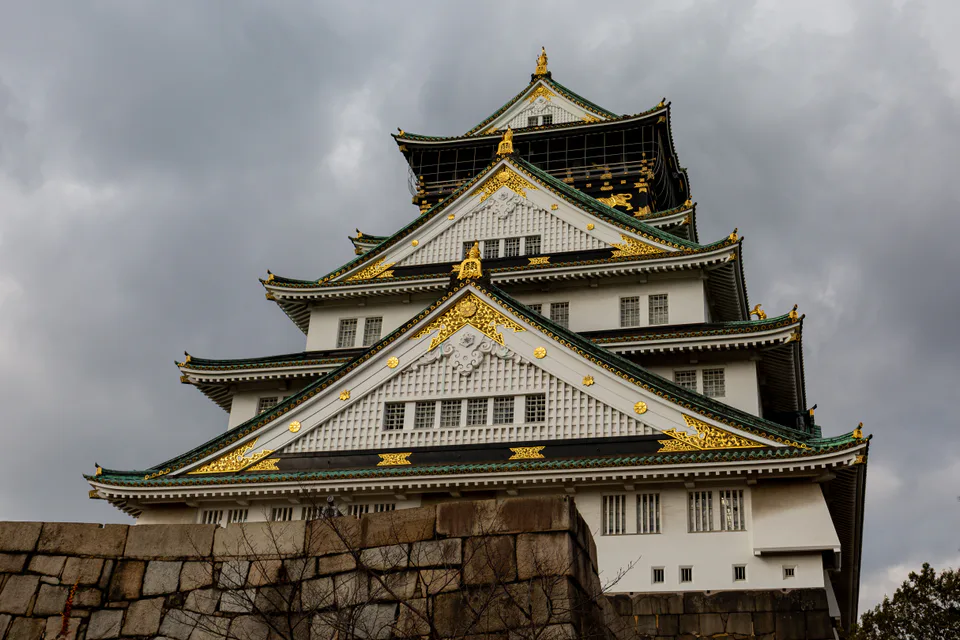
Osaka Castle Park is free and always accessible. The moat, stone walls, castle exterior and seasonal scenery already give you a substantial walk without buying admission. If this is your first trip and your goal is mainly to see Osaka Castle rather than study the museum displays or get the view from the tower, the ¥1,200 adult admission is optional rather than automatic. Saving that money for a more important paid experience later in the trip can be the better trade.
The lower-friction extension is Naniwa Palace Site Park around Tanimachi 4-chome, which is also free. The value is not that you can claim two free attractions; it is that both sit on the same east-side sightseeing day. If you want one inexpensive upgrade, the Osaka Museum of History permanent exhibition is ¥600 for adults and keeps the day on the same historical theme. That is a much better use of a small budget than taking another train just to collect a third free neighborhood.
Budget route 2: Kuromon + Namba + Dotonbori + Shinsaibashi can cost ¥0 in tickets—and still blow the budget
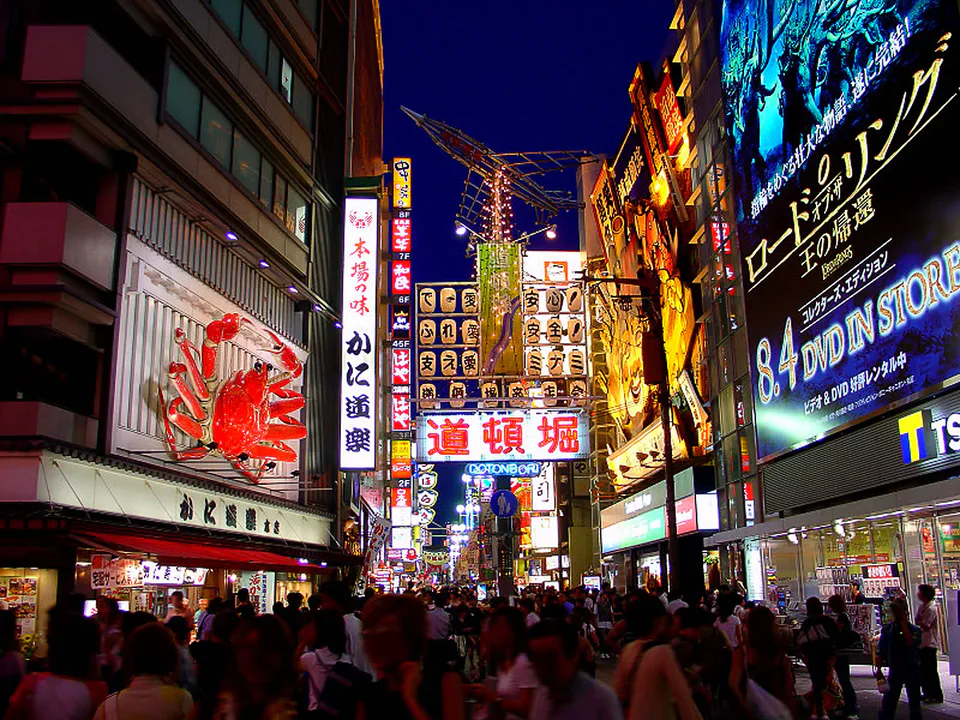
South Osaka is the easiest place to build a high-content, low-transport day. Kuromon Market, Namba, Dotonbori, the Dotonbori riverside and Shinsaibashi do not require admission, and most of the route can be walked. Shinsaibashi-suji is roughly a 600-meter covered shopping arcade, which also makes this route resilient in light rain. The real budget risk is not admission. It is the fact that every ten minutes presents another snack, drugstore, arcade machine or souvenir purchase.
If ¥3,000 is a real cap, separate “eating Osaka” from “walking Osaka.” Pick one thing at Kuromon rather than treating every famous stall as a stop, and make Dotonbori the place for one actual meal instead of five small purchases. Free neighborhoods are most dangerous when the day has no stopping rule. Travelers who are not shopping can also skip the Metro day pass on this route and keep the sightseeing radius within walking distance.
Budget route 3: Tennoji + Shinsekai is cheap until you pay for every attraction in the neighborhood
Tenshiba is free and gives you an easy low-cost break beside Tennoji Station; Shinsekai itself also costs nothing to walk through. The predictable budget mistake is the “we are already here” effect: add Tsutenkaku, HARUKAS 300, the zoo and another paid venue because they all appear nearby on the map. With a ¥3,000 day, decide first whether you want the street atmosphere, a family attraction or a high-altitude view. You do not need to pay for all three categories to justify visiting the area.
If the real priority is the evening view, read our free-versus-paid Osaka night-view guide first. If you already know you want an observation deck, use the Osaka observatory comparison to choose one. HARUKAS 300’s current same-day adult ticket is ¥2,200, so once you buy it, this is no longer honestly a “free sightseeing day.” That can still be the right decision; the point is to name the trade-off instead of pretending the paid stop does not affect the budget.
Free Umeda night views are not a cheaper HARUKAS 300—they solve a different problem
Toki-no-Hiroba at JR Osaka Station is a free public space where you can take in the station roof, tracks and the movement of the city. The current listed hours are 8:00–23:30. It makes sense when you are already in Umeda for dinner, shopping or a train connection: add 30–60 minutes and get an evening city atmosphere without buying another ticket. It is not a fair substitute for a high-rise panorama, and describing it that way would set the wrong expectation.
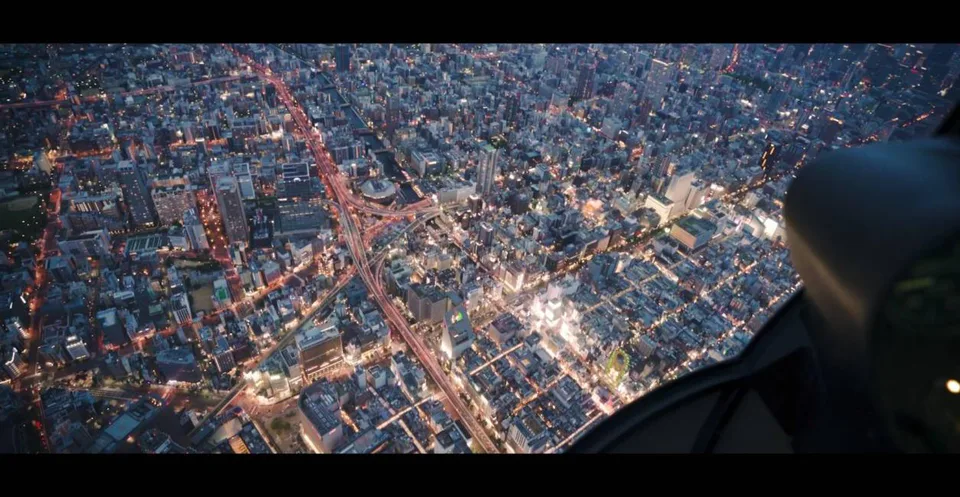
This distinction is useful on a budget. If all you want is to feel Osaka after dark, the station district and free public spaces may be enough. If a panoramic skyline, sunset timing or photography is one of the reasons you came, spending ¥2,200 on HARUKAS 300 can still be worth it. A budget guide should help you protect the thing you care about, not turn every paid attraction into a mistake.
Minoh Falls is the best counterexample: admission is free, but the detour is not
Minoh Park and the waterfall are free. From Hankyu Minoh Station, the walk to the falls is about 40 minutes, so the return walk alone approaches an hour and a half before you count pauses. On paper, it looks like an ideal zero-ticket day. In practice, it demonstrates why “free” and “low cost” are different. The Osaka Metro day ticket does not cover Hankyu Railway, so you still pay separate private-rail fares, and traveling from central Osaka uses a meaningful part of the day.
If nature, hiking or autumn leaves are part of the trip you genuinely want, that transport cost is justified. If you are only going because the waterfall has no admission fee, staying around Osaka Castle, Tennoji or the south-side neighborhoods will usually be cheaper in both money and time. This is the budget test that many free-attraction lists miss: the ticket price can be zero while the opportunity cost is half a day.
When should you break the ¥3,000 limit? When the paid attraction is the point of the trip
There are three situations where protecting the ¥3,000 ceiling becomes false economy. First, it is your first Osaka trip and one paid attraction is a genuine priority. Second, your travel party needs something specific—an indoor venue, seating, a family-friendly environment or several hours of defined content—rather than two more free neighborhoods. Third, you have very few sightseeing days, so saving ¥1,000 but spending half a day on a detour makes the trip worse.
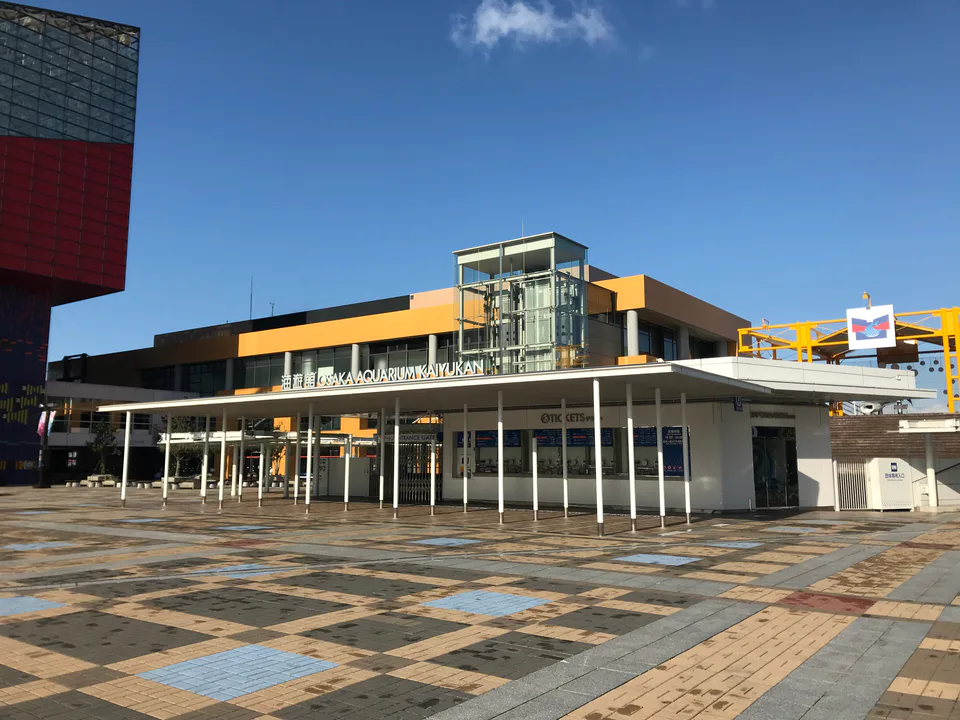
Kaiyukan is the obvious example. If the aquarium is a core family stop or you genuinely love aquariums, make it the main attraction and finish the day in the same Tempozan area instead of replacing it with unrelated free sights. Check the current timed-entry and re-entry rules in our Osaka Aquarium Kaiyukan guide. Families can also use our Osaka attractions with kids guide to decide which paid stop actually solves the real problem—energy, naps, rain or age suitability.
If you decide one paid attraction is worth breaking the cap, check which Osaka activities and ticket times are still bookable for your date before rebuilding the rest of the day around it.
The Osaka Amazing Pass cannot rescue a ¥3,000 day—it is a different kind of itinerary
For the 2026–27 season, the Osaka Amazing Pass costs ¥3,500 for one day, and its digital “day” runs from 3:00 a.m. to 2:59 a.m. the following day rather than 24 hours after activation. The pass alone already exceeds the sightseeing budget used in this article. That does not make it poor value. It simply serves a different traveler: someone who has already decided to enter several participating paid attractions on the same day. If your plan is Kuromon, Dotonbori, Shinsaibashi and a free night view, buying the pass can push you into adding attractions just to feel that you have broken even.
Only compare the pass after your paid stops are fixed. Our Osaka Amazing Pass guide explains the break-even logic, and the Osaka pass comparison is more useful if you are also considering Klook Pass Kansai or Have Fun in Kansai. The order matters: decide the trip style first, then use a pass to reduce the cost of an itinerary you already chose.
Three ¥3,000 Osaka days you can actually copy
Weekday south-side, low-movement version: use individual fares or IC payment unless your actual rides justify the ¥820 day ticket. Walk Kuromon → Namba → Dotonbori → Shinsaibashi. Admission: ¥0. Keep most of the budget for food. Best for first-time visitors who want Osaka street life more than museums.
Weekday history version: Osaka Metro day ticket ¥820 + sample food allowance ¥1,300 + Osaka Museum of History ¥600 = about ¥2,720. Osaka Castle Park and Naniwa Palace Site stay free, leaving roughly ¥280 of buffer. You do not need to add the castle tower just because you are standing beside it.
Weekend Tennoji/south version: Osaka Metro day ticket ¥620 + sample food allowance ¥1,300 leaves about ¥1,080. Tenshiba, Shinsekai and Namba street areas are free. If you decide at sunset that an observation deck matters, accept that the day will go over ¥3,000 rather than squeezing food unrealistically to protect an arbitrary number.
Verdict: the cheapest Osaka itinerary is the one with fewer cross-city detours, not more free attractions
If ¥3,000 is your target, use this order: choose one main area, decide whether the transport pass is actually useful, reserve food money, then see whether the remaining budget can support one paid experience you genuinely want. Osaka Castle Park + Naniwa Palace, a south-side walking day, Tennoji + Shinsekai and a free Umeda night view are cheap because they combine naturally with nearby plans. Minoh is the reminder that a ¥0 ticket can still cost extra rail fare and half a day.
And if the one thing you care about costs ¥1,200, ¥2,200 or more, going over budget once is not automatically a planning failure. The worse trade is spending the same full day visiting five free places you never wanted in the first place. Free things to do in Osaka should protect your trip budget; they should not dictate the trip.
Accommodation is part of the same budget. If several days naturally end in the same district, choose your Osaka hotel area by the last stop you keep returning to rather than saving a little on room rate and paying it back in extra transfers every day.
Affiliate disclosure: Some booking links in this article are affiliate links. If you use them, ValueNavi may earn a commission at no extra cost to you. The recommendation logic does not change based on commission.
What to recheck before you go
Information checked on August 20, 2026. Prices and rules that can change include Osaka Metro fares and coverage, Osaka Castle and museum admission, HARUKAS 300 ticket prices, venue opening hours, transport works and seasonal events. The ¥1,300 food allowance is a budgeting example, not an official food cost or price guarantee; recalculate it for your appetite, exchange rate and travel date.
Primary official checks: Osaka Metro Enjoy Eco Card, Osaka Amazing Pass 2026–27, Osaka Castle Park, Osaka Museum of History, HARUKAS 300 tickets and Minoh Park.
Additional official fare check: Osaka Metro regular fares.