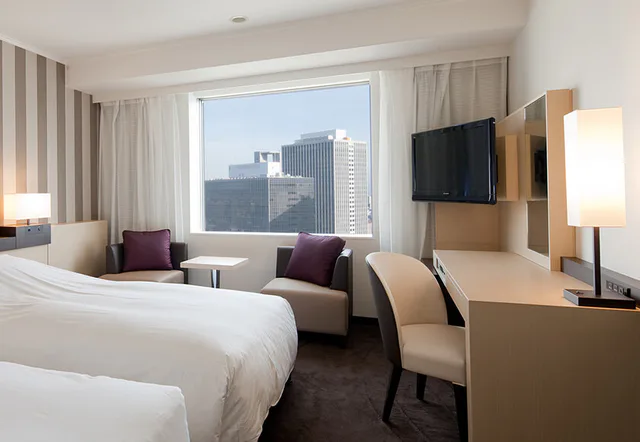
A seven-day Kansai trip does not automatically need two hotels. If your week is one Osaka city day, one full USJ day, one Kyoto day, one Nara day, one Kobe day and one flexible final day, I would start by testing a single Osaka hotel before splitting the stay. The benefit is bigger than “not dragging a suitcase.” You keep one room, one laundry routine, one station, one place for shopping bags and one familiar route home every night. The cost is equally clear: Kyoto becomes a day trip, so you give up the dawn and late-evening hours that make a Kyoto stay valuable.
This is not an argument that Osaka is always the best base. It answers a narrower question: when does a Kansai 7 day itinerary from Osaka become easier because you do not move? The cutoff is not the number of cities. It is how many separate time windows each city needs. One Kyoto day, one Nara day, one Kobe day and one USJ day work well from Osaka. The moment Kyoto needs a second early morning, a separate Arashiyama day, night illuminations or two timed cultural experiences, the one-base logic starts to fail.
The route is intentionally directional. Day 1 arrives in Osaka. Day 2 stays in Osaka. Day 3 is USJ. Day 4 is Kyoto. Day 5 is Nara. Day 6 is Kobe. Day 7 stays flexible in Osaka for weather, recovery, shopping, Kaiyukan or NIFREL. A single base works because each day points one way. It stops working when you start crossing two cities on the same day.
The 30-second decision: five signs one Osaka hotel is the right answer
First, this is your first Kansai trip and you want a broad sample of Osaka, Kyoto, Nara, Kobe and USJ rather than deep coverage of one city. Second, Kyoto gets one full day and you are not chasing multiple dawns or late-night events. Third, USJ is one park day, not two. Fourth, you have large luggage, a lot of shopping, a laundry plan or simply hate repacking halfway through a trip. Fifth, you are happy to give one whole day to one direction instead of stacking Kyoto, Nara and Kobe because they look close on a map.
Do not use this structure if Kyoto is the emotional center of the trip. If you want Kiyomizu-dera and Gion one day, Arashiyama another, a second early morning and a night illumination, moving once is probably better. A fixed base is a friction-reduction tool, not a principle you need to defend.
Choose the base before the hotel: Umeda is the default here, but not for everyone
This itinerary has three heavy transport days: USJ, Kyoto and Kobe. That gives Osaka Station and Umeda a strong structural advantage, so I would usually start there. Nara is the obvious counterweight: Namba is a very natural base for Kintetsu Nara, and Namba also works well for KIX plus Dotonbori and Shinsaibashi evenings.
The useful question is not “Which area is most convenient?” Write down the hardest mornings and the latest nights. If Kyoto, Kobe and USJ are the three days you most want to protect, Umeda usually wins because repeated access matters. If Nara, KIX and Namba evenings matter more, and Kyoto is truly only one day, Namba can reverse the result. Use Namba vs Umeda first, then the broader Osaka accommodation decision hub once you know which side of the city fits the week.
If Kyoto and Kobe day trips are a major part of the itinerary, the final three to ten minutes between hotel and platform matter twice each day. That is where Osaka hotels for Kyoto and Kobe day trips becomes more useful than a generic “best hotels near Osaka Station” list. For six or seven nights, also price laundry, room space, breakfast you will actually eat and how easy it is to live out of the room; the Osaka long-stay hotel guide handles those trade-offs.
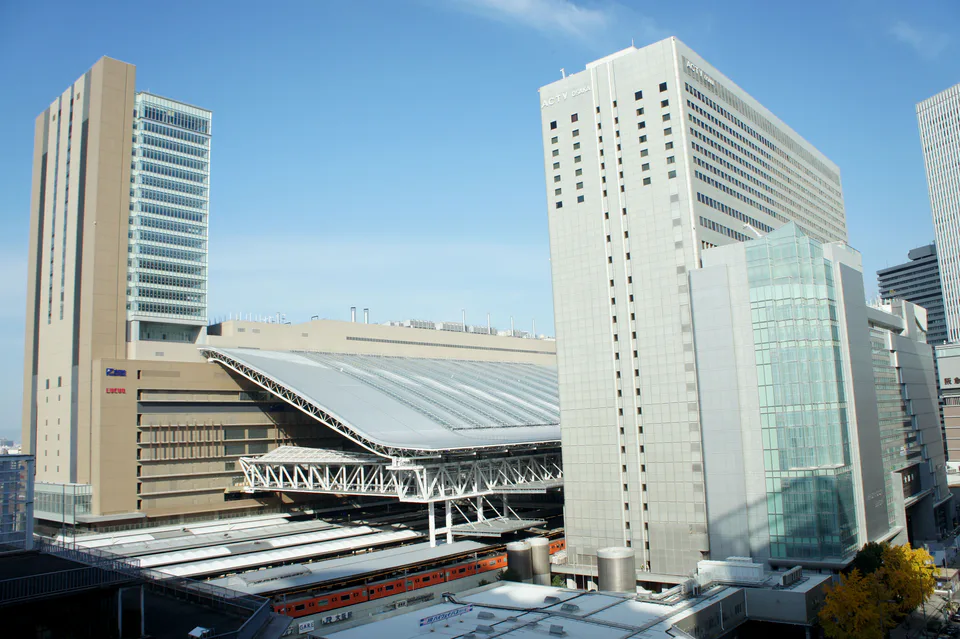
Day 1 | KIX to Osaka: build the base and stop there
Choose airport transport by the hotel door, not by the fastest headline train
The first advantage of a fixed base begins at Kansai Airport. You move the large luggage once and it stays put for six nights. The best route is different for Namba, Umeda and Tennoji, and the important number is not only the airport-train time. Count the transfer after you get off, the elevator route, the walk to the hotel and how much of that you want to repeat on departure day. Kansai Airport to Osaka is the better decision tool than simply choosing the train with the shortest published travel time.
If you are in the room before about 3 p.m., spend the first evening learning the area you will live in. Find the station entrance you will use tomorrow, breakfast, a convenience store and the final walk back to the hotel. Namba travelers can wander Dotonbori and Shinsaibashi. Umeda travelers can eat around Osaka Station and explore the connected shopping complexes. If you only check in after 6 p.m., stay local.
A fixed base is not lazy; it removes one entire layer of mid-trip administration
You eliminate a checkout morning, luggage storage, a no-room window in the middle of the day, a second check-in and the mental effort of remembering where medication, chargers, laundry and shopping bags went. None of those appear on a sightseeing map, but they directly affect how Day 3 at USJ and Day 4 in Kyoto feel. A seven-day trip is long enough that repeated friction matters.
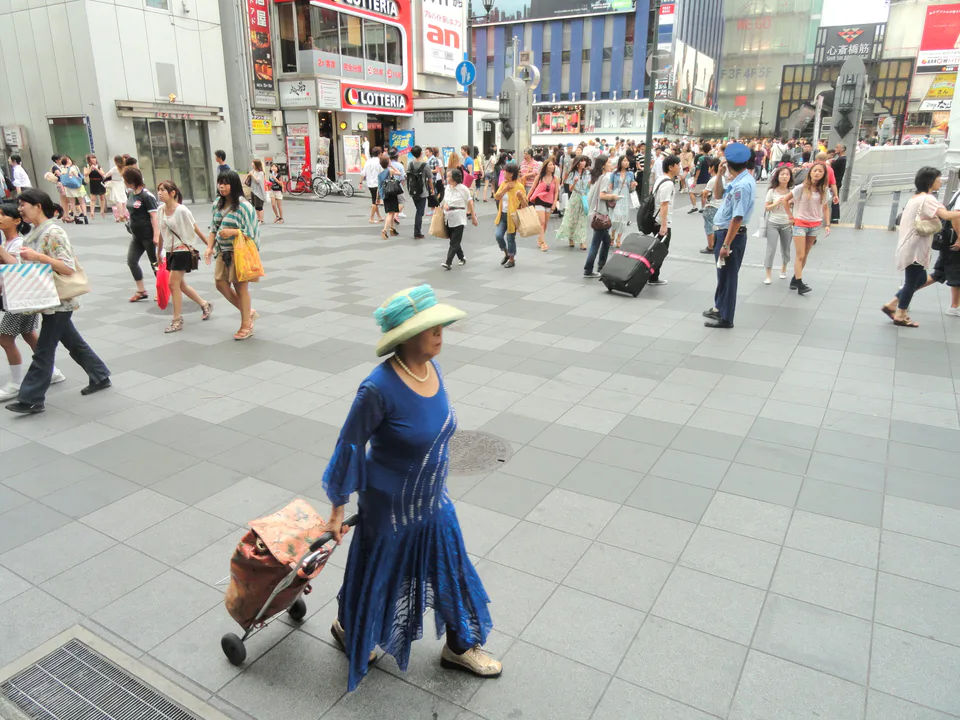
Day 2 | Osaka city day: this is the only day I would seriously test the Osaka Amazing Pass
Decide whether Umeda Sky Building is a pass stop or the night view you actually want
For the 2026–27 version, the Osaka Amazing Pass is currently ¥3,500 for one day and ¥5,000 for two consecutive days. Day 3 in this itinerary belongs to USJ, so I would not move the theme-park day just to make a two-day pass look efficient. If Day 2 already includes Umeda Sky Building, Osaka Castle and another included attraction you genuinely want, the one-day pass deserves a calculation. If your ideal day is mostly Osaka Castle Park, neighborhoods and Dotonbori, an IC card may be the cleaner choice. See the Osaka Amazing Pass decision guide before buying.
Umeda Sky Building currently lists regular observatory hours of 9:30 a.m. to 10:30 p.m., with last admission at 10 p.m., although special dates can differ. That creates an important trade-off. A pass may push you to visit earlier to maximize included value, while the reason you wanted the observatory may have been sunset or night views. Do not exchange the time you actually want for a technically “free” entry window without noticing what you are giving up.
Osaka Castle at midday: separate the park from the paid interior
Osaka Castle Park can already carry a substantial historical walk. Enter the museum only if the exhibits and elevated views matter to you. An attraction being included in a pass does not make the hour automatically free. Time spent inside because you “might as well” is still part of the price.
At night, keep only one timed Dotonbori commitment
If you want a river cruise, make it the evening’s only fixed time. Do not combine it with a second observation deck and a restaurant that also requires punctual arrival. Passes most often distort itineraries not because the arithmetic is wrong, but because travelers keep adding things that are “already included.” The Osaka Amazing Pass route guide is useful if you want to see how a pass day actually fits together. If you are comparing several sightseeing products, use the Osaka pass comparison first.
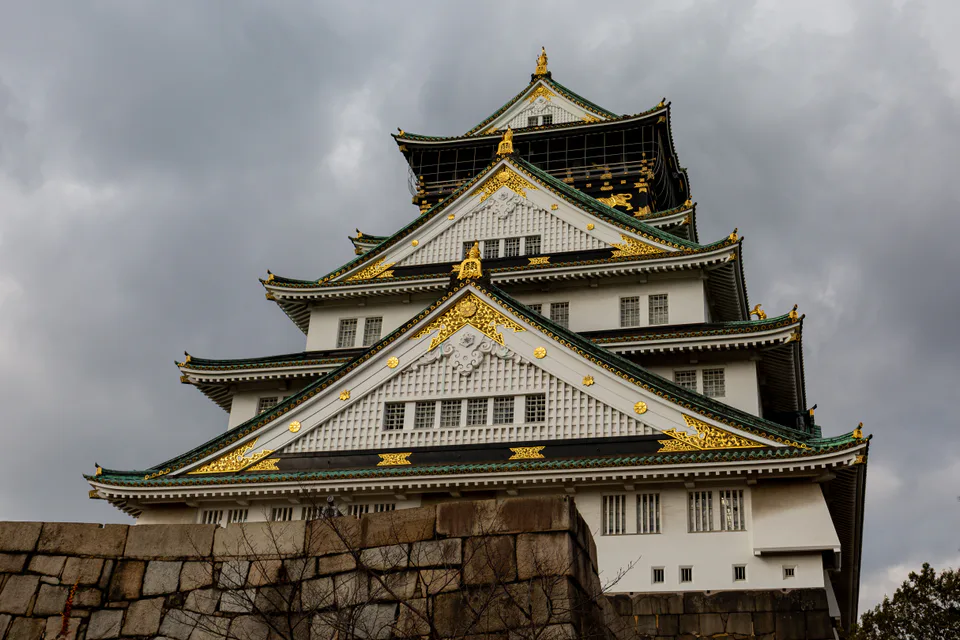
Day 3 | USJ: give the park the whole day, then return to the same Osaka hotel
Do not copy someone else’s opening time
Universal Studios Japan states that operating hours can change without notice and that admission may begin earlier than the scheduled opening time on some days. That is why this itinerary does not pretend “arrive at 8 a.m.” is a permanent rule. Recheck your date the night before, including operating hours, temporary closures and any timed Express slots you hold.
Express becomes valuable when two or three outcomes really cannot fail
The biggest risk in a one-day USJ visit is not simply that the ticket is expensive. It is that the areas or attractions you actually care about are left unfinished. If two or three experiences are non-negotiable and you do not want half the day to be controlled by queues, Express becomes a purchase of certainty. If different people in the group want different rides, do not assume everyone needs the same bundle. Use the USJ Express Pass guide to price the specific risk you are trying to remove.
One USJ day usually does not justify moving to Universal City
One of the strongest rules in this fixed-base itinerary is not changing hotels for a single paid day. Finish USJ, return to the Osaka base, eat, shower and sleep. Reconsider Universal City only if you are doing two park days, if young children make the walk from park exit to bed unusually valuable, or if the whole trip already uses the area as a second base. The USJ one-day vs two-day hotel guide handles that decision.
Also resist the temptation to add a Umeda night view or a Kobe dinner after USJ. The last ride is the hardest part of a theme-park day to predict. An empty evening protects Day 4 Kyoto from becoming a recovery morning.
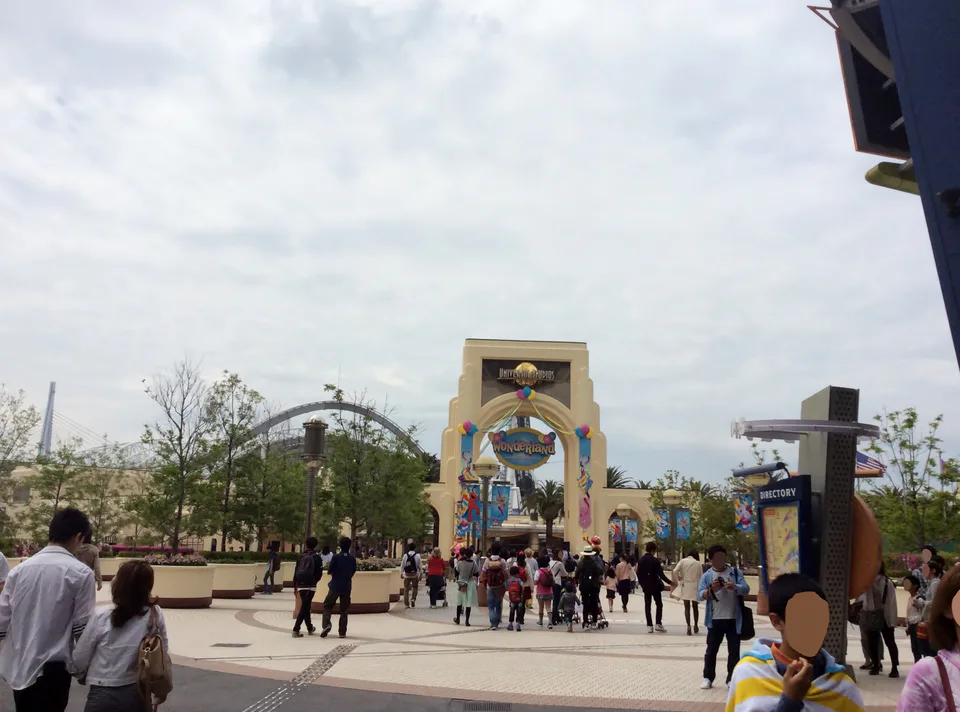
Day 4 | Kyoto: the single-base strategy only works if you accept one geographic line and one paid experience
Morning: Fushimi Inari plus Higashiyama, or Higashiyama only
The usual failure in an Osaka-to-Kyoto day trip is not the intercity train. It is what happens after arrival. Travelers try to combine Fushimi Inari, Arashiyama, Kinkaku-ji and Kiyomizu-dera because each one appears individually manageable. This version stays in the south-east half of Kyoto. If Fushimi Inari matters, go first and then move toward Kiyomizu-dera, Ninenzaka, Sannenzaka and Gion. If it does not, give the whole morning to Higashiyama.
What the Osaka base sacrifices is Kyoto’s edge time. You do not wake up inside Kyoto for a 6 a.m. start, and you should not stretch dinner very late every time you visit. That makes geographic discipline more important during the day. A day trip can still feel spacious if you stop crossing Kyoto from end to end.
Afternoon: choose samurai, tea ceremony, or nothing timed at all
After a morning of temples and streets, one active cultural booking can work well. Choose a Kyoto samurai experience if participation is the point. If you want a slower Gion half-day, a Kyoto tea ceremony may fit better. Do not buy both just because both sound “Japanese.” Two reservations can cut the most enjoyable free part of Higashiyama into fragments.
It is completely valid to book neither. If what you want from Kyoto is the city itself, let that be the day’s main experience. If you reach this section and still want a second Kyoto morning, a separate Arashiyama day, night illuminations and multiple cultural bookings, the itinerary is telling you to stop using one Osaka hotel and split the stay.
The Umeda vs Namba reversal: count the nights you least want one more transfer
Look at the week again. USJ, Kyoto and Kobe can all end late. If all three routes naturally return through Osaka Station, Umeda becomes more valuable every time the sun goes down, not just when you leave in the morning. After a long Higashiyama walk, the final USJ queue or a Kobe harbor evening, one extra transfer feels more expensive than it did at 10 a.m.
But Namba can still win if most dinners and nights belong there, Nara is a priority and you want the cleanest KIX relationship. The simplest test is to write the final stop for all six nights. If four or more naturally land on the Umeda/Osaka Station side, start there. If Namba clearly dominates, stay south. You do not need a universal “best area”; you need the area that repeats the fewest bad final journeys.
Pay extra for station convenience only when you will use it repeatedly
A hotel directly above a station can cost noticeably more than one eight or ten minutes away. Across six nights, that premium becomes real money. It is worth paying only when the convenience is repeated: early Kyoto and Kobe departures, a late return from USJ, luggage to and from KIX, or laundry nights when nobody wants another walk. Paying six nights of station premium for one airport day is much harder to justify.
What station convenience is actually worth over six nights
A fixed-base itinerary can tempt you to overpay for the most central hotel because you know you will use the same station every day. The better way to price that premium is by repetition. Suppose the station-connected option costs more every night but saves eight to ten minutes each way. On Kyoto, Kobe and USJ days, that saving appears twice: once when you leave and once when you return tired. Add airport luggage and a laundry night, and the convenience may genuinely be used eight or ten times. That is very different from paying six nights of premium because the hotel happens to be famous or because you drag a suitcase once.
The reverse is also true. If most evenings end in Namba and your Umeda hotel requires an extra transfer after dinner, station convenience can be highly efficient in the morning and irritating at night. That is why the final-stop test matters more than measuring everything from a map pin. Write down the station you are likely to reach at the end of each day, not just the station you leave from in the morning.
The room has to work as a six-night base, not just a place to sleep
When you stay put, small room problems repeat. No useful place to open a suitcase, a bathroom that slows two people down, poor laundry access or breakfast that starts too late for your Kyoto and USJ mornings can cost more over six nights than a slightly higher room rate. One hotel only becomes simpler if the hotel itself supports the routine. The fixed-base decision therefore has two layers: choose the right area first, then choose a room you can actually live in for almost a week.
Read next | Recheck the one-hotel decision before you add another Kyoto day
If Kyoto is becoming more important than expected, do not quietly turn Day 7 into another Osaka–Kyoto commute. Change the accommodation strategy instead. If returning to the same room every night is proving more valuable than expected, that is evidence the fixed base is doing its job.
The next practical choice is usually whether Day 6 should remain Kobe and whether Day 7 needs another city at all. Use the Osaka day-trip comparison if you are still choosing between Kyoto, Nara, Kobe and Himeji. If you are unsure whether Nara is better from Osaka or Kyoto, the Nara departure comparison is the cleaner next step.
Why Day 7 should not be sold in advance as a seventh major attraction
What changes over a seven-day trip is rarely the destination list. It is weather and energy. Kyoto may become a 20,000-step day. USJ may run until you no longer want dinner. Kobe harbor can lose its appeal in heavy rain. If Day 7 is already locked behind an expensive non-refundable ticket, the week has no place left to absorb those changes.
Leaving the final full day as Kaiyukan, NIFREL, an Osaka catch-up day or simple shopping looks like indecision on paper. In practice, it is insurance for the six days before it.
The financial value of Day 7 is optionality, not another discount
A flexible final day can look inefficient because it has no guaranteed “headline attraction” attached to it. Financially, it does something useful: it prevents you from buying replacement experiences every time the week changes. If Kobe gets washed out, you still have somewhere to move it. If Kyoto exhausts you, you can downgrade Day 7 to shopping instead of forfeiting a second expensive ticket. If USJ runs long and Day 4 starts late, you do not have to compensate by taking taxis or squeezing two cities into one day.
This matters because sunk-cost behavior is one of the quietest ways a seven-day trip gets expensive. Once a ticket is paid, people often force the day to happen even when weather, fatigue or transport disruption says otherwise. A buffer day removes some of that pressure. You are not “wasting” the final day by leaving it open; you are choosing not to pre-pay for a problem you do not yet know you will have.
The same logic applies to food and shopping. After six days you will know whether the trip needs one more attraction or simply a long lunch, a proper laundry reset and time to pack. That information is more valuable on Day 7 than it was two months before departure. The fixed-base structure makes it easy to use that information because your luggage, room and airport plan have not changed.
Day 5 | Nara: deliberately make this the low-booking, low-spend recovery day
Nara Park and Todai-ji are enough for a first visit
Nara works well immediately after USJ and Kyoto because the day does not need a chain of reservations. Start near Kintetsu Nara, move through the park and toward Todai-ji, then decide whether Kasuga Taisha or Naramachi fits your energy. The day is successful even if you return to Osaka earlier than planned.
If you stay in Namba, this is one of the days when the south-side base feels especially natural. Umeda is still workable; it simply adds an Osaka-side transfer. Do not move hotels to optimize one Nara day. The fixed-base calculation is about total friction across the week, not theoretical perfection every morning.
Mi Nara is not “on the way” from the classic Nara Park route
Rain, children or a repeat visit can make the indoor attractions at Mi Nara more interesting. For a first sunny Nara day, however, adding another district can turn the week’s intended recovery day back into a transfer exercise. Keep it simple unless there is a reason to change the classic route.
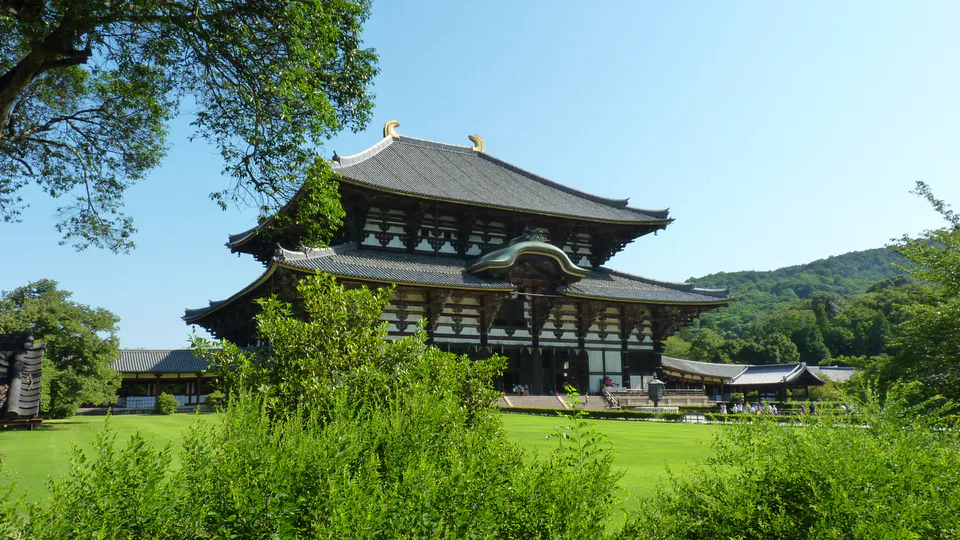
Day 6 | Kobe: choose one version of Kobe instead of mixing three different trips
First visit: Kitano or Sannomiya, Motomachi, then the harbor
For a first Kobe day, a straightforward city-to-water route is enough. Start around Kitano or Sannomiya, move through Motomachi and Nankinmachi, then end around Meriken Park and Harborland. The purpose of the day is to change city texture, not to collect three more tickets because Kobe is close to Osaka.
Family version: Kobe Animal Kingdom replaces part of classic Kobe
If you are traveling with children and Kobe Animal Kingdom is the reason to go, make it the day’s anchor. Do not treat it as an extra stop before Kitano, Chinatown and the harbor. A fixed-base itinerary still needs a one-direction rule inside each city.
Indoor-design version: átoa can replace part of the harbor day
If immersive spaces and a shorter indoor experience appeal to you, átoa can fit around Motomachi and the waterfront. But if Day 7 is likely to become Kaiyukan, ask whether two aquarium-style experiences are actually serving different needs. Saving hotel-move time does not create unlimited sightseeing capacity.
Day 7 | Keep the final full day open: Kaiyukan, NIFREL, Osaka, or nothing paid
Choose Kaiyukan when you want one substantial indoor anchor
If the first six days went well, Kaiyukan can be the final major attraction. Since June 15, 2026, the aquarium has ended re-entry, and its e-ticket system uses timed admission in 15-minute intervals. That means it is not a casual “go in for an hour, leave for lunch, come back later” backup. If you choose it, make Kaiyukan the day’s main paid anchor. The Kaiyukan 2026 guide explains the current timed-entry and no-re-entry trade-off.
Choose NIFREL only when Expo Park and north Osaka are already part of the day
NIFREL is not a drop-in substitute for Kaiyukan. The location and experience are different, and getting to Expo Park is part of the cost. It works when the broader north-Osaka day makes sense. Use the NIFREL decision guide if you are comparing the two.
Choose nothing paid when the week needs a buffer more than another ticket
Day 7 can repair Day 2 if rain ruined Osaka Castle, become a shopping day after a tiring Kyoto visit, or absorb a Kobe day moved because of weather. If Day 7 is also departure day, reduce the whole menu to breakfast, shopping near the hotel and the airport route. “We still have half a day” is not a good reason to buy a ticket that makes you sprint for KIX.

The biggest benefit of one base is returning to a room that already works
Kyoto, Nara and Kobe still require trains. The point is that the luggage does not travel with you. You leave with one day bag and return to the same bathroom, the same charger locations, the same convenience store and the same laundry plan. By the middle of a seven-day trip, that familiarity has practical value.
With two or more travelers, a hotel move is not one person’s twenty-minute checkout. Everyone has to pack, confirm nothing was left behind, carry or store luggage and adapt to the next room. If the move only removes one modest commute, it may not be a good trade.
Three clear failure points: when the fixed Osaka base stops being the better answer
Failure point 1: Kyoto needs two early mornings
If you want Kiyomizu-dera early one day and Arashiyama early the next, Osaka starts charging you in sleep and repeated commuting. That is no longer a routing problem. It is a hotel-location problem. Split the stay.
Failure point 2: USJ becomes a two-day trip
Two park days, a family that values an immediate walk back to the room, or a late seasonal event can suddenly make Universal City worth using as a second base. The correct response is to recalculate, not to protect the one-hotel rule.
Failure point 3: every city needs its late evening
Kyoto dinner, Kobe night views, USJ closing time and Namba nightlife can all be good. Doing all of them late makes the final transport leg heavy every night. A fixed Osaka base can handle late returns; it should not make late returns the default six nights in a row.
Pass strategy: the longer the trip, the less you should expect one pass to organize it
Use the Osaka Amazing Pass only for the Osaka city day if the included attractions already match your plan. Kyoto, Nara and Kobe should be priced from their actual routes. Do not buy a wide-area product first and then add a city so the pass “pays for itself.” A pass is supposed to reduce the cost of an itinerary you want, not create the itinerary.
If you are considering a rail pass or another Kansai product, sketch the seven days first and compare transport after. If break-even requires one extra trip you did not originally want, that extra trip belongs on the cost side.
Rain plan: one Osaka hotel makes swapping days easier
Day 2 Osaka, Day 5 Nara, Day 6 Kobe and Day 7 are the flexible pieces. Day 3 USJ is much harder to move once tickets are committed, and Day 4 Kyoto may also contain a timed cultural booking. Protect the paid, difficult-to-replace anchors first. Move free streets and lightly committed day trips around them.
The practical advantage of one room is that weather changes never come with a second question about what happens to the luggage. That is one reason Day 7 remains empty on purpose.
Budget the whole system, not just the train fare you could save by moving hotels
A Kyoto split stay may remove one or two Osaka–Kyoto returns. It can also introduce a different room rate, accommodation tax, luggage handling, check-in friction and cancellation terms. Compare total lodging, transport and move cost rather than one train segment.
The same logic applies to Umeda versus Namba. Umeda will not be cheapest or fastest every day. Namba can be better for Nara and KIX. What you are buying is average efficiency across the heavy days, not a perfect station for all seven.
Three travelers who should not copy this route
Kyoto-first travelers
If Kyoto is the reason you came to Kansai, one day is not enough. Split the stay and stop treating Kyoto as a day trip.
Families with children who need a hotel nap every day
One Osaka hotel may still be correct, but the Kyoto and Kobe days can become too long. In that case, cut cross-city days before you ask a young child to sleep on trains every afternoon.
Travelers who book a timed premium activity every day
A one-city-per-day structure still helps, but the buffer disappears if every afternoon and evening has a fixed booking. The solution is fewer reservations, not a bigger pass.
48 hours before departure: recheck only seven things
Recheck USJ operating hours and closures; your Express timed slots if you bought one; the current Osaka Amazing Pass price and conditions; Umeda Sky Building hours and any special operating day; any Kyoto cultural booking; which Kobe version you are actually doing; and whether Day 7 still needs to remain open for weather or departure.
If those seven decisions are clear, resist the urge to buy three more tickets on the final night before the flight. A fixed-base trip works because you leave several decisions reversible.
Final verdict: one Osaka hotel does not minimize train time — it minimizes restarting the trip
This Kansai 7 day itinerary from Osaka works best for a first trip that wants breadth: one Osaka day, one USJ day, one Kyoto day, one Nara day, one Kobe day and a flexible final day. Each morning points in one direction. Every evening returns to the same room. That is why the base works.
If Kyoto grows into two early mornings and a late evening, move once. If USJ grows into two days, reconsider Universal City. But do not add a hotel simply because the map contains another city. The comfortable seven-day version is usually not “sleep closest to tomorrow’s attraction every night.” It is “move only when the move buys a genuinely different trip.”
Sources and what to re-check before you go
Osaka Amazing Pass prices and validity were rechecked against the official 2026–27 Osaka Amazing Pass information. The current standard prices are ¥3,500 for one day and ¥5,000 for two consecutive days, with the 2026–27 sales period running through March 31, 2027.
USJ operating-hour guidance was rechecked on the official USJ operating-hours page, which states that hours may change without notice and admission can start before the scheduled opening on some days. Umeda Sky Building regular observatory hours were rechecked on the official Umeda Sky Building information page.
Kaiyukan timed admission and the end of re-entry from June 15, 2026 were rechecked against the official Kaiyukan announcement and its current ticket guidance. Recheck all operating hours, ticket conditions and temporary closures again for your actual travel dates.
Osaka Hotels for 4–6 Friends: When One Big Room Stops Being the Better Deal
Osaka and Kyoto in 7 Days: 3 Nights Each — When One Hotel Move Is Actually Worth It
Osaka 5-Day Itinerary: Give USJ a Full Day — Namba, Umeda, Kaiyukan and Tennoji Without Backtracking
Nada no Kenka Matsuri 2026: If You Only Go One Day, Choose Oct 15
Japan Autumn Leaves December: Tokyo, Kyoto, Osaka, Nara and Kyushu