
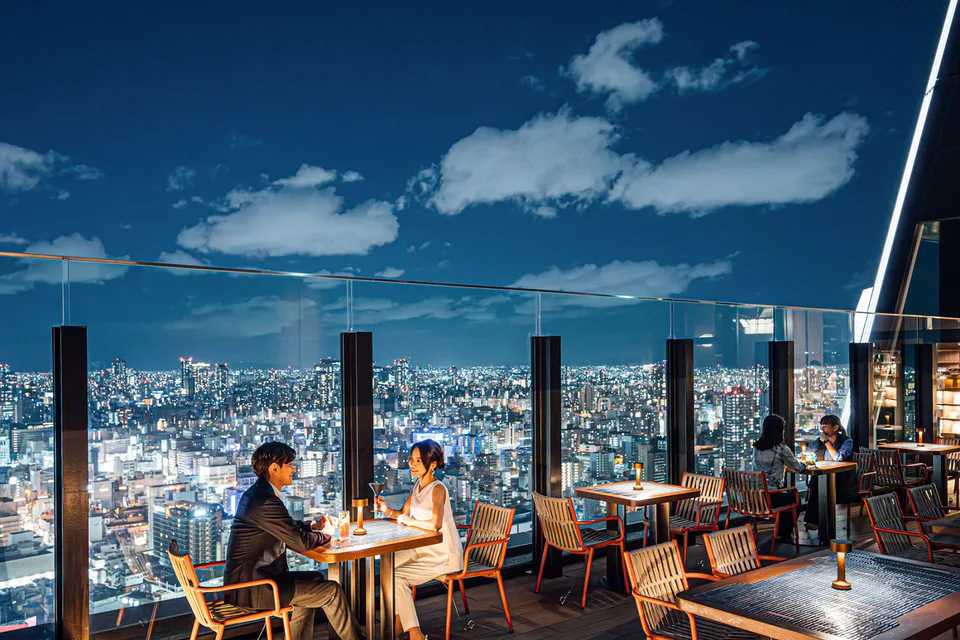
An Osaka couples itinerary gets worse surprisingly fast when “romantic” is translated into a reservation every night. A rooftop at sunset, a tasting menu, a river cruise, a bar, a late observation deck, then Kyoto, Kobe and Universal Studios Japan squeezed into the daylight hours sounds generous on paper. In practice, it leaves almost no room for the part of a two-person trip that cannot be booked: stopping somewhere because you like it, sitting for another drink, going back to the room early, or changing your mind without losing money.
A stronger seven-day default uses Osaka as the base and protects the evenings instead of filling them. Day 1 is arrival plus one neighborhood. Day 2 is an easy Osaka city day with one paid night view at most. Day 3 gives Kyoto one coherent area and one paid cultural or art experience. Day 4 belongs entirely to USJ. Day 5 starts late and becomes the optional “big night” only if both people still want one. Day 6 uses Kobe as a lower-pressure indoor-plus-harbor day. Day 7 stays flexible around the flight.
The point is not to manufacture seven date nights. It is to make the nights feel different. If you spend on an Osaka observatory, Kobe can stay free at the waterfront. If you choose a helicopter flight as the anniversary splurge, the earlier Osaka skyline night can become a river walk. If Kyoto tea ceremony is the shared experience you really want, teamLab becomes the alternative rather than a second compulsory booking. That replacement logic is what keeps the trip from turning into seven QR codes.
30-second decision: decide who owns the evenings before you decide the attractions
If Kyoto atmosphere is the priority, keep Day 3 in Higashiyama and Gion into early evening and do not race back to Osaka for another observation deck. If skyline views are the priority, choose one Osaka paid view on Day 2 or Day 5 and let Kobe be a free waterfront night. If USJ is the emotional centre of the trip, Day 3 needs an earlier finish and Day 5 needs a later start. If food, bars and spontaneous second stops matter most, Namba becomes more attractive. If Kyoto and Kobe day trips matter more, Umeda is usually the cleaner base.
A useful ceiling is two locked evenings before departure: one high-priority Osaka night experience plus the USJ day or another truly timed slot. Everything else should have an escape hatch. A couple gains little from having tea ceremony, teamLab, a sunset tower, dinner and a bar all booked down to the minute. At that point the timetable has become the third traveller.
Choose the hotel by how you return at night, not by the room photo
Couples often overvalue the “romantic hotel” label and undervalue the final 10–15 minutes after dinner. Across seven nights, the repeated question is not whether the lobby has mood lighting. It is where you are at 9:30 p.m., whether you still want food after returning, whether the next morning points north toward Kyoto or west toward Kobe, and whether the hotel itself has something you will actually use. Start with Where to Stay in Osaka for Couples because it ranks the base by the evening you want to have rather than by a generic luxury score.
For this route, Umeda has repeated value because Kyoto on Day 3 and Kobe on Day 6 both use the northern side of Osaka well, and Day 2 can naturally finish around Umeda. Namba wins if your best nights are supposed to happen after dinner: Dotonbori, Shinsaibashi, bars, late food and an easy “one more stop” without another train. The useful comparison is Namba vs Umeda, not “which area is more romantic.”
Seven nights also changes the room decision. Laundry, enough floor space for two open suitcases, a bathroom you can use without blocking each other, and the ability to have a slow morning can matter more than one premium view. If you are staying the full week, use Osaka Long-Stay Hotels for 5–7 Nights as a second filter after you have chosen the area.
Moving to Kyoto for one day is usually not worth the hotel change in this version. The split stay begins to make sense only if Kyoto is really a two-day priority, especially if you want an early Gion/Higashiyama morning and a Kyoto evening that should not be cut short by the return train. If that sounds closer to your trip, compare Kyoto vs Osaka as a base before forcing all seven nights into Osaka.
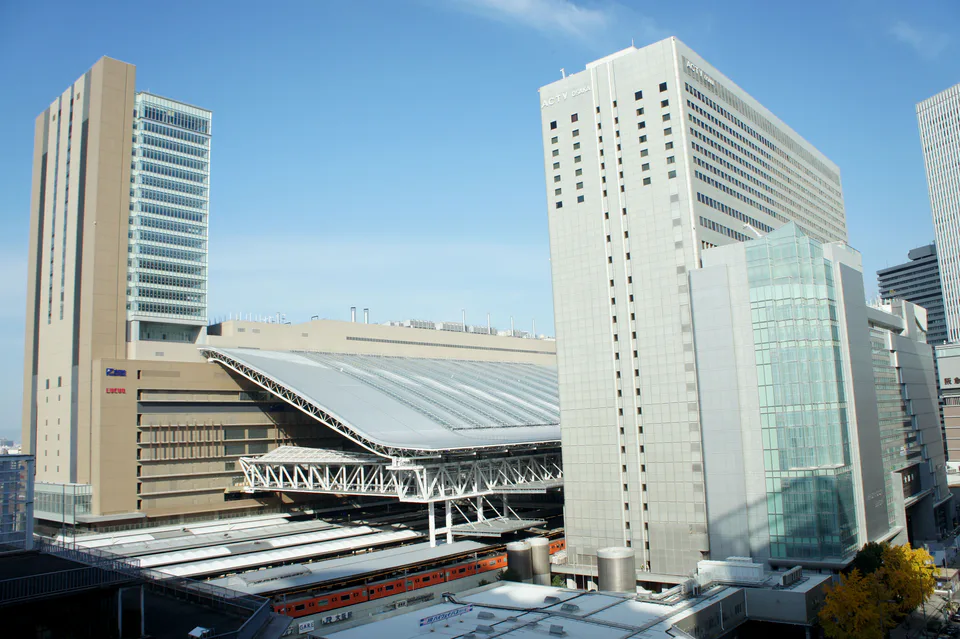
Day 1 | Arrive in Osaka: the first night should be easy to abandon
15:00–18:00: solve the boring logistics before you start the date-night fantasy
If you are in the room by mid-afternoon, use the first hour to learn the station-to-hotel route, find the convenience store you will use at 10 p.m., check where breakfast actually fits, and deal with luggage. That sounds unromantic, but it buys freedom for the next six days. Two people who know the elevator exit and the late-night food radius make faster decisions when they are tired.
If you are staying in Namba, walk Shinsaibashi–Dotonbori–Hozenji after dinner. If you are in Umeda, keep the radius around Osaka Station, Grand Front, Chayamachi or Nakazakicho. Do not prepay a cruise, rooftop or cancellation-sensitive dinner for arrival night. A delayed flight, immigration queue or slow baggage belt should be allowed to reduce Day 1 to dinner, shower and sleep without creating a sunk-cost argument.
Before the trip, map the final airport-to-hotel leg rather than choosing the train by headline speed. Kansai Airport to Osaka: the fastest train can still leave you farther from your hotel is the useful check for Namba, Umeda and Tennoji because luggage, the final transfer and the station exit matter more on arrival night than saving a few minutes on paper.
After 18:00 arrival: zero sightseeing is still a complete first day
International arrivals are deceptive because one person may still feel alert while the other is quietly finished. If you arrive after 6 p.m., the best couple decision is often to stop proving that the holiday has started. Buy what you need for breakfast, eat within walking distance, and let Day 2 begin with both people at roughly the same energy level.
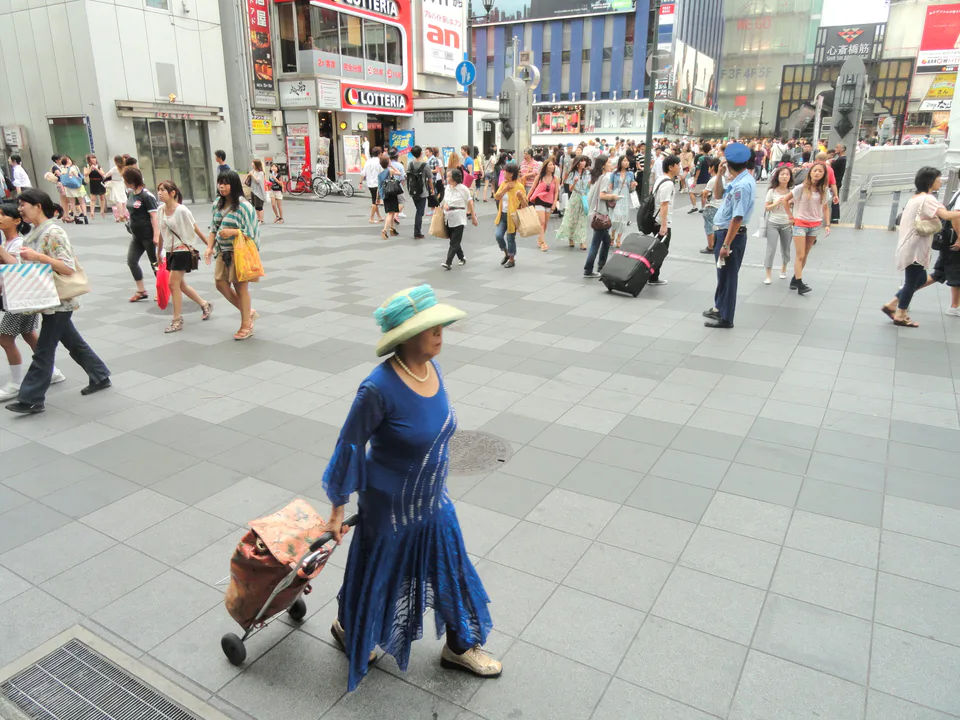
Day 2 | Keep Osaka daytime ordinary so one night view can feel worth paying for
09:30–15:30: Osaka Castle Park, Nakanoshima or Kitahama — one northbound line, not three districts
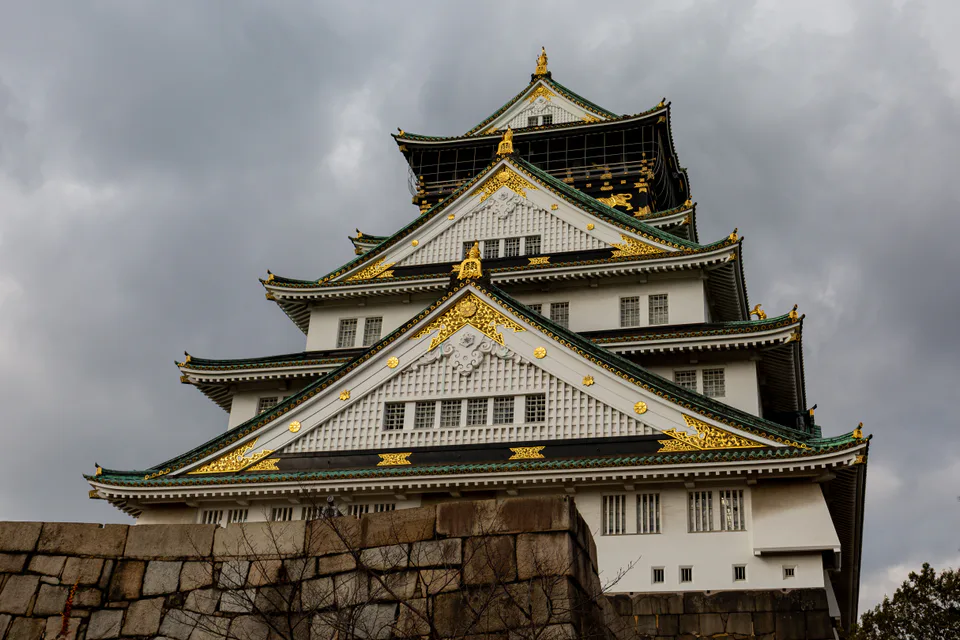
Start around Osaka Castle Park, then move toward Nakanoshima, Kitahama or Umeda for lunch and coffee. You can enter Osaka Castle if both of you actually want the museum; otherwise the park does the job. The goal is not to empty a pass. It is to arrive at late afternoon with enough energy that the evening does not feel like one more attraction you are obligated to complete.
17:30–21:30: Umeda Sky Building or HARUKAS 300 — choose by where dinner already is
Umeda Sky Building currently lists 9:30–22:30 hours with last admission at 22:00 and an adult ticket of ¥2,000. Its open-air rooftop is a real part of the experience, which also means heavy rain or bad wind can change the value. HARUKAS 300 currently lists an adult same-day ticket at ¥2,200, with no re-entry. Those numbers are useful, but they are not the decision. The decision is whether tonight already belongs to Umeda or Tennoji.
If dinner is in Umeda or your hotel is nearby, Umeda Sky Building is usually the cleaner choice. If your evening is naturally around Tennoji/Abeno, HARUKAS 300 fits better. Do not cross the city because one tower is taller on paper. Use Osaka Observatory Comparison for the actual trade-offs, then read Osaka Night Views: Free vs Paid if you are not sure this week needs a paid deck at all.
Do not assume an Osaka city pass belongs on Day 2. If the day genuinely contains several paid attractions, it may become rational. If the daytime is mostly park, river, coffee and shopping, buying a pass and adding attractions to “recover the cost” works against the entire couples itinerary. Fix the route first, then compare Osaka Pass options.
Day 3 | Kyoto: one district, one shared experience, one evening that does not need Osaka afterward
08:00–14:30: Kiyomizudera → Sannenzaka/Ninenzaka → Gion, then stop expanding the map
The most common first-Kyoto mistake for couples is trying to collect Kiyomizudera, Gion, Fushimi Inari and Arashiyama because all four names feel non-negotiable. The result is a day spent negotiating the next train. Keep this one on the east side: start earlier around Kiyomizudera, walk the slopes without treating every shop as a delay, have lunch around Gion, then leave the afternoon open for one paid experience or a long café/river break.
15:00–18:00: tea ceremony if you want to do something together; teamLab if you want an immersive indoor block
A kimono tea ceremony is not “more Kyoto” by default. Its value is that the two of you stop sightseeing and do one structured thing together: dressing, tea, etiquette and photos. That is useful if both people want the ritual. If one person is only agreeing because couples are supposed to enjoy it, skip it. The Kyoto Tea Ceremony Guide breaks down what you are actually buying before you lock the afternoon.
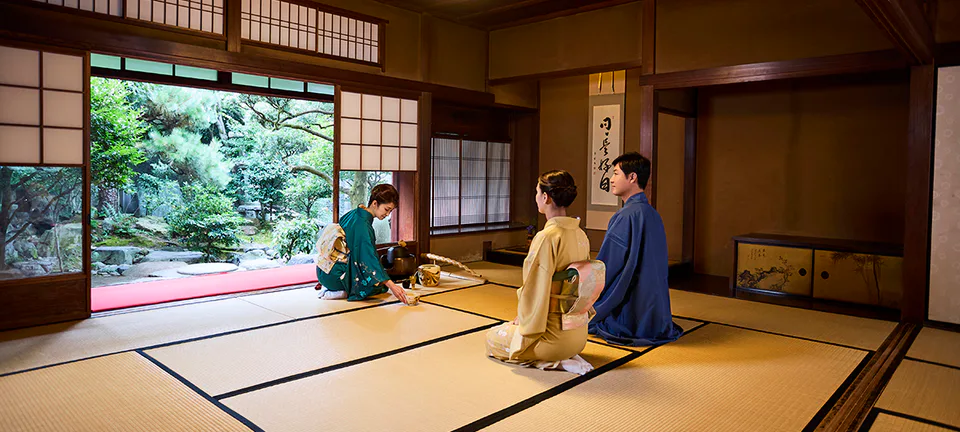
If visual art and a weather-proof indoor experience sound more like your trip, use teamLab Biovortex Kyoto instead. It is not a 90-minute checkbox in the way many visitors assume, so budget a real block. The important rule is replacement: tea ceremony or teamLab, not both plus a full Higashiyama day and another Osaka night ticket.
18:00 onward: if Kyoto still feels good, stay for dinner and go straight back to the hotel afterward
Do not schedule an Osaka rooftop for the return. A Kyoto day that is still enjoyable at 6 p.m. is exactly the kind of day you should allow to run long. Eat, walk a little around Gion or the Kamo River, then return. Protecting that flexibility is more valuable than claiming one more skyline view before bed.
Day 4 | USJ is not “romantic,” and that is exactly why it can be the best shared day
A couples trip does not need to look like a date itinerary every day. If both of you genuinely want Universal Studios Japan, give it the whole day. Official park hours vary by date, can change without notice, and admission may begin earlier than the posted opening time. Treat this as the week’s one intentionally early, queue-heavy, app-heavy day and recheck the official schedule for your actual date.
Express Pass should be judged by the two of you, not by the biggest bundle. If you have only one park day, both want the major rides, and missing SUPER NINTENDO WORLD would be a genuine regret for both of you, the pass is buying certainty. If one person avoids thrill rides or your wishlists barely overlap, a large bundle can create expensive unused capacity. Use USJ Express Pass: Is It Worth It? before buying around the word “Express.”
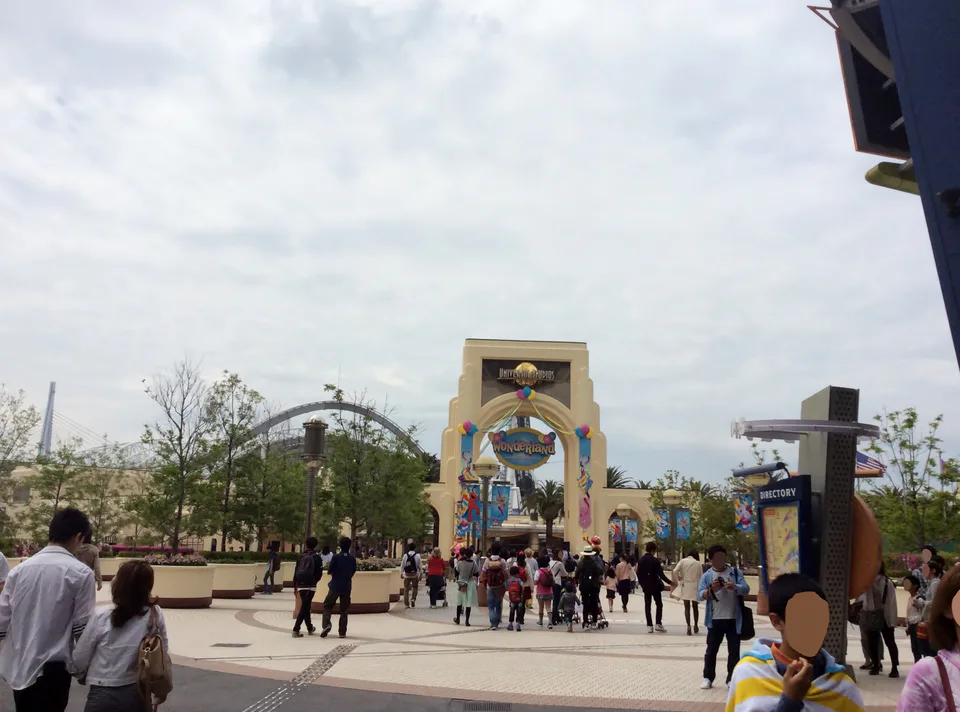
After the park: do not schedule a second “special night”
After eight to ten hours inside USJ, the win is getting back, showering, finding food and not having to perform enthusiasm for a second reservation. If you already know one day will not be enough, change the product instead of stretching the night: replace Day 5 or Day 6 with a second park day and reconsider the hotel logic with USJ one day vs two days: when Universal City is worth it.
Two special nights are enough: decide where the relationship budget actually goes
A seven-day couples trip becomes expensive quickly because many upgrades solve the same emotional job. A skyline deck, helicopter flight, tasting menu, bar reservation and premium hotel room can all be sold as “the special night.” You do not need all of them. Pick one night that deserves the larger spend and one second night that is intentionally lighter but still memorable. For example, Day 2 can be a paid skyline view while Day 6 ends free at Kobe Harborland. Or Day 5 can be the helicopter splurge, which means Day 2 should become a normal dinner and a walk. The budget works better when one premium choice replaces another rather than sitting on top of it.
This matters even more when the two of you value different things. One person may care about the hotel room and breakfast; the other may care about USJ Express or a long dinner. Give each person one discretionary spend that does not require a sales pitch to the other. Then protect the shared purchases where failure would affect both people: the USJ day, a timed Kyoto experience, or the one evening you both genuinely want. Couples often overspend not because any individual purchase is unreasonable, but because every purchase is framed as a shared romantic necessity.
Kyoto and Kobe nights can quietly create a transport debt — decide how late is actually worth it
The romantic version of Kyoto is easy to imagine: Gion after dark, one more drink, a slow dinner, then back to Osaka. The practical question is what happens after that dinner. If you are based in Umeda, a late Kyoto return can still be manageable; if your hotel is deeper in Namba and you add another transfer after arriving in Osaka, the last 20–30 minutes may feel much heavier than the headline intercity train time suggests. That does not mean you should leave Kyoto early. It means the late Kyoto evening should be one of the nights you deliberately choose, not one of several accidental late returns.
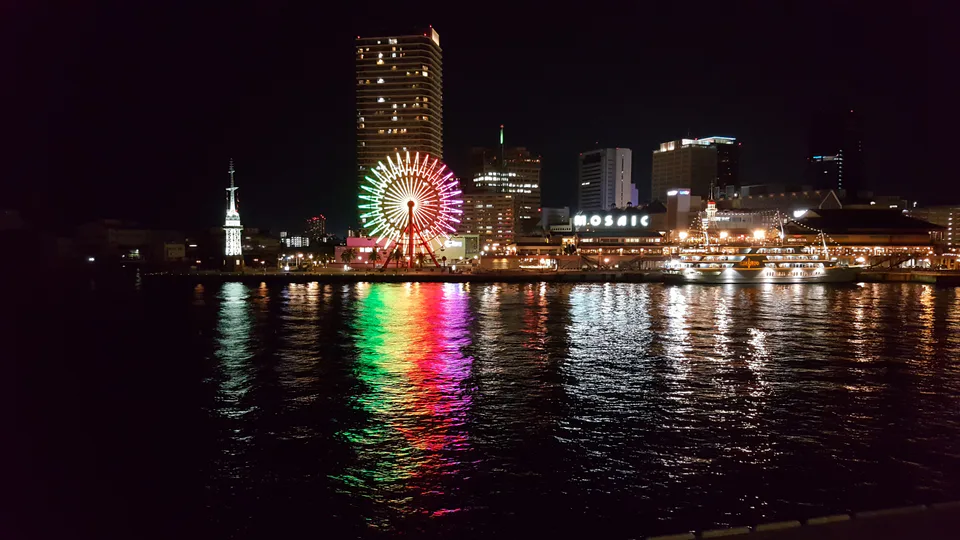
Kobe is the opposite kind of evening. Harborland works because the final block has almost no reservation pressure. If you are tired after átoa or dinner, you can shorten the waterfront. If the weather is good and you still have energy, you can stay longer. That flexibility is valuable after a week that already contains USJ and Kyoto. The best “date-night” city is not always the one with the most famous view; it is often the one that lets you leave without wasting a ticket.
Read next | Are you short of attractions, or short of uncommitted time?
At roughly the halfway point, this itinerary should still be allowed to change. If Kyoto already feels too compressed and Kobe is also non-negotiable, use Best Day Trips from Osaka: Kyoto, Nara, Kobe or Himeji to decide which city deserves the full day rather than adding another early morning. If your total trip is actually shorter than a week, the decision becomes sharper; Osaka 4 Days: Should Kyoto Still Fit With USJ? is the better product for that case.
Use the midpoint as a stop-loss check for the relationship as well as the itinerary. If one person has been setting the alarm, choosing the trains and monitoring every reservation, redistribute the invisible work for the second half of the week. Let the other person own Day 6 navigation, the dinner decision or the airport return. A couples itinerary can look perfectly balanced on a map while one traveler is doing all the operational thinking. Seven days is long enough for that imbalance to become more tiring than any single attraction.
If the problem is not city count but the evenings, go back to Where to Stay in Osaka for Couples. Umeda is buying repeated transport convenience on Kyoto/Kobe days. Namba is buying the ability to finish dinner and improvise the next hour on foot. A more expensive room in the wrong return pattern does not fix either problem.
And if you discover neither of you cares much about observation decks, that is useful information, not a gap. Move the money into a better room, dinner or one Kyoto experience. A couples itinerary does not need a skyline ticket to qualify as a couples itinerary.
Day 5 | Sleep in: keep the day cheap so tonight can be free, normal, or genuinely special
10:30–16:00: pick one Osaka neighborhood and give yourself permission to do very little
The day after USJ should not begin with an alarm simply because an itinerary spreadsheet has empty cells. Sleep, find a lunch you actually want, then choose one area: Nakazakicho, Nakanoshima, Kitahama or Namba. Browse, have coffee, return to the hotel if you want to change clothes, and do not create a second high-step daytime route. This is the day that restores your ability to choose the evening rather than endure it.
Tonight has three valid versions: free, normal paid, or anniversary-level spend
Free version: eat around Namba or Umeda and walk Dotonbori, Nakanoshima or Osaka Station afterward. If Day 2 already had the paid observatory, this should be the default. Normal-paid version: if Day 2 stayed free, use tonight for Umeda Sky Building or HARUKAS 300. Anniversary/high-budget version: consider a helicopter flight only if both people want one concentrated, weather-sensitive memory and are willing to make it the main event of the evening.
That last option is exactly where a decision page matters. Flight duration, route, heliport, per-flight versus per-person pricing, cancellation policy and weather risk can matter more than the headline minutes in the air. Read Osaka Helicopter Tour 2026 before treating “longer flight” as automatically better.
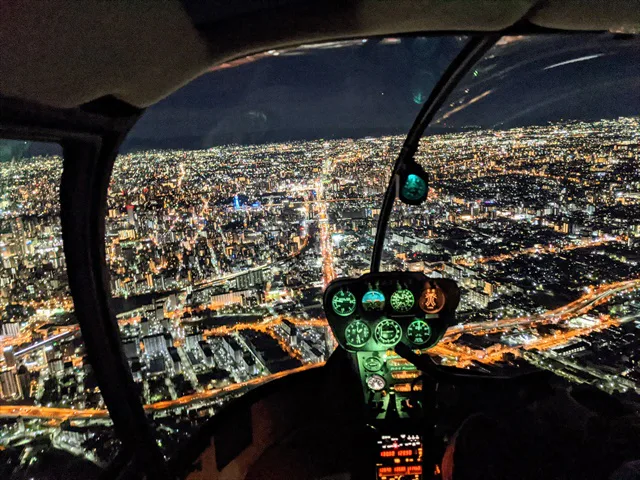
If you choose the helicopter tonight, downgrade Day 2 to a free Osaka night. Paid night experiences should replace each other. Otherwise seven days can end with most of the evening budget spent on three versions of “city lights from above.”
Day 6 | Kobe: use átoa as a controllable indoor anchor, then let Harborland stay flexible
Afternoon at átoa: you are buying a weather-proof block, not a bigger species list
Kobe works well late in a seven-day trip because the intensity is easier to control than another full Kyoto day. Arrive around Sannomiya or Motomachi near midday, eat first, then move toward Shinko. átoa currently lists regular hours of 10:00–19:00 with last admission 30 minutes before closing. Standard adult admission is ¥2,600; on variable-price dates it can be ¥2,800, and timed entry may be used on specific or crowded dates. Those are date-sensitive details, so check your actual visit before paying.
The value here is not the cliché that an aquarium is automatically romantic. It is having one complete indoor anchor if it rains, turns very hot, or both of you simply want fewer kilometres on Day 6. Read what átoa's ticket is actually buying first. If neither of you cares about its theatrical staging, spatial design or photo-heavy experience, being conveniently on the route is not enough reason to buy a ticket.

Harborland at dusk: put the least reservation-dependent part of the day last
After átoa, continue toward Meriken Park and Harborland. The advantage of this finish is that it does not need to run to the minute. If the weather is good, walk longer; if the wind picks up or either person is tired, eat earlier. A finish that can expand or contract is especially useful on Day 6, when you finally know how much energy the first five days have actually cost.
If sake, animals, Himeji Castle or a second Kyoto day is more important to both of you, replace the Kobe day rather than adding an eighth major itinerary. Use Kyoto, Nara, Kobe or Himeji: which day trip actually fits to choose the city that adds a function your trip does not already have, not the city with the biggest name.
Day 7 | Stop proving there is still time: separate last-minute shopping still counts as travelling together
Early or midday flight: breakfast, packing and checkout are already a complete itinerary
Two suitcases are usually messier on Day 7 than on Day 1. There may also be tax-free purchases, liquids and gifts to repack. If you need to head for KIX in the morning, do not buy any ticket that would feel painful to miss. A calm breakfast, luggage check and correctly timed airport transfer are more valuable than forcing in one final observation deck.
Late flight: split for one final errand, then meet back at the hotel for luggage
One person may want cosmetics while the other wants a record shop, café or electronics store. The final half-day is a perfectly reasonable place to separate. Set the hotel reunion time earlier than the true airport departure time, then leave a luggage and transport buffer. After six shared days, keeping one small personal block is usually easier than turning the final hours into another joint checklist.
Rain: move the skyline, not the whole seven-day itinerary
Day 2’s rooftop, Day 5’s helicopter and Day 6’s Kobe rooftop have different weather exposure. The sensible response is to preserve swaps. Osaka skyline night can move between Day 2 and Day 5. A helicopter flight that does not make sense in the conditions can simply disappear; it does not need another expensive activity as compensation. Kobe can keep dinner, cafés and the waterfront/lower-floor plan while the rooftop becomes optional.
Kyoto is different. Tea ceremony or teamLab can become the indoor anchor if rain shortens the outdoor walking, but keep the one-experience rule. Rain is not permission to buy two indoor tickets because the temples got wet.
Budget for two: cut duplicate functions before you cut the expensive thing you actually care about
The easiest savings come from identifying activities that perform the same job. Umeda Sky Building, HARUKAS 300, Kobe Port Tower and a helicopter flight all sell a version of elevated city view. Tea ceremony and teamLab both consume the Kyoto afternoon. USJ Express Pass buys queue-time and access certainty. Compare within each function first; do not automatically choose the cheapest item in every category.
When the budget needs to fall, cut the second paid skyline first, then the second Kyoto paid experience, then reassess whether both people will actually use the Express Pass attractions. If the trip marks a birthday, engagement or anniversary, a high-priced experience can stay — but make it the night’s protagonist. Do not surround it with two smaller paid activities that dilute the reason for the spend.
Three ways couples fall out of sync matter more than one missing attraction
First: you wake up at different times
If one person naturally wakes at 7:00 and the other is comfortable at 9:00, do not build seven days around 8:30 reservations. Keep early starts for USJ and the few appointments that genuinely need them. On other mornings, the earlier person can get coffee or take a short walk. That small freedom protects the trip better than waking the other person every day for an attraction neither of you would regret deleting.
Second: you do not mean the same thing by ‘romantic’
For one person, a skyline can be the memory; for the other, late-night food or a better hotel room matters more. Before departure, each person should name one thing they most want to do together and one common ‘couples must-do’ they genuinely do not care about. Shared highlights work because both people willingly give them time, not because they are expensive or photogenic.
Third: you get tired at different speeds
One person wanting to return to the hotel does not mean the other person has to end the evening. If the base allows both of you to get back independently, one can stop while the other walks or shops for another hour. This is why the last leg back to the hotel matters more than a romantic label on the room: it determines whether a difference in energy becomes a negotiation every night.
When this seven-day couples route is the wrong product
First: Kyoto is the main reason for the trip and deserves at least two full days. In that case, use an Osaka + Kyoto split stay rather than protecting seven Osaka nights. Second: both of you are theme-park people and USJ needs two days. Replace Day 5 or Day 6 with the second park day and consider Universal City. Third: neither of you cares about views, bars or slow dinners. This itinerary’s evening allocation will not add much value; use a different route.
Kobe is optional too. Some couples are happiest with USJ, food, shopping, baths and late mornings in Osaka. Kobe is here because it creates a different afternoon-to-night atmosphere, not because Harborland is a relationship certificate. If the port does not interest either of you, keep Day 6 in Osaka and enjoy having one fewer intercity day.
48 hours before departure: make eight checks, then stop adding things
1) Recheck USJ operating hours, temporary closures and any Express Pass timed entries for your date. 2) If Day 2 uses an observation deck, check the forecast and current official hours. 3) If Day 3 has teamLab or another timed experience, confirm the date and entry window. 4) If Day 5 includes a helicopter flight, make sure both of you can accept the weather cancellation or rescheduling rules.
5) Check whether átoa falls on a variable-price or timed-entry date. 6) Recheck the hotel's exact room type, breakfast and cancellation terms rather than the property headline. 7) Use the forecast to decide whether Day 2 and the soft Day 5 block should swap. 8) Confirm the final hotel-to-KIX route with a realistic luggage buffer. Once those eight jobs are done, stop adding attractions; the flexibility you leave unused is part of the itinerary, not a gap that needs filling.
Final verdict: the romantic part is not having a plan every night
The strongest version of this Osaka couples itinerary does not make Day 1 through Day 7 equally special. Osaka gets one paid skyline night at most. Kyoto gets one shared paid experience. USJ gets one complete day without an after-party itinerary. Day 5 can become the anniversary splurge if you actually want one. Kobe gets the sunset and waterfront, with the tower optional. The rest of the week is held together by streets, cafés, dinners, hotel time and the ability to change direction.
Spend when the experience is meaningfully different. Stay free when the free night already does the job. The result is not a week with fewer memories; it is a week where the memories are less interchangeable.
Sources to recheck for your actual dates
Universal Studios Japan — operation hours and schedule
Umeda Sky Building — official observatory hours and tickets
ABENO HARUKAS 300 — official ticket information
átoa Kobe — official hours, standard and variable-price tickets
teamLab Biovortex Kyoto — official exhibition page
Checked on August 20, 2026. Operating hours, admission windows, ticket prices, weather rules and cancellation terms can change by date, so recheck the exact travel date before paying.
Osaka Hotels for 4–6 Friends: When One Big Room Stops Being the Better Deal
Osaka Amazing Pass 1-Day vs 2-Day Itinerary: The Route That Avoids the Biggest Time Traps
Osaka Budget Itinerary: 7 Days With USJ, Kyoto, Nara and Kobe — Without Buying Every Pass
Osaka Cultural Itinerary: 7 Days of Sumo, Tea Ceremony, Samurai and Sake — With One Night in Kyoto
Lotte Hotel Busan vs Arban Hotel: Is the Five-Star Premium Worth It in Seomyeon?