
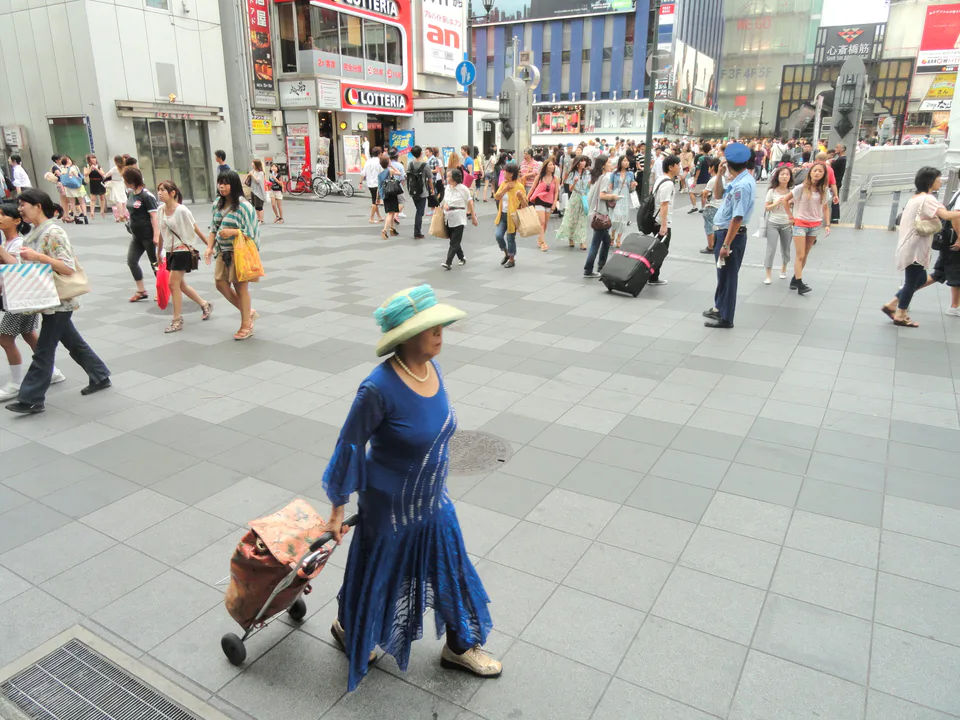
The easiest way to ruin a five-day Osaka trip is not missing one attraction. It is treating USJ, Kaiyukan, Osaka Castle, Umeda and Namba as if each were a casual half-day add-on. This first-time route accepts the awkward truth up front: Universal Studios Japan takes a full day. Day 1 stays in Namba, Shinsaibashi and Dotonbori; Day 2 moves from Osaka Castle to Umeda; Day 3 is entirely USJ; Day 4 belongs to Kaiyukan and Tempozan; Day 5 finishes with Shinsekai and Tennoji before departure. Leaving Kyoto out is deliberate — it gives Osaka enough room to feel like a trip rather than a transfer exercise.
If you are still deciding whether Osaka deserves three, four or five days, start with this 3-, 4- or 5-day Osaka itinerary comparison. This article assumes five days are already fixed and moves straight into the day-by-day timeline.
The short answer: use one hotel base — for this route, I would start with Namba
Two evenings naturally finish in southern Osaka, and the final day also runs through Shinsekai and Tennoji before you collect luggage and head for the airport. That is why this version defaults to one Namba hotel for all four nights instead of moving to Universal City for a single USJ day. The real saving is not just a train ride: it is avoiding checkout, luggage storage, another check-in and another round of packing. On a five-day trip, that friction is usually worth more than being 20 minutes closer to one attraction for one night.
Namba is not a universal winner. If your trip continues with repeated Kyoto, Kobe or Himeji days, Umeda becomes much more competitive. Use the Namba vs Umeda decision guide first; if the area is still unclear, the Osaka hotel-area decision hub is a better next step than ranking individual hotels.
Namba base fixed? Compare Swissôtel Nankai room types and cancellation terms for your dates
Day 1|After arrival, stay south: Namba, Shinsaibashi and Dotonbori — do not cross to Umeda
15:00–16:30|Check in around Namba and drop the bags; do not put a non-refundable timed ticket on arrival day
This schedule assumes a Kansai arrival around midday and an Osaka-city arrival during the afternoon. Immigration, baggage collection and airport transport only need one delay to turn the first prepaid reservation into stress. That is why Day 1 deliberately avoids USJ, a fixed river-cruise slot or a timed observatory ticket. If you reach the hotel at 13:00, use the extra time in Namba instead of opening a spontaneous Osaka Castle side trip.
16:30–18:00|Shinsaibashi-suji → Amerikamura or Horie; let your shopping appetite decide the distance
Shinsaibashi is useful precisely because it absorbs arrival-time uncertainty. Arrive early and browse slowly; arrive late and shorten it without damaging the rest of the day. For a first Osaka trip, the value is not “checking off” two more neighbourhoods. It is concentrating shopping near your hotel so Days 2–4 do not become cross-city journeys with shopping bags.
18:00–21:00|Dotonbori, Ebisubashi and Hozenji Yokocho; spend tonight on food, not tickets
The canal, neon streets and Hozenji Yokocho can all be enjoyed without an admission fee. Tombori River Cruise can stay optional, but I would not buy a tight first-night slot just because it sounds like a classic Osaka arrival ritual. If the flight is late, delete it. If Day 2 is already becoming an Osaka Amazing Pass day, the cruise makes more sense there than as a duplicate first-night purchase.
If food is the main goal, use the Kuromon Market to Dotonbori food route as a separate decision. I would not force Kuromon into Day 1 because many stalls are past their most useful visiting window by the time an afternoon arrival reaches central Osaka.
Day 2|Osaka Castle by day, Umeda by night: the real conflict is pass value vs sunset timing
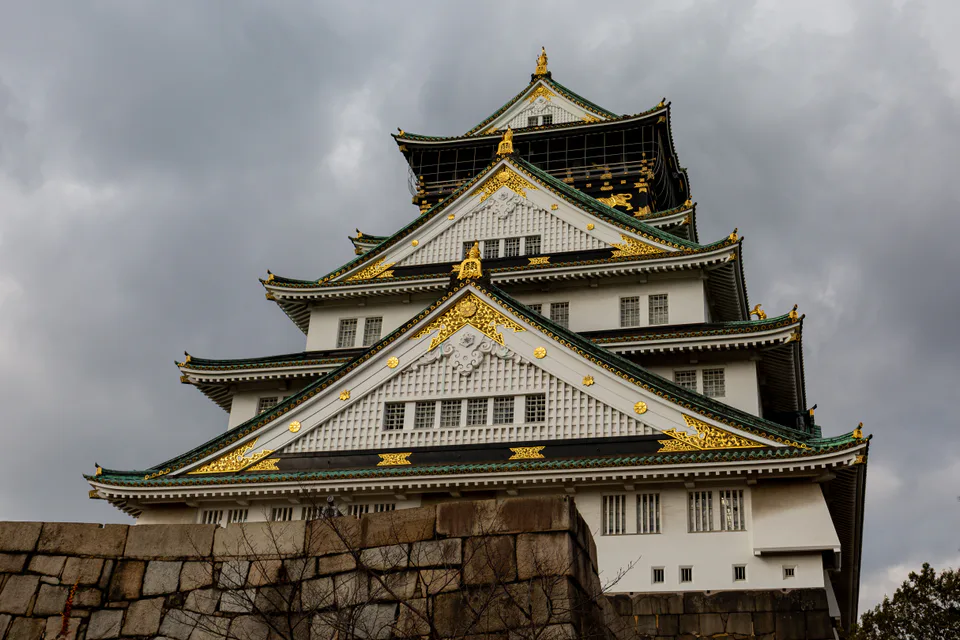
09:00–12:00|Walk Osaka Castle Park for free first; enter the museum only if the history matters to you
Osaka Castle Park itself is free. Walk the outer grounds, moat and inner areas first, then decide whether the museum deserves your time. Osaka Castle Museum currently opens 09:00–18:00, with last admission at 17:30, and the standard adult admission is ¥1,200. If your goal is mainly the exterior and skyline, the free park already delivers most of that. If you actively want the historical exhibits, give the museum another 60–90 minutes.
12:00–14:00|Lunch around Osaka Castle, then make Umeda the only major move of the afternoon
Once you leave Osaka Castle for Umeda, keep that as the day’s one big directional move. Use the afternoon for coffee, department stores, LUCUA or Grand Front and save the evening for one observatory. Kaiyukan may also be “inside Osaka”, but it is on the bay side; adding it here simply creates more stations and more dead travel time.
15:00–18:00|Shop and rest in Umeda; if you want the Osaka Amazing Pass, make the timing decision here
For the 2026–2027 season, the Osaka Amazing Pass costs ¥3,500 for one day and ¥5,000 for two consecutive days. The important catch is Umeda Sky Building: pass admission applies only until 15:00. From 15:00 onward, showing the pass gives a 10% discount instead of free entry. That creates a real trade-off. If squeezing maximum pass value out of the day matters most, go up early. If sunset and night views are the reason you chose the observatory, do not distort the whole afternoon just to “make the pass pay back”.
Use the Osaka Amazing Pass break-even guide before buying. This five-day itinerary is designed around the route first, not around chasing every attraction included in a pass.
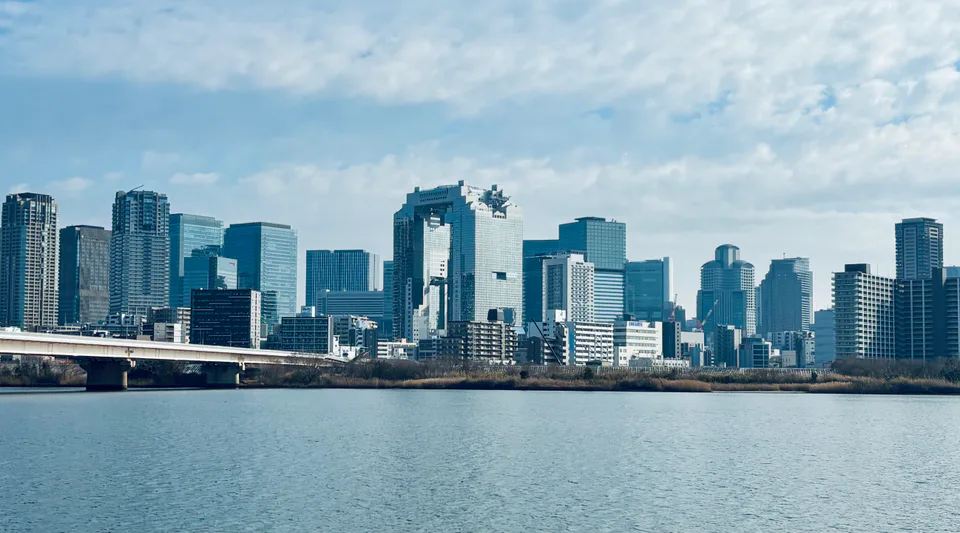
18:00–20:00|Umeda Sky Building: if you want one Osaka skyline view, this is the night I would keep
The Kuchu Teien Observatory currently operates 09:30–22:30, with last entry at 22:00, and standard adult admission is ¥2,000. Its value on this route is “already in Umeda + night view”, not the claim that it is Osaka’s highest deck. If you keep this view, Day 5 does not automatically need HARUKAS 300. One paid skyline is usually enough unless comparing observatories is itself part of your trip.
Day 3|Give USJ the whole day — do not promise yourself Dotonbori or Osaka Castle afterward
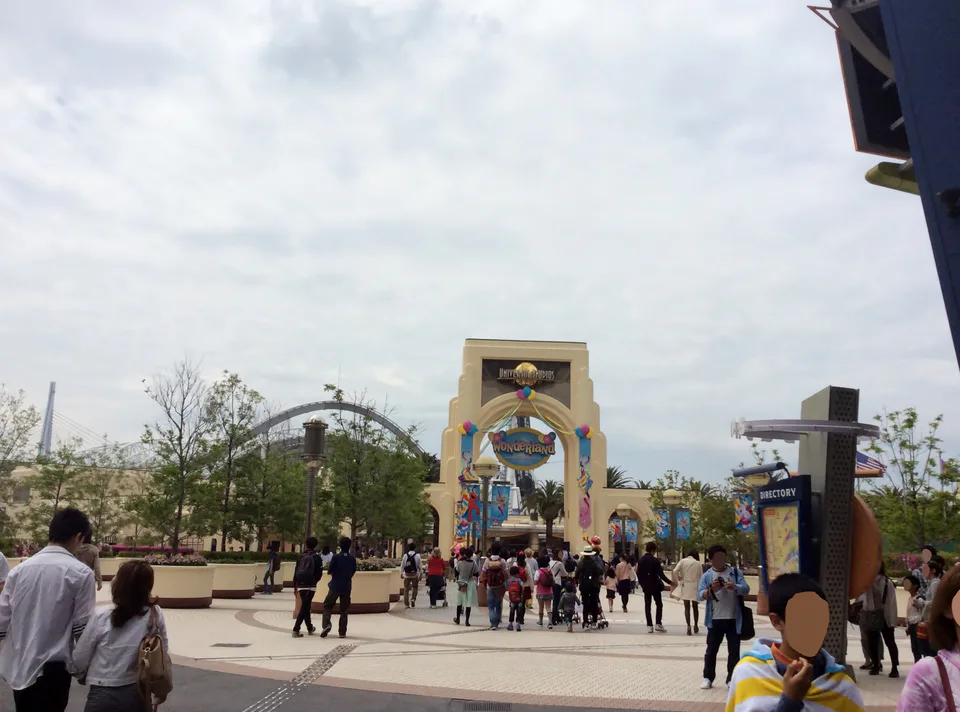
60–90 minutes before opening|Reach Universal City early, then use the official schedule for your actual date
USJ operating hours change by date, so this itinerary does not pretend the park always opens at 09:00. Check the official schedule again the night before and work backward to your hotel departure time. The same logic is why I would not plan a late night on Day 2: a good USJ morning is more valuable than squeezing in one more bar or viewpoint.
After entry|Solve SUPER NINTENDO WORLD first, then decide whether Express Pass is worth the premium
SUPER NINTENDO WORLD still uses controlled entry. From January 5, 2026, the official app is required to obtain Area Timed Entry Tickets and Standby Entry Tickets on the day. Advance-booked timed entry can also come with certain Express Passes or selected travel products, while on some days the area may be accessible without a timed ticket. The practical point is not that every visitor must buy Express Pass. It is that Nintendo World, Donkey Kong and other high-priority rides compete for the same finite park hours.
If a specific attraction is the reason you are paying for USJ, Express Pass can buy back queue time and make key time slots more predictable. If your priority list is flexible, paying more simply because the product is “premium” is not a good reason.
Before paying, use the USJ Express Pass 2026 decision guide to match the pass to the rides and timed-entry commitments you actually care about.
USJ|Check the current Studio Pass and ticket options for your date
After the park|Eat, go back to the hotel and stop; one USJ day rarely justifies moving hotels
If this trip contains only one USJ day and the nights before and after are both in Namba, moving to Universal City often trades one late train ride for checkout, luggage handling and another check-in. Recalculate only if you are doing two park days, travelling with children who need a much easier early start, or attending an unusually late event.
For everyone else, keep the one-base logic and revisit the Osaka hotel-area decision hub rather than assuming a theme-park day automatically requires a theme-park hotel.
Day 4|Lock the Kaiyukan entry time first, then let Tempozan make the rest of the day intentionally loose
09:30–10:30|Arrive around Tempozan with buffer; do not time your aquarium entry to the minute
Kaiyukan sells timed-entry tickets, and re-entry ended on June 15, 2026. Once you enter, plan to finish the aquarium before leaving rather than assuming you can step outside for lunch and return. The aquarium says timed admissions are used to manage visitor flow; a relaxed visit is commonly around a couple of hours, while photographers or visitors who want to slow down around the Pacific Ocean tank may stay longer.
10:30–13:00|Osaka Aquarium Kaiyukan: the one major paid experience of Day 4
Kaiyukan uses date-based pricing, so I would not hard-code one “normal” ticket price into your budget. Check the official price calendar and the entry times for your actual date. The important booking decision is getting a workable time slot, not chasing a suspiciously cheap resale page.

Read the Kaiyukan 2026 timed-entry and no-re-entry guide before deciding how early to book and how much of the day to reserve.
Kaiyukan|Compare available timed-entry slots for your date on Klook
13:00–18:00|Tempozan Marketplace and the waterfront; add the Ferris wheel only if you actually want a second view
After Kaiyukan, you do not need to race back to Osaka Castle or Umeda. Eat around Tempozan Marketplace, walk the waterfront and decide on the Ferris wheel only if it still adds something. Day 3 is already the heavy day; the point of Day 4 is one big ticket plus a low-pressure bay-area afternoon. In rain, the marketplace and indoor options can simply absorb more time without sending you across the city for a replacement plan.
Day 5|Save Shinsekai and Tennoji for the end: walk the free neighbourhood first, then decide whether HARUKAS 300 is still necessary
09:00–11:30|Check out, leave your luggage, walk Shinsekai and see Tsutenkaku from the street before buying another viewpoint
Shinsekai works first as a neighbourhood: the Tsutenkaku signs, shopping streets, kushikatsu restaurants and old-Osaka atmosphere do not require an admission ticket. If you already paid for Umeda Sky Building on Day 2, do not automatically add Tsutenkaku or HARUKAS 300 because you are nearby. Keep the second skyline ticket only if the second viewpoint is something you genuinely want.
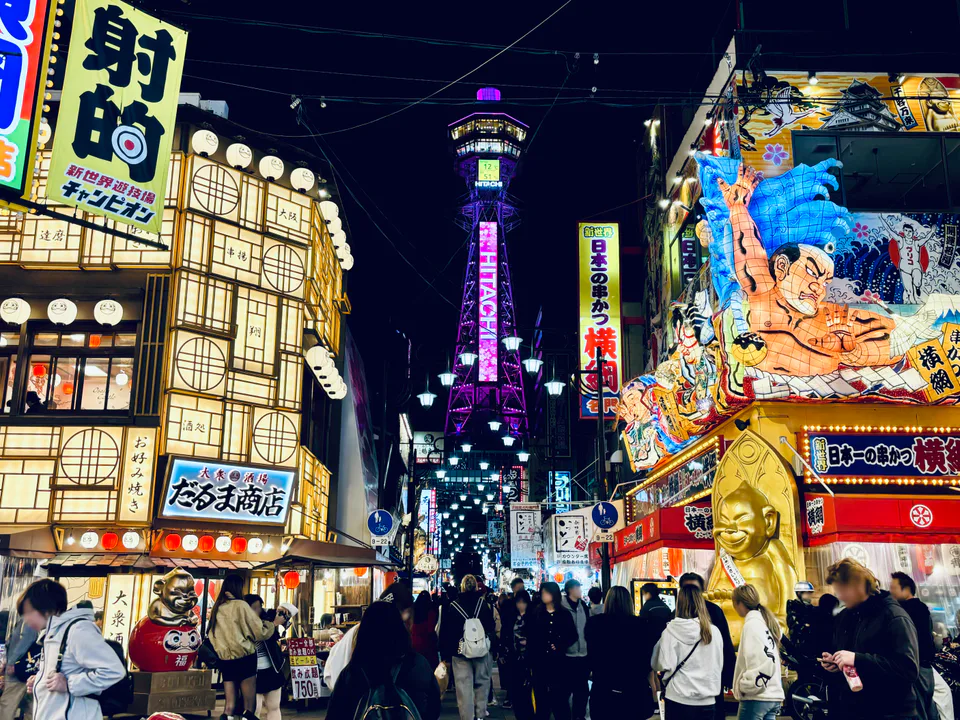
If food is the point, the Shinsekai food-tour decision guide is a better comparison than automatically buying every attraction around the tower.
12:00–15:00|Tennoji Park / Tenshiba → Abeno; consider HARUKAS 300 only with a genuinely late flight
Tenshiba and Tennoji Park are useful free places to slow down, eat lunch and keep last-minute shopping around Abeno. HARUKAS 300 currently operates 09:00–22:00. The adult same-day ticket is ¥2,200, while the official web advance ticket bought by the previous day is ¥1,980. I would add it only if you skipped Umeda Sky Building on Day 2 and your departure time leaves a comfortable airport buffer.
After 15:00|Collect luggage and go to the airport; an earlier flight deletes the back half of Day 5
The last day is not about finding one more attraction. It is about not risking airport transport and baggage deadlines for a ticket you can live without. If you must leave Osaka around midday, reduce Day 5 to breakfast and a short Shinsekai walk. Only a late flight earns the longer Tennoji block.
Kyoto is intentionally missing: with USJ + Kaiyukan, Kyoto must replace a day — not become an extra half-day
The classic first-Kansai mistake is squeezing Kyoto into half of Day 4, pushing Kaiyukan to Day 5 and turning every day into another cross-city transfer. This version is deliberately “five days in Osaka”. If Kyoto is a major purpose of the trip, remove Kaiyukan or replace one Osaka city day instead of stacking Kyoto on top.
If that trade-off is still uncomfortable, read Osaka + USJ in four days: does Kyoto still fit?. The useful question is which day to sacrifice, not how to compress two cities into the same day.
Which Osaka transport pass fits five days? Draw the daily routes first, then buy the pass
Day 1 is the south side, Day 2 is Osaka Castle + Umeda, Day 3 is USJ, Day 4 is the bay area and Day 5 is Shinsekai + Tennoji. Those movements do not all fall neatly into one pass’s best-value pattern. The Osaka Amazing Pass is most likely to make sense on Day 2, or on another day where you deliberately cluster two or three participating paid attractions. USJ day and Kaiyukan day should not be padded with extra attractions just to manufacture “savings”.
Use this order: build the route → price the single tickets you would genuinely buy anyway → then test whether the pass saves money. Buying the pass first and searching for attractions to justify it is exactly backward.
Before departure, only four things really need to be locked
1|Hotel base. Choose Namba or Umeda. This version assumes Namba and keeps the same room for all four nights.
2|USJ date and ticket type. Park hours vary by date, SUPER NINTENDO WORLD entry rules can change by day, and the official app matters for same-day timed entry.
3|Kaiyukan entry time. Admission is timed, and re-entry has not been allowed since June 15, 2026.
4|Whether Day 2 is an Osaka Amazing Pass day. If you keep Umeda Sky Building for after 15:00, do not budget as if the pass still gives free observatory entry.
Final verdict|Who is this Osaka 5-day itinerary actually for?
It fits a first-time Osaka visitor who considers USJ non-negotiable but still wants Osaka Castle, one Umeda skyline, Kaiyukan and the street atmosphere of the south side. It is a poor fit if Kyoto is the main purpose, if you want two full USJ days, or if all five days are complete sightseeing days with no arrival or departure constraints. In those cases, redistribute the trip instead of copying this schedule.
The items that genuinely deserve early payment are accommodation, USJ and Kaiyukan. The Osaka Amazing Pass can wait until you know whether you are protecting the after-15:00 Umeda night view. Namba, Shinsaibashi, Dotonbori, Shinsekai, Tennoji and Osaka Castle Park keep plenty of free flexibility. The result looks less packed on paper, but each day is far more executable than a “Castle in the morning, aquarium in the afternoon, Dotonbori at night” checklist.
More Osaka decisions
Stop ranking Osaka attractions — group neighbourhoods first
Namba vs Umeda: which Osaka area should you stay in?
Osaka Amazing Pass 2026: easy to break even, harder to use well
Osaka Aquarium Kaiyukan 2026: timed entry and no re-entry
Sources and last checks before you go
Osaka Castle Museum|hours and admission
Umeda Sky Building Kuchu Teien Observatory|hours and admission
Universal Studios Japan|operation hours and schedule
Universal Studios Japan|SUPER NINTENDO WORLD timed-entry information
Osaka Aquarium Kaiyukan|date-based tickets and timed entry
Osaka Aquarium Kaiyukan|re-entry ended June 15, 2026