
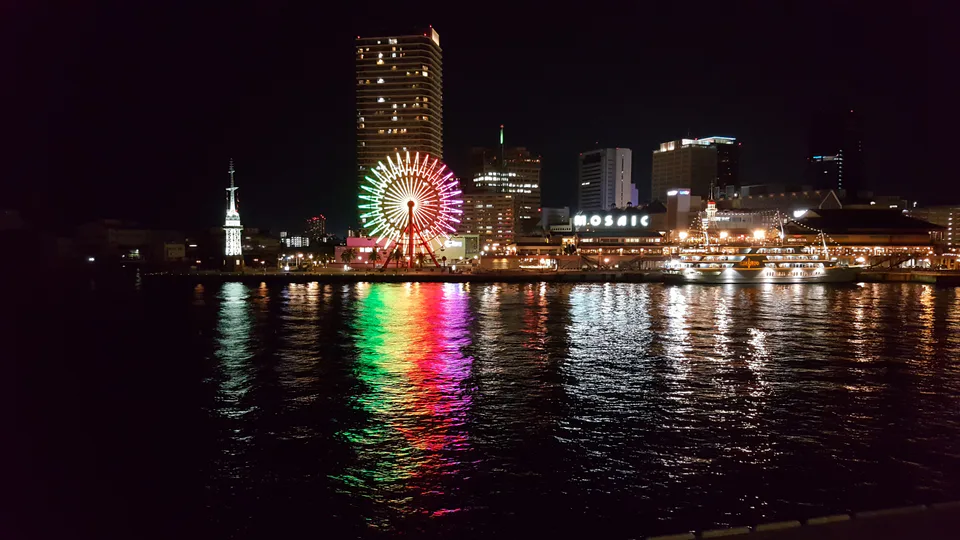
A seven-day Osaka itinerary with friends usually fails for a reason that has nothing to do with Osaka. Three or four adults can share flights, a hotel and a group chat while having completely different sleep schedules, budgets, appetites, drinking habits, shopping lists and tolerance for queues. The itinerary becomes fragile when “travelling together” gets translated into “everyone must wake up together, buy the same ticket, eat every meal together and return to the hotel at the same time.” By Day 4, the group is not short of attractions. It is short of permission to split up.
This version assumes three to four adult friends using one Osaka base. Day 1 is arrival and a test of the hotel’s late-night radius. Day 2 gives the group one shared Osaka evening. Day 3 is deliberately designed as the first split day. Day 4 is Universal Studios Japan. Day 5 starts late and lets food, shopping and recovery happen in different combinations. Day 6 goes to Kobe together, then splits drinkers toward Nada sake breweries while non-drinkers use the city, cafés or an indoor stop before everyone meets again around the waterfront. Day 7 stays flexible for shopping and Kansai Airport.
The operating rule is simple: every day gets one part that is genuinely worth doing together, one part that can happen separately, and one clear regroup point. That structure matters more than squeezing Kyoto, Nara, Kobe and Himeji into the same week. If Kyoto is non-negotiable for everyone, replace Day 3 or Day 6. Do not quietly add an eighth major day to a seven-day trip.
30-second decision: a good friends trip is not the one where everyone stays together the longest
Use this itinerary if your group wants one USJ day, some Osaka nightlife or food, at least one flexible day, and enough independence that two people can keep going while two people go back to the hotel. Namba is the natural base when late dinners, bars, Dotonbori and an easy “I’m going home now” exit matter most. Umeda becomes stronger when Kyoto, Kobe or Himeji keeps repeating and the group is willing to trade some late-night convenience for easier intercity mornings.
Do not use this exact version if every member has Kyoto, Nara, Kobe and Himeji on a must-do list, or if USJ is a two-day centerpiece. Those are different itinerary shapes. The first needs harder city cuts or a split stay; the second should replace a flexible day with USJ Day 2 and reconsider Universal City. Start with Best Day Trips from Osaka if the real conflict is not “what should friends do?” but “which city deserves one of only seven days?”
The group also does not need to buy the same paid experience four times. Shared spending should be concentrated where shared value is obvious: a USJ day, one evening show or view, perhaps one food experience, and one Kobe anchor if everyone wants it. Everything else can be opt-in. Equality is not four identical receipts; it is nobody paying for someone else’s hobby just to keep the group visually together.
Choose the room before the route: four-person occupancy is not the same thing as four-person comfort
The cheapest mistake on a group trip often appears as a bargain room rate. “Sleeps four” can mean four proper beds, two beds plus a sofa bed, two double beds that require sharing, or a layout where all four suitcases erase the only walking space. Over seven nights, the bathroom queue, luggage sprawl, alarm clocks and late returns matter more than the headline square metres.
If the group is still debating one large room versus two rooms, read Osaka Hotels for 4–6 Friends. It compares one apartment, connecting rooms and two-room setups by real beds, bathrooms, luggage and privacy rather than price per person. For a girls trip, Osaka Girls Trip Hotels puts more weight on sinks, shower queues and getting ready at the same time. For a guys trip, Where to Stay in Osaka for a Guys Trip focuses more directly on proper beds, two-bathroom setups, sauna timing and late returns. The point is not to stereotype the group; it is to borrow the friction test that matches how your particular group actually travels.
Then choose the area by the last two hours of the day. Use Where to Stay in Osaka if you still have not settled Namba versus Umeda. Ask one question that hotel-ranking lists rarely ask: at 10:30 p.m., if two friends want to go back and two want one more drink, can both pairs return without requiring the entire group to move? That is real group-trip flexibility.
Split the money into three buckets before Japan: shared base, shared bookings, personal choices
Do not wait until a restaurant bill or ticket screen to decide what “split evenly” means. Bucket one is genuinely shared infrastructure: the hotel, an agreed airport transfer and any group transport everyone uses. Bucket two is opt-in but jointly booked: USJ tickets, a scheduled show, a reserved dinner or a food tour. Confirm participation before one person pays. Bucket three is personal: alcohol, shopping, an Express Pass upgrade, a solo observatory ticket, a spa visit or the extra cocktail after everyone else leaves.
This small rule is what makes later split days emotionally easy. Someone can say “I’m skipping that” without making the group feel they are rejecting the trip. Nobody has to keep going just because a friend already paid for them. The more expensive the activity, the more useful this separation becomes.
Day 1 | Arrive in Osaka: test whether the hotel actually works for a group at night
Arrival afternoon: solve beds, chargers, suitcases and bathroom order before sightseeing
After reaching the hotel, open enough luggage to see the real room. Work out which bed belongs to whom, where four phones and power banks can charge, which suitcase can stay closed, and who needs the bathroom longest in the morning. A four-person room that looked spacious in a wide-angle photo can feel completely different once four bags are open. Fixing this now prevents a USJ morning from starting with a missing charger and a bathroom argument.
If the airport transfer is still unsettled, use Kansai Airport to Osaka to choose Nankai, JR or the limousine bus by hotel area and luggage rather than by the fastest advertised train. On a friends trip, the transfer is only “easy” if the slowest person and the biggest suitcase can follow it without turning the first hour into crowd management.
Evening: one free neighborhood loop is enough
Stay in Namba? Walk Dotonbori, Hozenji and Shinsaibashi. Stay in Umeda? Use Osaka Station, Chayamachi or Nakazakicho. Do not put a non-refundable ticket on arrival night. A delayed flight, immigration queue or slow baggage delivery affects the whole group at once. The best first evening is one that can collapse to dinner and sleep with no penalty.
This is also the first hotel test. If one person wants to head back after dinner and the other three want an extra hour outside, let it happen. If that simple split already feels difficult because the walk back is confusing or the hotel is too far from the area you actually use at night, the base is giving you information before the expensive days begin.
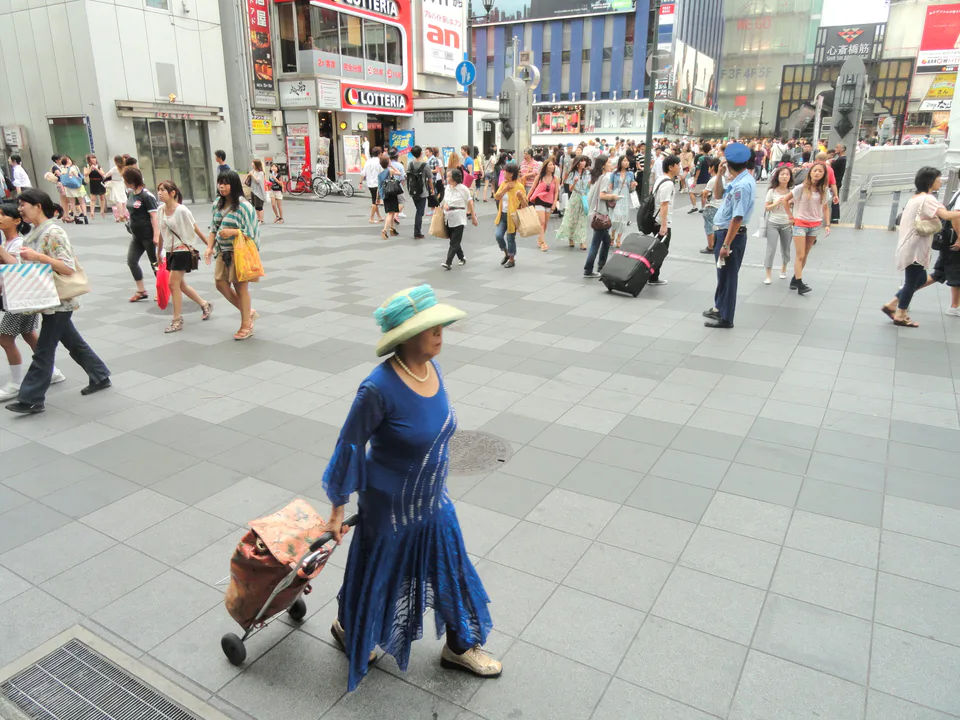
Day 2 | Osaka shared day: keep the afternoon loose and make only one evening the group event
Morning and afternoon: Osaka Castle Park, then Nakanoshima or Umeda — not four districts in a relay race
Start with Osaka Castle Park. Enter the main keep only if the people who care about it are happy with the queue; everyone else can use the park, cafés or shops. After lunch, move toward Nakanoshima or Umeda and deliberately leave roughly two hours for different interests. Electronics, clothing, coffee and photography do not need separate full days when they can happen in parallel.
If the group is still building Osaka days by ranking famous sights rather than geography, use Osaka Attractions: Stop Ranking Sights and Start Grouping Neighborhoods. Friends lose more time waiting for one another across disconnected districts than they lose by skipping a second-tier attraction.
Evening choice: HIRAKUZA, one paid view, or a free night — choose one function
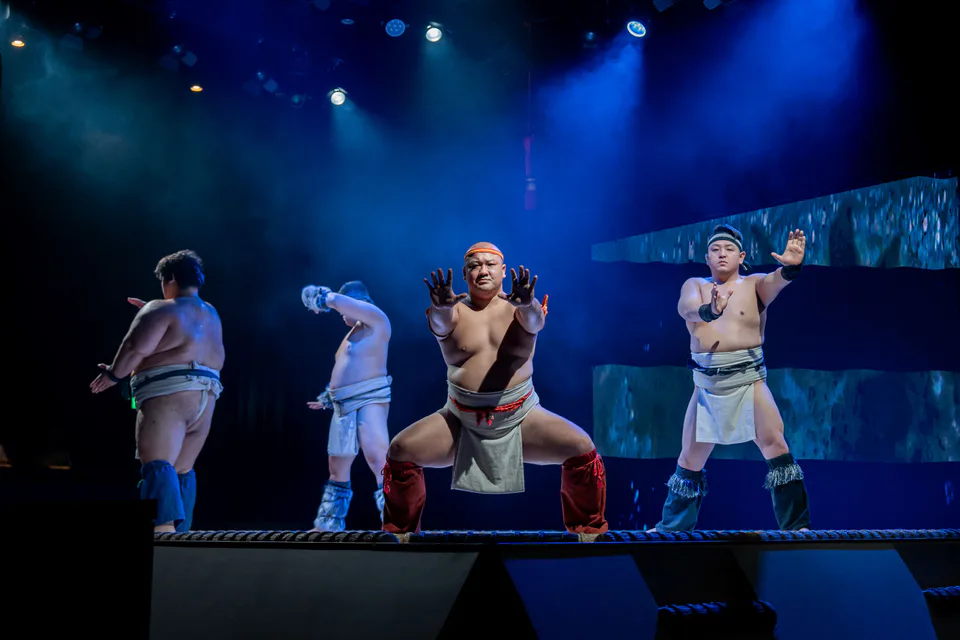
If everyone wants a shared “we watched something together” night, HIRAKUZA in Namba is a reasonable candidate. The important correction is that it is a staged sumo entertainment show, not a Grand Sumo tournament. Its calendar changes by date and month, so do not carry one month’s performance time into another trip. Read HIRAKUZA Osaka Sumo: who should actually book it? before treating the more polished format as an automatic upgrade.
If the group does not care about the show, make the evening either a paid skyline or a free city night. Osaka Night Views: Free vs Paid is the better decision page than buying four observation-deck tickets because “everyone is already here.” If two people want the view and two want dinner, that can be the first real split. There is no travel prize for four identical photos.
Day 3 | Make the first split intentional — not the emergency plan after an argument
Meet for one breakfast or lunch, then let two small groups use Osaka differently
The first two days establish the group rhythm. Day 3 should deliberately prove that the trip still works when everyone is not together. A shopping pair can use Shinsaibashi, Namba, Umeda or Nipponbashi. A slower pair can use Nakazakicho, Nakanoshima or Kitahama. Someone can stay at the hotel, do laundry or sleep. This is not a failed group day. It is a planned pressure release.
The regroup point matters. Do not pick a tiny restaurant entrance in a maze of side streets. Use a station, department-store entrance or obvious landmark, and agree on a window rather than a minute. “Meet near Namba between 6:00 and 6:30” survives a long checkout queue or a delayed train. “Everyone must be seated at 6:05” turns ordinary variation into lateness.
If everyone wants Kyoto, replace Day 3. If only two people want Kyoto, only two people need to go
A first Kansai trip can create weird social pressure around Kyoto: everyone feels they “should” go even when half the group is indifferent. Use Kyoto, Nara, Kobe or Himeji from Osaka to compare what each city actually adds. If Kyoto is unanimous, replace the entire split day with one coherent Kyoto area. If only one or two friends care deeply, let them take the day trip while the others keep the Osaka split plan.
Do not add Kyoto on top of Day 3 and still expect everyone to meet for a late Osaka night. The group has not discovered extra time; it has only hidden the travel cost inside someone else’s patience.
The hard part of splitting up is not getting lost — it is regrouping when everyone is hungry
Before 3 p.m., have each mini-group leave three pieces of information in the chat: what area you are in, roughly when you will start moving toward the meetup, and whether you will still want a full dinner. This is not surveillance. It prevents the classic group-trip scene where two people just ate dessert, two people have not eaten since noon, and all four are standing outside a station trying to invent a restaurant everyone wants.
If dinner is reserved, set the regroup time 45–60 minutes before the booking and make the meeting place the restaurant’s station or shopping complex. Early arrivals can browse or sit down; late arrivals still have margin. If dinner is not reserved, let the people who arrive first check the queue and send options rather than forcing all four to restart the decision from zero.
The night before USJ: organize showers and breakfast, not another bar
If four people share one bathroom, the night before USJ is when the room either becomes a system or a bottleneck. People who need longer hair, skincare or makeup routines should use the bathroom earlier. The fast-shower person does not need first access just because they got back first. Put rain gear, transport cards, power banks, tickets and the park app where each person can find them without waking the room.
Breakfast does not need to be a group ritual. If your actual USJ date and entry strategy make an early departure sensible, buy simple breakfast the night before. The person who wants a full sit-down breakfast can wake earlier. “We leave the lobby at X” is a useful shared deadline; “we all wake up, shower and eat together” is unnecessary synchronization.
If one friend wants a late night, make the trade-off explicit: they can stay out, but the group’s first shared park goal does not move the next morning. The rest of the group also does not get to impose a 10 p.m. bedtime. A good group room and a sensible hotel location make different rhythms possible without punishing everyone.
Day 4 | USJ: enter together, then stop pretending four adults want the same park
Morning: choose three shared wins, not four separate wishlists
Universal Studios Japan is the week’s strongest full-group day, but it is also where forced togetherness becomes expensive. Ask each person for one attraction or area they would most regret missing. From those answers, select three shared priorities. Complete those first. After that, thrill-ride fans can split from photo, shopping or food-focused friends and meet again at a named area later.
USJ operating hours vary by date. The official site also warns that admission can begin earlier than the posted opening time and that operations can change because of weather or other conditions. Recheck the actual date within 48 hours instead of planning around a permanent “USJ opens at 8:30” rule.
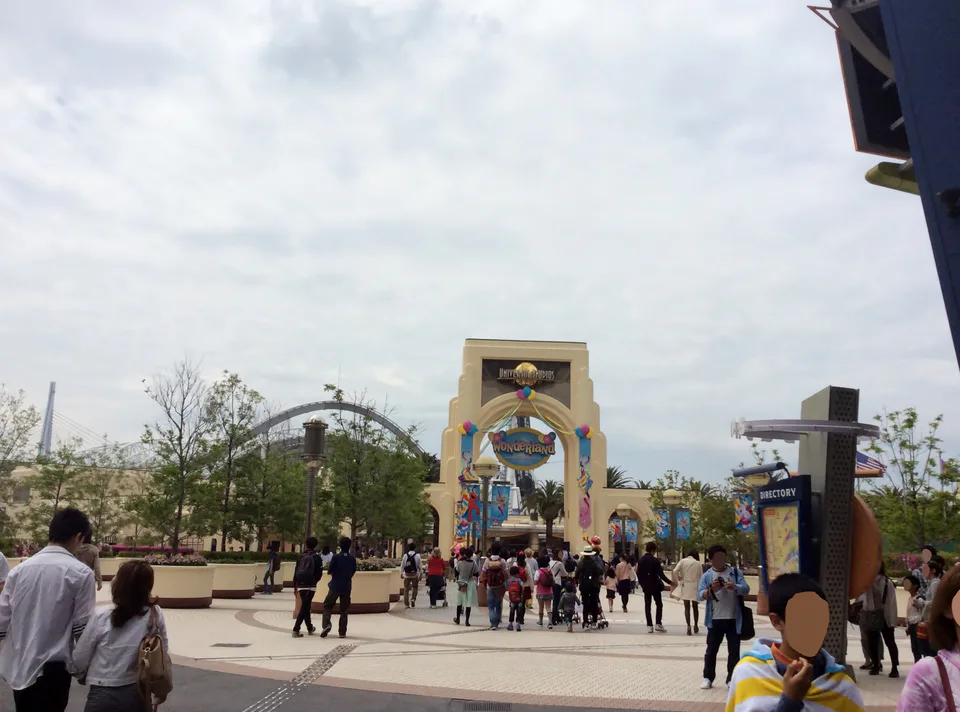
Express Pass: four friends do not need four identical bundles
The fair decision is not automatically “buy the same Express Pass for everyone.” Compare what each person will actually ride, whether SUPER NINTENDO WORLD certainty matters, and whether one park day makes waiting risk unusually expensive. USJ Express Pass 2026 separates queue-time value from access certainty. Two people may rationally buy a pass while two do not, provided the group agrees where the shared parts of the day are.
The worst group version is one person choosing the most expensive bundle, buying four copies before anyone checks the included attractions, and then using the sunk cost to dictate the whole day. The pass should reduce friction, not become the group leader.
Read next halfway through: if the itinerary is fine but the room is wearing everyone down, fix the room problem
By now the real bottleneck may be obvious. If four people are queueing for one shower, waking one another, opening luggage across every path or waiting for the last person to come home, another sightseeing tweak will not solve it. Revisit one room vs two rooms for 4–6 friends rather than blaming the itinerary. The room is part of the travel system, not a place that disappears once everyone leaves in the morning.
For grooming-heavy groups, Osaka Girls Trip Hotels gives a useful sink-and-shower test. For late-return and proper-bed concerns, Osaka Guys Trip Hotels is a useful second lens. If Day 3 and Day 6 both become intercity days, add Osaka Hotels for Kyoto and Kobe Day Trips and recalculate whether Umeda is now saving friction twice a day.
Day 5 | Sleep in after USJ: food, shopping and recovery do not need one group template
Morning: no shared reservation; meet around lunch
The most unnecessary mistake after USJ is a 7 a.m. alarm because “we only have seven days.” Let the early riser shop or get coffee. Let the person who walked 25,000 steps sleep. Set the first shared commitment around lunch. This gives the group a recovery day without wasting it: you are spending the morning on energy rather than on another ticket.
Food as the shared activity: decide whether you need a guide or just want to eat
Markets can be awkward with four adults. One person researches, two wait, one is not hungry, and the group spends more time deciding than eating. If you want structure, compare the Kuromon Market Food Tour with the Shinsekai Food Tour. They solve different problems: Kuromon is more guide-led route context, while the Shinsekai format is a more substantial included-food experience. Neither needs to be a four-person purchase if only two friends want guided eating.
If the group is confident ordering, has dietary differences, or wants to snack at different speeds, self-guided food is probably better. Two friends can take the tour while the others shop and everyone meets later. Again, shared money should buy shared value.
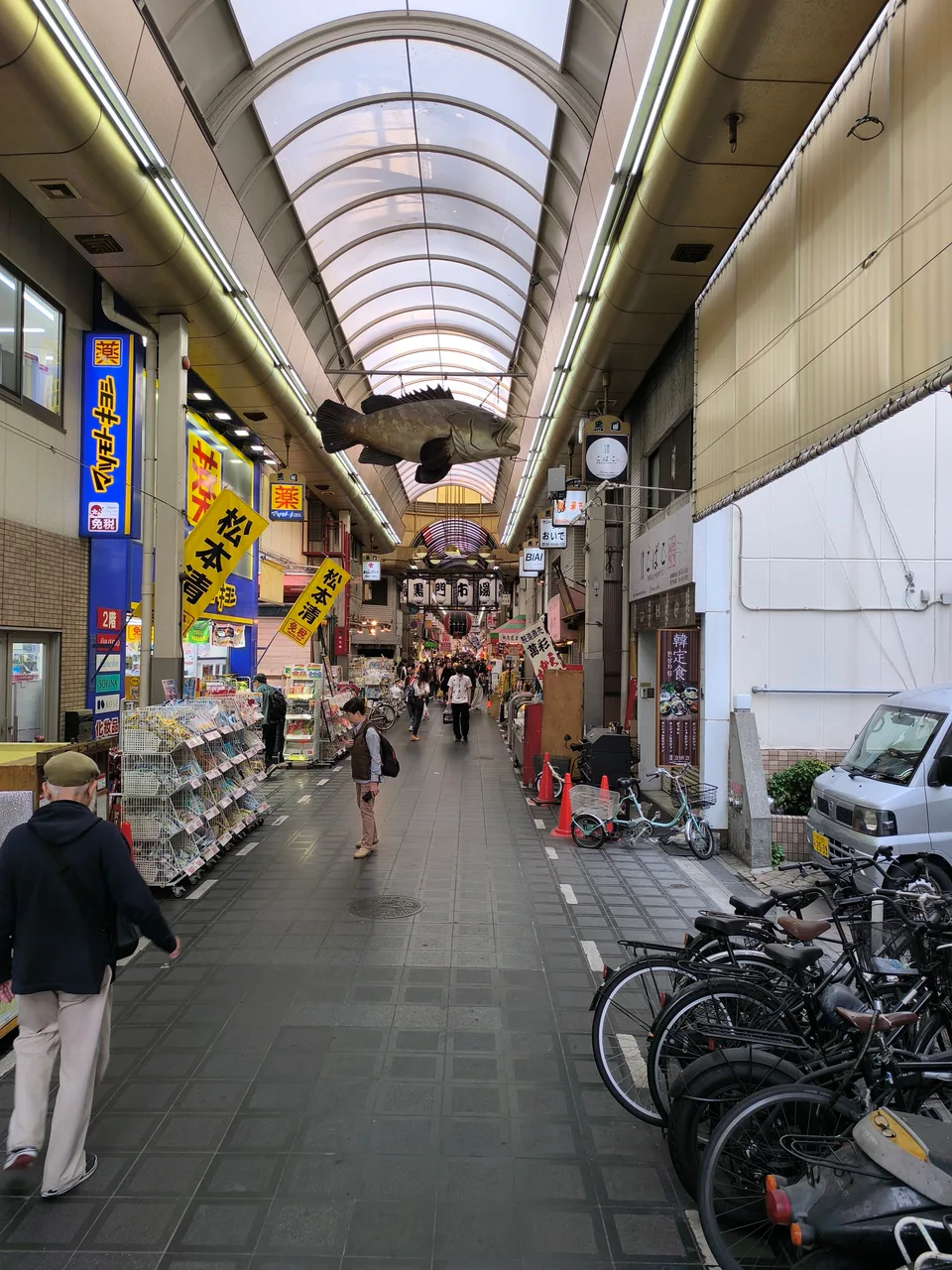
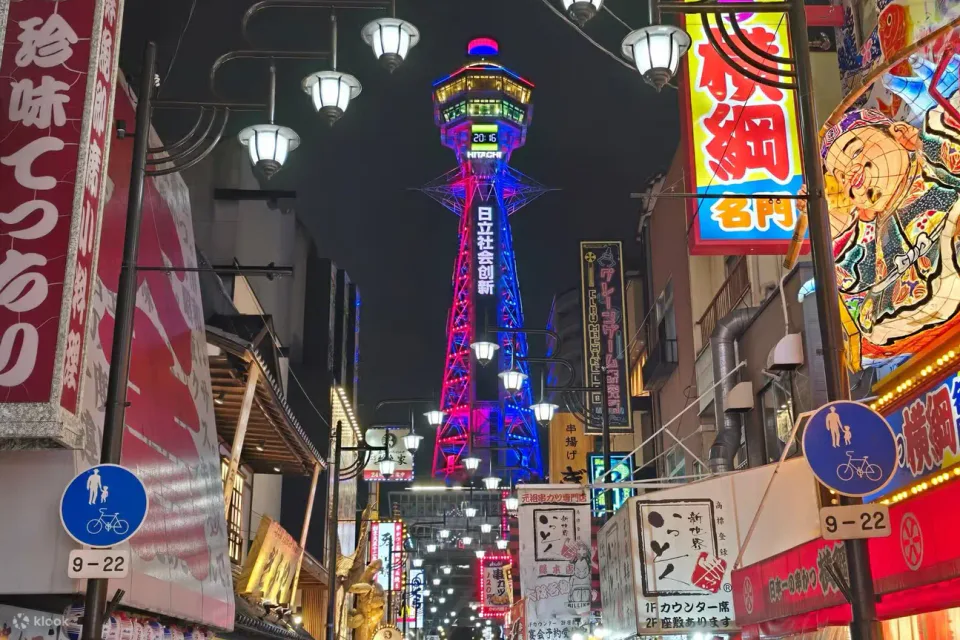
Only calculate a city pass if Day 5 turns into an attraction-heavy day
If Day 5 remains sleep, food, shopping and recovery, do not buy a pass and then add attractions to justify it. If the group converts the day into Osaka Castle, a cruise, an observatory and other paid stops, then compare Osaka Pass options or run the numbers for the Osaka Amazing Pass. A pass can save money; it can also multiply “we already paid, so we have to go” pressure across four people.
Day 6 | Kobe works best for friends when everyone goes together, then drinkers and non-drinkers split
Late morning: reach Sannomiya together, eat, then split by interest
There is no reason to leave Osaka at dawn. Travel to Sannomiya late morning, have lunch together, then separate into a sake-brewery group and a non-drinking group. This is one of the clearest examples of why friends should not force identical afternoons. A brewery visit can be fascinating to one person and three hours of waiting to another.
Sake group: choose two or three Nada Gogo stops, not a tasting stamp rally
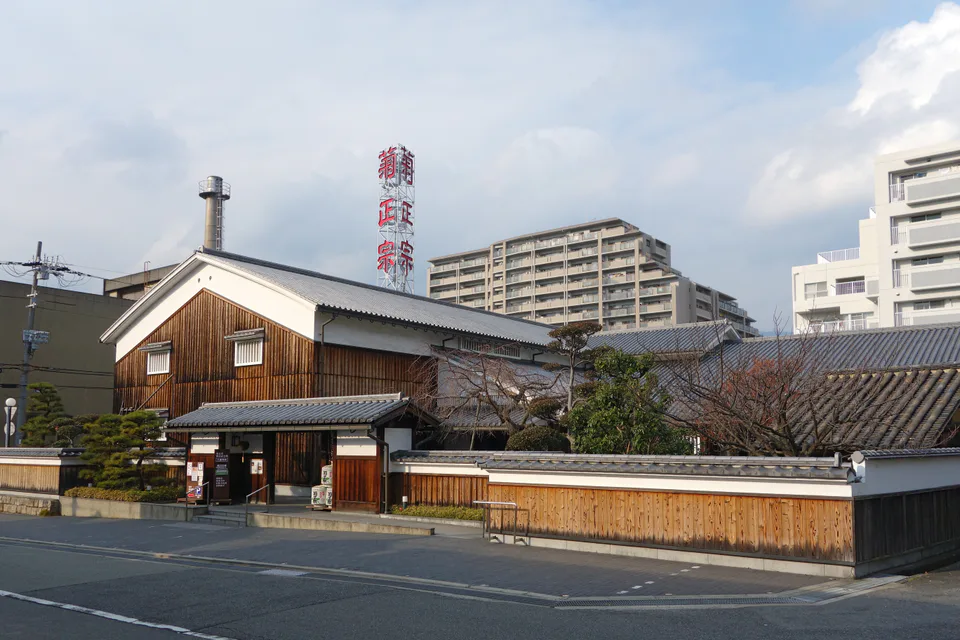
Nada Gogo is a historic sake-producing area spread across five brewing districts. For a first visit, two or three facilities are enough. The Hakutsuru Sake Brewery Museum is a useful anchor because the museum explains traditional production with original tools; its current official information lists 9:30 a.m.–4:30 p.m., last admission at 4:00 p.m., and free admission, with reservations required for groups of 10 or more. Recheck the exact date because brewery holidays and tasting conditions can change.
Do not drive if tasting is part of the plan. Use rail and walking, and treat tasting as optional rather than the only reason to go. The educational value still exists for people interested in brewing history, but a friend who does not drink should not be socially required to spend the afternoon following the tasting group.
Non-drinking group: use the city, cafés or one indoor stop — then reunite around the waterfront
The other friends can use Sannomiya, Kitano, Motomachi, Harborland or a single indoor attraction. The point is not to invent a “non-drinker punishment itinerary.” Pick something they would choose even if the sake group did not exist. Agree to meet around Sannomiya or the waterfront in late afternoon, then keep Meriken Park and Harborland as the shared end of the day.
If your group is less interested in sake and more interested in animals, architecture or Himeji, replace the whole Kobe structure rather than adding another major attraction on top. Use the Osaka day-trip comparison to choose a city by what it contributes to the week, not by fame.
Day 7 | The last half-day is ideal for separate shopping, then one clean airport meetup
Morning or midday KIX departure: breakfast, packing and checkout are enough
Four people usually leave Japan with more bags than they arrived with. Someone is reorganizing tax-free purchases, someone borrowed space in someone else’s suitcase, and somebody still has liquids in the wrong bag. If you need to leave for Kansai Airport before or around midday, do not add a timed attraction. The airport run is already the task.
Late flight: split for the final shops, then return to the hotel before the real departure time
For an afternoon or evening flight, store luggage after checkout and let people finish their own list: drugstores, records, electronics, fashion, cafés. Set the hotel regroup time earlier than the true airport-departure deadline. Everyone does not need to follow the same shopping list just because it is the final morning.
When two friends want to go home and two want to stay out: solve it with the hotel base, not 25 chat messages
Decide the evening mode before dinner where possible: everyone eats then separates; two continue and two return; or tonight is genuinely a full-group night. That makes “I’m going back” a normal itinerary branch rather than a social rejection. A well-chosen Namba or Umeda base gives different people a simple path home.
This is why I care more about the final walk than the hotel’s generic “group-friendly” label. Someone may have been drinking, someone may have weak navigation, or one phone may be dead. Paying slightly more for a base each person can reach independently can buy more group freedom than saving a few minutes on one daytime train.
Do not average every ticket across four people: shared value matters more than price per head
“It is only a little more per person” is dangerous group math. A small extra multiplied by four becomes a real group budget, and if one person barely uses the product, the shared value is already uneven. Express Passes, observation decks, sake tastings, food tours and HIRAKUZA should all pass the same test: does everyone get something meaningfully better than the free or independent alternative?
The strongest shared purchases usually have high failure cost and broad group interest: the only USJ day, a performance everybody chose, or a dinner everyone actually wants. If an activity belongs to two people’s interests, let the other two keep their time and money. Fairness is not identical spending. It is nobody being conscripted into someone else’s hobby.
If someone gets sick, needs space or the group has an argument: rescue today, not the entire itinerary
Seven days is long enough for stomach trouble, bad sleep, sore feet or simply social fatigue. One person staying in the hotel does not invalidate the day. For fixed tickets, decide whether they can still be used, transferred or consciously abandoned. Free sightseeing and shopping can disappear. Healthy friends can continue; the person who needs rest can rejoin at dinner or the next morning.
If the problem is interpersonal rather than physical, remove the expectation that everyone has to spend that evening together. Day 3, Day 5 and Day 7 already contain split space precisely so a small disagreement does not require a four-person negotiation about the rest of the week.
Rain plan: move the soft split days before you start breaking shared bookings
Think of the week as hard commitments and soft blocks. A dated USJ ticket, a booked HIRAKUZA performance or a reserved food tour is hard. Day 3 free time, Day 5 daytime and Day 7 shopping are soft. Ordinary rain should move the soft pieces first. Only change a hard booking when the operator, transport situation, severe weather or safety actually makes it necessary.
Kobe can shrink cleanly. In heavy afternoon rain, the sake group can stay with museums and brewery facilities, while the other group chooses cafés, shopping or an indoor attraction. Reassess Harborland later. Do not make four people stand in bad weather because the original itinerary contained the words “waterfront sunset.”
If three or more days become Kyoto, Kobe, Nara or Himeji, recalculate the Osaka hotel
This friends version assumes Osaka social time matters enough that Namba can be a strong default. Once Day 3 becomes Kyoto, Day 6 stays Kobe and another day becomes Nara or Himeji, the trip has changed. Intercity travel is now a dominant pattern. A hotel close to Osaka Station may remove one connection twice a day and beat Namba’s nightlife advantage.
Do not dismiss this because “everyone is young.” Group movement is often set by the slowest departure, the biggest luggage and the person who needs the longest station transfer. Repeated five- or ten-minute friction is paid by all four people. Use Osaka Hotels for Kyoto and Kobe Day Trips when the day-trip count rises.
Forty-eight hours before departure: do seven checks, then stop adding things
First, confirm USJ hours, temporary closures and every person’s Express Pass times for the real date. Second, if Day 2 uses HIRAKUZA, confirm that date on the official calendar rather than copying another month. Third, reconfirm the hotel’s real beds and occupancy setup. Fourth, if Day 5 uses a food tour, confirm exactly who is joining and whether the food format suits them. Fifth, check Day 6 brewery opening days and keep the tasting group on rail/walking. Sixth, look at weather and decide whether Day 3 or Day 5 is the easiest soft block to swap. Seventh, save the hotel address and final walking route on every phone.
Then stop searching for fifty more Osaka attractions. A robust friends itinerary is not the one with the fullest spreadsheet. It is the one where everybody already knows what can split, what must stay shared and what can disappear without a four-person debate.
Who should not copy this seven-day friends itinerary?
Do not copy it if all four people are first-time Kansai visitors who insist that Kyoto, Nara, Kobe and Himeji are all non-negotiable. Make the city cuts first, or use an Osaka + Kyoto split stay. Do not copy it if two USJ days are the trip’s main purpose; replace Day 5 with a second park day and reconsider whether Universal City earns a night. And if the whole group dislikes nightlife, food exploration and independent time and genuinely wants dense sightseeing together from morning to evening, a standard Osaka-base itinerary is a better fit.
There is one more warning sign: one person has become the unpaid tour manager while everyone else says “anything is fine.” Before departure, require each person to name one thing they do not want to miss and one thing they do not care about. Those eight answers will prevent more friction than another ten attraction ideas.
Final verdict: the best Osaka trip with friends does not use friendship as a reason to stay synchronized
The shared spine of the week is small and strong: learn the hotel on Day 1, choose one group evening on Day 2, enter USJ together on Day 4, and travel to Kobe together on Day 6 before regrouping for the waterfront. Shopping, alcohol, cafés, observation decks, food tours and even one day-trip city can split according to interest. That does not make the trip less social. It protects the parts everybody genuinely wants to remember together.
Three or four adults do not need identical tickets, shopping lists, bedtimes or appetites to prove they are good friends. Build shared moments that deserve everyone’s time, give independent time a safe structure, and choose a hotel everyone can return to without an escort. That is usually more valuable than adding two extra attractions per day.
Sources to recheck before your trip
USJ operating hours, possible earlier admission and operational changes: Universal Studios Japan official operation-hours page
HIRAKUZA performance dates and monthly schedules: THE SUMO HALL HIRAKUZA OSAKA official calendar
Nada Gogo brewery network and current facilities: Nadagogo Brewers Association | Hakutsuru museum hours and admission: Hakutsuru Sake Brewery Museum
Operating times, performances, tasting availability and transport conditions can change. This itinerary was fact-checked on August 20, 2026; recheck the official pages for your actual travel dates before paying for dated activities.
Osaka for Couples: A 7-Day Itinerary That Saves the Best Nights for Kyoto, Kobe and One Big View
Osaka With Parents for 7 Days: Cut Transfers, Not Kyoto, Nara or USJ
USJ Hotels for One Day vs Two Days: When Is Universal City Worth Moving To?
Osaka and Kyoto in 7 Days: 3 Nights Each — When One Hotel Move Is Actually Worth It
10 Days in Japan: Tokyo, Kyoto and Osaka Without Turning the Trip Into a Transfer Marathon