
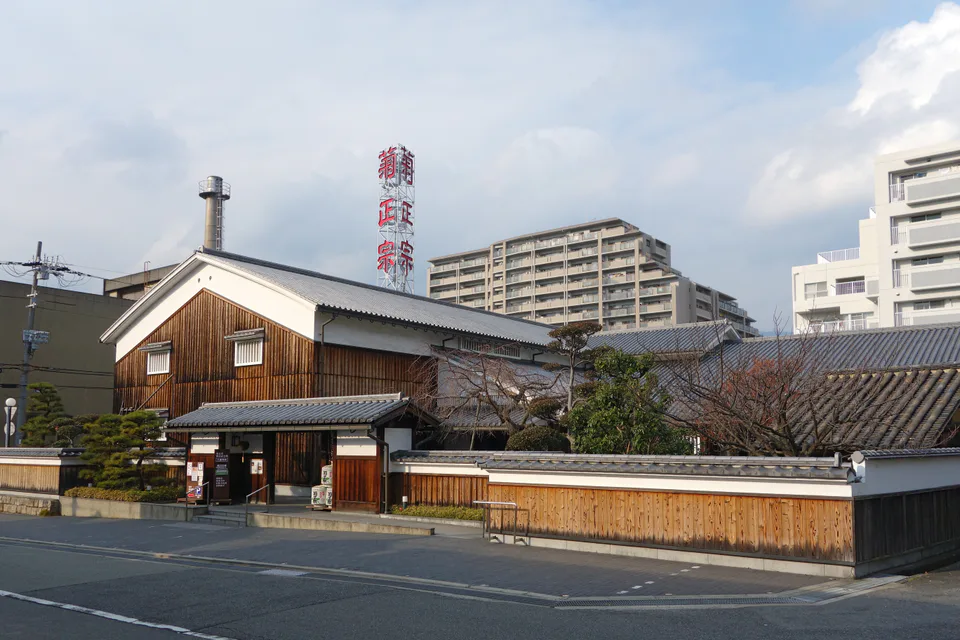
For a first Nada Gogo sake day, I would visit two breweries well rather than four quickly. Start with Hakutsuru if you want the clearest self-guided explanation of traditional brewing, then choose Kiku-Masamune or Hamafukutsuru for a different second angle. Add Kobe Shushinkan only when you want the day to become a guided sake experience or a slower food-and-shopping finish rather than another museum stop.
The most important 2026 planning correction is that these facilities no longer share one simple weekly rhythm. Kiku-Masamune has been closed on Tuesdays since April 2026; Hamafukutsuru is normally closed on Mondays; Hakutsuru has its own seasonal closures. Nada Gogo is also five historic brewing districts, not one compact pedestrian attraction. Build the day from opening day + railway station + one learning goal, not from a list of famous labels.
↔ Scroll table left or right
Your priority | Start with | Why | Main trade-off |
First sake museum; understand the brewing process | Hakutsuru Sake Brewery Museum | Free self-guided museum in an old brewery building; strong process explanation | Do not mistake a good first museum for a reason to repeat the same story four times |
Traditional tools plus optional specialist tours | Kiku-Masamune | Free museum plus bookable Sake Cup / Taru Meister sessions | Closed Tuesdays from April 2026; specialist sessions use fixed times |
See a working-process contrast | Hamafukutsuru Ginjo Kobo | Glass-walled brewery lets visitors see active production processes | Closed Mondays; paid tasting ends before the building closes |
One deeper English-led sake experience | Kobe Shushinkan | Guided tour options, tasting and restaurant/shop can make one stop the centre of the day | You are replacing a free museum crawl with a scheduled experience |
Non-drinker travelling with sake fans | Hakutsuru + one cultural/process stop | The museums and architecture still work without alcohol | Do not build the whole afternoon around repeated tasting counters |
Nada Gogo is a brewery belt, not a single “sake street”
Nada Gogo literally spans five historic brewing districts: Nishi, Mikage, Uozaki, Nishinomiya and Imazu. The visitor facilities sit across that belt. A route that looks compact on a brewery map can still contain station walks and local-train hops.
For a first visit, I would keep the core day in the Kobe-side eastern districts around Hanshin Sumiyoshi, Uozaki / Minami-Uozaki and Ishiyagawa rather than trying to “complete” all five gogo. The value of the day comes from seeing how the story changes between breweries, not from crossing a district boundary.
This also changes the Osaka-day-trip decision. If you are based in Osaka, a focused two-stop route can still leave room for Kobe dinner. A four-brewery checklist makes the whole day about closing times and station transfers.
Hakutsuru should normally be first because it gives you the vocabulary for every later stop
Hakutsuru Sake Brewery Museum is currently free, open 09:30–16:30 with last admission at 16:00, and does not require reservations for groups under ten. It is about five minutes on foot from Hanshin Sumiyoshi Station or roughly 15 minutes from JR Sumiyoshi.
The museum uses the old brewery building and actual tools, video and reconstructed scenes to explain washing, steaming, koji, fermentation, pressing and storage. That sequence matters because every later visit becomes easier to understand once you know what the equipment is doing.
For a first-time sake visitor, this creates more value than beginning with tasting. Treat the museum as the vocabulary lesson. The tasting/shop at the end is optional reinforcement, not the reason the stop deserves first position.
Hakutsuru also publishes seasonal closures, so check the exact date rather than assuming a major museum is open every day of the year.
Kiku-Masamune earns the second stop when you want tools, cedar casks or a structured mini-tour
Kiku-Masamune Sake Brewery Museum is currently free and open 09:30–16:30. From April 2026 it is normally closed on Tuesdays, with special handling when Tuesday is a public holiday. Groups under ten can visit the main museum without a reservation.
The reason to put it second is not simply “another famous brand.” It can deepen a theme after Hakutsuru. Kiku-Masamune also offers separate bookable experiences at the nearby Sake Cup Museum and Taru Sake Meister Factory. Current scheduled tour times are 11:10, 14:10 and 15:10, with about 30 minutes per tour and capacity up to 15.
That creates a useful choice:
Main museum only: keep the day flexible.
Add a 30-minute specialist tour: turn Kiku-Masamune into the main learning stop and delete a later brewery rather than stacking another appointment.
Drivers cannot taste sake there. More broadly, if anyone in the group will be driving later that day, build the visit as a museum/shopping experience rather than negotiating “just one tasting.”
Hamafukutsuru is the better third stop when you want to see current production, not another historical museum
Hamafukutsuru Ginjo Kobo currently opens 10:00–17:00 and is normally closed on Mondays, although it opens when Monday is a national holiday. The official site lists the last order for paid sake tasting at 16:15.
Its strongest contrast is physical: the glass-walled facility is designed so visitors can observe sake production and fermentation work. That makes it a more useful third stop after one or two historical museums.
Do not add it simply because it is nearby. Add it when the group still wants a different question answered: what does brewing look like now? If the group is already saturated with process explanations, go to Sannomiya for dinner instead.
Kobe Shushinkan can replace the brewery crawl rather than sit at the end of it
Kobe Shushinkan is the strongest alternative for travellers who want one guided sake experience instead of several self-guided museums.
Its current free brewery-tour format can take about 60 minutes and requires a reservation for the brewery-visit plan. The site also offers tasting-focused visits and a shop/restaurant complex. For overseas visitors, Shushinkan currently advertises a 17:00 multilingual premium guided tour lasting about 90 minutes for JPY 4,500, including four premium tastings and a souvenir, with English support.
This creates a very different itinerary:
Free museum route: Hakutsuru → Kiku-Masamune / Hamafukutsuru → Sannomiya dinner.
Depth route: one earlier brewery or Kobe sightseeing → 17:00 Shushinkan guided experience → dinner.
I would not do Hakutsuru + Kiku + Hamafukutsuru + a 90-minute Shushinkan tour unless sake is one of the main purposes of the Japan trip. The fourth stop adds less learning than the first three and removes flexibility from the evening.
Two stops or three? Use the “new question” test
Before adding another brewery, ask what new question it answers.
↔ Scroll table left or right
Stop | Useful new question |
Hakutsuru | How is sake made? |
Kiku-Masamune | How do traditional tools, cups or cedar-cask culture change the story? |
Hamafukutsuru | What does an active modern brewing process look like? |
Kobe Shushinkan | Do I want a guided tasting / deeper hosted experience rather than another museum? |
If the next brewery only answers “what does this brand taste like?”, you can often solve that at a shop, bar or dinner without another museum visit.
The real half-day deadline is earlier than 16:30
Several core museums close around 16:30, but that does not make 16:00 a useful time to begin a multi-stop route. Hakutsuru stops admission at 16:00. Hamafukutsuru’s paid tasting last order is 16:15. Kiku-Masamune’s specialist tours use fixed afternoon start times.
For a two- or three-stop route, start in the morning or around lunch. A late-afternoon arrival should become one brewery + shop/tasting + dinner, not a race between closing doors.
This is particularly important on an Osaka day trip. The trains are easy enough that late arrival feels harmless, but museum time does not extend because the intercity journey was short.
Do not drive a tasting itinerary
Japan’s legal drinking age is 20, and official brewery guidance is explicit that drivers cannot take part in sake tasting. Nada Gogo is well served by rail and walking, so there is little reason to make a tasting day a rental-car day.
Use public transport, drink water and treat tasting as comparison rather than volume. A non-drinker can still get good value from Hakutsuru’s process museum, Kiku-Masamune’s historical displays, Hamafukutsuru’s production view and the architecture/shopping.
The right group rule is simple: if someone does not drink, do not make them the designated driver for a day that never needed a car.
Bottle shopping: decide the carrying strategy before the third shop
A sake route creates an unusual luggage problem because every “small souvenir” is heavy and fragile. Two 720 ml bottles are already more than 1.4 kg before glass and packaging.
Set a bottle limit before the first tasting. If the trip continues through Japan, buy fewer bottles early or ask the shop about shipping options rather than carrying a growing box through local trains. Keep large suitcases at the hotel or station.
If your itinerary is already luggage-heavy, use the Japan luggage-forwarding guide to remove the unrelated suitcase problem before the Kobe day.
Monday and Tuesday require different routes
The 2026 closure pattern creates a practical weekly branch:
Monday: Hamafukutsuru is normally closed, so build around Hakutsuru, Kiku-Masamune and/or Shushinkan.
Tuesday: Kiku-Masamune is normally closed from April 2026, so use Hakutsuru plus Hamafukutsuru or Shushinkan.
Holiday exceptions and seasonal closures can override the pattern. The lesson is not to memorise these weekday rules forever; it is to check each facility on the same calendar before booking the rest of Kobe.
Where should the sake day end?
For most visitors, I would end in Sannomiya rather than force one more brewery. Dinner gives the group a clean transition from tasting to a normal meal and makes the return to an Osaka or Kobe hotel easier.
If you are staying in Kobe, the Sannomiya vs Shin-Kobe hotel guide helps decide whether the evening should finish close to restaurants or close to the Shinkansen. If Kobe is only one day inside an Osaka stay, keep the same Osaka room rather than moving hotels just for the brewery belt.
Final verdict
First visit: Hakutsuru + one contrast stop is enough for most travellers. Add Kiku-Masamune when traditional tools or a bookable 30-minute specialist tour interests you. Add Hamafukutsuru when you want to see current production. Replace the whole crawl with Kobe Shushinkan when a guided English experience, tasting and slower finish are worth more than collecting free museums.
The best Nada Gogo day is not the one with the most breweries. It is the one where every stop answers a different question and you still reach dinner before the day turns into a closing-time exercise.
Vessel Hotel Campana Okinawa Review: Does Free Bed-Sharing Work for 2 Adults and 2 Kids?
Sapporo Ramen Tour 2026: Ramen Alley Is Free — So What Are You Paying a Guide For?
Japan Autumn Leaves Onsen Ryokan Guide: Foliage Views, Open-Air Baths and Access
USJ Halloween 2026 Guide: Dates, Tickets, Attractions and Hotels
References
Hakutsuru Sake Brewery Museum · Kiku-Masamune Sake Brewery Museum · Kiku-Masamune Sake Cup Museum tours · Hamafukutsuru Ginjo Kobo · Kobe Shushinkan brewery tours. Checked August 25, 2026. Closures, tour times and tasting availability can change; verify the exact travel date.