
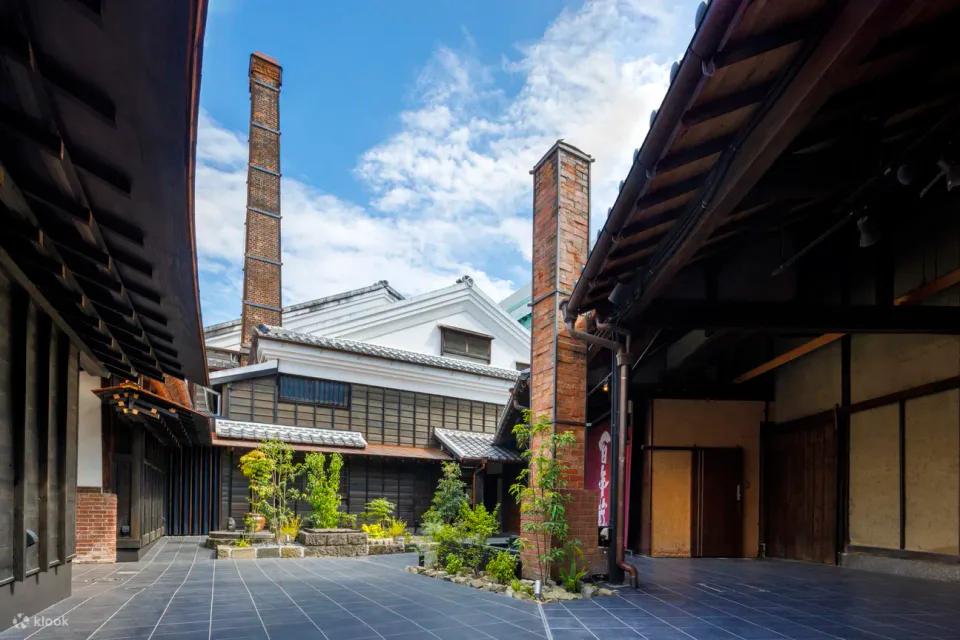
Is the Hakata Hyakunengura sake tasting worth making a detour for? I would go if I already wanted to buy local sake and preferred tasting before choosing a bottle. I would not go expecting a brewery tour: Ishikura Shuzo currently does not open its production area for factory visits. The historic brewery setting is part of the appeal, but the practical value is much simpler — taste a few styles, work out what you actually like, then decide whether any bottle deserves space in your luggage.
On a first Fukuoka trip, I would not rearrange an entire day around this tasting. I would map the bigger route first with this Fukuoka 3-day itinerary, then see whether Hakata Old Town and Gion leave a natural 30–45 minute gap. The real decision here is small but useful: once you are already in central Fukuoka, is the extra walk worth it?
Set the expectation correctly: this is not a production tour — it is taste before you buy
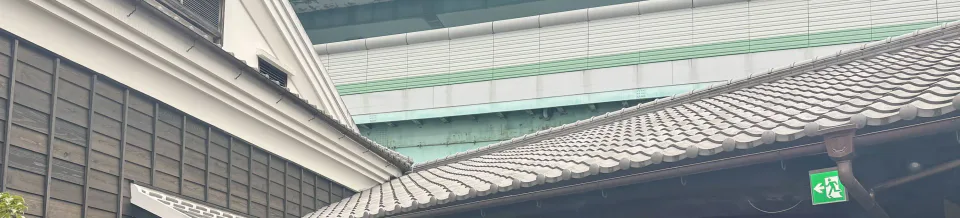
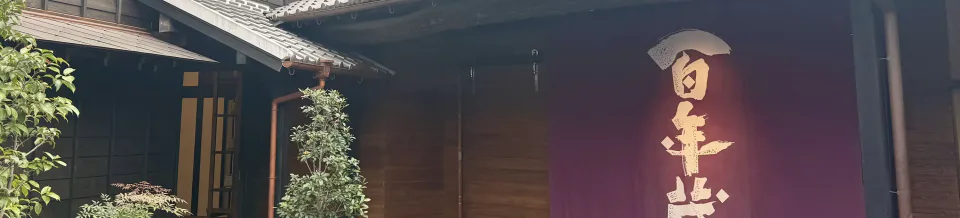
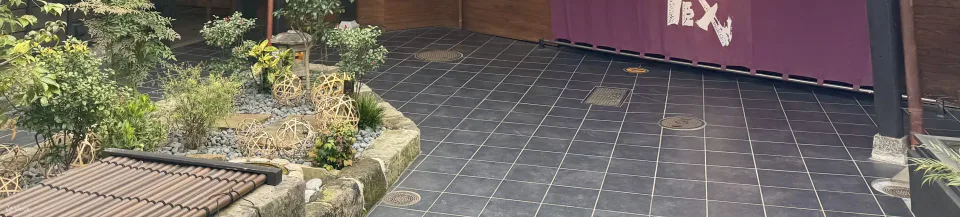
What struck me first at Hakata Hyakunengura was not a polished visitor-centre circuit. The white walls, brick chimney and old brewery architecture give the place character, but once I reached the direct sales shop, the experience quickly became about the sake itself: see what is available to taste, compare a few pours, then return to the shelves with a much clearer idea of what to buy.
That distinction matters because the words ‘historic brewery’ can make people imagine steaming rice, koji rooms, fermentation tanks and a guided walk through production. That is not what this product is. Ishikura Shuzo’s official information currently states that the manufacturing area is not open for factory tours. If watching how sake is brewed is your main reason for going, I would choose another experience rather than trying to turn this one into something it is not.
The best part for me was not the amount of sake — it was making bottle shopping less of a guess
Buying sake from a shelf can be surprisingly vague if you do not already know the labels. Junmai, ginjo and ‘dry’ tell you something, but they do not tell you whether you will actually enjoy that bottle in your hotel room or back home. Tasting changes the order of the decision. Instead of choosing a label and hoping, I could compare the feel of several styles first — lighter versus richer, more aromatic versus more restrained, sweeter versus cleaner on the finish.
That is why I would not judge this experience by asking how many glasses you get for the money. The samples are there to help you identify a direction, not to replace an evening at an izakaya. If the goal is simply to drink as much sake as possible for the lowest cost, Fukuoka has much more direct ways to do that. If you were already planning to buy one or two bottles, tasting first is where the value becomes obvious.
The souvenir cup and ¥300 shop voucher are nice extras, but neither is why I would make the trip
The current tasting product includes the small sake cup used for the tasting as a souvenir, plus a ¥300 voucher for the direct sales shop. I like both because they make the stop feel complete: you taste, keep a small physical reminder, and if one bottle stood out, the voucher can go straight toward it.
I would still resist the urge to buy something just because there is a voucher to spend. A bottle of sake is heavy, fragile and awkward if your day still includes Dazaifu, Yanagawa, Kitakyushu or several hours of shopping. The more important calculation is not the ¥300 discount. It is whether you want to carry glass for the rest of the day, or whether you can get the bottle back to your hotel soon after.
The walk matters: about 12 minutes from Gion is not the same as ‘next to Hakata Station’
Ishikura Shuzo’s current access information puts Hakata Hyakunengura at roughly a 12-minute walk from Gion Station. The current booking listing also describes it as about 15 minutes on foot from Hakata Station. Neither is difficult, but it is enough distance to change how I would schedule it in summer heat, rain or with luggage. This is not the kind of stop I would describe as stepping out of Hakata Station for a quick drink.
My preferred way to make the walk feel worthwhile is to combine it with Gion and Hakata Old Town rather than do a dedicated out-and-back from the station. If you are still deciding where to base yourself, the broader trade-off in this Hakata-versus-Tenjin decision matters more than the price of the tasting itself.
For that bigger accommodation decision, compare Hakata and Tenjin as Fukuoka bases first. Whether you can drop a bottle back at the hotel before dinner has a bigger effect on the day than saving a few hundred yen on the tasting.
I would allow 20–40 minutes, not treat this as a half-day attraction
For my own planning, I would give the tasting about 20–40 minutes: arrive, see which sake and liqueurs are available, taste a few, then decide whether anything is worth buying. Someone who loves reading labels, comparing rice varieties or asking about each bottle could easily linger longer, but I would not block an entire morning for a short tasting stop.
That short format is actually one reason I like it. Fukuoka itineraries often have awkward 30–60 minute gaps between larger plans. This can fill one of those gaps without demanding that the day revolve around it. On a first two-day visit, though, I would not cut Dazaifu, Uminonakamichi or an entire Nakasu evening just to fit this in.
Afternoon works better for me: taste, buy if I want, then move into dinner instead of carrying bottles all day
The direct sales shop currently lists general opening hours of 11:00–17:00, with Tuesdays and January 1–3 as regular closures; opening can extend on days with banquet use. Within that window, I would lean toward the afternoon. The reason is practical rather than romantic: after tasting, I have fewer major transfers left, and if I buy a bottle, I can get it back to the hotel sooner.
If dinner is already planned around Hakata Station, I would put the tasting before it and continue with this Hakata Station dinner guide. If the night is heading toward food stalls, compare Nakasu, Tenjin and Nagahama yatai before you decide where the evening should end. I would avoid tasting and then immediately chaining several time-sensitive long-distance transfers.
What if one person does not drink? They can come, but I would not buy a tasting just to keep them company
A non-drinking companion is not completely stranded here. The old brewery building, the direct sales shop and the packaging of the local sake are still interesting to browse. But the paid experience is concentrated around tasting. Without that, what remains is essentially a historic brewery shop rather than a long shared activity.
For a couple or two friends where only one drinks, I actually think the stop can work well: one person tastes, both can help choose a souvenir bottle, and then you continue to food. The important part is not pretending that both people need the same paid experience or that this will entertain a non-drinker for an hour.
Three people I would tell to skip it
Anyone whose main goal is to see sake production. The official factory area is not open for tours, so this is the easiest expectation to get wrong.
Anyone measuring value by how much alcohol they can consume. This is a tasting, not an all-you-can-drink session.
Anyone with only 20 minutes before a train or reservation. The final walk, check-in, tasting and choosing a bottle can eat the buffer faster than expected.
Three people I think it suits especially well
First, someone who already intended to buy Fukuoka sake: tasting before buying has a clear payoff. Second, someone who likes short experiences and dislikes locking two or three hours into every paid activity. Third, someone staying around Hakata or Gion who was already going to walk through the old-town side of the city, because the transport cost of adding this stop is then much lower.
If your whole Fukuoka trip is built around eating rather than checking off attractions, it also pairs naturally with the logic in where to stay for a Fukuoka food trip. The tasting itself is short; what makes it comfortable is not having to cross the city again after you drink.
Would I book ahead? Only after I knew that afternoon was actually staying in Hakata
I do not treat this like a high-stakes attraction that requires building the trip around a scarce time slot months in advance. The more realistic way to waste the booking is to reserve first, then decide that the same afternoon is better spent in Dazaifu, Itoshima or farther afield, and end up forcing a detour back to Hakata for a short tasting.
My sequence would be: lock the day’s geography first, confirm that I will genuinely be around Hakata and Gion, then check the current available dates and cancellation conditions. That keeps the tasting in its proper role — a useful short stop inside a city day, not a small purchase that starts dictating the whole itinerary.
Klook | Check Hakata Hyakunengura sake tasting availability and cancellation terms for your date
This article may contain affiliate links. If you complete an eligible booking through one of them, ValueNavi may earn a commission at no extra cost to you. I only include a booking option here when I can verify that it is the same tasting product; I do not add unrelated platforms just to increase the number of buttons.
My verdict: I would walk the 12 minutes to taste before buying — not for a brewery tour that does not exist
The easiest way to misread Hakata Hyakunengura is to assume that an operating historic brewery automatically means a production tour. What I actually like about this stop is more practical: it removes some of the guesswork from buying sake. The old building supplies the atmosphere, the souvenir cup and voucher are pleasant extras, but the useful part is leaving with a clearer idea of which bottle — if any — you genuinely want.
So if you drink sake, are staying near Hakata, and have a spare stretch of the afternoon, I would go. If you do not drink, want to see the brewing process, or already have a packed first Fukuoka itinerary, I would skip it without feeling that I missed a must-do attraction. It is not essential Fukuoka sightseeing. For someone who was already ready to buy local sake, though, it is a very tidy little decision tool disguised as a tasting.
Data check and what to reconfirm before you go
Information checked on August 20, 2026. Ishikura Shuzo currently lists the direct sales shop’s general hours as 11:00–17:00, with Tuesdays and January 1–3 closed; hours may extend when banquets are held. The official access information lists roughly a 12-minute walk from Gion Station, and the brewery explicitly states that the manufacturing area is not open for factory tours. The current tasting product includes sake and liqueur samples, a small tasting cup to take home, and a ¥300 voucher for the direct sales shop. The exact drinks offered, opening days, operating details and bookable dates can change, so I would recheck them before paying and again before setting out.
Primary official sources: Ishikura Shuzo direct sales shop and Ishikura Shuzo access information.
Fukuoka Family Hotels: Choose Beds, Laundry and Daily Returns Before Hakata or Tenjin
Fukuoka Hotels for Day Trips: Choose Hakata or Tenjin by Where Your Mornings Start
Sapporo Ramen Tour 2026: Ramen Alley Is Free — So What Are You Paying a Guide For?
THE LUIGANS Spa & Resort Fukuoka: Is a 33m² Sea-View Room Worth Leaving Hakata for One Night?