
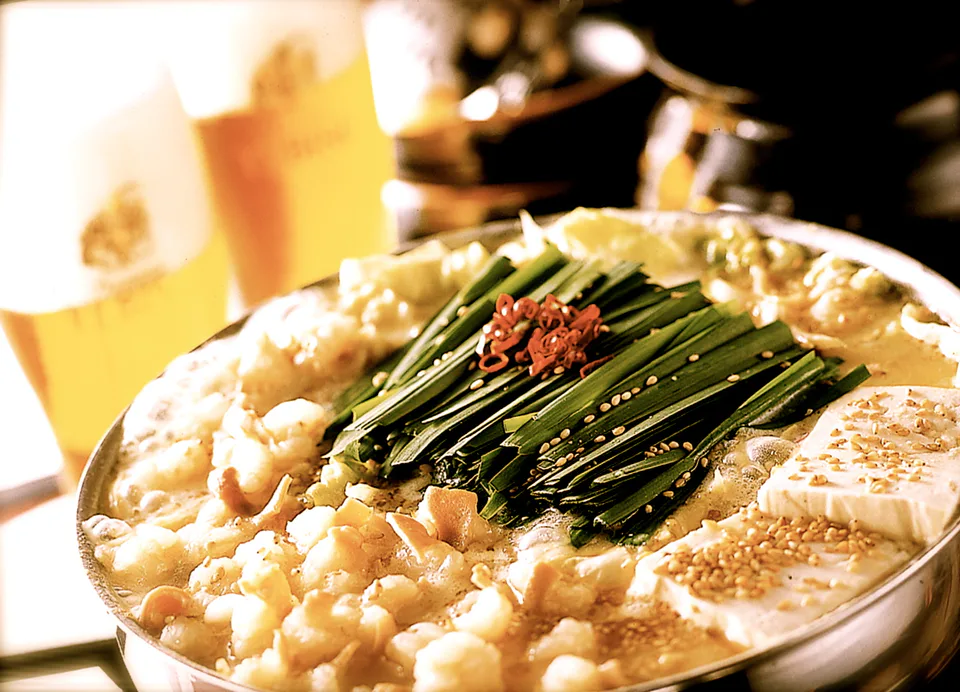
Choose Hakata Issou when the ramen itself is worth a possible queue and your party is small. Choose Motsunabe Ooyama at KITTE Hakata when dinner should be a seated group meal and you want the most predictable table format. Choose ShinShin in Hakata Deitos when staying inside the station complex matters more than chasing the most distinctive restaurant. On an arrival or departure night, the best dinner is often the one that removes the most uncertainty rather than the restaurant with the strongest reputation.
The old version of this guide used first-person lines such as “when I stay” and “I leave my luggage,” but ValueNavi has no basis to present those as first-hand restaurant visits. This rebuild uses current operating information, station geography and party-size logic instead.
↔ Scroll table left or right
Your evening | Start with | Why | Main trade-off |
Solo / couple, luggage already stored, ramen is the goal | Hakata Issou | The main shop is a small ramen-focused destination rather than a station fallback | Small seating capacity means a queue can dominate a short first night |
2–6 people, dinner is the main evening activity | Ooyama KITTE Hakata | 166 seats, reservable group-friendly format, JR Hakata about 3 minutes away | Motsunabe is a longer, heavier meal; after 15:00 the shop currently charges a JPY 400 seat fee |
Large suitcase, rain, tight train window | ShinShin Hakata Deitos | It is inside Hakata Station’s Deitos dining area, so dinner stays inside the transport hub | Station convenience does not guarantee a short line at peak dinner time |
Delayed arrival after 21:00 | Choose by live queue and closing time | The value of “famous” falls quickly when the hotel, baggage and next morning are already compressed | Do not cross the city to rescue a restaurant plan made before the delay |
Four or more people who must sit together | Ooyama gets stronger | A large dining room is operationally different from a compact ramen shop | Confirm everyone actually wants offal hot pot before making it the group’s only dinner |
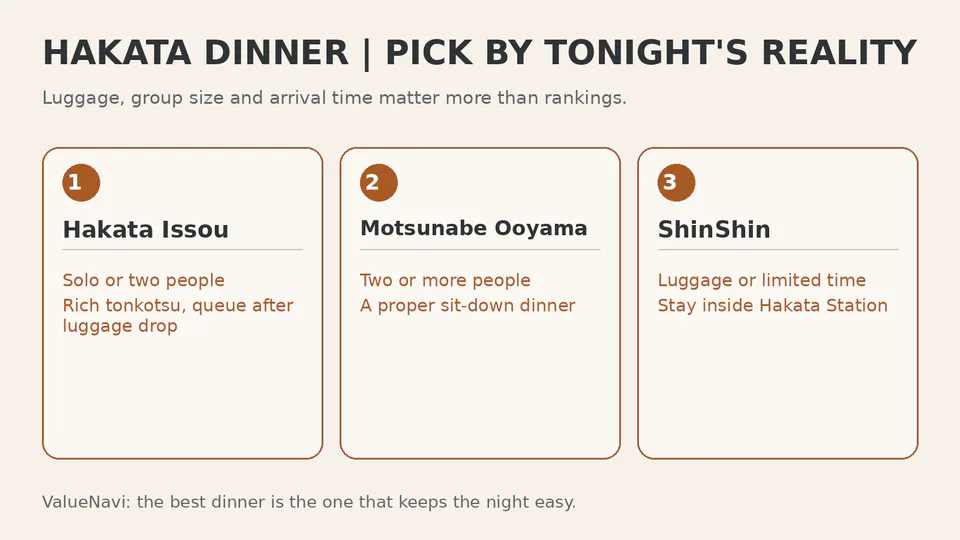
Issou is the destination meal, not the safest arrival-night default
Fukuoka City’s current certified-restaurant listing places Hakata Issou’s main shop at Hakataeki-Higashi 3-1-6 and lists normal hours of 11:00–24:00. The shop is outside the station rather than inside the Deitos/KITTE complex. The same current listing identifies the signature product simply as ramen.
The key operational fact is scale. Public shop information lists only about 21 seats. That is why party size matters. One or two people can accept an uncertain wait much more easily than a group of five that wants to sit together, especially after a flight or Shinkansen arrival.
Use a queue-budget test. Before leaving the station area, decide the maximum wait that still leaves the evening enjoyable. Twenty minutes may be fine on a food-focused night; the same twenty minutes can be irrational when you still need to check in, shower, repack and wake early for a train.
ValueNavi verdict: Issou wins when “a rich Hakata tonkotsu bowl” is the actual experience you came to buy. It loses when the queue becomes more important than the meal or the group is too large for a small-room ramen format to stay efficient.
Ooyama is the group-dinner answer because the dining format is different
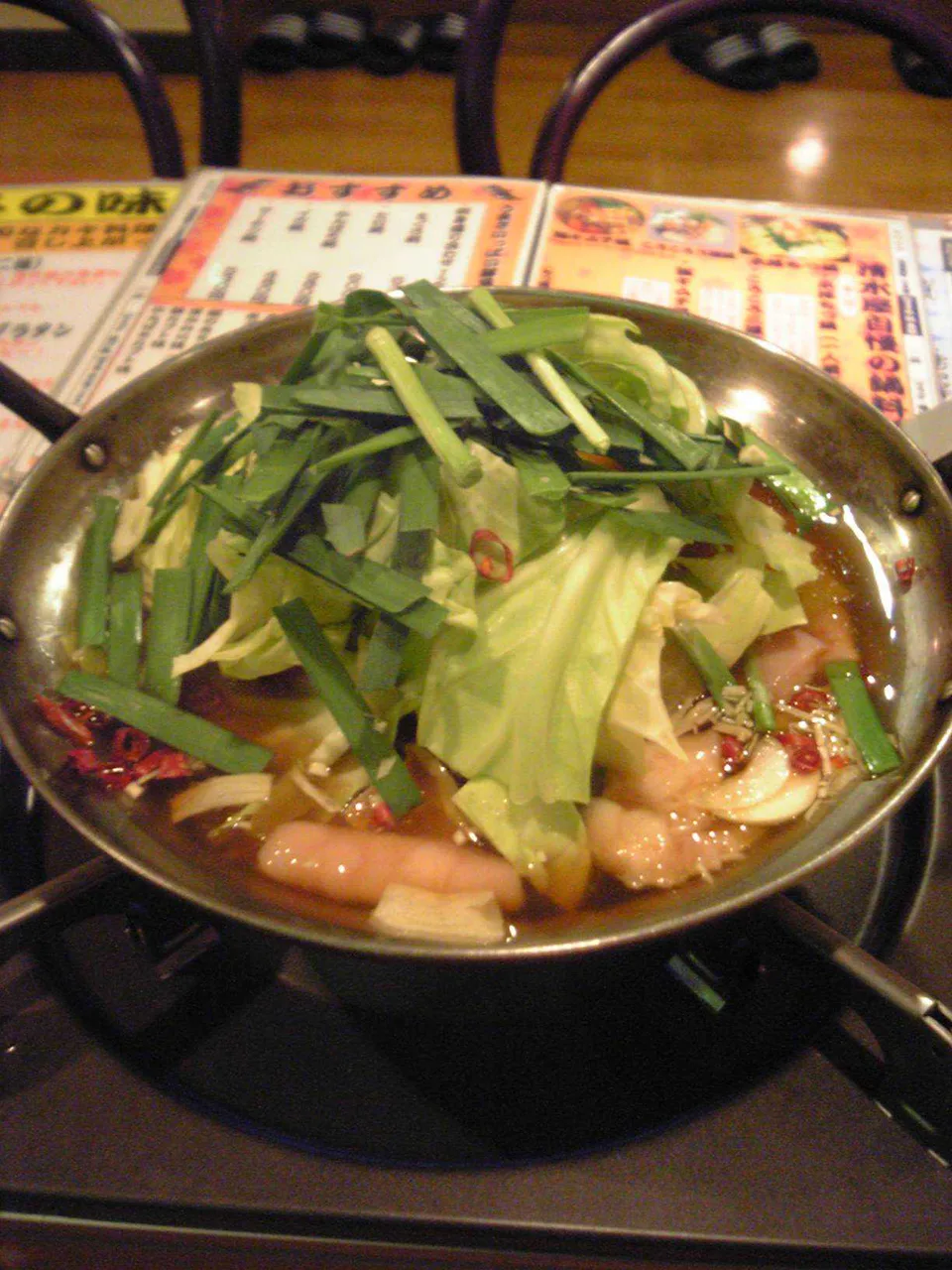
Hakata Motsunabe Ooyama’s KITTE Hakata shop is on the ninth floor, about three minutes on foot from JR or subway Hakata Station. The official shop page currently lists 166 seats, opening from 11:00 to 23:00 with 22:30 as final entry/last order, and capacity for groups up to 32.
That is a fundamentally different product from ramen. Motsunabe is a shared table meal; the group can sit, order side dishes, cook the hot pot and finish with noodles or rice. It is the stronger choice when dinner itself is the evening rather than something squeezed between transport tasks.
There are two hidden costs. First, the shop currently charges a JPY 400 seat fee after 15:00. Second, everyone needs to be comfortable eating offal; a group restaurant is poor value when one traveller is forcing the meal simply because “motsunabe is famous in Fukuoka.”
The official 2026 Q&A says children are welcome and the restaurant can adapt simple items such as rice balls or plain udon, although it does not have a standard children’s set. That makes Ooyama easier to plan for a family than assuming every hot-pot restaurant is an adult-only evening.
ValueNavi verdict: Ooyama is the best of these three for a group whose dinner deserves 60–90 minutes and whose members actually want motsunabe. It is the wrong pick when a reserved train or exhausted child makes a long shared meal the problem rather than the solution.
ShinShin wins when the station itself is part of the constraint
ShinShin’s Hakata Deitos shop is inside Hakata Station on the second-floor Hakata Men Kaido. The current store page lists 42 seats. The branch reopened on August 6, 2026 after a maintenance closure, so old closure information should no longer be used as a reason to remove it from a live Hakata dinner plan.
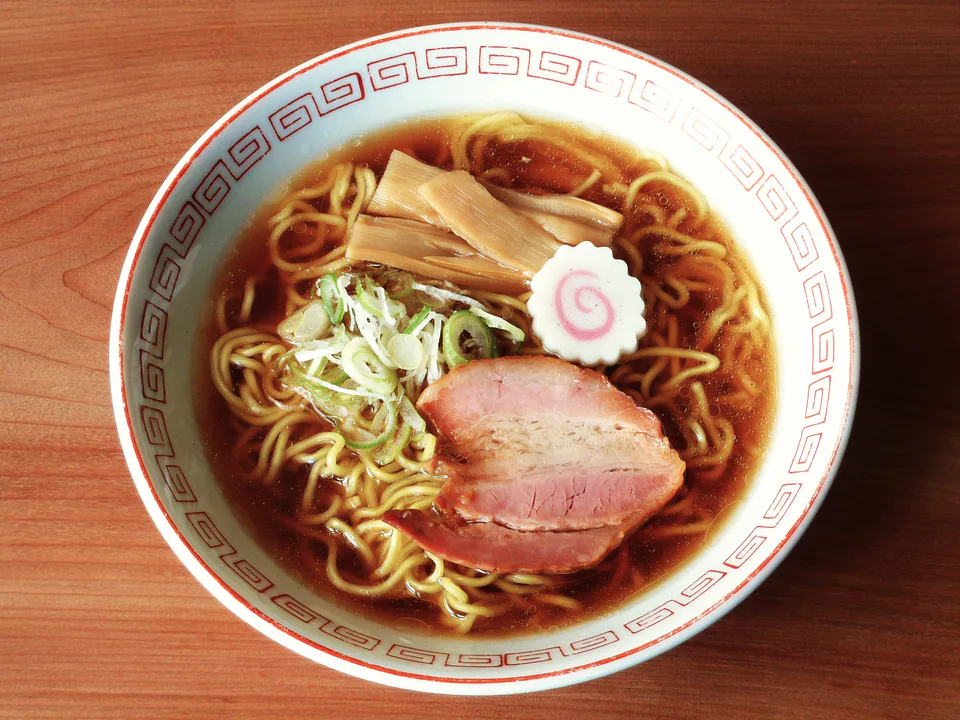
Its strongest advantage is not “better ramen because it is in the station.” It is that luggage storage, platform confirmation, hotel access and dinner can remain inside one transport complex. On a final night before an early Shinkansen, or an arrival night in heavy rain, that can be worth more than a theoretically more distinctive restaurant six or ten minutes away.
The weakness is peak demand. A station restaurant can still have a significant queue, and the correct response is not to wait forever because the decision framework called ShinShin “efficient.” Hakata Station has many alternatives. The station only wins if you use its density as a backup system.
ValueNavi verdict: ShinShin is the resilience pick. If the line is short enough, eat there. If it is not, the best part of the choice is that you can change restaurants without rebuilding the evening around another neighbourhood.
Arrival time should change how much queue risk you accept
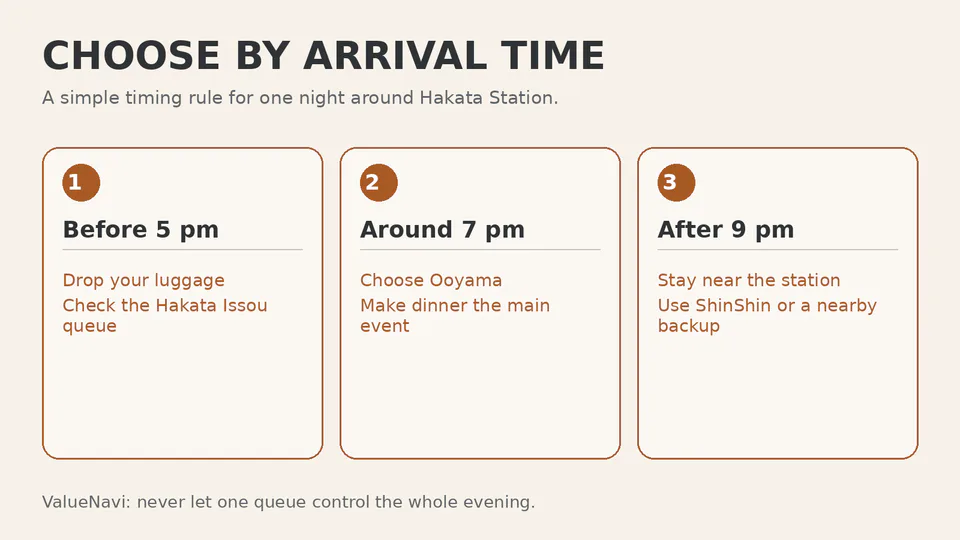
Do not use the same dinner ranking at 16:30 and 21:30.
Before 17:00: there is enough time to make Issou a deliberate destination if the queue is acceptable.
18:00–20:30: group size matters most. Ooyama is strongest when dinner is a planned sit-down event; Issou or ShinShin work better for small parties who want ramen.
After 21:00: stop optimising for reputation. Protect check-in, luggage and sleep. Use the live queue and the current closing time of the branch you can reach comfortably.
These are ValueNavi planning thresholds, not official restaurant rules. The principle is that each delayed hour makes transport and hotel recovery more valuable and queue tolerance less valuable.
Luggage is a location problem before it is a restaurant problem
Do not drag a full-size suitcase through a queue simply because dinner is “on the way.” If the hotel accepts pre-check-in or post-checkout storage, use it. If your bags are already at Hakata Station, station dining gets stronger because you avoid another luggage-bearing walk.
This is especially true for travellers coming from a Hakata Station hotel or leaving on an early regional train. The dinner should serve the transport plan, not create an extra movement that must be undone later.
Do not combine all three Fukuoka food goals into one night
Ramen, motsunabe, mentaiko, yatai and seafood are separate meal opportunities. A short Fukuoka stay does not become more authentic because you force several of them into one evening.
If Ooyama is dinner, let it be dinner. If Issou or ShinShin is the meal, keep enough appetite for the next morning’s mentaiko, udon or onigiri decision. If yatai is the priority, use the Nakasu vs Tenjin vs Nagahama guide instead of treating a station restaurant as a compulsory first course.
Three real trip scenarios
Solo traveller, hotel near Hakata, no early start
Check the Issou queue after storing luggage. If the wait is longer than the amount of the evening you are willing to sacrifice, return to the station area rather than treating the queue as a test of commitment.
Family of four arrives around 18:30
Ooyama gets stronger if everyone wants motsunabe because the large dining room and table format suit a shared meal. If a child is already exhausted or one traveller dislikes offal, switch to a faster station meal instead of forcing the “Fukuoka speciality” choice.
Couple with two suitcases and a 07:00-class regional departure
Keep dinner inside or immediately around Hakata Station. ShinShin or another Deitos option is the lower-risk decision. The famous bowl you skip is less expensive than starting the next day tired and disorganised.
Final verdict
Issou is the deliberate ramen destination. Choose it for one or two people when you are willing to spend some of the evening on the shop rather than merely on dinner.
Ooyama is the proper group dinner. Choose it when two or more travellers want motsunabe, sitting together matters and the meal can own the evening.
ShinShin is the station-resilience answer. Choose it when luggage, rain, arrival delay or a hard next-morning departure makes keeping the whole evening inside Hakata Station valuable.
The ranking should reverse as the trip gets more fragile. The later the arrival, the more luggage you have and the earlier tomorrow begins, the less sense it makes to pay for dinner with queue risk and extra movement.
Where to Stay in Kyoto for Autumn Leaves: Kyoto Station, Kawaramachi, Gion or Osaka?
Lake Biwa Otsu Prince Hotel: Is the 36.2m² Lake View Worth the Shuttle?
Where to Stay in Takamatsu: Station or Kawaramachi for Ferries, Trains and Evenings?
MIMARU Osaka Namba Station: Is One 35 m² Apartment Better Than Two Rooms for Four?
References
Fukuoka City — Hakata Issou main shop information · Hakata Motsunabe Ooyama — KITTE Hakata official shop information · Hakata Ramen ShinShin — Hakata Deitos official shop information. Checked August 25, 2026. Opening hours, queues and reservation availability can change; verify the live shop information on the day.