
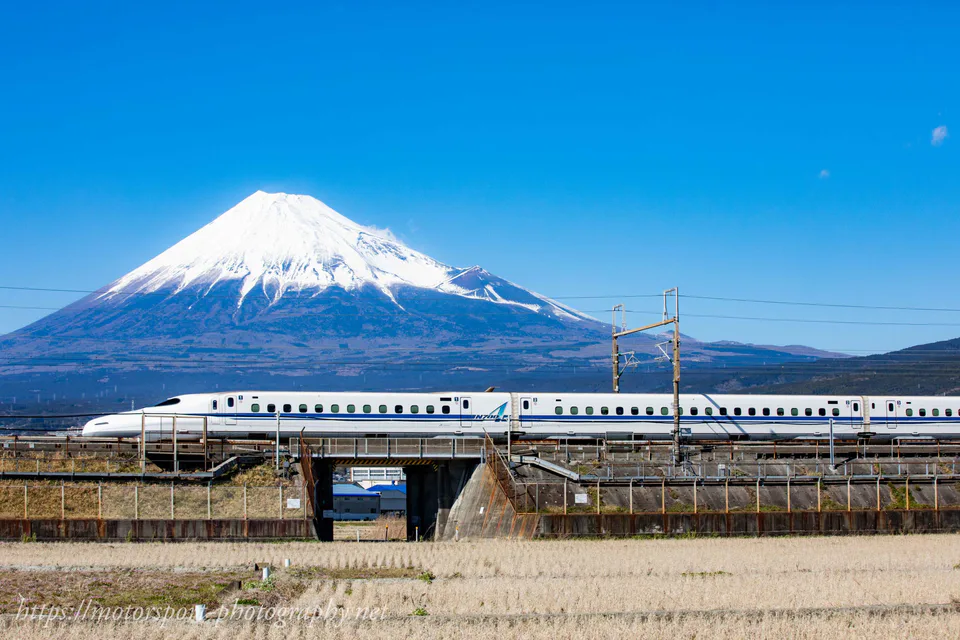
For a first 7-day, 6-night Japan trip, I would not automatically do Tokyo + Kyoto + Osaka. If you fly in and out of Tokyo, one Tokyo base with one or two day trips usually preserves more usable holiday than a rushed Golden Route. If you fly into Tokyo and out of Kansai and both Tokyo and Kyoto are non-negotiable, 3 nights Tokyo + 3 nights Kyoto is the cleanest two-base exception. A third hotel base is where the week usually starts losing more time than it gains.
The key is to count usable days retained, not cities collected. A seven-day trip with arrival and departure days normally contains only about five clean full sightseeing days. Every hotel change spends part of one of those days before you visit anything.
ValueNavi decision table: choose the route shape before the attractions
↔ Scroll table left or right
Your flight structure / priority | ValueNavi default | What you gain | What should be cut |
Tokyo round trip | 6 nights Tokyo | Maximum usable city time; no long-distance hotel move | Kyoto on this trip unless it is genuinely non-negotiable |
KIX round trip | 6 nights Kyoto or Osaka | One base with easy Nara / Osaka / Kyoto day-trip options | Tokyo |
Tokyo in, KIX out; Tokyo + Kyoto musts | 3 nights Tokyo + 3 nights Kyoto | Two major regions with no return backtrack | A third overnight base |
USJ is a top priority | 3 nights Tokyo + 3 nights Osaka | USJ gets a real full day and Osaka becomes a useful base | Sleeping in Kyoto as a third base |
Disney is a top priority | Tokyo base + full Disney day | Less transfer pressure around the park day | Evening Shinkansen to Kyoto after Disney |
Fuji is a top priority | Replace one Tokyo day with Fuji | Weather-sensitive day gets enough space | Adding Fuji on transfer day |
ValueNavi Usable-Day Retention Score
This is a ValueNavi editorial model for short Japan trips. It scores five dimensions: hotel-move efficiency (25%), airport-direction fit (25%), full-day retention (20%), luggage simplicity (15%) and recovery flexibility (15%). Higher means more of the seven-day trip survives as usable holiday time.
Route structure | Retention score | Why | When it becomes the wrong choice |
|---|---|---|---|
Tokyo round trip + one Tokyo base | No hotel-change tax; flexible day trips; easy weather recovery | Kyoto is genuinely one of the two main reasons for the trip | |
KIX round trip + one Kansai base | Kyoto/Osaka/Nara can be arranged without repeated packing | Tokyo is non-negotiable | |
Tokyo in + KIX out, Tokyo 3 / Kyoto 3 | One long-distance move, no return backtrack | USJ makes Osaka a better second base than Kyoto | |
Tokyo round trip + Tokyo / Kyoto | You gain Kyoto but pay for a long-distance move in both directions | An open-jaw flight can remove the return leg | |
Tokyo + Kyoto + Osaka hotels | Too many check-outs, luggage moves and partial days for six nights | A highly specific event or park stay makes the third hotel itself the purpose |
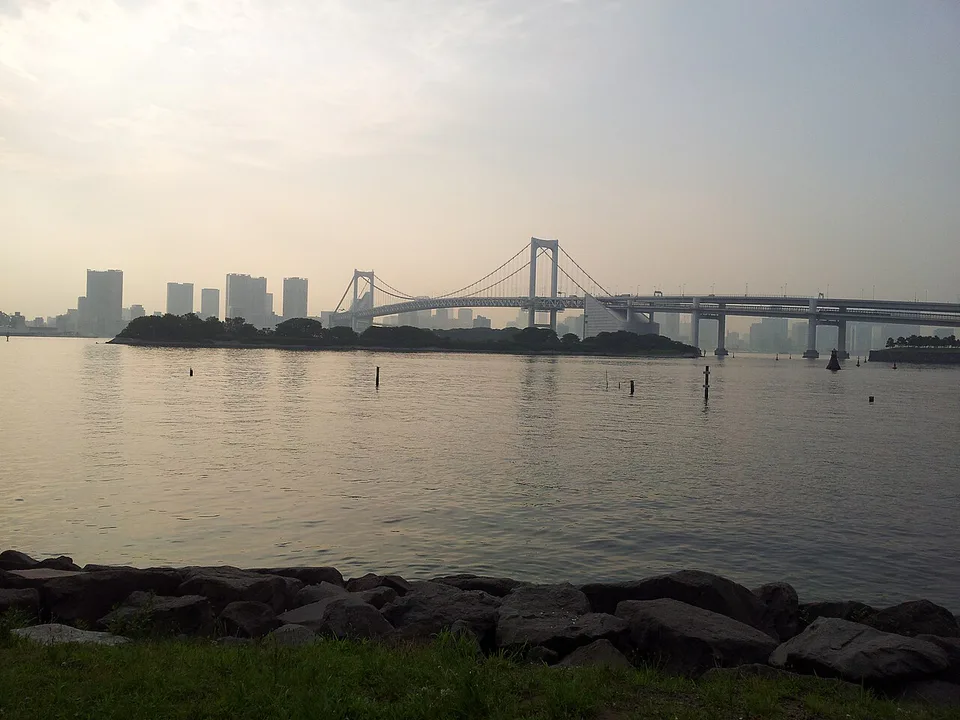
The score is not a ranking of Tokyo versus Kyoto. It measures how much itinerary structure is consumed by moving between them.
ValueNavi Base-Change Tax: the Shinkansen is 130 minutes, the hotel move is not
JR Central currently describes Tokyo → Kyoto as about 130 minutes by Tokaido Shinkansen. That is only the line-haul component.
ValueNavi Base-Change Tax formula:
old hotel → station/platform + waiting/boarding + intercity ride + destination station → new bag-drop/check-in
For example, if you budget 45 minutes from a Tokyo hotel to the correct platform, 130 minutes on the train and 60 minutes from the Kyoto platform to the next luggage drop, you have already spent 235 minutes — just under four hours before adding a meal, station shopping or an awkward check-in time. Those are planning assumptions, not official transfer times; the point is that a “2h10 train” should be treated as a substantial partial-day event.
On a 14-day trip, that tax is small. On a 7-day trip, it can consume a large share of one of only five clean full days.
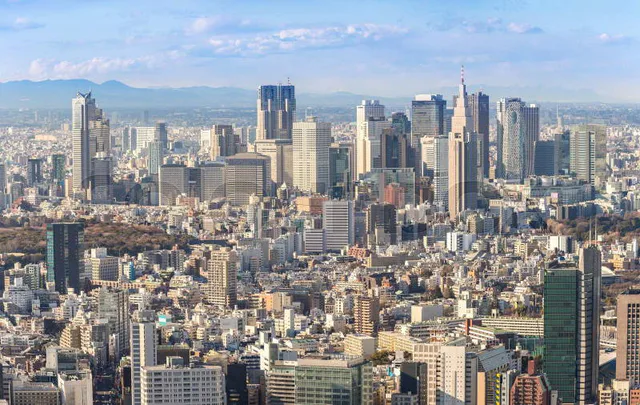
Version A — Tokyo round trip: six nights in Tokyo is not “missing Japan”
Tokyo can support a full week without repeating the same experience: East Tokyo, West Tokyo, a museum or food day, one day trip, one high-time-cost attraction, and a recovery day. If you choose one Tokyo base, the trip also becomes easier to adapt around rain and fatigue.
A realistic shape is:
↔ Scroll table left or right
Day | Use | What it replaces |
1 | Arrival + hotel district | Do not pretend it is a full sightseeing day |
2 | Asakusa + Ueno / Akihabara | East Tokyo cluster |
3 | Meiji Jingu + Harajuku + Shibuya + Shinjuku | West Tokyo cluster |
4 | One day trip: Fuji/Kawaguchiko, Kamakura, Hakone or Yokohama | One Tokyo day |
5 | Disney, teamLab + Odaiba, museums or shopping | One high-time-cost theme day |
6 | Recovery / second priority | Absorbs weather or energy changes |
7 | Departure-side half-day | Keep airport chain simple |
For the full city version, use the 7-day Tokyo itinerary.
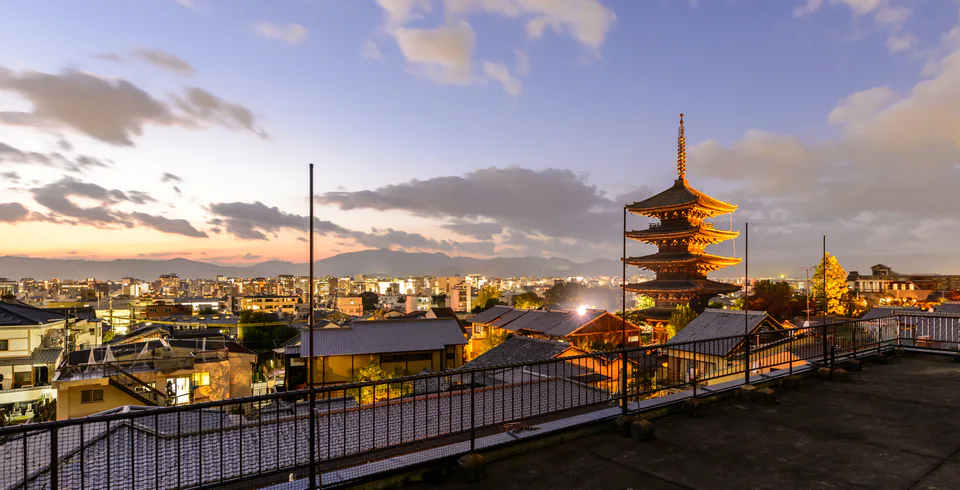
Version B — Tokyo in, KIX out: Tokyo 3 nights + Kyoto 3 nights works because the flight path pays for the move
Open-jaw flights change the economics. You still pay one Base-Change Tax, but you do not have to return to Tokyo simply to fly home.
A clean structure is:
Day 1: arrive Tokyo; local evening only.
Day 2: East Tokyo.
Day 3: West Tokyo.
Day 4: Tokyo → Kyoto; one Kyoto district after luggage drop.
Day 5: full Kyoto day.
Day 6: choose Nara, Osaka or a second Kyoto day.
Day 7: Kyoto → KIX.
JR West’s HARUKA provides direct Kansai Airport access from Kyoto, so you do not need to move to Osaka on the final night merely because the flight uses KIX. Always check the actual departure timetable against your flight.
Why Osaka should usually be a day trip — unless USJ is the trip priority
Kyoto and Osaka are close enough that a one-day Osaka visit does not automatically justify another hotel. In a six-night trip, the third check-in is the problem.
The answer reverses when USJ is one of the reasons you booked Japan. A full park day plus Osaka nightlife can make Osaka the better second base. In that case, choose Tokyo + Osaka and make Kyoto a day trip or cut it. Do not keep Kyoto as a hotel simply because the standard Golden Route says you should.
Use Kyoto vs Osaka for that second-base decision.
ValueNavi replacement rule: Disney, USJ, Fuji and Nara must replace days
↔ Scroll table left or right
Optional priority | What it should replace | What it should not become |
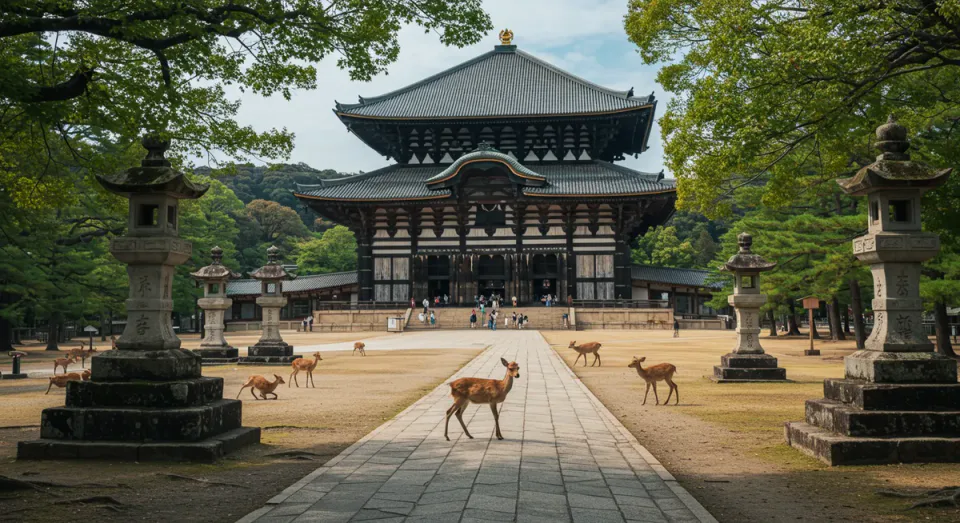
Mt Fuji / Kawaguchiko | One Tokyo city day | A stop squeezed between Tokyo and Kyoto |
Disney | One full Tokyo day | A morning activity before the Shinkansen |
USJ | One full Kansai day; often changes the best base to Osaka | An “extra” after Kyoto sightseeing |
Nara | One Kyoto/Osaka day | A third hotel base for a standard first visit |
Hiroshima | Usually a reason to make the whole trip longer | A casual add-on to an already compressed six-night route |
This replacement rule is the fastest way to stop a one-week trip turning into a checklist.
Two large suitcases make the third base even less attractive
Hotel changes are not just rail time. They create repeated packing, elevators, station navigation, luggage storage and check-in timing. With one carry-on, those frictions are smaller. With two large cases, every extra base becomes a physical task that competes with sightseeing.
If you do use two bases, consider luggage forwarding so the intercity travel day can be built around a smaller bag. But luggage forwarding does not make a bad route shape good; it only reduces one component of the Base-Change Tax.
Should you buy the nationwide JR Pass for this 7-day route?
Do not let the pass design the trip. A Tokyo → Kyoto one-way move does not by itself justify inventing extra long-distance travel. Price the exact journeys you intend to take, then compare the pass or individual tickets. If you need extra cities to make a pass “pay off,” the itinerary has already been distorted.
When the recommendation reverses
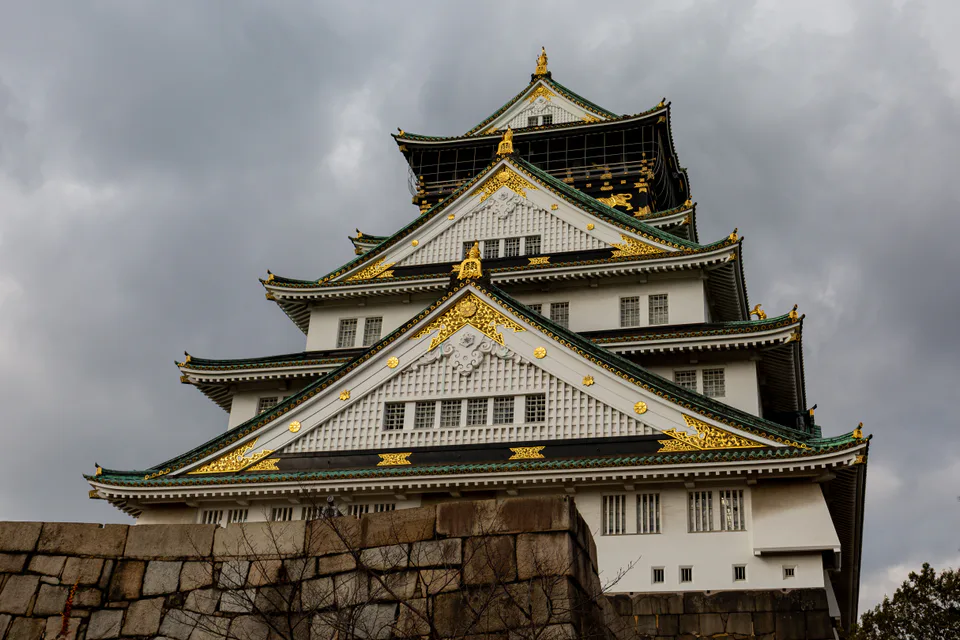
Choose one base when flights are round-trip from the same region, you dislike moving hotels, you have children or large luggage, or Disney/USJ already consumes a full day.
Choose two bases when your flights are open-jaw and Tokyo plus Kyoto are both essential. The two-base version becomes especially rational when the long-distance move follows the direction of the flight home.
Choose three bases only for a specific product-level reason: for example, a resort stay or theme-park hotel that is itself part of the trip. Do not add a third base simply to say you slept in another city.
Final verdict
Seven days is long enough for a memorable first Japan trip, but short enough that route shape matters more than city count. For Tokyo round-trip flights, I would usually stay in Tokyo for all six nights and add one or two replacement day trips. For Tokyo-in/KIX-out flights, I would use Tokyo 3 nights + Kyoto 3 nights. If USJ is a headline priority, switch the second base from Kyoto to Osaka rather than adding Osaka as a third base.
The ValueNavi test is simple: every new hotel base must buy a benefit large enough to repay roughly a half-day of transfer friction. If it does not, visit the place as a day trip or leave it for the next Japan trip.
References
Transport times and operating patterns checked August 26, 2026. Door-to-door Base-Change Tax examples are ValueNavi planning calculations, not railway journey-time claims.