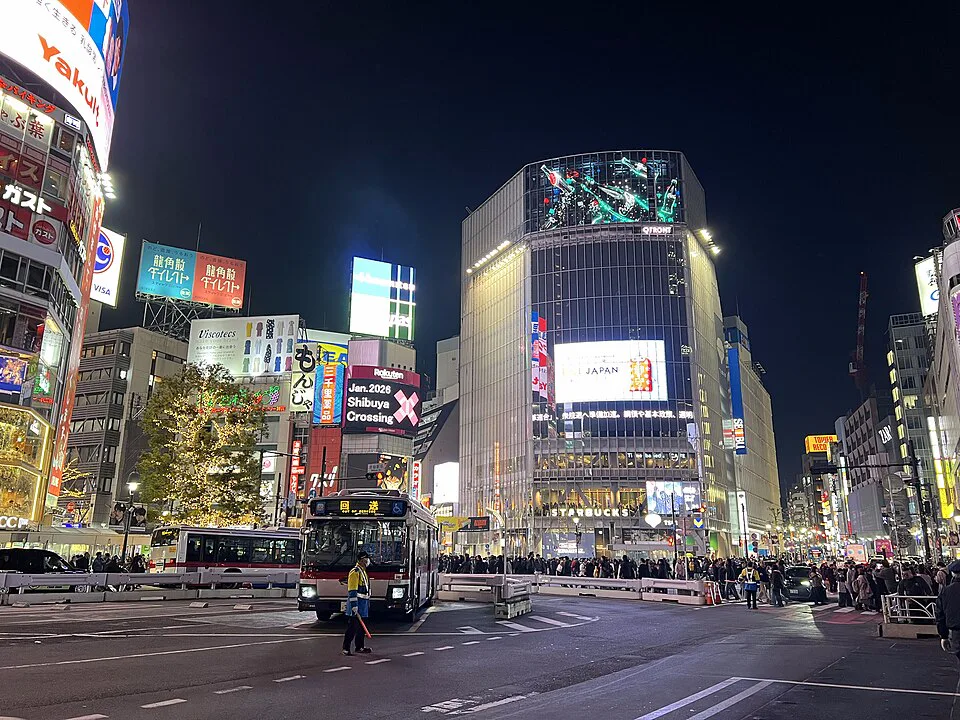
The best 7-day Tokyo itinerary is not the one with the most famous names. It is the one where the fragile days are separated by days that can absorb delay. For a first trip, I would use one Tokyo hotel base and build the week as: arrival + local evening, East Tokyo, West Tokyo + one skyline booking, Mt Fuji midweek, Toyosu/Odaiba + teamLab, one full Disney day, then a low-risk Tokyo Station/Ginza departure block.
The logic matters more than the exact attractions. SHIBUYA SKY, Mt Fuji, teamLab Planets and Disney each create a different kind of commitment: timed entry, weather dependence, road dependence or a full-day ticket. The itinerary works because those risks are not stacked on top of one another.
ValueNavi 7-day Tokyo decision table
↔ Scroll table left or right
If this is your situation | Change the itinerary like this | Do not do this |
First Japan trip, no special priority | Use the seven-day structure below | Add Yokohama, Kamakura and another observation deck just because there is empty map space |
Mt Fuji is a top-three trip priority | Keep one nearby Tokyo day movable around the Fuji day | Put Fuji on the final full day before your flight |
Disney is non-negotiable | Give it the whole day and cut another paid attraction if needed | Do Tsukiji or Ginza first because the park “opens later than Tokyo” |
No interest in Disney | Use Day 6 as your weather-recovery / second-neighbourhood day | Replace Disney with two unrelated day trips |
Arriving after about 17:00 | Make Day 1 dinner + hotel district only | Pre-book a sunset deck or theatre ticket |
Family / older traveller | Keep Day 2, Day 5 and Day 7 deliberately easy to shorten | Make every day a 09:00–22:00 day |
ValueNavi Week Resilience Score: which days can break the trip?
This is a ValueNavi editorial model, not an official Tokyo rating. Each day is scored on five reusable dimensions: geographic coherence (25%), booking flexibility (20%), weather recoverability (20%), recovery buffer (20%) and physical sustainability (15%). Higher is better. The score is designed to expose fragile days before you book them.
Day | Plan | Resilience score | Main failure mode |
|---|---|---|---|
1 | Arrival + Shinjuku | You damage it yourself by adding a timed ticket | |
2 | Asakusa + Ueno | Museum closure or spending too long indoors | |
3 | Meiji Jingu + Harajuku + Shibuya + SHIBUYA SKY | Timed skyline slot + rooftop weather | |
4 | Mt Fuji day trip | Cloud, traffic and a fixed transport plan | |
5 | Toyosu + teamLab + Odaiba | Timed teamLab entry; the rest is easy to shorten | |
6 | Tokyo Disney Resort | High ticket/time commitment and physical load | |
7 | Tokyo Station + Ginza + departure | Only becomes fragile if you travel far from luggage and airport transport |
The score explains why Day 4 and Day 6 should not be followed by another high-risk commitment. They are already the two days with the least recovery capacity.
ValueNavi Hard Anchor Density: one hard commitment per day
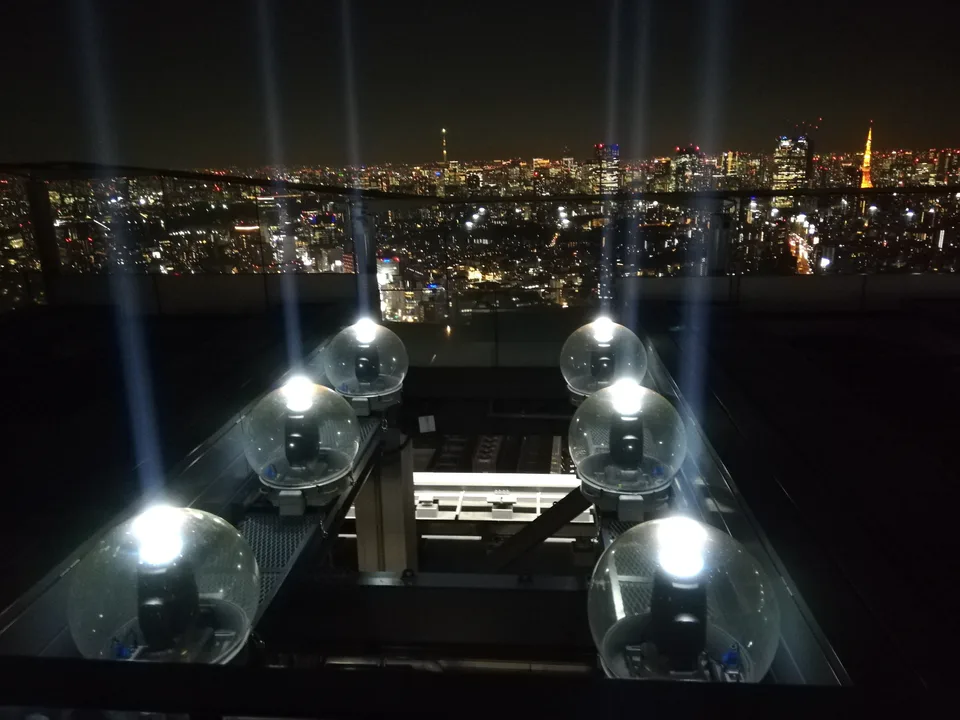
A hard anchor is any activity where arriving late, missing the slot or changing the date can destroy a meaningful part of the value. In this itinerary, SHIBUYA SKY, a booked Fuji tour, teamLab Planets and Disney are hard anchors.
ValueNavi rule: keep Hard Anchor Density at one per sightseeing day. A restaurant reservation at 20:00 after a road-based Fuji tour creates two independent clocks. A sunset deck after Disney creates two expensive commitments fighting for the same energy. One anchor gives the rest of the day somewhere to bend.
Day 1 — Arrival + Shinjuku: protect tomorrow, not tonight
Use Day 1 for the hotel, luggage, a simple meal and one local walk. If you still have energy, the free Tokyo Metropolitan Government observatory can be a bonus. Do not pre-book anything that becomes worthless if immigration, bags or airport transport takes an hour longer than expected.
If you arrive very late, use the dedicated Haneda late-arrival guide or Narita late-arrival guide. Arrival day is successful when Day 2 still starts normally.
Day 2 — Asakusa + Ueno: use one paid museum only if it earns the afternoon
Start with Kaminarimon, Senso-ji and the Sumida side, then move to Ueno. This is a coherent east-Tokyo day with plenty of free outdoor time.
Tokyo National Museum is the natural paid upgrade when Japanese art and history genuinely matter to you. As checked August 26, 2026, the TNM Collection Exhibitions cost ¥1,000 (about US$6.30) for adults. The museum is normally 09:30–17:00, with later hours on Friday and Saturday and on Sundays before a Monday holiday; it is generally closed Mondays, subject to holiday exceptions and special closure dates.
The important decision is not whether ¥1,000 is cheap. It is whether you want to spend two or three of your east-Tokyo hours indoors. If not, keep Ueno Park, Ameyoko and Akihabara flexible.
Day 3 — Meiji Jingu → Harajuku → Shibuya: let one skyline ticket control the afternoon
Start at Meiji Jingu, then move through Harajuku and Omotesando into Shibuya. This is one of Tokyo’s strongest walking-direction days because the neighbourhood sequence is already coherent.
If SHIBUYA SKY is your paid skyline choice, build the afternoon around the actual slot. Current adult web admission is ¥2,700 (about US$17) for entry before 15:00 and ¥3,400 (about US$21) from 15:00. The ¥700 difference is a time tier, not a sunset guarantee. Use the SHIBUYA SKY ticket decision guide to calculate the right entry time for your season.
If weather makes the rooftop poor value, do not replace it with another cross-city paid deck out of frustration. The Tokyo observation-deck comparison shows why route fit and weather resilience matter as much as height.
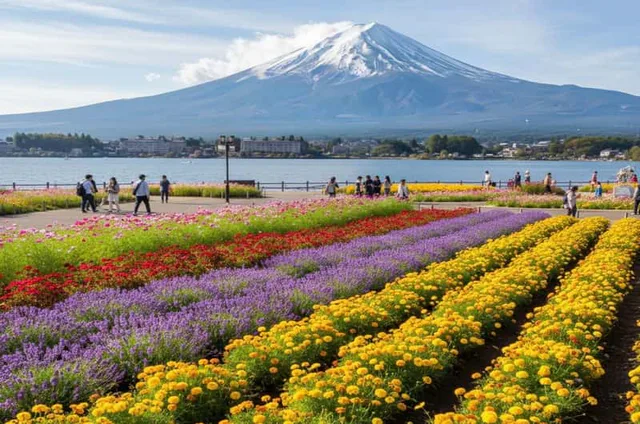
Day 4 — Mt Fuji: the lowest-resilience day belongs in the middle
A Fuji day is the week’s clearest weather bet. Booking transport does not book a mountain view. Road-based tours can also return later than the brochure rhythm when traffic is heavy.
That is why I would put Fuji around the middle of the week, not on Day 7. More importantly, keep at least one nearby Tokyo day sufficiently flexible that you can change priorities if your booking terms and forecast allow it. This is a recovery-capacity decision, not a promise that every Fuji booking is freely changeable.
If Fuji is the objective, favour a coherent Kawaguchiko/Fuji route over a checklist that stitches Fuji, Hakone and Gotemba together simply to increase stop count. Use the Mt Fuji day-tour guide for the transport-vs-view trade-off.
Do not attach a non-refundable evening booking to this day. Dinner near the hotel is enough.
Day 5 — Toyosu + teamLab Planets + Odaiba: one hard ticket, then flexible waterfront
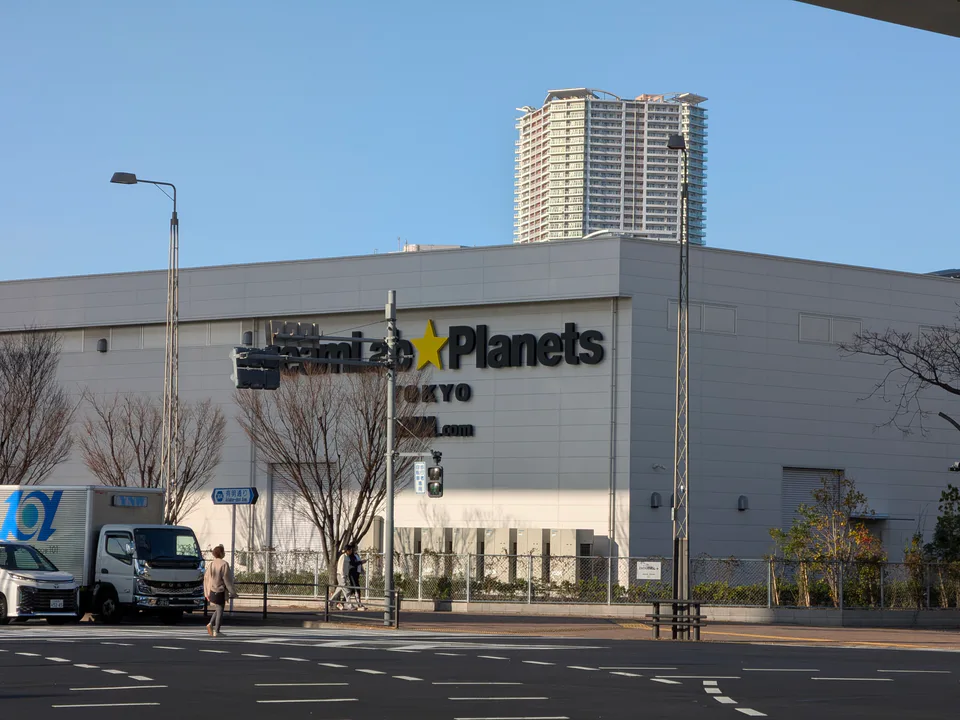
Keep the morning around Toyosu so the timed attraction does not require a cross-city sprint. teamLab Planets currently lists the adult Entrance Pass from ¥3,600 (about US$23). The official description is literal: this is a museum where you walk through water. That makes clothing, mobility and willingness to get wet part of the purchase decision.
Afterward, Odaiba is the recovery layer: waterfront, malls, Rainbow Bridge views and the free Tokyo Aqua Symphony can expand or shrink with weather and energy. This is why Day 5 scores much better than a day containing three timed museums.
Day 6 — Disney: if you pay for a park day, let it be the park day
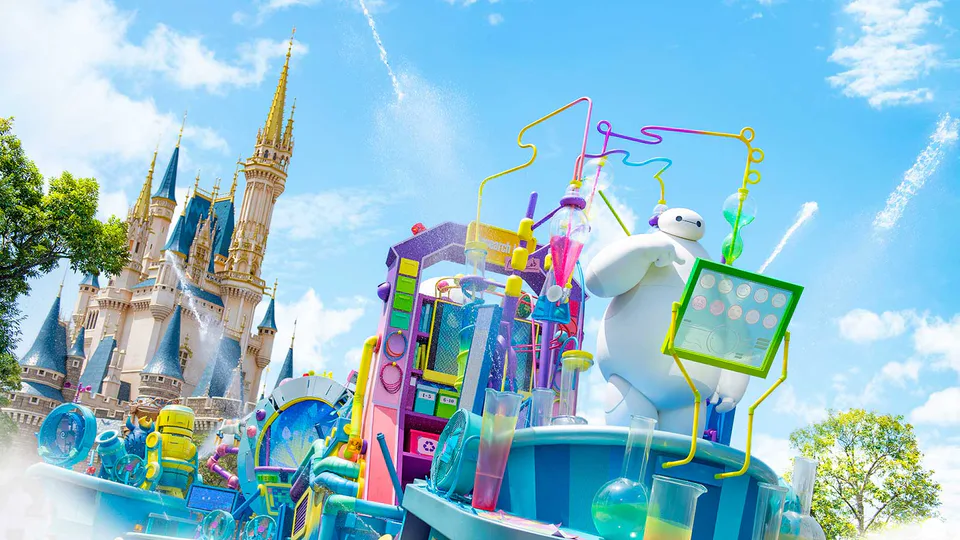
Tokyo Disney Resort currently sells standard 1-Day Passports from ¥8,900 (about US$56) for adults, with date-based prices. Tickets are released daily from 14:00 JST for admission on the same date two months later, subject to availability.
The mistake is not spending a whole day at Disney. The mistake is spending that ticket and then entering late because you tried to add Tsukiji, Ginza or another sightseeing block first. If Disney matters, make it the day. If it does not, delete it and turn Day 6 into the week’s strongest weather-recovery day.
Use the Tokyo Disney ticket guide before deciding Disneyland vs DisneySea or whether the park belongs in this trip at all.
Day 7 — Tokyo Station + Ginza: departure day should have a one-direction finish
Keep the final block near your luggage and your airport route. Tokyo Station, Marunouchi and Ginza are useful because the day can stop at many points without destroying a paid reservation.
Do not turn a late flight into permission for a distant half-day in Kichijoji, Odaiba or another edge of the city unless the luggage and airport chain remains clean. The Tokyo first/last-day guide shows how to calculate usable hours after luggage and airport buffers.
ValueNavi recovery matrix: what should move when something goes wrong?
↔ Scroll table left or right
Problem | Protect | Move or cut first |
Rain on Day 3 | West Tokyo geography | Rooftop value; switch the paid-view decision instead of rebuilding the whole day |
Poor Fuji forecast | Your best forecast window, if booking terms allow | A flexible Tokyo day — never the departure day |
Jet lag worse than expected | Day 2 east-Tokyo core | Akihabara / late evening extras |
Disney removed | Keep the empty full day | Do not automatically fill it with two day trips |
Heavy rain on Day 5 | teamLab booking | Outdoor Odaiba time; use indoor malls or move waterfront time |
Departure moved earlier | Airport buffer | Ginza first, then Marunouchi; do not steal time from the airport margin |
Final verdict
For a first seven-day Tokyo trip, I would rather run this itinerary at 80% capacity and keep recovery options than fill every morning, afternoon and night. Day 1 and Day 7 should be deliberately easy. Day 2 and Day 5 are flexible geographic days. Day 3 has one timed skyline anchor. Day 4 is the weather-sensitive day. Day 6 is the full-ticket day.
The proprietary planning rule is simple: one hard anchor per day, never two fragile days chained by another expensive evening, and at least one city day that can absorb a weather-driven change. That is what makes seven days feel like a Tokyo trip rather than seven consecutive appointments.
References
Prices and operating conditions checked August 26, 2026. Approximate USD conversions use about ¥1 = US$0.00629 and are only for orientation; use the current JPY price when booking.