
Fukuoka self-drive hotels in 30 seconds: the cheapest car plan is often not keeping the car for the whole stay
The biggest mistake with Fukuoka self-drive hotels is starting with a parking filter and then keeping the rental car from airport arrival until the flight home. Central Fukuoka is unusually easy to cover by subway, bus and walking. If the car is genuinely useful only for Itoshima, Uminonakamichi, Shikanoshima or a longer Kyushu road day, paying for two or three extra rental nights plus city parking can turn the car into something you store rather than use. For Fukuoka independent travel, I would mark the days that truly require a car first, decide the return day second, and only then choose the hotel.
Do not let one driving day overrule the rest of the trip. If three nights are built around Tenjin shopping and one day goes to Itoshima, you still need a hotel that works on the three car-free days. If three consecutive days involve coastal or regional driving, parking access becomes a much bigger part of the accommodation decision. If the basic area question is still open, start with Hakata vs Tenjin hotels before using parking to break the tie.
↔ Scroll table left or right
How you use the car | Start with | What the hotel actually solves | NO-GO |
Drive 2–3 consecutive days, sleep in the city every night | Hotel JAL City Fukuoka Tenjin | 26 guest spaces plus Akasaka subway access on car-free hours | Need regular vehicle access between midnight and 6 a.m. or have a tall vehicle |
Keep the car for one final night, then switch back to rail | Miyako Hotel Hakata | 36 on-site spaces plus direct Hakata Station access after the car goes back | Need the hotel garage before 7 a.m. or after 11 p.m. |
The car is part of the Uminonakamichi/Shikanoshima trip itself | THE LUIGANS Spa & Resort | About 100 flat spaces, 24-hour parking and free parking for hotel guests | Want Tenjin nightlife and city dining every night |
Only one rental-car day; the rest is Tenjin shopping and city time | Solaria / central Tenjin | Keeps the hotel optimized for the three car-free days | You carry luggage out of the city by car every day |
Keeping the car for 2–3 nights? Check JAL City’s vehicle and overnight-access limits
Hotel JAL City is the clearest city-driving base—but the height limit and midnight lockout matter
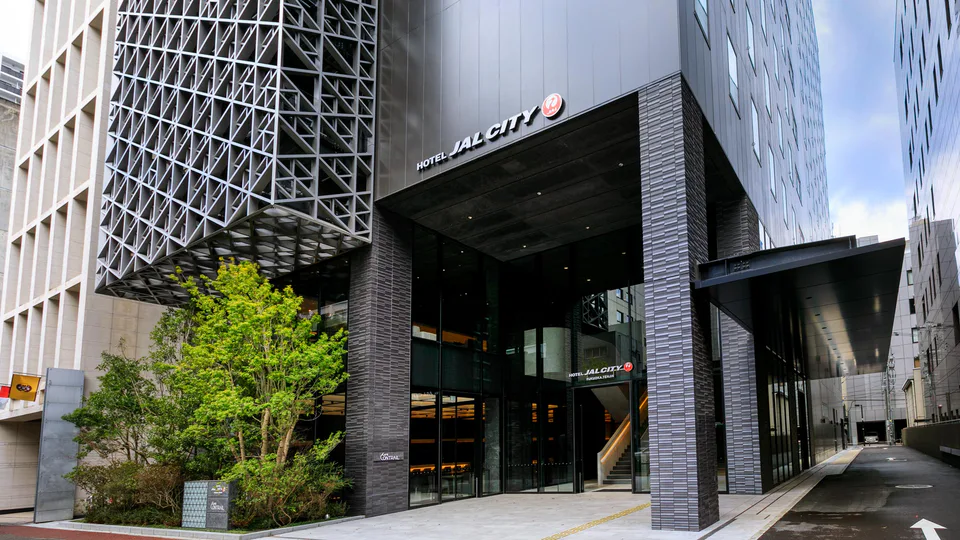
Hotel JAL City Fukuoka Tenjin currently lists 26 guest-only parking spaces: 18 standard pallets and eight EV-compatible pallets. The guest rate is ¥2,000 per night from 15:00 to 11:00 the next day. The important part is not the price; it is the physical limit. Standard spaces accept vehicles up to 5.3 m long, 2.05 m wide and 2.0 m high. EV spaces are slightly narrower and shorter, with the same 2.0 m height ceiling. A normal sedan is straightforward. A tall MPV, large SUV or anything with a roof box needs an actual vehicle-dimension check before you book.
The garage is first-come, first-served and cannot be reserved. The hotel also says entries and exits are basically unavailable from 00:00 to 06:00. That distinction matters. A day trip that returns at 20:00 is fine; a photography trip that leaves at 04:30 is not. This is why the hotel works best for travellers who want to keep the same car for several daytime outings but still want the Airport Line at Akasaka when the car stays parked. The Hotel JAL City Fukuoka Tenjin guide covers the room and Akasaka trade-off in more detail.
Miyako works best when the return day becomes a clean line between the road trip and the city trip
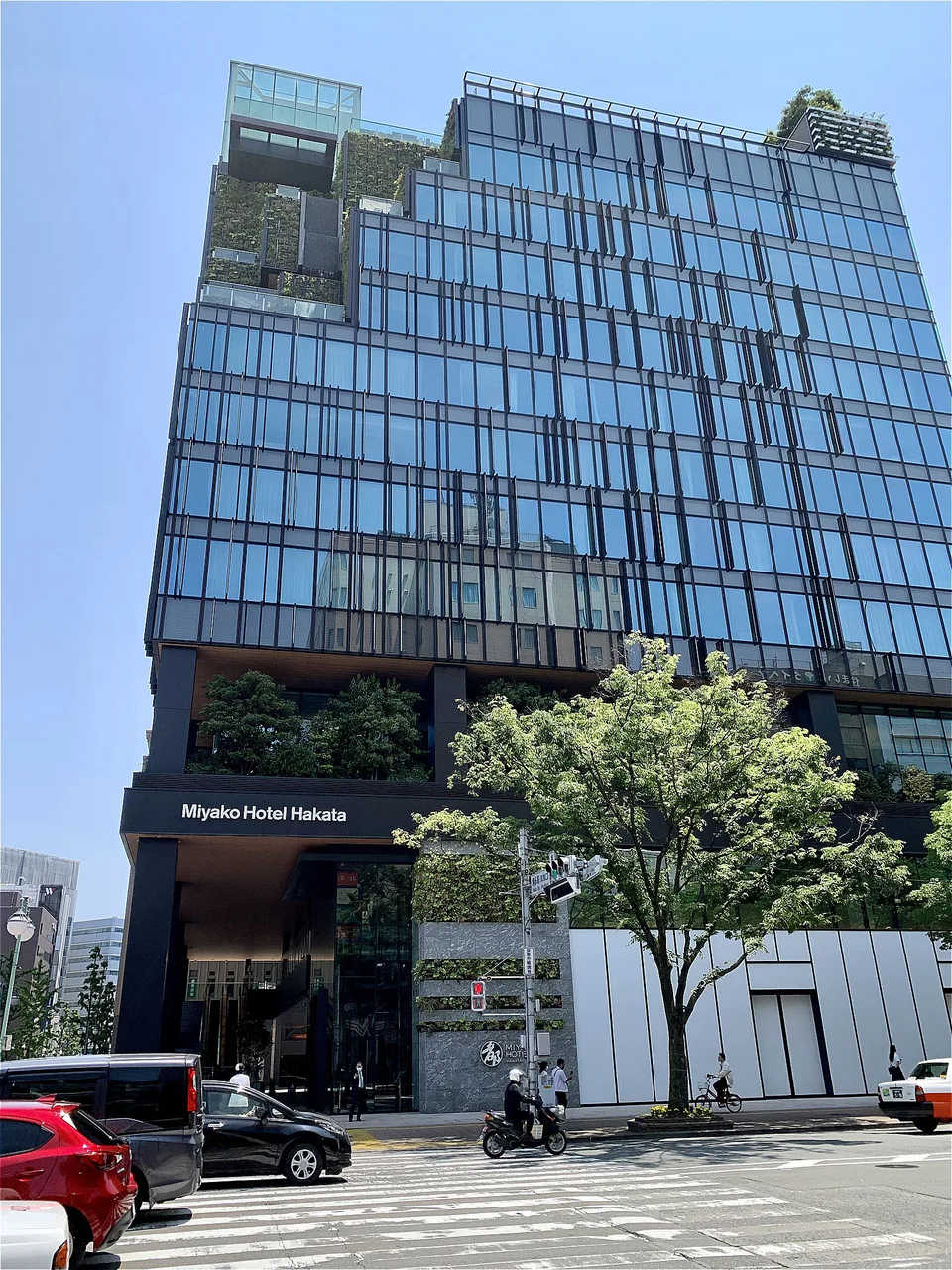
Miyako Hotel Hakata has a different self-drive role. Its current on-site garage has 36 spaces, operates from 07:00 to 23:00, charges hotel guests ¥2,000 per 24 hours and accepts vehicles up to 5.3 m long, 1.96 m wide and 2.05 m high. It is first-come, first-served; reservations are not accepted. The hotel also lists an affiliated car park roughly 30 metres away for overflow or hours outside the on-site garage.
The interesting use case is not keeping the car there for four nights. It is using Hakata as the handover point. Imagine two road days to Itoshima, Karatsu or farther into Kyushu, then returning to Fukuoka in the afternoon, dropping the car, and spending the final two nights on JR, subway and airport access. The hotel can then serve two jobs: parking for the last road night and a station-connected base after the rental ends. You stop paying rental and parking costs on days when the vehicle adds no value.
There is a hard NO-GO: if your plan requires leaving the hotel’s own garage at 05:30, a 07:00 opening does not fit. You would need to confirm the affiliated lot or change the parking plan. If you are paying Miyako mainly for the station connection, read the Miyako Hotel Hakata review; if the car-free half of the trip is mostly Tenjin, the Miyako vs Solaria comparison is the more useful next step.
Returning the car mid-trip? See whether Miyako makes the rail handover worth the premium
THE LUIGANS makes sense when the car is part of the reason you are leaving central Fukuoka
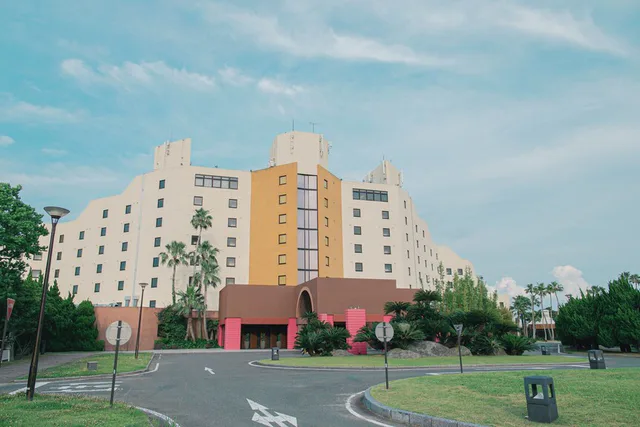
THE LUIGANS is not a city hotel that happens to have parking. Its current official access page lists about 100 flat parking spaces, available 24 hours. The standard public charge is ¥600 per use for up to 24 hours, while hotel guests park free. From the Fukuoka City Expressway’s Island City exit, the hotel describes the drive as roughly eight minutes. Those details make the property unusually uncomplicated for a traveller whose car is genuinely part of the Uminonakamichi, Shikanoshima or east-coast plan.
The location still has a cost. The hotel itself warns that there are no ordinary convenience stores, drugstores or shops within walking distance because it sits in a national seaside park area. That is not a problem when the point is a coastal resort night and the car is staying with you. It becomes a bad base if you plan to drive back to Tenjin every evening for dinner, bars and shopping. Free parking does not compensate for repeatedly rebuilding the city commute. The THE LUIGANS Fukuoka stay guide is the better place to decide whether one coastal night is worth leaving Hakata at all.
Car is the trip, not the luggage? Check whether THE LUIGANS deserves one coastal night
If you only drive for one day, the smartest self-drive hotel may be the hotel you would choose without a car
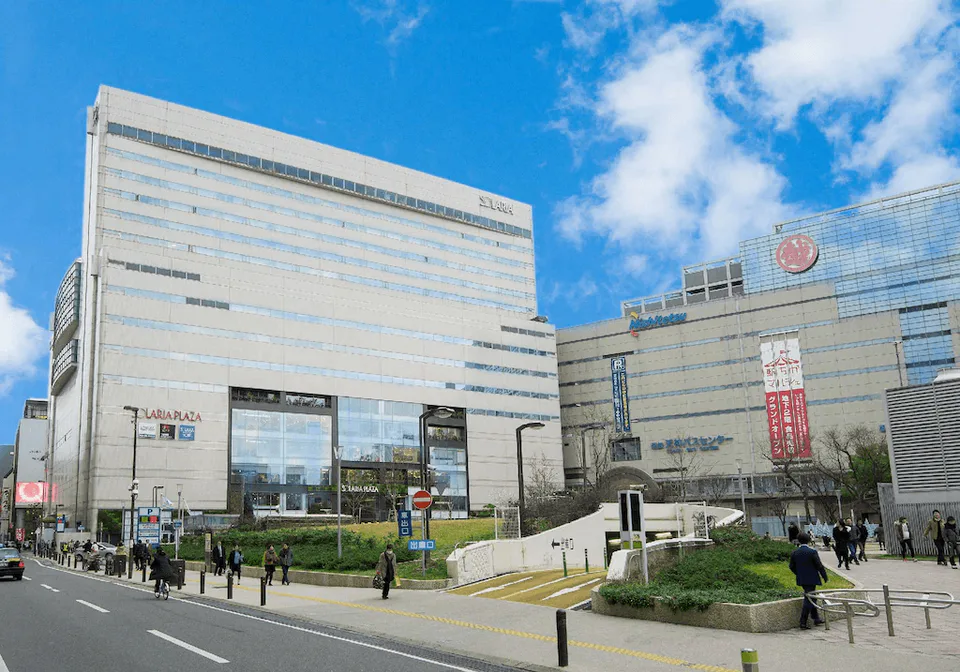
A four-night trip with one Itoshima day should not automatically become a four-night parking problem. Solaria Nishitetsu Hotel Fukuoka currently lists two affiliated parking options for hotel guests, but that is not the reason I would use it here. The real point is that central Tenjin can remain the correct base for the three non-driving days. Pick up the car on the morning you actually need it, return it that evening or the next day, and let the hotel continue serving the shopping, dining and late-return pattern that dominates the rest of the stay.
If Itoshima is the only road day, first decide whether it even deserves an overnight stop using the Itoshima day-trip vs overnight guide. If most of the remaining city days are car-free, the Fukuoka transport guide may save more daily friction than designing the entire hotel choice around parking. For Tenjin specifically, the Solaria Nishitetsu Hotel Fukuoka guide explains when station and shopping access are actually worth prioritising.
Only one car day? Re-check Hakata vs Tenjin before paying for parking all week
Tall MPV or SUV? ‘Parking available’ does not mean your rental will fit
This is the family and four-friends trap. You book a larger MPV or SUV because four adults, suitcases and shopping bags need space. Then the hotel garage applies a 2.0 or 2.05 m height limit. Both JAL City and Miyako publish detailed maximum dimensions, which is exactly what you need to compare with the actual rental model. Do not rely only on a rental-class label. Substitute vehicles within the same class can differ in height, width and length, and a roof box changes the calculation immediately.
The second trap is availability. First-come, first-served hotel parking is not a guaranteed parking reservation. On weekends, event nights or a late airport arrival, write down the overflow option before you travel: where it is, whether the hotel has an arrangement with it, its operating hours and whether repeated entry is allowed. A genuinely workable self-drive hotel is one where you know what happens if the main garage is full—not simply one with a parking icon on the booking page.
Return-day strategy: the car should disappear as soon as it stops solving a daily problem
A useful way to plan Fukuoka is to draw a line through the itinerary. Before the line, the car carries luggage, reaches coastal areas and removes regional transfers. After the line, Hakata trains, the subway and walking become faster and cheaper than storing a car. That line might be night two of a five-night trip, or the morning after an Uminonakamichi stay. Once you can identify it, the hotel choice becomes easier: choose a genuine parking base before the return day and choose the strongest rail or city base after it.
That can even justify a split stay when the road segment is substantial. What does not make sense is changing hotels only to solve one afternoon of parking. Split the stay when the travel mode changes for several days; otherwise keep one strong city base and rent only for the road day.
Final decision: choose the return date first, then choose the hotel
Choose Hotel JAL City when you really keep the car for several daytime outings but still want a useful subway base; accept first-come parking, roughly 2.0 m height limits and the midnight-to-6 a.m. restriction. Choose Miyako when Hakata is the clean handover point between the road trip and the rail/city part of the journey. Choose THE LUIGANS when the car and coastal location are the experience rather than a parking compromise. And if the car is needed for only one day, do not let parking dictate the other three or four nights—choose Hakata or Tenjin for the trip you actually spend most of your time doing.
Before payment, verify four things against the exact rental model: vehicle length/width/height, garage operating hours, whether spaces can be reserved or are first-come, and the day you plan to return the car. If all four fit the itinerary, you have a self-drive hotel. If not, you only have a hotel that happens to advertise parking.
Kanayama Castle: The Stamp Is on the Summit — Choose Your Route from Ota Before You Start Walking
Fukuoka Hotels for Couples: Decide Where Your Night Goes Before Paying for Views or a Luxury Room
Where to Stay in Osaka for Couples: Choose Your Evening Before the Hotel
Dazaifu vs Itoshima: Which Fukuoka Day Trip Should You Choose?
Before You Buy a 2-Day Huis Ten Bosch Ticket, Check Your Hotel—Day Two May Already Be Included
Sources
Hotel JAL City Fukuoka Tenjin — official access and parking information
Miyako Hotel Hakata — official access and parking information
THE LUIGANS Spa & Resort — official access and parking information
Solaria Nishitetsu Hotel Fukuoka — official stay and parking information