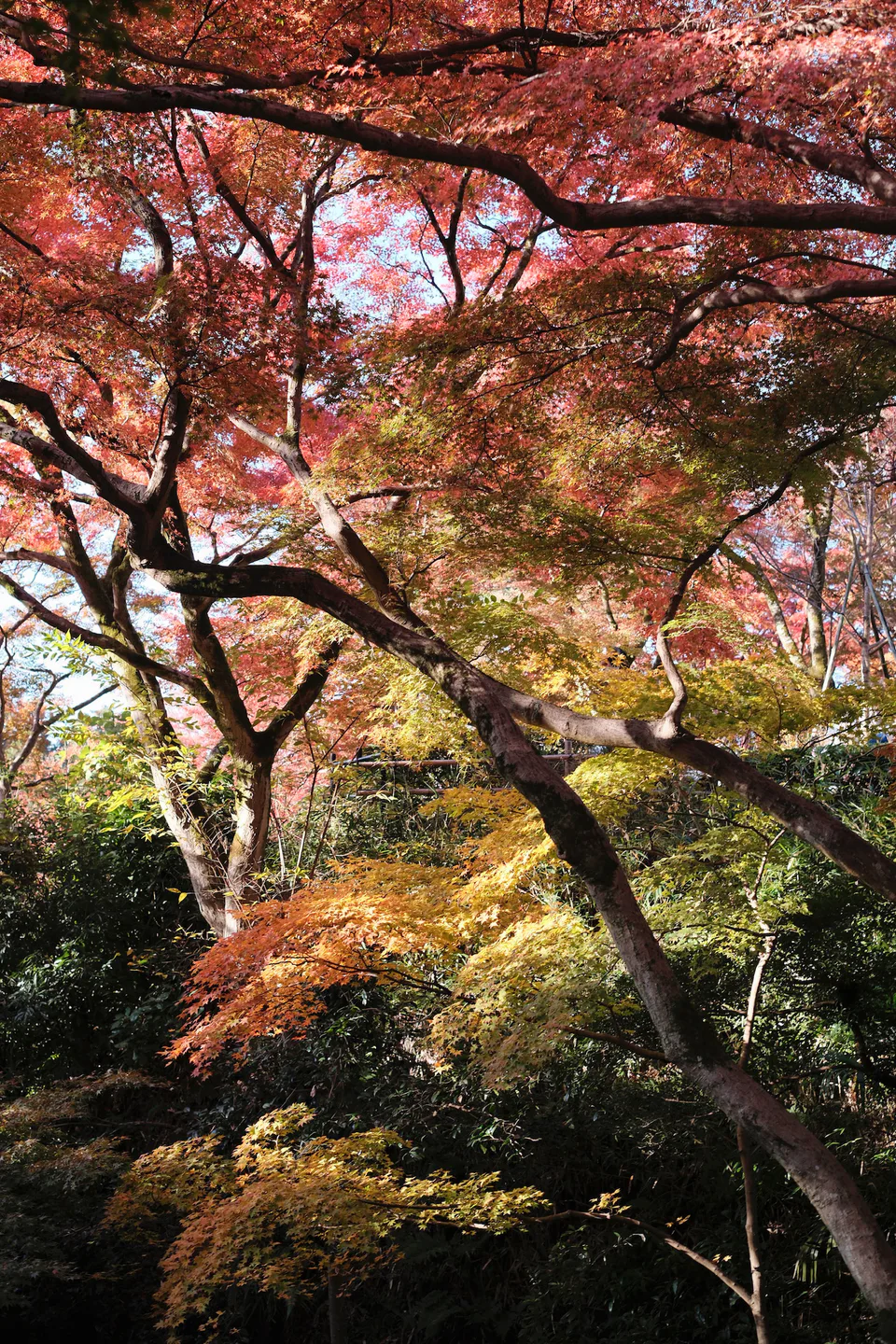
Kyoto autumn leaves by elevation is not another fixed timing calendar. It is an operational method for changing the next day after flights and hotels are already booked but colour is early or late. Elevation only suggests that higher districts often change before the basin. A valid switch also needs dated official photographs, the previous 48 hours of wind and rain, train and bus capacity, sunset, walking difficulty and prepaid tickets. The goal is a complete day, not the reddest photograph.
Last checked August 4, 2026. Kyoto’s live foliage season had not yet opened and the full autumn extra-bus and Maple Tunnel arrangements for Kibune and Eizan Railway were not yet available. Historical sequence can create high, middle and low candidates, but it cannot replace 2026 conditions. Keep one hotel base, change direction rather than accommodation, and avoid switching from a northern mountain day to Uji and an eastern illumination in one day.
Kyoto autumn leaves by elevation: four checks before moving higher or lower
Photograph: confirm the date, update time and exact garden, slope or entrance.
Weather: strong wind can strip early mountain colour; rain can make a trail unusable even when leaves are better.
Transport and daylight: a full bus or two hours of remaining light makes the better-colour district invalid.
Traveller: stairs, mobility aids, children, footwear and luggage can outweigh the foliage advantage.
Only switch when all four checks pass. An official image can show stronger colour in Takao, but if the final bus leaves little daylight or the group cannot manage Jingoji’s stairs, Arashiyama or Higashiyama is the better operational choice. Elevation is a filter applied after safety and access, never before them.
When the trip is early, move from the basin to one mountain corridor
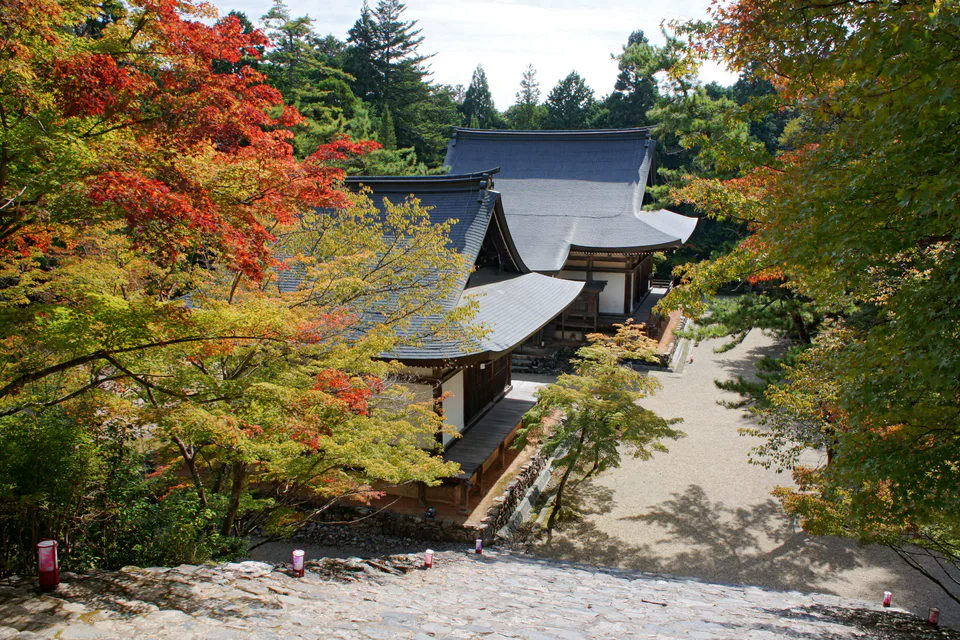
If early-November Higashiyama, Tofukuji and central gardens remain green, choose one of Takao, Kibune/Kurama, Ohara, Yase or Mt Hiei. Takao suits temple photography but Jingoji has long stairs. Kibune has Eizan Railway plus a final bus and moderate walking. Kurama is only for travellers who can handle a genuine trail. Ohara offers the lower-risk Sanzenin-plus-one-temple structure. Moving higher means transferring the whole day to one corridor, not touring three mountain districts because they share a map direction.
Takao or Kibune: decide from access and effort, not a permanent winner
There is no fixed rule that Takao is always earlier than Kibune. Compare the same week’s dated images. Choose Takao for deep temple time and photography when the group accepts stairs; choose Kibune for a clearer rail spine and a shrine-valley route. JR to Enmachi plus a bus can reduce the central-Kyoto road segment for Takao. Kibune uses Eizan Railway to Kibuneguchi and bus 33 or walking. If the bus is full, shorten the chosen district rather than attempting a second northern area and losing the return margin.
Kurama and Ohara have different failure costs
Kurama’s cable car removes only part of the climb and does not deliver visitors to the main hall. The route over roots, stone steps and slopes to Kibune is a real hike. Rain, closure, wildlife notice, early sunset, city shoes, a stroller, a suitcase or weak knees converts it to a main-hall return. Ohara has gentler gradients and remains useful through moss, temples and quieter atmosphere when colour is partial. In rain, Sanzenin plus one covered or indoor-focused temple can remain a complete day.
When mountains are bare, move down without changing hotels
When Takao, Kibune or Ohara photographs show sparse branches after wind, move the next day down through three steps. First consider Arashiyama, Nishiyama or Okusaga; then Nanzenji, Eikando and Higashiyama; then Tofukuji, Uji, Daigoji and city gardens. Follow the easiest corridor from the existing hotel: Kyoto Station favours Tofukuji and Uji, Kawaramachi favours Higashiyama or Hankyu Arashiyama, and Karasuma Oike can switch between subway and JR connections. A foliage miss rarely justifies moving luggage and checking into a new hotel.
Arashiyama is a transition zone, not one elevation reading
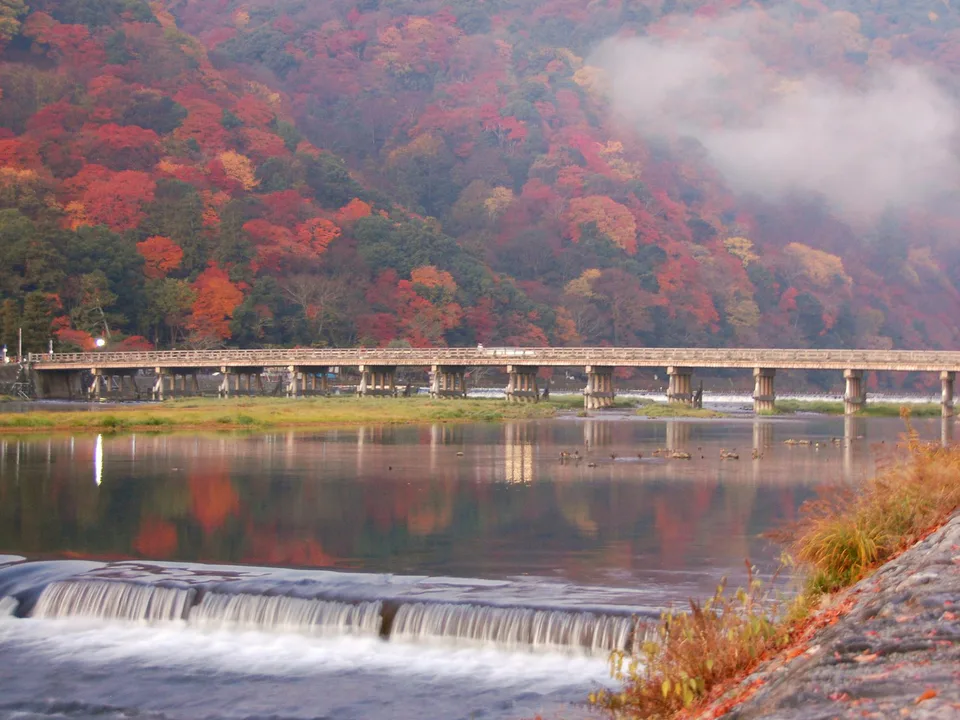
Arashiyama contains slopes, the Togetsukyo riverfront, managed temple gardens, bamboo and shaded Okusaga. Mountain colour does not prove that Tenryuji is synchronized, and a late garden does not mean the slopes survived wind. Decide whether the priority is landscape, garden or quiet walking and complete it at opening time. Midday crowds make an east-Kyoto recovery expensive, so an Arashiyama switch remains within the western corridor.
Higashiyama, Uji and Daigoji lower the risk of a late trip
Northern Higashiyama starts from Keage Subway and can be shortened through Nanzenji, Eikando or part of the Philosopher’s Path. Southern Higashiyama has Kiyomizudera, Kodaiji, Yasaka and Gion, with steeper stone streets but stronger food and evening-return options. Uji and Daigoji become practical from late November into early December because tea, architecture, riverside walking and temples keep the day worthwhile when red leaves are partial. When both mountains and city colour are mediocre, cultural depth is more reliable than extending the chase farther.
The previous-evening switch workflow
Remove candidates that fail safety or transport before comparing colour. Confirm first and final services, expected arrival, sunset, walking, toilets, reservations and the cancellation cost of prepaid tickets. Leave the main suitcase at the hotel or forward it; the day bag carries rain protection, a warm layer, water and a power bank. Check roads, Eizan Railway, buses and temple notices again in the morning. A closure or strong-wind warning is not bypassed with a taxi or an improvised trail.
Hotel bases should maximise direction changes
Kyoto Station works for Tofukuji, Uji, Arashiyama, luggage and intercity travel. Kawaramachi/Gion works for Higashiyama, Hankyu, Keihan and evenings. Karasuma Oike gives the strongest multi-direction flexibility for uncertain timing. Demachiyanagi favours Kibune, Kurama and Ohara; Kokusaikaikan shortens northern travel but has fewer hotels and late meals. Named hotels are examples rather than availability claims. International travellers should verify room size, bedding, cancellation time zone, card acceptance, luggage forwarding and whether a ryokan can confirm meals and transfers in English. Compare the wider Kyoto autumn hotel bases before moving accommodation just to chase one day of colour.
Search Kyoto foliage hotels on Booking.com
Compare Kyoto foliage hotels on Expedia
When not to use elevation chasing
Do not enter the mountains because colour is better during heavy rain, strong wind, closure, wildlife warnings, cancelled buses or insufficient daylight. Travellers using a wheelchair or stroller, carrying large luggage, lacking suitable footwear or unable to manage stairs should select Ohara, Uji, city gardens or a short Higashiyama route. A paid illumination never justifies returning from a mountain trail after dark; leave the mountains in the afternoon and rest at the hotel, or cancel the evening event.
Frequently asked questions
Does higher always mean earlier?
No. Slope, sunlight, moisture, species, urban heat, wind and rain can reverse local timing.
Is the Kurama–Kibune route a walk?
It is a hike with slopes, roots, steps and weather risk, not a flat sightseeing path.
Should I change hotels for better colour?
Usually no. A fixed Kyoto base and a previous-evening direction change provide more flexibility than moving luggage.
Related guides and official checks
Kyoto autumn leaves timing map
Kyoto November routes
Kyoto autumn illumination 2026
Information last checked August 4, 2026. Foliage, transport, trails, events and safety notices must be reconfirmed for the travel date.
Where to Stay
Kyoto Autumn Illumination 2026: Temples, Tickets, Transport and Hotels
Avoid Kyoto Autumn Crowds in 2026: Rail Corridors, Early Starts and Hotel Bases
Kyoto Hotels Sold Out in Autumn? Backup Bases in Otsu, Uji, Nara and Osaka
Continue Planning
3-Day Kyoto Autumn Leaves Itinerary